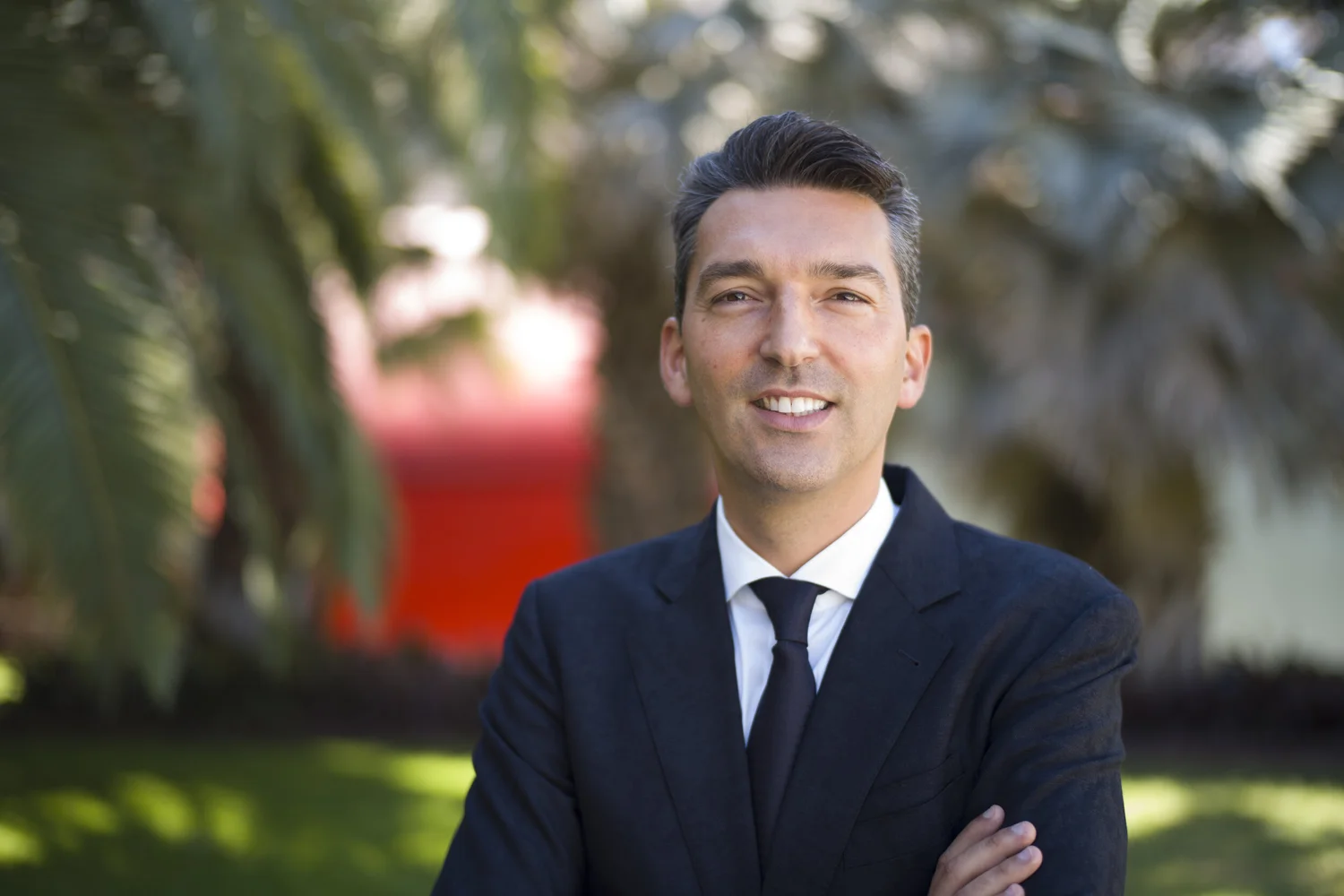
Your executive headshot is the first thing a client, investor, or recruiter sees, and in Los Angeles it gets judged faster than anywhere else. This city runs on image. A strong headshot says you belong in the room before you ever walk into it.
I've been shooting executive and corporate portraits in Los Angeles for 27 years. Founders, partners, C-suite teams, entire companies in a single day. This guide covers everything you actually need to know: what executive headshots cost in LA, what to wear, studio versus on-location, and how to get a session that doesn't look like a DMV photo with better lighting.
What an executive headshot actually is
Not all headshots are the same job, and photographers who treat them that way produce interchangeable results.
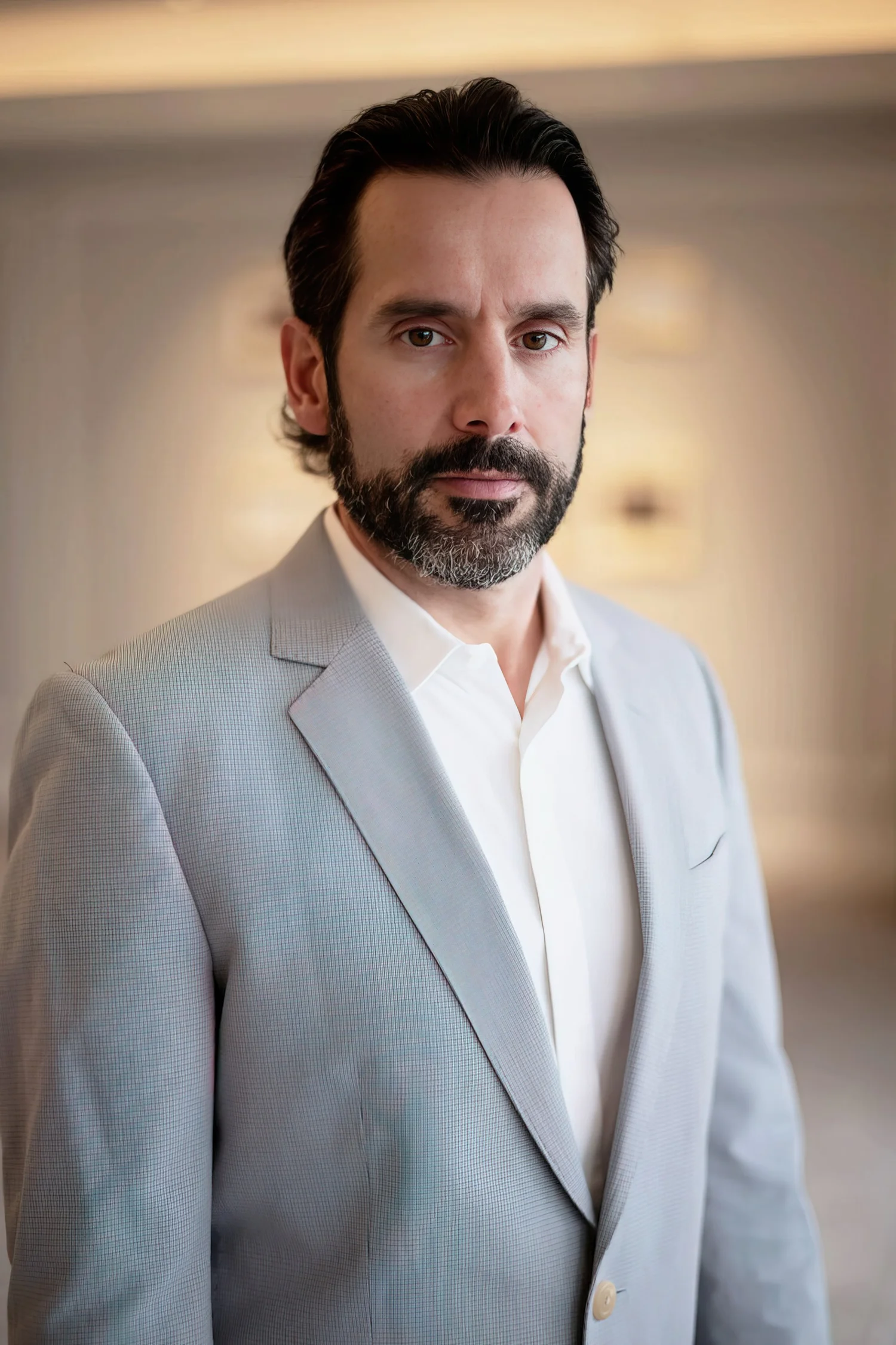
An executive headshot is a polished, confident portrait built for authority: LinkedIn, company leadership pages, speaker bios, press kits, investor decks. The framing is tight, the lighting is controlled, the expression is warm but serious. It should look like you on the day you closed your biggest deal.
That's different from an actor headshot, which is a casting tool built to show range and personality, and different from a corporate team photo, which matches dozens of people to one consistent look. When you book, say the words "executive headshot" and describe where the photo will live. The photographer will light and direct differently for a law firm partner page than for a startup founder's TechCrunch profile.
What do executive headshots cost in Los Angeles?
Real numbers from the current LA market, because vague pricing helps nobody.
Individual studio sessions run roughly $325 to $850 for a multi-look session with retouched finals, according to a current survey of Los Angeles headshot pricing that puts the full market range from about $150 for a promotional one-look session to $1,095 for a premium three-hour session. Executive-specific packages at established LA studios run higher: one well-known corporate photographer lists a 60-minute individual executive session at $595 and a 90-minute session at $795, each with a set of fully retouched finals.
On-location team sessions are priced per person or per half day. Per-person rates for corporate groups typically start around $99 to $150 with minimums, while a photographer bringing a full studio setup to your office for a half day of executive portraits generally runs $1,500 to $2,500 depending on headcount and deliverables.
What moves the price: hair and makeup (budget $175 to $300 if it's not included), additional retouched images (usually $30 to $50 each), rush delivery, and licensing if the images will run in paid advertising. What should make you walk away: a "professional" session under $150 with no portfolio to back it up. In this market, that price point means unedited proofs and a photographer learning on your face.
Studio or on-location: which is right for you?
Choose the studio when the image needs to be flawless and consistent. Controlled lighting, no surprises, and the photographer can dial in the exact look your brand needs. If you're an individual executive refreshing your LinkedIn and bio photos, the studio is almost always the better call.
Choose on-location when you're photographing a team. Bringing one photographer to your office beats sending forty people across town, and shooting people in their own environment produces more relaxed expressions. The trade-off is control: the photographer is building a studio inside your conference room, so confirm they bring full lighting, backdrops, and backup gear, not just a camera and a window.
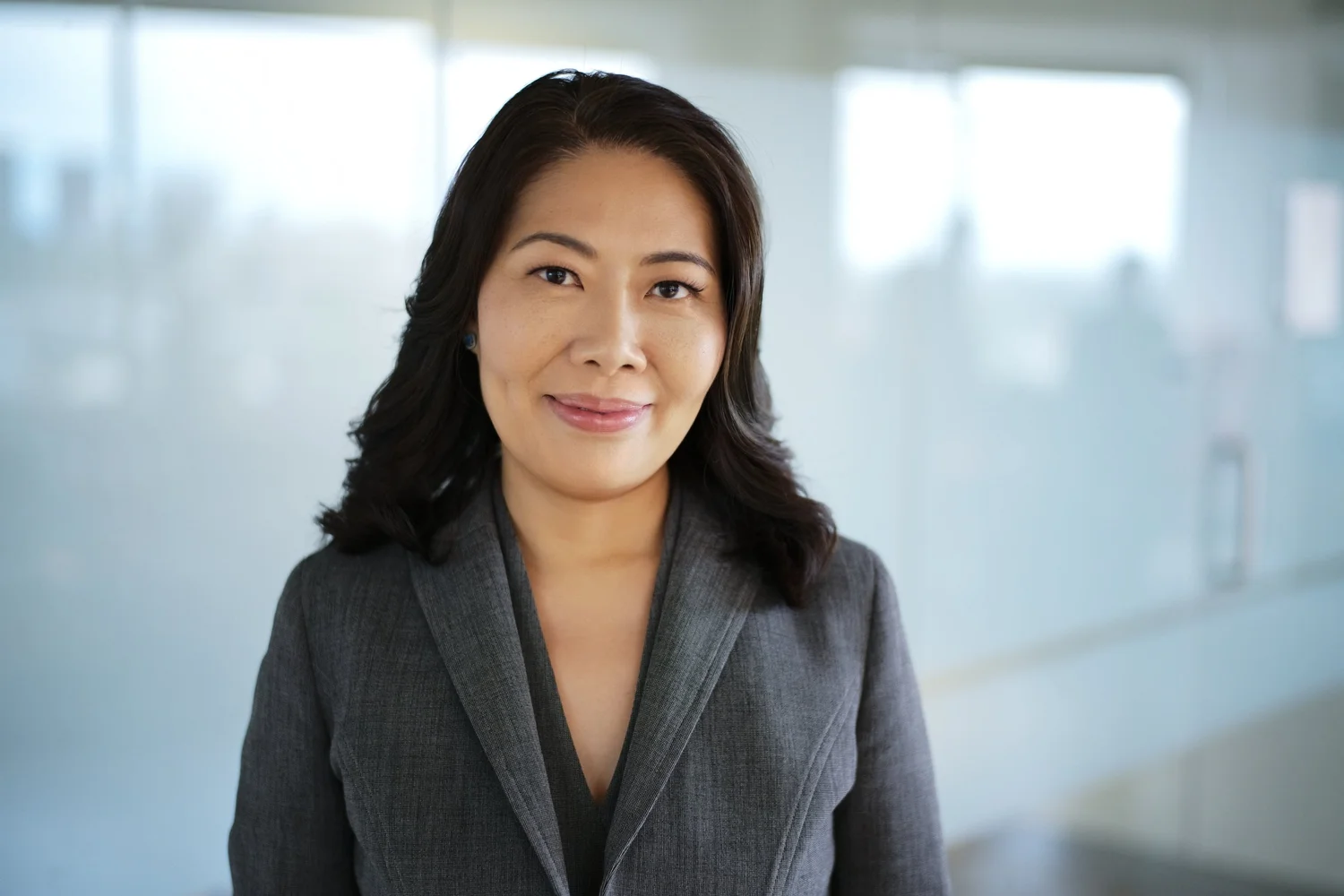
For leadership teams, I recommend on-location with a consistent backdrop and lighting setup for everyone. Your "Our Team" page looks ten times stronger when all forty portraits match.
What to wear for your executive headshot
Wardrobe is half the photo. Here's what works after 27 years of watching people get this right and wrong:
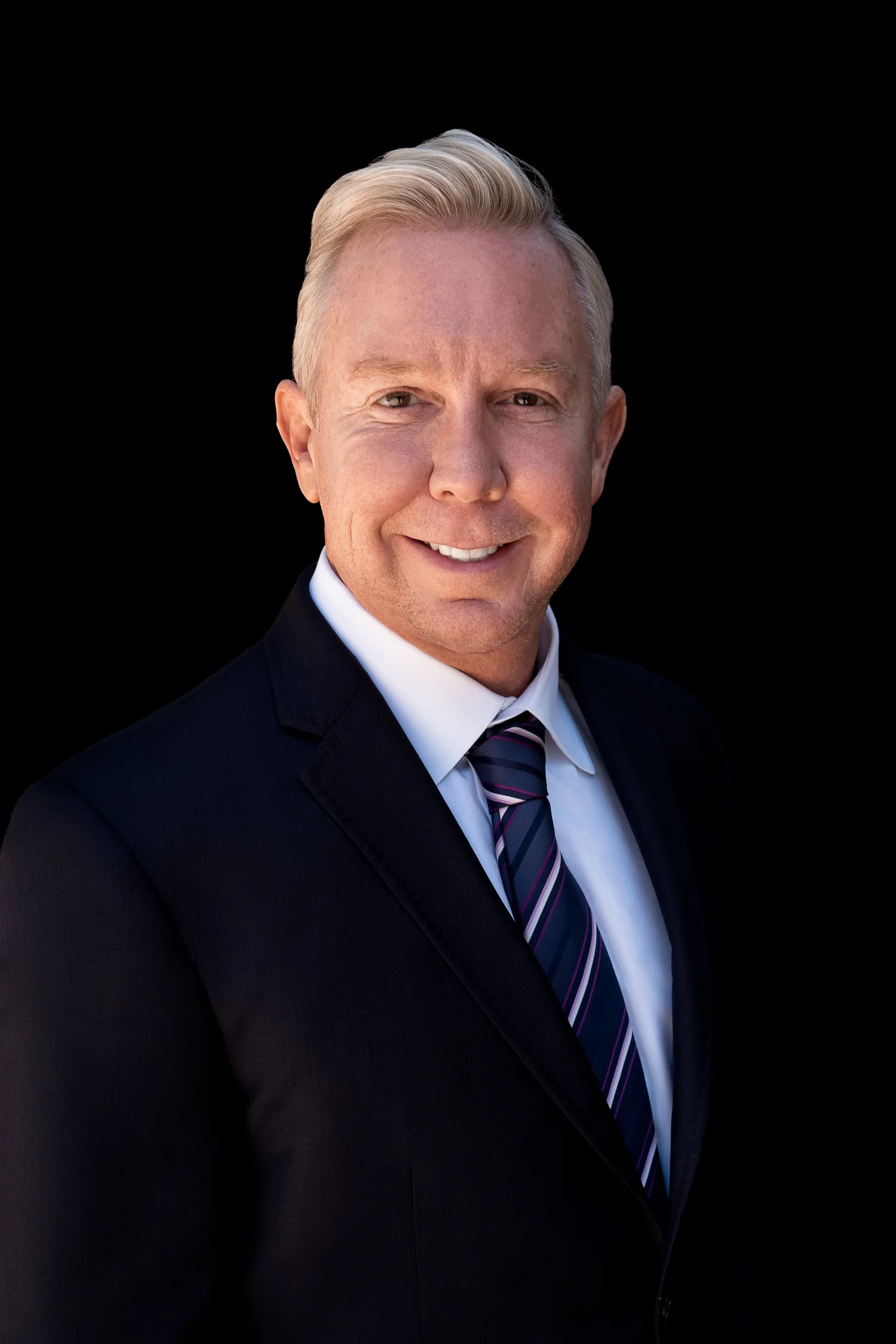
The safe winners: a well-fitted blazer or suit jacket in navy, charcoal, or black; a crisp dress shirt or blouse in white, light blue, or a muted solid; minimal jewelry; clean, simple necklines. Solid colors photograph better than patterns. Pinstripes and tight checks can shimmer on camera, so leave them at home.
Fit matters more than brand. An off-the-rack blazer that fits your shoulders beats a designer label that doesn't. Get the jacket tailored if it's close. The camera reads fit before it reads fabric.
For LA specifically: this town is more relaxed than New York or DC, and your headshot can reflect that, but don't confuse relaxed with sloppy. A founder can skip the tie. A partner at a law firm probably shouldn't. Match the dress code of the clients you're trying to win, not the office you're sitting in.
Bring options. Two or three tops or jackets give you and the photographer choices, and you'll see immediately on the monitor which one works. Avoid pure white shirts under harsh light unless the photographer knows how to hold the detail, and skip anything neon, logo-covered, or wrinkled.
How to prepare: the day before and the day of
The night before: sleep beats every other preparation. Drink water, skip the salty dinner and the extra glass of wine, and don't try a new skincare product or haircut the day before a shoot. Arrive with clean, dry hair if you're styling it at the session.
The morning of: eat normally, arrive a few minutes early, and bring your wardrobe on hangers, not balled up in a bag. Men: shave or trim the way you normally look, because the photo should match the person who shows up to meetings. A light powder to kill shine helps everyone, and most good studios have it on hand.
Glasses: if you wear them daily, wear them in the photo. People need to recognize you. A good photographer knows how to angle the lights to kill the glare.
Mindset: the camera reads tension instantly. The executives who get the best headshots aren't the most photogenic, they're the most relaxed. Trust the photographer's direction. If they ask you to do something that feels unnatural, that's usually exactly what looks natural on camera.
What happens during the session
A professional executive session is directed, not candid. Expect this:
The photographer lights you, checks the monitor, and adjusts before you ever see a frame. Then comes expression coaching: chin slightly forward and down (this defines the jawline and kills the double-chin angle everyone fears), shoulders angled, eyes engaged with the lens. You'll shoot in short bursts, review together on a tethered monitor, and adjust.
A good photographer talks the whole time. Not small talk for its own sake, but conversation calibrated to get a genuine expression out of you, because the difference between a stiff corporate portrait and a great one is about ten percent relaxation. Sessions typically run 30 minutes to an hour per person for individuals, and 10 to 15 minutes per person for on-location team days once the lighting is set.
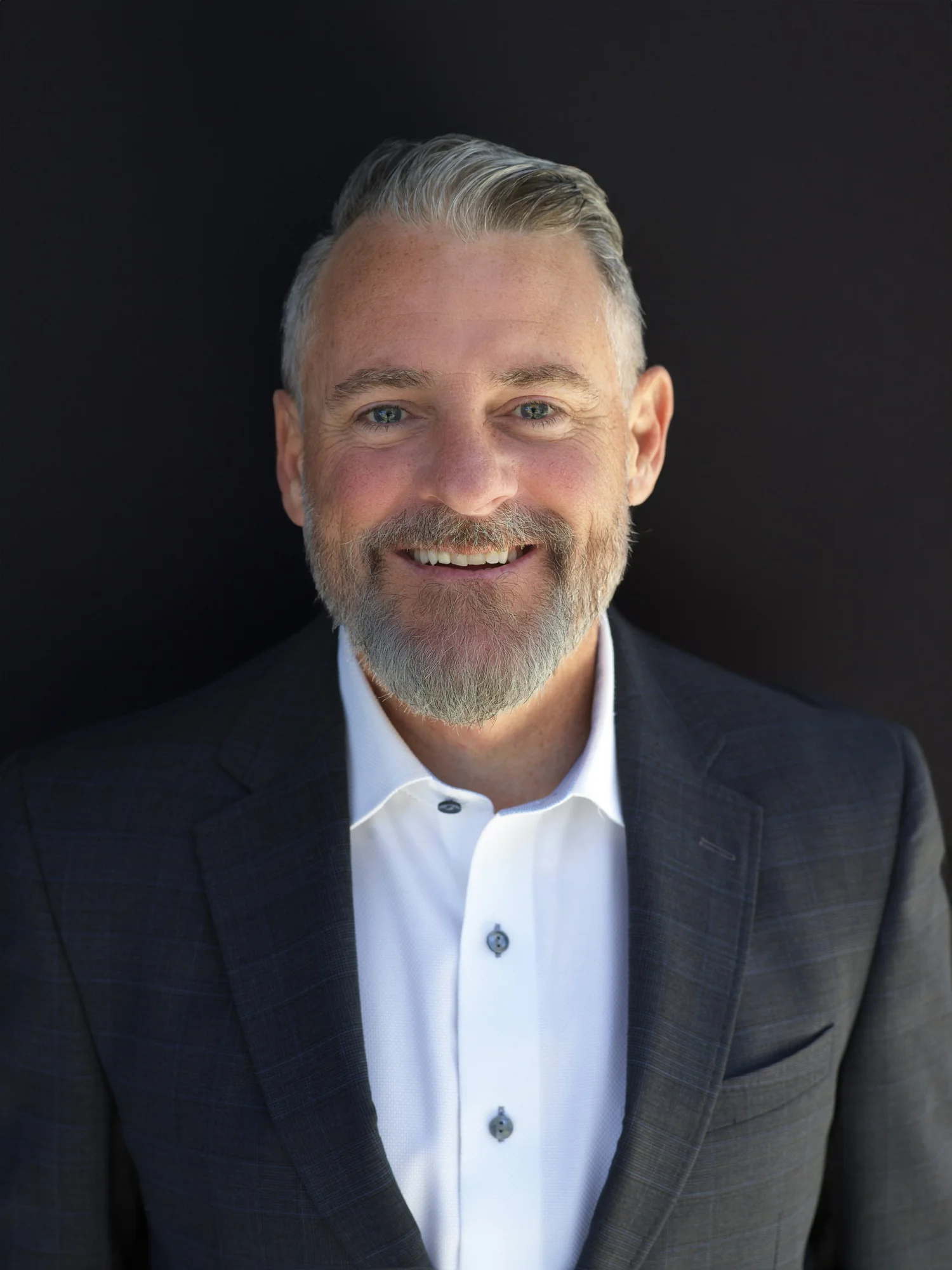
Watch for this red flag: a photographer who poses you, fires off fifty frames in silence, and calls it done. Direction is the job. The lighting is table stakes.
Retouching: the line between polished and fake
Every professional executive headshot gets retouched. The question is how much.
Good retouching removes temporary distractions: blemishes, under-eye shadows from a bad week, flyaway hairs, a shiny forehead. It evens skin tone without erasing texture. You should look like yourself on a great day, and nobody meeting you in person should be surprised.
Bad retouching is the plastic-skin, glowing-eyes look that screams 2010. It also includes reshaping faces and bodies, which I won't do. Your headshot is a professional document. If it doesn't look like you, it's a liability, not an asset.
Ask the photographer before you book: "What's your retouching philosophy?" If they can't answer clearly, or if their portfolio has that waxy over-processed look, keep looking. Ask how many retouched finals are included and what additional retouches cost, because "all images lightly edited" and "three fully retouched finals" are very different deliverables.
Where your headshot works hardest
Your executive headshot has more jobs than you think, and each one rewards the investment:
LinkedIn. Your profile photo is your digital first impression, and the data backs up the investment. LinkedIn's own research has found that profiles with a photo are 14 times more likely to be viewed than profiles without one. LinkedIn also recommends your face fill about 60 percent of the frame, which is why a proper headshot beats a cropped vacation photo every time.
Your company website. Leadership and team pages are some of the most visited pages on any corporate site. Consistent, professional portraits signal a company that has its act together.
Speaking and press. Conference programs, podcast artwork, quoted-expert bios, award nominations. Every one of these needs a high-resolution headshot on short notice, and "do you have a photo we can use" is not the email you want to scramble on.
Email signatures and proposals. Small placements, constant visibility. A sharp thumbnail builds familiarity before the first call.
Get the full-resolution files and keep them organized. You'll use this photo fifty times in the next two years.
How to book: timeline and choosing your photographer
For an individual session, two to four weeks of lead time is comfortable in Los Angeles. For an on-location team day, book four to eight weeks out, more if you're coordinating forty calendars and need a specific date.
Choosing the photographer comes down to three checks: a portfolio full of executive work (not weddings, not families, executives), consistent lighting and skin tones across different people, and clear answers on pricing, turnaround, and retouching before you commit. If you're hiring for broader corporate coverage too, read my guide on how to hire a corporate photographer in Los Angeles first. The vetting questions there apply double to headshots.
For teams, ask specifically about their on-location setup: what lighting they bring, how they keep forty portraits consistent, and what the per-person workflow looks like. Anyone vague on logistics will be vague on delivery day.
Frequently asked questions
How much does an executive headshot cost in Los Angeles?
Individual sessions typically run $325 to $850, with dedicated executive packages from $595 to $795 at established studios. On-location team sessions are usually priced per person ($99 to $150+) or as a half-day rate ($1,500 to $2,500).
How long does an executive headshot session take?
Plan 30 to 60 minutes for an individual session, including wardrobe changes and image review. On-location team sessions run 10 to 15 minutes per person once lighting is set.
Should I get my executive headshot done in a studio or at my office?
Individuals get the best results in a studio, where lighting is fully controlled. Teams are better served on-location, where one setup can photograph everyone consistently without pulling people off-site.
What should I wear for an executive headshot in Los Angeles?
A well-fitted blazer or suit in navy, charcoal, or black over a solid shirt or blouse. LA is more relaxed than the East Coast, but match the dress code of the clients you want, not your office. Bring two or three options.
How often should I update my executive headshot?
Every two to three years, or sooner if your appearance changes significantly. An outdated headshot creates an awkward moment when someone meets you in person.
Do I need professional hair and makeup for a headshot?
It's strongly recommended for women and worth it for men (at minimum, shine control and skin evening). Camera lighting is unforgiving, and professional grooming is the difference between good and great. Budget $175 to $300 if it's not included in the session.
The bottom line
An executive headshot in Los Angeles is a business asset, not a vanity purchase. Budget $325 to $850 for a proper individual session, wear something that fits, pick a photographer whose portfolio is full of executive work, and insist on retouching that looks like you. Do it right once and the photo pays for itself across LinkedIn, your website, press, and proposals for the next two to three years.
About the author: David Christopher Lee is a Los Angeles corporate photographer with 27 years of experience shooting executive portraits, corporate headshots, conferences, and red carpets. See more corporate headshot sessions. Get in touch