How Do I Book a Fashion Photographer in Los Angeles?

Los Angeles is one of the most photographed cities in the world. It's also one of the most crowded markets for photographers at every level — from weekend hobbyists with a new mirrorless camera to seasoned professionals whose work has graced the pages of Vogue, GQ, Harper's Bazaar, and People. For someone trying to navigate this landscape as a client, the process of finding and booking the right fashion photographer can feel like trying to find the right star in a sky full of them.

I've been a celebrity and fashion photographer in Los Angeles for over 27 years. I started covering entertainment events as a teenager with a 2.1 megapixel camera, selling images to magazine editors on the spot at the Teen Choice Awards, and never stopped. Over the years, I've photographed hundreds of celebrities, built editorial relationships with some of the most prestigious publications in the world, and produced countless fashion shoots ranging from intimate personal brand sessions to full-scale magazine productions. I've seen this industry from every angle — and I've watched clients make the same avoidable mistakes over and over again.

This guide is designed to walk you through the entire booking process, from the first email you send to the final image delivery. Follow this and you'll walk into every photographer relationship better prepared, better protected, and far more likely to walk away with images that actually move the needle.

The First Step Nobody Talks About: Verify Before You Reach Out

Before you even think about portfolios or pricing, understand that the first thing any legitimate photographer is going to do when your inquiry lands in their inbox is verify that you're a real person with a real project.

This is not paranoia — it's survival. The photography industry, like any creative field with public-facing professionals, is a magnet for scams. Fake clients posing as event organizers, influencer managers, or brand representatives contact photographers every single week, wasting time and in some cases attempting to defraud them. Experienced photographers have seen it all and they screen accordingly.

What this means for you as a client is that the quality of your first impression matters enormously. When you send that initial inquiry, you should come prepared:

Use a professional email address tied to your business, your brand, or your name — not a random Gmail or Yahoo account with a string of numbers in it. Include a link to your website. Reference your Instagram or LinkedIn. If you're a brand, attach your website. If you're a talent or model, include your portfolio or agency link. If you're a publicist or manager reaching out on behalf of a client, say so clearly and include your company name.

The goal is to make it as easy as possible for the photographer to answer two questions: Who are you, and are you someone worth responding to? The more you give them upfront, the faster and more seriously they'll respond.

Think of it from the photographer's perspective. They're not just evaluating a potential booking — they're evaluating a potential working relationship. A photographer's portfolio is their reputation. The clients they take on, the projects they associate themselves with, and the images they produce all reflect back on their brand. So before they check their calendar or talk rates, they want to know who they'd be working with.

Give them a reason to say yes from the very first email.

Know Your Project Before You Pick Up the Phone

Once a photographer determines you're legitimate and a potential fit, the next conversation is all about the project itself. This is where a lot of clients lose momentum — because they haven't done the internal work before reaching out.

Before you contact any photographer, you should already have clear answers to these questions:

What is the goal of this shoot? Are you building a portfolio? Launching a product? Creating campaign imagery for a brand? Updating your press kit? Producing editorial content for a publication? The purpose of the shoot shapes everything — how it's lit, where it's shot, how the images are used, and how they're retouched. A photographer needs to understand the end goal before they can advise you on the best approach.

How many looks do you need? Each wardrobe change adds time to a shoot. If you need three outfits, that's three separate lighting setups, three rounds of touch-ups, and significantly more time on set than a single-look session. This directly affects your quote, so knowing this upfront saves everyone time.

What type of images are you looking for? Studio photography and location photography are completely different productions with different logistics, different costs, and different aesthetics. Clean, high-key studio images have a very different feel from golden-hour lifestyle shots at a Malibu overlook or gritty urban editorial images in downtown LA. Know which direction resonates with your vision before the conversation starts.

Do you need hair and makeup? For fashion and portrait work, professional hair and makeup is almost always non-negotiable if you want images that compete at a high level. The question is whether you're bringing your own glam team or whether you need the photographer to coordinate this. Many experienced photographers have trusted stylists and MUA relationships they work with regularly — but that coordination comes at an additional cost, and it requires advance planning.

Do you have a location in mind? Some clients come with a specific location already scouted. Others need the photographer to suggest or source a location based on the shoot's aesthetic. Location scouting, permitting (if required), and travel all factor into the final budget. If you have a clear location vision — a rooftop in Silver Lake, a desert landscape in Joshua Tree, a specific studio in Hollywood — say so early.

The clearer your brief, the more accurate your quote will be and the more efficiently the photographer can plan. Coming to the first conversation with vague ideas like "just something cool" or "kind of editorial but also commercial" makes it hard for anyone to give you a real number or a realistic production plan.

How to Evaluate a Portfolio — And the Red Flag Most People Miss

Los Angeles has thousands of photographers. The difference in quality, experience, and output between them is enormous. The mistake most people make when shopping for a photographer is leading with budget instead of fit — and it almost always ends in disappointment.

When you're reviewing a photographer's portfolio, there are two things that actually matter.

The first is their clientele. Look at who they've shot and where those images have been published or used. A photographer whose work has appeared in major print publications or who has an established track record shooting for recognizable brands, celebrities, or agencies has been vetted by people with discerning eyes and high standards. That's meaningful. It tells you that professionals in the industry — editors, publicists, art directors — have trusted this person to deliver.

I started shooting celebrity events as a teenager in Los Angeles and built my career one credentialed shoot at a time, working red carpets and award shows, selling images to Seventeen, Teen People, InStyle, and beyond. That early experience — learning to work fast, read a room, and get the shot under pressure — is exactly the kind of background that translates into better results for clients on a controlled shoot. Depth of experience shows in the work, even when the subject isn't a celebrity.

The second thing to evaluate is whether the photographer's aesthetic resonates with you. This is deeply personal and there is no wrong answer — but it matters more than almost anything else. Photography is a visual language, and every photographer speaks it differently. Some shoot dark and moody. Some are bright and airy. Some have a graphic editorial sensibility. Some favor cinematic depth. You need to find someone whose natural visual voice aligns with the story you're trying to tell.

Style is not something you can teach a photographer on shoot day. If their portfolio doesn't move you before you sign a contract, it will not magically transform once the camera comes out. Trust your gut here.

Now for the red flag most people overlook: choosing a photographer based on a low price.

Photography is not a commodity. The images you walk away with will represent you — on your website, your Instagram, in the press, in pitches, and in marketing materials — potentially for years. Cheap photography almost always ends up being the most expensive option when you factor in the cost of a reshoot, the opportunity cost of weak images that don't perform, and the brand damage of putting images into the world that don't reflect your actual level.

In Los Angeles, there is a very real market for low-cost photography. There are also very real reasons why it costs what it costs. When you hire an experienced photographer, you are paying for their equipment, their team, their creative direction, their problem-solving on set, their post-production expertise, and the institutional knowledge they've built over years of doing this at a high level. When you hire someone cheap, you are often getting someone who is still developing all of those things — using your shoot as their practice session.

If budget is a genuine constraint, have an honest conversation with the photographer about what's achievable within your budget rather than shopping purely by price point. Most experienced photographers would rather find a scaled-down version of a great project than watch a client make a decision they'll regret.

What the Booking Process Actually Looks Like

Once both sides agree to move forward, the professional booking process follows a clear sequence. Here's what you should expect when working with an experienced photographer in Los Angeles.

The Contract. A contract is sent for your review and signature before any date is held and before any money changes hands. This document outlines the scope of the project, the deliverables, the timeline, usage rights, the cancellation policy, and any other terms specific to the project. If a photographer offers to work without a contract, that is a significant red flag — for both parties. The contract protects you just as much as it protects them. Read it carefully, ask questions if something is unclear, and never proceed without one.

The Deposit. A 50% deposit is required to secure your date on the calendar. This is standard practice across professional photography and it exists for a good reason — it ensures that both sides are genuinely committed to the project. The remaining 50% is due on the day of the shoot. For the client, this structure means you're not paying the full amount upfront, which protects you if something unexpected changes in the planning stage. For the photographer, it means they can confidently block that date and begin pre-production.

The Pre-Shoot Communication. After the contract is signed and the deposit is received, you'll receive a detailed email walking you through exactly what to expect. This covers everything from how to prepare for the shoot, what to bring, what to wear (beyond the planned wardrobe), timing and logistics for the day, location details, and any other information specific to your project. This step separates professional photographers from amateur ones. Clear communication before the shoot prevents confusion, delays, and disappointment on the day itself.

Retouching. Retouching is quoted separately from the shoot because the scope varies dramatically depending on the end use. A clean personal brand headshot requires very different retouching than a full fashion editorial spread destined for a luxury print publication. Make sure you discuss retouching scope and pricing upfront so there are no surprises when you're reviewing your selects. What's included in a basic retouch, what's considered additional, and how many rounds of revisions are covered should all be spelled out before you get to that stage.

Image Delivery. Raw, unretouched images are delivered within 48 hours of the shoot day. This gives you a complete look at the full take from your session so you can make selections for retouching without a long waiting period. Final retouched images are delivered according to the agreed scope and timeline. You will not be kept waiting weeks for images with no communication — that is not how a professional operation runs.

Understanding Usage Rights

One of the most overlooked aspects of booking a photographer — particularly for brands and commercial clients — is image licensing. When you commission a photo shoot, you are paying for the photographer's time and creative services. The copyright on those images, in most cases, remains with the photographer unless otherwise negotiated.

What this means practically is that your contract should clearly spell out what rights you're acquiring. Are you buying rights for social media use only? Web and digital? Print advertising? Editorial? Unlimited commercial use in perpetuity? Each of these represents a different level of licensing, and the pricing reflects that.

For personal brand work, editorial content, and most social media use, standard licensing is typically included in the base quote. For commercial campaigns — advertising, billboards, national print, broadcast — licensing is negotiated separately and can add significantly to the cost. This is not the photographer being difficult; it is how the industry works and how it has always worked.

If you're unsure what rights you need, describe your intended use to the photographer and let them advise you. It's a much easier conversation to have before the shoot than after.

What Experience Actually Buys You on Shoot Day

Here's the conversation most clients never have — not because it's uncomfortable, but because they don't know to ask. What does it actually feel like on set when you're working with a photographer who has been doing this at the highest level for nearly three decades? And what are you missing when you don't hire that person?

The answer comes down to five things.

Speed. An experienced photographer moves through a shoot with controlled urgency. They're not wandering around figuring out their angles while your golden-hour window closes. They walk in knowing exactly what they're going to do with the space, the light, and the subject. They get the shot and they move on. That speed translates directly into more content per hour and a more productive day.

Strategy. Before a single frame is captured, a seasoned photographer has already thought through the architecture of the entire shoot. They know which looks work best in which light conditions, how to sequence the shoot to maximize energy and efficiency, and how to structure the day so that the most important images get the most time and attention. This kind of pre-shoot strategy doesn't happen by accident — it comes from having done this hundreds of times and learning from every single one.

Efficiency. Creative energy on set can very quickly turn into creative chaos. There are always moving parts — hair and makeup running behind, a location that looks different than it did in the scout photos, a client who's nervous in front of the camera, unexpected weather. An experienced photographer has been in all of these situations and more. They don't panic and they don't freeze — they adapt, problem-solve, and keep the shoot moving. The set runs smoothly because they've built the experience to make it run smoothly.

Time management. Half days become full days and full days become overtime when shoots aren't managed well. An experienced photographer respects the call sheet, maintains the pace, and makes decisions quickly. They know how to read the energy on set — when to push for another variation and when to move on — because they've developed that judgment over years of real-world production experience.

Clear vision. Perhaps most importantly, an experienced photographer comes to your shoot with a fully formed creative vision. They're not improvising. They've done the research, studied your references, thought about how to approach your specific project, and arrived with a plan. That clarity of vision translates into images with intention — images that feel like they were made rather than just taken.

I remember standing at the Teen Choice Awards as a teenager, surrounded by photographers with expensive film cameras, all waiting to develop their rolls and courier slides to magazine editors the next morning. I was the only one shooting digital. I sent my images that night over a 56k modem, and by the time the other photographers were at the lab, I had already made my first sale. That moment taught me something I've never forgotten: the photographers who succeed aren't always the ones with the best gear or the most credentials — they're the ones who understand what they're doing and why, and who execute it faster and smarter than everyone else in the room.

That's what experience buys you. Not just better images — though you will get those. What you're really buying is a photographer who has already made all the mistakes so that they don't make them on your shoot day.

Final Thoughts: Treat It Like an Investment, Not an Expense

The most important mindset shift any client can make when booking a fashion photographer in Los Angeles is this: stop thinking about it as a cost and start thinking about it as an investment.

Your images are assets. They live on your website, your social platforms, in press kits, in pitches, in advertising, and in people's memory of your brand. The images you put into the world are often the first thing a potential client, collaborator, or publication sees when they encounter you. They form impressions before a single word is read.

Low-quality images communicate one thing clearly: that this person or brand didn't value their own presentation enough to invest in it properly. High-quality images communicate the opposite. They signal professionalism, intentionality, and confidence. They make people stop scrolling.

In Los Angeles, you have access to some of the most talented photographers in the world. Do your research, come prepared, understand the process, and choose based on fit and track record rather than price. Treat the photographer as a creative partner rather than a vendor. Communicate clearly, trust the process, and give the collaboration room to breathe.

When all of that comes together, you don't just get great images. You get images that change the trajectory of your brand.
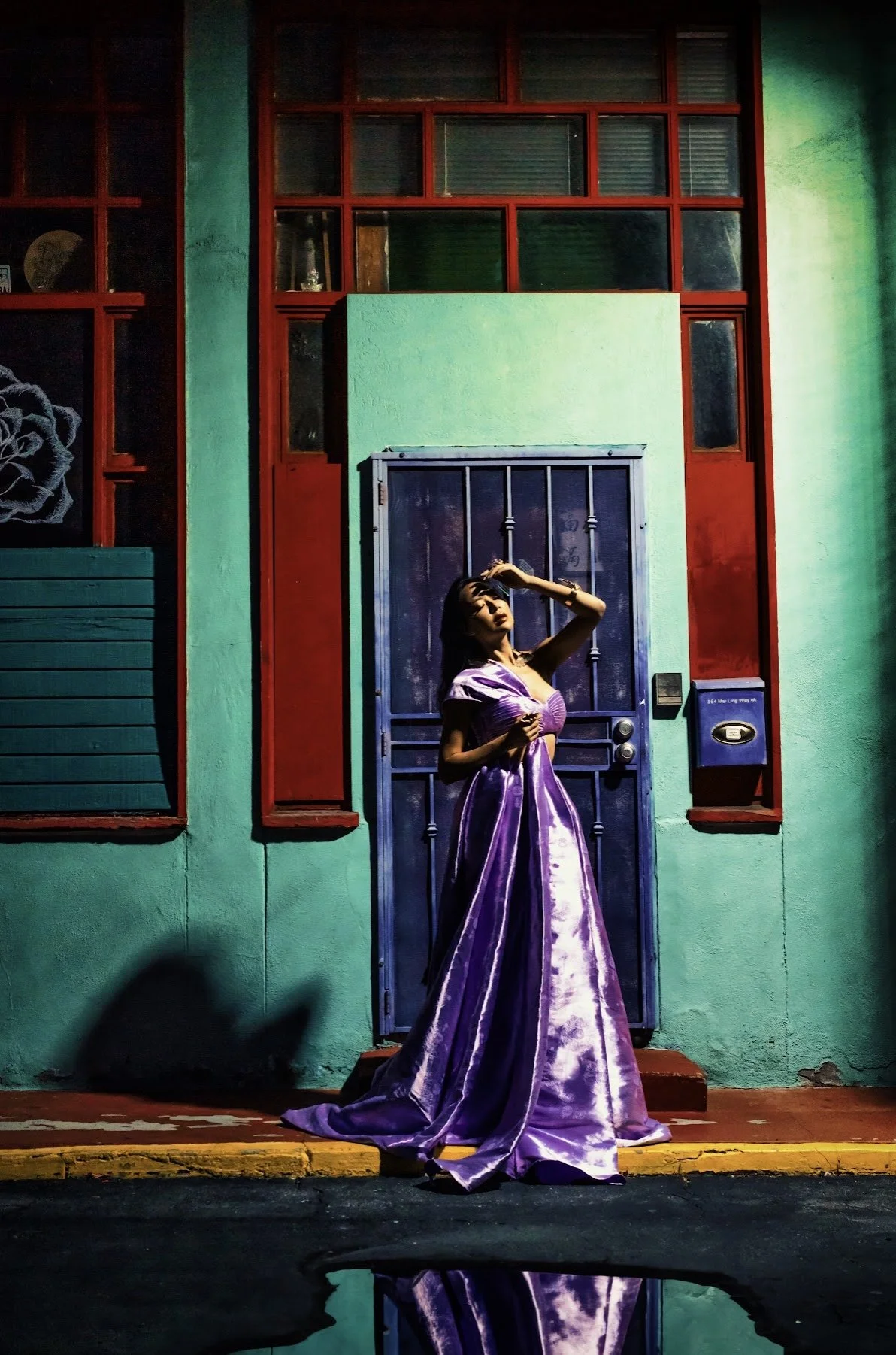
How to Find Fashion Photography in Los Angeles: The Ultimate Guide to Choosing the Right Photographer

Why Los Angeles Is the Fashion Photography Capital of the West Coast

Los Angeles has long been recognized as one of the world’s most influential creative cities. It is home to Hollywood, major fashion brands, luxury retailers, advertising agencies, modeling agencies, production companies, and countless entrepreneurs building personal brands. Whether you’re launching a clothing line, updating your modeling portfolio, creating editorial content, or investing in luxury branding for your business, Los Angeles offers an endless number of creative opportunities.

Ironically, having so many choices can make the process more difficult.

Search online for “fashion photographer Los Angeles,” and you’ll find thousands of photographers claiming to specialize in fashion photography. Their portfolios are filled with beautiful people, dramatic lighting, and stylish locations. At first glance, many of them appear equally qualified.

After spending more than twenty-seven years photographing celebrities, entrepreneurs, physicians, executives, artists, authors, and public figures around the world, I can confidently say that choosing a photographer involves far more than looking at a portfolio.

You’re not simply hiring someone to operate a camera.

You’re hiring someone to understand your vision, direct your movement, shape light, solve creative problems, and create images that influence how people perceive you for years to come.

The photographs you create today may become the face of your company, your magazine feature, your modeling career, or your personal brand.

That decision deserves thoughtful consideration.

Define Your Goals Before Searching for a Photographer

The first mistake many people make is searching for a photographer before defining what they actually need.

Fashion photography is not one category.

It includes editorial photography, commercial advertising, lookbooks, e-commerce campaigns, modeling portfolios, designer collections, magazine features, influencer content, luxury branding, and personal branding sessions.

Each requires a different creative approach.

If you’re launching a luxury clothing brand, your needs are different from someone updating LinkedIn or creating Instagram content. Likewise, a model seeking agency representation requires different images than an entrepreneur building authority within their industry.

Before contacting photographers, ask yourself a few questions.

Who is your audience?

What story are you trying to tell?

Where will the photographs be used?

How do you want people to perceive you?

Those answers become the foundation of every creative decision that follows.

Fashion Photography Is About Storytelling

Many people think fashion photography is simply photographing attractive people wearing beautiful clothes.

That definition misses the true purpose of the genre.

Fashion photography is visual storytelling.

Every photograph communicates something.

The wardrobe tells part of the story.

The lighting tells another.

The location creates context.

The styling establishes mood.

The expression creates emotional connection.

The composition directs the viewer’s attention.

Everything works together to create a narrative.

Throughout my career, my first question has never been, “What lens should we use?”

Instead, I ask, “What story are we trying to tell?”

The answer shapes everything that follows.

When storytelling becomes the priority, the photographs become memorable instead of merely attractive.

Your Photographer Should Understand Branding

One of the biggest advantages of working with an experienced photographer is understanding that images are marketing tools.

I have photographed entrepreneurs who later built multi-million-dollar businesses, physicians who established nationally recognized practices, executives promoted into leadership roles, and authors launching books.

Their photographs became part of their identity.

They appeared on websites, speaking engagements, magazine articles, investor presentations, social media campaigns, and press releases.

Those images represented them long before they entered the room.

Fashion photography functions the same way.

Your images become ambassadors for your brand.

The photographer should understand not only lighting and composition but also psychology, marketing, branding, and communication.

A photographer who asks thoughtful questions about your business often creates stronger images than one who only discusses technical specifications.

What My Book Taught Me About Fashion

One of the chapters in my book focuses entirely on fashion because I believe clothing is one of the most powerful forms of communication available to us.

People begin forming opinions before introductions are made.

They notice confidence.

They notice attention to detail.

They notice authenticity.

In my book, I discuss how entering a room dressed intentionally often changes the way conversations begin. People become curious. They approach you differently. Your appearance creates opportunities before you say a single word.

Portraits and fashion photography capture that first impression permanently.

Long after the photoshoot ends, your images continue speaking on your behalf.

That is why wardrobe should never be treated as an afterthought.

Fashion is part of the message.

Los Angeles Offers Endless Creative Possibilities

Few cities offer the variety of locations available in Los Angeles.

Within a single day, it is possible to photograph luxury editorials in Beverly Hills, urban fashion in the Arts District, cinematic portraits in Hollywood, modern architecture in Downtown Los Angeles, coastal lifestyle imagery in Malibu, or minimalist studio portraits in Culver City.

The city itself becomes a storytelling tool.

A great photographer understands that location should strengthen the narrative rather than simply provide an attractive background.

Every environment communicates something different.

Luxury hotels suggest sophistication.

Industrial spaces create edge.

Natural landscapes communicate freedom.

Modern architecture conveys innovation.

Choosing the right location is every bit as important as choosing the right wardrobe.

Experience Matters More Than Equipment

Technology continues to evolve at an incredible pace.

Cameras improve every year.

Editing software becomes more powerful.

Artificial intelligence assists retouching.

Smartphones produce remarkable photographs.

Yet truly memorable fashion photography remains rare.

Why?

Because cameras do not create vision.

People do.

After photographing thousands of assignments over nearly three decades, I have developed instincts that cannot be purchased.

I notice subtle body language.

Tiny adjustments in posture.

How fabric moves in the wind.

How light wraps around a face.

How colors interact within a frame.

Those details transform ordinary images into extraordinary ones.

When clients hire an experienced photographer, they are investing in years of observation rather than simply renting expensive equipment.

Lessons From Photographing Celebrities

Working with celebrities taught me that successful images are rarely accidental.

People often imagine that celebrity photography is spontaneous.

The reality is that every element is carefully considered.

Wardrobe.

Hair.

Makeup.

Lighting.

Creative direction.

Location.

Movement.

Everything contributes to the final image.

Preparation creates confidence.

Confidence creates authenticity.

Authenticity creates memorable photographs.

That lesson applies equally to entrepreneurs, executives, and first-time clients.

Great images are built through collaboration rather than luck.

Travel Changed My Understanding of Style

Photography has allowed me to travel to more than forty countries, exposing me to different cultures and different expressions of fashion.

Paris celebrates understated elegance.

Milan values craftsmanship.

Tokyo embraces individuality.

New York rewards confidence.

Los Angeles encourages reinvention.

Despite these differences, one lesson remained universal.

The most stylish people I encountered rarely wore the most expensive clothing.

They simply understood themselves.

Confidence consistently photographs better than luxury labels.

Authenticity consistently outperforms imitation.

That philosophy guides every session I photograph.

Look Beyond the Portfolio

Portfolios are important.

But they only tell part of the story.

Many photographers showcase only a handful of their strongest images.

Instead, ask yourself whether they demonstrate consistency.

Can they photograph different body types?

Different ages?

Different lighting situations?

Different creative concepts?

Different personalities?

Can they adapt?

Fashion photography requires flexibility.

Every client brings unique goals and challenges.

The strongest photographers solve creative problems rather than repeating the same formula.

The Importance of Communication

One quality often overlooked when hiring a photographer is communication.

Do they ask questions?

Do they listen?

Do they understand your objectives?

Do they explain the creative process?

Photography is deeply collaborative.

The strongest images emerge when photographer and client share a common vision.

Throughout my career, I have discovered that the best photographs often happen after meaningful conversations rather than technical discussions.

Trust creates confidence.

Confidence creates authenticity.

Authenticity creates connection.

Building the Right Creative Team

Fashion photography is rarely created by one individual.

Depending on the scope of the project, the team may include stylists, hair artists, makeup artists, wardrobe consultants, creative directors, assistants, and retouchers.

Each contributes to the final image.

An experienced photographer should be able to recommend professionals who complement your project and budget.

Fashion has always been collaborative.

The strength of the collaboration often determines the strength of the final photographs.

Common Mistakes When Hiring a Fashion Photographer

One of the most common mistakes people make is choosing solely based on price.

Photography influences perception.

Perception influences trust.

Trust influences opportunity.

The least expensive photographer may ultimately become the most expensive if the images fail to represent your brand effectively.

Another mistake is hiring someone whose style does not match your objectives.

Beautiful photographs are meaningless if they communicate the wrong message.

Finally, many clients underestimate preparation.

Wardrobe, locations, creative direction, grooming, and planning all influence the outcome far more than people realize.

The best sessions begin long before the camera appears.

How to Prepare for Your Fashion Photoshoot

Preparation dramatically improves results.

Plan wardrobe carefully.

Bring multiple options.

Consider professional hair and makeup.

Sleep well the night before.

Stay hydrated.

Discuss your goals with your photographer.

Share examples that inspire you, but avoid trying to copy someone else’s style exactly.

The strongest images come from authenticity.

Trust the creative process.

Relax.

Confidence photographs beautifully.

Fashion Photography Is an Investment in Your Future

Many people think of photography as an expense.

I see it differently.

Professional images continue working for you long after the session ends.

They appear on websites.

Magazine articles.

Press releases.

Advertising campaigns.

Social media.

Speaking engagements.

Investor presentations.

Business cards.

LinkedIn profiles.

Marketing materials.

A single photograph may influence thousands of future interactions.

Viewed from that perspective, photography becomes one of the most valuable investments a business or individual can make.

Final Thoughts

Finding the right fashion photographer in Los Angeles is about much more than choosing someone with an impressive portfolio or the latest camera equipment. It is about finding a creative partner who understands your story, your audience, and your long-term goals.

After nearly twenty-seven years behind the camera, I have come to believe that the strongest fashion photographs are built on authenticity, preparation, trust, and collaboration. They communicate confidence without arrogance, sophistication without pretension, and individuality without trying too hard.

Los Angeles offers extraordinary creative talent and endless visual possibilities. The challenge is not finding a photographer who can create beautiful images. The challenge is finding one who understands who you are and where you want to go.

When you find that person, you are doing far more than booking a photoshoot.

You are investing in the visual identity that will represent your personal brand, your business, or your creative vision for years to come.

And in a world where first impressions are often made online, that investment may be one of the smartest decisions you ever make.

Do I Need a Portfolio Before Hiring a Photographer? Why Your Vision Matters More Than Your Experience

One of the most common questions I receive from first-time clients is surprisingly simple: “Do I need a portfolio before hiring a photographer?”

The answer is no.

In fact, many of the best portraits I have created over the past twenty-seven years have been for people who had never stood in front of a professional camera before. They weren’t models. They weren’t actors. They weren’t influencers. They were physicians building their practices, entrepreneurs launching companies, executives accepting promotions, authors publishing books, and ordinary people who simply wanted to present themselves professionally.

One of the biggest misconceptions about photography is that clients need experience before booking a photographer. Many people believe they need to know how to pose, understand lighting, or already have professional images before investing in a session.

That belief prevents countless people from booking photography that could transform their personal brand.
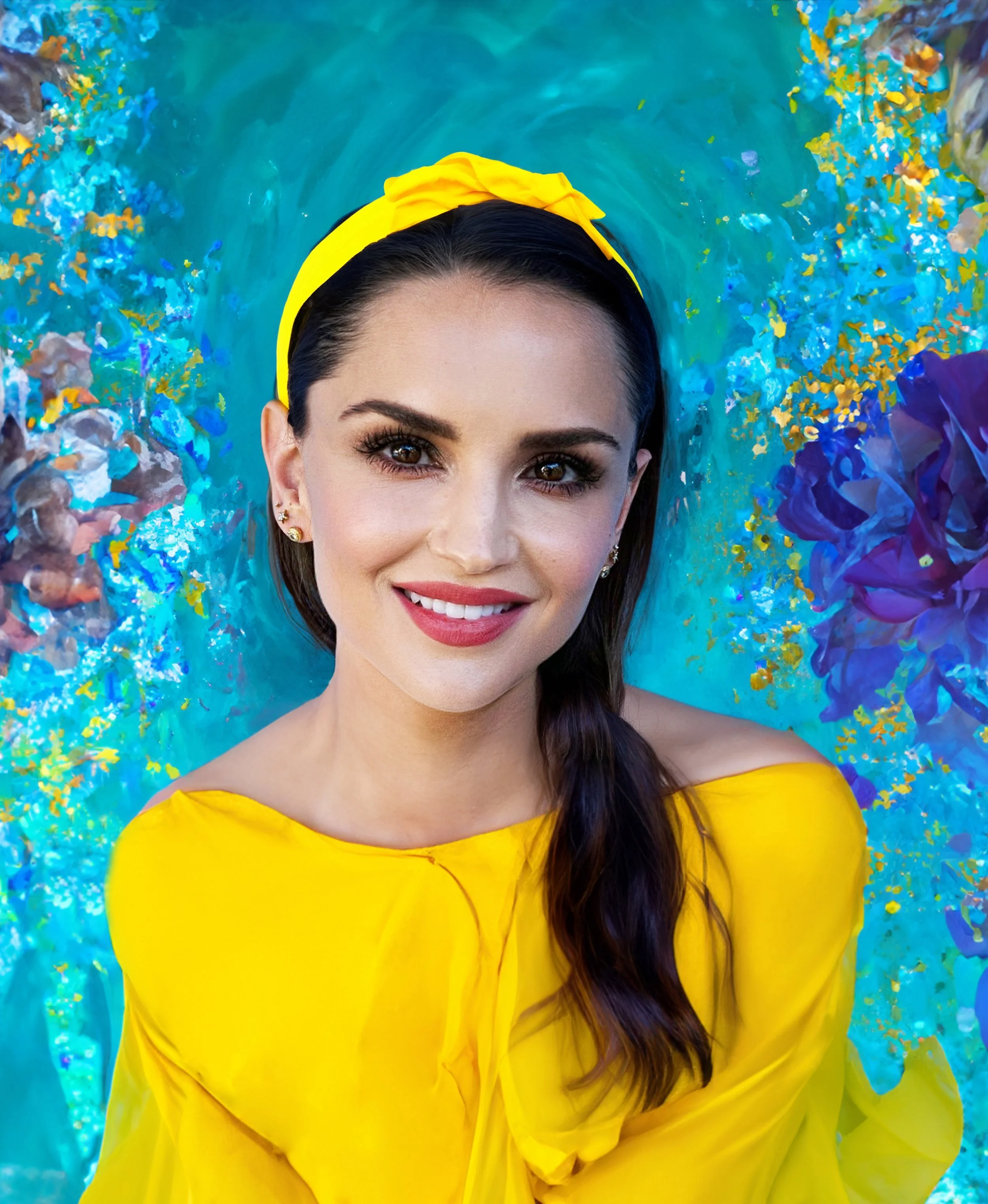
The truth is that you do not hire a photographer because you already have a portfolio.

You hire a photographer to create one.

Every Great Portfolio Starts Somewhere

Every successful model once stepped in front of a camera for the first time.

Every actor once had their first headshot.

Every entrepreneur once launched their first website.

Every physician once needed their first professional biography photo.

Every executive once updated LinkedIn with their very first corporate portrait.

No one begins with a portfolio.

They begin with an idea.

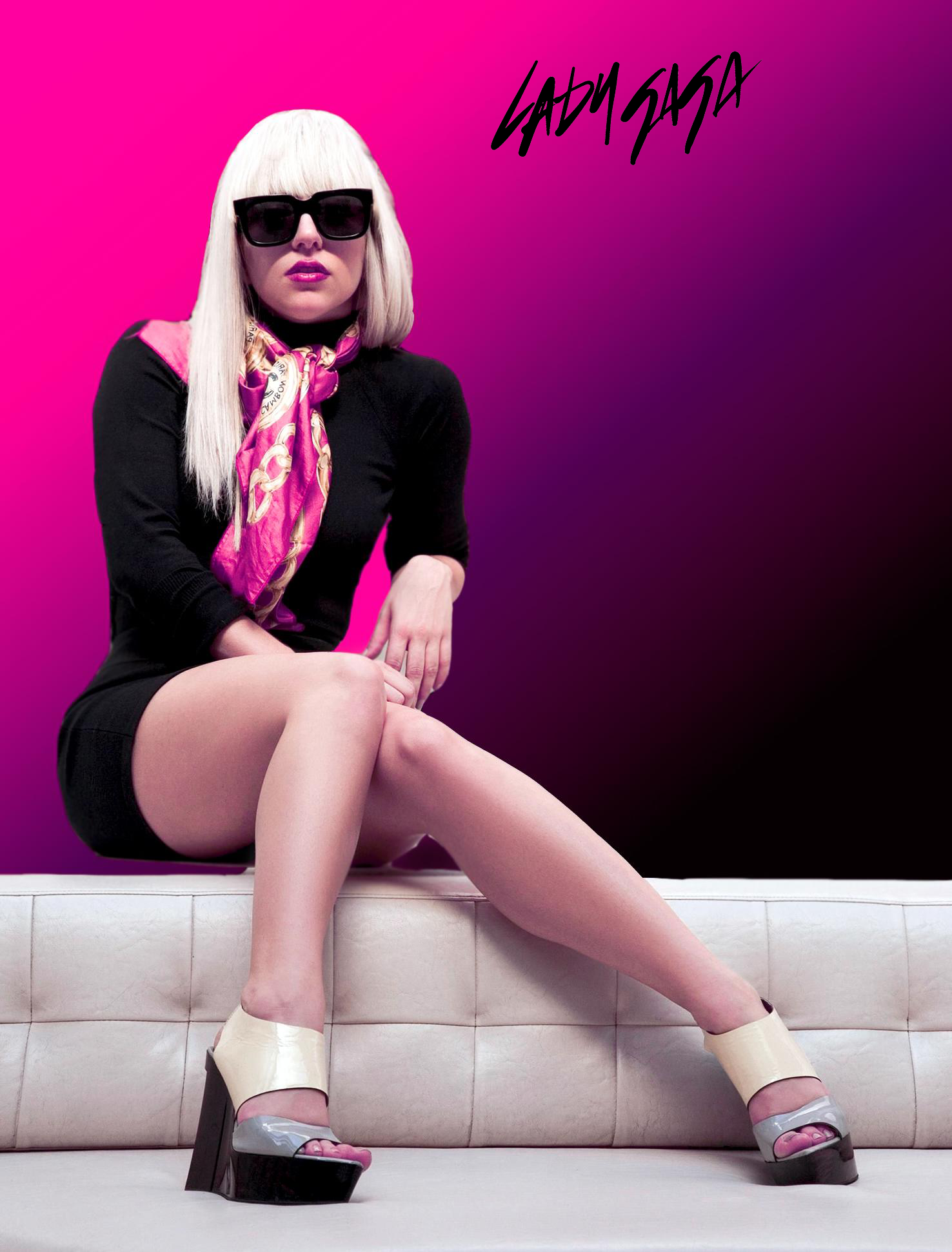
One of the greatest privileges of my career has been photographing people before the rest of the world recognized their potential. Long before Lady Gaga became a global icon, she was simply an ambitious artist pursuing her dream. I had the opportunity to photograph her early in her career, and those images eventually became her first photographs published in People magazine.

At that moment, there was no internationally recognized brand.
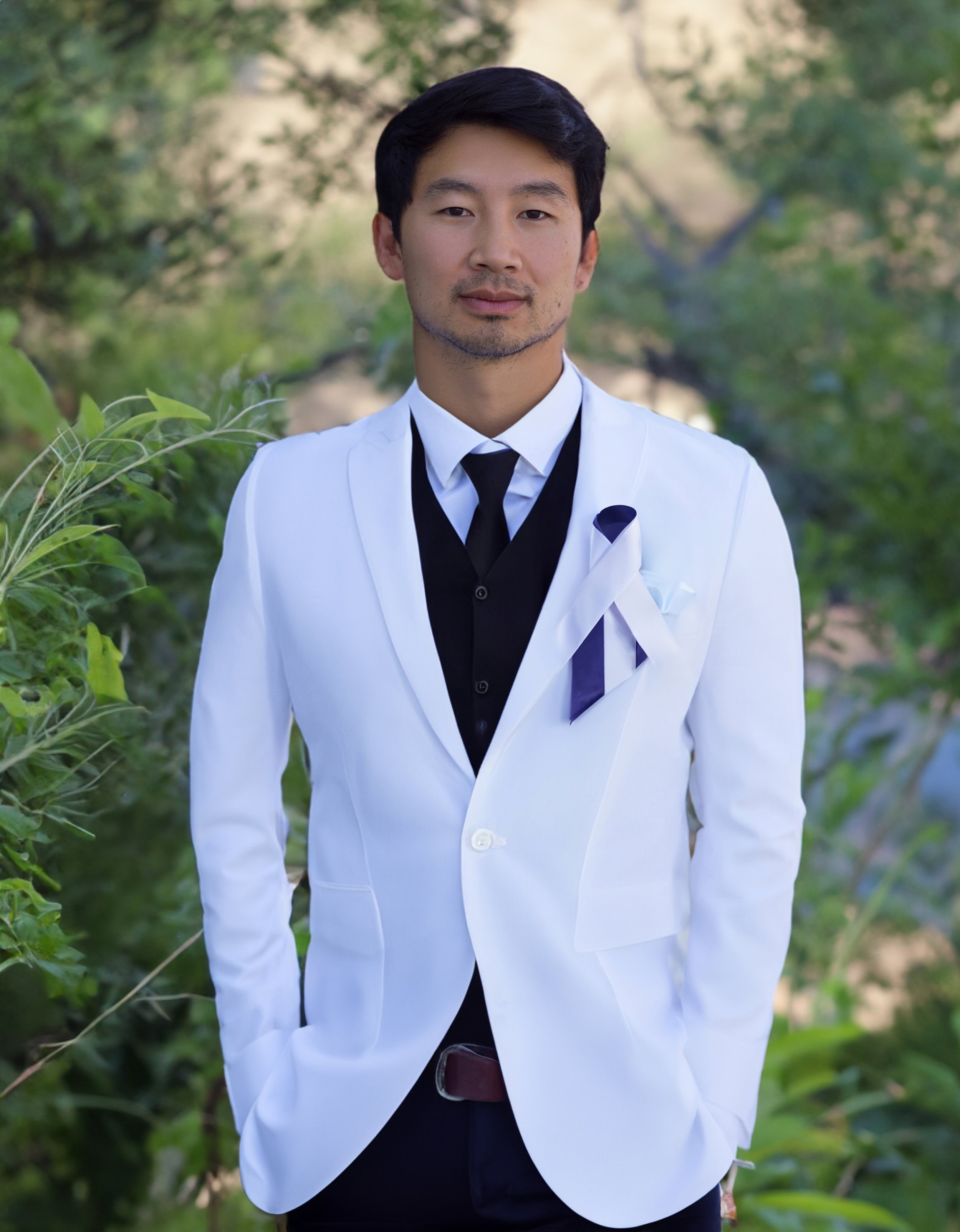
There was only vision.

Photography has always been about recognizing potential before everyone else sees it.

That principle applies whether I am photographing a celebrity or a startup founder launching their first company.

The Photographer’s Job Is to Guide You

Many first-time clients apologize before the session even begins.

“I don’t know how to pose.”

“I’ve never done this before.”

“I’m awkward in front of cameras.”

After hearing those statements thousands of times, I can confidently say they rarely matter.

Photography is not a performance.

It is a collaboration.

You are not expected to understand body language, facial angles, lighting ratios, composition, lens compression, or visual storytelling.

That is my responsibility.

Over twenty-seven years behind the camera, I have developed the ability to recognize subtle details that most people never notice. I know when a shoulder angle creates confidence. I know when the chin should move half an inch. I know how posture changes perception. I know how lighting can make someone appear stronger, more approachable, or more sophisticated.

Those skills are invisible to clients.

They simply experience the final image.

That is what experience provides.

Your Vision Is More Valuable Than Your Portfolio

Many people assume they need to collect hundreds of inspiration images before contacting a photographer.

While mood boards can certainly be helpful, they are not required.

In my experience, a clear vision is far more valuable than an existing portfolio.

Instead of asking yourself whether you have enough reference images, ask yourself a different question.

How do you want people to perceive you?

Do you want to appear trustworthy?

Innovative?

Luxury-oriented?

Creative?

Approachable?

Authoritative?

Confident?

Those answers shape every creative decision we make together.

Wardrobe.

Lighting.

Environment.

Expression.

Composition.

Everything becomes intentional.

Photography should never be about copying someone else’s style.

It should be about revealing your own.

My Book Changed the Way I Think About Identity

One of the central ideas in my book is that fashion and presentation are forms of communication.

Long before someone hears you speak, they have already formed opinions based on what they see.

The way you dress influences the way people approach you.

The way you carry yourself affects conversations.

The way you present yourself shapes opportunity.

I wrote that if you walk into a room dressed with confidence and intention, people naturally become curious. They notice you. They begin conversations. They remember you.

Portrait photography operates exactly the same way.

Your image often introduces you before you introduce yourself.

That image should communicate who you are and what you stand for.

Creating that image does not require an existing portfolio.

It requires authenticity.

Confidence Is Built During the Session

One of the most rewarding parts of my job is watching confidence develop in real time.

Clients often arrive nervous.

They apologize for feeling awkward.

They insist they are not photogenic.

Twenty minutes later, something changes.

The conversation becomes easier.

The poses become natural.

The expressions become genuine.

They stop thinking about the camera.

They start being themselves.

Those are the moments that create extraordinary portraits.

The best photographs rarely happen at the beginning of a session.

They happen after trust develops.

That transformation is one of the reasons I continue to love photography after nearly three decades.

Travel Taught Me That Authenticity Looks Different Everywhere

Photography has allowed me to travel to more than forty countries, and those experiences dramatically changed my understanding of beauty and confidence.

In Paris, elegance often comes through restraint.

In Milan, craftsmanship and tailoring define sophistication.

In Tokyo, individuality is celebrated.

In Los Angeles, personal expression often outweighs tradition.

Although cultures differ, one lesson remains constant.

The most compelling people are rarely trying to become someone else.

They are simply comfortable being themselves.

Authenticity photographs beautifully in every language.

Why Comparing Yourself to Models Is a Mistake

Many first-time clients compare themselves to magazine covers or fashion campaigns.

They forget those productions often involve stylists, creative directors, hair and makeup artists, assistants, lighting technicians, wardrobe specialists, producers, and extensive retouching.

Professional portraits should not be about imitating someone else’s life.

They should reflect your own.

Your audience is not looking for perfection.

They are looking for credibility.

Trust.

Authenticity.

Connection.

Those qualities cannot be purchased.

They must be communicated honestly.

Great Portraits Begin With Conversation

Before every session, I spend time learning about the client.

What do they do?

What motivates them?

How will the photographs be used?

Who is their audience?

What emotions should the images communicate?

Those conversations become the foundation of the creative process.

The strongest portraits are strategic.

Nothing happens by accident.

The wardrobe supports the story.

The location reinforces the message.

The lighting shapes perception.

The expression creates connection.

Photography becomes visual communication rather than simple documentation.

My Favorite Clients Rarely Have Experience

Ironically, some of the strongest sessions I have ever photographed involved clients with absolutely no experience in front of a camera.

They had no habits to unlearn.

No rehearsed expressions.

No artificial poses.

They simply trusted the process.

Their authenticity became their greatest strength.

As photographers, we spend years learning how to create environments where people feel comfortable enough to reveal their genuine personality.

That skill cannot be purchased with expensive equipment.

It comes from experience.

It comes from observing people.

It comes from understanding psychology as much as photography.

Building a Portfolio Is Building a Personal Brand

Many people think a portfolio exists only for models and actors.

Today, everyone benefits from professional imagery.

Entrepreneurs need branding photographs.

Physicians need website portraits.

Attorneys need executive headshots.

Authors need book jacket images.

Consultants need speaking photos.

Business owners need social media content.

A professional portfolio is no longer optional.

It has become part of modern communication.

The question is not whether you need a portfolio.

The question is whether your current images represent the person you are becoming.

The Camera Doesn’t Capture Perfection

One misconception I hear repeatedly is that photography is about looking perfect.

It isn’t.

Photography is about creating connection.

People remember authenticity.

They remember confidence.

They remember warmth.

They remember presence.

The portraits that have had the greatest impact throughout my career were rarely the most technically perfect.

They were the ones that revealed something genuine about the person standing in front of the lens.

That honesty creates emotional connection.

Connection creates trust.

Trust creates opportunity.

Final Thoughts

People often ask whether they need a portfolio before hiring a photographer.

After nearly twenty-seven years behind the camera, my answer has never changed.

No.

You do not need previous photographs.

You do not need modeling experience.

You do not need to know how to pose.

You do not need to be comfortable in front of the camera.

What you need is a willingness to trust the creative process and a vision for how you want the world to see you.

The photographer’s job is to transform that vision into images that communicate confidence, authenticity, and purpose.

Every remarkable portfolio begins with one photograph.

Every successful personal brand begins with one story.

Every confident client was once nervous.

Your first session is not a test of experience.

It is the beginning of building the visual identity that may represent you for years to come.

And sometimes, all it takes to change the way the world sees you is the courage to book that very first photoshoot.

What’s Your Refund or Rescheduling Policy? Understanding Terms Before Booking a Professional Photographer

One of the most important questions a client can ask before booking a photographer is, “What is your refund or rescheduling policy?” Unfortunately, it is often one of the last questions people think to ask.

After photographing celebrities, executives, physicians, entrepreneurs, and public figures for more than twenty-seven years, I have learned that even the best-planned photoshoots can be affected by circumstances beyond anyone’s control. Flights get canceled. Family emergencies arise. Clients become ill. Weather changes unexpectedly. Marketing campaigns are postponed. Life happens.

Because these situations are inevitable, every professional photographer should have a clear policy that protects both the client and the photographer. Contrary to what many people believe, a refund or rescheduling policy is not designed to be punitive. It exists to establish expectations, reduce misunderstandings, and create a professional relationship built on trust.

The strongest client relationships begin with transparency.

A Photoshoot Begins Long Before the Camera Comes Out

One of the biggest misconceptions clients have is believing that the photographer’s work begins when the shutter button is pressed.

In reality, the work often starts weeks before the session.

There are consultation calls to schedule. Emails to answer. Locations to scout. Lighting plans to develop. Wardrobe recommendations to provide. Equipment to prepare. Travel arrangements to coordinate. Assistants to schedule. Studios to reserve. Hair and makeup artists to confirm.

By the time the actual session begins, many hours have already been invested behind the scenes.

When clients understand this process, they also understand why photographers require deposits and why cancellation policies exist.

You are not simply reserving two hours of photography.dclee.net/blog/how-much-does-portrait-photography-cost.

You are reserving the time, preparation, creativity, and availability that made those two hours possible.

Why Professional Photographers Require Retainers

Many people refer to the initial payment as a deposit, but in many cases it is more accurately described as a retainer.

The difference matters.

A deposit is often considered refundable under certain circumstances.

A retainer compensates the photographer for reserving a specific date and declining other work during that time.

Once a date is booked, another client may be turned away.

If the original client cancels a week before the session, that opportunity may never be recovered.

Time is one of the few resources that cannot be replaced.

Throughout my career, I have learned that protecting time is essential to running a sustainable creative business.

The retainer reflects that commitment from both parties.

My Philosophy Has Always Been Relationship First

Although contracts are important, my philosophy has always been centered around people rather than paperwork.

Photography is a relationship business.

Many of my clients have worked with me for years. Some originally hired me for a LinkedIn headshot and later returned for executive branding, magazine features, family portraits, and corporate campaigns.

Long-term relationships are built through trust and flexibility.

If a genuine emergency occurs, I would much rather work with a client to find another date than lose the relationship entirely.

Kindness and professionalism are not mutually exclusive.

The best businesses understand that policies should support relationships rather than replace them.

Communication Prevents Almost Every Problem

In my experience, the biggest issues rarely come from cancellations themselves.

They come from poor communication.

Emails go unanswered.

Schedules change without notice.

People assume instead of asking.

Most disagreements can be avoided with one simple conversation.

If something unexpected happens, contact your photographer immediately.

The earlier they know, the more options exist.

Professional photographers understand that life is unpredictable.

Open communication creates flexibility.

Silence creates frustration.

The strongest client relationships are built on honesty.

Travel Taught Me That Plans Always Change

One of the greatest lessons photography has taught me came through travel.

Having worked in more than forty countries, I have experienced delayed flights, canceled events, unexpected weather, equipment problems, transportation issues, and last-minute location changes.

No matter how carefully a project is planned, something unexpected will eventually happen.

The best photographers are not simply skilled with cameras.

They are skilled problem solvers.

Some of my favorite images were created because the original plan failed.

Improvisation often leads to creativity.

That same flexibility applies to scheduling.

A postponed session is often an opportunity to make the project even stronger.

Why Contracts Protect Clients Too

Many people assume photography contracts exist solely to protect photographers.

In reality, they protect both parties.

A professional agreement should clearly explain what services will be provided, when the images will be delivered, how payment works, what happens if weather becomes an issue, how cancellations are handled, and what rights the client has regarding the final photographs.

Without a written agreement, expectations become assumptions.

Assumptions create misunderstandings.

Clear expectations create confidence.

A contract should never feel intimidating.

It should feel reassuring.

The Hidden Cost of Last-Minute Cancellations

When clients cancel unexpectedly, many assume the photographer simply enjoys an unexpected day off.

The reality is very different.

Studios may already be booked.

Assistants may already be scheduled.

Hair and makeup artists may already be committed.

Travel arrangements may already be made.

Equipment rentals may already be reserved.

Other clients may have been declined because the date was unavailable.

A last-minute cancellation affects an entire production team, not just one individual.

That is why professional refund policies exist.

They acknowledge the preparation and commitments already made before the session begins.

Every Minute Has Value

One lesson I discuss frequently in my writing is that time is the most valuable asset any professional possesses.

Money can be earned again.

Time cannot.

Every session represents hours of preparation that clients rarely see.

Every consultation.

Every wardrobe discussion.

Every location recommendation.

Every creative idea.

Those hours are part of the service being provided.

The photographs are simply the final product of a much larger creative process.

Understanding that process changes the way clients think about scheduling and cancellations.

Celebrity Photography Reinforced the Importance of Flexibility

Working with celebrities taught me that schedules are constantly evolving.

Interviews run late.

Flights change.

Film productions extend.

Press events are added unexpectedly.

Successful productions are not successful because nothing changes.

They are successful because everyone communicates and adapts together.

Photographers.

Managers.

Publicists.

Stylists.

Producers.

Everyone works toward the same goal.

That collaborative mindset is equally valuable whether photographing a celebrity or a local entrepreneur.

Flexibility creates better experiences.

Weather Is Beyond Anyone’s Control

Outdoor photography introduces one variable that no photographer can control.

Nature.

Rain.

Wind.

Smoke.

Extreme temperatures.

Poor weather can significantly reduce the quality of a portrait session.

Most professional photographers would rather postpone than deliver work that fails to meet their standards.

Clients often appreciate this approach once they see the difference beautiful natural light can make.

Sometimes waiting one week creates dramatically stronger images.

Patience is often rewarded.

Rescheduling Is Usually Better Than Refunding

Whenever possible, I encourage clients to reschedule rather than cancel.

The creative investment has already begun.

The planning has already occurred.

The relationship already exists.

Most people eventually need professional photography.

Rescheduling allows everyone to preserve that investment while still achieving the original goal.

Some of the strongest sessions of my career happened after multiple scheduling changes.

The additional planning time often resulted in better wardrobe, stronger locations, and more thoughtful creative direction.

What initially felt like a setback became an advantage.

The Importance of Mutual Respect

Photography is a collaboration.

Clients invest money.

Photographers invest time.

Both investments deserve respect.

The strongest working relationships happen when each side appreciates the commitment being made by the other.

Professionalism is not defined by contracts alone.

It is demonstrated through communication, preparation, reliability, and empathy.

Those qualities create exceptional client experiences.

Questions Every Client Should Ask Before Booking

Before hiring any photographer, I recommend asking several important questions.

Is the retainer refundable?

How much notice is required for rescheduling?

What happens if weather becomes an issue?

What happens if the photographer becomes unavailable?

How many times can the session be rescheduled?

When is the remaining balance due?

Are travel expenses refundable?

Can the session be transferred to another date?

Clear answers create peace of mind for everyone involved.

My Advice After Twenty-Seven Years

After nearly three decades behind the camera, I have learned that the best client relationships are built on trust rather than technicalities.

Policies matter.

Contracts matter.

Professionalism matters.

But people matter most.

If a photographer communicates clearly, treats clients fairly, and delivers exceptional work, small scheduling challenges rarely become major problems.

Likewise, clients who communicate openly and respect the photographer’s time often receive flexibility and understanding in return.

Mutual respect creates the best partnerships.

Final Thoughts

When people ask about refund and rescheduling policies, they are really asking about certainty.

They want confidence that their investment is protected.

That is completely understandable.

The best policies protect everyone involved.

They recognize that unexpected situations happen while respecting the time, preparation, creativity, and commitment required to produce exceptional work.

Photography has never been just about cameras.

It has always been about people.

The strongest portraits come from trust.

The strongest businesses come from transparency.

And the strongest client relationships begin with clear expectations before the first photograph is ever taken.

A thoughtful refund and rescheduling policy is not about planning for conflict.

It is about creating the confidence that allows both photographer and client to focus on what truly matters—working together to create images that will last a lifetime.

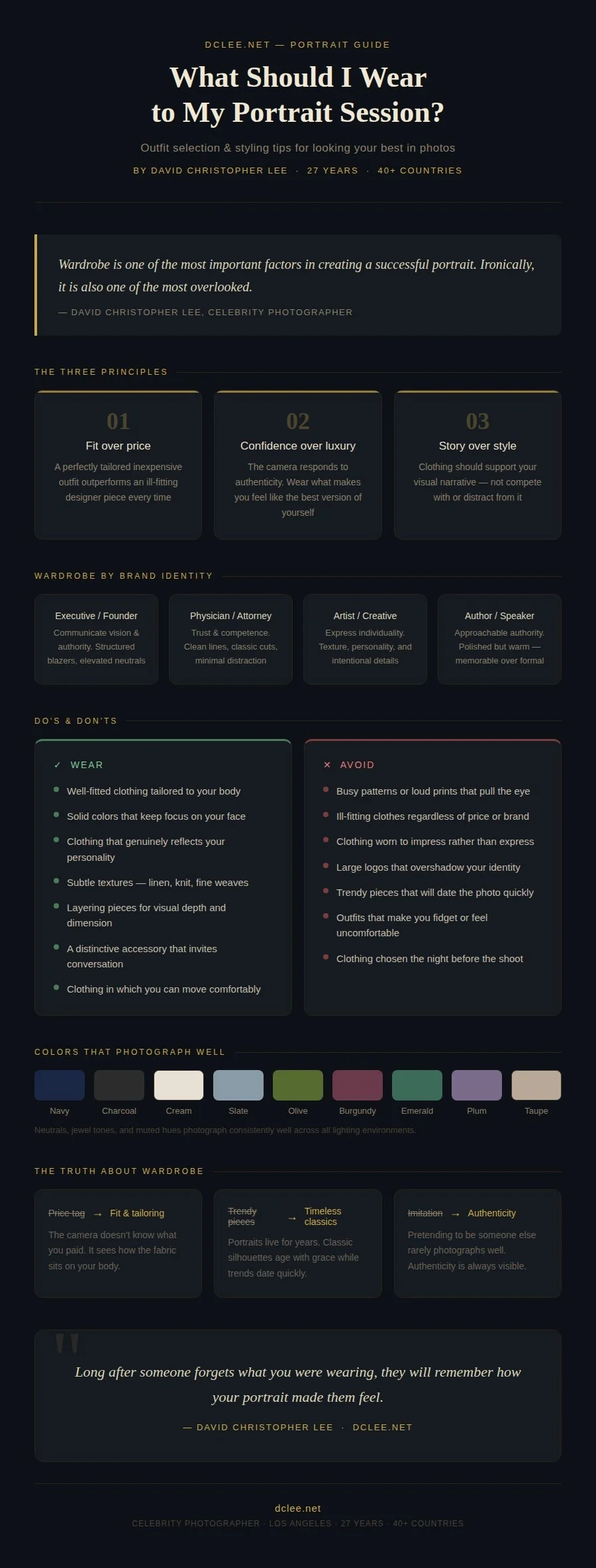
What Should I Wear to My Portrait Session? Outfit Selection and Styling Tips for Looking Your Best in Photos

If there is one question I hear before almost every portrait session, it is this:

“What should I wear?”

After spending the last 27 years photographing celebrities, entrepreneurs, physicians, attorneys, executives, authors, artists, and public figures around the world, I can confidently say that wardrobe is one of the most important factors in creating a successful portrait.

Ironically, it is also one of the most overlooked.

People spend weeks researching photographers. They invest significant time and money into scheduling a professional session. They carefully choose locations and coordinate schedules. Yet many people wait until the night before the shoot to decide what they are going to wear.

That decision can have a tremendous impact on the final result.

A portrait is not simply a photograph. It is a visual representation of your identity. It is often the first impression someone has of you. Before a potential client reads your biography, before an investor reviews your proposal, before a patient schedules an appointment, before an editor reads your article, they have already formed an opinion based on your image.

Your wardrobe becomes part of that story.

Over the years, I have photographed everyone from emerging entrepreneurs to internationally recognized celebrities. One thing I have learned is that great portraits rarely happen by accident. They are the result of hundreds of intentional decisions. The clothing, lighting, environment, expression, posture, and composition all work together to communicate who you are.

The goal is not simply to look good.

The goal is to look like yourself at your very best.

Fashion Is One of the Most Powerful Forms of Nonverbal Communication

One of the chapters in my book focuses on fashion because I believe clothing is one of the fastest ways to communicate who you are without saying a word. Fashion is not just about style. It is about identity.

I wrote in my book that if you walk into a room with hundreds of people wearing an incredible outfit, you already have their attention before you introduce yourself. Looking polished and intentional creates opportunities. It makes people curious. It encourages conversations. It influences perception.

This principle applies directly to portrait photography.

People often underestimate how quickly first impressions are formed. In reality, people make assumptions within seconds. They decide whether you appear confident, trustworthy, creative, successful, approachable, intelligent, or authoritative. Much of that judgment comes from appearance.

The legendary designer Tom Ford once said that dressing well is a form of good manners. I agree completely. Taking the time to present yourself thoughtfully demonstrates respect for yourself and for the people who will see your image.

Your clothing tells a story long before you begin speaking.

That story should be intentional.

Your Portrait Is Part of Your Personal Brand

Many people think branding is something only large corporations need.

That is no longer true.

Today, everyone has a personal brand.
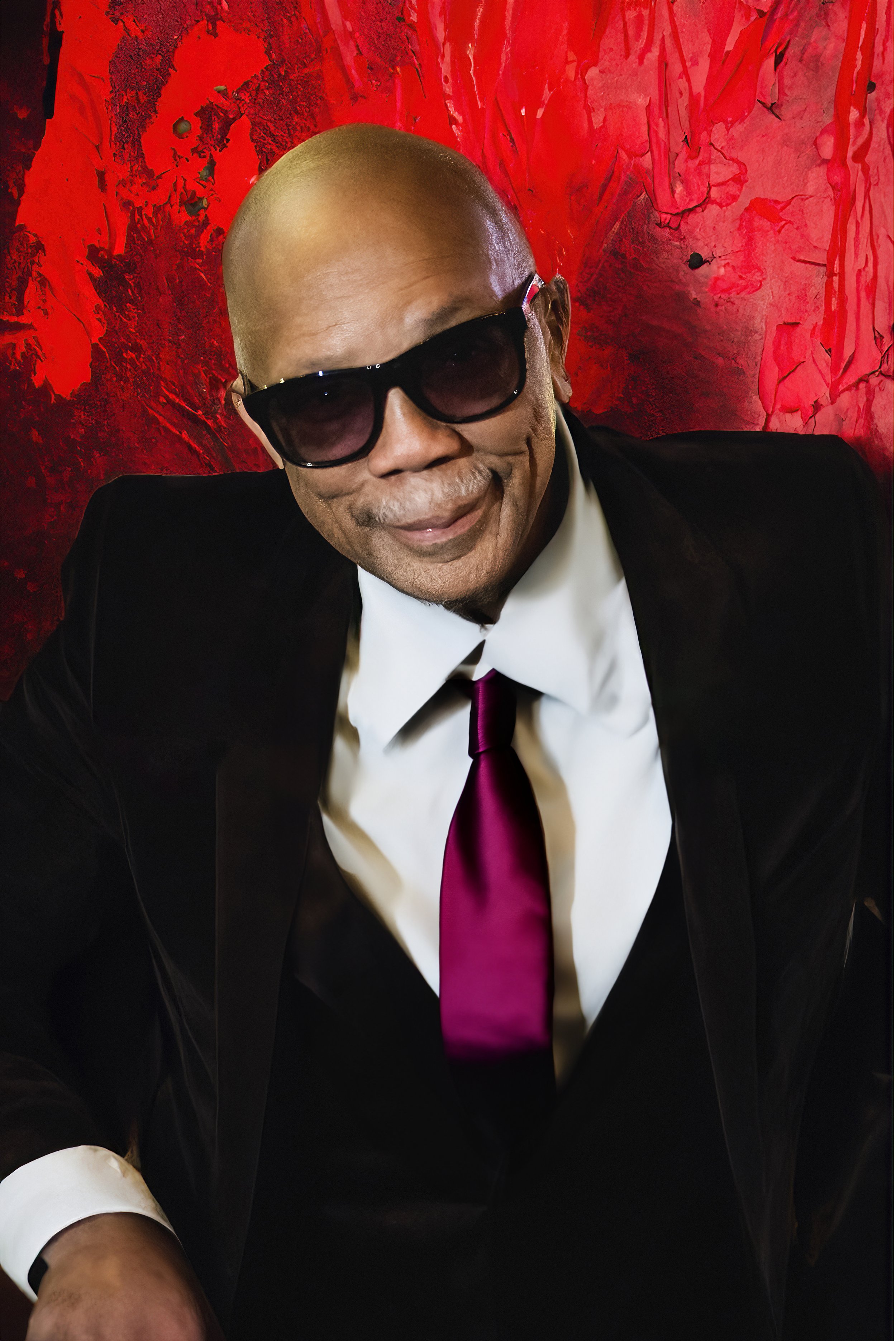
Physicians have personal brands.

Attorneys have personal brands.

Executives have personal brands.

Entrepreneurs have personal brands.

Authors, consultants, speakers, influencers, and artists all have personal brands.

Your portrait is often the visual centerpiece of that brand.
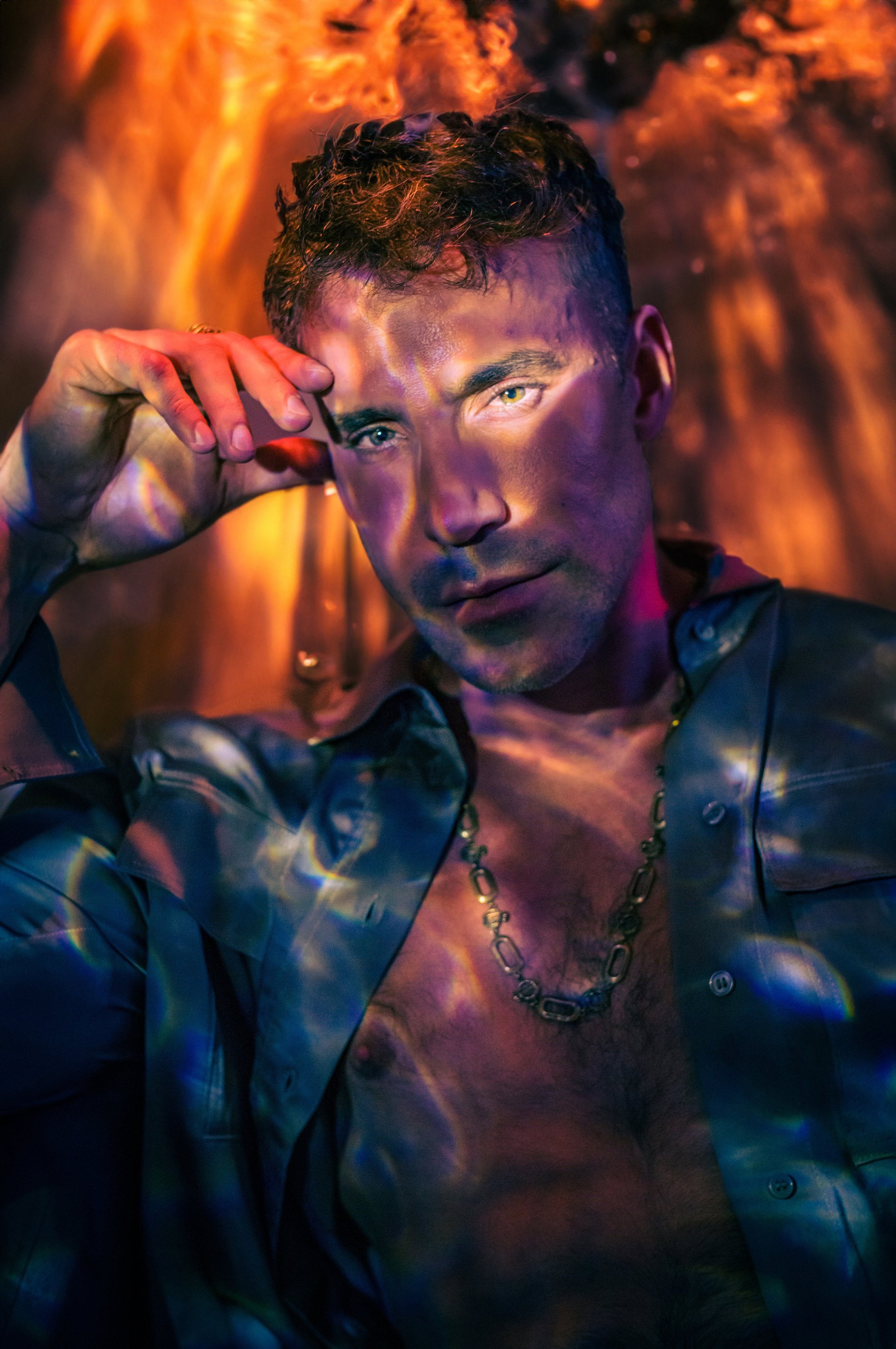
Over the course of my career, I have photographed entrepreneurs who later built multi-million-dollar companies. Their portraits appeared on websites, investor presentations, magazine features, speaking engagements, social media campaigns, and press releases.

The image became part of their identity.

The clothing they wore contributed to the story those images told.

A founder building a technology company may want to communicate innovation and vision.

A physician may want to communicate trust and compassion.

An attorney may want to communicate authority and confidence.

An artist may want to communicate creativity and individuality.

The wardrobe should support that message rather than distract from it.

One of the biggest mistakes people make is choosing clothing they think they should wear instead of clothing that authentically represents who they are.

Authenticity photographs beautifully.

Pretending to be someone else does not.

What Photographing Celebrities Taught Me About Style

One of the advantages of photographing celebrities throughout my career is that I have had the opportunity to observe how some of the world’s most recognizable people think about presentation.

The public often assumes that great style happens naturally.

It doesn’t.

Behind almost every celebrity photoshoot is an enormous amount of intentionality.

Stylists think about colors.

Designers think about silhouettes.

Photographers think about how the clothing interacts with the lighting.

Publicists think about the message being communicated.

Everything is considered.

I remember photographing Emily Ratajkowski when she was just sixteen years old and represented by Next Models. Even at that age, she understood how clothing, attitude, and presentation worked together to create a powerful image. Later, she would become one of the most recognizable models in the world. Looking back, it was clear that she understood visual storytelling from the beginning.

I have seen the same principle repeatedly throughout my career.

The people who understand personal branding understand that clothing is never random.

It is strategic.

How Traveling to More Than Forty Countries Changed My Perspective on Style

Travel has been one of the greatest teachers of my life.

Over the years, I have spent time in more than forty countries. One thing I quickly discovered is that style is deeply connected to culture.

In Paris, elegance often comes through simplicity.

In Tokyo, creativity and individuality are celebrated.

In Milan, tailoring and craftsmanship are highly valued.

In Los Angeles, personal expression often takes precedence over tradition.

These experiences changed the way I think about clothing.

Style is not about blindly following trends.

It is about understanding who you are and expressing that identity confidently.

The most stylish people I have encountered around the world were rarely the ones wearing the most expensive clothing.

They were the people who understood themselves.

Confidence is always more memorable than a designer label.

The Best Outfit Is Not Necessarily the Most Expensive One

One of the biggest myths in portrait photography is that expensive clothing automatically creates better photographs.

It doesn’t.

Fit matters more than price.

Confidence matters more than brand.
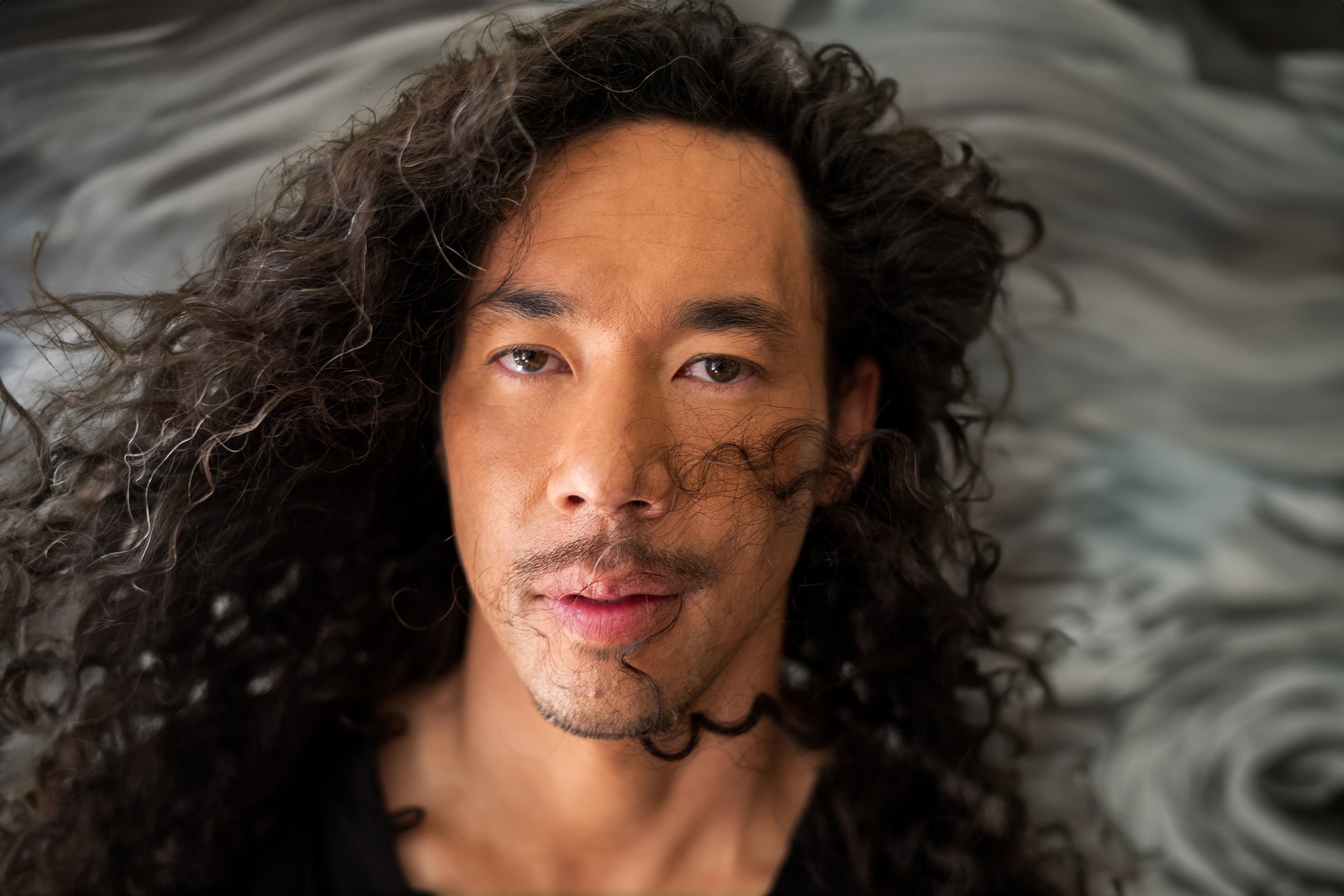
Authenticity matters more than trends.

I have photographed people wearing custom designer clothing that looked terrible because it did not fit properly.

I have photographed people wearing relatively inexpensive clothing that looked extraordinary because it was tailored perfectly and suited their personality.

The camera does not care how much you spent.

The camera cares how the clothing fits, how it interacts with the light, and how comfortable you feel wearing it.

That is why I always encourage clients to focus on fit, comfort, and authenticity before considering labels.

The viewer should remember you.

Not the logo on your shirt.

Fashion Is an Extension of Your Personality

One lesson I have learned from traveling to more than forty countries is that style is universal, but fashion is cultural. Every city expresses itself differently. Paris celebrates understated elegance. Milan is built around tailoring and craftsmanship. Tokyo embraces experimentation and individuality. Los Angeles often rewards confidence and personal expression over tradition.

Those experiences changed the way I think about portrait photography.

The best-dressed people I met during my travels were rarely wearing the most expensive clothing. Instead, they understood themselves. Their clothing reflected their personality instead of trying to imitate someone else’s.

In my book, I wrote that fashion is one of the easiest ways to communicate nonverbally. Before anyone speaks to you, they are already forming opinions based on your appearance. If you enter a room looking polished and intentional, people naturally become more curious. Conversations become easier. Networking becomes easier. Opportunities often begin with first impressions.

Your portrait works exactly the same way.

The clothing you choose should not be about impressing everyone else. It should communicate the most authentic version of who you are.

The Coco Rocha Lesson: Great Style Creates Great Images

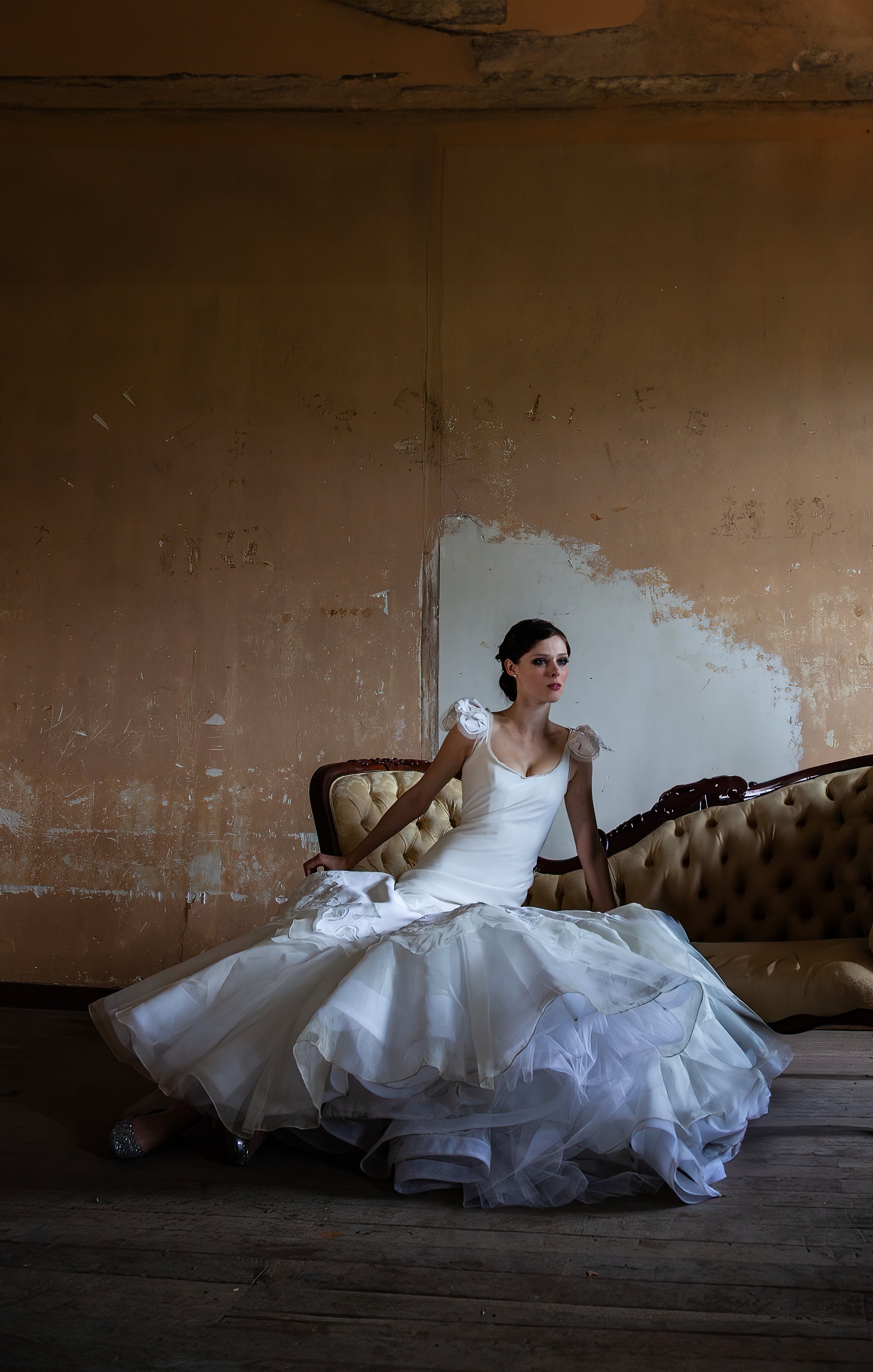
One of the most memorable experiences of my career was helping film supermodel Coco Rocha’s wedding at Château Challain in the Loire Valley of France.

Coco wore the first wedding dress ever designed by Zac Posen. It featured an elegant fishtail silhouette that expanded dramatically as she moved through the castle. Every detail had been carefully considered. The architecture, the styling, the location, and the wardrobe all worked together to tell a single story.
One of my favorite shots was created from the top of a spiral staircase as her dress spread outward beneath her. The photograph worked because every visual element complemented the others.

That experience reinforced something I had already believed for years.

Great portraits are never created by accident.

Wardrobe, environment, lighting, and composition all work together to create emotion. If one element feels disconnected, the image loses its impact.

When clients ask me what they should wear, I remind them that clothing should become part of the story rather than compete with it.

Why I Sometimes Shop in the Women’s Section

In my book, I mention something that surprises many people.

Sometimes I buy floral pants from the women’s department.

Not because I am trying to make a statement, but because I believe style should be memorable rather than predictable.

Fashion should reflect individuality.

I referenced Jaden Smith wearing women’s clothing in a Louis Vuitton campaign because it challenged conventional thinking and demonstrated that confidence ultimately determines whether clothing works.

Style is about self-expression.

That does not mean everyone should wear bold or unconventional clothing.

It means you should not be afraid to choose wardrobe that genuinely represents your personality.

The most memorable portraits I have created often feature clients who embraced authenticity instead of trying to fit into someone else’s expectations.

Celebrity Styling Is More Intentional Than Most People Realize

People often assume celebrities simply wake up looking fashionable.

The reality is very different.

Behind every magazine cover or advertising campaign is an entire creative team thinking about details most people never notice.

Stylists consider silhouette and proportion.

Photographers think about how fabric reacts to light.

Publicists think about branding.

Designers think about movement.

Hair and makeup artists think about balance.

Everything contributes to a unified visual message.

When I photographed Emily Ratajkowski at sixteen years old, long before she became internationally famous, she already understood how wardrobe, confidence, and attitude worked together. She wasn’t simply wearing clothing. She was creating an identity that people would remember.

That lesson applies to entrepreneurs and executives just as much as it applies to celebrities.

People remember consistency.

They remember authenticity.

They remember confidence.

Clothing Can Become a Conversation Starter

One idea I discuss in my book is that appearance can become a powerful networking tool.

When meeting someone for the first time, I often compliment a specific detail of their outfit rather than making a generic observation. Mentioning the craftsmanship of a jacket, recognizing a designer, or appreciating a unique accessory creates an immediate point of connection.

Fashion becomes a shared language.

The same principle applies to portrait photography.

Thoughtful wardrobe choices create curiosity.

People notice details.

They remember them.

A distinctive but tasteful jacket, an elegant watch, or an interesting texture can create subtle visual interest that encourages someone to spend more time looking at your portrait.

The goal is not distraction.

The goal is memorability.

Confidence Will Always Outperform Luxury

After photographing thousands of people over nearly three decades, I have reached one conclusion that surprises many clients.

Confidence photographs better than expensive clothing.

I have photographed individuals wearing bespoke designer suits who looked uncomfortable because the clothing did not reflect who they were.

I have also photographed entrepreneurs wearing simple black sweaters and dark jeans who projected extraordinary confidence because they felt authentic.

The camera responds to authenticity.

People respond to authenticity.

Luxury is not about price.

Luxury is about intention.

The best portraits are created when clothing, expression, posture, and personality all align naturally.

That is why I encourage every client to stop asking, “What looks expensive?”

Instead, ask, “What feels like the best version of me?”

The answer to that question will almost always produce a stronger portrait than chasing the latest fashion trend.

Final Thoughts

After twenty-seven years behind the camera, traveling to more than forty countries, photographing celebrities, interviewing fashion icons, and observing how successful people present themselves, I have become convinced that wardrobe is never simply about clothing.

It is about storytelling.

It is about psychology.

It is about branding.

It is about creating a visual identity that communicates confidence before you ever say a word.

The best portraits are not created by expensive cameras or expensive clothing.

They are created through authenticity, preparation, and intentionality.

Choose clothing that reflects who you are.

Choose clothing that supports your story.

Choose clothing that makes you feel confident.

Because long after someone forgets what you were wearing, they will remember how your portrait made them feel.


How Much Does Portrait Photography Cost?

One of the questions I receive more than almost any other is, “How much does portrait photography cost?” On the surface, it seems like a straightforward question. You need a portrait, you hire a photographer, they take your picture, and you pay them. But after spending the last 27 years photographing celebrities, Fortune 500 executives, physicians, entrepreneurs, artists, and public figures around the world, I can tell you that portrait photography is one of the most misunderstood investments people make.

Understanding Pricing and Budget Expectations Before Hiring

If you’ve searched online, you’ve probably seen photographers charging anywhere from $200 to well over $20,000 for what appears to be the same service. Naturally, people wonder why one photographer costs ten or twenty times more than another. The answer is that they are not selling the same thing.

Photography is not about owning a camera. Cameras have become incredibly affordable and technologically advanced. Almost everyone carries one in their pocket. Portrait photography is about experience, vision, storytelling, psychology, lighting, branding, and the ability to communicate someone’s identity in a single image.

The better question is not, “How much does portrait photography cost?”

The better question is, “What am I investing in?”

Your Portrait Is Often More Important Than Your Resume

Whether you’re a physician, attorney, CEO, entrepreneur, consultant, actor, or artist, your portrait is often your first introduction to the world.

Long before someone meets you, they’ve already visited your website, looked at your LinkedIn profile, read an article about you, or viewed your social media. Before they read a single sentence about your accomplishments, they’ve already formed an opinion based on your photograph.

Human beings make decisions quickly. We instinctively evaluate whether someone appears trustworthy, confident, approachable, intelligent, successful, or authoritative within seconds.

Your portrait is communicating all of those qualities before you ever speak.

I’ve worked with entrepreneurs who later built companies worth millions of dollars. Their portraits became part of their public identity and appeared on websites, investor presentations, press releases, magazine articles, and conference materials. Those images quietly worked for them every day by establishing credibility and building trust.

When viewed through that lens, portrait photography is not an expense. It is an investment in your personal brand.

Why Portrait Photography Prices Vary So Much

The reason portrait photography pricing varies so dramatically is because experience varies dramatically.

Two photographers may own identical cameras and identical lighting equipment, yet produce completely different results.

The camera does not create the photograph.

The photographer does.

Over the course of my career, I’ve traveled to more than 40 countries and photographed people from every imaginable background. I’ve worked in luxury hotels, corporate offices, magazine studios, private homes, red carpets, fashion shows, and outdoor locations around the world.

Every assignment taught me something.

Every difficult situation expanded my ability to solve problems.

Every client improved my understanding of people.

Experience creates instincts that cannot be learned from YouTube videos or weekend workshops.

When I walk into a room, I immediately recognize where the best light is coming from. I know how different colors will affect skin tones. I know which backgrounds strengthen the image and which ones distract from it. I know how different lenses change facial proportions. I know how to make someone who hates being photographed look relaxed and confident.

Those instincts come from thousands of photoshoots.

That is what clients are paying for.

You’re Hiring a Creative Consultant

Many people believe they are hiring someone to press a button.

In reality, they are hiring a creative consultant.

Every portrait should answer a question.

Who are you?

What do you stand for?

Why should someone trust you?

Those answers are communicated visually.

The wardrobe communicates personality.

The lighting communicates emotion.

The expression communicates confidence.

The environment communicates context.

The composition communicates sophistication.

Every creative decision contributes to the story.

My role is to understand the client’s goals and translate those goals into visual language.

If I’m photographing a physician, the portrait should inspire confidence and compassion.

If I’m photographing a startup founder, it may need to communicate innovation and leadership.

If I’m photographing an artist, it should reveal creativity and individuality.

The portrait should reflect the authentic identity of the person, not simply document what they look like.

Storytelling Is the Difference Between a Snapshot and a Portrait

I’ve always believed that the greatest portraits tell stories.

Anyone can document a face.

Very few photographers reveal a personality.

When someone looks at a great portrait, they immediately begin making assumptions about the subject.

They understand what kind of person they are.

They understand what they value.

They understand their purpose.

The clothing, expression, posture, lighting, background, and composition all work together to create that narrative.

This is why I spend so much time thinking before I ever raise the camera.

Photography is not about capturing reality.

It is about interpreting reality.

The Details That Most People Never Notice

People often ask what I’m thinking about during a portrait session.

The answer is almost everything.

While talking with the client and directing the session, I am simultaneously analyzing dozens of variables.

I’m studying the direction of the light.

I’m looking at the client’s posture.

I’m adjusting the angle of their shoulders.

I’m checking for wrinkles in clothing.

I’m noticing stray hairs.

I’m watching their hands.

I’m evaluating facial tension.

I’m looking for distracting objects in the background.

I’m considering perspective, symmetry, color harmony, and composition.

Most clients never notice these things.

They simply notice that one portrait feels significantly stronger than another.

Professional photography is really the art of paying attention.

The best images are created through hundreds of tiny decisions rather than one dramatic one.

Working With People Is Harder Than Working With Cameras

One of the greatest skills I’ve developed has nothing to do with technology.

It has everything to do with people.

Some clients walk into a session feeling confident.

Others are extremely uncomfortable.

Some naturally know how to pose.

Others freeze the moment the camera points in their direction.

Part of my responsibility is creating an environment where people feel relaxed enough to reveal their authentic personality.

That process starts long before the first photograph.

Sometimes we’ll spend fifteen or twenty minutes simply talking.

We discuss their business, their family, their goals, and what they hope the images will communicate.

Those conversations build trust.

The portrait becomes stronger because the connection becomes genuine.

Photography is ultimately about relationships.

The camera simply records them.

Lessons Learned From Twenty-Seven Years Behind the Camera

Looking back over my career, one lesson stands above everything else.

Practice matters.

Early in my career I had the opportunity to spend months photographing multiple models every day. Shooting constantly forced me to think quickly, adapt to changing conditions, and experiment creatively.

There is no substitute for repetition.

Every photoshoot presents new problems.

The weather changes.

The light changes.

People change.

Locations change.

The photographer who has experienced these situations before already knows the solution.

That confidence allows creativity to flourish instead of panic.

Photographing Lady Gaga Before She Was Famous

One of the most memorable sessions of my career involved an unknown musician named Lady Gaga.

There was no major production.

No entourage.

No elaborate crew.

It was simply the two of us creating photographs.

The images eventually became her first photos published in People magazine.

At the time, neither of us knew what the future would bring.

What I remember most is her commitment to creativity and authenticity.

Great portraits often capture people before the rest of the world discovers them.

Photography preserves moments that later become history.

That is one of the reasons I continue to love what I do.

Why Cheap Photography Can Be Expensive

Everyone loves saving money.

But sometimes choosing the least expensive option costs more in the long run.

I’ve seen executives spend years using weak portraits that undermine their credibility.

I’ve seen entrepreneurs launch companies with branding that failed to communicate professionalism.

I’ve seen actors submit portfolios that failed to showcase their range.

The cost of replacing poor photography is often greater than investing in quality photography from the beginning.

More importantly, the opportunities lost because of a weak first impression can never be measured.

One investor who chooses not to schedule a meeting.

One client who selects another company.

One magazine editor who passes on a feature.

First impressions matter.

How to Prepare for Your Portrait Session

The best portrait sessions begin before the camera comes out.

Preparation is one of the biggest contributors to success.

Every client receives wardrobe guidance because clothing plays a significant role in visual storytelling. Colors, textures, fit, and style all influence perception.

For larger branding projects, I often recommend hiring a wardrobe stylist to create a cohesive visual identity.

Clients should also think about how they want to be perceived.

Do they want to appear approachable?

Sophisticated?

Creative?

Authoritative?

Luxury-oriented?

Those answers shape every creative decision we make.

The clearer the vision, the stronger the final portraits become.

What Is Included in My Portrait Sessions

Every assignment is customized because every client has unique goals.

Most portrait sessions average approximately thirty minutes per look, allowing enough time to create a variety of expressions and compositions without feeling rushed.

Each look generally produces around thirty images for review.

Some projects require very little planning.

Others involve location scouting, concept development, wardrobe styling, production teams, and extensive creative direction.

Professional retouching is available for twenty-five dollars per selected image, allowing clients to choose exactly which portraits they would like refined.

The process is designed to provide flexibility while maintaining the highest quality standards.

Typical Investment for Professional Portrait Photography

Every project is unique, but most professional portrait photography falls within several common ranges.

LinkedIn and executive headshots typically range between $1,500 and $5,000.

Executive branding sessions generally range from $5,000 to $10,000.

Actor and model portfolios often range from $2,500 to $5,000.

Magazine cover photography generally falls between $2,500 and $5,000.

Corporate branding campaigns typically range from $5,000 to $20,000 or more depending on production requirements.

Family portrait sessions generally range between $2,500 and $5,000.

Pricing depends on the complexity of the project, the intended usage of the images, creative direction, production requirements, and the overall goals of the client.

Artificial Intelligence Has Made Authentic Portraits Even More Valuable

Technology continues to evolve at an incredible pace.

Smartphones produce remarkable images.

Artificial intelligence can generate faces that never existed.

Editing software can transform photographs with a single click.

Ironically, these advances make authentic portrait photography even more valuable.

People crave genuine human connection.

They want authenticity.

They want to know there is a real person behind the business.

Technology can generate beautiful faces.

It cannot create trust.

Trust is built through experience, empathy, communication, and storytelling.

Those qualities remain uniquely human.

Choosing the Right Photographer

When selecting a portrait photographer, don’t simply compare prices.

Compare philosophies.

Compare consistency.

Compare storytelling ability.

Ask whether the photographer understands branding.

Ask whether they can direct people naturally.

Ask whether they have experience working with clients similar to you.

Most importantly, ask yourself how their images make you feel.

The right photographer will create images that not only look beautiful but also communicate your identity with honesty and purpose.

Final Thoughts

People often ask me how much portrait photography costs.

After nearly three decades behind the camera, I believe the answer has very little to do with money.

You’re not paying for thirty minutes in front of a camera.

You’re investing in twenty-seven years of experience.

You’re investing in thousands of photoshoots.

You’re investing in lessons learned across more than forty countries.

You’re investing in creative direction, storytelling, psychology, technical mastery, and the ability to communicate trust through a single image.

Anyone can take a photograph.

Very few people can create a portrait that changes the way the world sees you.

That is the true value of professional portrait photography, and that is why the right portrait continues paying dividends long after the session is over.


Do I Really Need a Professional Headshot for My Job Search?

Imagine two candidates apply for the same position. They have similar qualifications, comparable experience, and equally impressive resumes. One has a polished, professional headshot that communicates confidence, trust, and competence. The other has a cropped iPhone photo, a blurry image from years ago, or no photo at all.

Who do you think makes the stronger first impression?

In today’s digital world, your headshot often introduces you before you ever have the chance to introduce yourself. Recruiters, hiring managers, potential clients, and business contacts are likely to see your LinkedIn profile, company website, or social media presence before they meet you in person. Within seconds, they begin forming opinions about your professionalism, credibility, and personal brand.

As a photographer with more than 27 years of experience photographing thousands of professionals—including executives, doctors, entrepreneurs, actors, musicians, celebrities, and job seekers—I’ve seen firsthand how the right image can open doors. A professional headshot doesn’t just show people what you look like. It communicates trust. It tells the world you’re serious about your career. Most importantly, it helps you stand out in an increasingly competitive marketplace.

So, do you really need a professional headshot for your job search?

In my opinion, absolutely.

The short answer is yes.

In today’s competitive job market, your headshot is often the first impression a potential employer, recruiter, client, or business contact has of you. Before they read your resume, before they review your experience, and before they meet you in person, they often see your LinkedIn profile photo or online presence.

A picture is worth a thousand words.

As a professional photographer with more than 27 years of experience, I’ve photographed thousands of professionals, including celebrities, executives, actors, musicians, doctors, entrepreneurs, and job seekers. Throughout my career, I’ve seen firsthand how a professional image can elevate someone’s personal brand, increase trust, and help them stand out from the competition.

If you’re serious about advancing your career, a professional headshot isn’t a luxury—it’s an investment in yourself.

Your Headshot Communicates Before You Speak

Many people underestimate the power of a professional image.

Whether we like it or not, people make decisions based on visual information. When someone visits your LinkedIn profile or receives your resume with a link to your professional profile, they’re already forming opinions.

Do you look trustworthy?

Do you look confident?

Do you look professional?

Do you look like someone they’d want to hire?

A great headshot communicates all of those things instantly.

When I photograph someone, I’m not simply taking a picture. I’m helping them communicate a message. For job seekers, that message is often simple:

“Hire me.”

The best professional headshots create trust. They make people feel comfortable before they’ve even met you. They communicate confidence, competence, and authenticity.

Why Selfies and Phone Photos Usually Don’t Work

One of the biggest mistakes I see job seekers make is relying on outdated or low-quality images.

Many people use:

  • Old photos that no longer look like them

  • Cropped vacation pictures

  • Selfies taken on a phone

  • Images with poor lighting

  • Photos with distracting backgrounds

  • Pictures featuring inappropriate clothing or styling

While today’s smartphones are capable of taking excellent photographs, having a great camera doesn’t automatically create a great headshot.

A professional headshot is about much more than simply pressing a button.

Bad lighting can make someone appear tired. Poor angles can distort facial features. Unflattering clothing choices can distract from the person. Even something as simple as posture or facial expression can dramatically affect how others perceive you.

If your goal is to compete against dozens or hundreds of applicants, every detail matters.

Every Face Is Different

One of the things I’ve learned after photographing thousands of people is that every face is unique.

There is no one-size-fits-all approach to lighting.

Some faces photograph best with softer lighting. Others need more definition and contrast. Certain angles work better for some people than others. The shape of a person’s face, their features, their personality, and even their career goals all influence how they should be photographed.

This is one reason why I’ve been trusted by celebrities, executives, doctors, and professionals for decades.

My job is to understand how to light each person in the best possible way so they shine.

The goal isn’t to make someone look like someone else.

The goal is to make them look like the best version of themselves.

Different Careers Require Different Images

Not all headshots are created equal.

A CEO should not necessarily have the same type of portrait as an actor.

A physician may need to project warmth and trust.

A startup founder may want to communicate innovation and energy.

A corporate executive may need to appear authoritative and confident.

This is why every session should begin with a strategy.

Before I photograph someone, I want to understand their goals. What industry are they in? Who is their audience? What impression do they want to create?

The answers to those questions influence everything from wardrobe selection to posing, lighting, and expression.

A successful headshot is not just a photograph.

It’s a branding tool.

What Makes a Professional Headshot Worth the Investment?

Some people ask, “Why should I pay for a professional headshot when I can have a friend take my picture?”

The answer is simple.

Your image is everything.

A professional headshot can help you:

  • Make a stronger first impression

  • Build trust and credibility

  • Increase visibility on LinkedIn

  • Improve your personal brand

  • Stand out from competitors

  • Create more interview opportunities

  • Potentially increase your earning potential

When employers are reviewing multiple candidates with similar qualifications, presentation matters.

The right image can help you get noticed.

The wrong image can cause people to move on before reading another word.

The Process Is Easier Than Most People Think

One of the biggest misconceptions people have about professional headshots is that the process is difficult or intimidating.

It doesn’t have to be.

When clients work with me, we begin by discussing wardrobe options. We talk about clothing choices that support their goals and industry.

Many clients choose to have professional hair and makeup done beforehand.

Once we begin the session, I guide them every step of the way.

I tell them where to stand.

I help with posing.

We play great music in the background.

Most importantly, I make the process enjoyable.

My clients don’t need to worry about how they look or what they should do next. That’s my job.

I want them to relax and simply be themselves.

Authenticity Matters More Than Photoshop

Another concern many people have is that professional photography means excessive retouching.

That’s not my philosophy.

The best headshots don’t look fake.

My clients consistently tell me they love their images because they actually look like themselves—but they look amazing.

I don’t believe in creating unrealistic versions of people.

I believe in highlighting their best qualities while preserving authenticity.

When someone sees your headshot in person and then meets you face-to-face, the two should match.

Authenticity builds trust.

Trust builds opportunities.

Final Thoughts

If you’re actively searching for a job, building your personal brand, or positioning yourself for your next opportunity, a professional headshot is one of the smartest investments you can make.

Your headshot is often your introduction to the world.

It can communicate confidence, professionalism, trust, and credibility before you ever say a word.

After 27 years of photographing professionals from every industry imaginable, I’ve learned that the most successful images aren’t about perfection.

They’re about authenticity.

They’re about helping people see the best version of you.

My advice is simple:

Just be yourself.

I’ll take care of the rest.

Delving into Opulence: A Guide Through the Luxuries of David's Guide

Introduction

In a universe where extravagance meets cultural richness, David's Guide stands as a pivotal portal to the most exquisite experiences worldwide. This guide weaves through a spectrum of luxury, from high-profile events and digital mastery to the zenith of travel and real estate elegance. Join us as we journey through David's Guide, showcasing various dimensions of the luxury lifestyle.

Elegance Redefined: The Unforgettable Gala Embark on a journey to the Unforgettable Gala with David's Guide, an epitome of splendor and sophistication, where fashion and culture blend in a majestic celebration.

SEO: The Digital Art of Visibility In the realm of the digital age, SEO expertise stands paramount. David's Guide provides a thorough understanding of SEO, an essential skill for achieving digital prominence and success.

Savoring Flavors: LA's Finest Korean BBQ David's Guide invites you to the heart of Los Angeles, exploring the best Korean BBQ in DTLA's Chinatown, a testament to the city's rich gastronomic diversity.

Top Hotels of the World: Luxurious Destinations For the avid traveler, David's Guide uncovers the most luxurious hotels globally, each epitomizing the essence of grandeur, service, and comfort.

Bermuda's Exquisite Resorts Immerse in the luxurious resort life of Bermuda, highlighted by David's Guide, where elegance meets the serene beauty of island life.

Myrtle Beach's Finest: Beach Hotels Myrtle Beach's premier oceanfront hotels, as showcased by David's Guide, combine the allure of beachside living with the sophistication of luxury accommodations.

Golfing in Style: The Luxury Cart Revolution Experience the transformation of golf with luxury golf carts, a fusion of elegance and sport, as detailed in David's Guide.

Mama's Fish House: Gastronomic Excellence Discover the delights of Mama's Fish House, renowned for its sublime seafood and enchanting ambiance, through the lens of David's Guide.

Glamour in Beverly Hills: Elite Hotels Explore the lavish hotels of Beverly Hills, where luxury and allure intertwine to offer unparalleled hospitality, as depicted in David's Guide.

The Pinnacle of Luxury Real Estate Delve into the opulent world of luxury real estate with David's Guide, showcasing extravagant properties around the globe.

Barbados' The Crane: Where Luxury Meets Culture Journey to Barbados' The Crane, a unique blend of luxury, culture, and scenic charm, as highlighted by David's Guide.

Nature's Retreat: Jade Mountain St. Lucia David's Guide takes you to Jade Mountain in St. Lucia, a harmonious blend of luxury and natural beauty, a sanctuary of tranquility.

Navigating SEO: Digital Era Strategies Gain insights into effective SEO strategies and tools for digital success, an exploration offered by David's Guide.

Beverly Hills Cop 4: A Mixture of Action and Laughs Relive the thrill and humor with Beverly Hills Cop 4, a cinematic delight reviewed by David's Guide.

Innovation Meets Tradition: Tesla Tequila Experience the innovative spirit of Tesla Tequila, a unique blend of modernity and classic taste, featured by David's Guide.

The Quintessence of Luxury Travel and Lifestyle David's Guide transcends being just a website, evolving into a comprehensive guide to luxury travel and lifestyle.

2024's Finest in Automotive Luxury Car enthusiasts will revel in the best luxury cars of 2024, a showcase of elegance and innovation, as presented by David's Guide.

Aman Resorts: Serenity and Luxury in 2024 Explore the serene and luxurious Aman Resorts, a highlight of 2024's best in hospitality, featured in David's Guide.

2024's Trendsetting Luxury Brands Venture into the world of trendsetting luxury brands in 2024, as explored by David's Guide, marking the latest in luxury fashion and style.

Guide to Top Luxury Lifestyle Magazines Discover the elite luxury lifestyle magazines with David's Guide, perfect for those keeping abreast of upscale trends.

Conclusion Embarking on this voyage through David's Guide offers a glimpse into the realms of luxury and grandeur, from exotic travel destinations to the forefront of luxury trends. This guide is an indispensable resource for connoisseurs of refined living and opulence.

The World Through the Lens: A Journey with the Best Photographers

Photography, more than just a technical skill, is an art form that has captured the essence of epochs, the beauty of nature, and the depths of human emotion. From the streets of bustling cities to the tranquil landscapes of nature, photographers have told stories that words alone could not. (Best Photographers)

The Pioneers and Icons of Photography

The journey of photography is studded with names that have become synonymous with excellence. Ansel Adams, a name that resonates with stunning landscapes and dramatic black and white portraits, revolutionized the world of photography with his breathtaking captures of Yosemite National Park.

His contemporary, Henri Cartier-Bresson, known for his 'decisive moment' in street photography, brought to life the everyday moments of life in the streets of Europe.

Ansel Adams

The Visionaries of the Viewfinder

Ansel Adams: A name synonymous with landscape photography, Ansel Adams is celebrated for his black and white images, particularly those of the American West.

His work in Yosemite National Park is legendary, and his technical mastery of the zone system revolutionized the way photographers worked with light and shadow. He is one of the best photographers.

Henri Cartier-Bresson: Known as the father of modern photojournalism, Henri Cartier-Bresson's concept of the "Decisive Moment" is foundational in the world of street photography. His candid snapshots of daily life have captured the human condition in its myriad forms.

Diane Arbus: With her medium-format camera, Diane Arbus provided an intimate look into the fringes of society. Her portraits of individuals on the peripheries are both haunting and deeply compelling, encouraging viewers to confront the unfamiliar.

best photographers

Richard Avedon

Icons of Fashion and Glamour

Richard Avedon: Richard Avedon's work stands out for its innovation and narrative power. His images, often featured in Harper's Bazaar and Vogue, brought a sense of motion and emotion to the once-static world of fashion modeling. He is one of the best photographers.

Irving Penn: Penn's meticulous approach to studio photography made him a stalwart in fashion and still life. His minimalist compositions and elegant simplicity captured the zeitgeist of his era and continue to influence photographers today. (most famous photographers)

best photographers

Afghan Girl by Steve McCurry

Masters of Conflict and Commentary

Robert Capa: Co-founder of Magnum Photos, Robert Capa's coverage of five different wars immortalized him as one of the most famous war photographers.

His images from the Spanish Civil War and the beaches of Normandy on D-Day bring viewers face-to-face with the horrors of conflict. (most famous photographers)

Steve McCurry: A contemporary master of color and narrative, Steve McCurry's photograph "Afghan Girl" has become one of the most iconic images of the 20th century. His work often graces the covers of National Geographic, telling stories of cultures and crises with empathy and color.

In the vibrant photography world, the image of the 'Afghan Girl' stands out as perhaps the most famous photograph, its piercing gaze emblematic of the power of portrait and documentary photography.

This famous photograph, captured by Steve McCurry, has become one of the most famous images globally, resonating deeply within and beyond the realms of nature photography and street photography.

It signifies how a single moment can encapsulate a complex narrative, much like the works of countless street photographers who frame the unguarded realities of urban life.

Meanwhile, commercial photographers and wedding photographers contribute their creativity to capture different spectrums of human experience, from meticulously curated advertising campaigns to the spontaneous joy of a wedding day.

Collectively, these artists create a tapestry of famous images that continue to inspire and shape the visual language of our times. (most famous photographers)

Trailblazers of Documentary and Street Life

Gordon Parks: As the first African American photographer for Life magazine and a prominent filmmaker, Gordon Parks used his camera as a weapon against social injustice. His body of work offers a profound narrative of American life, particularly the lives of African Americans during the mid-20th century. (famous photographers)

Vivian Maier: The reclusive nanny who posthumously became a street photography sensation, Vivian Maier's extensive collection of Chicago street life showcases her remarkable eye for composition and moment. (famous photographers)

best photographers

Vivian Maier

Pioneers of Artistic Expression

Cindy Sherman: Known for her conceptual self-portraits, Cindy Sherman is a master of transformation, exploring the construction of identity and the nature of representation. Her work challenges viewers' perceptions of the role of women in society. (famous photographers)

Andreas Gursky: Famous for his large-format architecture and landscape color photographs, Gursky's work is notable for its precision and a high degree of digital manipulation, which creates a hyperreal depiction of contemporary life.

Cindy Sherman

Contemporary Luminaries

Annie Leibovitz: One of the most celebrated contemporary photographers, Annie Leibovitz is known for her stunning portraits of celebrities, which often feature in Vanity Fair and Rolling Stone.

Her images are as much a reflection of her own artistry as they are of the personalities of her subjects. She is one of the most famous photographers (portrait photographer).

Peter Lindbergh: Credited with inaugurating the era of the supermodel, Lindbergh's monochrome aesthetics and emphasis on natural beauty introduced a new vision. (one of the most famous photographers, portrait photographer, fine art photographer)

Annie Leibovitz

Documenting History: Photographers as Chroniclers

Photography has also been a powerful tool in documenting historical events.

The Spanish Civil War and World War II were captured through the lenses of photographers like Robert Capa, a Hungarian photojournalist known for his war photography. These images not only documented the events but also conveyed the human emotions and realities of war, making them some of the most famous photographs in history.

The Artistic Side: Fine Art and Portrait Photography

Fine art photography, a domain where photographers like Diane Arbus and Steve McCurry have made their mark, blends artistic vision with photography. Diane Arbus's unique approach to portrait photography, capturing the diverse spectrum of American life, and Steve McCurry's iconic photograph 'Afghan Girl', featured on the National Geographic cover, are prime examples of this genre.

Nature and Wildlife Photography: Capturing the Untamed

Nature photography, a field that requires not just skill but also a deep appreciation for the natural world, has been popularized by National Geographic Magazine.

Photographers like the self-taught French photographer, Yann Arthus-Bertrand, have brought to life the vibrant and diverse landscapes and wildlife of our planet.

The Contemporary Scene: Digital and Street Photography

In the contemporary world, digital manipulation and street photography have become increasingly popular. Photographers like Robert Frank, with his candid depiction of American life, and contemporary street photographers have captured the essence of urban life in their work.

This genre represents the everyday life and the unscripted moments that define our daily experiences.

best photographers

Robert Frank

Embracing Diversity: The Global Impact of Photography

Photography knows no boundaries, and this is evident in the works of world-famous photographers from various backgrounds. The French humanist photographer, Henri Cartier-Bresson, is renowned for his profound influence on street and candid photography.

His work, often capturing the decisive moment in everyday scenarios, has set a high standard for photographers worldwide. Similarly, American photographer Dorothea Lange's poignant images of the Great Depression, especially the 'Migrant Mother', offer a stark reminder of the power of photography in portraying social issues.

The Art of War Photography

War photographers have chronicled some of the most significant events in history.

During the Spanish Civil War and World War II, photographers like Robert Capa and Gerda Taro brought the realities of war to the forefront of public consciousness.

Their fearless approach and ability to capture the rawness of the battlefield have left an indelible mark on the art of photography.

Fashion Photography: A Reflection of Changing Times

In this realm, figures such as Richard Avedon and Irving Penn have been instrumental in elevating fashion photography to an art form.

Their work in prominent magazines like Vogue and Vanity Fair has not only set trends but also reflected the cultural and social shifts over the decades. Avedon's distinctive style, marked by simplicity and directness, and Penn's attention to detail and composition, have heavily influenced the direction of fashion photography.

portrait photography by David Christopher Lee

The Evolution of Portrait Photography (Portrait Photographer)

Portrait photography has evolved significantly over the years, with photographers exploring various styles and themes.

The black and white portraits of Ansel Adams, the intimate and often challenging portraits by Diane Arbus, and the vibrant and dynamic portraits by contemporary photographers, all demonstrate the versatility and depth of this genre.

These portrait photographers have captured the essence of their subjects, from the famous to the ordinary, making their portraits some of the most famous images in the world.

In the dazzling realm of visual storytelling, the portrait photographer crafts more than just an image; they encapsulate the very essence of a person, often revealing more than words could express.

best photographers

portrait photography by David Christopher Lee

A famous photographer doesn't merely capture faces but immortalizes emotions, thoughts, and moments in time, which can resonate across cultures and geographies, elevating them to the status of a world famous photographer.

Meanwhile, in the vibrant corridors of fashion photography (fashion photographer), where style and substance collide, the fashion photographer weaves together light, shadow, and fabric to create not just pictures but a pervasive mood and a statement that might one day define an era. Many of them are in New York and they also do self portraits.

Each click and flash is a potential entry into the annals of iconic imagery, where the artistry behind the lens is as crucial as the design in front of it.

Portrait photography, an art form that has immortalized the visages of icons and the essence of everyday life, has given us some of the most famous portraits known to the world.

The black and white portraits by great photographers like Ansel Adams have turned Yosemite National Park's majestic landscapes into a backdrop for human connection, while Henri Cartier-Bresson's signature style captured fleeting moments of daily life, making them timeless.

portrait photography by David Christopher Lee

From the serene to the kinetic, his images of circus performers and Hungarian photojournalists have been celebrated with numerous awards.

In the same vein, the portrait of John Lennon, a masterpiece of color photography, showcases the intimacy of family life against the canvas of the extraordinary.

These images, a blend of travel photography and snapshots of daily life, contribute to a gallery of the most famous portraits that continue to influence and inspire.

Nature and Landscape Photography: Capturing the Earth’s Beauty

The breathtaking beauty of nature has been a constant source of inspiration for photographers. Ansel Adams, with his stunning landscapes of the American West, especially Yosemite National Park, has inspired generations of nature photographers.

His use of the zone system in black and white photography brought a new level of depth and contrast to landscape images. Contemporary nature photographers continue to push the boundaries, using modern techniques and technology to capture the beauty of the natural world in all its glory.

The Rise of Documentary Photography

Documentary photography has played a crucial role in bringing attention to social, environmental, and political issues. This genre, which captures real-life scenarios, has been used effectively to tell powerful stories and bring about change. The work of photographers like Steve McCurry, known for his coverage of international conflicts and cultures, is a testament to the impact of documentary photography.


In the fellowship of photographers, the camaraderie extends across various specializations—from the nature photographer who waits patiently for the perfect light to touch the landscape, to the war photographer who chronicles conflict with a lens braving dangerous terrains.

Each captures a famous image that speaks volumes: the nature photographer’s work often bathed in dramatic lighting that accentuates the raw beauty of the wild, and the war photographer's compelling frames that lay bare the stark reality of human strife.

These images, whether of tranquility or turmoil, are bound by a common thread—the photographer’s vision to reveal truths and share stories that might otherwise remain unseen.

portrait photography by David Christopher Lee, Eric Christian Olsen

The Influence of Art History on Photography

Photography's relationship with art history is significant. As both a tool for documentation and a medium of artistic expression, photography has influenced and been influenced by various art movements.

Photographers have drawn inspiration from painting, sculpture, and other art forms, integrating these influences into their work, thereby enriching the artistic and cultural value of their photographs.

Street Photography: A Lens into Daily Life

Street photography, an art form in itself, offers a candid glimpse into the lives of people and the essence of urban environments. Pioneers like Henri Cartier-Bresson and contemporary artists have used the streets as their canvas, capturing unguarded moments that tell stories of the times.

This genre, characterized by its spontaneity and authenticity, continues to evolve, reflecting the ever-changing face of society.

Commercial and Wedding Photography: Balancing Art and Business

Commercial and wedding photography represent the balance between artistry and the commercial aspects of photography.

Commercial photographers, with their ability to create appealing images for various industries, play a crucial role in the marketing world. Wedding photographers, on the other hand, capture one of the most significant days in a person's life, blending creativity with a deep understanding of their craft to create lasting memories.

The Future of Photography

As we look to the future, photography continues to evolve with advancements in technology. The advent of digital photography and the rise of social media have democratized the field, allowing more people to engage with photography in diverse ways.

The boundaries between professional and amateur photography are blurring, giving rise to a new generation of photographers who are redefining the rules and exploring new frontiers in photography.

Who is world no 1 photographer?

  • The title of world's number one photographer is subjective and changes over time. It often goes to those who have significantly impacted the field during their active years, such as Henri Cartier-Bresson or Ansel Adams.

Who is the best photographer ever?

  • The "best" photographer ever is debated and cannot be definitively answered due to the varying styles, genres, and historical influences of each photographer.

Who is the best photographer in today?

  • The best photographer today would be someone whose work is currently groundbreaking and widely recognized within the contemporary art and photography community.

  • This could be a photographer who is winning prestigious awards or having a significant impact on social issues through their work.

Who is the number one photographer in the world 2023?

  • As of 2023, the photography community does not universally recognize a singular "number one" photographer. Different organizations might have awarded titles based on competitions or specific achievements.

Who is the No 1 photographer in the world?

  • This title is too subjective to assign to any one photographer, as it can vary based on current trends, the impact of a photographer's work, and personal tastes.

Who is considered the best photographer ever?

  • Many might cite Henri Cartier-Bresson for his candid street photography, Ansel Adams for his landscapes, or Dorothea Lange for her emotive documentary photography as the best, depending on the genre they value most.

Who is considered the greatest photographer?

  • "Greatest" is a relative term, but photographers like Henri Cartier-Bresson, Ansel Adams, and Richard Avedon are frequently mentioned for their groundbreaking and influential work.

Who is the most professional photographer?

  • Professionalism in photography is characterized by a combination of technical skill, consistent quality, ethical business practices, and contributions to the field. Many photographers worldwide meet these criteria across various genres.

Who is the best American photographer?

  • Names like Ansel Adams, known for his landscapes, or Dorothea Lange, known for her impactful documentary photography, are often mentioned among the best American photographers.

Who is the greatest photographer of all times?

  • This is highly subjective; however, photographers who have consistently been referred to as some of the greatest include Henri Cartier-Bresson, Ansel Adams, and Richard Avedon, among others.

Who is the best portrait photographer in the world?

  • While subjective, contemporary photographers like Annie Leibovitz are celebrated for their captivating portraits. Historically, Yousuf Karsh is revered for his impactful portraits of world figures.

Which photographer is best known for making portraits?

  • Yousuf Karsh is well-known for his iconic portraits of historical figures, while Annie Leibovitz is renowned for her celebrity portraits.

What is the best photographic portrait of all time?

  • One of the most recognized photographic portraits is Steve McCurry's "Afghan Girl," featured on the cover of National Geographic magazine.

Who is the master of portrait photography?

  • Henri Cartier-Bresson is often regarded as a master of candid portraiture, capturing the essence of the person in the "decisive moment."

Corporate Photographer Los Angeles

In the bustling heart of Los Angeles, where business and creativity intersect, corporate photography has become an essential tool for professionals looking to make a lasting impression. From the sunlit offices of Orange County to the busy streets of Long Beach, corporate photographers are capturing not just images, but the very essence of businesses and professionals. David Christopher Lee is your corporate photographer Los Angeles.

photography by David Christopher Lee

The Significance of Professional Corporate Headshots

A corporate headshot is more than a photograph; it's a marketing tool, a branding element, and a way to convey corporate culture. In today's digital age, where LinkedIn profiles and company websites are often the first point of contact, a professional headshot can set the tone for business interactions.

Corporate Headshots: The Face of Your Professional Brand

Los Angeles, known for its dynamic business environment, is home to professionals from diverse industries, including entertainment, law, and tech. Corporate headshots in this city are not just about looking professional; they're about capturing the unique personality of each individual. Whether it's for an actor in Hollywood or an executive in a downtown law firm, the right headshot can open doors to new opportunities and clients.


The Role of Corporate Photographers

Corporate photographers in Los Angeles and Southern California have a remarkable ability to bring out the best version of their subjects. Whether shooting in a studio or on location, these photographers excel in creating an environment where clients feel natural and relaxed, allowing their true essence to shine through in every shot.

Corporate Event Photography: Capturing the Best Moments

Beyond headshots, corporate event photography is a vital part of capturing the essence of a company's culture and significant milestones. Whether it’s a small business gathering in Agoura Hills or a large corporate event in downtown Los Angeles, a skilled photographer can immortalize these moments, preserving the spirit and energy of the occasion.

The Prodigy Behind the Lens: David Christopher Lee

David Christopher Lee's journey began with early signs of a gifted child. His exceptional abilities were recognized from a young age, winning statewide writing competitions at just 8 years old. A child prodigy, Lee's talents were multifaceted – he was a skilled pianist, performing with the USC orchestra at 16 and garnering numerous awards in piano competitions. His academic prowess led him to graduate 4th in his high school class and complete his education at UC Berkeley two years early, a testament to his intelligence and drive.

Pioneering Digital Photography in the Entertainment Industry

In 1999, when film dominated the photography world, Lee emerged as the first official digital photographer for major events like the Teen Choice Awards, MTV Movie Awards, and Billboard Music Awards. This transition marked his passion for the entertainment industry, setting a precedent in digital photography.

A Global Photographer with a Unique Style

David Christopher Lee's work spans over 40 countries, cultivating an innovative international style. His first venture into the online world, TDink.com, launched in 2001, set the stage for publishing fashion editorials online. Later, his creation of Destinationluxury.com in 2009 became a major portal for luxury lifestyles, showcasing 5-star properties, Michelin Star Restaurants, and bespoke experiences.

Celebrity Portraits and Brand Collaborations

As a portrait photographer and producer, Lee's portfolio boasts collaborations with celebrities like Richard Branson and Lady Gaga, and major brands including Cadillac, Lexus, and Qatar Airways. His work reflects not only a deep understanding of his subjects but also a remarkable ability to capture the essence of corporate and personal branding.

Published Works and Industry Recognition

David Christopher Lee's expertise and unique vision have been recognized in major magazines such as GQ, Vogue, Instyle, and People. His ability to blend the worlds of corporate professionalism with artistic creativity has made him a sought-after photographer in the industry.

The Comprehensive Range of Corporate Photography Services

Headshot Photography

From actor headshots that capture the aspirational aspects of an individual to executive headshots that exude leadership and confidence, headshot photography is a specialized field. Los Angeles photographers like Kobe Levi are known for their ability to capture the best version of their subjects, offering a studio experience that is both professional and comfortable.

Corporate Portrait and Environmental Photography

Corporate portrait photography goes beyond the traditional headshot. It involves creating environmental portraits that showcase individuals in their work settings, adding context and depth to the image. This style of photography is particularly effective for businesses in Southern California that want to showcase their work culture and environment.

Branding and Commercial Photography

Branding photography is critical for businesses to convey their message and values. Professional photographers in Los Angeles understand the importance of creating images that align with the company's branding and marketing materials. They also offer commercial photography services, which include product images that are essential for e-commerce and promotional activities.

The Impact of Professional Photography on Business

Making a Great First Impression

In the corporate world, first impressions are crucial. A professional corporate headshot can be the difference between landing a new job or client and being just another face in the crowd. It's about presenting the best version of oneself, a representation that resonates with the target audience.

Tailoring to Specific Needs

Professional photographers in Los Angeles and Orange County are adept at tailoring their services to meet the specific needs of their clients. Whether it's a rapid turnaround for headshots fast, or a comprehensive shoot for a company's entire team, these photographers deliver top-notch results.

The Studio Experience

A great studio experience is about more than just taking photos. It's about creating an atmosphere where clients feel at ease and confident. Many studios in Los Angeles, offer a full range of services, including makeup artists, to ensure clients look and feel their best.

Capturing the Essence of Business Professionals

In the heart of Southern California’s business districts, from Los Angeles to Long Beach, corporate photographers play a crucial role in defining the visual identity of professionals and companies. They capture not just faces, but the aspirations, achievements, and unique qualities that make each professional stand out. (1, 2, 3, 4, 5)

Conclusion: The Lasting Impact of Quality Corporate Photography

Corporate photography, especially in a vibrant market like Los Angeles, is an invaluable asset for professionals and businesses. It's about capturing the essence of a person or a company, creating a visual narrative that speaks to their audience.

With the right photographer, be it for headshots, events, or branding, businesses and individuals can create a lasting impression that resonates with their clients and helps pave the way for future success.

Corporate photography, a vital component of modern business and branding, transcends traditional photography by blending art with the essence of professionalism. In the sprawling business landscape of cities like Los Angeles, corporate photography has become an indispensable tool, helping individuals and businesses to narrate their stories visually.

Defining Corporate Photography

Corporate photography is a specialized field that focuses on capturing images for business purposes. It encompasses a variety of sub-genres including headshots, event photography, environmental portraits, and branding photography. The primary aim is to portray a company's personality, its people, and its culture in a professional and engaging manner.

The Impact of Professional Headshots

Professional headshots are the cornerstone of corporate photography. They serve as the first introduction of a professional or executive to the world. In places like Los Angeles, where the corporate world meets the creative industry, a headshot is more than a simple portrait; it's a personal branding tool. These photographs must not only be technically perfect but also capture the subject’s unique personality and professionalism.

Event Photography in the Corporate World

Corporate events, ranging from small business gatherings to large-scale international conferences, are key moments that define a company's culture and ethos. Event photography captures these moments, providing a visual narrative of the company’s milestones and celebrations. These images are crucial for marketing, internal communications, and as a historical record of the company’s journey.

Environmental Portraits: Beyond the Studio

Environmental portraits are a unique aspect of corporate photography. Unlike traditional headshots taken in a studio, these images are captured in the subject's working environment. They provide context, showcasing professionals in their elements, whether it's in a high-rise office in downtown Los Angeles, a creative studio, or out in the field.

The Role of Corporate Photographers

Corporate photographers, like David Christopher Lee, are much more than just photographers. They are storytellers, brand builders, and image crafters. Their skill lies not just in their technical prowess but in their ability to understand and translate a company's ethos into visual art.

Understanding the Brand

A key aspect of corporate photography is understanding the brand and its target audience. This understanding allows photographers to create images that resonate with the viewers and accurately represent the company’s brand identity.

Whether it’s capturing the dynamic atmosphere of a start-up or the formal elegance of a law firm, each photograph reflects the unique qualities of the business.

Technology and Techniques

In the ever-evolving field of photography, staying abreast of the latest technology and techniques is crucial. Corporate photographers invest in high-end equipment and continuously update their skills. This commitment to excellence ensures that every photograph they take meets the highest standards of quality.

The Importance of Post-Production

Post-production plays a significant role in corporate photography. Professional editing can enhance the quality of a photograph, ensuring that it is polished and meets the client’s expectations. This stage of the process is where a good photograph is transformed into a great one.

Corporate Photography in Marketing and Branding

In the digital age, corporate photography has become an integral part of marketing and branding strategies. High-quality images are essential for websites, social media, marketing materials, and press releases. They help in creating a visual identity that is consistent and appealing to the target audience.

Enhancing Online Presence

With the majority of business interactions occurring online, a strong visual presence is vital. Professional photographs help in building a robust online presence, be it on corporate websites, LinkedIn profiles, or social media platforms. They provide a face to the company and make it more relatable to clients and customers.

Storytelling through Images

Corporate photography tells the story of a company. Through images, it narrates the journey, the work culture, the people, and the values that drive the business. This storytelling aspect is crucial for connecting with the audience on an emotional level, building trust, and establishing brand loyalty.

The Future of Corporate Photography

The future of corporate photography is ever-evolving, with new trends and technologies continuously shaping the industry. The rise of digital media has increased the demand for high-quality, creative images that stand out in a crowded online space.

Embracing Diversity and Inclusivity

Modern corporate photography is moving towards more diverse and inclusive representations. This shift reflects the changing dynamics of the global business environment, where companies are embracing and celebrating diversity in their workforce.

Sustainability in Corporate Photography

Sustainability is becoming a key consideration in corporate photography. This involves environmentally friendly practices in the photography process and portraying a company’s commitment to sustainability in the images.

Conclusion: The Essence of Corporate Photography

Corporate photography is an art form that requires skill, creativity, and an understanding of the corporate world. It plays a crucial role in how companies are perceived by their clients, employees, and the public.

As businesses continue to evolve and seek new ways to connect with their audiences, the role of corporate photography will only grow in importance, making it an indispensable tool in the world of business and marketing.

Exploring the Dynamic Styles of Corporate Photography

Corporate photography, an essential facet of modern business communication, encompasses a range of styles, each tailored to convey the unique brand identity and culture of a company. This genre of photography, while focused on professionalism, offers a diverse palette of artistic and creative expressions.

The Spectrum of Corporate Photography Styles

The style of corporate photography a company chooses is reflective of its ethos, brand personality, and the message it intends to communicate. From the boardrooms of Los Angeles to the creative hubs of New York, these styles vary significantly, encompassing traditional formal portraits to more contemporary, candid shots.

Traditional Corporate Portraiture

This style is characterized by formal, often studio-lit portraits. It's commonly used for executive headshots and board member profiles. The background is usually neutral, ensuring the focus remains on the subject. The lighting is key in these portraits, highlighting the subject’s features in a flattering manner while maintaining a professional tone.

Lifestyle Corporate Photography

Lifestyle corporate photography is a more casual and dynamic approach. It aims to capture professionals in real-life work scenarios, such as team meetings, client interactions, or even casual workplace moments. This style is effective in humanizing a brand, showcasing the company culture, and making the business more relatable to its audience.

Environmental Corporate Portraiture (corporate headshots)

Here, the focus is on capturing professionals in their natural work environments. Unlike traditional portraiture, environmental portraits tell a broader story about the subject's role and the company's operation. This style can include images of an executive in their office, a chef in the kitchen, or an artist in their studio, offering a glimpse into the work life of the individual.

Editorial Corporate Photography

This style is often seen in business magazines and publications. It combines elements of traditional and environmental portraiture, often with a creative twist. Editorial corporate photography might include unconventional angles, artistic compositions, and storytelling elements that provide context about the subject or the company.

Corporate Event Photography (corporate headshots)

Event photography is about capturing the moments and details of corporate events, conferences, or meetings. The style can range from candid shots of attendees networking to more structured images like award ceremonies or keynote speeches. This style requires adaptability and a keen eye for detail to capture the essence of the event.

Branding Photography (corporate headshots)

Branding photography is designed to align with a company’s brand identity. It involves creating a series of images that represent the brand’s values, mission, and products or services. This style is highly customized and can range from product shots to creative conceptual images that illustrate the brand’s story.

Adapting Styles to Different Corporate Needs

Understanding the Company's Vision

The key to successful corporate photography lies in understanding the company's vision and how they want to be perceived. A tech start-up might prefer a more relaxed, candid style that reflects its innovative and dynamic culture, while a law firm might opt for a more traditional and formal approach.

Reflecting Corporate Culture (corporate headshots)

Photographs can speak volumes about a company's culture. A business that values teamwork and collaboration might showcase images of team activities or collaborative work environments. In contrast, a company that prides itself on individual expertise might focus on individual portraits or images that highlight personal achievements.

Industry-Specific Styles (corporate headshots)

Different industries often have distinct photography styles. For instance, creative industries like advertising or design might prefer more artistic and unconventional images, while finance or legal sectors might lean towards more conservative and formal styles.

The Evolution of Corporate Photography Styles

As business environments evolve, so do the styles of corporate photography. With the rise of digital media and social networking platforms, companies are increasingly seeking images that not only convey professionalism but also resonate with a digital-savvy audience.

Embracing Modern Trends (corporate headshots)

Contemporary corporate photography often includes elements like informal office settings, natural lighting, and candid shots. These trends reflect a shift towards authenticity and a desire to connect with audiences on a more personal level.

The Influence of Social Media (corporate headshots)

Social media has significantly influenced corporate photography styles. Platforms like LinkedIn or Instagram require high-quality, visually appealing images that stand out in a crowded digital space. This need has led to more creative and engaging corporate photography styles.

Technology and Innovation (corporate headshots)

Advancements in photography equipment and editing software have expanded the possibilities in corporate photography. Techniques like aerial photography or advanced post-production can add a unique dimension to corporate images, making them more engaging and visually striking.

Conclusion: Capturing the Corporate Identity

Corporate photography is an art that requires not only technical skill but also an understanding of a company’s essence. The style of corporate photography a company chooses should reflect its identity, culture, and the message it seeks to convey. As businesses continue to evolve and seek new ways to engage with their audiences, corporate photography will remain a crucial tool, adapting its styles to meet the ever-changing landscape of the corporate world.

Q: What does a corporate photographer do?

A: A corporate photographer specializes in capturing images for business use. This includes headshots, event photography, environmental portraits, and images for marketing materials. Their work often involves understanding a company's brand and culture to create photographs that represent its professional identity.

Q: How to do a corporate photoshoot?

A: To conduct a corporate photoshoot, first define the objectives (headshots, branding images, etc.). Choose a suitable location, ensure good lighting (natural or artificial), and prepare the subjects for the shoot (professional attire, makeup). It's important to create a comfortable environment for natural-looking photos. Hiring a professional corporate photographer can also ensure high-quality results.

Q: How expensive is a professional photographer?

A: The cost of a professional photographer varies widely based on experience, location, and the scope of the project. Prices can range from a few hundred dollars for a basic photoshoot to several thousand for more extensive projects. It's best to get quotes from different photographers to understand the market rates.

Q: What does a commercial photographer do?

A: A commercial photographer creates images used for commercial purposes, such as advertising, sales, and product placements. This includes product photography, fashion photography, and imagery for advertising campaigns. Their work often involves creativity and an understanding of marketing and consumer trends.

Q: How much should you pay a photographer?

A: The amount to pay a photographer depends on several factors including their experience, the type of photography required, the length of the photoshoot, and post-production work. Research and compare rates, and consider the value of the photographer's skill and the quality of their portfolio when deciding on a budget.

Q: What does staff photographer mean?

A: A staff photographer is a photographer employed full-time by a company or organization, as opposed to being a freelance or contract photographer. They typically work for media outlets, agencies, or large corporations, handling various photography needs of their employer.

Q: What is professional photo for company?

A: A professional photo for a company usually refers to high-quality images that represent the business, such as corporate headshots, product photos, or images showcasing the company's services or operations. These photos are used on websites, in marketing materials, and in corporate communications.

Q: What is corporate portrait photography?

A: Corporate portrait photography involves taking professional portraits of company staff, executives, or teams. These photos are typically used for corporate websites, professional profiles, and business-related publications. The style can range from formal to more relaxed, depending on the company's culture.

Q: How much do headshots cost in Los Angeles?

A: In Los Angeles, headshot pricing can vary widely. On average, professional headshots might range from $100 to $500 per session, but top photographers might charge more. Factors such as the photographer’s experience, the session's length, and the number of edited photos provided can influence the cost.

Q: How do you photograph corporate headshots?

A: To photograph corporate headshots, use a neutral or professional backdrop, ensure good lighting (soft and flattering), and guide the subject to pose naturally and confidently. Focus on capturing the person's face clearly, usually from the shoulders up. It's essential to make the subject feel comfortable for a natural expression.

Q: How much is the average headshot?

A: The average cost of a headshot varies based on location and the photographer’s expertise. Typically, it can range from $75 to $250 per headshot. In metropolitan areas or for highly experienced photographers, prices can be higher.

Q: How do I take a corporate headshot of myself?

A: To take a corporate headshot of yourself, use a tripod and a camera with a timer or a remote control. Choose a location with good lighting and a simple background. Dress professionally and practice natural, confident poses. Ensure the camera is positioned at eye level and focus on getting a clear shot of your face and shoulders. Using a smartphone with a high-quality camera can also work if a professional camera is not available.

Portrait Photographer Los Angeles

Portrait photography is more than just taking pictures; it's an art form that captures the very essence of an individual. Talented portrait photographers possess the ability to not only frame a good portrait photo but also to extract and showcase the unique personality of their subject. This involves understanding the individual's personality, the subtleties in their expressions, and the power of their subject's eyes. The perfect shot in photography is one that speaks volumes about the person being photographed, whether it's in a studio setting or at unique locations.

all photography by David Christopher Lee

Portrait Photographer Los Angeles

Los Angeles: A Hub for Portrait Photographers

Los Angeles, a city known for its vibrant culture and as a hub of the film industry, is home to many talented portrait photographers. These professionals range from those specializing in family portraits and corporate headshots to those adept in editorial and lifestyle photography. The diverse and dynamic backdrop of Los Angeles, including areas like Downtown Los Angeles and West Hollywood, provides endless opportunities for creating mood boards and capturing special moments in unique styles.

Professional Portrait Photography Sessions

Professional photography sessions in Los Angeles are not just about taking photos. They are comprehensive experiences, where photographers create images that reflect the personality and style of their clients. This often involves pre-session consultations, creating mood boards, selecting the right wardrobe, and deciding on locations. Photographers in Los Angeles use both natural lighting and studio lighting to enhance the quality of their portraits. (1, 2, 3, 4, 5)

Techniques and Styles in Photography

Experienced photographers in Los Angeles use a variety of techniques to capture stunning portraits. This includes playing with natural light, using multiple poses, and experimenting with vibrant colors to bring out the best in their subjects. They are adept at both traditional and contemporary styles, ensuring that each portrait photograph stands out. You need a professional photographer.


The Role of Professional Studios

Professional studios in Los Angeles are equipped with state-of-the-art technology and equipment. These studios provide the perfect setting for photography sessions, allowing photographers to control lighting, background, and other elements essential for creating professional portraits.

Sought After Portrait Photographers in Los Angeles

Los Angeles is home to some of the best portrait photographers, many of whom have been in the industry for over a decade. These photographers are known for their creative vision, ability to capture special moments, and their skill in creating authentic portraits. Their clientele often includes celebrity clients, which is a testament to their expertise and reputation in the industry.

Beyond Traditional Portraits: Event and Editorial Photography

Portrait photographers in Los Angeles are not limited to individual or family photos. Many of them are also skilled in event photography, capturing the essence of special occasions, and in photography, creating images for various publications.

Personal Branding through Photography

In today's digital world, personal branding has become crucial, and professional headshots play a significant role in this. Portrait photographers in Los Angeles understand the importance of a professional headshot in personal branding and strive to create images that represent the very essence of an individual.

Selecting the Right Photographer

With so many portrait photographers in Los Angeles, choosing the right one can be daunting. It's important to look at a photographer's portfolio, understand their unique style, and ensure that it aligns with your vision. A photographer's ability to create a comfortable environment and capture natural expressions is key to getting stunning portraits.

Conclusion

Los Angeles, with its plethora of talented portrait photographers, offers a wide range of options for those seeking professional photography. Whether it's for personal branding, family memories, or professional needs, the city's photographers bring a unique blend of skill, creativity, and experience to the table. From capturing the natural light in Orange County to creating stunning images in a downtown studio, Los Angeles portrait photographers are equipped to bring your vision to life.

The Evolution of Portrait Photography in Los Angeles

Early Beginnings to Digital Revolution for a photography session

Photography has undergone a significant transformation, especially in a culturally rich city like Los Angeles. In the early days, it was primarily about capturing a likeness, but with time, it evolved to become a medium for artistic expression. The advent of digital photography, a revolution where David Christopher Lee played a pioneering role, marked a significant shift. This digital revolution democratized photography, making it more accessible and versatile, allowing for greater experimentation and creativity. (los angeles based photographer; he is an amazing photographer)

Blending Traditional Techniques with Modern Innovation and portrait images/portrait photoshoot

Despite the digital shift, many Los Angeles photographers, including David, blend traditional techniques with modern innovations. This fusion creates a unique style that respects the art's heritage while embracing contemporary trends. David's work exemplifies this, as he combines classical compositional elements with modern digital techniques to produce portraits that are both timeless and avant-garde.

The Significance of Location and Lighting in Photography

Los Angeles: A Canvas for Photographers

Los Angeles, with its diverse landscapes and urban settings, offers a plethora of options for portrait photographers. From the sun-drenched beaches to the iconic urban landscapes of Downtown Los Angeles and West Hollywood, these settings provide a canvas for photographers to create distinct and memorable portraits. David Christopher Lee, with his deep understanding of these locales, expertly uses them to add depth and character to his portraits.

Mastering Natural and Studio Lighting

Lighting plays a crucial role in photography. Los Angeles photographers are known for their ability to harness natural light, creating stunning images with a play of shadows and highlights. In studio environments, controlled lighting setups allow for precision and creativity. David’s expertise in both natural and studio lighting is evident in his work, as he skillfully manipulates light to accentuate the features and mood of his subjects.

The Role of Technology in Modern Portrait Photography

Digital Cameras and Post-Processing

The digital camera has been a game-changer in portrait photography. With the ability to instantly review images, photographers like David can make immediate adjustments to capture the perfect shot. Post-processing software further enhances this, allowing photographers to refine colors, adjust lighting, and edit images to create the final masterpiece.

The Impact of Social Media

Social media has had a profound impact on portrait photography. Platforms like Instagram have become showcases for photographers to display their work and reach a wider audience. For David, social media has been an invaluable tool in building his brand and connecting with clients and fans worldwide.

David Christopher Lee: A Multifaceted Career

Exploring Fashion, Lifestyle, and Photography

David’s career extends beyond traditional portrait photography. His forays into fashion, lifestyle, and photography have seen him work with various magazines, brands, and celebrities. This diversity in his work highlights his versatility and ability to adapt his style to different genres of photography.

Entrepreneurial Ventures in Digital Media

David's entrepreneurial spirit is evident in his ventures like TDink.com and Destinationluxury.com. These platforms not only showcase his photographic work but also reflect his vision of blending photography with digital media to create engaging content.

The Influence of Music and Writing on David’s Photography

A Symphony of Visuals

David’s background in music, especially his proficiency in playing concertos, influences his approach to photography. Just as a symphony is composed of different notes and rhythms, David's portraits are a blend of various elements – light, shadow, composition, and emotion – coming together to create a harmonious visual experience.

Storytelling through Images

His early success in writing competitions reflects in his photographic work too. Each of David’s portraits tells a story, capturing not just the appearance but also the essence and narrative of the subject. This storytelling aspect is what sets his work apart and makes it resonate with viewers.

Personal Branding and Celebrity Photography

Capturing the Essence of Public Figures

A portrait is often the first introduction to a personality. David’s work with celebrities and public figures is about capturing their essence in a single image. His portraits go beyond mere physical likeness to reveal the character and persona of the individual.

The Importance of Authenticity

In an age where authenticity is valued, David’s ability to create genuine and relatable portraits is crucial. His work reflects a balance between the subject’s public persona and their private self, offering a glimpse into the person behind the fame.

Future Directions in Portrait Photography

The Continual Evolution of the Art Form

As technology and social trends continue to evolve, so will the art of portrait photography. Future trends may include greater integration of AI and virtual reality, offering new ways to capture and experience portraits.

David Christopher Lee’s Ongoing Journey

As a pioneer and innovator, David Christopher Lee is poised to continue influencing the field. His ongoing exploration of new technologies, techniques, and artistic expressions will undoubtedly contribute to the evolving landscape of portrait photography.

Conclusion: The Artistic Legacy of David Christopher Lee

Los Angeles, a city synonymous with creativity and innovation, has been the perfect backdrop for David Christopher Lee’s illustrious career. His journey from a child prodigy to a renowned portrait photographer and digital entrepreneur is a testament to his talent, hard work, and visionary approach. Through his lens, he has not only captured stunning images but has also contributed significantly to the art of portrait photography. As he continues to explore and innovate, his work will undoubtedly inspire future generations of photographers.


Continuing the exploration of a portrait photography session and David Christopher Lee's career, we delve further into the nuances of the art form, the impact of cultural and technological shifts, and the ongoing evolution of David's career. He is one of the best portrait photographers.

Cultural Influences in Portrait Photography

Los Angeles: A Melting Pot of Inspiration

Los Angeles, with its rich tapestry of cultures, serves as a vibrant source of inspiration for portrait photographers. The city’s diverse population provides an opportunity to capture a wide range of faces, each telling its own story. David Christopher Lee, with his keen eye for detail and appreciation for diversity, incorporates these cultural influences into his work, showcasing the multifaceted nature of humanity.

Reflecting Social Changes through Portraiture

Portrait photography often mirrors societal changes. In an era where issues of identity and representation are more prominent than ever, photographers like David play a crucial role in depicting this diversity. His portraits not only capture individuals but also represent broader societal narratives, reflecting changes in attitudes towards race, gender, and identity.

The Art of Connecting with Subjects

Building Rapport for Authentic Portraits

A significant aspect of portrait photography is the photographer's ability to connect with their subjects. This rapport is vital in creating authentic and relaxed portraits. David's approach involves understanding his subjects, their stories, and what they wish to convey through their portraits. This connection is what enables him to capture not just images, but the essence of a person.

The Psychology Behind Portrait Photography

Portrait photography is as much about psychology as it is about technical skill. Understanding the subject’s mindset, making them comfortable, and guiding them to express themselves are crucial elements of the process. David's ability to do so is evident in his portraits, which are as much a testament to his interpersonal skills as they are to his photographic talent.

Technological Advances in Portrait Photography

The Digital Age and Beyond

The digital age has transformed portrait photography, making it more accessible and versatile. However, the future holds even more potential with advancements in AI, AR, and VR. These technologies could offer new ways to capture and experience portraits, something that a forward-thinking photographer like David is likely to embrace and incorporate into his work.

The Impact of High-Resolution Imaging

Advancements in high-resolution imaging allow for incredibly detailed portraits, capturing nuances that were previously impossible. This technology enables photographers like David to produce images with stunning clarity, bringing out every aspect of the subject’s personality.

David Christopher Lee: Expanding Horizons, Portrait photographer Los Angeles

Beyond Photography: A Holistic Approach, portrait photographer

David's interests are not confined to photography. His ventures into wellness and holistic health, as seen with thebiohack.org, indicate a multidimensional personality. This holistic approach to life and art ensures that his photography is not just about creating visually appealing images but also about capturing deeper aspects of human existence.

Collaboration and Growth, Los Angeles portrait photographer

Collaboration with other artists, brands, and cultural influencers is a key aspect of David's work. These collaborations not only help in creating diverse and dynamic portraits but also contribute to his growth as an artist. By working with people from different fields, David continues to learn and evolve, keeping his work fresh and relevant.

The Business of Portrait Photography, Professional Photographer

Navigating the Competitive Landscape of a portrait photographer

The business aspect of portrait photography, especially in a city like Los Angeles, involves navigating a highly competitive landscape. David's success in this regard is a combination of his artistic talent and his savvy understanding of the business world. His ability to market himself, along with his skills in digital media, sets him apart in the industry.

Branding and Market Positioning for a portrait photographer

For portrait photographers, personal branding is crucial. David's brand is built on his reputation for quality, creativity, and the ability to capture the essence of his subjects. This branding, combined with strategic market positioning, has helped him establish himself as one of the leading portrait photographers in Los Angeles.

Looking to the Future: The Legacy of David Christopher Lee as a portrait photographer

Influencing the Next Generation

As a pioneer in digital photography and an influencer in the portrait photography scene, David Christopher Lee’s legacy extends beyond his body of work. He inspires the next generation of photographers, encouraging them to push boundaries and explore new creative avenues.

The Continual Pursuit of Excellence for photo shoots

David’s journey is characterized by a constant pursuit of excellence and innovation. His career, marked by adaptability and a willingness to embrace change, serves as a roadmap for aspiring photographers. His continued exploration of new techniques and technologies is a testament to his commitment to the craft.

Conclusion: Celebrating the Art and Artist, photo shoots

Portrait photography, as practiced by David Christopher Lee, is an art that transcends the mere capture of images. It is about telling stories, capturing emotions, and reflecting the complexities of the human experience. David's work in Los Angeles and beyond is a vivid tapestry of human expressions, cultural narratives, and artistic innovation. As he continues to explore, create, and inspire, his impact on the world of portrait photography and digital media remains profound and enduring.

Q1: How much does a portrait photograph cost?

A1: The cost of a portrait photograph can vary widely depending on factors such as the photographer's experience, location, and the complexity of the shoot. On average, portrait photography prices can range from $100 to $500 per session. Prices may increase for more renowned photographers or for sessions requiring extensive setup or travel.

Q2: How much do photographers charge in LA?

A2: In Los Angeles, photographers' rates can vary greatly. For portrait photography, prices might range from $150 to over $600 per session, depending on the photographer's reputation, expertise, and the shoot's specific requirements.

Q3: Why is portrait photography so expensive?

A3: Portrait photography can be expensive due to several factors. These include the photographer's skill and experience, equipment costs, editing time, studio expenses, and the personalization of each session. High-quality portraits often involve considerable time and effort in planning, shooting, and post-processing.

Q4: Who are the best portrait photographers?

A4: Some of the best portrait photographers are known for their unique style and ability to capture the essence of their subjects. Renowned photographers like Annie Leibovitz, Richard Avedon, and Steve McCurry are celebrated for their impactful and iconic portrait work.

Corporate Photographer
David Christopher Lee
Videos

Top-Rated Fashion Photographer Los Angeles: Elevate Your Style Shoot

Los Angeles, the city of stars, where glamour meets creativity. A city globally renowned for its impact on fashion trends and its unique fashion photography scene. Each corner of this vibrant city harbors a distinct style reflected in every snap taken by its talented fashion photographer Los Angeles professionals. But what makes the Los Angeles fashion photography scene so unique? Let’s dive in and explore the world behind the lens, unveiling the magic that makes LA fashion photography truly one-of-a-kind.

photography by David Christopher Lee

Key Takeaways

  • Los Angeles is a vibrant hub for fashion photography, characterized by its cultural diversity and trend-setting influence, where photographers like David Christopher Lee, Mark DeLong and Jean-Claude Vorgeack contribute to defining the city’s unique style through their innovative work.

  • Collaboration with a Los Angeles fashion photographer involves an initial consultation to align visions, an engaging shoot process that brings the concept to life, and results in high-quality images that encapsulate the brand’s narrative.

  • Successful Los Angeles fashion photographers couple an astute eye for fashion detail with creative originality and strong technical proficiency, contributing to LA’s reputation as a center of editorial excellence and high-end fashion photography.

Discovering Los Angeles' Fashion Photography Scene

Fashion photographers in Los Angeles are renowned for creating innovative work that reflects the eclectic blend of cultures and trends present within this city. From editorial photography to collaborating with local brands, models, and even different backgrounds. LA’s fashion industry provides many opportunities to develop one’s portfolio while influencing world-wide fashion standards as a whole. Notable names such as Mark DeLong, Jean-Claude Vorgeack, Jethro Alaba, Myron Rogan and Zach Brandan have become well known figures amongst the art of Fashion Photography from here on out. Through their unique vision, they help define what it means not just to embrace culture, but to push boundaries regarding these topics through artistic expression. With so much variety at hand throughout the LA area, there is no shortage of inspiration or collaborators needed for any exciting projects regarding today’s ever evolving fashion world!

The Influence of Los Angeles on Fashion Trends

Los Angeles is a powerful influence in the fashion world, and its wide range of street style seamlessly blends comfort with bold aesthetics. Fashion photographers are constantly producing high-quality images that accurately capture LA’s unique vibe, making them important players within this global industry. This renowned city has provided several impactful trends to the rest of the world such as skatewear and punk fashion, while also popularizing boho chic styling options for those looking to go down a more relaxed route. The hippie movement can be traced back here too—leading many to incorporate loose jeans into their wardrobe! Through studio photography, Los Angeles offers beautiful lifestyle shots which emphasize its casual yet fashionable take on everyday outfits. Thus giving it an iconic identity among other major hubs like New York City. Not only does all these play a vital role in driving online sales, but they contribute greatly towards bringing known designers from around our planet closer together through image sharing platforms or exhibitions - each one capturing just how special LosAngeles really is when talking about impeccable style & culture!

Capturing Style: The Role of LA Photographers

In the fashion world, photographers are storytellers without words. They use photos to convey messages. Photographers based in Los Angeles have an essential part in keeping up with trendsetting city styles and making them come alive through their work. Notable LA-based snappers like Myron Rogan bring a timeless atmosphere to his indoor photography by utilizing natural light effects such as long shadows and high contrast color tones. Mike Azria’s creative street style images exhibit rawness while Mark DeLong incorporates vibrant colors into editorial shoots that add power to what has made this area so iconic for its clothing trends.

Fashion photographing authorities include Jean-Claude Vorgeack who is notable for incorporating stories within swimwear/fitness snapshots with consistent visuals, Josh Ryan known for implementing gritty earthy hues & desaturated tints which enrich drama effect of photographs he captures, plus Luke Gottlieb identified with engaging emotive shots meant to increase photo depth & liveliness when documenting fashion occasions!

Crafting Your Vision with a Los Angeles Fashion Photographer

When working with a fashion photographer in Los Angeles, you embark on an creative adventure. It starts by communicating ideas and visions during the first consultation where expectations are outlined to ensure that the images capture your brand’s uniqueness accurately while keeping it true to its aesthetic identity. The photoshoot is usually lengthy. Depending on how many looks there are planned as well as complexity of everything being photographed – all made possible through meticulousness from our experienced photographer who knows exactly what they need for stunning results! Working together will help bring life into your vision, which can take several hours but guarantees remarkable photos showcasing fashion in accordance with style and concept.

Initial Consultation: Aligning Visions

During the initial session with a fashion photographer, efficient communication is key. The purpose of this step in the creative process is to have ideas and visions exchanged as well as devise a strategy for capturing images that accurately display what you are trying to accomplish. In order for this meeting to be successful, it’s important that both parties understand each other’s goals, thus when presenting their portfolio they must enter into discussion about how best to portray your desired narrative or atmosphere through photography.

Ultimately, by getting these discussions out of the way ahead of time, photographers and stylists can collaborate on finding ways to integrate their artistic touch while keeping client desires at heart during photo shoots – which helps all creatively involved come together on constructing just the right image!

The Shoot: Bringing Concepts to Reality

Los Angeles fashion photographers turn concepts into reality by capturing beautiful visuals during a photo session. They make sure the photoshoot reflects your vision by incorporating enthusiasm and documenting behind-the-scenes moments, experimenting with storytelling techniques, highlighting location choices, plus advanced post-processing and editing to construct compelling narratives. All of these are necessary in order for them to create photographs that truly bring out the essence of your concept as well as remain consistent with what you want from your brand’s message.

The Final Product: Realizing Your Vision

The photographer completes the task of creating remarkable images that showcase your brand’s vision. He guarantees the visuals mirror your distinct style and aesthetic, providing you with an effective way to bond with viewers and create a long-lasting impact. Upon completion, top tier photographs will have been delivered which express your aim accurately. The end product being high quality photos allowing for a clear image into what it is that makes up your company or products, essentially capturing its soul through imagery.

Essential Traits of a Great Fashion Photographer in Los Angeles

Los Angeles is a mecca of fashion and home to countless talented fashion photographers with a keen eye, creative flair and technical proficiency in photography. These great photographers bring their own unique perspective to the art form - from Tara Simon’s colorful graphic design influence on her editorial work, Zachary Brandan capturing pivotal moments through both analog or digital techniques depending on requirements. All the way down to Justin Vaseur’s highly refined retouching approach. All three aspects are essential for success within this field.

A Keen Eye for Fashion Details

Fashion photographers must have a grasp of fashion nuances in order to accurately capture the individual characteristics of each model, set, and garment. This gives them an advantage when it comes to expressing themes or feelings through various styling decisions such as clothing pieces and accessories. When snapping pictures, these professionals should keep key elements like essential camera equipment at hand. Highlighting any standout features on models or mannequins with their photography skills.

Incorporating up-to-date looks into the frame is easily achieved by staying abreast of all recent news from blogs covering fashion trends. For extra visual inspiration they can explore magazines and social media sites which could possibly offer some ideas regarding aesthetics plus other details associated with photo shoots involving apparel choices.

Creative Flair and Originality

Fashion photography in Los Angeles is a vibrant and unique field, due to the expertise of fashion photographers who can bring a fresh perspective. This creative originality allows them to create memorable images that are true reflections of their collaborations with brands from the area and beyond. All while taking inspiration from sustainable sources - one characteristic element among LA’s trendsetting photography professionals.

Technical Proficiency in Photography

Fashion photography depends on technical expertise in order to be successful. This involves good communication skills, knowledge of technology and computers, artistic talents, along with the know-how associated with running a business. Lighting is an essential component when it comes to capturing pictures for fashion - as it helps build atmosphere around images by brightening details pertaining to clothing or accessories, adds depth and texture that makes colours stand out vividly, also sets the tone regarding how emotional people should react upon seeing photographs. Composition plays just as important role – creating visually appealing artworks while attracting attention from viewers so there can exist harmony between subjects photographed plus everything else contained within one shot.

High-End Fashion Photography: The Los Angeles Edge

Fashion photography based in Los Angeles has achieved unparalleled success due to its unwavering commitment, hard work, creativity and technological expertise. High-end fashion photographers collaborate with makeup artists and stylists so the final images are aesthetically excellent enough for publications such as Vanity Fair, Vogue and ELLE - cementing LA’s leading role in editorial excellence. By ensuring their focus is on high quality imagery to present beauty and clothing at its best while crafting unique narratives through advanced techniques. These prominent specialists emphasize luxurious brands across all of their photographs.

Photography professionals dedicated to this industry ensure that they stay true top-tier standards by perfecting ways which will attract attention from viewers when producing visuals featuring luxury outfits – thus contributing immeasurably towards remarkable results for photoshoots related to editorial genres.

Editorial Excellence: Working with Top Publications

Leading fashion photographers in Los Angeles have their work featured prominently by well-known publications, demonstrating the calibre of their skill. Through featuring them in such venues, they benefit from gaining more reach and are able to collaborate with major brands as well as style professionals while creating visuals that reflect current trends and styles, increasing overall visibility within the industry too. This is a great way for top LA’s fashion photographers to establish themselves as experts in this field.

Capturing Luxury Brands: The Pinnacle of Fashion Photography

The apex of fashion photography, capturing luxury brands requires great expertise and experience. These high-end labels make a big investment in the area to guard their brand identity. Consequently getting closer with potential customers or investors and bringing out emotions through this connection by means of visual image. Such an art form is essential for promoting clarity, mood setting tone, while helping project texture as well as accurately depicting skin color on models used in shoots. That’s why photographers from LA are so wanted around the world when it comes to prestigious names within fashion industry seeking photos that meet quality requirements like atmosphere creation without sacrificing any important detail concerning pictures taken using sophisticated methods developed over time both inside studios but outside too by these professionals - leading minds behind modern day’s approaches towards immortalizing those epic moments captured through cameras owned only by experienced passionate about turning everyday life into something priceless with one click at a time..

The Art of Collaboration: Teams Behind the Lens

A fashion photoshoot is the product of a collaborative effort between various creative minds. From makeup artists to stylists, each contributor plays an integral part in making it come alive. Together they are able to capture stunning visuals that articulate and enhance its concept effectively. Makeup experts bring out the beauty while styling brings together complementary pieces for a beautiful overall appearance - this combined vision serves as inspiration for photographers who create captivating images which elevate the art form’s impact on viewers’ lives. Through their collective work, these creatives give life not only to individual photos, but also achieve successful project outcomes that showcase fashion trends through photography at its best!

Makeup Artists: Crafting the Perfect Look

Makeup artists are a vital part of any fashion photoshoot, crafting the perfect looks to match and amplify its overall vision. They must work closely with the photographer, stylist, and hair artist in order to bring together an aesthetic that not only complements the pictures but also evokes certain emotions through their style choices. From planning makeup application down to developing visual languages for each session – it is all up to these experts as they strive towards delivering beautiful shoots worthy of admiration!

Stylists: Curating Wardrobe and Accessories

Fashion photographers heavily rely on the skills of stylists to bring their creative vision to life. From conducting research, creating boards and selecting clothes, shoes and accessories, these professionals are essential in providing unique looks that reflect a distinct atmosphere or message through photography. Their choices play an important role in dictating how fashion photoshoots will look aesthetically overall.

The Synergy of Creative Minds

Creative collaboration is essential for a successful fashion photoshoot. Every team member brings their own set of abilities to the project, creating an atmosphere that celebrates uniqueness in beauty and creativity, encouraging everyone to come up with new styles and ideas which generate pioneering makeup designs. By utilizing this synergy between artists, captivating artworks can be produced.

Planning Your Los Angeles Fashion Photo Shoot

For a successful fashion photoshoot in Los Angeles, location scouting and model selection are critical steps that require thoughtful preparation. Choosing the right spot helps define your shoot’s atmosphere while hiring an ideal representative of your brand communicates the concept behind your fashionable ideas. It is also essential to estimate costs accurately when planning. Team expenses, studio hire, delivery, all must be taken into account for smooth progress and eventual success with such projects.

Location Scouting: Finding the Ideal Backdrop

When organizing a fashion photoshoot, choosing the correct setting is an important step. The chosen location can alter both how pictures come out as well as evoke certain feelings in viewers, thus influencing its overall impact and atmosphere.

Los Angeles presents many diverse choices for filming, from bright urban lofts found downtown to beachfront Cape Cod properties with lawns which make excellent backgrounds for distinct photographs of high quality.

Model Selection: The Face of Your Brand

When it comes to producing a photoshoot, finding the ideal model is essential. This individual represents your brand and helps bring your fashion concept alive with their appearance, expertise and professionalism fitting in line with the shoot’s aesthetic vision.

Working closely with an esteemed modeling agency or hearing suggestions from industry insiders can be extremely beneficial when selecting a model for this task.

Budgeting and Logistics: Ensuring a Smooth Process

Budgeting and logistics are essential to the success of any photoshoot. Knowing all expenses, from team members’ costs to hiring out a studio or shipping fees, helps keep expectations in check while avoiding surprises along the way. Logistical details such as dimensions of rental space used for shooting must be considered for equipment convenience and overall aesthetics along with easy access provided to crew personnel if needed.

Portfolio Perfection: Choosing the Right Fashion Photographer

When selecting the perfect fashion photographer for your brand, there are certain factors to consider. Reviewing their portfolio and images should be the first step as it provides a gauge of how well they create photos that match with what you’re looking for in terms of style and quality. It is also important to assess their artistic direction so that it fits into the overall aesthetic of your brand’s vision. Research previous campaigns run by this same photographer will give insight on experience levels worked at while client testimonials can attest as to how reliable or professional these photographers really are. Take all elements mentioned together when choosing a fashion photographer ensures making an informed decision rather than being left unsatisfied later down the track when working with them.

Analyzing Image Quality and Composition

When evaluating a photographer’s work, assessing the image quality and composition is essential. This can give an indication of their skill level in capturing high-quality images. The main factors to look at include composition, how sharp or focused it is, lighting and exposure balance. Color accuracy, detail clarity, and if the overall story has impactful results on viewers. By considering all these elements carefully when looking through someone’s portfolio you will be able to make informed judgments about their ability to produce top tier imagery for any given project!

Assessing Style and Artistic Direction

When looking to hire a photographer, it is important to consider their style and aesthetic approach in order to get images that will be cohesive with the desired shoot. Fashion photography can consist of many different styles like high fashion, editorial looks or lookbooks, as well as street fashion looks. Understanding a specific photographer’s particular style can make sure they are right for your project’s vision and aesthetics from both sides. This way you have clear expectations so everyone ends up satisfied with what was created during the photo-shoot process.

Reviewing Past Campaigns and Client Testimonials

When selecting a fashion photographer, examining their past projects and client feedback can be beneficial. The campaigns demonstrate the versatility of the professional’s work. While comments from those who have used them before offer an in-depth look at dependability, diligence and professionalism. With this information you are better equipped to make your decision wisely when it comes to picking out a suitable fashion photographer.

Turnaround Time and Deliverables: What to Expect

When planning your photoshoot and booking a photographer, it is important to be aware of how long everything should take and what kind of results you can expect. Variables such as the size or complexity of the shoot, number of photos required, etc., affect the turnaround time for each project. You will receive selected images within an agreed timescale along with in-depth documentation about context information, objectives set out by both parties involved including reference materials/images used for direction purposes as well as setting creative guidelines - all described in detail through a photography brief & style guide given to you by your chosen photographer.

Summary

Fashion photography in Los Angeles is an energetic and ever-changing environment that embodies the metropolis’ multifaceted culture, as well as its distinct look. Photographers here can provide a thrilling experience for any business looking to show off their merchandise or a model aspiring to craft their portfolio. All one needs is insight into the procedure and familiarity with what it takes - like selecting the right fashion photographer - then you’ll have success executing your brand’s tale through a photoshoot designed just for you!

Frequently Asked Questions

How much does a fashion photographer cost?

Hiring a fashion photographer for an extended shoot of four hours can come with a cost of around $1,778 compared to the one hour session that costs about $635.

How much does a photoshoot for a clothing brand cost?

The cost for engaging a photographer to take pictures of clothing brand items can range from $1,000-5,000 per day. This sum covers the time and proficiency they bring into the photoshoot. Factors such as their stature in the industry, where it takes place and their know-how all influence this fee.

Does Steven Meisel still work?

Steven Meisel is still busy in his role as a fashion photographer, carrying out ongoing assignments for major brands and publications like British Vogue. His work involves capturing the latest trends from the world of fashion.

How much do fashion photographers make in LA?

Fashion photographers in the Los Angeles area typically earn an average annual salary of about $55,000 and an hourly rate of around $27. This fits into the normal range for this profession between $46K to $60K per year.

How does the culture and lifestyle of Los Angeles impact global fashion?

The styles of fashion seen in Los Angeles represent a unique mix of comfort and bold design, having an impact that is felt across the globe. Skate-wear and boho-chic are two popular examples which have been heavily influenced by this vibrant city’s street looks.

What is the difference between Commerical and Advertising Photography?

Dive into the world of photography as we explain the difference between commercial photography and advertising photography. This article is a treasure trove for anyone looking to understand the nuances, applications, and considerations when distinguishing between these two types of photography. What is the difference between Commerical and Advertising Photography?

Whether you are a budding photographer, a business owner, or simply a curious reader, this article offers insights that will enhance your appreciation for the art and strategy behind photography in the commercial and advertising realms.

Article Outline

  1. Defining the Terms: What is Commercial Photography and Advertising Photography?

  2. How Do Photographers Approach These Types of Photography?

  3. Commercial Photography vs Advertising Photography: What’s the Difference?

  4. What are the Elements of Commercial Photography?

  5. How Does Advertising Photography Create an Emotional Connection?

  6. Why Hire a Commercial Photographer for Your Business?

  7. How to Use Commercial Photography for Promotional Purposes?

  8. What are the Various Types of Commercial Photography?

  9. How Does Style Influence Commercial and Advertising Photography?

  10. Finding the Right Photographer: What Do You Need for Effective Advertising?

1. Defining the Terms: What is Commercial Photography and Advertising Photography?

Commercial photography and advertising photography are both used to promote a product or service in the best way possible. However, there is a difference between commercial photography that focuses on showcasing products in catalogs and advertising photography that aims to create an emotional connection with the viewer. The former is typically used in the retail and wholesale sectors and in sales materials or for promotional efforts, while the latter is more about telling a captivating story through visually appealing images.

2. How Do Photographers Approach These Types of Photography?

Photographers approach their work as artists whose job is to tell a story. In commercial photography, the photographer’s goal is to present the product in the best possible light, emphasizing its features and benefits. Advertising photographers, on the other hand, aim to create a narrative, evoke emotions, and establish an emotional connection with the viewer, which can influence the need to buy the product being photographed.

3. Commercial Photography vs Advertising Photography: What’s the Difference?

The main difference between commercial and advertising photography lies in the purpose and style of photography. Commercial photography focuses on the product, aiming to showcase it in the best light for promotional purposes. It includes types of photography such as product photography, real estate photography, and corporate photography. Advertising photography, however, goes beyond just showcasing a product. It involves creating a concept, telling a story, and making an emotional connection to persuade the audience, often used in advertising campaigns and online ads.

4. What are the Elements of Commercial Photography?

Elements of commercial photography include lighting, composition, and focus on the product’s features. The essence of a commercial photograph is to highlight the product or service in a way that is visually appealing and informative. This type of photography is essential for creating effective advertising materials, whether for print or digital platforms.

5. How Does Advertising Photography Create an Emotional Connection?

Advertising photography plays a crucial role in establishing an emotional connection with the audience. It goes beyond just presenting the product; it tells a story, evokes feelings, and creates a memorable impression. This emotional connection can significantly influence consumer behavior and encourage them to search for a specific product or service.

6. Why Hire a Commercial Photographer for Your Business?

Hiring a commercial photographer is vital for businesses looking to showcase their products or services in the best possible way. An experienced photographer understands the elements of commercial photography and knows how to highlight the product’s features, making it stand out in promotional materials. This expertise can significantly enhance the visual appeal of your advertisements and contribute to the success of your marketing efforts.

7. How to Use Commercial Photography for Promotional Purposes?

Commercial photography can be used for various promotional purposes, including catalogs, brochures, websites, and social media. The goal is to present the product or service in a way that attracts potential customers and convinces them of its value. Using high-quality commercial photographs can elevate your brand’s image and increase consumer trust.

8. What are the Various Types of Commercial Photography?

There are several types of commercial photography, each serving a specific purpose. Product photography focuses on showcasing products, real estate photography captures properties, and corporate photography highlights professional portraits and company events. Each type of photography requires a unique approach to best represent the subject and fulfill promotional needs.

9. How Does Style Influence Commercial and Advertising Photography?

Style is a significant aspect of both commercial and advertising photography. While commercial photography aims to represent the product in the best possible light, advertising photography may experiment with different styles to create a mood, tell a story, and establish an emotional connection. The style of photography chosen can greatly impact the effectiveness of the advertisement and the audience’s response.

10. Finding the Right Photographer: What Do You Need for Effective Advertising?

Finding an experienced photographer who understands the difference between commercial and advertising photography is crucial for effective advertising. A professional photographer will know how to use commercial photography to showcase a product and how advertising photography creates a narrative to connect with the audience emotionally. The right photographer will bring your vision to life and contribute to the success of your advertising campaigns.

In Summary:

  • Understanding the Difference: Commercial photography focuses on showcasing products, while advertising photography aims to tell a story and create an emotional connection.

  • Photographer’s Approach: Commercial photographers highlight features, and advertising photographers create narratives.

  • Elements and Style: Both types of photography use elements like lighting and composition, but style plays a significant role in advertising photography.

  • Hiring a Photographer: An experienced photographer is essential for effectively using photography for promotional purposes.

  • Types and Applications: Various types of commercial photography serve different promotional needs, and their application can significantly impact advertising success.

By understanding the nuances between commercial and advertising photography, businesses can make informed decisions on how to use photography to enhance their promotional efforts and connect with their audience. Whether you’re looking to hire a commercial photographer or exploring the world of advertising photography, recognizing the difference between the two is the first step to visualizing your brand’s story.

Q: What is the difference between commercial photography and advertising photography?

A: Commercial photography and advertising photography are closely related but serve different purposes. Commercial photography focuses on capturing images of products, services, or individuals to be used in various promotional materials, such as brochures, menus, and websites. The goal is to present the subject in an appealing way to attract potential customers or clients.

Advertising photography, on the other hand, is a subset of commercial photography that specifically aims to create compelling visuals for advertising campaigns. The images are often more conceptual and creative, designed to evoke emotions, convey a message, or tell a story that encourages the viewer to take action, such as making a purchase or raising brand awareness.

Q: What is the difference between commercial photography and advertising quizlet?

A: It seems like you are referring to Quizlet, an online learning platform. On Quizlet, you might find various study sets explaining the difference between commercial and advertising photography. In summary, commercial photography is broader and focuses on showcasing a product, service, or individual for promotional purposes, while advertising photography is more specialized, aiming to create impactful and emotive images for advertising campaigns.

Q: What is the difference between commercial and advertisement?

A: The terms "commercial" and "advertisement" are often used interchangeably, but they can refer to different concepts. "Commercial" can denote a TV or radio advertisement but can also describe any promotional activity or product intended for commerce. "Advertisement," on the other hand, is a more general term referring to any message, visual or otherwise, designed to promote a product, service, or brand across various media platforms, including print, digital, outdoor, TV, and radio.

Q: What is commercial advertising photography?

A: Commercial advertising photography is a specialized field of photography that focuses on creating visually compelling and creative images specifically for advertising purposes. The goal is to produce photographs that not only showcase a product or service in its best light but also evoke emotions, convey a message, or tell a story to engage the audience and encourage them to take a specific action, such as making a purchase or interacting with a brand. This type of photography often involves collaboration with art directors, marketing teams, and designers to align the visuals with the overall advertising campaign strategy.

Photography: The Art of Teamwork

Photography is more than just snapping pictures; it's about teamwork. Behind every great photo, there's a crew of people working together to make it happen. Let's dive into how collaboration is the name of the game for photographers, whether it's with models, fashion stylists, hair pros, or finding the right location. It's all about adding value to everyone's role and bringing a vision to life with support from all sides.

Models: The Vital Partners

Models are like the blank canvas for photographers' art. Collaborating with them is more than just taking their picture; it's about building trust. Good photographers make models feel comfortable, so they can show their true selves. Talking about concepts, poses, and feelings ensures that the final image tells the story you want it to. A strong partnership between a photographer and a model creates images that are genuine and full of emotion.

Fashion Stylists: The Magic Makers

Fashion stylists are the wizards who turn a regular shoot into something extraordinary. They pick the clothes and accessories that match the theme and look you want. When a photographer works closely with a fashion stylist, the outfits become part of the story, adding depth and meaning to the final shot. Their expertise blends with the photographer's vision to create something truly special.

Hair Stylists: Crafting the Look

Hair stylists play a big role in photography by creating hairstyles that fit the theme and enhance the model's appearance. Teaming up with a skilled hair pro lets photographers try out different looks, adding variety to their portfolio. These experts bring creativity and skill, making hair an essential element in the photo.

Finding Cool Locations

Photographers often go on location hunts to find the perfect backdrop for their ideas. They collaborate with location scouts and property owners to secure the right settings that match their vision. Each location tells its own story, making the photo richer and more meaningful.

Value All Around

Adding value isn't just about taking great photos; it's about everything you do. Good communication, professionalism, and respecting everyone's skills are key. Recognizing each team member's talents creates an environment where everyone wants to give their best, leading to amazing results.

Creating a Vision Together

Collaboration in photography is all about building a vision together. A successful photoshoot isn't just about the photographer's ideas; it's about a team effort to bring a unique concept to life. Brainstorming, mood boards, and open talks help refine the vision, making sure everyone is on the same page and fully invested in the project.

A Supportive Network

Photography relies on a supportive network. Photographers, models, stylists, and others often work on many projects together, building strong relationships based on trust and respect. This creative community not only helps you grow but also opens doors to new ideas and opportunities.

In a nutshell, photography is a beautiful dance of collaboration, where everyone brings their skills to create something amazing. The magic happens when photographers, models, fashion stylists, hair pros, and location scouts join forces to bring a vision to life. Embracing teamwork lets photographers reach new heights and create images that truly connect with people, making their mark in the world of visual storytelling. Remember, behind every great photo is a great team.

Headshot Photographer in Los Angeles

Headshot Photographer in Los Angeles

In a world where every moment is worth capturing, having a skilled photographer by your side can make all the difference. Whether it's a wedding, a family portrait, a corporate event, or simply a desire to freeze time with a stunning snapshot, finding the right photographer near you is essential. In this guide, we'll explore the steps to locate photographers near you and help you make an informed choice.

Read More

Personal Photographer for Celebrities: What do they do?

Personal Photographer for Celebrities: What do they do?

Being a personal photographer for celebrities isn't all glitz and glamour. It comes with its own set of challenges:

Long Hours: Celebrities' lives are often fast-paced, and photographers must be available at all hours to capture the action.

Pressure to Perform: The pressure to consistently produce high-quality images can be intense, as celebrities rely on their photographers to make them look their best.

Read More

How to Choose the Best Photography Studio for Your Photoshoot 

Capturing moments through photography is a beautiful way to preserve memories, and finding the right photography studio or experienced photographer to trust with these precious moments is crucial. Whether you are planning a family photo shoot, a wedding ceremony, or a newborn photoshoot, selecting the perfect studio can make all the difference in preserving those cherished memories. 

In this comprehensive guide, we will explore the key factors to consider when choosing a photography studio, ensuring that you make an informed decision and achieve the best possible results.

Importance of choosing the right photography studio

The significance of selecting the right photography studio reverberates throughout every aspect of your photographic journey. Beyond being a mere physical space, the studio you choose becomes the cocoon where your creative ideas transform into captivating visuals. Here, we delve into the profound importance of making this pivotal choice.

1. The photographer's experience: 

The photographer's experience is one of the most important factors to consider when choosing a photography studio. A photographer with a lot of experience will be able to take great photos and capture your vision.

2. The photographer's style:

The photographer's style is also important to consider. You want to choose a photographer whose style you like and who you trust to take photos that you'll be happy with.

3. The studio's facilities and equipment: 

The studio's facilities and equipment can also affect the quality of your photos. A studio with good facilities and equipment will be able to take better photos than a studio with limited resources.

The studio's location: The studio's location is also important to consider, especially if you have a specific location in mind for your photoshoot. Make sure to choose a studio that is located in a convenient location for you.

4. The studio's pricing:

The studio's pricing is another important factor to consider. Make sure to get quotes from several studios before making a decision.

5. The studio's reputation:

The studio's reputation is also important to consider. Read online reviews and ask for recommendations from friends and family to get an idea of the studio's reputation.

By considering all of these factors, you can choose the right photography studio for your needs and ensure that you get the best possible photos.

Here are some additional tips for choosing the right photography studio:

Do your research: Before you start contacting studios, take some time to research different options. Look at their websites, read online reviews, and ask for recommendations from friends and family.

Meet with the photographer: Once you've narrowed down your options, meet with the photographer in person. This will give you a chance to get to know them and see if they're a good fit for you.

Ask questions: Don't be afraid to ask questions about the photographer's experience, style, and pricing. The more information you have, the better decision you can make.

Trust your gut: If you have a good feeling about a studio, go with it. Ultimately, the most important factor is choosing a studio that you feel comfortable with.


What to consider when choosing a photography studio


When embarking on a creative journey in photography, choosing the right studio is a pivotal decision that can significantly impact the quality and success of your work. A photography studio isn't just a space; it's a canvas where your visions come to life. 

This guide outlines key considerations to help you make an informed choice that aligns with your needs and aspirations.

1. Determine Your Needs and Budget

Before embarking on your search for the perfect photography studio, it is essential to determine your specific needs and establish a budget. Consider the type of photography you require and the purpose behind it. Are you looking for a studio for portraits, product photography, or specialized shoots? Understanding your needs will help you narrow down your options and find a studio that aligns with your requirements.

Additionally, setting a budget is crucial to ensure that you can comfortably afford the services of the photography studio without compromising on quality. Consider the costs of renting or purchasing a studio, equipment expenses, and any additional services or amenities you may require. Carefully research prices and compare them to find a balance between affordability and quality.

2. Evaluate Studio Space and Amenities

The available space and amenities offered by a photography studio are among the most critical factors to consider. The studio should provide adequate space to accommodate your needs, whether you require room for multiple people, props, or equipment. Consider the size of the studio and whether it can comfortably accommodate your vision for the shoot.

In addition to space, evaluate the amenities provided by the studio. Does it have changing rooms, makeup areas, or other facilities that are essential for your specific type of photography? A studio with well-equipped amenities will enhance the professionalism of your shoot and contribute to a seamless experience.

3. Location and Accessibility

The location of the photography studio is another crucial aspect to consider. Opt for a studio that is conveniently located, reducing travel time and making it easier for you and your clients to reach. Consider factors such as parking availability, public transportation access, and the overall safety of the area.

Choosing a studio with a prime location can also contribute to exposure and foot traffic. A bustling area with high visibility can attract potential clients and provide opportunities for your business to thrive.

4. Lighting and Equipment

Lighting plays a significant role in photography, and a well-equipped studio should offer suitable lighting options to achieve the desired effects. Assess the studio's lighting capabilities, including natural light sources and artificial lighting setups. Adequate lighting will enhance the quality of your photographs and allow you to capture the desired mood and ambiance.

In addition to lighting, consider the equipment available at the studio. High-quality cameras, lenses, and editing software are essential for producing professional-grade photographs. Ensure that the studio has the necessary equipment to meet your specific requirements and enable you to achieve the desired results.

5. Photographer's Expertise and Style

The expertise and style of the photographer working at the studio are crucial factors to consider. Research the photographer's portfolio and previous work to assess their capabilities and determine if their style aligns with your vision. Look for consistency, creativity, and technical proficiency in their photographs.

If you have specific photography needs, such as product photography or newborn shoots, ensure that the photographer has experience and expertise in those areas. Request references or testimonials from previous clients to gain insights into their professionalism and ability to deliver satisfactory results.

6. Quality of Products and Services

When selecting a photography studio, it is essential to evaluate the quality of their products and services. Request samples or examples of the final products, such as prints, canvases, or albums, to assess their craftsmanship and attention to detail. The studio should prioritize delivering high-quality products that will stand the test of time and preserve your memories in the best possible way.

Additionally, consider the range of services offered by the studio. Do they provide retouching or post-processing services to enhance the final images? A studio that offers comprehensive services can save you time and effort by handling all aspects of the photography process.

7. Customer Service and Reviews

Customer service is a significant aspect of any photography studio experience. Look for studios with a reputation for excellent customer service, as this will ensure a pleasant and smooth journey from start to finish. Read reviews and testimonials from previous clients to gauge their satisfaction levels and the overall experience they had with the studio.

A studio that values open communication, prompt responses, and attentiveness to client needs will provide you with peace of mind and a positive experience throughout your photography journey.

8. Flexibility and Scheduling

Flexibility in scheduling is crucial, as it allows you to book the studio according to your availability and specific requirements. Inquire about the studio's scheduling policies, including any minimum booking requirements or deposit procedures. Ensure that the studio can accommodate your desired dates and times, allowing you to plan your shoot efficiently.

9. Additional Services and Amenities

Some photography studios offer additional services and amenities that can enhance your overall experience and make your shoot more successful. Consider if you require services such as makeup artists, styling assistance, or catering options. These additional services can help streamline your shoot and provide a comprehensive solution to your photography needs.

10. Trust Your Instincts and Personal Connection

Lastly, trust your instincts and rely on your personal connection with the photography studio. Pay attention to how they make you feel and their level of enthusiasm and commitment to your vision. A strong connection and mutual understanding will ensure a collaborative and enjoyable experience.

11. Look for studios that highlight their photo editing expertise

Some studios will prominently display their photo editing skills on their website or in their marketing materials. Others may have a dedicated photo editing team or a clipping path company for their image editing partner, such as retouching, color correction, and many other services.

12. Get a sense of the photographer's style and how they approach editing. 

The photographer's style will influence the way they edit your photos. Some photographers prefer a natural, untouched look, while others like to add more dramatic effects. It's essential to find a photographer whose style you like and who you trust to edit your photos in a way that you'll be happy with.


Conclusion 

Choosing the right photography studio is a crucial step in capturing and preserving your precious moments. By considering factors such as budget, space, location, lighting, photographer expertise, and customer service, you can make an informed decision and select a studio that aligns with your vision and requirements. Trust your instincts, conduct thorough research, and prioritize quality to ensure a successful and memorable photography experience.


Celebrity Photographer

Celebrity Photographer

The allure of stardom has always been a captivating subject. And behind many of the most iconic images of celebrities is a celebrity photographer. In this article, we will dive into the world of celebrity photographers, their influence, and the iconic shots that have shaped public perceptions of stardom.

Read More