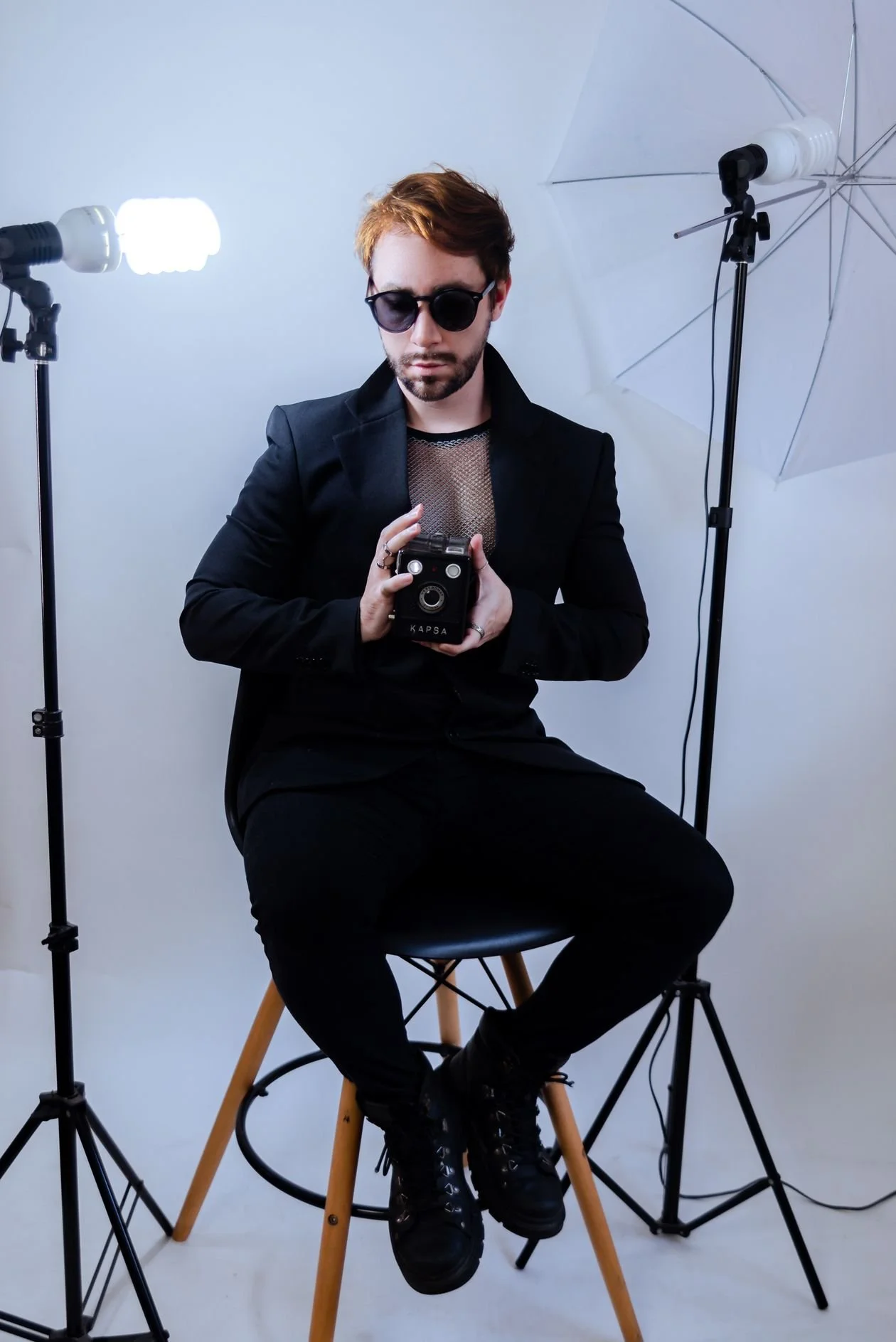
People use these two terms like they mean the same thing. They do not. Commercial photography is the umbrella term for any photography created to sell something. Advertising photography is the specialized branch that creates images for ad campaigns. Put simply: all advertising photography is commercial photography, but not all commercial photography is advertising. A catalog photo sells by showing the product clearly. An advertising photo sells by making you feel something in a fraction of a second. After 27 years behind the camera, shooting everything from magazine editorials to brand campaigns, I can tell you the difference matters, because it changes what you ask for, what you pay, and what you get.
Commercial Photography: The Big Umbrella
Commercial photography covers every kind of photography made for business purposes. Product shots for a website. Catalog pages. Corporate portraits. Real estate listings. Food photography for a menu. Headshots for a company team page. If the photo exists to support a business, it is commercial photography.
The job of most commercial photography is clarity. Show the product accurately. Show the team looking professional. Show the space at its best. There is real craft involved, but the goal is straightforward: inform the buyer and build trust. I learned what it takes to sell a product long before I ever charged for a shoot. My parents built a custom t-shirt business from nothing, and I watched the whole chain, design, printing, selling at competitions, start to finish. I saw that selling is a chain and photography is one link in it. A good commercial photo does its job quietly. It answers the customer's question before they ask it. Corporate headshots live here too. When a company hires me to photograph fifty executives with a consistent look, that is commercial photography: clear, professional, on brand, delivered fast.
Advertising Photography: Selling With a Story
Advertising photography has one job: stop someone mid-scroll, mid-page, or mid-stride, and make them feel something about a product in a fraction of a second. These are the images inside ad campaigns. Billboards. Magazine spreads. Social ads. Television key art.
Everything about an advertising image is deliberate. The light, the casting, the styling, the exact moment, all of it is built around a concept, usually developed with an art director and a creative team. A portrait can take its time earning your attention. An ad gets a glance. If the image does not land instantly, it fails, no matter how beautiful it is.
I got my first look at this world as a teenager, standing on my first real fashion photoshoot for a teen magazine, watching hair, makeup, styling, and lighting come together around a single concept. Years later I was shooting editorials that ran in Vogue, Harper's Bazaar, and InStyle. That campaign mindset, one big idea executed perfectly, is what separates advertising photography from everything else under the commercial umbrella.
How the Two Shoots Actually Differ
The distinction is not just theory. When you hire a photographer, these are the practical differences you will run into:
The brief. A commercial shoot brief says: show this product, this space, or this team, accurately and well. An advertising brief says: make people feel this specific thing about this brand, and here is the campaign concept.
The team. Commercial shoots are often lean: the photographer, maybe an assistant and a stylist. Advertising shoots bring the machine: art director, creative director, producers, hair and makeup, wardrobe, sometimes a dozen people serving a single image.
Usage and licensing. This is the big one. Commercial photography is often licensed simply, sometimes as a straightforward buyout for defined uses. Advertising photography is priced around usage: where the image runs, for how long, in which markets, and at what scale. A national billboard campaign costs more than a local print ad because the usage is bigger.
Budget and timeline. Commercial work is typically faster and more contained. Advertising campaigns take longer to plan, longer to shoot, and longer in post-production, because every detail gets scrutinized against the concept.
Which One Do You Actually Need?
Ask yourself what the photo has to do.
If you are launching a product line and need clean images for your website, your Amazon listings, or a catalog, you need commercial photography. If you are opening a restaurant and need the food and the room to look their best, commercial. If your company needs consistent team headshots, commercial.
If you are running a campaign with a message, a feeling, and a story, spread across billboards, social, and print, you need advertising photography. You need a concept first, then a photographer who can execute it.
Many photographers, myself included, work across both. The skill sets overlap heavily: lighting, directing people, understanding what sells. What changes is the structure around the shoot. Be honest with your photographer about what the images are for. The usage determines the licensing, the licensing determines the price, and surprises there help no one.
If you want the deeper definitional breakdown of commercial photography as a discipline, I have a full guide to it here. And if you are at the hiring stage, here is how to think about hiring a commercial photographer for your brand.
A Quick Word on Licensing
This is where clients get tripped up most. With straightforward commercial work, licensing is often simple and generous. With advertising, usage is the product. A photographer quoting an ad campaign will ask where the images run, how long they run, and in which territories, because those answers define the value of the license. Get this in writing before the shoot, not after. A clear usage agreement protects both sides and keeps the relationship clean.
One more thing I tell every client: decide the usage before anyone picks up a camera. I have seen projects stall because nobody agreed on where the images could run. Five minutes of honest conversation about usage at the start saves weeks of renegotiation later. If a photographer will not put licensing in writing, that tells you everything you need to know.