Ask a room of portrait photographers to name the king of portrait lenses and most of them will say 85mm before you finish the question. Fstoppers ran the debate again this week around the Canon RF 85mm f/1.2L, and the arguments are the ones I have heard for decades. I respect the lens. I just do not shoot portraits with one.
I shoot a Leica M11 with a 50mm. That has been my setup through 27 years as a celebrity photographer in Los Angeles, photographing Lady Gaga, the Kardashians, Richard Branson and Ella Beatty, with work in GQ, Vogue, InStyle, People, Teen, Men's Health and Departures. This is not theory. It is what survived contact with real clients, real rooms and real deadlines.
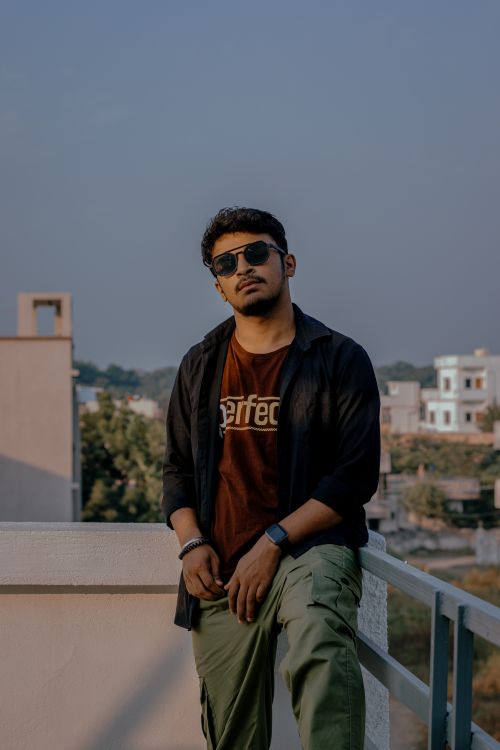
Photo by Parimal Jain on Pexels
The case for 85mm, stated fairly
The 85mm earns its reputation honestly. The longer focal length compresses perspective, so a nose does not push toward the camera and ears do not shrink away. Faces look calm and proportioned. At wide apertures the background melts into nothing, which flatters the subject and hides a messy location. The working distance is comfortable too. You stand back, the sitter does not feel crowded, and nobody has a lens in their face.
If your priority is a clean, isolated head against a soft blur, the 85mm does that job with very little effort. I understand why studios default to it. It is the safe answer, and safe answers are popular for a reason.
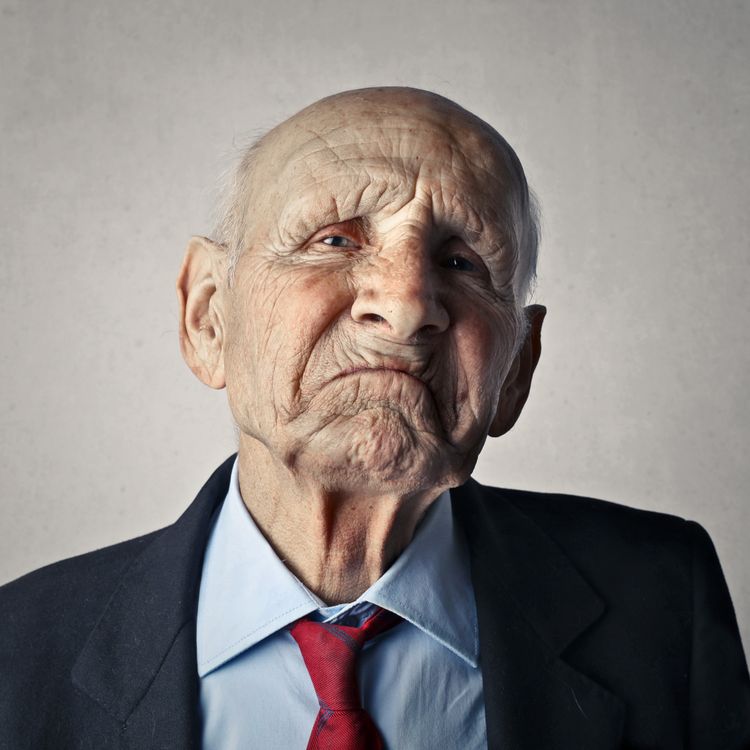
Photo by Andrea Piacquadio on Pexels
Why I shoot a 50mm
My reason is simple, and it has not changed. The 50mm is the same view as the human eye. I just prefer it. When I look at a person across a table, that is the perspective I see. A 50mm records the scene the way I experienced it, instead of flattening it into something more polished and less true.
The Leica glass matters too. Best glass, best colors, very flattering. Skin tones come out honest, and the rendering has a softness to it that does not need help in post. My retouching philosophy follows the same logic: I keep what gives character, so moles stay, and I remove what is temporary, so pimples go. A lens that flatters without lying fits that philosophy. An 85mm portrait can look like a better version of a person. A 50mm portrait looks like the person.
Context is part of the portrait
An 85mm at f/1.2 deletes the room. Sometimes that is the point. But the room is often the story. Where a person works, what they keep around them, the light in their own space, all of that says something a blurred background cannot.
At 50mm I can step half a step back and hold the person and their world in the same frame. The portrait stops being a floating head and becomes a record of a life. Clients feel the difference even when they cannot name it. They say the picture feels like them. That reaction is worth more to me than compression.
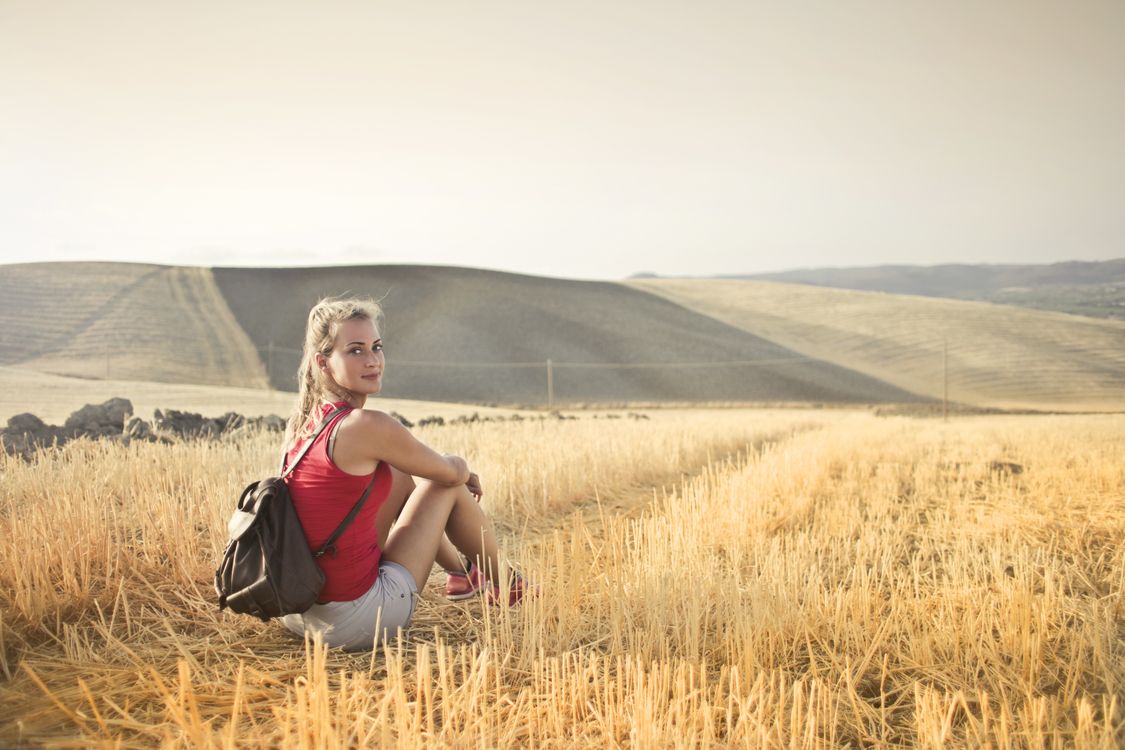
Photo by Andrea Piacquadio on Pexels
Closer changes the conversation
Working distance is the argument nobody prices in. At 85mm you direct from across the room. Your voice gets louder, your direction gets more formal, and the session starts to feel like a performance. At 50mm I am close enough to talk at a normal volume. The session feels like a conversation that happens to have a camera in it.
That closeness changes expressions. People drop the pose they rehearsed in the mirror faster when the photographer is near and relaxed. The guardedness that ruins first frames melts sooner. I would rather manage the small distortion risk of a closer lens, by watching my distance and angles, than manage a sitter who never fully settles because the camera stayed far away and clinical.
Natural light is the discipline
I shoot natural light only. No strobes. That choice interacts with focal length more than most photographers admit. Window light rewards the photographer who can move. At 50mm I can work in smaller rooms, closer to the window, and still hold context in the frame. In a tight office or a small studio, an 85mm backs you into a wall, sometimes literally.
Natural light also keeps me honest about what is in front of me. There is no flash setup to hide behind. If the light is wrong, I move the person or I move myself. Twenty seven years of that discipline teaches you to see light before you raise the camera, and a 50mm sees the scene roughly the way your eye found it.
When I would still reach for an 85mm
I am not dogmatic about this. There are jobs where a longer lens is the right tool, and pretending otherwise would be dishonest.
If a sitter is genuinely anxious and needs physical space before they can relax, distance helps, and an 85mm gives it without cropping. If the brief demands a tight beauty frame with the background erased completely, the longer lens does it in one step. If I am shooting an event where I cannot get close, a longer focal length is not a preference, it is the only option. And for a sitter whose features the camera exaggerates at close range, stepping back with an 85mm is the kinder choice.
The point is not that 85mm is wrong. The point is that it should be a choice made for a reason, not a default copied from consensus.
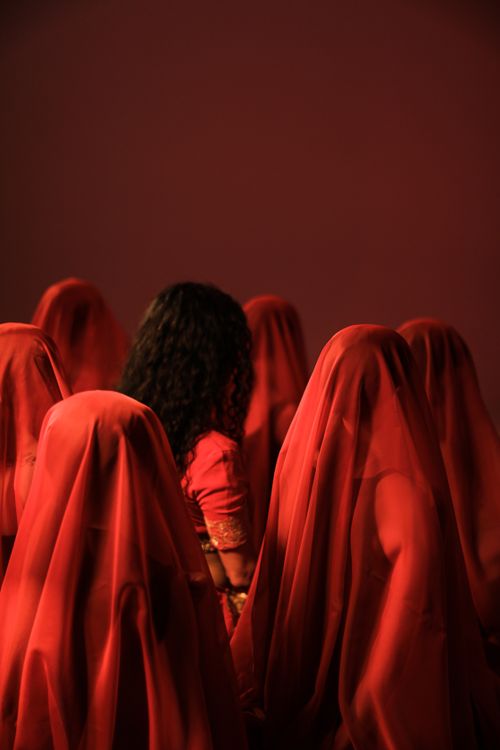
Photo by cottonbro studio on Pexels
What this means in a headshot session
Headshots are where this debate stops being abstract. In my sessions the closer working distance of the 50mm does real work. Most headshot clients are not models. They arrive tense, worried about their chin, their hair, their smile. Standing nearer, talking normally, I can coach an expression in the moment instead of calling instructions across a studio. Shoulders drop. The smile stops being held. That is the frame we keep.
My sessions run on looks, and I shoot wardrobe options both ways when it matters. With a tie and without a tie, for example, so the client keeps the option instead of deciding under pressure. Current rates are 2 looks for $1,500, 3 looks for $1,900, 4 looks for $2,300 and 5 looks for $2,500. If you are booking, read how to prepare for a headshot session before you arrive, and my corporate headshots in Los Angeles page shows the work itself.
One last thing, because clients ask about it now. On AI headshots, my position is short: nothing wrong with them except they are not real. A generated headshot has no session, no conversation, no moment where the person actually relaxed and became themselves in front of a lens. A real portrait made at conversational distance, on a lens that sees the way an eye sees, is the record of an actual person. That is what I sell, and the 50mm is how I make it.
So, 50mm vs 85mm for portraits? If you want isolation and polish, take the 85mm and enjoy it. If you want context, connection and a portrait that looks the way the moment felt, pick up a 50mm and get closer. I made that choice a long time ago. I have never regretted it.
FAQ
Is a 50mm or 85mm better for portraits? Neither is better in the abstract. An 85mm compresses perspective and melts backgrounds, which suits tight, isolated heads. A 50mm matches the view of the human eye, keeps context in frame and lets you work closer to the sitter. I shoot portraits on a 50mm because connection and context matter more to my clients than blur.
Does a 50mm distort faces in portraits? It can if you shoot too close and fill the frame carelessly. At a sensible working distance, with attention to angles, a 50mm renders faces naturally. The distortion people fear comes from distance, not from the lens itself.
Why do I shoot portraits on a Leica M11 with a 50mm? Because the 50mm shows the same view as the human eye, and I prefer it. The Leica glass gives me the best colors and a very flattering rendering, and I work in natural light only, no strobes. That combination has carried 27 years of celebrity and editorial work.
What do my headshot sessions cost? Sessions are priced by looks: 2 looks for $1,500, 3 looks for $1,900, 4 looks for $2,300 and 5 looks for $2,500. A look is a full wardrobe and styling change, shot and directed by me.