A headshot is the smallest photograph with the largest job. Eight by ten inches of you, deciding whether you get the audition, the meeting, the cover. I have shot headshots for people who get new ones every ten years and people getting their first. The preparation is the same either way, and most of it happens before you leave the house.
Here is my exact prep checklist, built from 27 years of sessions.
Start with sleep, not shopping
Linda Hamilton told me she only had new headshots taken about every ten years. A decade. We shot at her home in Point Dume, Malibu: three looks, about an hour, earthy colors, an Alien Bee kit with a battery pack.
You cannot buy the way she looked that day. Rest, water, and calm show up on camera more than any product. The night before your session: sleep eight hours, drink water, skip alcohol, and do not try anything new. No new skincare, no new haircut, no experimental treatments. The camera is ruthless with inflammation and loves consistency.
I have photographed teenagers the morning after a red-eye and veterans who treated the night before like the night before a fight. Guess which portraits held up. Preparation is mostly subtraction: remove everything that could go wrong, and let your face do the rest.
Know what the headshot is for
This sounds obvious, and almost nobody does it. A theatrical headshot, a commercial headshot, a corporate headshot, and a musician's press photo are four different photographs. They want four different versions of you.
Before the session, write one sentence: "This headshot needs to get me ___." Castings, clients, press, whatever it is. Tell your photographer that sentence. It changes the lighting, the lens, the direction, everything.
When a Universal publicist arranged for me to photograph an unknown Lady Gaga at Area Nightclub in West Hollywood in 2007, the brief was essentially "she's going to be the next Madonna." That one sentence shaped every frame: dramatic, iconic, larger than life. She wore a black Stella McCartney dress, a pink vintage Chanel scarf, and sunglasses, and I directed her to sit on a couch, knees together, feet apart. Know the assignment, and the photograph knows what to be.
Wardrobe: simple wins
For headshots, the frame ends at the chest. That means the neckline is the whole wardrobe decision. A clean neckline that frames your face beats a designer label every time.
My standing advice, refined over hundreds of sessions:
- Solids, not patterns. Small patterns shimmer on digital sensors. Your face should be the busiest thing in the frame.
- Neckline first. Crew, v-neck, collared, off-shoulder: pick the one that makes your jawline look its best and bring two options.
- Steam and lint-roll. Wrinkles and lint read as carelessness at headshot distance.
- Bring three tops, expect to wear two. Options give the photographer choices without burning session time.
For the full wardrobe breakdown, read what to wear for a celebrity photoshoot.
Hair and makeup: you on your best day
Tell your artist this exact sentence: "I want to recognize myself." A headshot that looks like a different person is a failed headshot, no matter how beautiful.
Men: trim, clean, and controlled. If you wear facial hair, groom it the way you want to be cast. The camera will document exactly what is there, so decide what "there" is beforehand.
Women: makeup slightly stronger than everyday, slightly softer than evening. Lashes and definition photograph well; heavy contour can look muddy under lights. Bring blotting papers and powder for touch-ups. Shine builds through a session and the camera finds all of it.
Everyone: moisturize, including lips. Dry skin and chapped lips are the two most common retouching requests, and both are preventable in the bathroom mirror.
The week-before conversation
Here is what separates good sessions from great ones: a conversation with your photographer before shoot day. Send phone photos of your wardrobe options. Discuss the mood, the background, the deliverable. Ask where they want to shoot you and why.
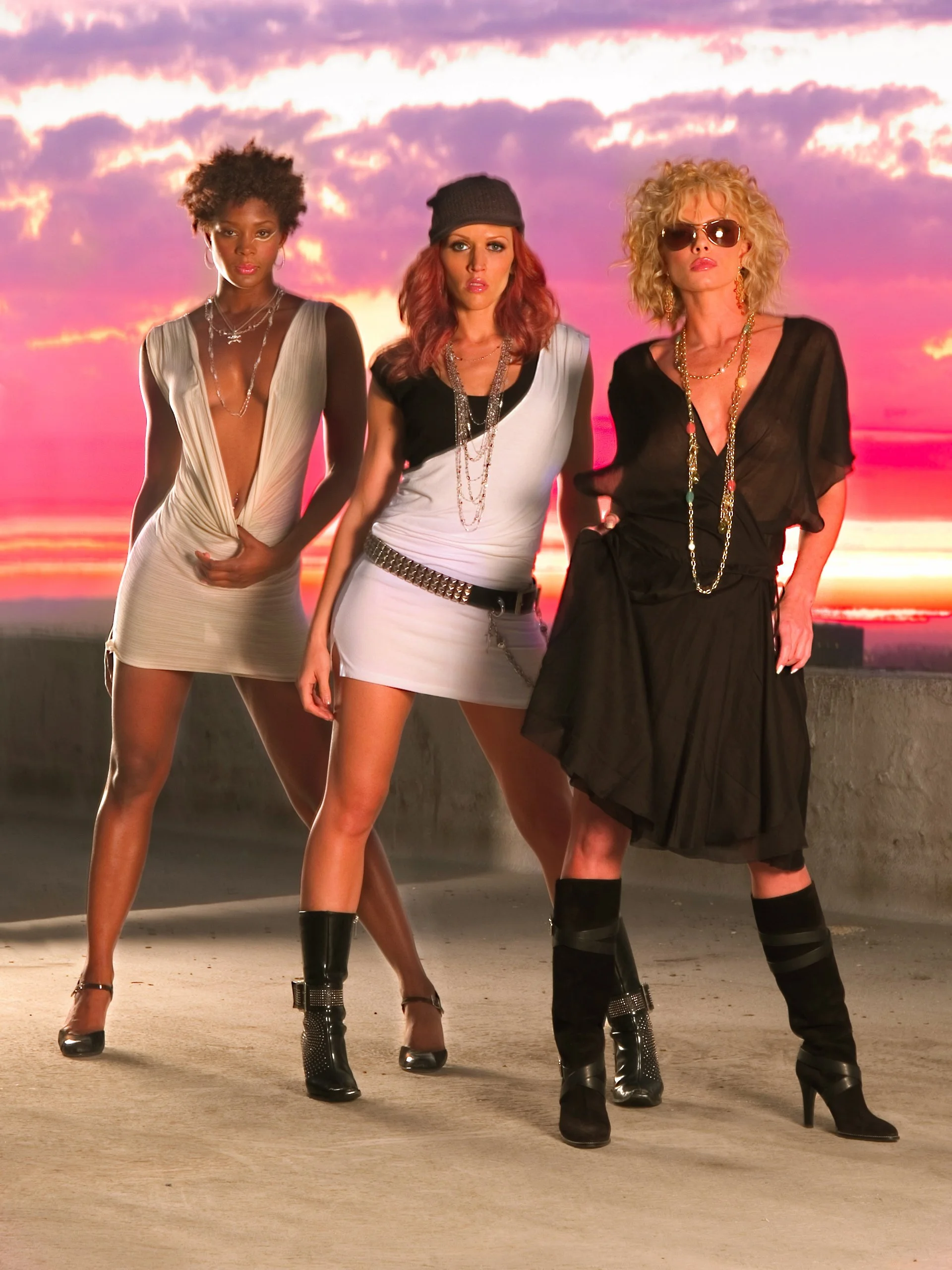
This is part of how to hire the right photographer: the good ones plan with you. In 2005, I was 22 when Jaime Pressly hired me after seeing five portfolio images on my flip phone's one-inch screen. We shot her clothing line on a downtown Los Angeles rooftop at sunset, natural light, nothing complicated. The simplicity worked because we had talked first and both knew what the shoot was.
If your photographer will not have a prep conversation, that tells you something. The session starts days before the camera comes out.
Day-of checklist
Eat. A real meal, not just coffee. Low blood sugar photographs as tension around the eyes and mouth. I have watched sessions fall apart because someone skipped breakfast.
Arrive early. Ten minutes early, settled and calm, beats exactly on time and flustered. Rushing shows up in the shoulders.
Bring: your wardrobe options on hangers, blotting papers and powder, lip balm, water, a snack, and any reference images of looks you like. References help enormously. They give the photographer a target instead of a guess.
Music. Ask if you can play yours. The right playlist relaxes the face faster than any direction I can give. Some of my best sessions had a speaker going the whole time.
The mindset that photographs best
My first celebrity subject was April Wilkner from cycle two of America's Next Top Model. It was about my tenth shoot ever. I had met her at San Francisco Fashion Week and booked her for my own project, TDink. We shot at a designer's atelier in the Mission District. I was a kid with more nerve than skill.
She was generous, relaxed, and present, and the portraits worked because of it. Here is the mindset I have seen photograph best across 27 years: curious, not performing. The subjects who treat the session as a collaboration always look better than the ones treating it as an exam.
You do not need to "know how to pose." That is the photographer's job. Your job is to be present, breathe, and trust the person behind the camera. At Quincy Jones's cement ceremony, Snoop Dogg overruled his own manager to follow my direction into better light, then brought Usher over and told him to listen to me. That trust, given in about three seconds, is what made the portraits work. Bring that willingness, and the photographer handles the rest.
After the session
Ask about turnaround before you leave. When will you see proofs? How many final retouched images are included? What is the delivery format? Get it in writing if it was not already agreed.
And if your photographer offers prints, take them seriously. After Linda Hamilton's session, I printed the photographs, put them in an album, and drove back to her Malibu house with them. She chose five images and gave me a $2,500 tip. A headshot you can hold hits differently than a file in an inbox.
For more on what professional photography costs and why, and what makes a portrait truly iconic, those break down the rest.
The bottom line
Sleep. One clear sentence about what the headshot is for. Simple wardrobe. Hair and makeup that looks like you. A prep conversation with your photographer. Food, water, music, and ten early minutes.
None of this is glamorous. All of it photographs.
Work with me
I am David Christopher Lee, a celebrity photographer in Los Angeles and New York with 27 years behind the camera. Read what to wear for a celebrity photoshoot, then get in touch to book your session.
Related reading
- How to Hire a Celebrity Photographer in Los Angeles
- Celebrity Portrait Photography: What Makes It Iconic
- What to Wear for a Celebrity Photoshoot
FAQ
How should I prepare the night before a headshot session? Sleep eight hours, hydrate, skip alcohol, and avoid anything new: no new skincare, haircuts, or treatments. Lay out steamed, lint-rolled wardrobe options.
How many looks do I need for headshots? Two to three tops with different necklines is plenty. Headshots crop at the chest, so the neckline is the key decision.
Should I do my own hair and makeup or hire someone? If the budget allows, hire a professional and tell them "I want to recognize myself." If doing your own, go slightly stronger than everyday makeup and bring blotting papers and powder for shine.