The Short Answer
For most corporate events, book your photographer four to six weeks out. For large conferences, galas, and multi-day events, two to three months is the safer move. These are not arbitrary numbers. They reflect how the best photographers book up in Los Angeles, how much planning great coverage requires, and what happens when you leave the decision to the last minute. Event photography looks simple from the outside. Someone shows up with a camera and takes pictures. In practice, the difference between usable coverage and coverage your marketing team actually deploys comes down to preparation, and preparation takes time.
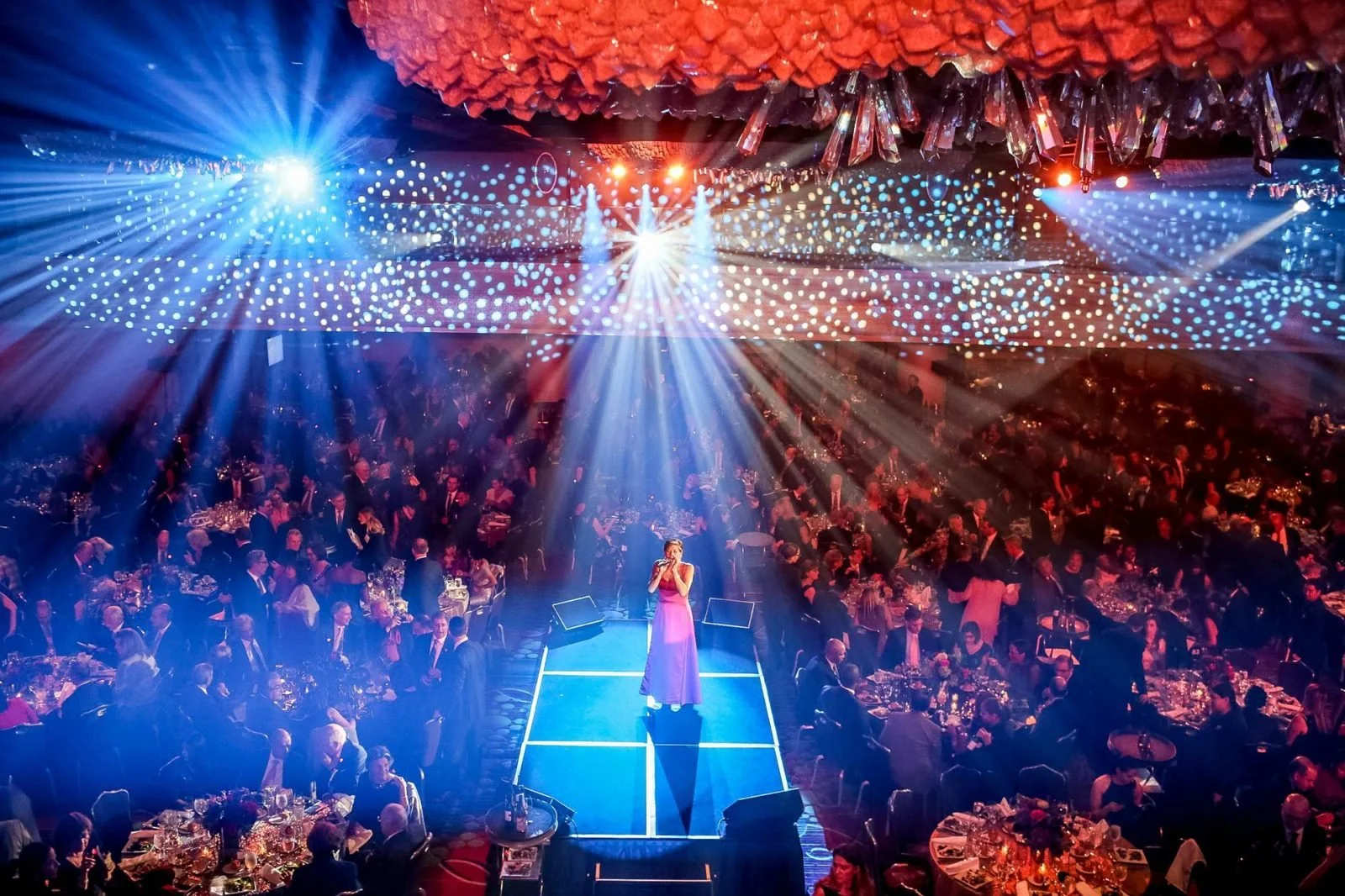
Why Lead Time Matters
Photographer Availability in Peak Season
The best event photographers in Los Angeles book out early. Peak seasons compress the calendar hard, and the top names are often reserved weeks ahead of time. If you call two weeks before a major gala in December, you are choosing from whoever is still available, not from the best. Early booking lets you hire on quality instead of settling on availability.
Pre-Event Planning and Shot-List Alignment
Great event coverage is planned, not improvised. Lead time gives you a real consultation where you align on the shot list: the keynote moments, the award presentations, the VIP arrivals, the sponsor branding, the candid networking shots your team will use for months. Without that conversation, a photographer walks in cold and hopes for the best. Hope is not a coverage strategy. The consultation also surfaces constraints you might not think about. Are there media restrictions on certain guests. Does the venue allow flash during presentations. Where can the photographer stand during the keynote without blocking the audience. Answering these questions early keeps the day running smooth.
Venue Walkthroughs
A walkthrough lets your photographer scout the light, the stage angles, the media positions, and the traffic flow before the room fills with people. Los Angeles venues each have their own quirks, from ballrooms with heavy uplighting to convention halls with cavernous ceilings and mixed color temperatures. Seeing the space early means faster, sharper coverage on the day, because nothing is being figured out in real time. It is so important to do a walkthrough. Sometimes I will ask the location manager questions, but until you actually see it in person, you do not know what the lighting looks like. Sometimes location managers are not really that good at describing things, so it is always good to see it in person firsthand.
What Happens When You Book Late
Book late and three things go wrong at once. First, limited choice. The photographers with real event experience are already booked. You end up choosing from generalists whose portfolios lean on portraits or weddings, and event photography is a different discipline. It requires reading a room, anticipating moments, and working fast in bad light. A generalist can still get lucky. A specialist does not need luck. Second, rush fees. Short-notice bookings disrupt a photographer's schedule, and many charge a premium for dates inside two weeks. Vendors across the board tend to add rush charges, so the late booking costs you more for less. Third, no planning time. The consultation gets compressed or skipped entirely. The shot list never gets built. The venue walkthrough does not happen. You pay full price for coverage that cannot be as good as it would have been with four weeks of preparation behind it.
Seasonal Demand Patterns in Los Angeles
Los Angeles has its own event calendar, and it fills photographer schedules in waves. Awards season, roughly January through March, pulls experienced crews into premieres, after-parties, and industry galas. The same photographers who cover your conference also shoot red carpets, so February books up faster than most planners expect. Conference season runs in two waves, spring and fall, when companies hold their summits, product launches, and annual meetings. Convention centers and hotels fill up, and photographer calendars fill right alongside them.
How Much Coverage Do You Need
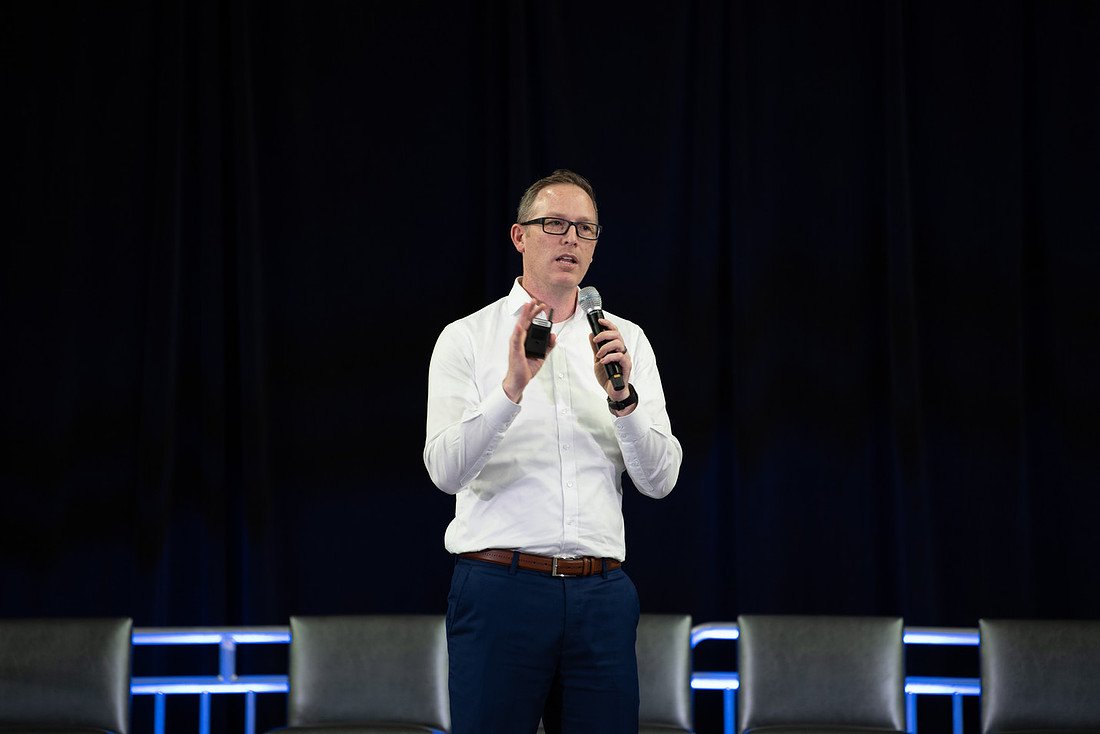
Lead time and coverage length are separate decisions, but they are related. The longer the event, the earlier you should book, because multi-hour bookings tie up a full day and photographers can only take one. For a breakfast briefing or a short award presentation, two to three hours of coverage is usually enough. For an evening gala with a red carpet arrival, dinner, and an after-party, you need the full night. For a conference, count the keynotes, the breakout sessions, and the networking blocks you want documented, then add buffer time at both ends. If you are unsure, describe the run of show during the consultation and let the photographer recommend a package. That is what the consultation is for.
The Booking Process, Step by Step
1. Consultation
It starts with a conversation. You describe the event: date, venue, schedule, headcount, and what the images are for. A good photographer asks about lighting conditions, media restrictions, and the moments you cannot afford to miss. This is also the moment to discuss extras, like adding a professional headshot station for attendees, which many corporate clients pair with event coverage.
2. Contract
The contract locks in the date, the hours, the deliverables, and the usage terms. Read it before you sign. Make sure the delivery timeline is in writing. I deliver 200 to 300 edited images the next day, and that commitment is part of every agreement I sign. Same-day or next-day delivery matters because your team wants to share while the event is still fresh, not two weeks later when the moment has passed.

3. Deposit
Half is due to book, half is due on shoot day. The deposit takes your date off the market. Until it is paid, the date is not held, no matter how good the conversation was. This protects both sides. You know your photographer is locked in, and the photographer can turn down other work for that date with confidence.
Corporate Event Photography Rates
My rates are straightforward. Hourly coverage is $750 per hour. A half day, four hours, is $2,500. A full day, eight hours, is $4,500. Every booking includes 200 to 300 professionally edited images delivered the next day. When you compare quotes, compare deliverables too. A lower hourly rate means nothing if the images arrive three weeks later unedited, or if the package caps you at fifty photos. Ask every photographer you interview three questions: how many images, how fast, and what is included.
When Is It Too Late
It is rarely too late to call. Events get covered on a week's notice when a client cancels or a vendor falls through. But every day you wait narrows your options and raises the odds of compromise. If your date is more than two weeks away, pick up the phone now. If it is closer than that, call anyway and ask what is possible. The worst answer is no. The best answer is that your first choice had a cancellation.
The Bottom Line
Four to six weeks for most events. Two to three months for conferences and galas. Lead time buys you choice, planning, and coverage that actually serves your brand. To lock in your date, book a consultation and get your event on the calendar. For twenty-seven years I have worked as a celebrity photographer in Los Angeles, covering everything from red carpets to boardroom keynotes. The events that photograph best are the ones we plan together.