Almost every client asks me some version of the same question before their session. What color should I wear? It matters more than most people think. The camera reads color differently than the mirror does, and in a headshot the wardrobe shares the frame with your face. Get it right and the focus stays exactly where it belongs, on you.
The Short Answer
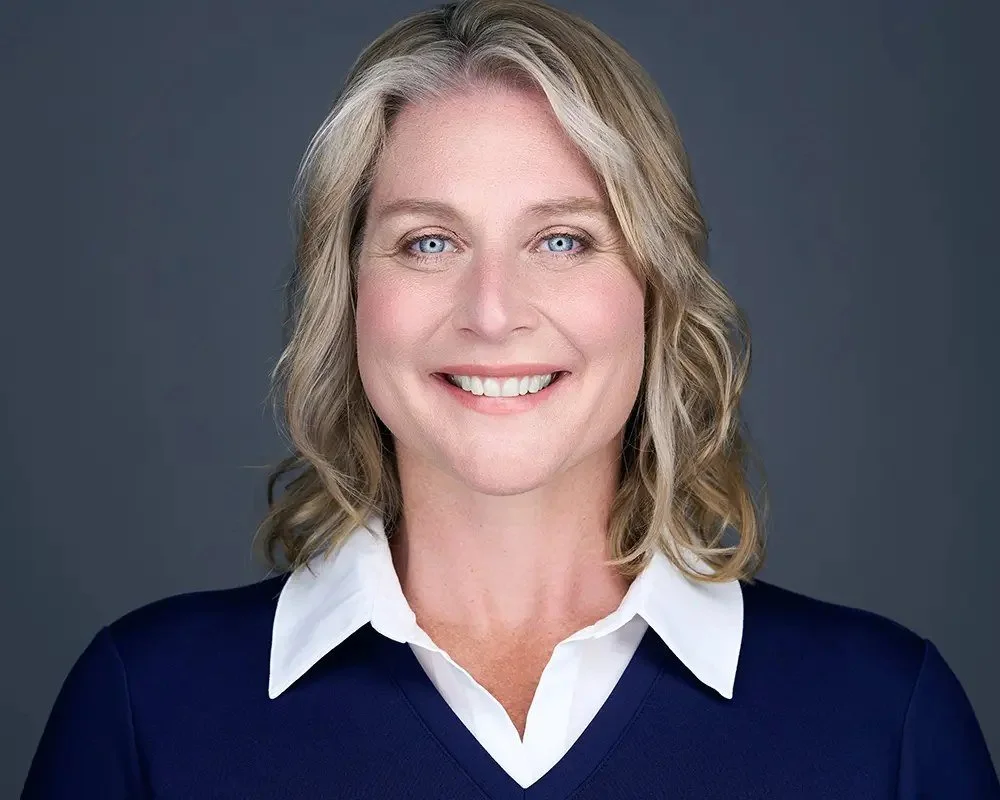
Navy, charcoal, and mid-tone solids. These are the safest bets for almost everyone. A headshot is about two things: your face, and the message you send. Mid-tone solid colors keep the focus on your face because they do not compete with it. They also separate you cleanly from the background, whether it is light gray, dark gray, or white. Navy photographs beautifully on almost every skin tone, charcoal reads as polished without the harshness of pure black, and mid tones like burgundy, forest green, and slate blue add character while staying professional. Solids also do not date the way prints do. A clean navy sweater looks current for years, which matters when the same photo lives on LinkedIn and your company site.
What to Avoid
Knowing what not to wear is just as important as knowing what to wear.
Busy Patterns and Loud Prints
Small checks, bold florals, and loud geometrics all do the same damage. They become the first thing people notice, and your headshot has about two seconds to make an impression. Thin stripes can also create moire, a shimmering distortion that cannot always be fixed. If you want texture, a fine knit or a subtle weave reads as solid on camera while adding visual interest up close.
Neons and Supersaturated Brights
Hot pink, electric green, and vivid orange do not flatter anyone under studio lighting. They cast color onto your skin and steal all attention from your expression. Jewel tones are the sweet spot. A rich sapphire, emerald, or ruby gives you color and energy without the glow.
Pure White on a White Background
This is the classic floating head effect. A white shirt on a white background eliminates the boundary between your shoulders and the background, so your head appears to float in empty space. If you love a white shirt, it works beautifully on a gray or dark background where the contrast defines your shape. Just do not wear it on white. The reverse is also true. An all black outfit on a dark background swallows your neckline and jawline. Dark backgrounds need a lighter top, and light backgrounds need a darker one.
Head-to-Toe Black
Black is slimming and classic, and everyone has it. But a black top against a black background creates the same disappearing act as white on white. Black also hardens facial shadows under studio lights, which is not what you want when the goal is to look approachable. Black still works if you break it up. A black blazer over a colored top, or a necklace at the neckline, gives the camera the separation it needs between your face and your shoulders.

Dress for the Industry You Are In
The right color also depends on your industry. Finance and law lean traditional. A navy or charcoal suit and a crisp shirt tell clients you are serious and reliable. Keep everything pressed and simple. Tech goes one level above your daily norm. If you wear a t-shirt at work, show up in a button-down or a structured jacket. You want to look like the grown up version of yourself, not a stranger. Creatives get more room to show personality. A rich color or an interesting neckline can work, as long as the base stays solid. The wardrobe supports your face. It does not audition for its own role.
Dress for the Job You Want
This is the framing I give every client who is on the fence. Do not dress for the job you have today. Dress for the job you want next year. If you are a junior associate gunning for partner, look like a partner. If you are a founder raising a Series A, look like someone investors hand money to. Your headshot is often the first thing a hiring manager or client sees. It should preview where you are going, not just where you are. One notch up is all it takes.
The Tie Question
The norm has shifted. Jacket, no tie is now the default for most industries outside finance and law. It reads confident and modern, and it photographs cleaner because there is no tie to sit crooked or catch a wrinkle. That said, a tie still belongs in certain frames. If your industry expects one, wear it. When in doubt, bring one. You can shoot with it and without it, and then you have both versions. Always shoot the tie and shoot the no tie. You always want to have that option.
The Biggest Mistake You Can Make
The single biggest wardrobe mistake is not a color. It is buying a brand new outfit the day before your session and wearing something you are not comfortable in. Discomfort shows in your face. A stiff new shirt makes you sit stiffly. A blazer that pulls across the shoulders makes you tense your jaw without realizing it. I have watched confident people turn wooden in thirty seconds because their clothes felt wrong. Wear something you have worn before and feel great in. It should be clean and pressed, but it should also be familiar. Lead with the outfit that already feels like you. If you want to see everything else that goes into a great session, read my guide on how to prepare for a headshot session.
Team Headshots: Coordination Rules
When a whole company is getting photographed, two rules keep the gallery looking cohesive. First, match formality, not outfits. Everyone does not need to wear navy, but everyone should be at the same level of dress. Pick a dress code and hold everyone to it, or the gallery looks disjointed. Second, no large logos. Small branded logos are fine, but big chest graphics turn a team page into an ad. Solids and subtle textures keep the whole set looking clean and consistent.

Let the Stylist Do the Styling
Here is something I tell every client. My best results come when I control wardrobe, hair, makeup, and styling. Styling for camera is a specific skill, and colors that look great in person do not always behave under studio lights. I have seen this firsthand. A client once showed up in dated clothes, skinny jeans and typical millennial fast fashion. I took him shopping and rebuilt his wardrobe with high quality, mix and match staple pieces in warm brown tones that complemented his skin. The difference in his photos was night and day. He carried himself like someone who belonged in front of the camera.
The Wardrobe Checklist
Run through this before you walk into the studio:
- Solid colors, mid tone, in navy, charcoal, or a jewel tone
- No busy patterns, thin stripes, or large graphics
- No neons or supersaturated brights
- White shirt only on a gray or dark background, never on white
- Black blazer only over a colored top or with an accessory breaking it up
- Outfit pressed, lint rolled, and familiar to you
- Dress for the job you want, one level above your daily norm
- Bring a tie as an option even if you plan to go without A great headshot is a collaboration between you, your wardrobe, and your photographer. Choose colors that keep the focus on your face and wear something you feel confident in. If you are ready to book a professional headshot, reach out before your session and we will plan the wardrobe together.