Your headshot is your audition before the audition. Casting directors in Los Angeles spend seconds deciding whether your photo gets pinned, submitted, or passed over. That makes choosing a headshot photographer a business decision, not a cosmetic one. Here is how to make it.
Start With the Portfolio, Not the Price
Every search should begin the same way: look at the work, not the package. A good portfolio answers three questions fast.
Do the Subjects Look Like Real People?
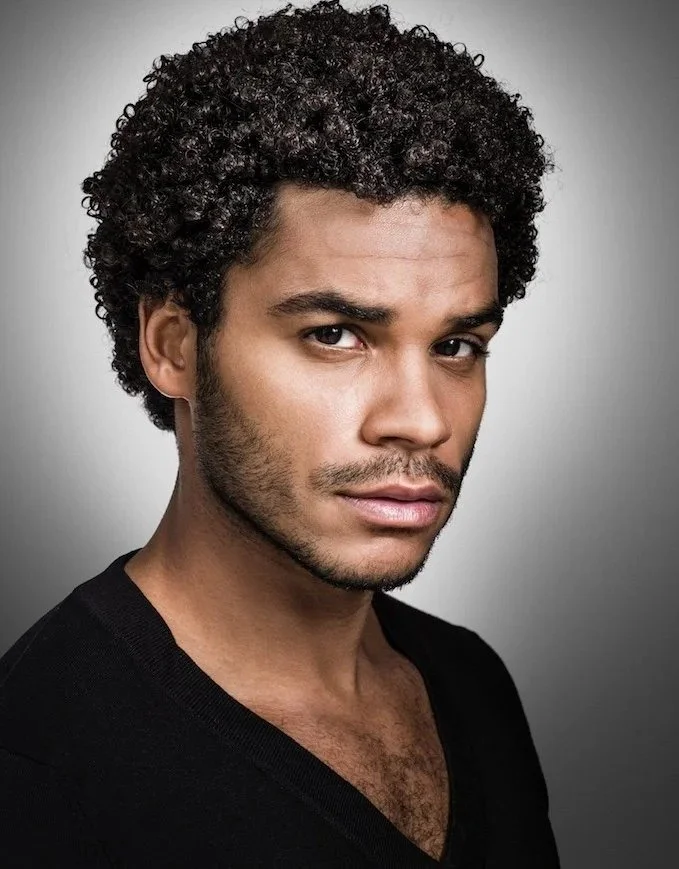
Look at the skin, the eyes, the expression. Do the actors look like actual human beings you could meet, or over retouched mannequins? Casting directors need to match the person in the photo to the person who walks into the room. If the retouching erases every pore and flattens every expression, the photographer does not understand this market. Ask directly: is retouching included, and what is the philosophy? A photographer who works with actors keeps skin texture intact, keeps the eyes alive, and removes only temporary distractions. If retouching is an expensive add on or outsourced to a bulk lab, keep looking.
Theatrical vs Commercial Range
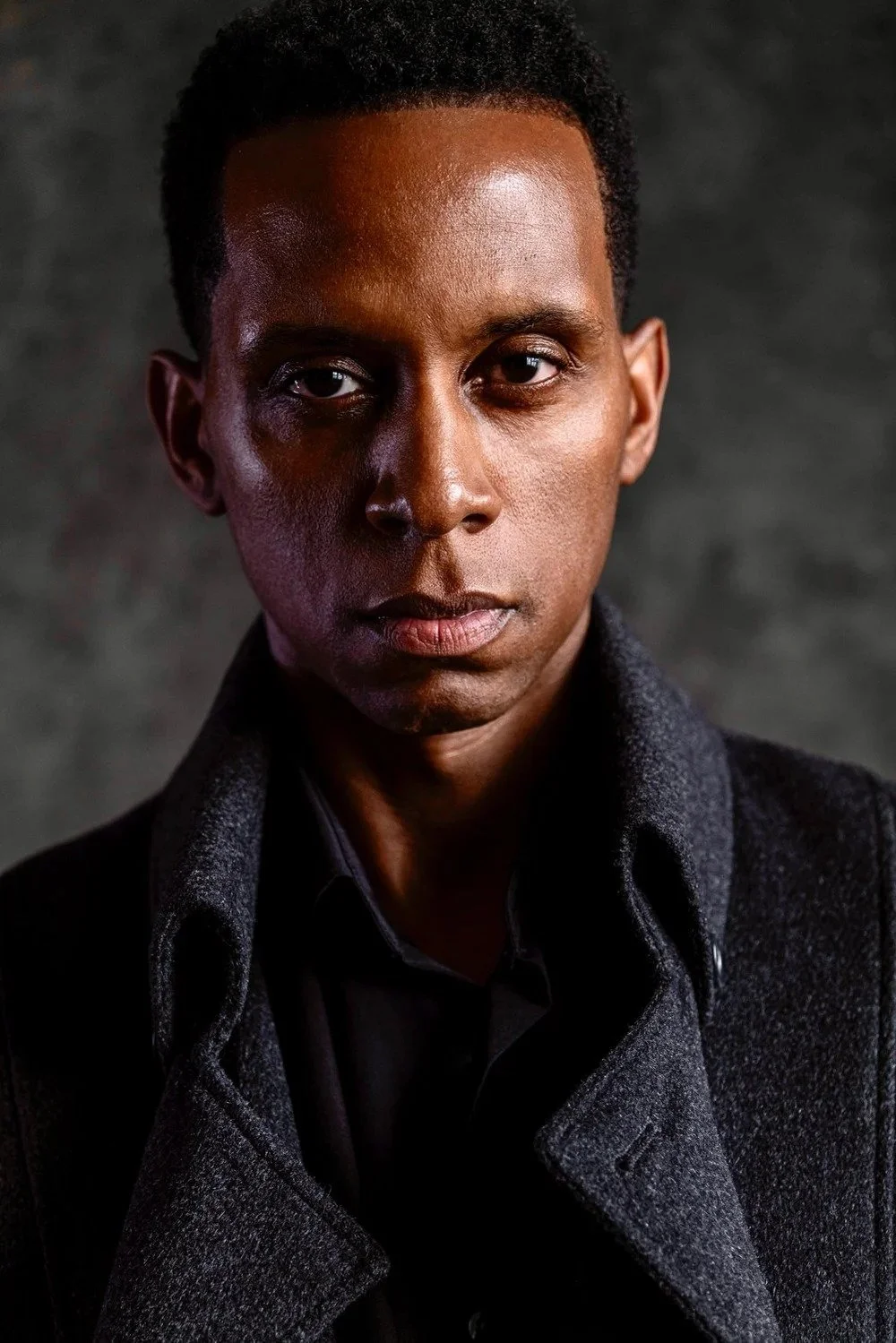
Actors need theatrical headshots (film, television, drama) and commercial headshots (advertising, lifestyle). A strong portfolio shows both, and you should be able to tell them apart at a glance. Theatrical shots lean dramatic: lower key lighting, neutral backgrounds, intense eye contact. Commercial shots lean warm: brighter, approachable, a hint of a smile. If a photographer only shoots one style well, they can only serve half your career. Check that the subjects look castable across genres, not like one repeatable look with different faces.
Do You See Yourself in the Work?
Do the subjects feel like your type? If you are a character actor and the entire portfolio is fitness model commercial work, that photographer may be excellent at something that is not you. The portfolio should contain people who could plausibly audition for the same roles you do. You are buying headshots that fit your casting, not a generic session.
The Consultation: Does This Photographer Understand Casting?
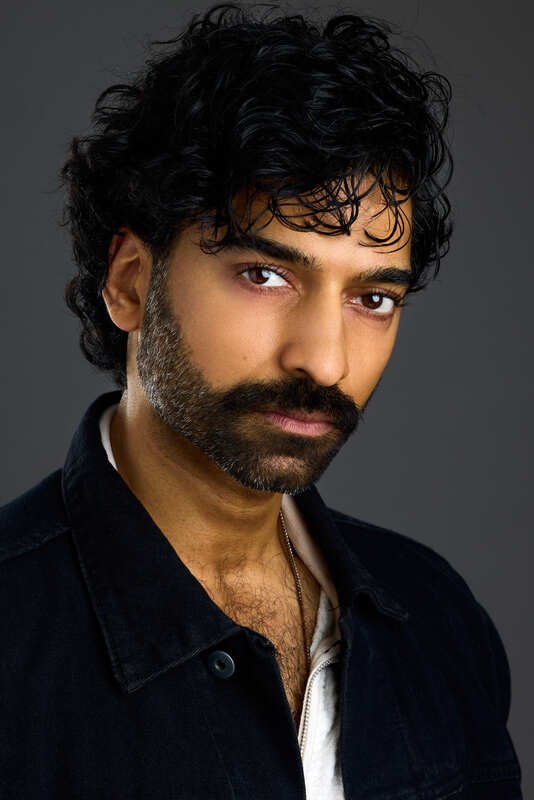
A real headshot photographer talks to you before you pay. Even a short phone call tells you everything. First, does the photographer ask about your type and target market? A photographer who understands casting asks what roles you are going after, whether you need theatrical, commercial, or both, and what your agent says about your current look. A photographer who jumps straight to packages is selling photo sessions, not career tools. Second, does the photographer give wardrobe direction? Your look on the day matters as much as the lighting. A photographer who works with actors tells you what to bring, what fits your type, and what reads on camera. If the answer is “just bring whatever,” expect generic results. Third, do they understand how the images will be used? Headshots live on casting platforms, agent submissions, and IMDb. I can tell based on what you look like what types of roles you would be perfect for. Some people are good for horror roles. Some are good for the best friend. Some are good as fashion models. There are so many different profiles.
Looks and Session Structure: How Many Is Too Many?
The most common mistake actors make is buying too many looks. The rule holds across the industry: 7 or 8 looks reads desperate to casting directors. It signals that you do not know who you are as a type, so you are throwing everything at the wall. It dilutes your brand. When a casting director sees eight versions of you, they remember none of them. Too many looks also confuse your essence. Each look should sharpen your casting identity, not scatter it. Two to five strong looks covering your theatrical and commercial range will outperform eight unfocused ones every time. A look means a full wardrobe and styling change, not a new backdrop with the same shirt. Confirm this definition with every photographer. Some studios count lighting changes as “looks” to inflate the number. A real look is a wardrobe change, shot and directed with intention.
What Agents and Managers Actually Look For
Your agent or manager is the end user of your headshots. Their standards are simpler than most actors think:
- Clarity of type. One glance should tell them what you play: comedic best friend, dramatic lead, tough character actor. Ambiguous shots do not get submitted.
- Current resemblance. The photo must match who walks in the room right now. Not three years ago, not twenty pounds lighter. Agents reject outdated headshots because casting directors punish them.
- Technical quality. Clean neutral background, sharp focus on the eyes, retouching that preserves likeness. No harsh shadows across the face, no distracting backgrounds, no novelty crops.
- Range without confusion. A theatrical shot and a commercial shot that both clearly read as the same person. Range means different sides of one identity, not different identities. If you have an agent, ask them before you book. A five minute conversation saves the cost of a reshoot.
Red Flags That Should Stop You From Booking
Walk away if you see any of these:
- No actor specific portfolio. Weddings, families, and models mean the photographer does not shoot actors. Actor headshots are a distinct discipline with casting specific conventions.
- No retouching included. A package with zero retouching leaves you with unfinished product.
- Pressure to book more looks. Upselling from three looks to seven is a sales tactic, not a casting strategy. Excess looks hurt more than they help.
- No consultation before booking. If the photographer takes your money without learning your type and goals, you are buying a commodity session.
- Prices far below market. In LA, too good to be true means inexperienced work, bulk retouching, or no direction. Budget sessions cost more when you redo them.
LA Market Pricing Context
Los Angeles has more headshot photographers than any city in the country, and pricing reflects that. Expect to pay $250 or more per look at the professional level. Typical full sessions run $300 to $1,200 in LA, with additional looks at $100 or more each. Below that range, you are likely looking at newer photographers building a portfolio or high volume studios cutting corners on direction and retouching. Above it, you are paying for a serious track record, full production value, and a name that means something. My acting headshots are structured around complete sessions, not piecemeal upsells. A look is a full wardrobe and styling change, shot and directed by me personally, with professional retouching included. Read the full breakdown of my approach to acting headshots in Los Angeles:
- 2 looks: $1,500
- 3 looks: $1,900
- 4 looks: $2,300
- 5 looks: $2,500 Every session includes a consultation on your type and casting goals before we shoot.
The Authority Question
After twenty seven years as a celebrity photographer in Los Angeles, including work with actors for GQ, Vogue, InStyle, People, and Men’s Health, I have watched what casting directors and audiences actually respond to. A headshot is not a portrait of how good looking you are. It is a piece of casting communication. The photographer you choose should understand that difference in their bones. Ask one final question: does this person photograph the kind of subject I am, with the understanding my career needs? If yes, book them. If you have to talk yourself into it, keep looking. Your headshot is too important to settle on. To discuss your type, your market, and the looks that will serve your career, book a consultation. We will plan the session before you spend a dollar.