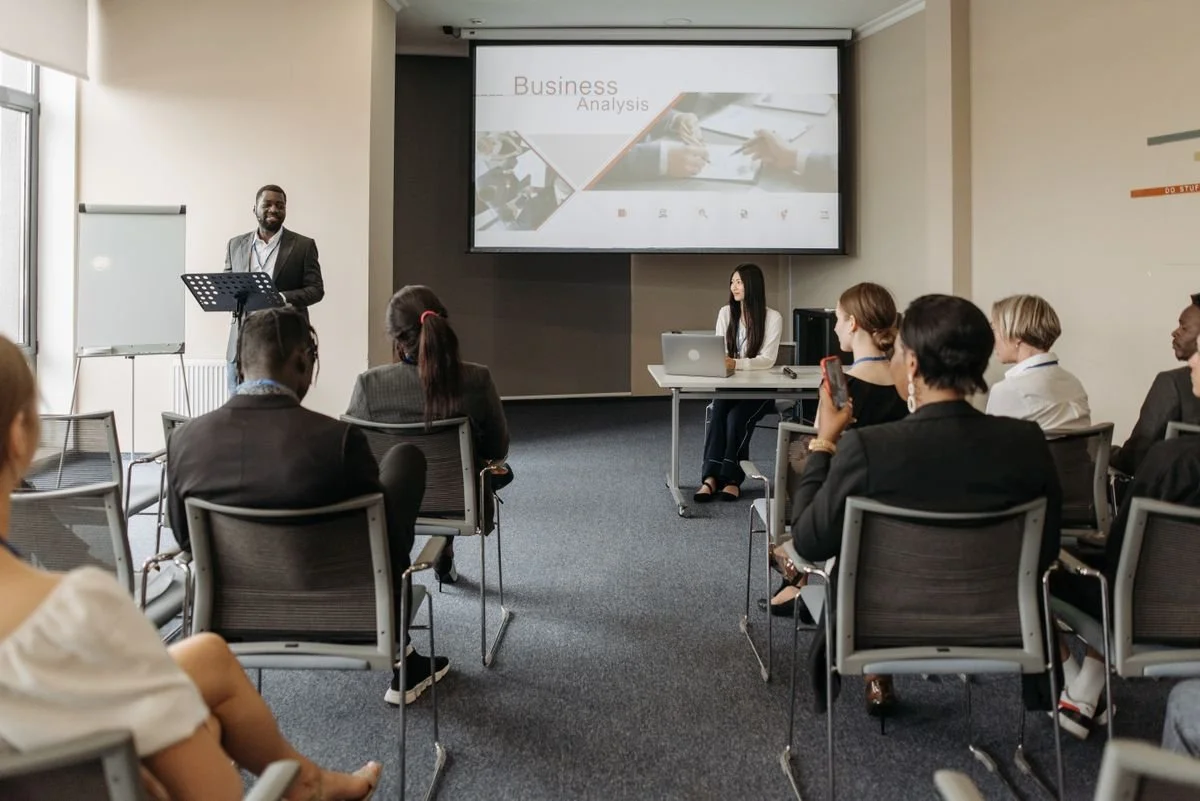
Every few months, someone asks me some version of this question. Usually it's an office manager or founder, saying it a little sheepishly: "We were thinking of just having a friend with a good camera cover it. Is that... okay?"
I've been shooting corporate events in Los Angeles for 27 years — conferences, product launches, galas, holiday parties — and I have watched the friend-with-a-camera plan play out more times than I can count. Most of the time, it ends with someone in marketing quietly asking me, months later, if there's any way to salvage the photos.
Here's the honest answer: having a friend shoot your company event is not a photography decision. It's a risk decision.
Why Every Company Considers It
The temptation makes complete sense. When you're already spending five figures on the venue, the catering, and the AV, photography starts to look like the easiest line item to cut. Then someone says the magic words: "My cousin has a really nice camera. He'd do it for free."
A nice camera. That's the whole pitch. As if the camera takes the photos.
What that thinking misses: your friend isn't being hired for the camera. What you're actually deciding is whether the person holding it can walk into a dark ballroom at 7 PM, read mixed stage lighting in ninety seconds, and deliver 400 usable images by Monday — while the keynote, the awards, and the CEO's announcement each happen exactly once, with no rehearsal.
A professional corporate event photographer in Los Angeles does that the way a pilot lands a plane: it's routine because they've done it a thousand times. Your friend is doing it for the first time, with your company's reputation in the frame.
The Missed Keynote
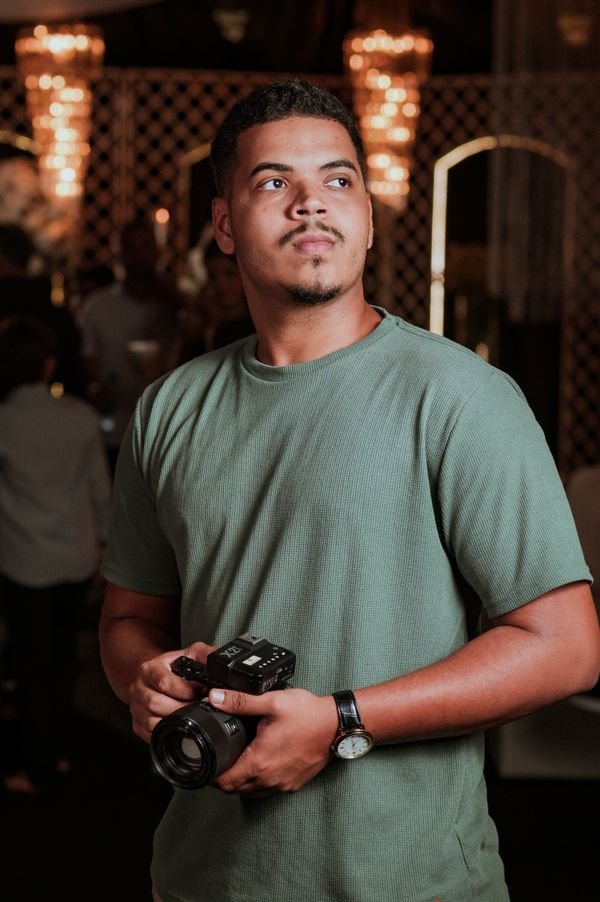
The single most common disaster: the friend misses the most important moment of the event. Your friend is also your guest — chatting with accounting, out for a drink — when the CEO walks on stage ten minutes early, delivers the announcement the whole event was built around, and walks off. Your friend got the last thirty seconds from the back of the room, over someone's shoulder, out of focus.
A pro doesn't eat when the food comes out. A pro doesn't network. A pro is in position twenty minutes before the keynote because the run of show said 8:00 and experience says "8:00" means "7:50." Your friend is there to enjoy the party — and that's if he shows up on time at all. A favor has no start time, and I've seen the "photographer" stroll in halfway through the opening remarks. That conflict can't be fixed with goodwill.
Ballroom Light Eats Amateurs Alive
Corporate events happen in the worst light on earth. Hotel ballrooms are caves lit by chandeliers and uplighting. Conference stages blast the speaker with hard spots while the audience sits in near-darkness. Mixed lighting — tungsten, daylight, LED — turns skin tones yellow, green, or magenta depending on where someone stands.
A pro reads this in seconds and sets a custom white balance. Your friend shoots the whole night on auto, and every ballroom photo looks like it was taken inside a pumpkin. PetaPixel's guide to hiring event photographers names the real difference: consistency — the ability to deliver strong results every time, under any conditions. A nice camera on auto doesn't have it.
No Backup Gear, No Backup Plan
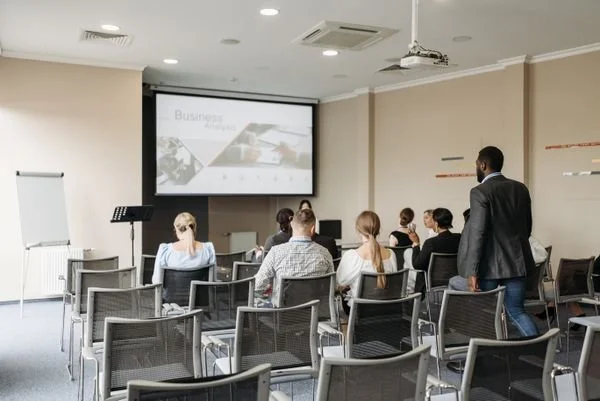
Professionals carry two camera bodies. Always. Plus backup batteries, backup cards, backup flashes. This isn't paranoia — it's arithmetic. Gear fails at the worst possible moment, and at a corporate event there are no second takes.
Your friend has one camera, one battery, whatever card happened to be in it. I once watched a friend shoot an entire awards dinner, only to discover at midnight that his single card had corrupted around 9 PM. The awards themselves simply didn't exist. No recovery, no reshoot — because nobody asked, "What happens if the card fails?"
And then there's the delivery. The photos don't exist until they're culled, edited, and delivered. A pro hands you 400 polished selects within days. Your friend dumps 3,000 RAW files on a hard drive and means to get to them "next weekend." Six months later, marketing is still asking. You can't re-shoot a keynote.
The Awkward Employee Problem
This is the one nobody talks about, and it causes the most lasting damage.
Your friend is part of the company social fabric. He can't tell the VP of Sales to move two steps left. He can't pull the CEO aside for a thirty-second portrait. He can't wade into a circle of executives mid-conversation and start shooting — he's their coworker's buddy, and it feels weird for everyone.
And he's supposed to be at the party, not working it. So he either misses the party or misses the shots. A hired photographer is invisible and neutral — nobody feels awkward being directed by a stranger whose entire job is directing strangers.
When DIY Is Actually Fine
I'm not here to tell you every event needs a pro. The friend with the camera is the right call when:
- It's behind-the-scenes for social. Raw, informal snaps for Instagram Stories outperform polished shots. Authenticity is the point.
- The photos never leave the company. If they live and die in Slack, the stakes are low enough for DIY.
- You genuinely don't care about the outcome. The real test. If nobody will be upset when the photos are mediocre, save the money.
The rule is simple: match the photography to the stakes. Clients, press, the website, the board — the higher the stakes, the less sense DIY makes.
What a Pro Delivers That a Friend Can't
A shot list, executed. A pro gets the run of show, the VIP list, and the must-have moments in advance. Your friend wings it.
Working the room. Pros move through a crowd without blocking views and pull natural candids out of people who hate being photographed.
Insurance and contracts. A pro carries liability insurance (many LA venues require it) and grants usage rights in writing. The Professional Photographers of America puts consistency and professionalism at the top of why you hire a pro.
Turnaround. Most corporate event photographers deliver highlights within 48 hours — in time for Monday's press release. Your friend delivers "eventually." A friend delivers files; a pro delivers assets.
The Real Cost Comparison
"But it's free." Let's do the actual math.
A friend shooting for free costs you: missed moments (unfixable), unusable images (unfixable), strain on the friendship (real), and the marketing value of photos you needed for the website, PR, and recruiting. If your event cost $30,000 and the photos were supposed to extend its value for a year, "free" photography that delivers nothing just wasted part of that $30,000.
A professional corporate event photographer is one of the smallest line items in an event budget — and the only one still working after everyone goes home. The catering and flowers are gone by midnight; the photos are the event's afterlife. PetaPixel's side-by-side of what happens when you skip the pro shows the gap isn't subtle. It's the difference between documentation and evidence.
How to Brief a Pro
If this talked you into hiring a professional, do it right:
- Share the run of show early. A good photographer spots coverage gaps you didn't see.
- Name the VIPs. The photographer should know every face that matters before the doors open.
- State the deliverables. How many images? By when? Need a same-day social drop? Say it upfront.
- Clarify usage rights. Website, social, press, paid ads — in writing, before the shoot.
- Designate one point of contact. Someone who can answer "where's the CEO right now?" in ten seconds.
My full guide on how to hire a corporate photographer in Los Angeles covers the questions to ask and the red flags to avoid.
The Bottom Line
Your friend's camera is not the problem. The problem is that covering a corporate event is a specific, high-pressure, no-second-chances job — and asking a friend to do it for free puts them in an impossible position and your event's visual record at risk.
Hire the friend to enjoy the party. Hire the pro to shoot it. If you're planning a company event in Los Angeles, get in touch — I'll tell you honestly whether you need full coverage or whether the friend's camera will do just fine. Sometimes the answer really is the friend.
Frequently Asked Questions
Can I just use my phone instead of hiring a photographer?
For casual internal moments, sure. But phones collapse in the exact conditions corporate events create: dark ballrooms, mixed lighting, distant speakers. Use phones for Stories; hire a pro for the record.
What if our friend is actually a good photographer?
Skill doesn't solve the structural problems: your friend is a guest, not staff. They can't direct executives without awkwardness and have no backup gear or contractual obligation. A talented friend fails for logistical and social reasons, not technical ones.
How much does a corporate event photographer cost in Los Angeles?
It depends on hours, headcount, and deliverables — half-day and full-day rates are the standard structure. Get a quote against your run of show rather than shopping on price alone. See my breakdown of corporate photographer pricing in Los Angeles.
What happens if the friend's photos turn out badly?
Usually nothing — and that's the problem. No contract, no reshoot, no recourse. The moments are gone. With a professional, the contract guarantees deliverables; with a friend, complaining about free work poisons the relationship.
Should we pay our friend or sign a contract?
If you insist on the friend route, yes to both — modest payment and a simple written agreement covering expectations and timing. It won't fix the structural problems, but it creates accountability. An unpaid handshake deal is where photos go to die.
What event size justifies hiring a pro?
It's not headcount — it's stakes. A 20-person client dinner with press attending justifies a pro. A 200-person internal party where photos stay on Slack doesn't. Who sees these photos, and what must they accomplish? Clients, press, recruiting, or the website means hire the pro.