Booking a corporate headshot photographer looks simple. You get a quote, you pick a date, the photographer shows up. Then something goes wrong and you realize the questions you did not ask were the ones that mattered.
I have been photographing people for 27 years, from Lady Gaga and the Kardashians to executives who dread the camera. When companies hire me for professional headshot sessions, the clients who get the best results asked the sharpest questions before booking. Here is that due-diligence checklist, from a photographer answering honestly.
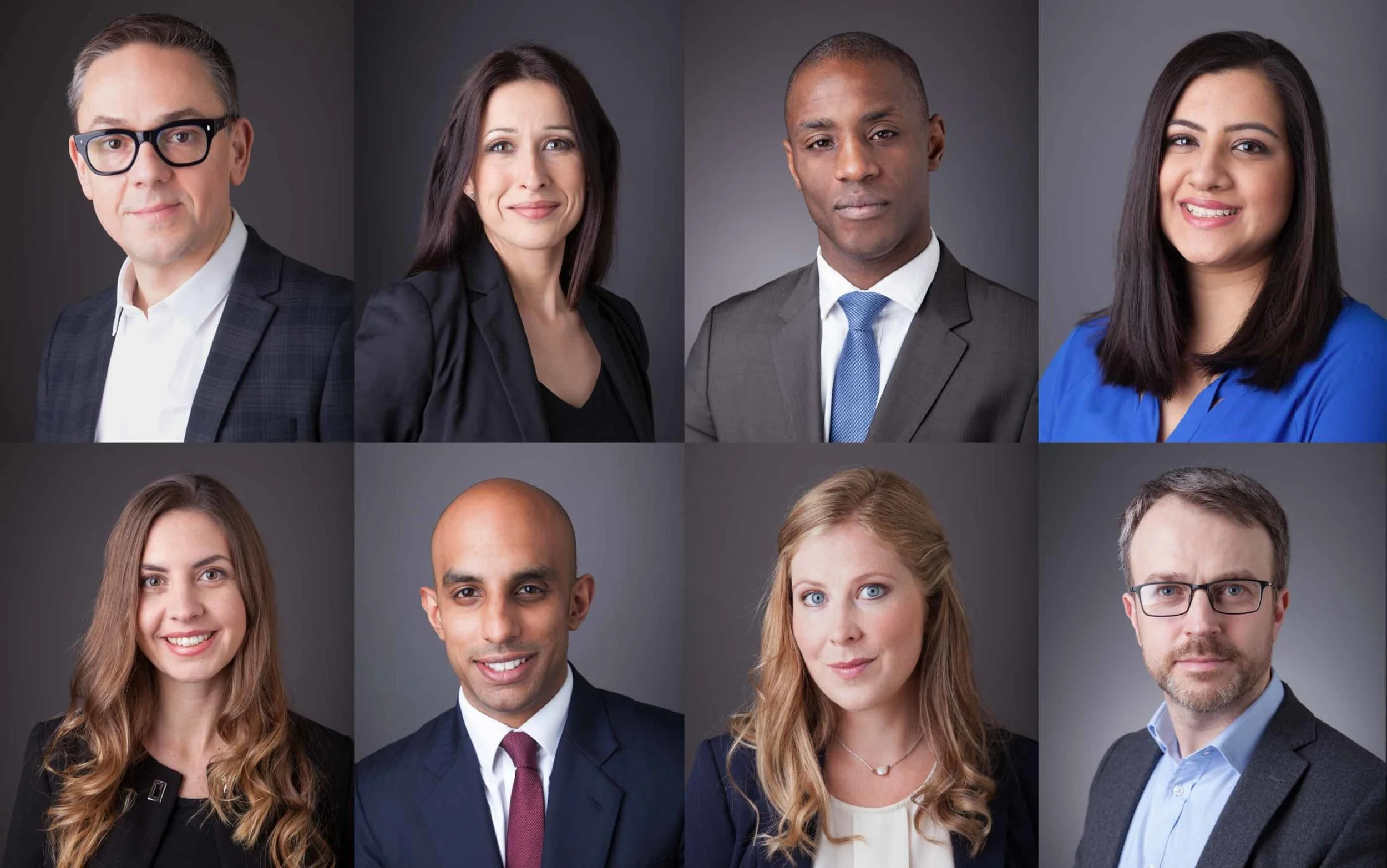
The Three Questions That Do the Work
If you ask nothing else, ask these three. The answers tell you almost everything about how the shoot will actually go.
1. Who physically shows up on shoot day?
Not the name on the website. The actual human holding the camera. In the corporate headshot world, a studio will sometimes book the job under one name and send an associate, a contractor, or whoever is free that day. Sometimes the substitute is excellent. Sometimes the person you researched is a brand, not a photographer. Ask it plainly: "Will you personally be there, and if not, who will be, and can I see their portfolio?" If the answer is evasive, keep shopping. You want the same eye, the same lighting discipline, and the same direction for every person on the team. When I take a corporate booking, I shoot it. That is the point of hiring a photographer with a reputation. You are not buying gear or a logo. You are buying the person who can get a great frame out of a nervous VP in five minutes.
2. What happens to someone who misses their slot?
They will. On a team of twenty, at least one person has a meeting run long or a crisis call. A prepared photographer will tell you exactly how they handle it: a buffer window at the end of the schedule, a designated makeup slot, or a per-person return rate with a defined matching process. What you do not want to hear is silence, or a vague "we will figure it out." That means they have never run a large session, or they do not want to think about it. Budget about five minutes per person for the session itself, then add a 15 to 30 minute overflow block at the end. Ask whether the photographer includes that in their day rate or bills extra time. Get the answer before the invoice arrives.
3. How does a person hired six months from now get a matching photo?
Your company hires. Your headshot style should survive turnover. This is the question almost nobody asks, and it is the one that saves the most money over time. Ask how the photographer archives the session: lighting setup, background, camera settings, and framing. Ask whether they offer matching sessions for new hires at a defined rate, and what their turnaround looks like. A professional keeps session notes and can recreate the setup months later so the new hire's photo looks like it was taken on the same day as everyone else's. If the photographer shrugs at this one, they are selling you a day of pictures, not a visual identity system.

The Rest of the Checklist
The three questions above are the core. These are the rest, roughly in the order they tend to bite you.
Proof of insurance
Many office buildings and corporate campuses require a certificate of insurance before they let a vendor set up. Ask whether the photographer carries liability insurance and how quickly they can provide a COI naming your building. This is a boring question until security turns your photographer away on shoot morning. Ask early.
Per-person timing
For corporate teams, five minutes per person is the sweet spot: enough time to get a genuine expression, not so much that the line backs up and people get resentful. If the photographer promises two minutes per person, the photos will look rushed because they are. If they need twenty, your schedule will not survive the day.
Retouching philosophy
Ask what their retouching includes and, more importantly, what it does not. The standard I hold: everyone should look like themselves on a good day. Clean backgrounds, even skin tone, a temporary blemish or stray hair removed, a lighting shadow corrected. Not face reshaping, not teeth whitened into oblivion, not every line erased. Also ask whether retouching is included in the rate or billed per image, and what the revision policy is. A reasonable photographer includes basic retouching on delivered selects and fixes anything that is genuinely their miss. I leave the things that give people character, like a mole. If it is a blemish like a pimple, I take it out.
Backup equipment
A working professional brings backup bodies, backup lights, and backup batteries, and can keep shooting through a failure without the client noticing. This is table stakes. The right answer is casual and immediate. If they seem surprised by the question, they do not shoot corporate work regularly.
Licensing for marketing and press
Ask who owns the images and what you are allowed to do with them. Most corporate headshot photographers license the photos to your company for business use: website, LinkedIn, proposals, press releases, internal directories. But the details matter. Paid advertising? Investor decks? Billboards? Is there a time limit? Get the usage license in writing, in the quote, before you sign. The time to discover a restriction is not when your PR team is about to send a headshot to a national magazine.
How they handle large groups
Twenty people is a different job from two hundred. Ask what size teams they have handled, how they structure the flow, and whether they bring an assistant. For large sessions, an assistant who manages the queue, checks wardrobe, and keeps the line moving is the difference between a smooth day and a mutiny. Ask whether they schedule individuals in advance or run an open line. A good photographer will recommend whichever fits your team and tell you why.
Deliverable format
Ask what you receive and when. Full-resolution JPEGs? Web-optimized versions for LinkedIn? A shared gallery, or files delivered by drive? And the timeline: how many business days from shoot to delivery? This matters. A company directory launch has a date. If your photographer needs three weeks and your launch is in ten days, you needed to know that in the first call.

What This Should Cost
Pricing varies by market, but for an individual session, my rates are straightforward: 2 looks for $1,500, 3 looks for $1,900, 4 looks for $2,300, 5 looks for $2,500. A "look" is a full wardrobe and styling change, shot and directed by me. For corporate teams, pricing depends on headcount, location, and deliverables, which is why a detailed quote matters more than a number pulled from a rate card. On price generally: gear has never been the expensive part of photography. Affordable lighting and cameras can produce excellent headshots in the right hands. What you are paying for is the photographer's ability to make thirty different people look confident in five minutes each, manage a schedule, and deliver a consistent set. The questions above verify that ability before money changes hands.
The Short Version
Three questions do most of the work: who shows up, what happens when someone misses, and how new hires get matching photos. Then insurance, timing, retouching, backups, licensing, large-group logistics, and deliverables. A photographer who answers all of these clearly, without defensiveness, is one you can trust with your team's faces. If you are planning corporate headshots in Los Angeles, ask me these questions. They tell me you have done this before, and they set the shoot up to succeed. You can reach me through my contact page.