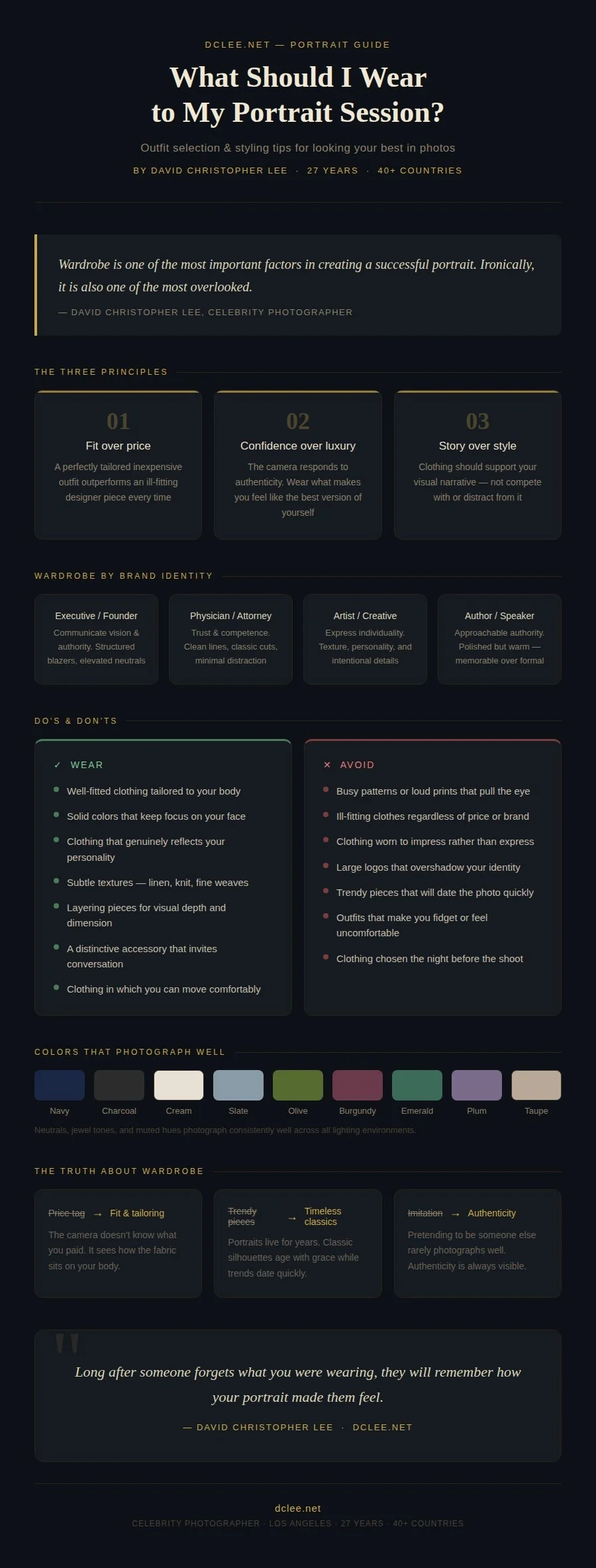
If there is one question I hear before almost every portrait session, it is this:
“What should I wear?”
After spending the last 27 years photographing celebrities, entrepreneurs, physicians, attorneys, executives, authors, artists, and public figures around the world, I can confidently say that wardrobe is one of the most important factors in creating a successful portrait.
Ironically, it is also one of the most overlooked.
People spend weeks researching photographers. They invest significant time and money into scheduling a professional session. They carefully choose locations and coordinate schedules. Yet many people wait until the night before the shoot to decide what they are going to wear.
That decision can have a tremendous impact on the final result.
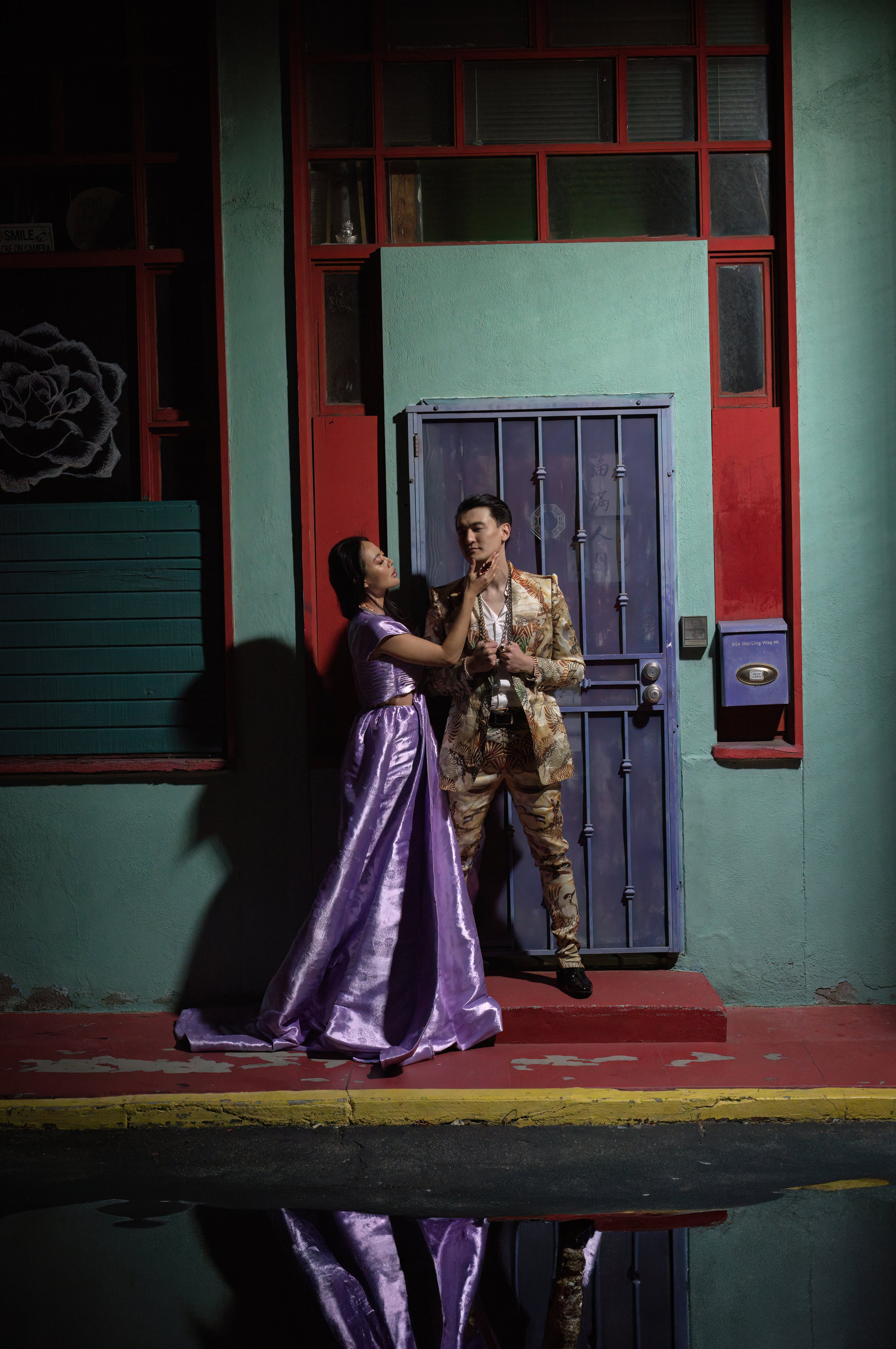
A portrait is not simply a photograph. It is a visual representation of your identity. It is often the first impression someone has of you. Before a potential client reads your biography, before an investor reviews your proposal, before a patient schedules an appointment, before an editor reads your article, they have already formed an opinion based on your image.
Your wardrobe becomes part of that story.
Over the years, I have photographed everyone from emerging entrepreneurs to internationally recognized celebrities. One thing I have learned is that great portraits rarely happen by accident. They are the result of hundreds of intentional decisions. The clothing, lighting, environment, expression, posture, and composition all work together to communicate who you are.
The goal is not simply to look good.
The goal is to look like yourself at your very best.
Fashion Is One of the Most Powerful Forms of Nonverbal Communication
One of the chapters in my book focuses on fashion because I believe clothing is one of the fastest ways to communicate who you are without saying a word. Fashion is not just about style. It is about identity.
I wrote in my book that if you walk into a room with hundreds of people wearing an incredible outfit, you already have their attention before you introduce yourself. Looking polished and intentional creates opportunities. It makes people curious. It encourages conversations. It influences perception.
This principle applies directly to portrait photography.
People often underestimate how quickly first impressions are formed. In reality, people make assumptions within seconds. They decide whether you appear confident, trustworthy, creative, successful, approachable, intelligent, or authoritative. Much of that judgment comes from appearance.
The legendary designer Tom Ford once said that dressing well is a form of good manners. I agree completely. Taking the time to present yourself thoughtfully demonstrates respect for yourself and for the people who will see your image.
Your clothing tells a story long before you begin speaking.
That story should be intentional.
Your Portrait Is Part of Your Personal Brand
Many people think branding is something only large corporations need.
That is no longer true.
Today, everyone has a personal brand.
Physicians have personal brands.
Attorneys have personal brands.
Executives have personal brands.
Entrepreneurs have personal brands.
Authors, consultants, speakers, influencers, and artists all have personal brands.
Your portrait is often the visual centerpiece of that brand.
Over the course of my career, I have photographed entrepreneurs who later built multi-million-dollar companies. Their portraits appeared on websites, investor presentations, magazine features, speaking engagements, social media campaigns, and press releases.
The image became part of their identity.
The clothing they wore contributed to the story those images told.
A founder building a technology company may want to communicate innovation and vision.
A physician may want to communicate trust and compassion.
An attorney may want to communicate authority and confidence.
An artist may want to communicate creativity and individuality.
The wardrobe should support that message rather than distract from it.
One of the biggest mistakes people make is choosing clothing they think they should wear instead of clothing that authentically represents who they are.
Authenticity photographs beautifully.
Pretending to be someone else does not.
What Photographing Celebrities Taught Me About Style
One of the advantages of photographing celebrities throughout my career is that I have had the opportunity to observe how some of the world’s most recognizable people think about presentation.
The public often assumes that great style happens naturally.
It doesn’t.
Behind almost every celebrity photoshoot is an enormous amount of intentionality.
Stylists think about colors.
Designers think about silhouettes.
Photographers think about how the clothing interacts with the lighting.
Publicists think about the message being communicated.
Everything is considered.
I remember photographing Emily Ratajkowski when she was just sixteen years old and represented by Next Models. Even at that age, she understood how clothing, attitude, and presentation worked together to create a powerful image. Later, she would become one of the most recognizable models in the world. Looking back, it was clear that she understood visual storytelling from the beginning.
I have seen the same principle repeatedly throughout my career.
The people who understand personal branding understand that clothing is never random.
It is strategic.

How Traveling to More Than Forty Countries Changed My Perspective on Style
Travel has been one of the greatest teachers of my life.
Over the years, I have spent time in more than forty countries. One thing I quickly discovered is that style is deeply connected to culture.
In Paris, elegance often comes through simplicity.
In Tokyo, creativity and individuality are celebrated.
In Milan, tailoring and craftsmanship are highly valued.
In Los Angeles, personal expression often takes precedence over tradition.
These experiences changed the way I think about clothing.
Style is not about blindly following trends.
It is about understanding who you are and expressing that identity confidently.
The most stylish people I have encountered around the world were rarely the ones wearing the most expensive clothing.
They were the people who understood themselves.
Confidence is always more memorable than a designer label.
The Best Outfit Is Not Necessarily the Most Expensive One
One of the biggest myths in portrait photography is that expensive clothing automatically creates better photographs.
It doesn’t.
Fit matters more than price.
Confidence matters more than brand.
Authenticity matters more than trends.
I have photographed people wearing custom designer clothing that looked terrible because it did not fit properly.
I have photographed people wearing relatively inexpensive clothing that looked extraordinary because it was tailored perfectly and suited their personality.
The camera does not care how much you spent.
The camera cares how the clothing fits, how it interacts with the light, and how comfortable you feel wearing it.
That is why I always encourage clients to focus on fit, comfort, and authenticity before considering labels.
The viewer should remember you.
Not the logo on your shirt.
Fashion Is an Extension of Your Personality
One lesson I have learned from traveling to more than forty countries is that style is universal, but fashion is cultural. Every city expresses itself differently. Paris celebrates understated elegance. Milan is built around tailoring and craftsmanship. Tokyo embraces experimentation and individuality. Los Angeles often rewards confidence and personal expression over tradition.
Those experiences changed the way I think about portrait photography.
The best-dressed people I met during my travels were rarely wearing the most expensive clothing. Instead, they understood themselves. Their clothing reflected their personality instead of trying to imitate someone else’s.
In my book, I wrote that fashion is one of the easiest ways to communicate nonverbally. Before anyone speaks to you, they are already forming opinions based on your appearance. If you enter a room looking polished and intentional, people naturally become more curious. Conversations become easier. Networking becomes easier. Opportunities often begin with first impressions.
Your portrait works exactly the same way.
The clothing you choose should not be about impressing everyone else. It should communicate the most authentic version of who you are.
The Coco Rocha Lesson: Great Style Creates Great Images
One of the most memorable experiences of my career was helping film supermodel Coco Rocha’s wedding at Château Challain in the Loire Valley of France.
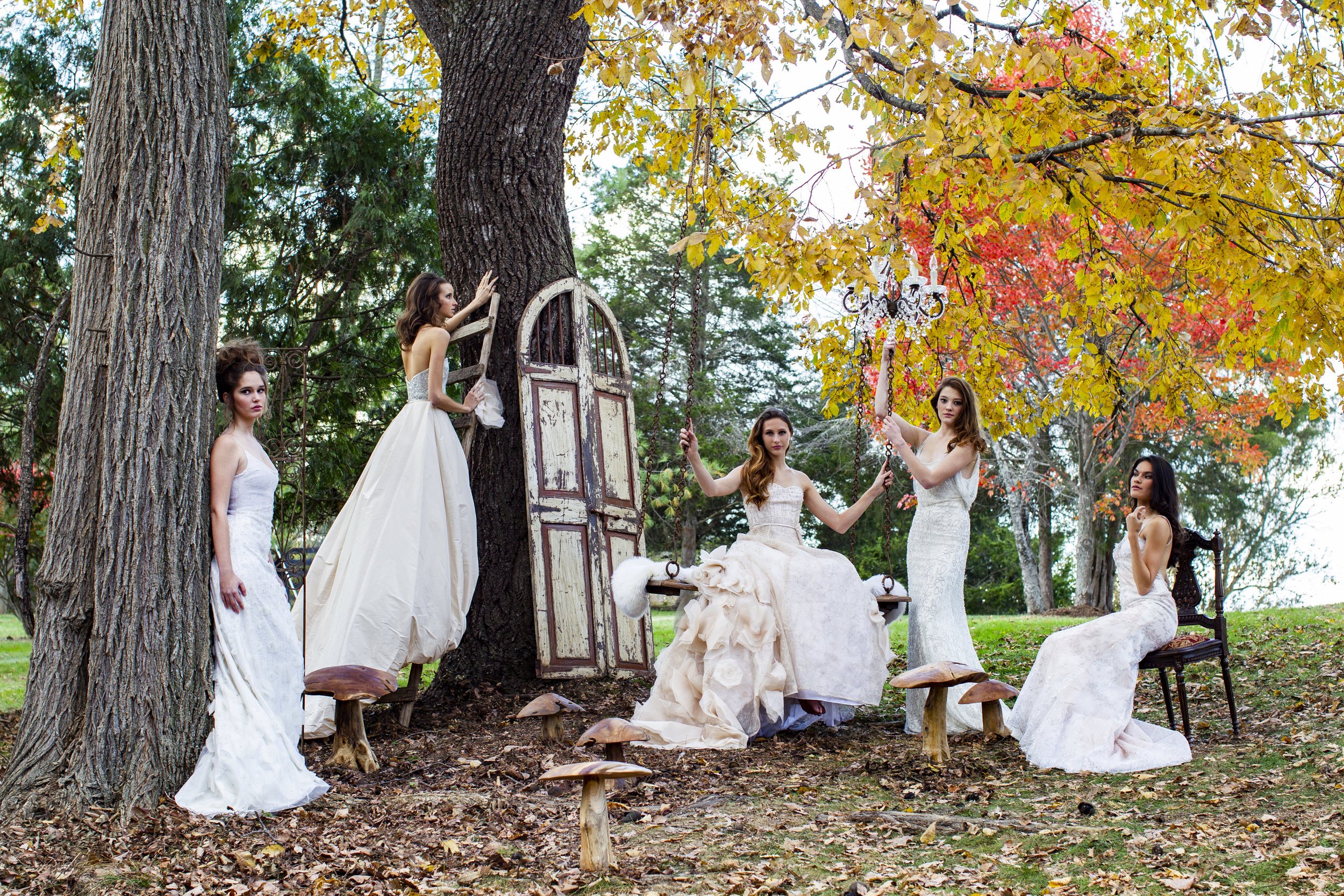
Coco wore the first wedding dress ever designed by Zac Posen. It featured an elegant fishtail silhouette that expanded dramatically as she moved through the castle. Every detail had been carefully considered. The architecture, the styling, the location, and the wardrobe all worked together to tell a single story.
One of my favorite shots was created from the top of a spiral staircase as her dress spread outward beneath her. The photograph worked because every visual element complemented the others.
That experience reinforced something I had already believed for years.
Great portraits are never created by accident.
Wardrobe, environment, lighting, and composition all work together to create emotion. If one element feels disconnected, the image loses its impact.
When clients ask me what they should wear, I remind them that clothing should become part of the story rather than compete with it.
Why I Sometimes Shop in the Women’s Section
In my book, I mention something that surprises many people.
Sometimes I buy floral pants from the women’s department.
Not because I am trying to make a statement, but because I believe style should be memorable rather than predictable.
Fashion should reflect individuality.
I referenced Jaden Smith wearing women’s clothing in a Louis Vuitton campaign because it challenged conventional thinking and demonstrated that confidence ultimately determines whether clothing works.
Style is about self-expression.
That does not mean everyone should wear bold or unconventional clothing.
It means you should not be afraid to choose wardrobe that genuinely represents your personality.
The most memorable portraits I have created often feature clients who embraced authenticity instead of trying to fit into someone else’s expectations.
Celebrity Styling Is More Intentional Than Most People Realize
People often assume celebrities simply wake up looking fashionable.
The reality is very different.
Behind every magazine cover or advertising campaign is an entire creative team thinking about details most people never notice.
Stylists consider silhouette and proportion.
Photographers think about how fabric reacts to light.
Publicists think about branding.
Designers think about movement.
Hair and makeup artists think about balance.
Everything contributes to a unified visual message.
When I photographed Emily Ratajkowski at sixteen years old, long before she became internationally famous, she already understood how wardrobe, confidence, and attitude worked together. She wasn’t simply wearing clothing. She was creating an identity that people would remember.
That lesson applies to entrepreneurs and executives just as much as it applies to celebrities.
People remember consistency.
They remember authenticity.
They remember confidence.
Clothing Can Become a Conversation Starter
One idea I discuss in my book is that appearance can become a powerful networking tool.
When meeting someone for the first time, I often compliment a specific detail of their outfit rather than making a generic observation. Mentioning the craftsmanship of a jacket, recognizing a designer, or appreciating a unique accessory creates an immediate point of connection.
Fashion becomes a shared language.
The same principle applies to portrait photography.
Thoughtful wardrobe choices create curiosity.
People notice details.
They remember them.
A distinctive but tasteful jacket, an elegant watch, or an interesting texture can create subtle visual interest that encourages someone to spend more time looking at your portrait.
The goal is not distraction.
The goal is memorability.
Confidence Will Always Outperform Luxury
After photographing thousands of people over nearly three decades, I have reached one conclusion that surprises many clients.
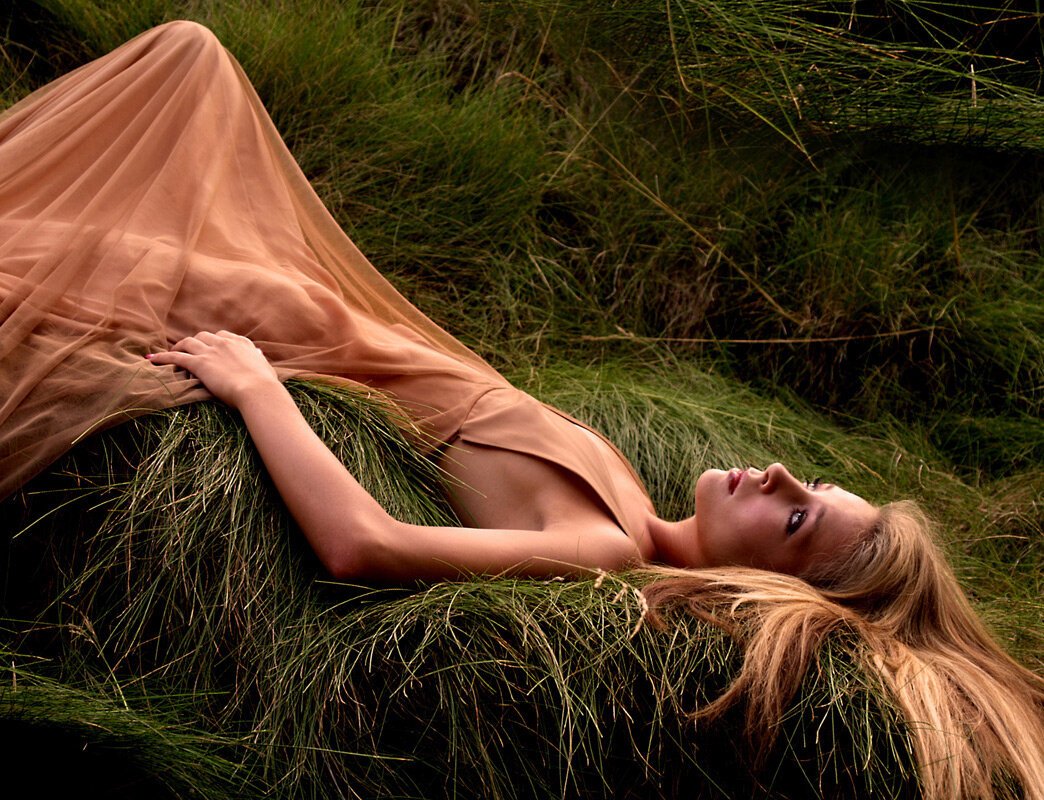
Confidence photographs better than expensive clothing.
I have photographed individuals wearing bespoke designer suits who looked uncomfortable because the clothing did not reflect who they were.
I have also photographed entrepreneurs wearing simple black sweaters and dark jeans who projected extraordinary confidence because they felt authentic.
The camera responds to authenticity.
People respond to authenticity.
Luxury is not about price.
Luxury is about intention.
The best portraits are created when clothing, expression, posture, and personality all align naturally.
That is why I encourage every client to stop asking, “What looks expensive?”
Instead, ask, “What feels like the best version of me?”
The answer to that question will almost always produce a stronger portrait than chasing the latest fashion trend.
Final Thoughts
After twenty-seven years behind the camera, traveling to more than forty countries, photographing celebrities, interviewing fashion icons, and observing how successful people present themselves, I have become convinced that wardrobe is never simply about clothing.
It is about storytelling.
It is about psychology.
It is about branding.
It is about creating a visual identity that communicates confidence before you ever say a word.
The best portraits are not created by expensive cameras or expensive clothing.
They are created through authenticity, preparation, and intentionality.
Choose clothing that reflects who you are.
Choose clothing that supports your story.
Choose clothing that makes you feel confident.
Because long after someone forgets what you were wearing, they will remember how your portrait made them feel.