Your new headshot looks great. That is the problem. It looks like everyone else's.
AI headshot apps have exploded. You upload a dozen selfies, wait a few minutes, and get back a hundred polished portraits of a slightly better looking version of you. The lighting is perfect. The skin is flawless. The blazer you do not own fits perfectly.
And for some people, that is enough. I am going to tell you exactly who those people are, and why you are probably not one of them.
I have spent 27 years photographing people for a living. Lady Gaga. The Kardashians. Richard Branson. Ella Beatty. Magazine covers, ad campaigns, and thousands of executives who needed the world to take them seriously in a single frame. I have watched every so-called disruption come for my industry. This one is different, but not in the way the app companies want you to think.
What an AI headshot actually is
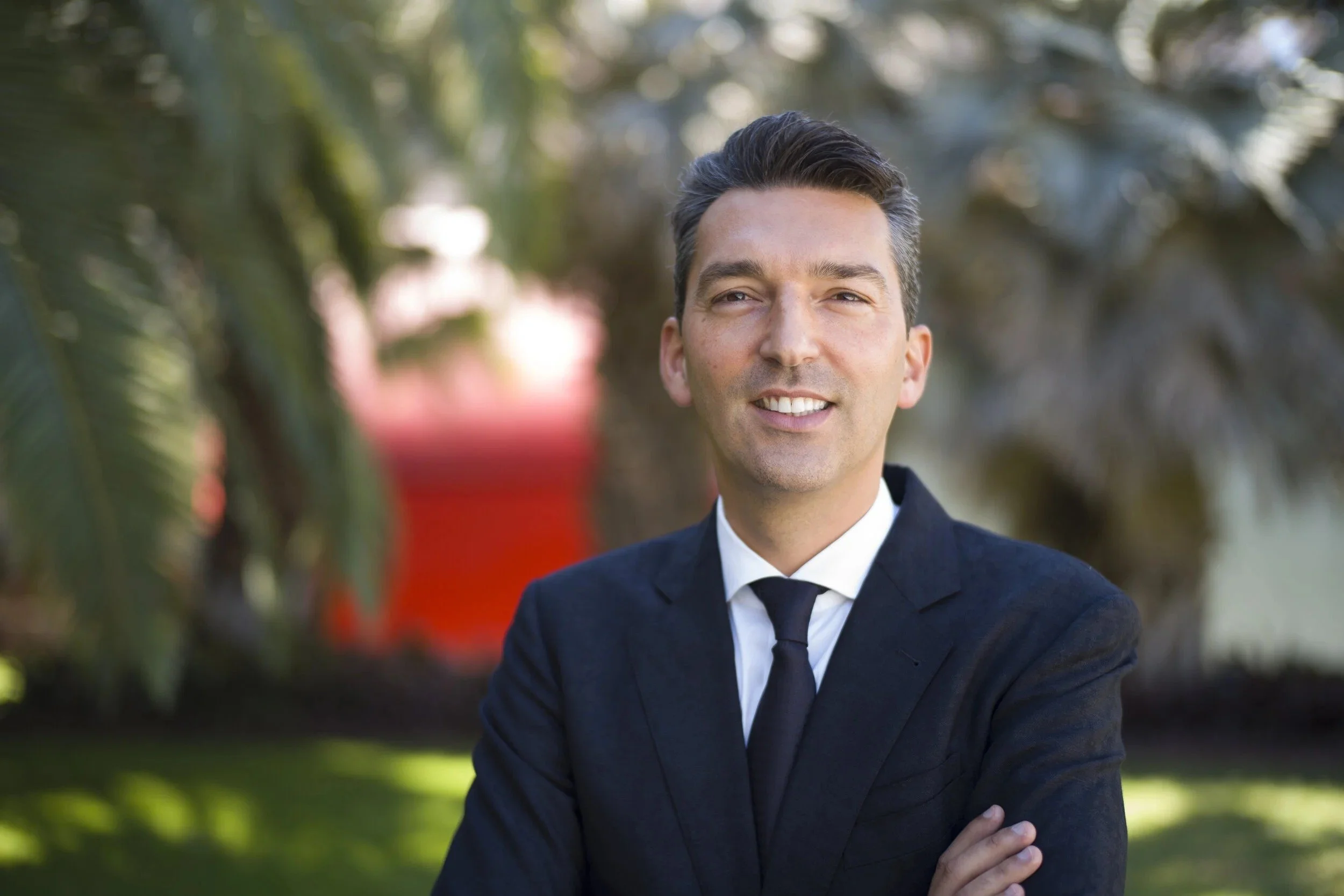
Let us be precise, because the marketing is not. An AI headshot is not a photograph of you. It is a prediction of what you might look like, generated by software trained on millions of faces, blended with the selfies you uploaded.
That distinction matters more than anything else in this article.
A photograph captures light bouncing off your actual face at a real moment in time. An AI portrait assembles a plausible face from patterns. Sometimes the resemblance is striking. Sometimes your jawline belongs to someone else. The apps have gotten good, but "good" and "you" are not the same thing.
This is not a moral judgment. It is a technical one. And it is the foundation of everything that follows.
People can tell, and the people who matter can tell fastest
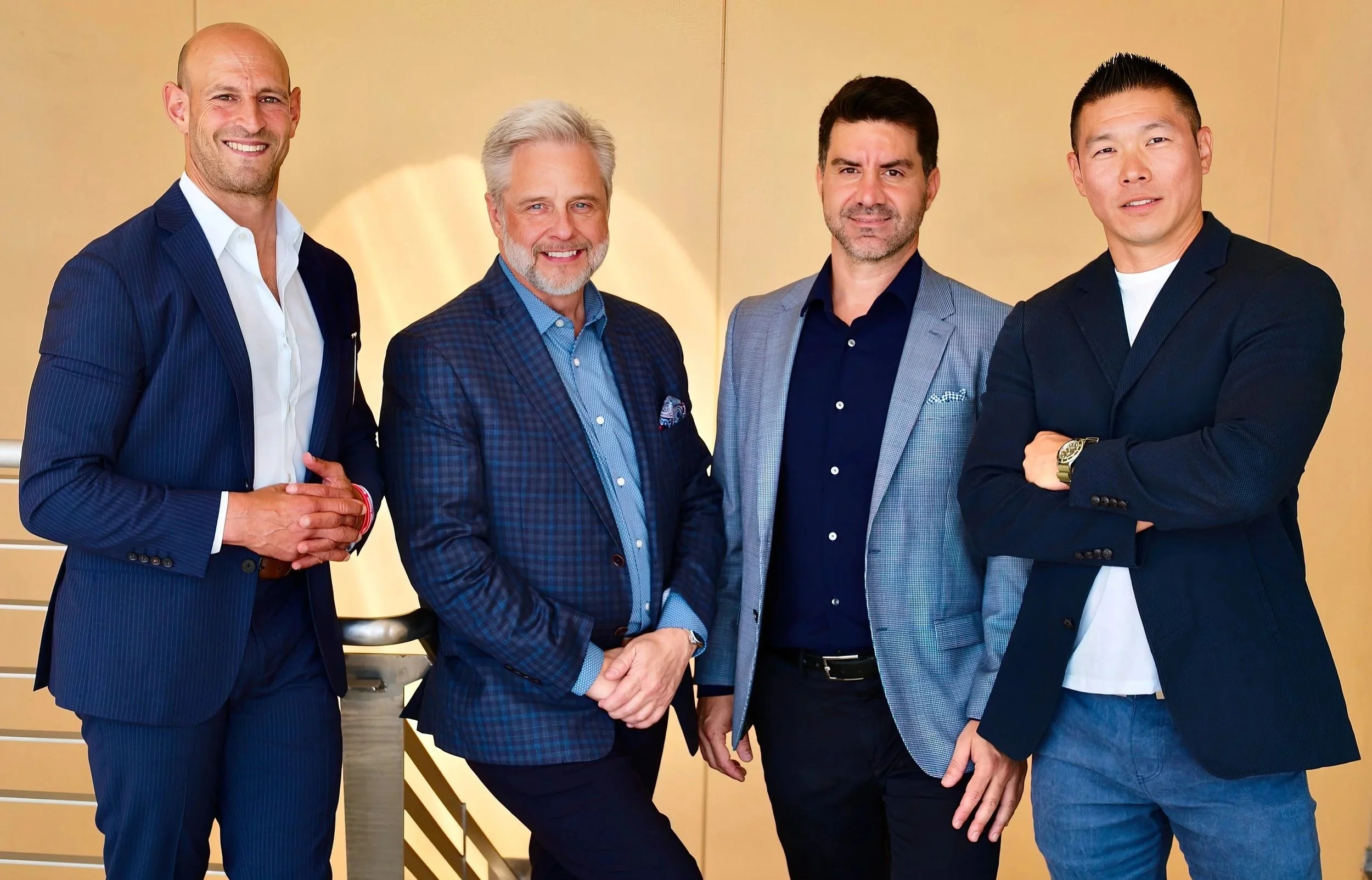
Here is the part the AI companies leave out of their ads. Recruiters look at headshots all day. Casting directors look at headshots all day. I look at headshots all day. We have all developed the same skill, which is spotting the uncanny details in about two seconds.
The skin is too even. Real skin has texture, pores, tiny asymmetries. The eyes have a certain glassiness, like the person is looking at you from slightly behind their own face. The smile does not quite reach the eyes, because no actual moment of warmth ever happened. Teeth are occasionally doing things teeth do not do.
You might think none of this matters if the image looks professional. It matters enormously, because of what a headshot is actually for. A headshot is not decoration. It is a trust transaction. You are asking a stranger to believe you are competent, credible, and real, based on a few square inches of pixels.
Getty's VisualGPS research found that 98 percent of consumers say authentic images are pivotal to establishing trust. Adobe found that 93 percent of people want transparency about AI involvement in content. Read those numbers again and ask yourself what happens when a hiring manager senses, even subconsciously, that your photo is synthetic. Trust is the whole product. An AI headshot sells the packaging and empties the box.
What happens in a real session that no app can do
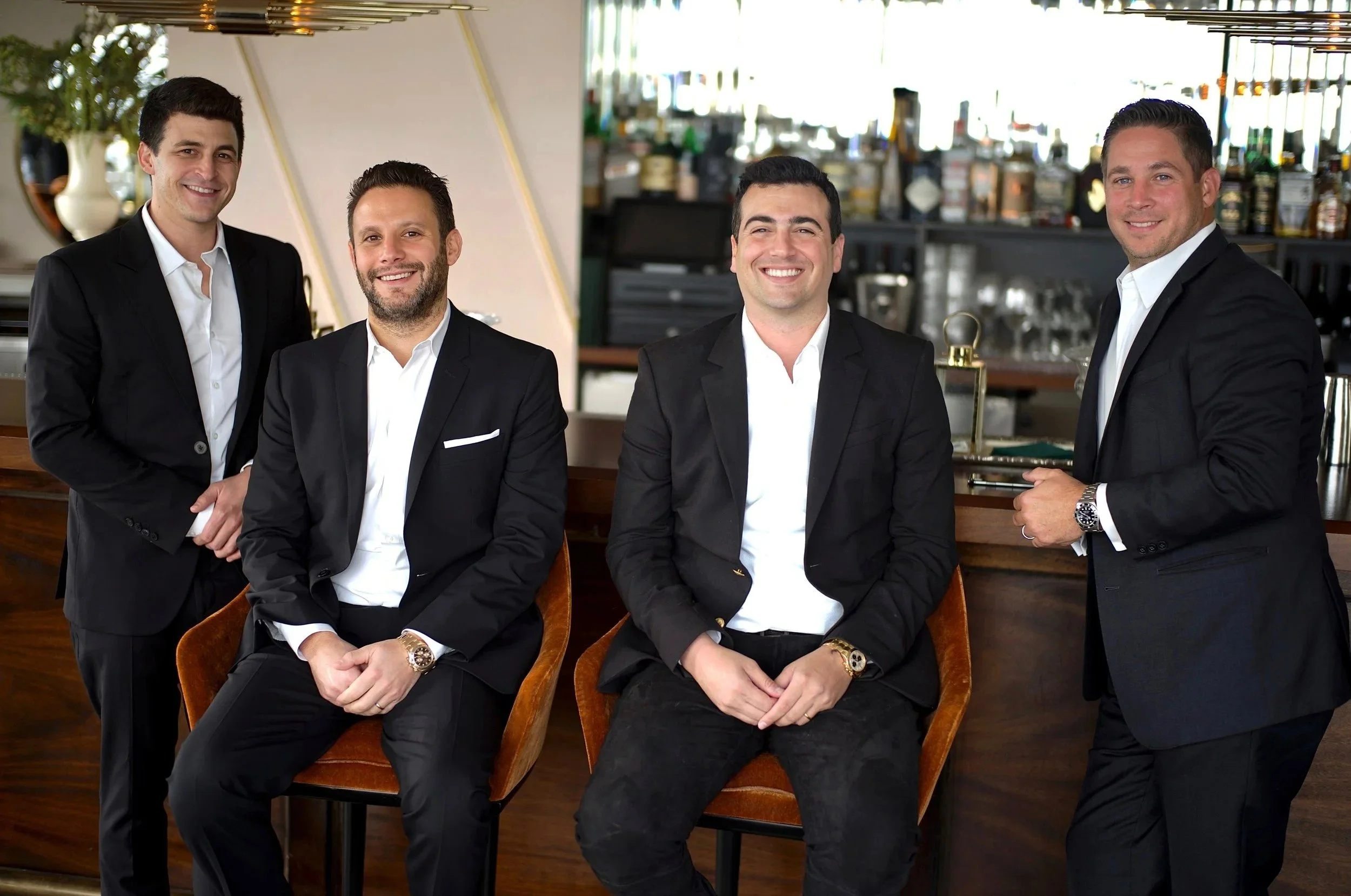
People think they are paying a photographer for a camera. They are not. They are paying for 27 years of decisions made in fractions of a second.
When you sit in front of me, I am watching the way your face moves when you are not performing. Everyone has a guarded face, the one they put on when they know a photo is being taken. It is stiff. It is forgettable. My entire job is getting past it to the face that actually gets you hired, cast, or funded.
An app cannot direct you. It cannot say "drop your chin a quarter inch, now think about the deal you just closed" and catch the half second where confidence actually shows up. It cannot see that your best angle is three degrees to the left of where you think it is. It cannot build the small, real rapport in the first ten minutes that makes the last forty minutes of a headshot session produce something genuine.
I have photographed some of the most photographed people on earth. Gaga does not need me to make her look interesting. She needs me to find the version of her the last fifty photographers missed. That is direction. That is experience. That is a human being reading another human being in real time, and no software does it.
There is also the matter of intention. When I shoot an executive portrait, I am asking what the image needs to do. Board announcement? Book jacket? Keynote stage? Each one gets a different treatment, different energy, different frame. An AI app gives you a hundred variations of generic. I give you one image built for a purpose.
The honest math: what each option really costs
Let us talk money, because that is what this debate is actually about.
AI headshot apps cost a fraction of a professional session. A few dollars, sometimes the price of lunch. My headshot sessions start at $1,500 for two looks and go up from there. That is not an accident and it is not arrogance. It is the price of the outcome described above.
But here is the math nobody does. What does the wrong headshot cost you?
If you are an executive interviewing for roles where total compensation runs into six or seven figures, your headshot sits at the top of every application, every LinkedIn profile, every board bio. If it reads as synthetic, or even just slightly off, you have introduced doubt at the exact moment you needed confidence. What is that doubt worth? More than the difference between an app and a session. Much more.
If you are an actor, your headshot is your entire business development department. Casting directors scroll past hundreds of thumbnails. Yours needs to stop the scroll and survive a close look. An AI image that falls apart under scrutiny does not just fail to help. It actively harms, because now they have categorized you as someone who cuts corners.
The professional headshot photography market is valued at roughly $2.8 billion in 2026, according to industry reporting from July of this year. That market is not growing because people enjoy spending money. It is growing because the stakes of the image keep rising as everything else gets easier to fake.
Here is my honest segmentation, and I will lose some potential clients saying it. If you need a passable avatar for an internal company directory that nobody looks at twice, use the app. Save your money. If your face is part of how you earn your living, if you are fundraising, job hunting at a senior level, running for office, publishing a book, or building a personal brand, hire the human. The gap between those two situations is the entire argument.
Where AI headshots genuinely win
Intellectual honesty requires me to say what the apps do well, because they do some things well.
Speed is real. You can have a usable image tonight. If you need something for a conference badge tomorrow and your last real headshot is from 2019, the app beats the outdated photo. An old photo that no longer looks like you is its own kind of dishonesty, and I would rather see someone use a current AI image than a six year old real one.
Volume is real. A hundred variations let you test which framing, which background, which energy gets a response. That is genuinely useful data, and I have no equivalent to offer at that price.
And for some use cases, the stakes are simply low. Internal tools, gaming profiles, a newsletter avatar. Nobody is making a trust decision based on those images, so the trust deficit does not matter.
Notice what all of these have in common. They are situations where the photo does not have to carry weight. The moment weight enters the picture, the calculation changes.
The market is splitting, and you should know which side you are on
Industry analysts are describing a bifurcation, and I see it in my own bookings. AI is absorbing the cost conscious segment, the people who were always going to choose the cheapest option. That segment was never really mine.
What is happening at the same time is more interesting. Demand for premium, authentic portraiture is rising. Studios are reporting more clients specifically asking for real sessions because they have seen the AI look everywhere and they want to stand apart from it. Recruiters are getting better at spotting synthetic images, which quietly raises the value of the genuine article.
This is the pattern of every technology shift in photography. When digital cameras arrived, everyone said professional photographers were finished. What actually happened is that the middle collapsed and the top got more valuable. When everyone can produce an acceptable image, the exceptional image becomes the differentiator. Scarcity moved from the equipment to the eye.
AI headshots are doing the same thing. They are not killing professional photography. They are killing forgettable photography, and making the memorable kind worth more.
So which should you choose
Ask yourself one question. What is this photo for?
If the answer is that it needs to open a door, a real photographer is the answer. If the answer is that it just needs to fill a box, the app will do.
There is no shame in either choice, as long as it is a choice and not a default. The mistake is using a five dollar image for a five hundred thousand dollar opportunity and telling yourself nobody will notice. People notice. The right people always notice.
Twenty seven years behind the camera has taught me that the technology changes and the job does not. The job is making a stranger trust you in a single frame. No app has ever done that. I do it every week.
About the author: David Christopher Lee is a Los Angeles photographer with 27 years behind the camera, shooting celebrities, executives, and campaigns for GQ, Vogue, InStyle, People, and more. His headshot sessions in Los Angeles start at $1,500. Book a session or see the work.