When companies hire me to photograph their events, they usually have a vague brief: capture the event. What they actually need is a mix of two very different kinds of photography, and understanding the difference changes what you get from the day.
Candid photos show the event as it felt. Posed photos show the people who mattered. You need both. Here is how I think about the balance after 27 years shooting corporate events.
What Candid Photos Do Best
Candids are the documentary backbone of event coverage. Guests networking over coffee, a speaker mid gesture, the audience laughing at the same moment, two executives deep in conversation. These images carry energy and authenticity that no posed shot can fake.
Candids serve specific business purposes:
- Marketing and social media. Real moments outperform staged ones in engagement every time.
- Internal communications. Employees want to see themselves having a good time, not lined up like a class photo.
- Future event promotion. Nothing sells next year's conference like photos of this year's crowd genuinely enjoying itself.
- Press and PR. Publications want images that feel like journalism, not advertising.
The best candids are invisible. I move through the room quietly, watch for moments, and shoot without interrupting. The skill is anticipation: seeing the laugh half a second before it happens, positioning for the handshake before the hands meet. That only comes with experience.

What Posed Photos Do Best
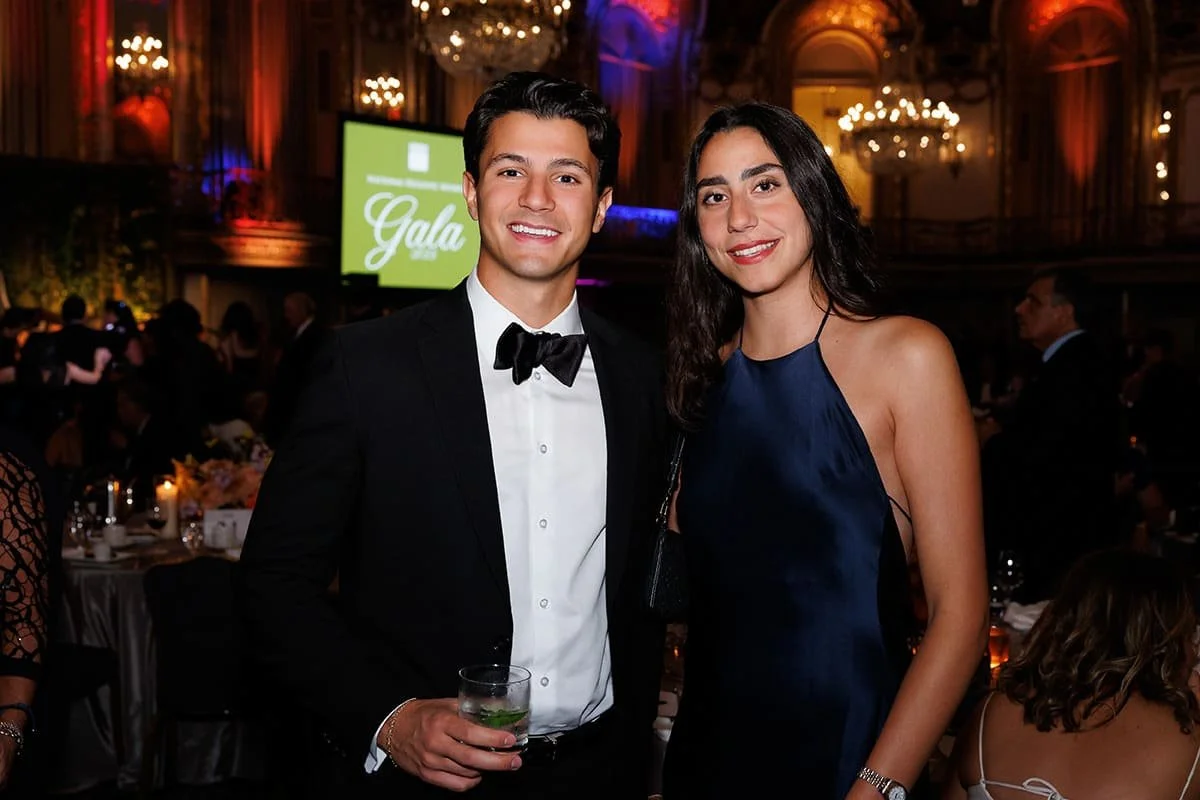
Posed photos are the record. The CEO with the keynote speaker. The award winner holding the trophy. The board together. The sponsor representatives with the branded backdrop. These images have specific jobs that candids cannot do.
Posed shots serve:
- Executive visibility. Leadership photos get used in press releases, annual reports, and investor materials.
- Sponsor obligations. Sponsors pay for visibility, and a clean posed photo with branding delivers it.
- Awards and recognition. Nobody wants a blurry candid of their award moment. They want the trophy, the smile, the proof.
- Team documentation. The group photo of the whole company is posed by definition, and it matters.
The key to good posed event photos is speed. At a live event, I have seconds per group, not minutes. I arrange people fast, check the background, shoot the frame, and move on. Nobody wants to stand around while a photographer fusses.
The Right Mix
For a typical corporate event, I aim for roughly 70 percent candid and 30 percent posed. The candids tell the story of the day. The posed shots capture the specific people and moments the company needs on record.
That ratio shifts with the event type:
- Conferences and summits: heavier on candids. The energy of the crowd is the story.
- Galas and award nights: heavier on posed. Red carpet arrivals, award moments, and VIP photos are the deliverables.
- Holiday parties and team events: almost entirely candid. Nobody wants to pose at a party.
- Groundbreakings and announcements: posed led. The ceremonial moment is the whole point.
Tell your photographer the mix you need in the planning call. If I know the awards segment is the priority, I position and plan for it. If I know you need social content, I shoot looser and more editorially all day.
How to Brief Your Photographer
The pre event planning call is where good coverage is made. Here is what I need to know:
- The run of show. When are the key moments, and where do they happen in the room?
- The VIP list. Who must be photographed, and can someone point them out to me?
- Must have posed shots. Awards, check presentations, ribbon cuttings, group photos: list them all.
- Brand guidelines. Step and repeat design, logo usage, any no go zones.
- Delivery expectations. When do you need the first images? Social teams often need selects the same night.
Walkthroughs matter more than people think. Location managers do not always describe lighting well, and seeing the space in person is key to planning where I stand for each moment. If a client skips the pre event planning call, I work with what I have, but even skeleton event details help me prepare.
Turnaround: When You Get the Photos
Speed matters in event photography. My standard is next day delivery of 200 to 300 fully edited images, which covers most corporate needs. If your social team needs images during the event, say so upfront. Rush delivery is available but carries a rush charge, so plan ahead when you can. For more detail on timing, read about event photography turnaround time and what drives it.
Pricing Context
Corporate event photography with me runs $750 per hour, $2,500 for a half day of four hours, and $4,500 for a full eight hour day. Payment is half to book and half on the shoot day. The deposit is non refundable but the date is reschedulable, which protects you if plans shift. Every booking includes the candid plus posed mix described here, directed by someone who has done this hundreds of times.
Getting Both Styles From One Photographer
A common worry is that one photographer cannot do both styles well. In my experience, the opposite is true. The same eye that anticipates a candid moment is the eye that arranges a group quickly. Switching between the two is a rhythm thing: I spend the open networking periods in candid mode, moving quietly through the room, then shift into posed mode for the structured moments like awards and VIP photos, then back again.
The transition matters. When I pull a group together for a posed shot, I keep it fast and light so the energy of the event does not stall. Nobody wants the party to stop for photography. I arrange, shoot, and release people back to the event in under two minutes per group. Then I disappear back into candid mode.
What does not work is hiring a photographer who only does one style and hoping for the other. A pure documentary shooter will fumble the posed VIP shots. A pure portrait shooter will miss the fleeting moments. When you interview photographers, ask to see full event galleries, not just highlight reels. A complete gallery shows you whether they sustained both styles across an entire day.
The Bottom Line
Brief for both. Candids for the story, posed for the record. Give your photographer the run of show, the VIP list, and the must have shots in advance, and you will get a gallery that works as hard after the event as the event worked in the moment.
If you are booking a corporate event photographer for the first time, or evaluating hiring a corporate event photographer against other options, ask how they balance candid and posed coverage. The answer tells you everything about their experience. A pro has a ratio and a plan. An amateur has a camera.