It is a fair question, and one I hear from budget conscious planners regularly. A second photographer roughly doubles the photography cost, so the value has to be real. After 27 years shooting corporate events, here is my honest framework for deciding.
What One Great Photographer Can Cover
Let me start by defending the single shooter, because in most cases one experienced photographer is enough.
One pro can cover a surprising amount of ground. I routinely shoot full day conferences solo: keynotes, breakouts, networking, awards, and the evening reception. The trick is prioritization and movement. I know where to stand, when the moments happen, and how to move between them without missing the important stuff.
A single photographer works well when:
- The event is in one main space, or adjacent rooms
- The schedule is sequential, not simultaneous. Keynote, then lunch, then breakouts, then reception.
- Guest count is under 200
- You need general coverage, not comprehensive documentation of every session
- Budget discipline matters more than exhaustive coverage
Most corporate events fall into this category. One experienced shooter, moving well, delivers 200 to 300 strong images the next day. That is my standard delivery, and it covers the vast majority of client needs.
When You Genuinely Need Two
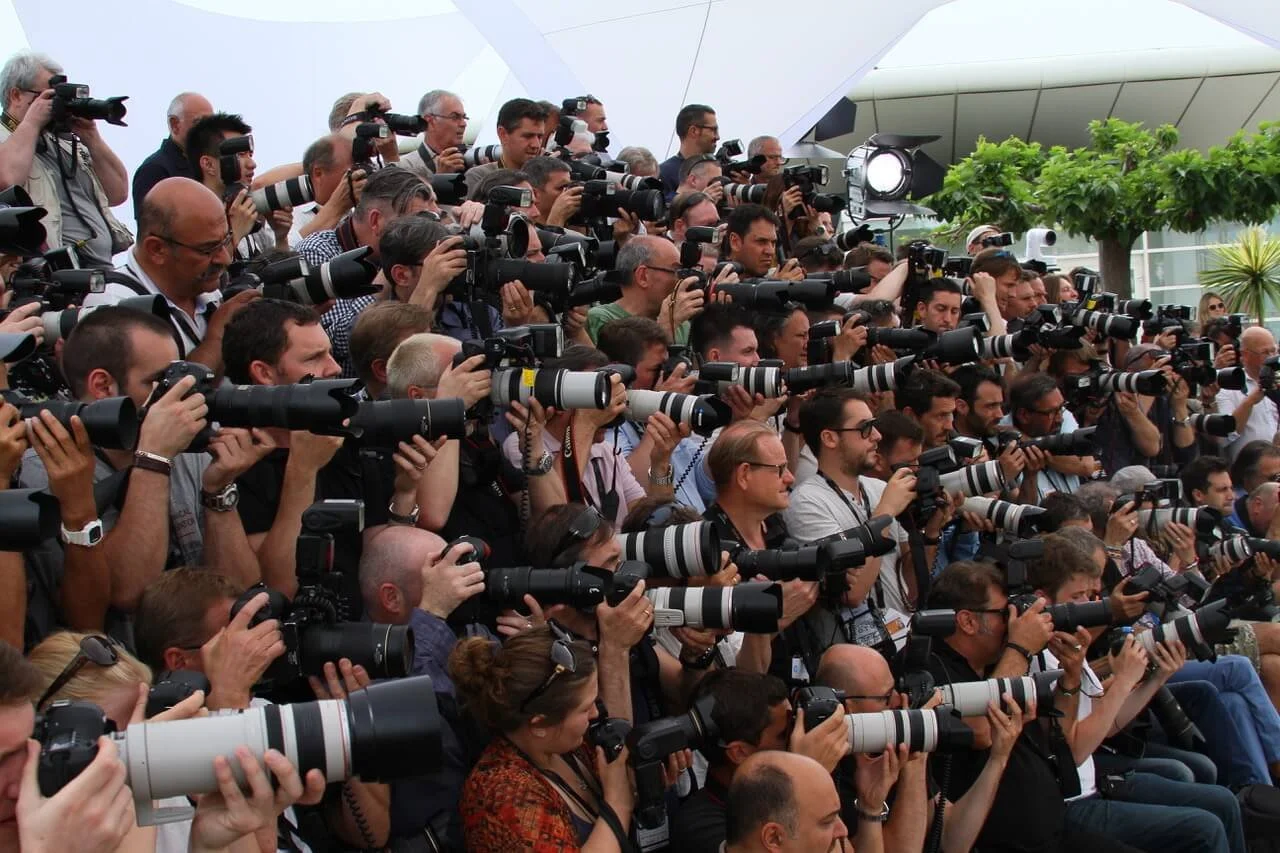
There are situations where one photographer physically cannot be in two places, and no amount of hustle fixes physics.
Simultaneous Programming
If you have three breakout sessions running at the same time in different rooms, one photographer covers one of them. If leadership needs documentation of all three, you need more shooters. This is the most common legitimate reason for a second photographer.
Large Galas and Award Nights
A 500 person gala with a red carpet, a cocktail hour, dinner service, an awards program, and an after party has too many simultaneous moments for one person. While the awards are happening on stage, the red carpet is still running. While dinner is served, the step and repeat is busy. Two shooters split the room and nothing important goes uncovered.
VIP and Press Requirements
When executives need dedicated coverage, when press is present, or when sponsors expect their own documentation, a second shooter frees the lead photographer to stay with the VIPs while the second covers the room. Trying to do both solo means doing both badly.
Multi Day Conferences
For two and three day events, a second shooter is partly about stamina. Event photography is physically demanding: ten hour days on your feet with heavy gear. Two shooters can rotate, stay sharp, and maintain quality across the whole program instead of fading on day three.
The Hidden Costs of Going Solo When You Should Not
Companies sometimes skip the second shooter to save money and end up paying in missed moments. The keynote Q and A that nobody photographed. The sponsor activation with no usable images. The award winner whose moment exists only as a blurry phone photo.
Worse is the single photographer stretched so thin that everything suffers. Rushed candids, missed posed shots, no time to find good light. An exhausted shooter on hour nine delivers worse work than a fresh one on hour four. Sometimes the second photographer is not about coverage at all. It is about quality.
How to Decide: A Simple Test
Ask yourself three questions:
- Are important things happening in two places at once? If yes, you need two shooters.
- Is the guest count over 300? If yes, strongly consider it.
- Would missing any single moment be a real problem? If yes, the redundancy is worth it.
If the answer to all three is no, one great photographer is the right call, and the money is better spent elsewhere in the event budget.
Lead Plus Assistant vs Two Full Photographers
There is a middle option worth knowing about. Instead of two full photographers, some events book one lead photographer plus an assistant who also shoots. The assistant handles straightforward coverage, second angles, and backup while the lead owns the critical moments and the creative direction.
This works well for medium sized events where you want extra coverage but do not need two fully independent shooters. It costs less than two full bookings and still solves the problem of simultaneous moments in nearby spaces.
What it does not solve is true simultaneous programming in distant rooms, or events where both shooters need to operate at a principal level. An assistant is not a second lead. Be honest about which one your event needs.
When you discuss this with a photographer, ask exactly what the assistant will shoot and what experience they have. A skilled assistant with a clear brief is an asset. An unbriefed helper with a camera is just a warm body. The difference is entirely in the planning, which is why this conversation belongs in the pre event call, not on the day.
What Two Shooters Cost
Understand corporate event photography costs before you decide. My event rates are $750 per hour, $2,500 for a half day of four hours, and $4,500 for a full eight hour day, with half due to book and half due on the shoot day. A second shooter is typically priced similarly, though some photographers offer a reduced rate for the second since the lead handles direction and delivery.
When you get quotes, confirm what the second shooter actually delivers. Do you get their full image set or just selects? Who edits? When do you receive everything? My standard is how fast event photos are delivered: next day, 200 to 300 images. Make sure a two shooter booking does not somehow deliver slower than a solo one.
Making Two Shooters Work Well
If you book two, set them up for success:
- Designate a lead. One photographer directs the overall plan and owns delivery. Two equals with no hierarchy step on each other.
- Split the brief explicitly. Stage versus room, red carpet versus reception, VIPs versus crowd.
- Introduce them before the event. Even a ten minute call aligns styles and prevents duplicate coverage.
- Brief both on the VIP list and must have shots. The second shooter needs the same intelligence as the lead.
The Bottom Line
One excellent photographer covers most corporate events completely. Add a second when programming runs simultaneously, when the guest count is large, when VIPs need dedicated attention, or when missing a moment is not an option. It is a coverage decision, not a luxury decision, and the right answer comes from the schedule, not the budget.
When you hire a corporate event photographer, ask directly whether they think your event needs one shooter or two. An honest photographer will tell you when one is enough, because a pro would rather deliver great solo coverage than sell you a second shooter you do not need. I turn down the upsell regularly. The events that truly need two make the case themselves.