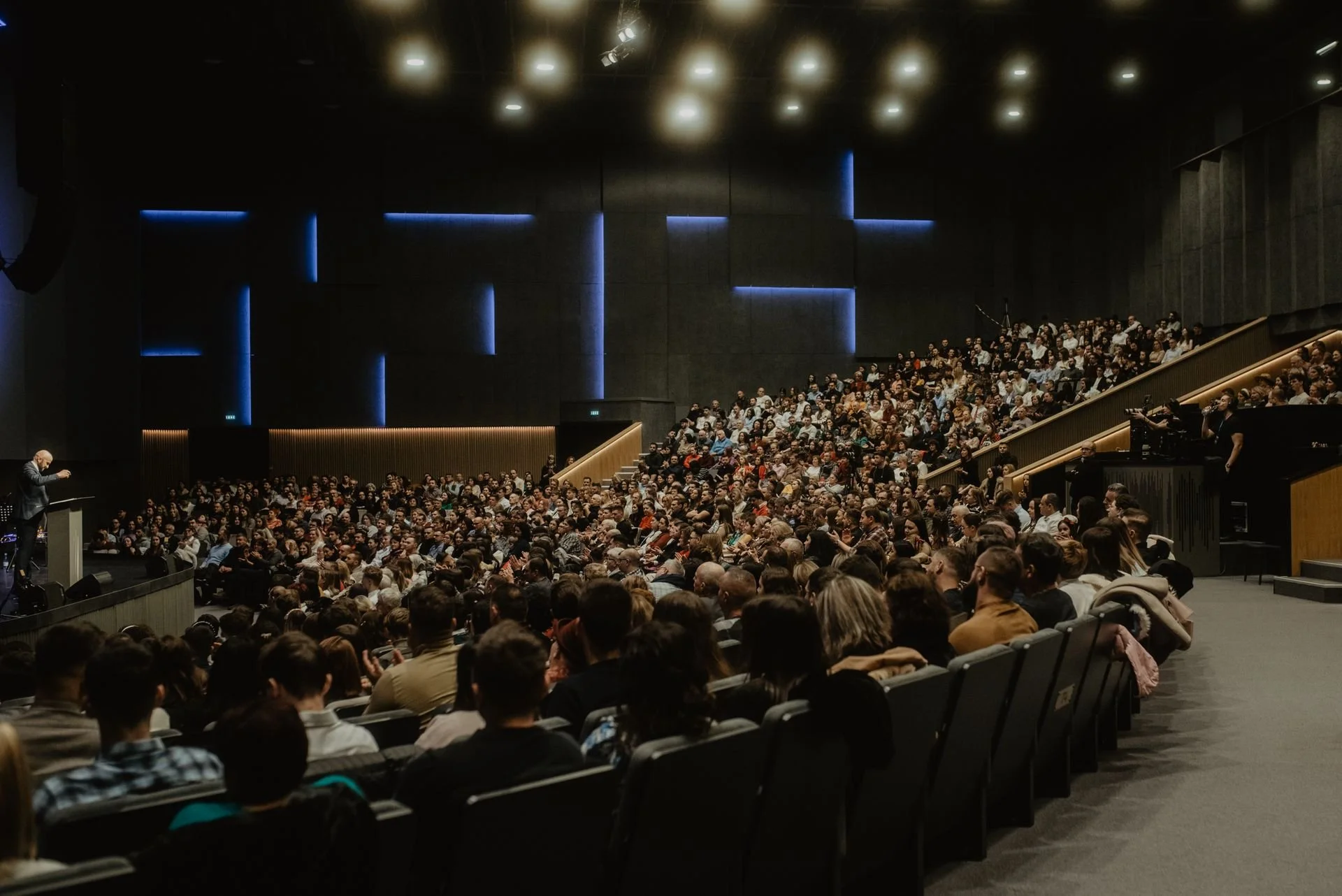
A corporate event photographer in Los Angeles does not show up when the doors open. By the time your guests pick up their badges, half of the real work is already done.
I have shot corporate events in this city for 27 years: downtown summits, Century City product launches, Beverly Hills galas, warehouse-district brand activations. The clients who get the most from their photographer understand what the job actually covers. It is not "take pictures of the event." It is a full production, from load-in to last call, and every phase has a purpose.
Here is what a corporate event photographer in Los Angeles actually delivers on event day.
Event photography is a specialized corner of a crowded profession. The Bureau of Labor Statistics counts roughly 145,000 photographer jobs in the US, most of them self-employed, which is why the business discipline of this work matters as much as the camera technique.
Before the doors open: the invisible work
The best event coverage starts before a single guest arrives. I get to the venue early, always. The first thing I shoot is the empty room.
Once 400 people fill a ballroom, you will never again see the stage, the signage, the table design, or the sponsor branding clean. The wide establishing shots of your event, the ones that end up in next year's sponsorship deck and the press release, only exist if someone photographs the space before it fills. If your photographer walks in at 9 AM when the program starts, those images are gone forever.
Early arrival also buys the technical setup. LA venues are lighting traps: dark hotel ballrooms with amber chandeliers, glass-walled downtown spaces with blown-out windows, warehouses with mixed LED and tungsten. A pro meters all of it and test-shoots the stage before the house lights go down. Then there is the run-of-show meeting with the planner: the shot list, the VIPs, the step-and-repeat location, the moments that cannot be missed. A corporate event photographer who skips this conversation is guessing, and guessing misses the handshake.
Load-in to welcome: setting the visual stage
Registration and arrivals are the first storytelling window. The energy of an event is highest when people walk in, and a pro is already positioned for it: the venue exterior with your branding, the registration desk, the first handshakes, the room filling up.
This is also when the detail shots get finished. Place settings, stage design, product displays, sponsor booths, all photographed clean before the crowds pack in around them. These are the images your marketing team will use for a year, and they take minutes to shoot if the photographer plans for them.
If your event has a step-and-repeat, this is its golden hour. Clean portraits of arriving executives and VIPs against your branding, shot before the line gets long. Every sponsor who paid for logo placement wants a photo of a real person in front of their logo. That is sponsor ROI you can put in a report.
The keynote: stage coverage that reads like news
Keynotes follow a discipline. A corporate event photographer in Los Angeles works a keynote in three distances: the wide establishing shot (stage, screen, audience), the medium (speaker at the podium), and the tight (the expression, the gesture, the moment). The wide shot tells the story of scale. The tight shot tells the story of the speaker.
The real skill is anticipation. The applause shot happens a half-second after the line lands, not when the clapping is already dying. After hundreds of keynotes, you stop photographing what is happening and start photographing what is about to happen. And if the CEO unveils a number, a product, or a partnership on screen, the photo needs the speaker and the slide together. That is the image that runs in the trade press.
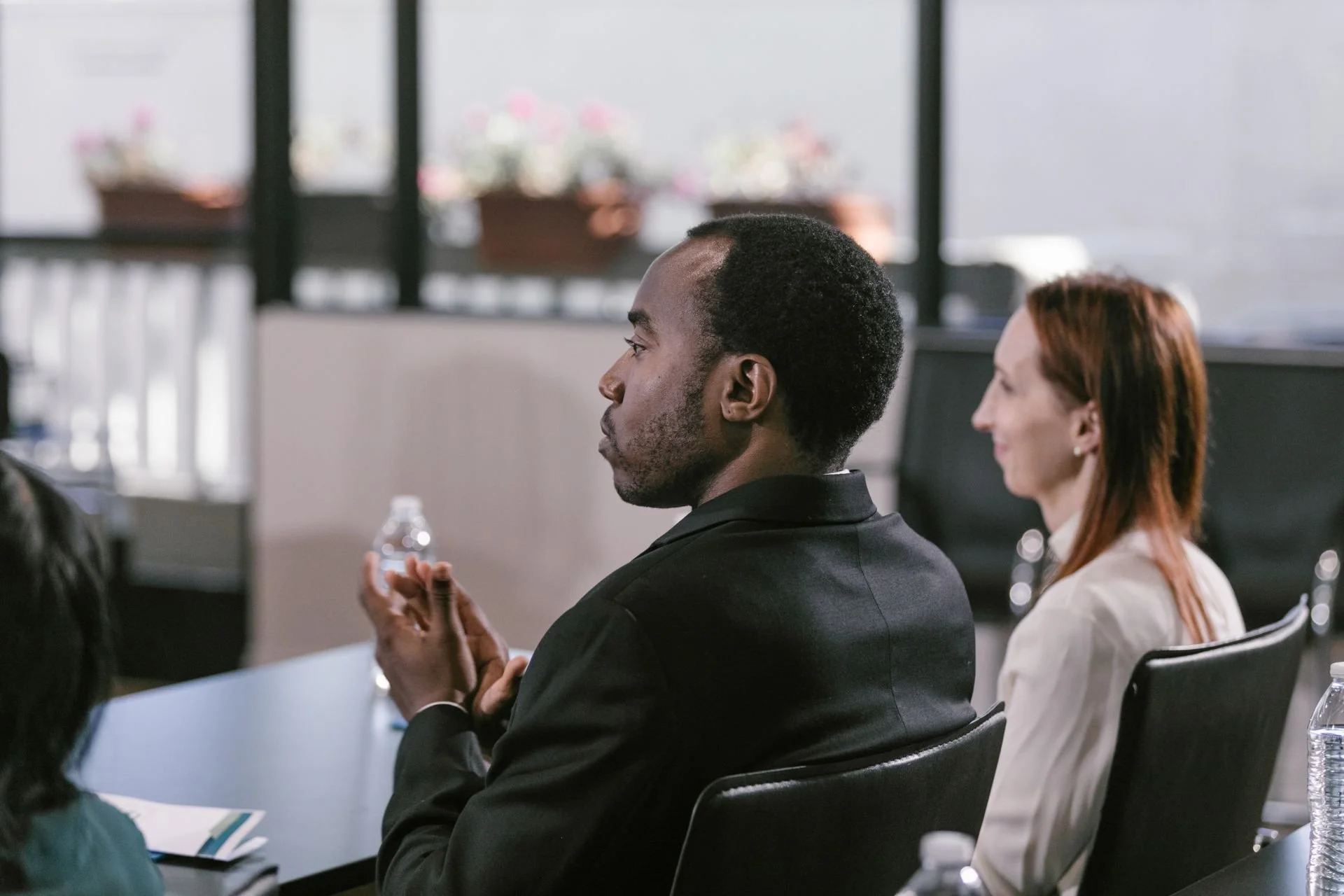
Business professionals applauding during a corporate event in Los Angeles
Breakouts and networking: the candids that actually matter
Keynote shots are impressive, but the breakout and networking photos are the ones that fill your website, your recruiting pages, and your "why attend" emails for next year. Good candids are not accidents. A pro roams with a plan: the panel framed to show engagement, the Q&A with a hand raised, the hallway conversation that looks like a real conversation instead of two people told to smile.
This is also the coverage that gets shortchanged most often, because one photographer cannot be in three breakout rooms at once. For multi-track conferences, this is the argument for a second shooter, and it is the one I make most often to clients trying to save money. The sessions you do not cover do not exist in your photo record.
On volume: a full conference day from an experienced corporate event photographer typically yields 300 to 600 edited images, consistent with what I outline in my corporate event photography pricing guide. Far below that means coverage gaps. Far above it usually means unedited dumps.
VIPs, sponsors, and the step-and-repeat
Sponsor visibility is the line item that justifies the photography budget to whoever approves it. A corporate event photographer in Los Angeles who understands the business side shoots sponsors deliberately: branded signage with people in frame, activation booths with real traffic, the sponsor's executives in conversation.
VIPs get their own protocol. Executives, board members, celebrity guests: clean, flattering coverage, fast. Nobody is kept waiting, and the photographer knows which faces cannot leave the building unphotographed. Hand over the VIP list in advance, because the photographer cannot protect what they do not know about.
One practical note: clarify model releases and usage before the event, not after. A pro asks about this in the planning call. It is one of the marks of a professional corporate photographer, not just a camera owner.
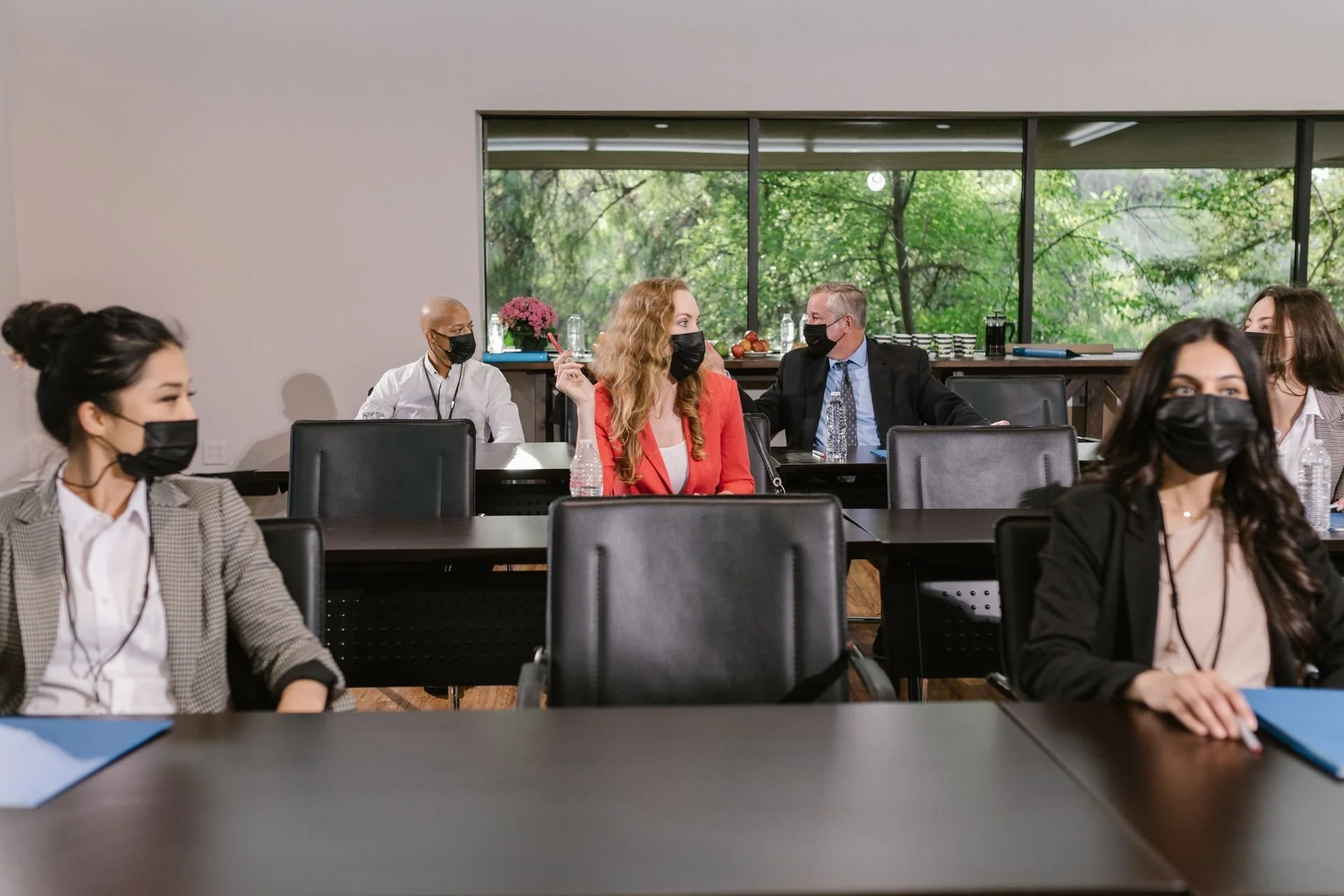
Executives networking at a corporate event reception in Los Angeles
After dark: receptions, galas, and the low-light test
The evening program is where corporate event photographers are truly separated. The house lights drop, the uplighting goes magenta, and the client still needs clean, flattering images. This is the hardest technical work in event photography: balancing flash against colored ambient light, keeping shutter speeds fast enough for moving subjects in light you would not read by, making a dark ballroom look warm instead of cave-like.
I have solved these problems hundreds of times in LA ballrooms, which is exactly why they get solved in seconds instead of costing you the evening. Award moments in particular are unforgiving. They happen once, in bad light, with no rehearsal. The photographer is either in position with the right settings or the moment is gone.
Same-day delivery: the images your PR team needs tonight
For events with press or a social team working in real time, a corporate event photographer in Los Angeles delivers edited selects the same night. During dinner or a program break, the photographer culls and edits a tight set, usually 20 to 50 images, color-corrected and cropped for social and press. They reach the client before midnight. The full gallery follows in the standard 5 to 10 business days.
Same-day delivery changes the staffing and the price, and it should be agreed in advance, not requested at 9 PM. It is one of the first things to discuss when you hire a corporate photographer for a high-visibility event. If media is attending, assume you need it.
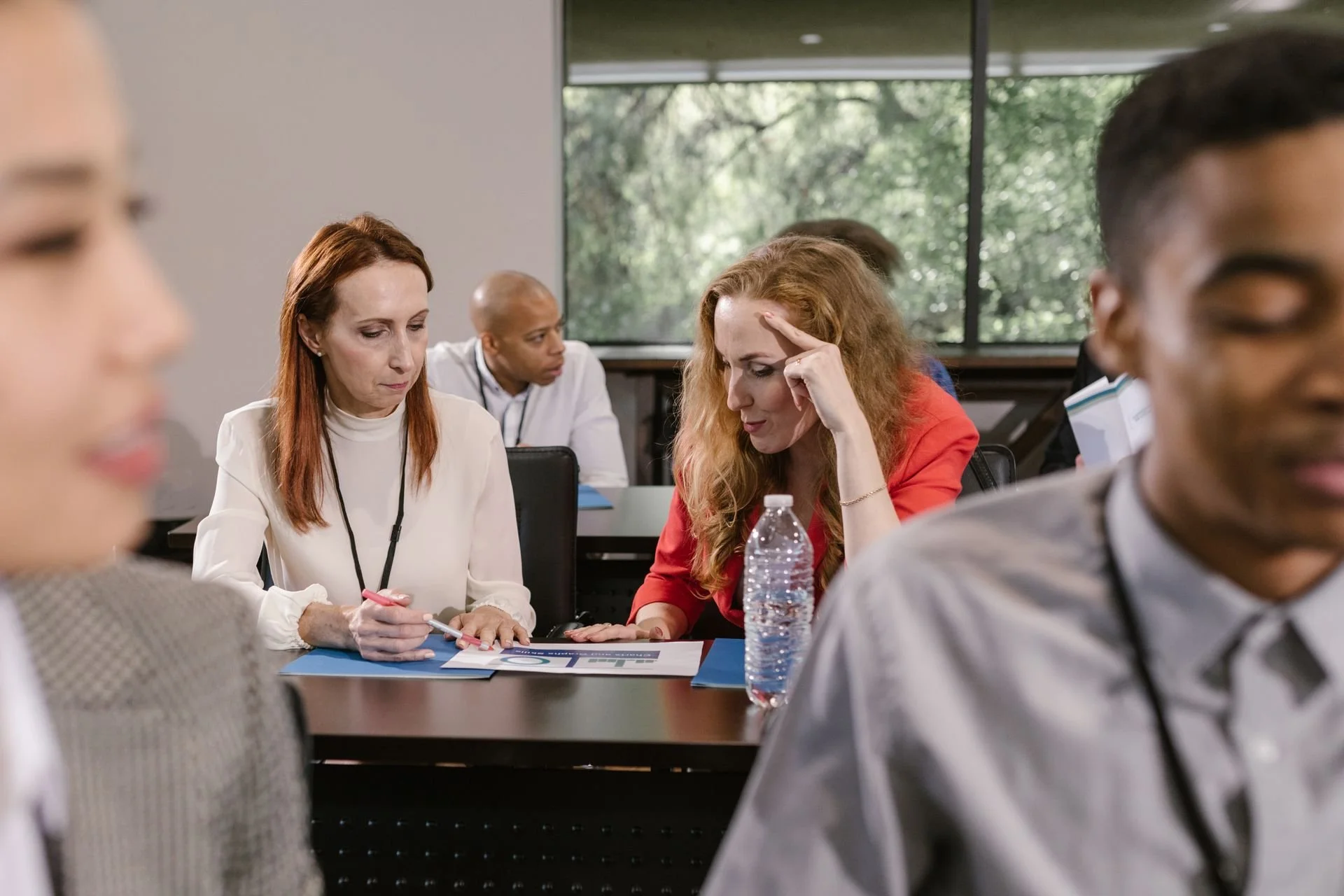
Corporate gala evening event photography in Los Angeles with ambient lighting
Frequently asked questions
What does a corporate event photographer in Los Angeles do? They cover your event from pre-event venue and detail shots through keynotes, breakouts, networking, VIP and sponsor coverage, evening programs, and post-event editing and delivery. A full day typically produces 300 to 600 edited images, plus same-day selects if your PR team needs them.
Do we need one photographer or two? For a single-track event under 200 guests, one experienced photographer is usually enough. For multi-track conferences or events spanning multiple rooms, you need two, or the uncovered sessions simply do not exist in your photo record.
How fast will we get the photos? Standard delivery is 5 to 10 business days for the full edited gallery. Same-day selects (20 to 50 edited images for press and social) can be delivered the night of the event if arranged in advance.
Can the photographer also shoot video? Some can, but stills and video are different disciplines, and one person doing both usually means neither gets full attention. For important events, hire separately.
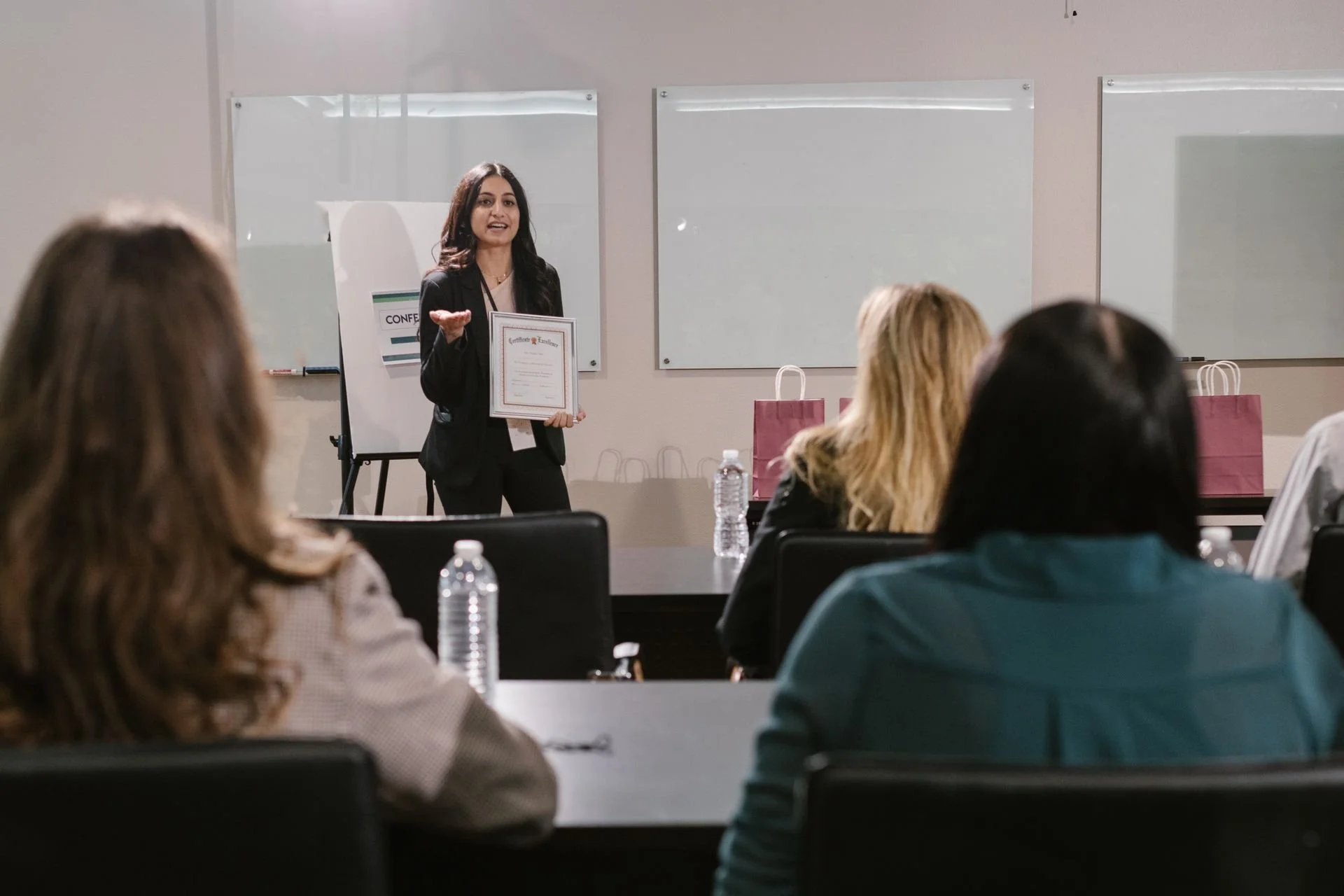
Corporate event attendee portrait at a Los Angeles business event
The bottom line
A corporate event photographer in Los Angeles is not documenting your event. They are producing the visual record your company will use for the next year: the sponsorship deck, the press coverage, the recruiting pages, the save-the-date for next year. That record gets built in phases, from the empty room at 7 AM to the last award at midnight, and every phase needs someone who has done it before.
Brief your photographer like a producer, not a vendor. Hand over the run of show, the VIP list, and the sponsor priorities. Then get out of the way and let them work the room. That is what you are paying for.
If you are still choosing who that is, the Professional Photographers of America's Find a Photographer directory is a reasonable starting point for credentialed professionals.
About the author: David Christopher Lee is a Los Angeles corporate event photographer with 27 years of experience shooting conferences, product launches, award galas, and executive portraits across Southern California. Get in touch.
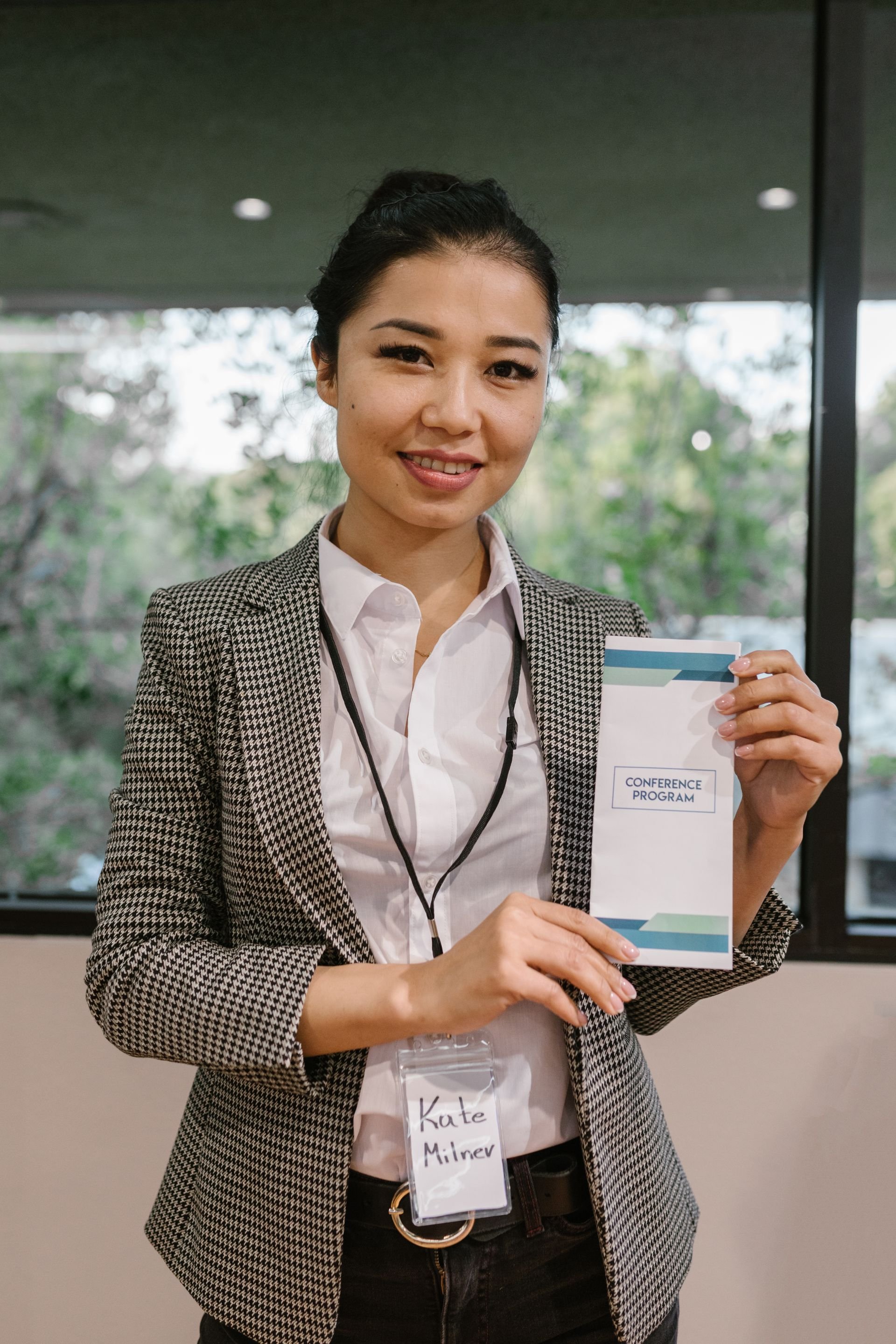
Business professionals connecting at a corporate event in Los Angeles