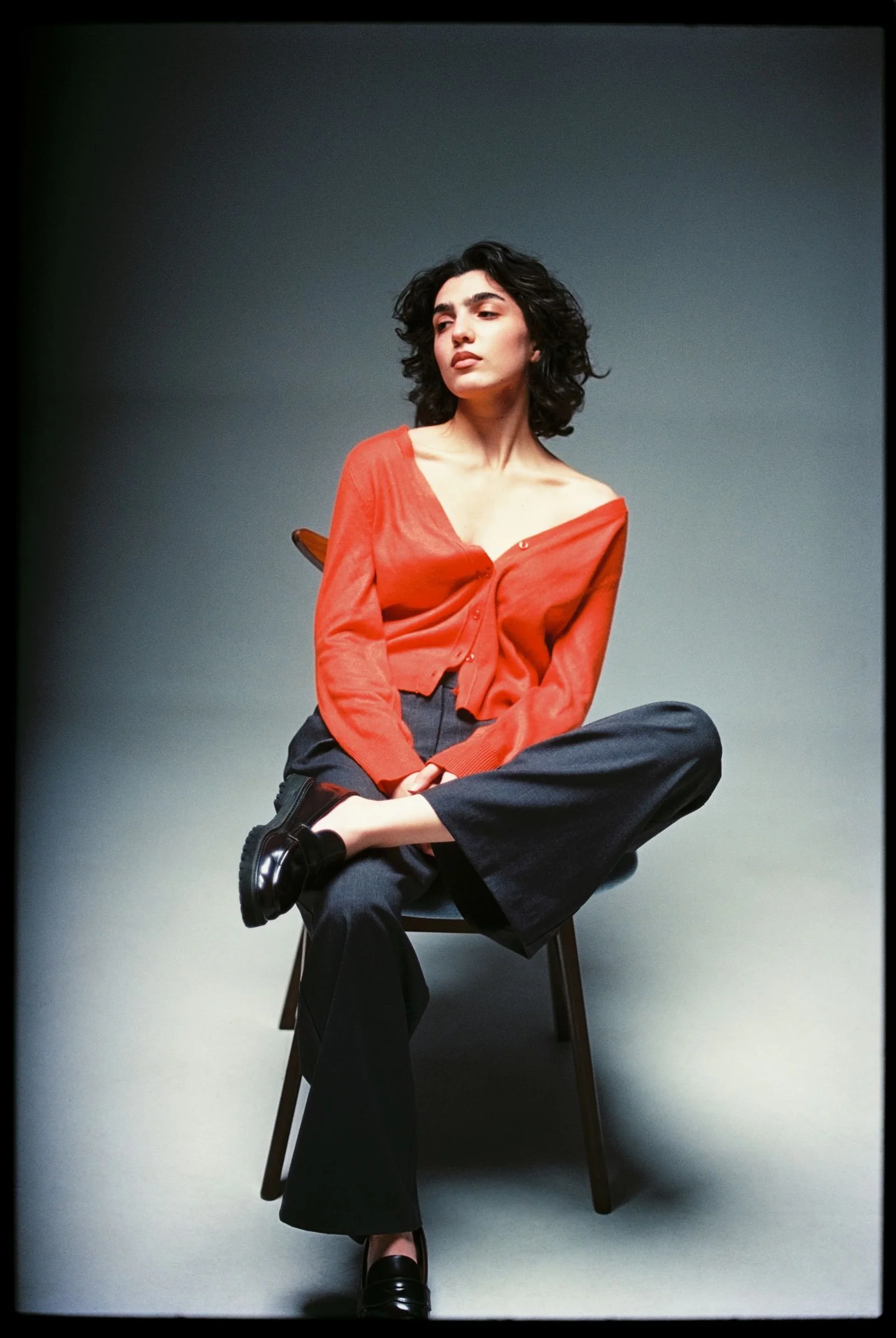
If you are searching for an editorial photographer in Los Angeles, you probably need something very specific: photographs that tell a story. Not product shots. Not ads. Images that run next to words and make people stop, look, and feel something.
Google Keyword Planner puts "editorial photographer los angeles" at 10 to 100 searches a month with low competition. That tells you two things. Real clients are looking, and most photographers in this city are not speaking to them. So let me speak to them.
I have spent 27 years photographing in Los Angeles. My editorials have run in GQ, Vogue, InStyle, People, Teen, Men's Health, and Departures. In 2001 I launched TDink.com, the first magazine to publish fashion editorials online. Editorial photography is the craft I grew up in, and here is how to hire it right.
What editorial photography actually is
Editorial photography is made for a story, not a sale. That is the entire distinction, and everything about hiring, pricing, and licensing flows from it.
An editorial image runs alongside text in a publication: a magazine feature, a newspaper story, an online article, a brand journal, a lookbook with a narrative. The photographer might shoot a restaurant interior for a review, portraits for a founder profile, or a full fashion story built around a concept. The subject changes. The intent stays constant: help the reader understand and feel the story.
Snappr's 2026 guide to editorial photography puts it cleanly: editorial images exist to carry a story and answer to an editor and a reader, while commercial images exist to move product and answer to a brand. Same camera, different master.
This matters because the intent behind the image changes what you should look for in a portfolio, how the shoot gets priced, and who owns what afterward. Get the intent wrong and you will hire the wrong photographer.
Editorial vs commercial: the distinction that changes everything
Here is the practical line, and it is about licensing.
An image shot without model or property releases can only be used editorially, to illustrate a story. The moment a brand wants to use that same image to sell something, it needs releases and a commercial license. That single distinction drives most of the rules, rates, and rights in this business.
What this means for you:
- Creative freedom runs higher in editorial. The photographer interprets the story. Adorama's editorial guide notes that editorial photographers get room to experiment, push concepts, and work with fewer constraints. Commercial photographers work inside brand guidelines toward a pre-defined outcome.
- Retouching is lighter. Editorial images are expected to reflect reality with minimal manipulation. Commercial work gets the full retouch treatment.
- Budgets are usually lower. Magazine editorial has never paid like advertising. That is not a secret, it is the economics of publishing.
- The usage is narrower. Editorial licenses cover use alongside editorial content. They do not cover ads, packaging, or campaigns. If your images might end up in an ad, say so before the shoot, because it changes the fee and the paperwork.
If you are a brand hiring an "editorial style" shoot for your own channels, you are actually commissioning commercial photography with an editorial look. Say that out loud in the first conversation. It saves everyone a renegotiation later.
What an editorial photographer costs in Los Angeles
Editorial pricing works differently from most photography you have bought, so let me break it down.
Magazine and publication editorial is the low end of professional photography, and photographers know it. PhotoShelter's longstanding magazine pricing guidance describes the standard structure: a day rate versus a space rate, often around $500 per day versus $500 per page plus expenses for first editorial print use with concurrent web use, with cover space typically priced at $1,000 to $2,000. PetaPixel has reported that many working editorial photographers accept $300 a day, noting it sits at the lower end but is not unusual in the field. Wonderful Machine's pricing breakdown of an editorial location shoot for an international magazine edition landed at $700 per shoot day for the photographer's fee, benchmarked against stock licensing rates of $575 to $850 per full page.
For context on what editorial photographers earn overall: Glassdoor puts the average US editorial photographer salary around $30,367, while PayScale reports an average near $46,005 plus bonuses and commissions. Editorial is a craft people do for the work, not the money.
Brand and commercial editorial-style shoots price like commercial photography, because that is what they are. A full editorial-style brand story in Los Angeles, with a photographer, assistant, hair and makeup, styling, and location, typically runs $1,500 to $5,000 per shoot day before licensing. The bigger the usage (paid ads, out-of-home, broadcast), the bigger the license fee.
What drives the price up: multiple looks and locations, hair/makeup/styling teams, same-day selects, broader licensing, and rush timelines. What should make you suspicious: anyone offering a full editorial shoot day in LA for $200 with no crew and "unlimited photos." That is not an editorial photographer. That is a camera owner.
Read the portfolio like a photo editor
I have been on both sides of the portfolio review. Here is what actually predicts a good editorial hire:
Look for stories, not singles. An editorial photographer thinks in sequences. Ask to see a full published story, 8 to 15 images that ran together. Anyone can land one great frame. Editorial is about sustaining a mood across a set.
Check the range of light. Editorial shoots happen in real places: restaurants at noon, rooftops at dusk, studios with one strobe. The portfolio should show control in daylight, mixed light, and studio light. If every image is the same golden-hour glow, the range is thin.
Read the casting and styling. Editorial photography is a team sport. Strong portfolios show the photographer can direct non-models (founders, chefs, musicians) and collaborate with stylists and hair/makeup artists. If every subject is a professional model, ask how they handle real people.
Look at the details. Hands, backgrounds, wardrobe malfunctions caught or missed, horizons, the edges of the frame. Photo editors notice these. So should you.
Ask what ran where. Publication credits are the editorial photographer's resume. A story that ran in a real magazine went through an art director, which means someone with standards approved the work.
7 questions to ask before you book
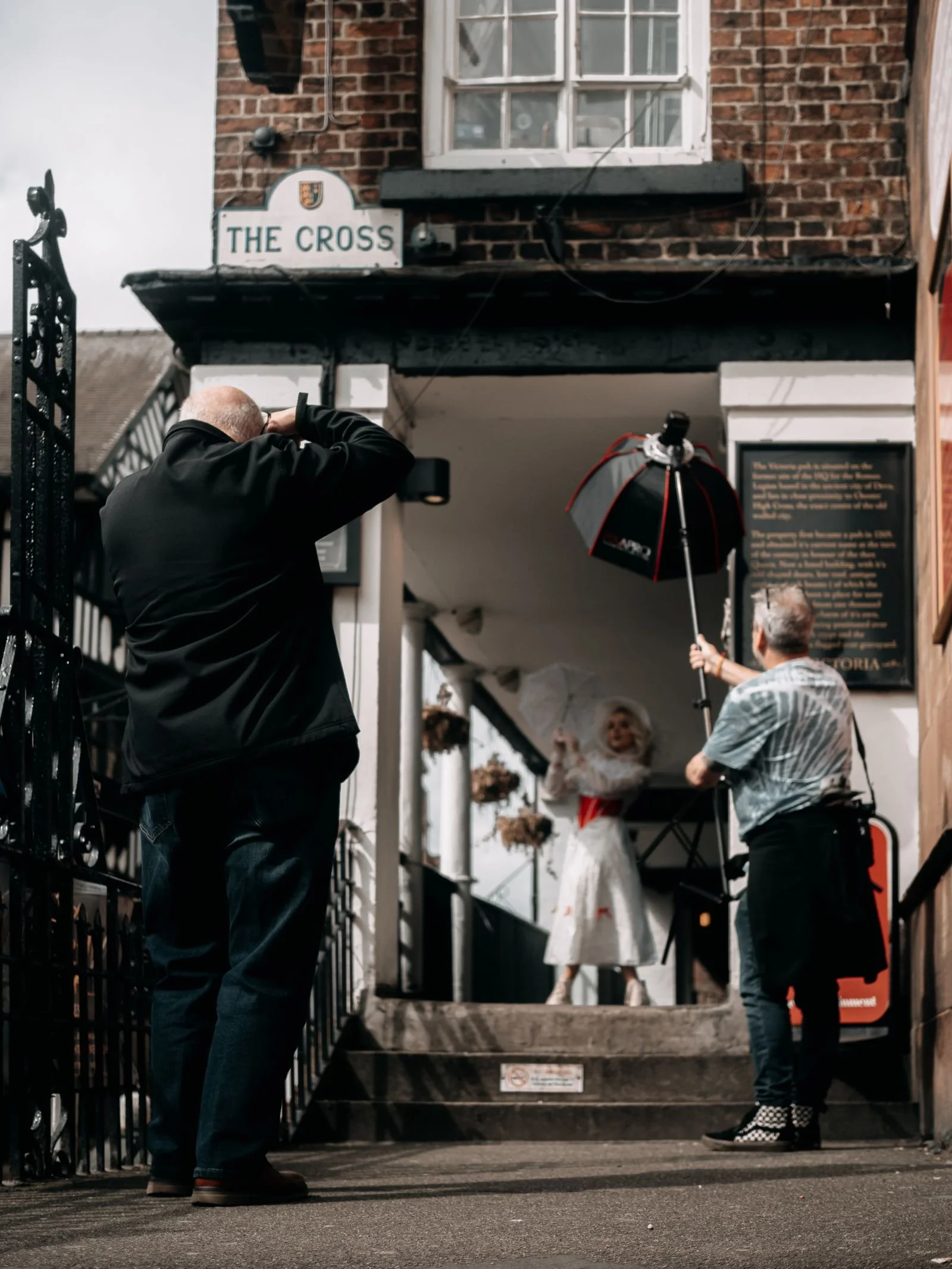
Ask these on the first call. The answers separate working editorial photographers from everyone else:
- "Can I see a full published story?" Not a gallery of greatest hits. A complete edit that ran somewhere, in order.
- "Who is on your usual team?" Editorial shoots need hair, makeup, and often styling. A photographer with a reliable crew is worth more than a cheaper solo operator.
- "How do you handle the concept?" Do they want a mood board from you, or do they build the concept? Neither answer is wrong, but you need to know who is driving.
- "What is your turnaround time?" Editorial deadlines are real. Standard delivery is 5 to 10 business days for a full edit; press timelines can demand 48 hours.
- "How many edited images do we get?" Get a number. A full editorial shoot day should yield 50 to 150 edited images, depending on the number of looks.
- "Who owns the images and what is the license?" The big one, covered in detail below.
- "What is your plan for the hardest part of this shoot?" Name what worries you: the difficult location, the camera-shy founder, the 6-look day in 8 hours. Their answer reveals their experience instantly.
Red flags when hiring an editorial photographer
Walk away if you see any of these: no contract, stock photos in the portfolio, "unlimited photos" promises (professionals deliver a defined number of edited images), no publication credits anywhere after years of claimed editorial work, or full payment demanded upfront. A 50 percent retainer to hold the date is standard. One hundred percent upfront is not.
Two editorial-specific red flags: a photographer who cannot explain the difference between editorial and commercial licensing, and one who has never worked with a hair and makeup artist. Both signal someone who has watched editorial shoots, not run them.
Usage rights and licensing: settle it in writing
This is the clause that causes the most post-shoot fights in editorial work, because the licensing is genuinely more complicated than in other photography.
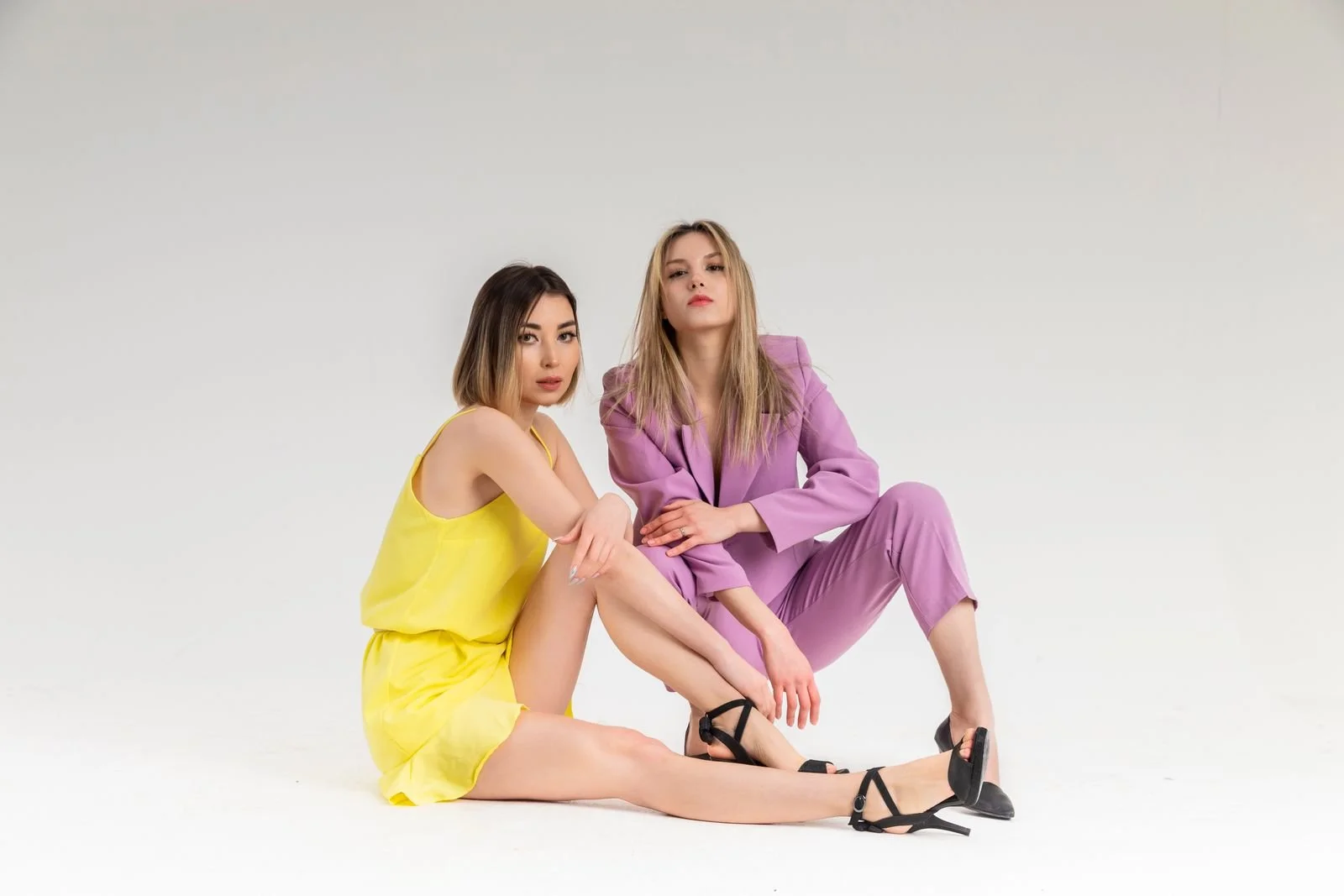
Typical editorial arrangement: the publication or client gets a license for specific uses (print issue, digital edition, social promotion of the story) for a set time or in perpetuity, while the photographer retains copyright and the right to license the images elsewhere afterward. Magazine contracts often work on the day-rate-versus-space-rate structure described above.
For brand editorial-style shoots, the license is commercial and should spell out: where the images can run (organic social, paid ads, website, out-of-home, broadcast), for how long, and in which territories. Broader usage costs more. That is normal and fair.
Clarify in the contract before the shoot: the exact licensed uses, the duration, whether the photographer can use the images in their portfolio (standard practice, and a full buyout for confidentiality costs more), and who handles model releases. If a photographer offers a full copyright transfer at a bargain rate with no discussion of licensing, they are either inexperienced or underpricing. Proceed carefully.
Timeline: when to book
Editorial photographers in Los Angeles book differently from wedding or event photographers. Magazine work often locks 4 to 8 weeks out. Brand editorial shoots: 3 to 6 weeks is comfortable, 2 weeks is doable, under a week means rush pricing and a thinner bench of available talent. If you are hiring a photographer in Los Angeles for an editorial story with a hard publication date, book the photographer before you lock the location. The right photographer shapes the shoot; the location just hosts it.
Frequently asked questions
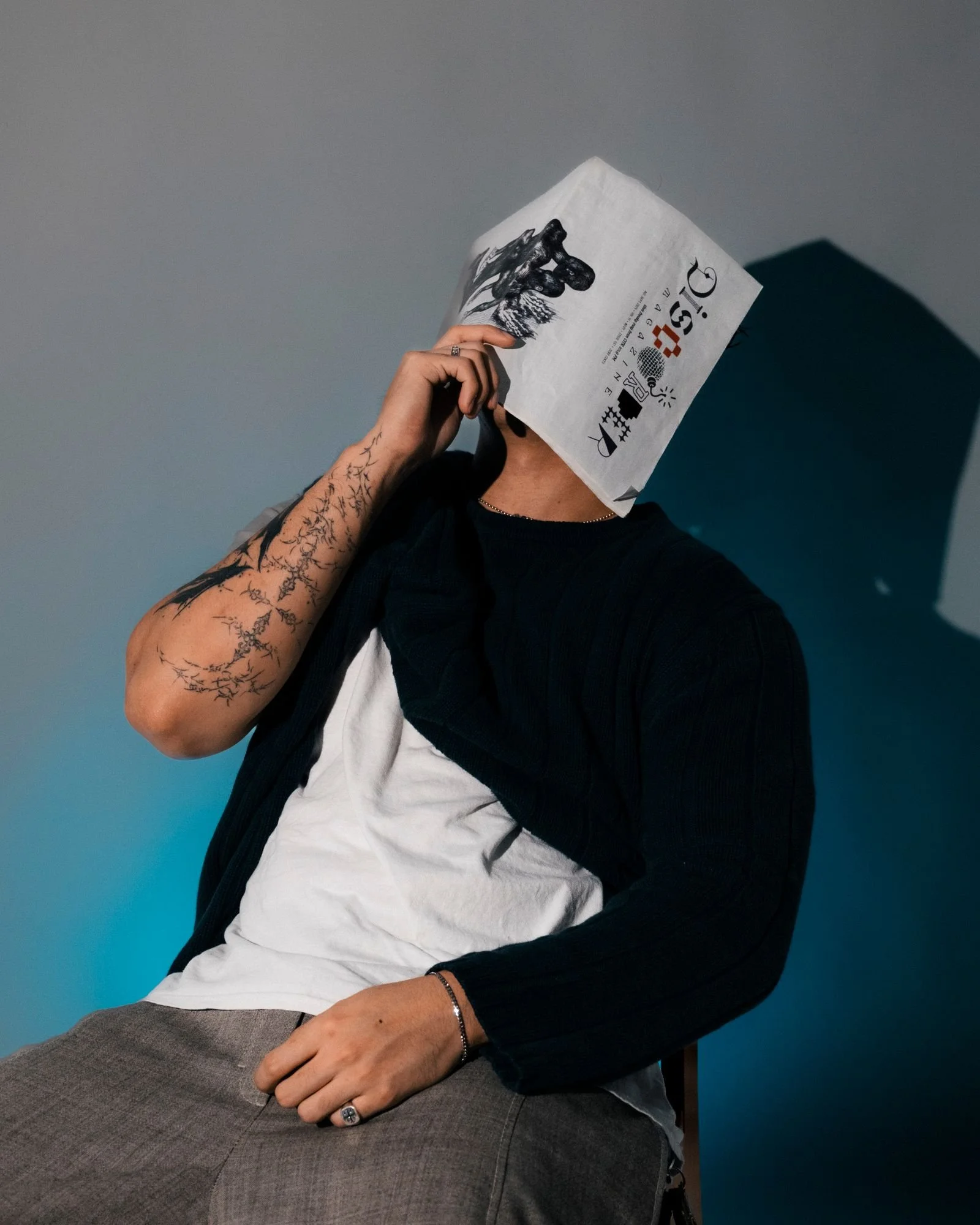
What does an editorial photographer in Los Angeles do? An editorial photographer in Los Angeles creates photographs that tell stories for publications, brands, and campaigns: magazine features, lookbooks, founder profiles, restaurant stories, and fashion editorials. The work is narrative-driven rather than sales-driven, with lighter retouching and story-first creative direction.
How much does an editorial photographer cost in Los Angeles? Magazine editorial assignments typically run $300 to $700 per shoot day, with page rates around $500 per page and covers at $1,000 to $2,000. Brand editorial-style commercial shoots in LA usually run $1,500 to $5,000 per shoot day before licensing, depending on crew, looks, and usage.
What is the difference between editorial and commercial photography? Editorial photography tells a story and answers to an editor and a reader. Commercial photography sells a product and answers to a brand. The practical difference is licensing: images shot without model or property releases can only be used editorially, while commercial use requires releases and a commercial license.
How do I choose an editorial photographer? Review full published stories rather than single images, check their range of lighting and their ability to direct non-models, confirm publication credits, and ask about their usual crew, turnaround time, deliverable count, and licensing terms before booking.
Do I need model releases for editorial photography? Editorial use, illustrating a story in a publication, generally does not require model releases. But if the same images might be used commercially, in ads or marketing, you need signed releases and a commercial license. Clarify the intended usage in the contract before the shoot.
The bottom line
Hiring an editorial photographer in Los Angeles comes down to three things: confirm the story-first intent and license it correctly, judge the portfolio on full published stories rather than single frames, and get the crew, deliverables, timeline, and usage rights in writing before anyone picks up a camera. Editorial photography is the most story-driven work a photographer can do. Hire someone who thinks in stories, not shots.
About the author: David Christopher Lee is a Los Angeles editorial and fashion photographer with 27 years of experience. His editorials have appeared in GQ, Vogue, InStyle, People, Teen, Men's Health, and Departures, and in 2001 he launched TDink.com, the first magazine to publish fashion editorials online. View fashion photography in Los Angeles · Get in touch