If you are planning a conference in Los Angeles, the photography quote is one of the line items that causes the most confusion. Planners see numbers ranging from $300 to $5,000 a day and have no idea what the difference buys. Let me fix that.
Here is the short answer. In Los Angeles, professional conference photography runs $750 per hour, with half-day coverage (four hours) at $2,500 and full-day coverage (eight hours) at $4,500. Those are my rates. The broader market spans $200 to $400 per hour for mid-tier photographers, with premium multi-day programs running $2,400 to $3,200 per day for a single photographer.
But a conference is not a single event. It is a three-day program with keynotes, breakout sessions, sponsor activations, networking receptions, and a headshot station in the lobby. The real question is not the hourly rate. It is how many photographers you need, for how many hours, across how many days. I have shot conferences at the Los Angeles Convention Center, the JW Marriott at L.A. Live, and hotel ballrooms across this city for years. Here is how the pricing actually works.
What a Conference Photographer Does All Day
Before the numbers, understand the job. A conference photographer is not standing in one place taking pictures of a stage. A typical day looks like this.
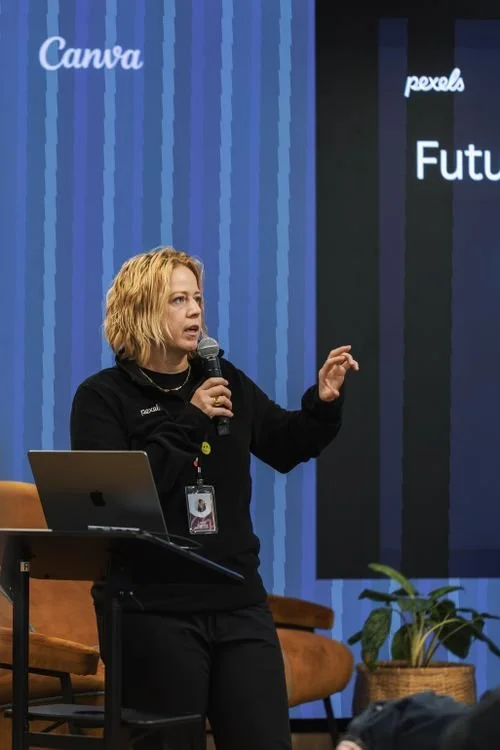
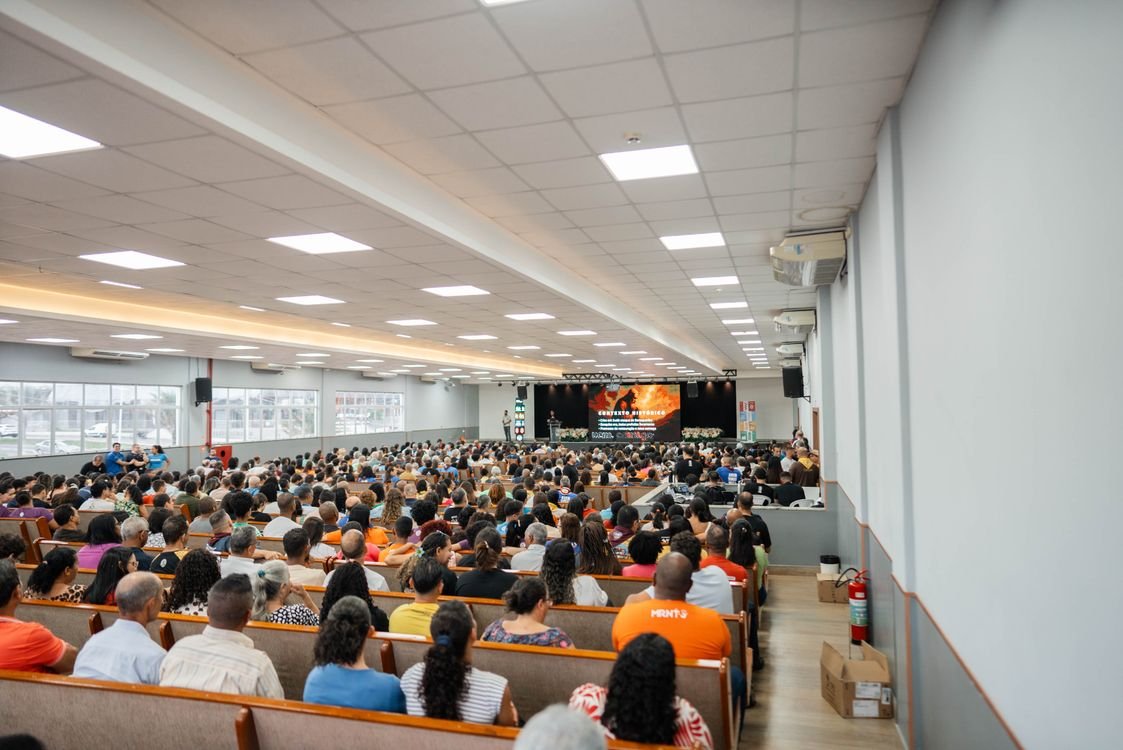
Morning: keynote in the main ballroom, 1,000 attendees, the CEO on stage. The photographer is shooting the speaker, the audience reaction, and the wide room shot your marketing team will use for next year's registration page.
Mid-morning: three breakout sessions running simultaneously in different rooms. One photographer cannot cover all three. This is where the staffing question starts.
Lunch: sponsor activation in the exhibit hall, executives doing informal portraits, the networking energy your comms team wants for LinkedIn.
Afternoon: panel discussions, more breakouts, a fireside chat that your CEO specifically asked to have documented well.
Evening: networking reception, award presentations, candids of attendees actually enjoying themselves.
That is one day. Multiply by two or three for a standard conference. The photographer is on their feet for eight to ten hours, managing batteries, cards, and a shot list that changes when the program runs late, which it always does.
Real Conference Photography Pricing in Los Angeles
Here is how the math works at professional rates.
Single day, single photographer: $4,500. Eight hours of coverage. Keynote, breakouts (one track), lunch, panels, evening reception. Edited gallery delivered within a week. This is my full-day rate, and it covers the standard single-track conference day.
Single day, half day: $2,500. Four hours. Works for a half-day summit, a single keynote plus lunch, or an evening-only program. My half-day rate.
Hourly: $750 per hour, two-hour minimum. Best for short engagements: a single keynote, an executive portrait session during the conference, a two-hour awards presentation.
Multi-day programs: scoped per project. A three-day conference is not three times the day rate. Multi-day bookings are typically negotiated as a package, because the photographer is blocking their entire week. At my rates, a three-day program with one photographer typically lands between $10,000 and $12,000, depending on hours per day and turnaround requirements.
Second photographer: the concurrent session problem. If your program runs parallel breakout tracks, one photographer physically cannot be in two rooms. A second photographer for concurrent coverage is standard for conferences with more than one track. Budget for it the same way you budget the first.

What Moves the Price
Five factors change the quote more than anything else.
1. Number of concurrent sessions. This is the biggest cost driver. A single-track conference needs one photographer. A three-track program needs two or three. Send your agenda to the photographer before you ask for a quote. The session grid determines the crew size, and the crew size determines the price.
2. Turnaround speed. Standard delivery is one to two weeks for the full edited gallery. If your comms team needs selects the same day for social media, or the full gallery within 48 hours for a press push, that is rush work. Same-day selects typically add 25 to 50 percent. I have delivered edited selects from a morning keynote before the afternoon sessions started. That kind of speed is a separate line item, not a favor.
3. Multi-day commitment. A photographer who blocks three days for your conference is turning down other work. Multi-day programs get package pricing, but the photographer is still committing their week. Be realistic about the scope when you negotiate.
4. Venue complexity. The Los Angeles Convention Center is a different shoot from a hotel ballroom in Century City. Large convention centers mean long walks between halls, multiple lighting conditions, and security checkpoints that eat into shooting time. An experienced conference photographer factors this in. A cheap one discovers it on day one.
5. Licensing and usage. Your registration page, your sponsor deck, your press releases, your LinkedIn campaign. Most photographers include standard commercial use in the rate. If a sponsor wants the images for a national ad campaign, that is a separate negotiation. Clarify usage before you sign.
The Venues That Shape Conference Photography in Los Angeles
The Los Angeles Convention Center at 1201 S Figueroa Street is the big one. Massive halls, multiple concurrent sessions, exhibit floors the size of airplane hangars. A photographer here needs stamina, a plan for the session grid, and comfortable shoes. I am only half joking about the shoes.
The JW Marriott at L.A. Live hosts corporate summits with the downtown skyline as a backdrop. The ballrooms are well-lit, the breakout rooms are close together, and the rooftop spaces work beautifully for evening receptions.
Further out, the Anaheim Convention Center and the Long Beach Convention Center pull major programs. Hotel ballrooms at the Beverly Hilton, the Fairmont Century Plaza, and the InterContinental downtown handle executive summits and board-level conferences.
Each venue has its own rhythm. The photographer who has worked the LA Convention Center knows which halls have the terrible mixed lighting, where the keynote stage sightlines actually work, and how long it takes to get from Hall B to the second-floor breakout rooms. That knowledge is invisible on the quote and invaluable on the day.
Why Shooting a Conference Is a Huge Responsibility
Shooting a conference is one of the most labor-intense jobs in photography. You are dealing with hundreds, sometimes thousands of people across multiple rooms, and every one of them is a moving part.
Before the event, I have a pre-production meeting with the planner to get the full scope of the project. Who are the VIPs? Which speakers matter most? What are the must-have shots? I memorize the schedule so I know exactly where I need to be and when. There is no winging it at a conference. If you miss the keynote moment, it does not happen twice.
On the day, I show up 10 minutes before the speakers start so I am already in position when the lights go down. I stay after to shoot portraits of the speakers while the energy is still high. Between sessions I am scoping the room, tracking the VIPs, and waiting for the right moments to capture at the right time. A handshake between two executives, a laugh during a panel, the full room from the back during the opening keynote. These moments last seconds.
When I am shooting a conference, I am super focused. It is hours of sustained concentration, moving fast between rooms, managing gear, and staying ahead of a schedule that never stops. That intensity is a big part of what you are paying for.
How to Scope Your Conference Photography
Here is the practical advice I give every planner who calls me.
Send the agenda first. Before you ask for a price, send the run of show. The photographer needs to see the session grid, the keynote times, the number of tracks, and the evening events. A quote without the agenda is a guess.
Decide what the photos are for. A gallery for the website needs different coverage than a press kit, which needs different coverage than social media content. Tell the photographer the deliverable. "We need 200 edited images within five days for the recap site and sponsor report" is a scope. "Just cover the event" is not.
Plan for the headshot station. Almost every conference I shoot now includes a headshot station in the lobby or exhibit hall. Attendees love it, sponsors love it, and it gives your event a tangible takeaway. It requires a dedicated setup and usually a second photographer or a scheduled block of the main photographer's time. Mention it when you scope.
Put the delivery date in writing. The number of edited images, the delivery timeline, the format. A handshake on "soon" turns into a problem when the CEO asks where the keynote photos are on Monday morning.
The Mistake I See Most Often
Planners hire one photographer for a three-track conference and wonder why the breakout sessions have no coverage. Or they hire based on the lowest hourly rate and discover on day two that the photographer has never shot a keynote and does not know how to expose for a stage.
Conference photography is a specialty. The photographer needs to handle stage lighting, shoot discreetly during sessions, move fast between rooms, and deliver a consistent gallery across three days and thousands of frames. That is a different skill set from portraits or weddings. Hire for it specifically.
My corporate event photography page at https://www.dclee.net/corporate-event-photographer-los-angeles has my full rates and service details. For a detailed breakdown of event pricing tiers, my 2026 cost guide at https://www.dclee.net/blog/corporate-event-photography-pricing-in-los-angeles-2026-cost-guide covers every scenario. And if you are ready to talk about your program, contact me at https://www.dclee.net/contact with your dates and agenda, and I will give you a straight quote.
FAQ
How much does a conference photographer cost in Los Angeles? Professional conference photography in Los Angeles costs $750 per hour, $2,500 for a half day (4 hours), or $4,500 for a full day (8 hours). Multi-day programs are typically quoted as a package, often $10,000 to $12,000 for three days with one photographer.
How many photographers do I need for a conference? One photographer covers a single-track program. Each additional concurrent track needs another photographer. A three-track conference typically needs two to three photographers for full coverage.
How far in advance should I book a conference photographer? Book two to three months ahead for standard conferences. Major programs at the LA Convention Center during peak season should be booked four to six months out.
When will I receive the conference photos? Standard professional turnaround is one to two weeks for the full edited gallery. Same-day selects for social media are available as a rush service, typically adding 25 to 50 percent to the base rate.
Should I add a headshot station to my conference? Yes, if your budget allows. Headshot stations are one of the highest-value additions to a conference program. Attendees get professional headshots, sponsors get foot traffic, and you get content. It requires a dedicated setup and should be scoped separately from general event coverage.