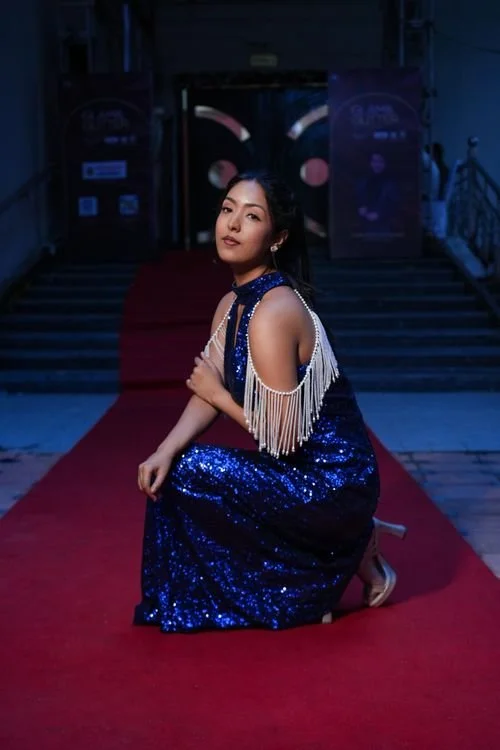
If you are planning a premiere, an award show, a gala, or a brand launch in Los Angeles, you have probably asked the question every event planner asks me: how much does a red carpet photographer cost?
Here is the short answer. In Los Angeles, professional red carpet photography typically runs $750 per hour, with a two-hour minimum. A half-day of coverage (four hours) runs $2,500, and a full day (eight hours) runs $4,500. Those are my rates, and they sit squarely in the professional tier for this market. Budget shooters will quote $200 to $400 an hour. Premium teams with multiple photographers, same-night delivery, and full commercial licensing can push past $5,000 for an evening.
The number on the quote is only half the story. What you are really buying is speed, reliability, and the certainty that the one shot that matters actually exists when the night is over. I have been working red carpets for 27 years, from the Teen Choice Awards in 2000 to the Grammys in 2018, and I can tell you exactly where the money goes and where it gets wasted.
Why Red Carpet Pricing Is Different From Regular Event Photography
A red carpet is not a cocktail party with a photographer. It is a controlled chaos operation with a hard clock. Talent walks the carpet, pauses at the step-and-repeat for ninety seconds, and keeps moving. You do not get a second take. The photographer who misses the moment does not get another chance.
That pressure is why red carpet work commands a premium over general event coverage. A wedding photographer has eight hours to find the moments. A red carpet photographer has a ninety-second window per subject, shouted names, flashing strobes from a dozen other cameras, publicists pulling talent in three directions, and a producer in their earpiece calling the next arrival.
When you hire for a red carpet, you are paying for someone who has done this enough times that the chaos looks routine. I shot my first red carpet in 2000 at the Teen Choice Awards. I was still in high school, shooting on a Nikon Coolpix 950, filing images over a 56k modem the same night. The outlets I was feeding did not care how hard the conditions were. They cared that the photos were there before deadline. That principle has not changed in 27 years. The photographer who delivers fast wins the next booking.
What Red Carpet Photographers Actually Charge in Los Angeles
Let me break down the real pricing tiers in this market, based on what I see quoted across Los Angeles in 2026.
Budget tier: $200 to $400 per hour. This gets you a competent photographer, usually solo, with basic editing and standard turnaround of one to two weeks. Fine for a small step-and-repeat at a private party. Risky for anything with press, sponsors, or talent whose publicist will be watching the clock.
Professional tier: $500 to $750 per hour. This is where experienced red carpet photographers live. You get someone who knows the drill, edited images delivered within days, and a photographer who can work a step-and-repeat line without slowing it down. My rate is $750 per hour with a two-hour minimum, which puts a standard red carpet arrival window at $1,500.
Premium tier: $1,000 per hour and up. This buys a team, not a person. Multiple photographers covering arrivals, candids, and detail shots simultaneously. Same-night or next-morning delivery. A dedicated editor processing selects while the event is still running. Full commercial licensing for sponsor and press use.
For a typical Los Angeles premiere, here is what the math looks like at my rates. A two-hour red carpet arrival window: $1,500. Add the after-party, another two hours: $2,500 for the half day. A full awards night, arrivals through the end of the after-party, eight hours: $4,500.
What Drives the Price Up or Down
Not every red carpet costs the same. Five factors move the number.
1. Same-night delivery. If your publicist needs selects before the 11 p.m. news cycle or your social team needs content before the after-party ends, that is a rush service. Same-night editing typically adds 25 to 50 percent to the base rate. I have filed from the carpet on a laptop between arrivals for outlets that needed images before the show started. That kind of turnaround is a separate line item.
2. Number of photographers. One photographer can cover a single step-and-repeat line. If you have arrivals at two entrances, a press room, and an after-party happening simultaneously, you need a team. Each additional photographer adds to the total. For a major premiere at the Dolby Theatre or the TCL Chinese Theatre, two to three photographers is standard.
3. Licensing. Most event photographers retain copyright and grant you a license for specific uses: your website, social media, press releases. If a sponsor needs the images for an advertising campaign, or you need exclusive rights, that is negotiated separately. Be clear about usage before you sign, because the wrong assumption here is expensive.
4. Timing. A red carpet on a Saturday night in awards season costs more than a Tuesday afternoon brand activation. February through March, during awards season, is peak demand in Los Angeles. Book early. I have seen planners pay rush premiums because they started calling photographers two weeks before a premiere.
5. The photographer's track record. A photographer who has shot the Grammys, the Oscars, and twenty years of premieres charges more than someone shooting their third red carpet. You are paying for the certainty that they will not freeze when the biggest name of the night walks past their lens.
How to Hire the Right Red Carpet Photographer
Price matters, but the cheapest quote on a red carpet is the most expensive mistake you can make. Here is what to actually evaluate.
Look at full galleries, not highlight reels. Anyone can show you twenty perfect frames. Ask to see a complete red carpet delivery, arrivals to last guest. You are looking for consistency: exposure, focus, and framing that hold up across two hundred frames, not just the ten best.
Ask about the step-and-repeat workflow. A good red carpet photographer has a system. They know where to stand, how to call for the shot without shouting over the press line, and how to keep the line moving. If a photographer cannot describe their arrival workflow in thirty seconds, they have not done enough carpets.
Confirm the delivery timeline in writing. When do you get the images? How many? In what format? A verbal promise of "a few days" means nothing when your sponsor is asking for the gallery on Monday morning. Put the number of edited images and the delivery date in the contract.
Check the backup plan. What happens if the photographer's camera fails at 7 p.m.? The answer must involve a second body on site, not a trip to a rental house. Red carpets do not pause for equipment failures.

Where Red Carpets Happen in Los Angeles
If you are new to producing events in this city, the venues shape the photography plan. The Dolby Theatre in Hollywood hosts the Oscars and the biggest premieres. The TCL Chinese Theatre on Hollywood Boulevard handles premieres with the forecourt as the carpet zone. The Beverly Hilton in Beverly Hills is the Golden Globes home and a constant for awards-season events. The Wiltern, the Greek Theatre, and the Shrine Auditorium all run red carpet arrivals for concerts and award shows.
Each venue has its own carpet logistics. The Dolby has a multi-level arrival with press risers. The TCL Chinese Theatre carpet runs along Hollywood Boulevard with crowd control as a real factor. A photographer who has worked these specific venues knows where the light falls at 6 p.m., where the publicists stage talent, and where to stand so a tour bus does not block the shot. That local knowledge is part of what you are paying for.
The Question Behind the Question
When someone asks me how much a red carpet photographer costs, what they are really asking is: how do I make sure this does not go wrong? The carpet is the most visible ninety minutes of your entire event. The photos from those ninety minutes are what the press runs, what the sponsors share, and what lives on the internet permanently.
My answer is always the same. Hire the photographer whose worst red carpet is still better than most photographers' best night. Ask for the full gallery. Put the delivery date in writing. And do not hire on price alone for the one part of your event that the whole world will see.
If you are planning a premiere, gala, or red carpet in Los Angeles, get in touch. I will give you a straight quote and an honest assessment of what your event actually needs. For a look at what really happens behind the rope line, read my behind-the-scenes account of 27 years on the carpet. And if your event includes broader coverage beyond the carpet, my corporate event photography page covers full-day rates and deliverables.
FAQ
How much does a red carpet photographer cost in Los Angeles? Professional red carpet photography in Los Angeles typically costs $750 per hour with a two-hour minimum. Half-day coverage (4 hours) runs $2,500 and full-day coverage (8 hours) runs $4,500 at professional rates. Budget photographers charge $200 to $400 per hour.
How far in advance should I book a red carpet photographer? Book six to eight weeks out for standard events, and three to four months ahead during awards season (January through March). Last-minute bookings often carry rush premiums.
Do red carpet photographers deliver images the same night? Same-night delivery is available as a rush service and typically adds 25 to 50 percent to the base rate. Standard professional turnaround is two to five days for the full edited gallery.
How many photographers do I need for a red carpet? One photographer covers a single step-and-repeat line. Major premieres with multiple entrances, a press room, and an after-party typically need two to three photographers.
Who owns the red carpet photos? Most photographers retain copyright and grant you a license for website, social media, and press use. Advertising or exclusive rights are negotiated separately. Get the usage terms in writing before the event.