If you are organizing a gala in Los Angeles, whether it is a charity fundraiser, an awards dinner, or a corporate black-tie event, the photography budget is one of the easiest places to get wrong. Go too cheap and the photos do not match the room. Go too expensive and you have spent donor money on coverage you did not need.
Here is the short answer. In Los Angeles, professional gala photography runs $750 per hour, with a two-hour minimum. Most galas need four to five hours of coverage, which puts the typical booking at $2,500 for a half day. A full evening, from red carpet arrivals through the end of the after-party, runs $4,500 for eight hours. Those are my rates, and they reflect 27 years of shooting black-tie events in this city.
The gala photography market in Los Angeles spans from $200 an hour for budget shooters to $1,000-plus per hour for premium teams. Where you land depends on the size of the event, the caliber of the guests, and how fast you need the images. Let me walk through all of it.
What Makes Gala Photography Different
A gala is not a conference and it is not a wedding. It has its own rhythm, and the photographer needs to understand it.
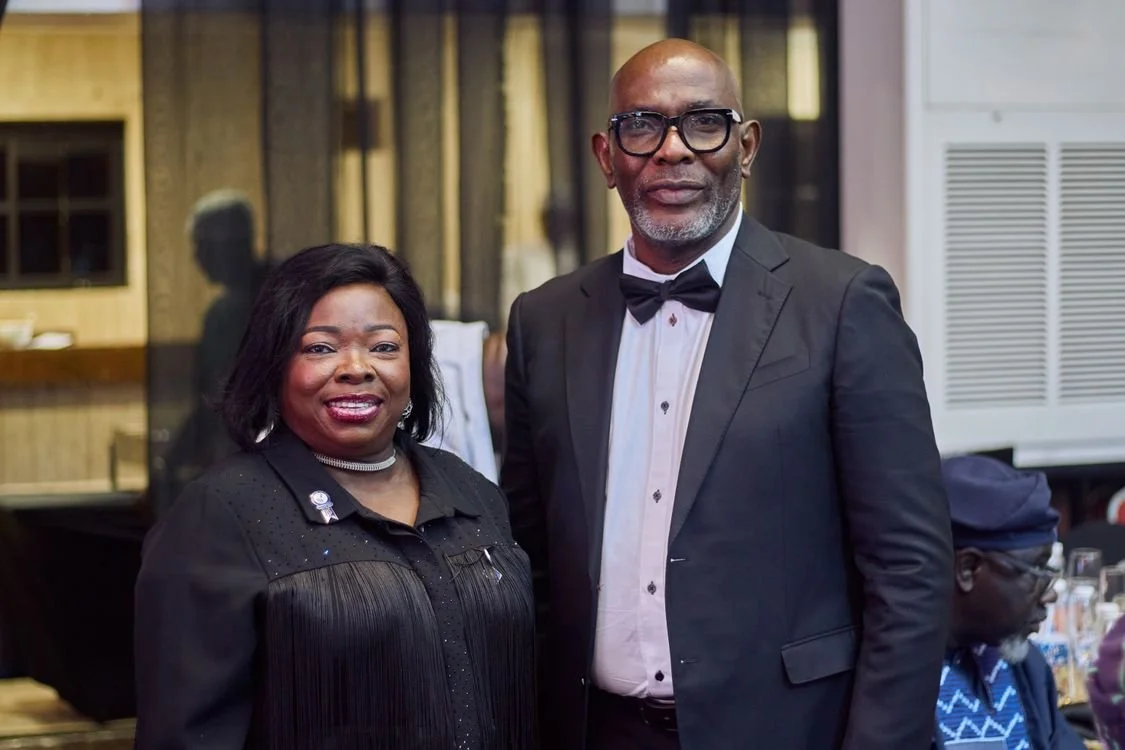
The evening typically opens with a cocktail reception and red carpet arrivals. Guests in formal wear, a step-and-repeat, sponsors who paid for visibility. This is the highest-energy ninety minutes of the night, and it is where the most-used photos come from.
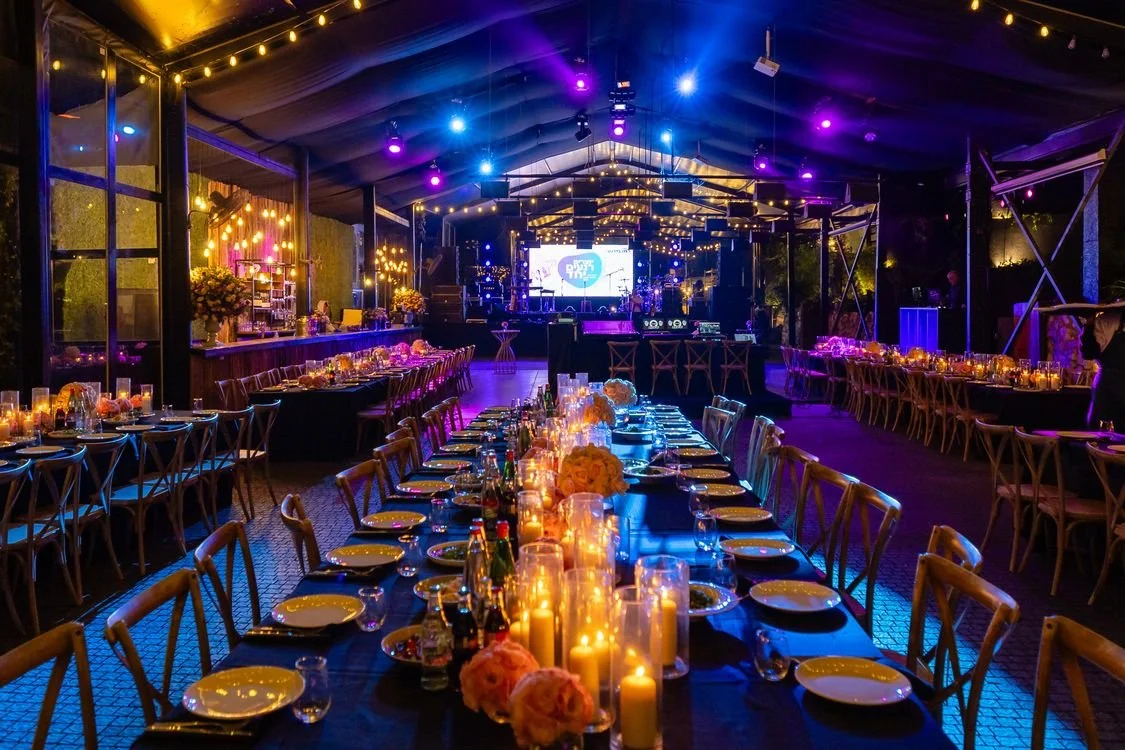
Then the room shifts to dinner. A seated program, speeches, award presentations, a live auction or paddle raise. The lighting drops. The photographer is now working in dark ballroom conditions, shooting a stage from the back of the room without disrupting the program.
After dinner, the energy comes back up. Dancing, the after-party, candids of guests actually enjoying themselves. These are the images that end up in next year's invitation and the donor thank-you campaign.
A gala photographer has to handle all three phases: the bright chaos of arrivals, the dark formality of the dinner program, and the loose energy of the after-party. That range is why experience matters more here than in almost any other event category.
I have shot galas across Los Angeles for most of my career, from nonprofit fundraisers in Pasadena to black-tie award dinners in Beverly Hills. The rooms change. The rhythm does not.
Real Gala Photography Pricing in Los Angeles
Here is what the market actually looks like in 2026.
Budget tier: $200 to $400 per hour. Solo photographer, basic editing, delivery in one to two weeks. This works for a small nonprofit gala where the photos are mainly for the website and social media. The risk is low-light capability. Ballroom dinner programs are dark, and a budget photographer without the right gear and experience will deliver grainy, unusable stage shots.
Professional tier: $500 to $750 per hour. This is where experienced gala photographers operate. Proper low-light gear, edited gallery within days, someone who knows how to shoot a paddle raise without flash-blinding the room. My rate is $750 per hour with a two-hour minimum.
Premium tier: $1,000 per hour and up. Multi-photographer teams, same-night delivery, dedicated editor. For major charity galas with celebrity guests, honorees, and press, this is the standard.
For a typical Los Angeles gala, here is the math at my rates. Cocktail reception and arrivals, two hours: $1,500. Add the dinner program and speeches, two more hours: $2,500 for the half day. Full evening through the after-party, six to eight hours: $4,500.
Most galas I shoot land in the four-to-five-hour range. Arrivals at 6 p.m., dinner program at 8, dancing until 11. That is a half-day booking at $2,500, and it covers everything the organization actually needs.
What Drives the Cost
1. Guest caliber. A gala with celebrity honorees, a step-and-repeat, and press needs a different photographer than a 150-person nonprofit dinner. High-profile guests mean higher stakes, tighter timelines, and usually same-night delivery for media. Price accordingly.
2. Low-light demands. The dinner program is the hard part. A dark ballroom, a single spotlight on the podium, no flash allowed during speeches. This is where the professional tier earns its rate. Ask any photographer you are considering to show you full galleries from dark ballroom programs, not just the bright arrival shots.
3. Same-night or next-day delivery. If your development team needs selects for the morning-after donor email, or your PR firm needs images for press before the news cycle moves on, that is rush delivery. Expect a 25 to 50 percent premium. Standard professional turnaround is three to seven days.
4. Auction and fundraising moments. The paddle raise, the live auction, the check presentation. These are the money shots, literally. They happen fast, in bad light, and they cannot be recreated. Make sure your photographer knows the program timing and is positioned for these moments. This is a planning conversation, not a luck thing.
5. Season. Gala season in Los Angeles runs roughly October through May, with peaks in the fall and around awards season. Book early during these windows. I have seen organizations pay rush rates because they started their photographer search three weeks before a 500-person gala.
The Venues That Define Gala Photography in Los Angeles
The Beverly Hilton in Beverly Hills is the classic. The International Ballroom has hosted the Golden Globes for decades, and the room is built for this kind of event. A photographer who has worked the Hilton knows the lighting plot, the stage sightlines, and where the step-and-repeat goes.
The Fairmont Century Plaza, the InterContinental downtown, and the JW Marriott at L.A. Live all run major galas. Further out, the Langham in Pasadena and the Terranea Resort in Rancho Palos Verdes host destination-feeling galas without leaving the metro area.
Each venue has its own arrival flow, its own ballroom lighting, and its own rules about where photographers can stand during the program. A photographer who has worked the room before is faster, less intrusive, and more reliable. When you are comparing quotes, ask which of these venues the photographer has actually shot. The answer tells you a lot.
How to Hire the Right Gala Photographer
Look at dark-room work first. Every photographer has pretty arrival photos. The test is the dinner program. Ask to see a full gallery from a ballroom event: the speeches, the awards, the auction. If the stage shots are sharp and well-exposed in bad light, the photographer can handle your gala.
Ask about the program, not just the hours. A good gala photographer wants to see the run of show. When is the paddle raise? Who are the honorees? Is there a step-and-repeat? The photographer who asks these questions is the one who will be in position when the moments happen.
Confirm deliverables in writing. Number of edited images, delivery timeline, format, usage rights. For a charity gala, clarify whether the organization can use the images in donor materials, annual reports, and next year's marketing. Most professional photographers include this. Get it in the contract anyway.
Talk about the donor angle. Gala photos have a fundraising job. The images from this year's gala sell next year's tables. Tell the photographer that. The best gala photographers shoot with the invitation, the annual report, and the donor wall in mind, not just the night itself.
The Nonprofit Budget Question
I shoot a lot of charity galas, so let me address the question every development director asks: can we get a discount because we are a nonprofit?
Here is my honest answer. I do not discount the rate, because the work is the same work. A 500-person gala takes the same hours, the same gear, and the same skill whether the organization is a nonprofit or a corporation. What I will do is help you scope smartly. Maybe you do not need eight hours. Maybe four hours covers arrivals through the auction, and that is everything the development team actually needs. A good photographer helps you spend less by scoping right, not by cutting the rate.
The other thing I tell nonprofits: the photography is a fundraising asset, not an expense. The paddle raise photo goes in the annual report. The honoree portrait goes on the donor wall. The arrival shots sell next year's tables. Budget for it the way you budget for the venue, because it does the same job.
Putting It Together
A gala is one of the highest-stakes events a photographer can shoot. The room is full of donors, honorees, and board members. The photos have a fundraising job that lasts all year. And the whole thing happens in one evening with no second chances.
Hire the photographer whose dark-ballroom work holds up. Send the run of show before you ask for a quote. Put the delivery date in writing. And scope the hours to what you actually need, because four well-planned hours beat eight unfocused ones.
If you are planning a gala in Los Angeles, contact me with your date and venue. I will give you a straight quote and an honest read on what your event needs. My corporate event photography page covers rates and services in detail, and if your gala includes VIP or celebrity guests, my celebrity photography pricing guide breaks down that side of the work.
FAQ
How much does a gala photographer cost in Los Angeles? Professional gala photography in Los Angeles costs $750 per hour with a two-hour minimum. Most galas need four to five hours of coverage, which is $2,500 for a half day. A full evening through the after-party (8 hours) is $4,500.
How far in advance should I book a gala photographer? Book two to three months ahead for standard galas. During peak gala season (October through May, especially awards season), book three to four months out.
Do gala photographers offer nonprofit discounts? Policies vary. Rather than discounting the rate, many professional photographers help nonprofits scope efficiently, so you pay for the hours you actually need. Ask for a scoping conversation before you ask for a discount.
When will I receive the gala photos? Standard professional turnaround is three to seven days for the full edited gallery. Same-night or next-morning delivery for press and donor communications is available as a rush service.
What should the photographer know about my gala program? Share the run of show: arrival times, honoree presentations, auction or paddle raise timing, and any step-and-repeat or press arrangements. The photographer uses this to plan positioning for the key moments.