How to Buy a Used Camera Without Getting Scammed: A Pro's 2026 Checklist
If you want to know how to buy a used camera without getting burned, you are asking the right question at the right time. Camera prices keep climbing. A new flagship body like the Canon EOS R5 costs around $3,000 before you even think about lenses, and the used market is where working photographers quietly stretch their budgets further. But a used camera is only a bargain if it works. This guide gives you a proven, step by step process for buying second hand gear with confidence, plus the 9 point inspection checklist I use whenever gear changes hands.
Watch the video first. It comes from Videomaker, an established photography publication, and it walks through the same ground from a retailer's perspective: why buying used saves money, what condition ratings mean, and why a six month warranty changes the risk math. Everything below goes deeper.

On this page
- Why used is the smartest money in photography
- Where to buy a used camera safely
- The 9 point used camera inspection checklist
- Red flags that mean walk away
- My take: what 27 years of buying gear taught me
- FAQ
- Book your session
Why used is the smartest money in photography
Cameras are one of the worst depreciating assets you can buy new, and one of the best values you can buy used. Bodies typically lose 20 to 30 percent of their value in the first year or two, then settle into a long, gentle decline. The image quality does not decline with the price tag. A five year old professional body still takes the same photographs it took the day it was unboxed.
There is a second reason that matters more in 2026: the best value in photography has always been glass, and used lenses hold value even better than bodies. Pro lenses bought used often resell for close to what you paid, which means the real cost of owning them is close to zero. Spend new money on the body when you must, and spend used money on everything else.
The third reason is personal to my career. When I was 18, I shot the Teen Choice Awards on my dad's Nikon Coolpix 950, a 2.1 megapixel camera, while every other photographer on the red carpet was shooting film. The magazines thought digital was not good enough. But I was the only one who could deliver the images that night, and a publicist paid me $1,250 for a single photo. The lesson stuck: the camera is a tool. The execution is the product. A used body in the hands of a photographer who knows how to direct, light, and deliver is worth more than a new flagship in the hands of someone who does not.
Where to buy a used camera safely
Where you buy matters almost as much as what you buy. Every source has a different risk profile, and the price should reflect it.
Graded retailers: the lowest risk
Specialist used dealers like MPB and KEH buy, inspect, and grade every item individually. MPB added more than 5,000 pieces of gear in a single recent week, and each listing carries a condition rating with photos of the actual item, so what you see is what you get. DigitalCameraWorld notes that these retailers typically include a six month warranty, which is the single biggest risk reducer in used buying. You pay a little more than the private market. You get a warranty, a return window, and no mystery.
eBay and marketplaces: good deals, higher risk
You can find real bargains here, but the work shifts to you. DigitalCameraWorld's advice is direct: check the seller's user score and recent feedback comments, and treat a low score or negative comments as an instant red flag. Read the listing the way a lawyer reads a contract. Ask for the shutter count, a recent sample image, and photos of the mount, sensor area, and LCD before you commit.
Local camera shops: the inspection advantage
A good local shop lets you do the full hands on inspection described below, on the spot, with no shipping risk. Many shops also stand behind what they sell with a short warranty or return policy. If you are buying your first used body, this is the easiest place to learn what good condition actually feels like in your hands.
Facebook Marketplace and private sellers: the danger zone
This is where the best prices and the worst scams live side by side. DigitalCameraWorld warns that private sellers offer no recourse if a fault appears down the road, and advises checking when user accounts were created on Facebook Marketplace. A recently created account is a likely scammer. If an offer feels too good to be true, it usually is. Never pay before you have the camera in your hands, and meet in a safe, public place.
The 9 point used camera inspection checklist
Print this mentally before every purchase. It takes about ten minutes and it has saved me from bad deals for decades. The steps draw on published inspection guides from DigitalCameraWorld and ShutterCounters, refined by my own on set experience.
1. Check the shutter count
The shutter count is the odometer of a camera. It tells you how many times the mechanical shutter has fired. ShutterCounters cites manufacturer ratings of roughly 100,000 actuations for entry level bodies, 150,000 to 200,000 for enthusiast bodies, and 400,000 to 500,000 plus for professional bodies. Ask the seller for a recent file and read the count yourself with a free tool like camerashuttercount.com or ShutterCheck. Two caveats from ShutterCounters: a low shutter count does not prove a camera was lightly used, since video work and electronic shutter shooting do not add clicks, and the rating is a statistical average, not a self destruct timer.
2. Test the sensor
Set the aperture to f/16 or f/22, photograph a clear sky or white wall, and inspect the file at 100 percent on a computer. Dark spots that move when you clean are dust and are harmless. Spots that do not move can be dead pixels or scratches, which are permanent. This single test reveals more about the camera's real condition than any cosmetic check.
3. Inspect the body for impact damage
Cosmetic wear is fine. Professional cameras earn their scars. What you are looking for is evidence of a drop: dents, cracks around the mount, or misaligned seams. DigitalCameraWorld flags serious dents as a possible sign the camera has taken a tumble, which can cause internal damage that shows up months later. Paint wear means heavy use. Dents mean an accident.
4. Check battery health
This one gets skipped constantly. In the camera menu, most models show battery recharge performance, which tells you how much life the cells have left. Replacement batteries are expensive. A Canon LP-E6NH runs about $114, and pro batteries can cost far more. Check every battery in the bundle, not just the one in the camera.
5. Inspect the lens elements for fungus
Hold the lens up to a light and look through it from both ends. You are hunting for wispy, spiderweb like strands on the internal elements, which is fungus. A small amount on the front element may wipe off, but established fungus etches the glass and cannot be fixed without replacing the element. Lenses stored in dark, damp places are the usual victims. When in doubt, walk away.
6. Test the focus and zoom rings
The rings should turn smoothly, with consistent resistance. Stiff or crunchy rings can mean the lens needs servicing. Rubber zoom and focus rings can also go sticky with age, which usually means replacement parts. Neither is automatically a deal breaker, but both are costs, and they belong in your price negotiation.
7. Verify autofocus and stabilization
Mount the lens, pick a target, and test autofocus at several distances. Then enable image stabilization and confirm it engages. Take shots at multiple apertures and look for soft spots, which can develop if a lens has been dropped. Use the depth of field preview button to stop the aperture down and confirm the blades close smoothly without sticking.
8. Check the LCD, buttons, and ports
Look for dead pixels or discoloration on the rear screen. Press every button and turn every dial. ShutterCounters notes that mushy buttons or loose dials often indicate heavy usage or moisture exposure, regardless of what the shutter count says. Check the USB, HDMI, and card doors for damage, and confirm the lens mount shows no excessive brassing, which suggests the camera lived with heavy lenses attached.
9. Verify the serial number and what's in the box
Use a serial number checker to confirm the camera is legitimate and not a grey import or counterfeit. DigitalCameraWorld reports that scammers have passed off cheaper models as flagship bodies by swapping badges, so match the serial against the model. A complete kit, box, charger, caps, hood, manual, retains more resale value, and every missing accessory is a bargaining chip for a lower price.
Red flags that mean walk away
Some listings are not worth the inspection time. Walk away when the price sits far below every comparable listing on MPB or eBay. Walk away when the seller refuses to provide the shutter count or a recent sample image. Walk away from fungus on internal elements, a cracked LCD, or a mount that does not lock smoothly. Walk away from new accounts with no history selling expensive gear. And walk away from any seller who pressures you to pay before inspection. There will always be another camera. There will not always be another $1,500.
My take: what 27 years of buying gear taught me
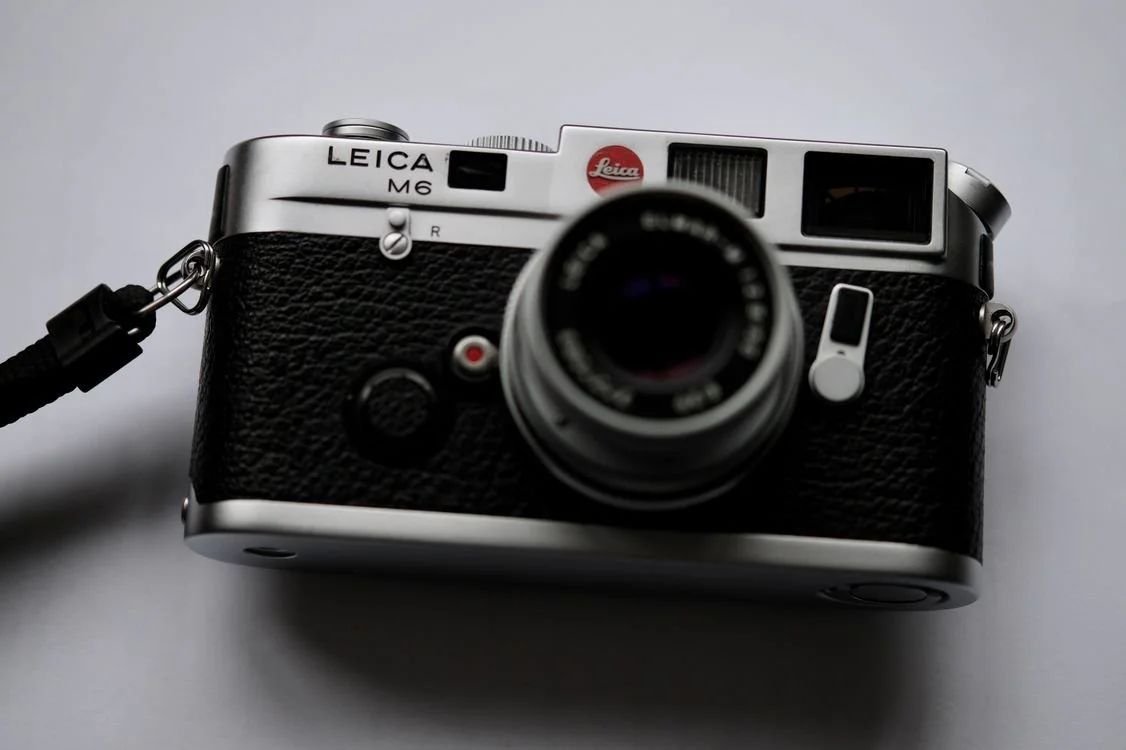
I have bought cameras new, used, from retailers, from other photographers, and once from a guy in a parking lot in Miami who turned out to be completely legitimate. Here is what the experience actually taught me.
First, buy the photographer, not the spec sheet. Every generation of camera is capable of professional work. I made real money with a 2.1 megapixel point and shoot because I was in the right room with the right access and I could deliver. I write about this in my book: the Teen Choice Awards job worked because I understood the assignment, not because of the camera. When you are shopping used, stop chasing the newest body and start chasing the body that lets you do the work. A previous generation flagship beats a current entry level body almost every time, and on the used market it often costs less.
Second, spend your used budget on lenses first. Bodies are computers with a shutter attached, and computers age. Lenses are glass and metal, and good glass barely ages at all. Some of the finest lenses I have shot with were bought used, including rangefinder glass for my Leica bodies. A used 50mm f/1.4 that costs half of new will still be worth close to what you paid in five years. No body can say that.
Third, inspect like a pessimist and negotiate like a friend. Assume every used camera has a flaw, find it, and then decide if you care. Cosmetic wear is a discount, not a defect. A missing charger is ten dollars off. A high shutter count on an otherwise clean body is leverage, not a verdict. But be decent about it. The photography community is small, and the seller you lowball today is the assistant you hire tomorrow.
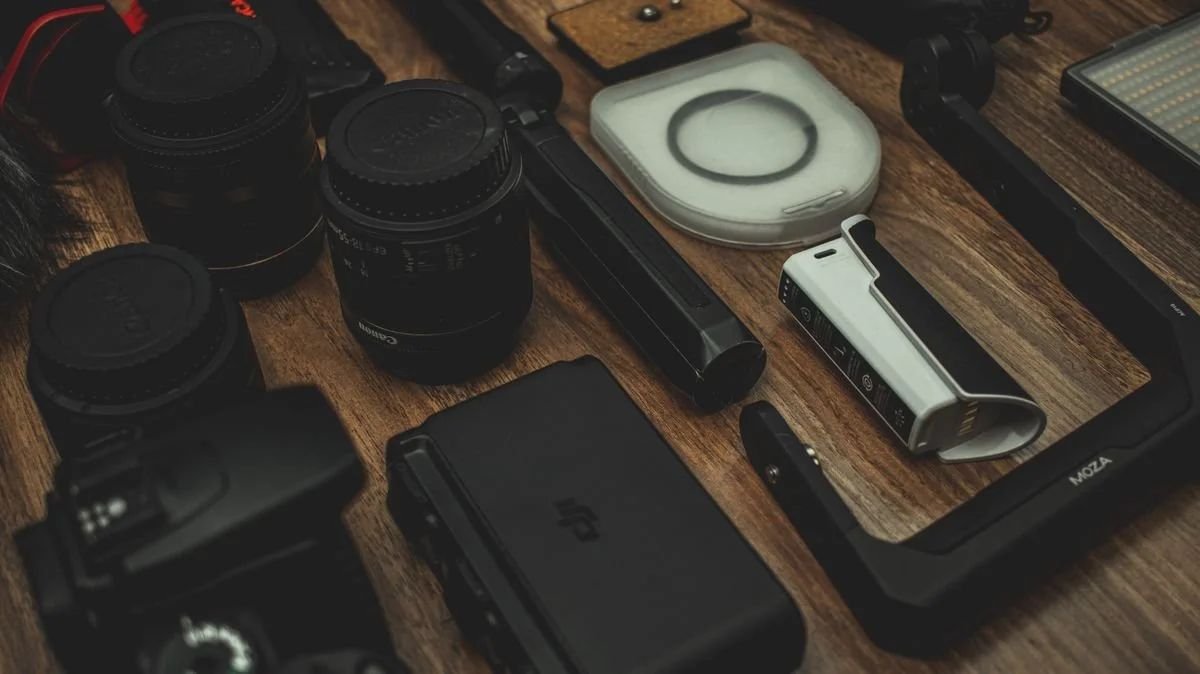
Fourth, remember that the cheapest camera is the one you already own. If your current body still focuses, still exposes, and still delivers files your clients accept, the upgrade can wait. I have watched photographers buy their way out of a skill problem for 27 years. It has never worked. The discipline I wrote about in my book, practice constantly, analyze every shoot, under promise and over deliver, is what makes images valuable. The camera just records it.
That is also why I take on portrait and headshot clients at every stage of my own gear cycle. If you are in Los Angeles and want images that do real work for your career, book a session here. And if you are deciding what your photography business should charge now that your gear costs less, read my guide on how to raise photography prices for 2027. For a look at what my own main system looks like today, my Leica M11 review breaks down why I shoot the way I do.
FAQ
Is it safe to buy a used camera?
Yes, when you buy from the right source and inspect properly. Graded retailers like MPB and KEH include warranties and condition ratings. Private sellers carry more risk, so run the full 9 point inspection before you pay and never pay before you have the camera in hand.
What is a good shutter count for a used camera?
It depends on the camera class. ShutterCounters rates entry level bodies around 100,000 actuations, enthusiast bodies 150,000 to 200,000, and professional bodies 400,000 to 500,000 plus. For an enthusiast body, anything under 50,000 clicks has years of life left. Remember that video use and electronic shutter shooting do not add to the count.
Where is the best place to buy a used camera?
For most buyers, a graded retailer like MPB or KEH offers the best balance of price and protection, with inspected items, condition ratings, and a six month warranty. eBay works if you vet the seller's feedback carefully. Local camera shops are best when you want to inspect in person. Be most cautious on Facebook Marketplace.
Should I buy a used lens or a used camera body first?
Buy the lens first. Good lenses hold their value far better than bodies and degrade more slowly. A used professional lens often resells for close to what you paid, while bodies lose 20 to 30 percent in the first years. Spend used money on glass, new money on bodies when you must.
What should I check when buying a used camera in person?
Run the 9 point checklist: shutter count, sensor test at f/16 on a white wall, body impact damage, battery health in the menu, lens fungus check with a light, smooth focus and zoom rings, autofocus and stabilization test, LCD and button check, and serial number verification. Bring a laptop so you can inspect test files at 100 percent.
Book your session
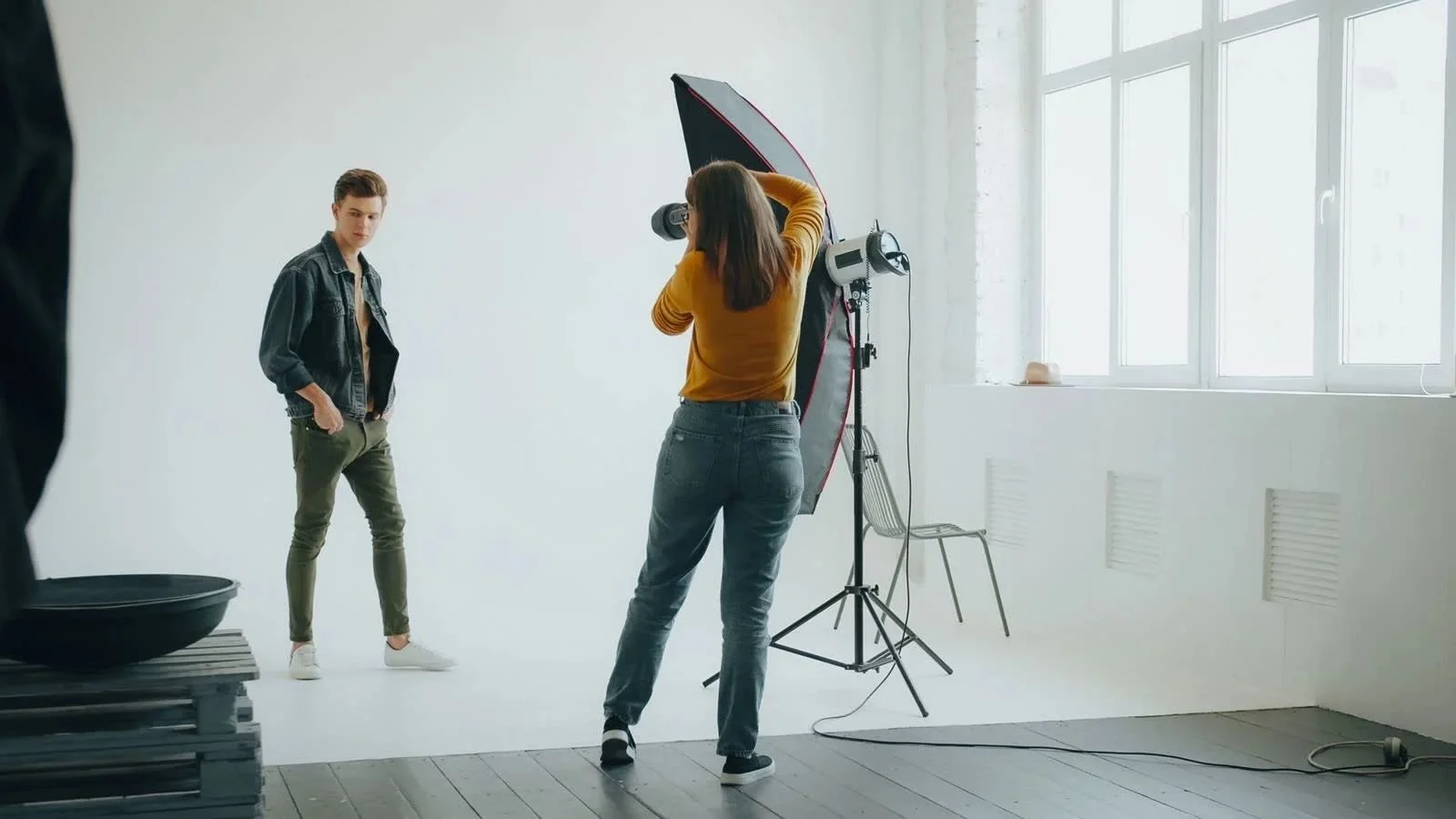
The right gear matters, but the photographer matters more. I have spent 27 years photographing more than 300 celebrities for GQ, Vogue, InStyle, and People, and every session gets the same discipline I bring to a magazine cover. If you need headshots, portraits, or editorial photography in Los Angeles, book your session and let's make images that work as hard as you do.
What is the best used camera deal you have ever found? Tell me in the comments.