Most camera reviews are written after a weekend. This one is different. Photographer and educator Dave Herring spent more than 200 days shooting the Leica M11 on real professional assignments around the Bay Area, from commercial sets to a Venice Beach skate park session, and his review is the kind of long term report that actually answers the question buyers care about: what is this camera like to live with?
Watch his full breakdown here, then read on for my summary of the key points and my own take as someone who has shot Leica rangefinders for years.
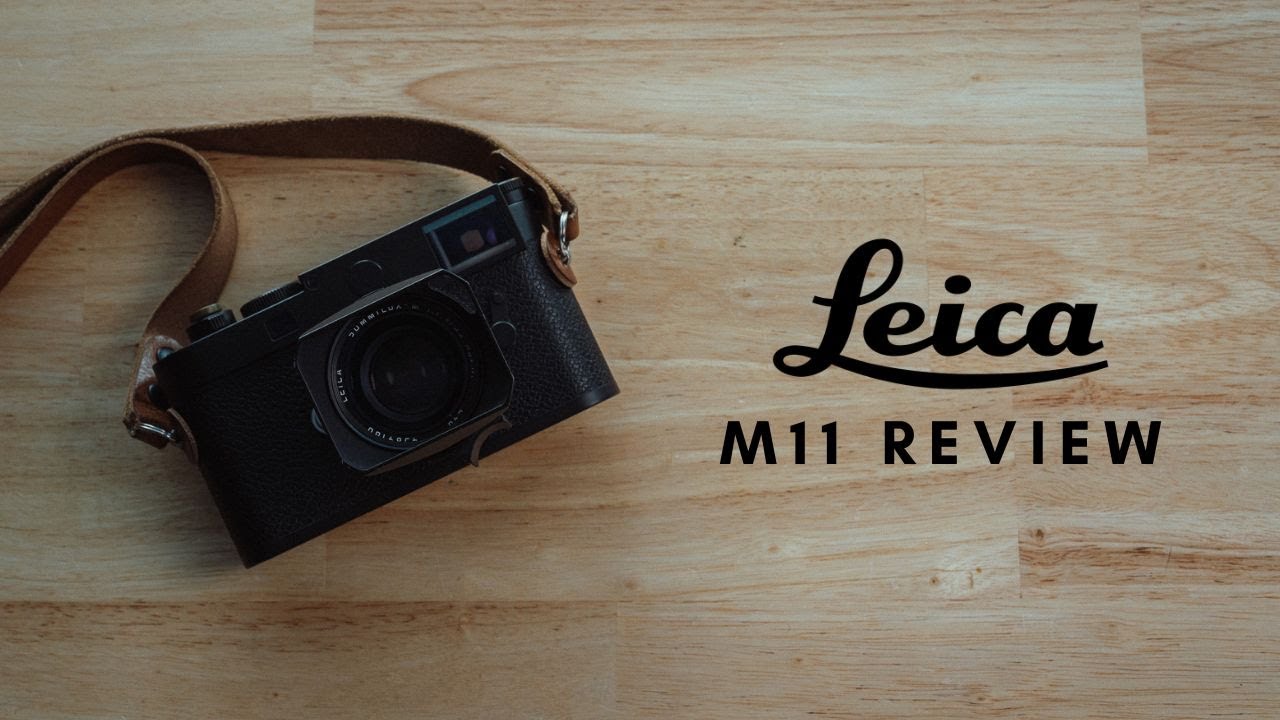
The 60MP triple-resolution sensor
The headline spec is the 60.3 megapixel full frame backside illuminated sensor, and Herring confirms it delivers some of the most stunning files he has ever seen. What makes the M11 unusual is its triple resolution technology: it shoots full resolution 60MP DNG files, but can also capture 36MP or 18MP files using the entire sensor surface, which gives better low light performance and smaller files when you do not need every pixel. For commercial work, Herring points to the practical payoff: the cropping power. A 60MP file lets you recompose aggressively in post and still deliver a sharp, printable image, which is a genuine working advantage, not just a spec sheet number. Leica's own spec sheet lists the three DNG resolutions at 60.3, 36.5, and 18.4 megapixels.
Battery life that actually keeps up
One of the biggest quality of life upgrades over older digital M bodies is the battery. Herring calls the battery life game changing, and the numbers back him up: the M11 is rated for around 700 shots per charge under CIPA testing, and Leica's own testing has shown far higher real world figures. For a rangefinder you shoot with the optical viewfinder most of the day, that means a full professional day without battery anxiety, which was never a given with earlier digital Leicas.
The honest flaws: freezing, magenta shift, and "please wait"
Herring does not gloss over the problems. Early firmware had freezing issues, which he addresses directly and reports as largely resolved through updates. He notes a magenta shift in skin tones from the modern sensor, something portrait shooters will want to watch for in their color workflow. He also flags viewfinder oddities, including red framelines behaving unexpectedly, and the processor occasionally falling behind during fast shooting and playback, greeting you with a "please wait" message at the worst moment. His verdict still lands positive, but it is an earned positive: a camera that asks you to trust it, and mostly rewards that trust.
My take, after 27 years behind the camera
I shoot Leica rangefinders myself, including M series bodies, so I watched Herring's review nodding along. The rangefinder experience he describes, the deliberate pace, the manual focus, the way the camera gets out of your way and forces you to see, is exactly why I keep reaching for these cameras after 27 years as a working photographer.
Here is what I would add from my own career. First, the freezing complaint and the "please wait" delays are real, and they are the tax you pay for a camera that prioritizes the shooting experience over computational brute force. Every camera system has a tax. The question is whether the tax is worth the images, and with Leica glass on a 60MP sensor, it usually is. That said, if your work depends on spray and pray autofocus, a rangefinder will punish you. Know your assignment before you choose your tool. That is a lesson I learned early: the camera has to serve the job, not the other way around.
Second, Herring's point about trusting the modern metering stuck with me. I came up shooting film, and I learned exposure the hard way. But here is a story I do not tell often. Back in 2000, I covered the Teen Choice Awards with a Nikon Coolpix 950, a 2.1 megapixel digital camera, at a time when every other photographer in the room was shooting film. They thought digital was a toy. But I could deliver images the same night over a 56k modem while everyone else was still developing film and printing slides. The publicist was so impressed she paid me for the shot on the spot. The lesson was not that new technology is always better. The lesson was that understanding your tool, whatever era it comes from, is what creates the opportunity. The M11 rewards exactly that kind of deep familiarity.
Third, and this is the one that matters most: no camera makes you a better photographer. Practice does. Early in my career I spent four months in Miami shooting three to four models a day, every day, hundreds of sessions back to back. That volume taught me more about light, skin tones, and directing people than any gear upgrade ever has. A Leica M11 in the hands of someone who shoots every day will produce magic. The same camera in the hands of someone who shoots twice a year produces expensive snapshots. Buy the camera if it inspires you to shoot more. That inspiration is real and it counts. Just do not expect the red dot to do the work.
Leica M11 review FAQ
Is the Leica M11 worth it? It depends on what you value. At around $8,995 for the body alone, it is a serious investment. If you prioritize specs per dollar, autofocus, or video, better options exist for less money. If you value the rangefinder shooting experience, exceptional build quality, legendary M lenses, and that distinctive Leica look, reviewers consistently say it is worth every penny. Try one before you buy if you can.
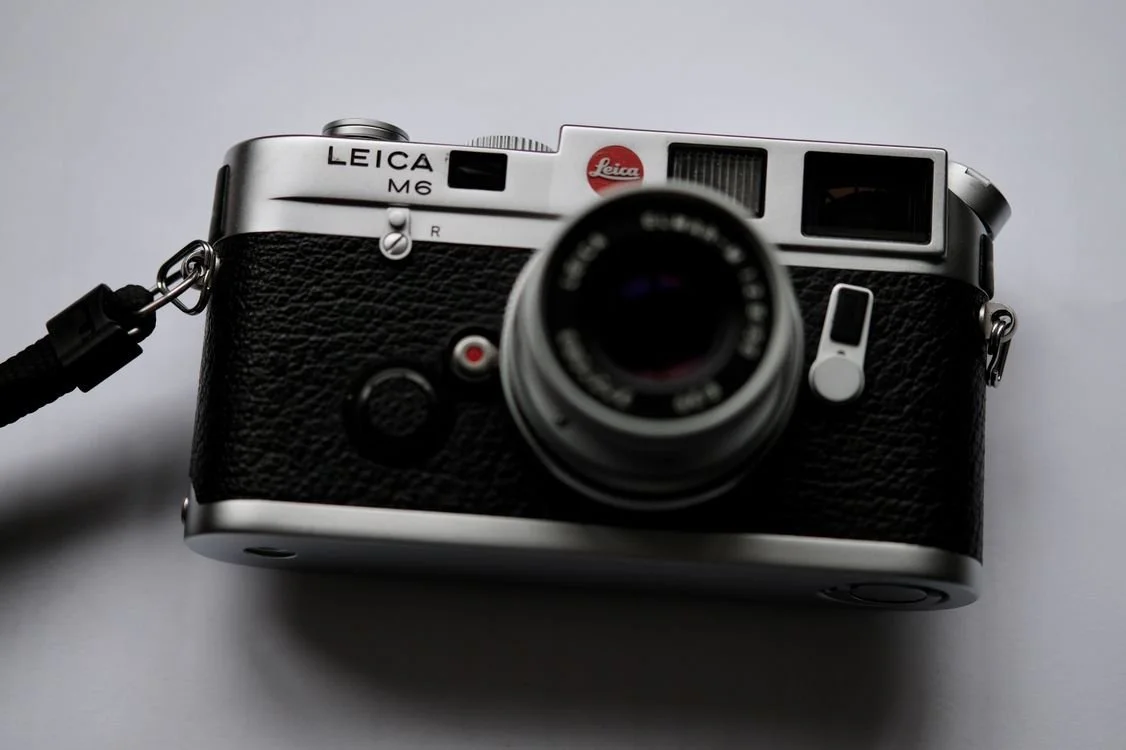
Does the Leica M11 have autofocus? No. Like every digital M camera, the M11 is manual focus only, using the traditional optical rangefinder with framelines for 28, 35, 50, 75, 90, and 135mm lenses. There is no autofocus and no in body image stabilization, and it does not record video. That is the point: it is a pure stills photography camera.
Is the Leica M11 good for beginners? Honestly, probably not as a first camera. Manual rangefinder focusing takes real practice, the 60MP sensor is unforgiving of focusing errors, and the price is steep. A better path is to learn exposure and composition on a simpler camera first, then move to a rangefinder when you want the deliberate, slowed down shooting style it teaches.
Should you buy the Leica M11?
If you are a working photographer or a serious enthusiast who loves the rangefinder process and wants one of the finest digital shooting experiences available, yes. The 60MP sensor, the battery life, the 64GB of internal storage, and the sheer pleasure of the thing make it the most refined digital M Leica has built. If you need autofocus, video, or a forgiving learning tool, look elsewhere without shame.
And whatever camera you shoot with, remember the real variable is the photographer. If you need a photographer who brings 27 years of craft to every frame, from celebrity portraits to full productions, get in touch to book a session. You can also browse my portfolio to see what that experience looks like in the finished work.
Now I want to hear from you: what is the one camera that changed the way you shoot? Tell me in the comments.