Choosing a corporate photographer looks simple until you're staring at twenty portfolios that all look the same. Same gray backgrounds, same confident smiles, same promises. I've been on the other side of this for 27 years, shooting executives and teams for companies like Bank of America and Qatar Airways. Here is how to choose well, and how to avoid the expensive mistakes I watch companies make.
Look at Who They've Actually Shot
They should look at who the photographer shot and see what type of clientele they're used to working with. This is the first filter, and most companies skip it. They look at pretty pictures instead of asking who those pictures were for.
Look at their corporate photography section and see if they've shot executives. Shooting executives is not the same as shooting celebrities or artists. I do both, and they are different jobs with different muscles.
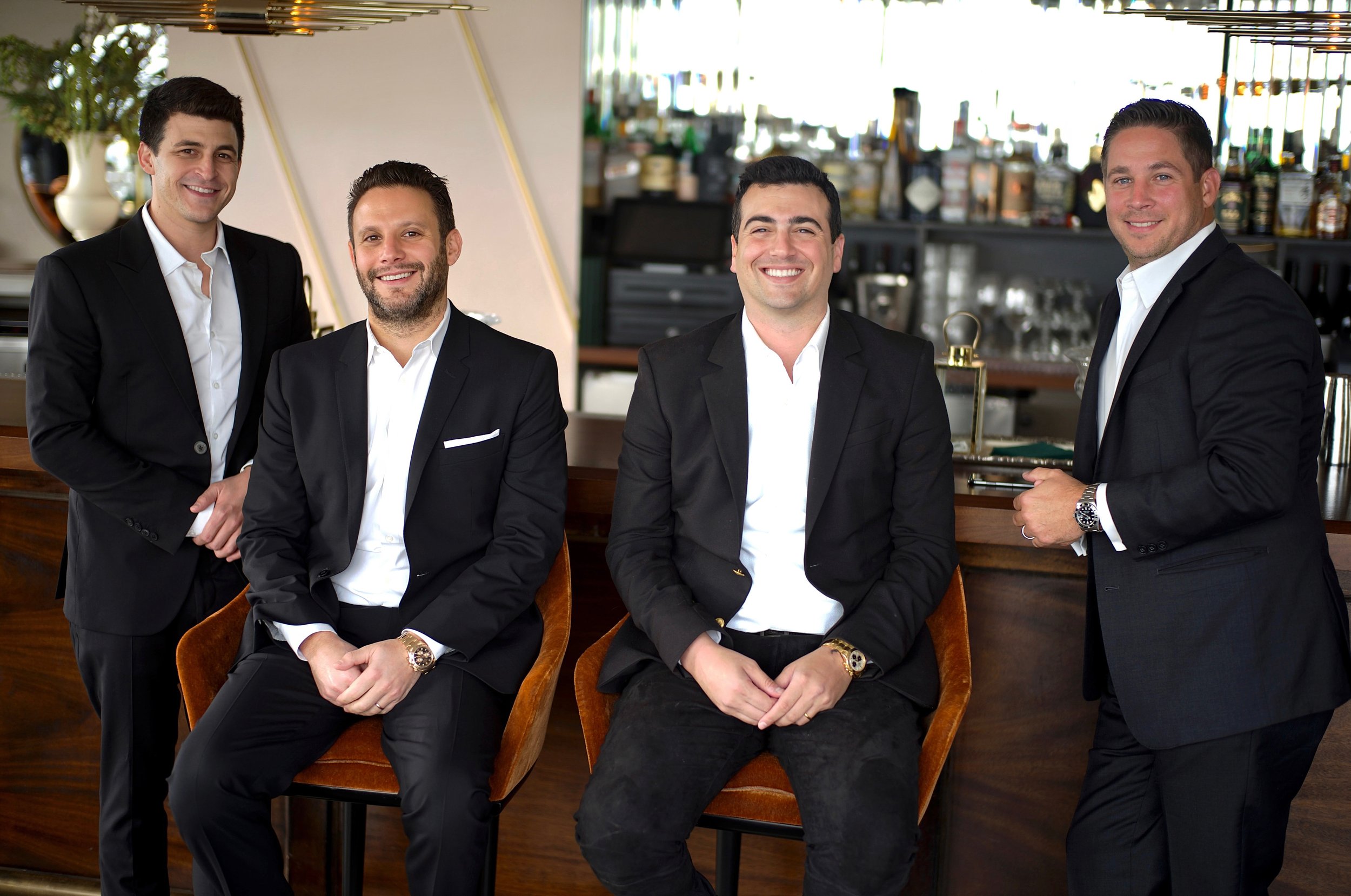
With celebrities I push a lot more. I'll make them do crazy things, put them in fun environments, have them wear crazy clothes. The whole point is energy and edge. With executives, I'm looking for a clean look. Generally they're going to wear a suit or something corporate. Corporate suits are not the most exciting thing, but they do provide a professional image for the company. It's very important.
Corporate photography has a very simple style: brightly lit and confident. If a photographer's portfolio is all moody artist portraits and no boardroom-ready headshots, keep looking. They might be a brilliant photographer. They are not your corporate photographer.
Ask These Questions Before Booking
Before anyone signs anything, ask the direct questions:
- Have you shot corporate headshots before, and how many people have you shot?
- Do you have experience shooting teams?
- Can I see your corporate portfolio, not just your creative work?
The team question matters most. One executive portrait is a different skill from 200 consistent headshots in a day. A photographer who has done beautiful single portraits but never run a team day will drown in the logistics. Ask for the number. Someone who has shot thousands of corporate headshots will answer without hesitating.
Also ask to see the corporate work specifically, separated from everything else. A mixed portfolio hides weaknesses. A dedicated corporate gallery shows you exactly what your team page will look like.

Budget Honestly
Companies should budget about $5,000 to $10,000 for corporate headshots. If they pay anything lower, they're probably going to get low quality.
That range covers the lighting system, the crew, the coordination, and the experience to make every person look good. It is not just shutter clicks. It is the coordinators who keep 200 names straight, the makeup artists who keep everyone camera-ready, the assistant watching the technical side, and the photographer who has done this enough times that nothing rattles him.
Here is what the low bid actually buys. An inexperienced photographer with no crew, no system, and no backup plan. Files delivered late, inconsistently lit, poorly organized. Then the company pays again to fix it, or lives with a team page that embarrasses them. The honest budget is almost always less than the low bid plus the repair.
Don't Micromanage the Shoot
As a photographer, it's fine if the client tells me in general what they want. The general direction is essential. I need to know the feeling, the brand, the must-haves.
But after that, if they start getting more detailed and picky, a lot of times it turns into micromanaging and it doesn't make any sense. The client starts art-directing individual frames, repositioning lights they don't understand, and slowing everything to a crawl. The photographer stops creating and starts obeying, and the work gets worse by the hour.
Tell the photographer what you want in general, then let the photographer put everything together. That is what you hired them for. The companies that do this have the smoothest shoots. Bank of America, Qatar Airways, so many others. Generally, if the client listens to me, everything is very smooth and they have nothing to worry about.
Trust is a business decision. You vetted the portfolio, you checked the references, you paid the rate. Now let the professional work.
Nail Down the Deliverables in Writing
Make sure the deliverables are solid. State when the deliverables are going to happen and exactly what the deliverables are. Vague agreements produce vague results.
Expect a 48-hour turnaround of raw images. That is the professional standard for corporate work. If you want it faster, expect to pay a rush fee. That is standard too. Rush work means the photographer drops everything else and edits through the night, and that has a price.
Get all of this in the contract before the shoot day, not after. The contract should say what you receive, when you receive it, in what format, and what happens if timelines slip. Professionals will not flinch at any of this. Anyone who gets evasive about deliverables is telling you something.
Always Ask About Retouching
Companies should always ask about retouching. Sometimes it is included and sometimes it's not. This is one of the most common sources of disappointment I see, because companies assume and photographers assume differently.
Usually you include one image per person, but that could all be negotiated in the contract. One retouched hero image per person is the industry norm: the file that goes on the website and LinkedIn, cleaned up and polished. Everything beyond that, additional images per person or heavy reshaping, is negotiable.
Do not assume. Get it in the contract alongside the deliverables. Ask what retouching means to them, specifically. Skin cleanup and stray hair removal are standard. Anything that changes how the person actually looks should be discussed openly.
The Companies That Do It Right
Oh, there's so many stories of corporate shoots I've done that have gone amazing because people listen. I can't even name them all. Bank of America. Qatar Airways. So many.
The pattern is always the same. The client briefs the vision clearly, hires the right team, and then gets out of the way. Everything runs on schedule. Nobody is stressed. The files arrive on time and look great. The client has nothing to worry about because there was never anything to worry about. Good planning plus trust equals a smooth day. Every time.
The One-Sentence Version
Look at their portfolio.
If the work is consistent, the backgrounds are thoughtful, and the executives look confident rather than stiff, you've found your photographer. Everything else, the questions, the budget, the contract, supports that one judgment. But the judgment starts and ends with the work.
The Short Version
- Check they shoot executives, not just creatives. Different clientele, different style.
- Ask about headshot volume and team experience specifically. Get a number.
- Budget $5,000 to $10,000. Below that, expect low quality and a repair bill later.
- Brief the vision clearly, then stop micromanaging. Trust the professional.
- Get deliverables, timing, and retouching in writing before the shoot.
- 48-hour turnaround is standard; faster costs extra.
- One retouched image per person is the norm; negotiate the rest.
- Look at the portfolio. The work tells the truth.
David Christopher Lee is a corporate photographer in Los Angeles with 27 years behind the camera, shooting executive headshots and team photography for companies across 40 countries. https://dclee.net