People think photographing famous people is some crazy experience. In the end they're people too, so I just like to treat celebrities like real people. That is the whole secret, and it has worked for 27 years. Everything else, the access, the productions, the stories, flows from that one decision.
How I Got In
I won a national writing competition when I was 17, and the prize was writing articles for Seventeen magazine. I was writing movie reviews and CD reviews, and I asked my editor if I could cover the Teen Choice Awards for her. I also told her I had a digital camera. It happened that she was looking for a digital photographer, so she hired me.
That's how I became the official digital photographer of the Teen Choice Awards. That's where I met all the celebrities. Then I started shooting other award shows, met more celebrities, and that's how I got into the whole world.
No film school. No connections. No famous uncle. A writing contest and a digital camera, plus the nerve to ask for the assignment. People want a secret formula for breaking into celebrity photography, and that is the most honest version of mine. Be useful, be in the room, and say yes before you feel ready.
Celebrities vs. Regular Clients
A celebrity has many gatekeepers and handlers, so it can be very difficult at times. A lot of times things don't make sense and there's a lot of red tape, but it comes with the territory.
Think about what a shoot actually involves. With a regular client, you discuss the concept directly with the person being photographed. With a celebrity, there is a publicist, a manager, sometimes a stylist with strong opinions, a label or studio with approval rights, and a schedule built around five other commitments that day. Every decision passes through layers. Things that should take a minute take an hour. That is not anyone's fault. It is the structure of fame.
Shooting a real client is generally pretty easy because it's very direct. You talk to the person, you shoot the person. With a celebrity, you talk to four people before you talk to the person.
Once you're actually shooting, though, it's the same job. Usually celebrities are pretty professional. It's not their first photo shoot, so they're generally relaxed. They know their angles, they know how to move, they know how to give you what you need. I haven't really had any trouble. The difficulty is all in the access. The photography itself is the reward.
The Jamaica Story
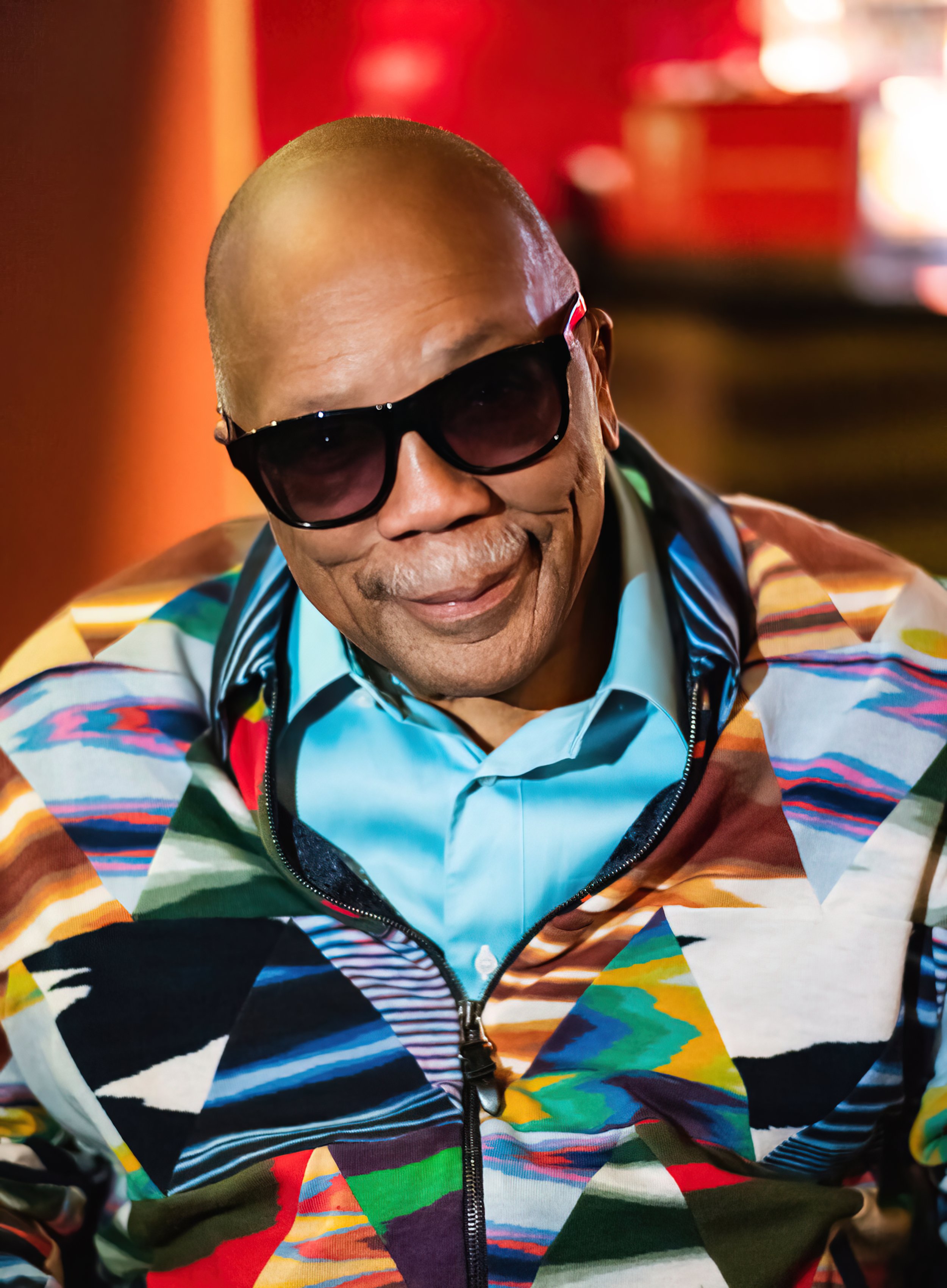
I was doing a celebrity shoot in Jamaica and I asked for five things. I asked for a Rolls Royce, a camel, a private jet, a mansion, and an exotic animal. I also asked for a helicopter. I ended up getting all of those things.
Read that list again. A camel. In Jamaica. And it showed up.
That taught me the most valuable producing lesson of my career: if you don't ask for something, you don't get it. Producers can move mountains when the talent wants the shot. The resources that exist around a celebrity production are almost unbelievable, but nobody volunteers them. You have to name what the image needs, specifically and without embarrassment, and then let the machine work.
I have carried that into every shoot since, famous or not. Ask for the helicopter. The worst answer is no, and the best answer is a camel walking onto your set in Jamaica.
The Rules
A photographer should never drink alcohol in front of a client. Never talk to them in a demeaning way. Be polite and treat them with respect.
That sounds obvious, but sets are long, people get comfortable, and lines blur. The photographers who last are the ones who never blur them. You are in a position of strange intimacy with famous people. You see them tired, unguarded, mid-transformation. How you carry yourself in those moments determines whether you ever get invited back.
Respect is also practical. A comfortable celebrity gives you better photographs. A guarded one gives you nothing. Every choice you make on set either builds trust or spends it.
Paparazzi Are Not Portrait Photographers
People confuse the two, and the confusion insults one of them. The paparazzi is just meant to get the shot of the celebrity in a scandalous situation or coming out of a premiere or an event. It is opportunistic by design. No concept, no collaboration, no craft beyond the long lens.
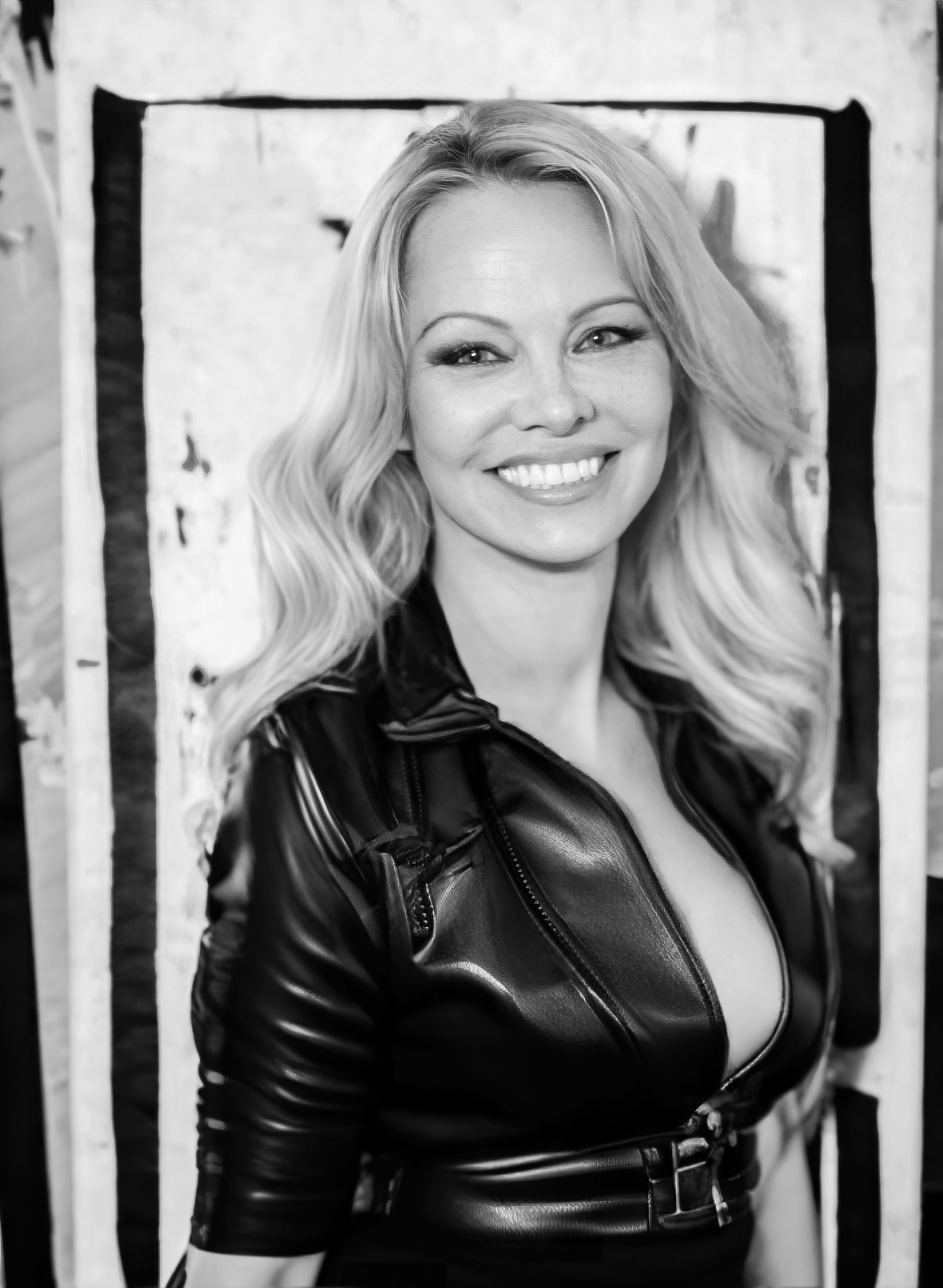
A portrait photographer actually sets everything up, comes up with the ideas, deals with the styling. It's a customized high-end job. Every element is chosen: the light, the wardrobe, the location, the mood, the story the image tells. The celebrity is a collaborator, not a target.
Paparazzi is just somebody with a camera. A portrait photographer is somebody with a vision. The difference is everything.
How to Break In
Figure out how to get to the most high-profile celebrity events. If you can't get to the high-profile ones, get to a beginner one. Meet some people, network, be nice to everybody, and get invited to more parties. Eventually you'll start working with celebrities.
That is exactly what I did, just with award shows instead of parties. The mechanism is the same. Get in the room. Be the person who is pleasant, professional, and useful. People remember how you made them feel at 1 a.m. in a crowded afterparty, and they invite that person back.
Being nice is not soft advice. In an industry built on trust and access, your reputation is your credential. Nobody hands a difficult stranger a camera and points them at a star. They hand it to the person everyone already likes.
The Flip Phone Story
When I was 22 and fresh out of college, I met Jaime Pressly. She was a sex symbol at the time, just cast on My Name Is Earl. I told her I was a photographer. She asked what kind of pictures I did. I told her fashion, and that I had just shot the San Francisco International Fashion Week campaign. Then I showed her five pictures of my work on my flip phone. A one-inch screen.
She liked the work and asked me to shoot her clothing line. We shot on her downtown Los Angeles rooftop at sunset, natural light, downtown skyline behind her. She loved the pictures and used me for the next two campaigns.
Five pictures on a one-inch screen beat every polished portfolio presentation I have ever seen. Because the work spoke.
I tell this story to every young photographer who thinks they need better gear, a fancier website, or a more impressive pitch deck. You need five undeniable images and the confidence to show them to someone on a one-inch screen. Everything else is decoration.
Why I Still Love It
I love photographing famous people. I just love being surrounded by the creative energy and it just makes life fun.
After 27 years, the novelty is long gone, but the energy is not. A great set hums. Stylists, makeup artists, assistants, and a subject who knows exactly what they are doing, all moving together toward one image. Being inside that is a privilege that never got old for me. It makes life fun in a way few jobs do.
The Short Version
- Treat celebrities like real people. That's the job, and it's the whole secret.
- Expect gatekeepers and red tape; the shoot itself is the easy part.
- Ask for what the image needs. If you don't ask, you don't get it.
- Never drink on set, never talk down, always respect. Trust is the credential.
- Paparazzi take; portrait photographers create.
- Break in through events, networking, and being someone people invite back.
- The work speaks louder than the presentation. Five strong images beat any pitch deck.
David Christopher Lee is a celebrity photographer in Los Angeles with 27 years behind the camera, photographing Lady Gaga, the Kardashians, Richard Branson, and hundreds more. https://dclee.net