Most people who step in front of your camera are not models. They are grooms, executives, graduates, couples, and friends, and almost all of them share the same fear: looking stiff, awkward, or unlike themselves. Learning how to pose people who are not models solves the most common problem in portrait photography, and Julia Trotti's tutorial "How to Pose People who are NOT Models" is one of the clearest demonstrations of the craft I have seen. Trotti uses her sister Georgina, a genuine non-model, and shows the exact system working pros use: relax the subject first, direct with simple actions, and adjust in tiny moves.
Watch Trotti's full tutorial below, then read on for the breakdown: why relaxation comes before posing, the body mechanics that flatter almost everyone, how to fix hands and expressions, how to direct with actions instead of stiff poses, and the directing system I built over 27 years and more than 300 celebrity shoots.

In this article:
- Why relaxation beats posing
- Body mechanics that flatter everyone
- Hands, chin, and expression
- Direct with actions, not poses
- My 27-year system
- FAQ
- Book a session
Why relaxation beats posing
Trotti's first and most important lesson has nothing to do with body positions. When you are working with someone who is not comfortable in front of the camera, your first job is to keep them talking and reassure them. Even small comments matter, because awkwardness shows in the face. As Shutterbug's coverage of the video puts it, the most important initial goal with a non-pro is making them feel relaxed.
There is simple physics behind this. If your subject looks stiff, it is usually not the pose, it is nervous energy. ViewBug's posing guide makes the same point: get them moving first. Have them walk a few steps, shake out their arms, roll their shoulders, take one deep breath, and reset. Then begin with easy neutral positions and build from there.
Practical moves that work in the first five minutes:
- Keep talking from the first frame. Narrate what you are doing and tell them what you like. Silence is what lets tension build.
- Start with something unthreatening, like a walking shot or a seated position, before you ask for anything that feels posed.
- Show them the back of the camera early. One good frame builds more confidence than ten minutes of encouragement. This is exactly what I do on every set; more on that below.
The body mechanics that flatter almost everyone
Once the subject is relaxed, start with the same base almost every working photographer uses, because it flatters nearly every body type. In my own words, the formula is: weight back, body angled, arms free, chin forward.
Shift the weight. Have them shift their weight to the back leg and bend the front knee slightly. This creates shape, relaxes the stance, and stops the stiff standing at attention look. Feet go one slightly forward, hips shift back, and the whole body stops looking like a passport photo.
Turn the body 30 to 45 degrees away from the camera. This instantly adds slimming shape. Then bring the face back toward the camera. This classic body away, face back position is the single most reliable starting pose in portraiture.
Keep the camera slightly above eye level. This gives a softer jawline. Do not go too high or the pose starts to look like a selfie.
Separate the arms from the torso. Even a small gap keeps the arms from looking wide. Most people unconsciously press their arms flat against their body when they are nervous. Ask for a thumb in a pocket or a hand resting lightly on a hip, and the gap appears naturally.
Shoulders relaxed, not squared. Tell them to drop their shoulders. Most people unknowingly hunch when a camera appears. A simple shoulders down is the single fastest improvement you can make in a stiff portrait.
Fix the hands, the chin, and the expression
Hands: give them a job
Hands are where nervousness shows first. When someone does not know what to do with their hands, their whole body tenses. The fix is to give the hands a simple job:
- Thumb in a pocket (not the whole hand shoved in)
- Lightly hold a jacket lapel or strap
- Touch hair, ear, or neck for one second, then relax
- Cross arms loosely (avoid squeezing the biceps tight)
- Hold a simple prop: sunglasses, coffee, phone (keep it minimal)
- If fingers look tense, try the ViewBug trick: tell them to loosen their hands like they are holding a potato chip they do not want to break. It works oddly well.
Chin: forward and slightly down
This tiny move makes a big difference. Have them bring their chin slightly forward and lower it just a little. It defines the jawline and avoids the dreaded double chin look, without looking forced. Avoid pulling the chin backward toward the neck, which is what most people do instinctively, and which widens the face.
Expressions: prompt, do not command
Never say "Smile!" and hope. Instead, use prompts that create a real expression:
- "Think of something that made you laugh this week."
- "Give me a tiny smile, like you are trying not to laugh."
- "Breathe out slowly, now look at me."
- "Look down, then up with your eyes first, then your head."
Also have them relax their mouth by gently parting their lips or pressing the tongue lightly behind their teeth. It reduces tension visibly.
One more expression trick working photographers swear by: have the subject close their eyes tightly, then count to three and have them open on three into an expression. It gives the face a moment of rest between smiles, and the fresh expression almost always looks more natural than one that has been held too long.
Direct with actions, not poses
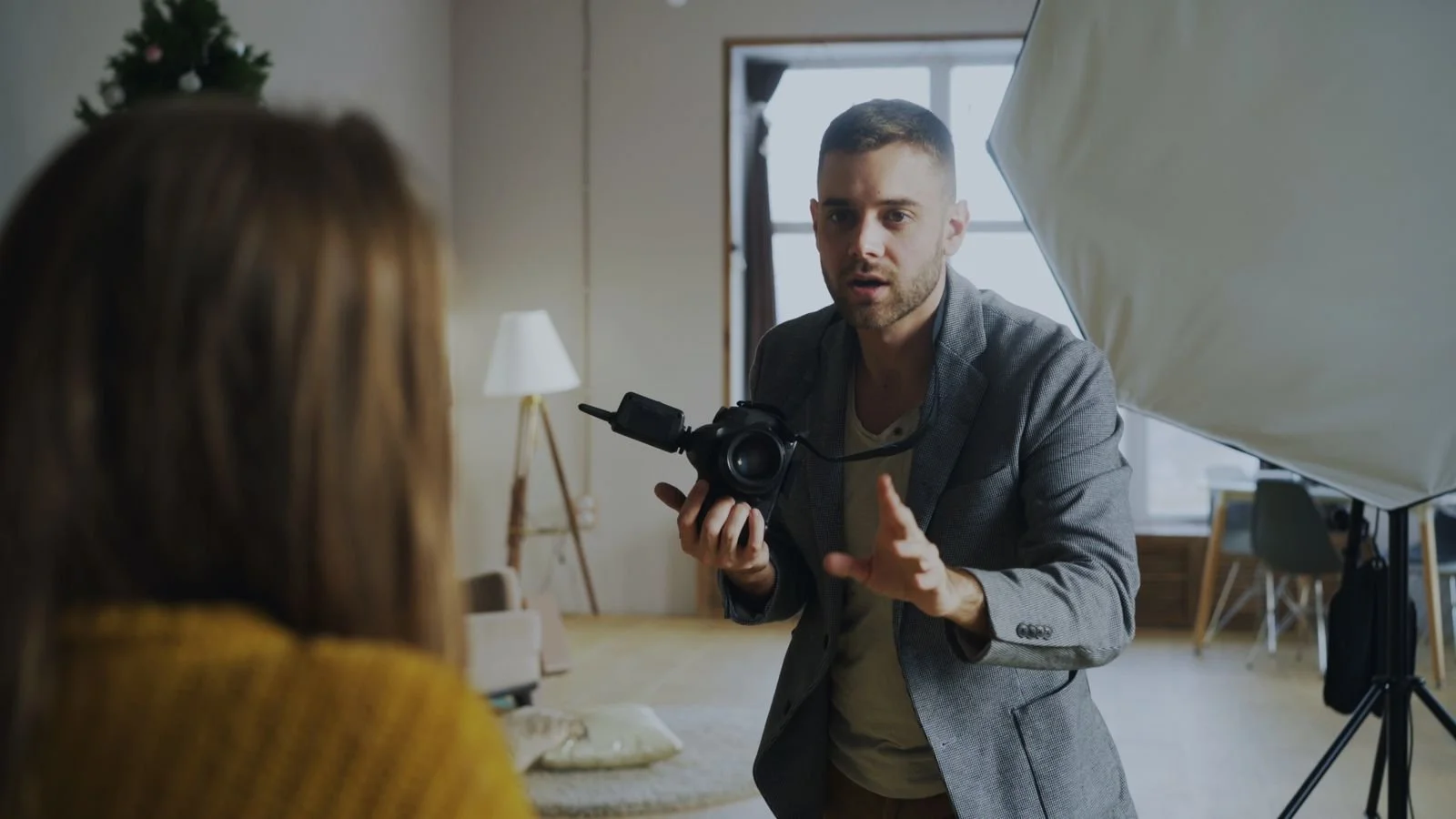
This is the core of Mango Street's philosophy, and it is worth studying. Their PetaPixel-featured tutorial argues: direct instead of pose. When you are working with people who have never spent any time in front of a camera and are probably uncomfortable, do not try to mechanically pose them. It is easy to wind up with an unnatural mess of a pose. Instead, give your subject a role to play or an emotion to act out, instead of a pose to strike. This leads to much more natural looking expressions.
Mango Street also teaches two simple visual rules for shaping the body:
- Straight lines read masculine and rigid. Keep limbs straight and defined for a stronger, more powerful look.
- S-curves read feminine and soft. Ask for softly bent, curved limbs for a gentler, more relaxed mood.
And when a subject freezes, add motion. Have them walk slowly toward you and look past your shoulder. Have them turn slightly, then look back at you. Have them fix a sleeve or jacket, then pause. The frame taken in the middle of the action almost always beats the one taken at a dead stop, because it catches the person mid-gesture instead of mid-worry.
If you mostly photograph men, Trotti has a follow-up video dedicated to posing men who are not models, with five simple poses: symmetrical, pacing, tree leaning, sitting, and laying down. Her core advice applies there too: get the subject into a pose, then let the camera do the work and shoot a bunch of different photos within that one pose.
My 27-year system
Here is what the tutorials do not tell you, and what I have learned over 27 years of photographing more than 300 celebrities, plus thousands of models in Miami and clients in Los Angeles and New York.
Volume taught me the body. Early in my career, I spent four months in Miami shooting three to four models a day, every day, hundreds of sessions back to back. As I wrote in my book, by shooting that much, you learn a lot about posing the human body. That volume taught me more about working with different body types, skin tones, and personalities than any tutorial ever could. When you pose that many people, you stop memorizing poses and start reading bodies.
Trust is the photographer's job. Annie Leibovitz once said it is not the photographer's job to set the subject at ease, that for her, the subject should arrive ready. That is true if you are Annie Leibovitz. For the rest of us, and for me on every set I run, the job is establishing trust and creating the right energy on set. When I talk to subjects while they are getting ready for hair and makeup, ask about their day, and keep the energy safe and creative, the posing takes care of itself. A relaxed person is an easy person to pose.
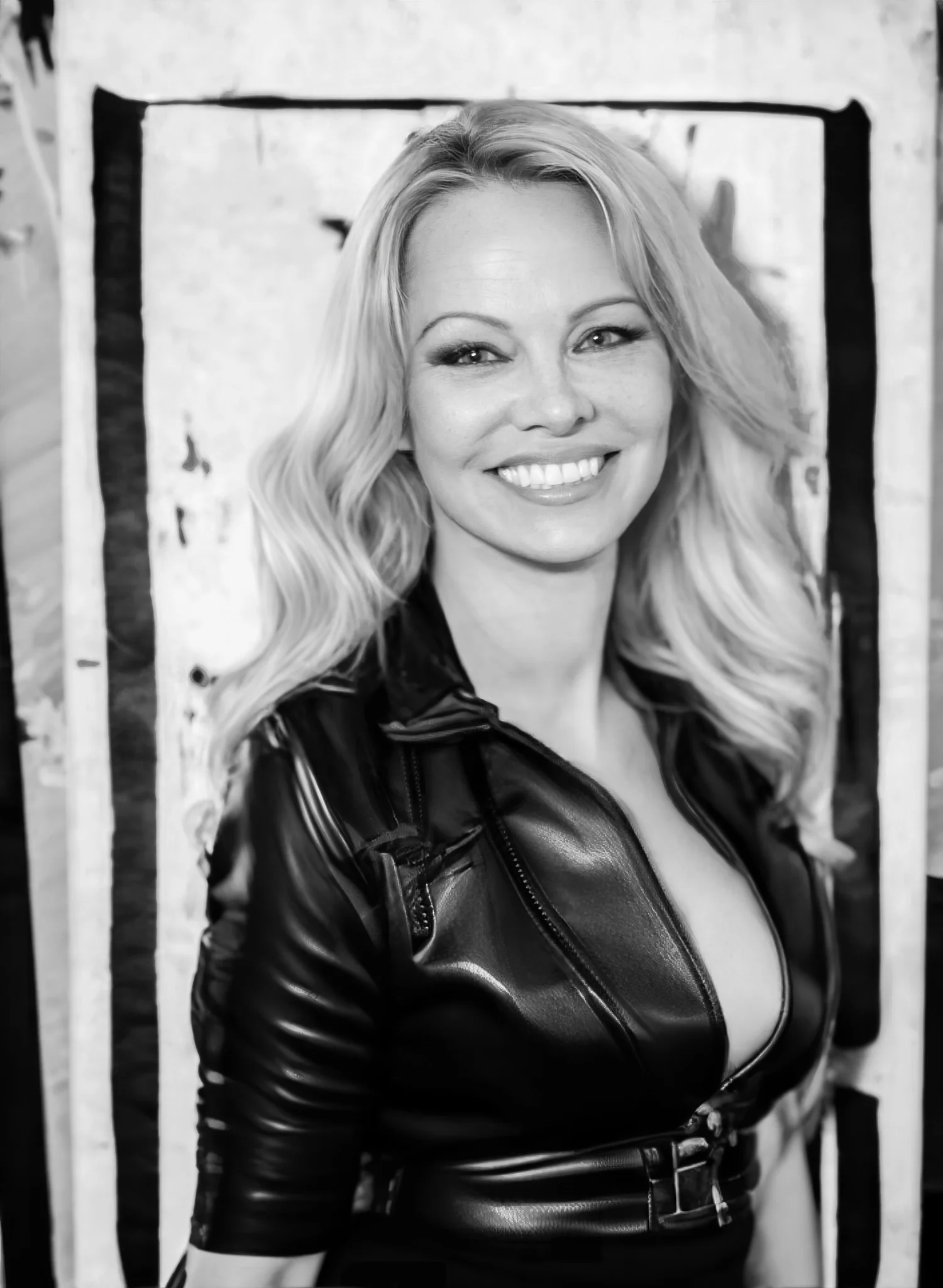
Show them the picture. The single most powerful directing tool I own is the back of my camera. When I photographed Snoop Dogg in a theatre lobby after a ceremony, I shot him in various poses, then showed him the pictures. He absolutely loved them, and he brought Usher over next and told him to listen to whatever I said. One good frame shown early turns a nervous subject into a collaborator. Never wait until the end of the shoot to reveal that the pictures are working.
Every face is different. Even when I was shooting twins, I realized each of them was different. They looked the same, but there were nuances in their faces that were different, and they had different personalities, so you need to work with each of them differently. No posing system survives contact with a real person unchanged. The system gives you a starting position. Your eyes give you the adjustments.
That is the whole system: build trust first, start with a flattering base, direct with actions instead of mechanical poses, show the back of the camera early, and adjust for the individual in front of you. It works on celebrities who have been photographed a thousand times, and it works on a groom who has never been photographed at all.
How to pose people who are not models: FAQ
What should I do with my hands in pictures?
Give your hands a simple purpose. Place a thumb in a pocket, rest one hand on your hip, loosely hold your opposite wrist, touch your hair, or interact with a relevant prop. Keep your fingers relaxed and avoid pressing your arms tightly against your body.
How can I avoid looking stiff in pictures?
Start with your body rather than your facial expression. Shift your weight to one leg, turn slightly away from the camera, relax your shoulders, and give your hands something to do. Movement helps: walk, shift your position, adjust a sleeve, look away and then back. Once the body feels comfortable, the expression usually becomes easier.
How do I smile naturally for pictures?
Do not hold a smile. Think of a genuinely happy memory right before the shutter clicks, or try the "tiny smile, like you are in on a joke" prompt. Movement, conversation, and breathing help reset the expression. The eyes-closed-then-open-on-three technique works well too, because it lets the face rest between attempts.
What should I do with my chin in a photo?
Bring your face slightly forward and lower your chin just a little. This accentuates the jawline and cheekbones. Avoid pulling your chin backward toward your neck, which widens the face. Small moves here make the biggest visible difference in a headshot.
Book a portrait session
If you would rather be the one being directed than the one doing the directing, that is my job. I shoot portraits in Los Angeles and New York, from celebrity and editorial sessions to corporate headshots and personal branding built on exactly the system above. Get in touch here and tell me what the portraits are for. You can also browse the portfolio to see what relaxed, well directed people look like in finished work.
Now I want to hear from you: what is the hardest part of posing for you, being the photographer or being the subject? Tell me in the comments.