In 2000, I was 17 years old on the Teen Choice Awards red carpet with a 2.1-megapixel Nikon Coolpix 950, surrounded by veterans shooting $10,000 film bodies. Seventeen Magazine hired me on the spot because I could show the editor the photo seconds after taking it — and my frames transmitted that night over a 56k modem while the film guys waited on overnight labs.
That night taught me the lesson behind every portrait I've shot since: the camera doesn't matter. The connection does.
What 27 years teaches you
Permission, not instructions. Most photographers over-direct. Constant posing instructions — chin here, hand there, now look pensive — produce stiff, lifeless frames. What people actually need is permission. They know how to be themselves; my job is to create the conditions where they feel free to do it: the right energy, genuine reactions to what's working, and the confidence to let a great unplanned moment run instead of interrupting it.
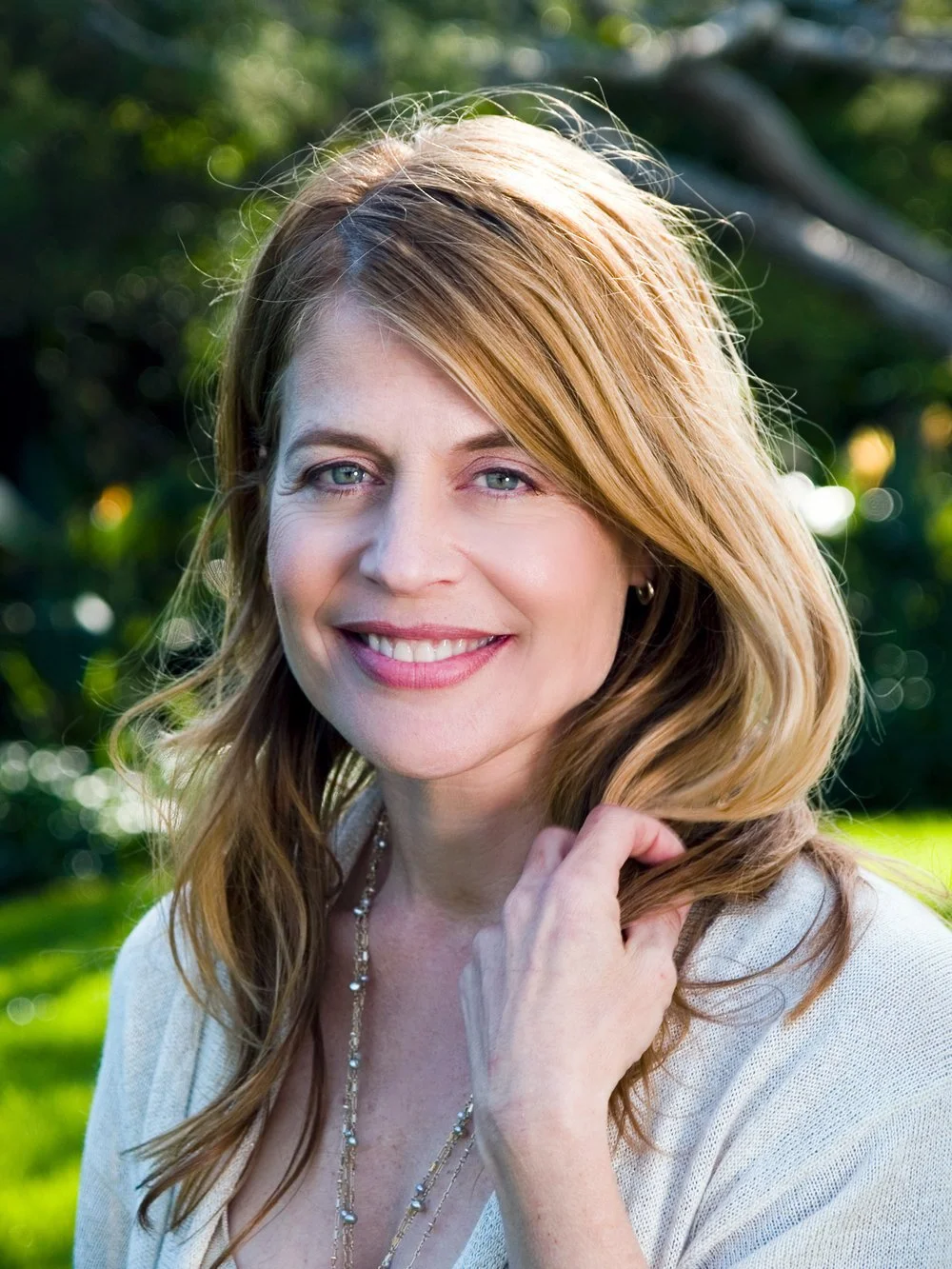
Speed is respect. When I photographed Linda Hamilton at Point Dume — three looks in about an hour with an Alien Bee kit — the discipline was simple: know your lighting, know your plan, execute fast, and make every frame feel intentional. Subjects relax when the photographer is decisive. Dithering makes everyone tense.
Every face is a first impression. My first celebrity subject was April Wilkner — around my tenth shoot ever — at the atelier of designer Colleen Quen. That session taught me something no workshop could: how to walk into a room with talented, nervous people and make something real in a few hours. Twenty-seven years later, that's still the whole job.
The portraits I shoot
Celebrity and editorial. Red carpets, magazine assignments, campaign portraits — the work that made my name. I know how to direct famous faces fast, under pressure, with no reshoots.
Corporate and executive. Leadership portraits, company pages, speaker bureaus. The discipline is the same as celebrity work: make the viewer trust the subject before they've said a word.
Fashion and campaign. From test shoots to national campaigns — the distance between them is shorter than most people think. It's mostly vision, persistence, and knowing how to talk to the people in front of your camera.
What a session feels like
A well-run portrait session feels almost boring — and that's the point. You step in, get directed through a series of setups and expressions, and step out with frames that look like you on your best day. What you should feel as the subject: directed, not rushed. There's a difference between efficient and hurried, and it shows in the final images.
Frequently Asked Questions
What does a portrait photographer in Los Angeles charge? What does a portrait photographer in Los Angeles charge?
What's the difference between a portrait photographer and a headshot photographer? A headshot is a casting tool — tight, specific, built for a three-second decision. A portrait is broader: it can be editorial, environmental, or conceptual, and it tells more of the story. I shoot both, and the directing skill is the same.
How long does a portrait session take? Most sessions run one to two hours depending on the number of looks. Celebrity and editorial setups are often faster — when I shot Linda Hamilton, we did three looks in about an hour.
Do you shoot on location or in studio? Both. On-location portraits use the environment to tell the story; studio sessions give absolute control over the look. Either works — the right choice depends on what the portrait needs to say.
How do I book a portrait session? Reach out through the contact page or call +1 (510) 326-4934. Tell me what the portraits are for and we'll build the session around it.
Related reading
- How to Hire a Celebrity Photographer in Los Angeles
- Celebrity Portrait Photography: What Makes It Iconic
- How Much Does a Celebrity Photographer Cost?
David Christopher Lee is a celebrity photographer in Los Angeles and New York with 27 years and 100+ celebrity portraits behind him. Book a shoot or call +1 (510) 326-4934.
For a long-term look at the rangefinder I keep reaching for after 27 years behind the camera, read my Leica M11 Review: A Working Photographer's Honest Take.