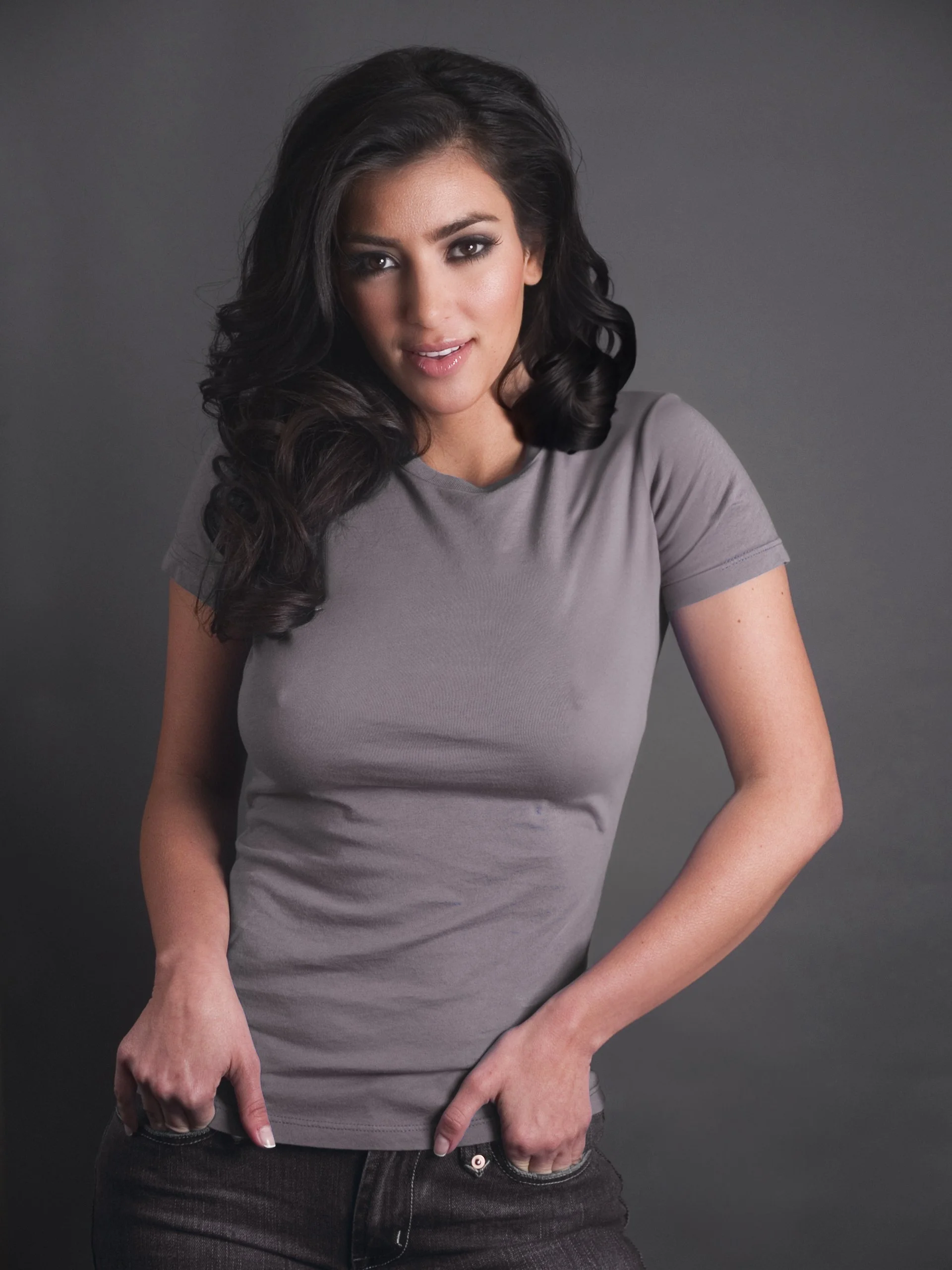
Every photoshoot has a moment, usually about ten minutes in, when the subject looks down at what they are wearing and thinks: this was a mistake. My job as the photographer is to make sure that moment never happens. But the truth is, wardrobe is a collaboration, and the subjects who think about it beforehand always photograph better.
After 27 years of shooting celebrities, here is what I have learned about what to wear, told through the outfits I still remember.
Dress for the person you are that day
In 2007, a Universal Music publicist arranged for me to interview and photograph an unknown artist at Area Nightclub in West Hollywood. She told me the artist would be the next Madonna. Her name was Lady Gaga.
Gaga arrived with a point of view. Black Stella McCartney dress, pink vintage Chanel scarf, sunglasses, indoors, in an empty club, at what was essentially a first meeting. She was not famous yet. Nobody was watching. And she still dressed like the person she was becoming.
It was just the two of us. I directed her to sit on a couch, knees together, feet apart. We talked, I shot, and those portraits still hold up because the wardrobe was doing half the storytelling. The scarf, the sunglasses, the dress: that was not styling, that was identity.
The lesson: wear the version of yourself you want the camera to meet. Not a costume, not someone else's idea of you. Gaga did not dress for 2007. She dressed for who she was about to be. If you are booking a celebrity portrait session, ask yourself who you want to be in the frame, then dress like that person.
Keep the palette honest
Linda Hamilton told me she only had new headshots taken about every ten years. We shot at her home in Point Dume, Malibu: three looks, about an hour. For the palette, I went with earthy colors, nothing loud, nothing fighting her face.
There is a reason. The camera amplifies everything. A color that looks fine in a mirror can scream under studio light. Earthy tones, neutrals, and deep solids let the subject's face do the work. When I photographed Linda's headshots, restraint in wardrobe was the whole strategy, and she chose five images and gave me a $2,500 tip.
Practical rules I give every subject:
Solids beat patterns. Small patterns shimmer on digital sensors. Big patterns compete with your face. When in doubt, solid.
Neckline matters more than brand. The camera crops at the chest and shoulders more than anywhere else. A neckline that frames your face is worth more than a designer label nobody can read.
Bring options, not outfits. Three looks does not mean three costumes. It means three variations: a layer on, a layer off, a collar up, sleeves rolled. Small changes photograph like big ones.
Match the energy of the shoot
In 2019 I photographed Bella Thorne at her Sherman Oaks house, the "Trippy Twins Funhouse," for a lip-plumper commercial. She greeted me by offering a McDonald's Chicken McNugget. That tells you the energy: playful, surreal, unserious in the best way.
The wardrobe matched. Fun, colorful, a little wild. If she had shown up in a black gown, the shoot would have fought itself. Instead, everything agreed: the house, the mood, the clothes, the camera. Bella even picked up my Hasselblad H6D and started photographing me while I photographed her.
Before your shoot, ask your photographer one question: "What is the mood?" Then dress for the answer. A good photographer will tell you exactly what the shoot needs. If they cannot describe the mood, that is useful information too.
When the clothes are the job
Some of my shoots were for clothing lines, where wardrobe was not a choice but the entire point. In 2005, Jaime Pressly hired me after I showed her five portfolio images on a flip phone with a one-inch screen. We shot her clothing line on a downtown Los Angeles rooftop at sunset. She hired me for two more campaigns, and the images ran in US Weekly, In Style, Vogue, and on Perez Hilton.
I also shot Emily Ratajkowski for Key Closet when she was 16, booked through Next Models. She became the face of the brand, and I booked her four more times, later shoots with Aston Martins and exotic cars.
When the clothes are the product, fit is everything. Not almost. Everything. A garment that pulls, gaps, or wrinkles in the wrong place will ruin an otherwise perfect frame, and no amount of retouching fixes bad fit gracefully. If a brand is sending wardrobe, insist on a fitting before shoot day. If you are bringing your own, steam it, lint-roll it, and try sitting in it. You will spend half the shoot seated, and clothes behave differently sitting than standing.
The grooming nobody talks about
Wardrobe is not just clothes. Nails, hands, and shoes show up in more frames than people expect. I have lost good portraits to chipped nail polish and scuffed shoes that nobody checked.
The night before: hydrate, sleep, and skip anything new. No new skincare, no new haircut, no spray tan experiments. The camera loves consistency and punishes surprises.
Hair and makeup should look like you on your best day, not like someone else. Tell your artist: "I want to recognize myself." If you are doing your own, bring blotting papers and powder. Shine is the enemy under lights, and it builds through the shoot.
What not to wear
A short list from 27 years of evidence:
- Logos and text. Unless the brand is paying you, their logo is a distraction you are donating for free.
- Neon and fluorescents. They reflect onto skin and create color casts no retoucher enjoys fixing.
- All white or all black. Both are hard to expose. One accent piece in white or black is fine; a full outfit fights the light.
- Something you have never worn. Shoot day is not the time to break in shoes, test a new silhouette, or discover that a fabric wrinkles when you sit.
The fitting conversation
Here is what I wish every subject did: send your photographer phone photos of your options the week before. Not professional shots, just mirror selfies. A good photographer will tell you in thirty seconds which two to bring and which one to leave home.
This is part of what you are paying for when you hire experience: judgment before the shoot, not just during it. The wardrobe conversation happens days before anyone picks up a camera, and it saves hours on set.
The bottom line
Gaga's scarf. Linda's earthy tones. Bella's playfulness. Emily's perfect fit. The memorable outfits in my archive all share one quality: they agreed with the person wearing them and the shoot around them.
Dress like the person you want to be in the frame. Keep it simple. Steam it. Sleep well. And when in doubt, bring the solid, skip the logo, and trust your photographer.
Work with me
I am David Christopher Lee, a celebrity photographer in Los Angeles and New York with 27 years behind the camera. Read how to prepare for a headshot session, then get in touch to talk about your shoot.
Related reading
- How to Hire a Celebrity Photographer in Los Angeles
- How Much Does a Celebrity Photographer Cost?
- Celebrity Portrait Photography: What Makes It Iconic
FAQ
How many outfits should I bring to a photoshoot? Three looks is the sweet spot for most sessions: enough variety without eating the clock on changes. Bring variations, not full costumes.
Should I hire a stylist for a celebrity photoshoot? If the budget allows, yes. A stylist handles fit, steaming, and continuity while you focus on the camera. For smaller shoots, a thorough conversation with your photographer the week before covers most of it.
What colors photograph best? Solids in earthy tones, neutrals, and deep colors. Avoid neon, fluorescents, small busy patterns, and large logos.