Yes. Completely. They are different products with different audiences, different goals, and different rules. I shoot both every week, and the sessions feel like different sports.
This matters because I regularly meet actors using a corporate headshot for casting submissions, and professionals using a dramatic actor style photo on LinkedIn. Both are mistakes, and both are easy to avoid once you understand what each headshot is actually for.
What a LinkedIn Headshot Has to Do
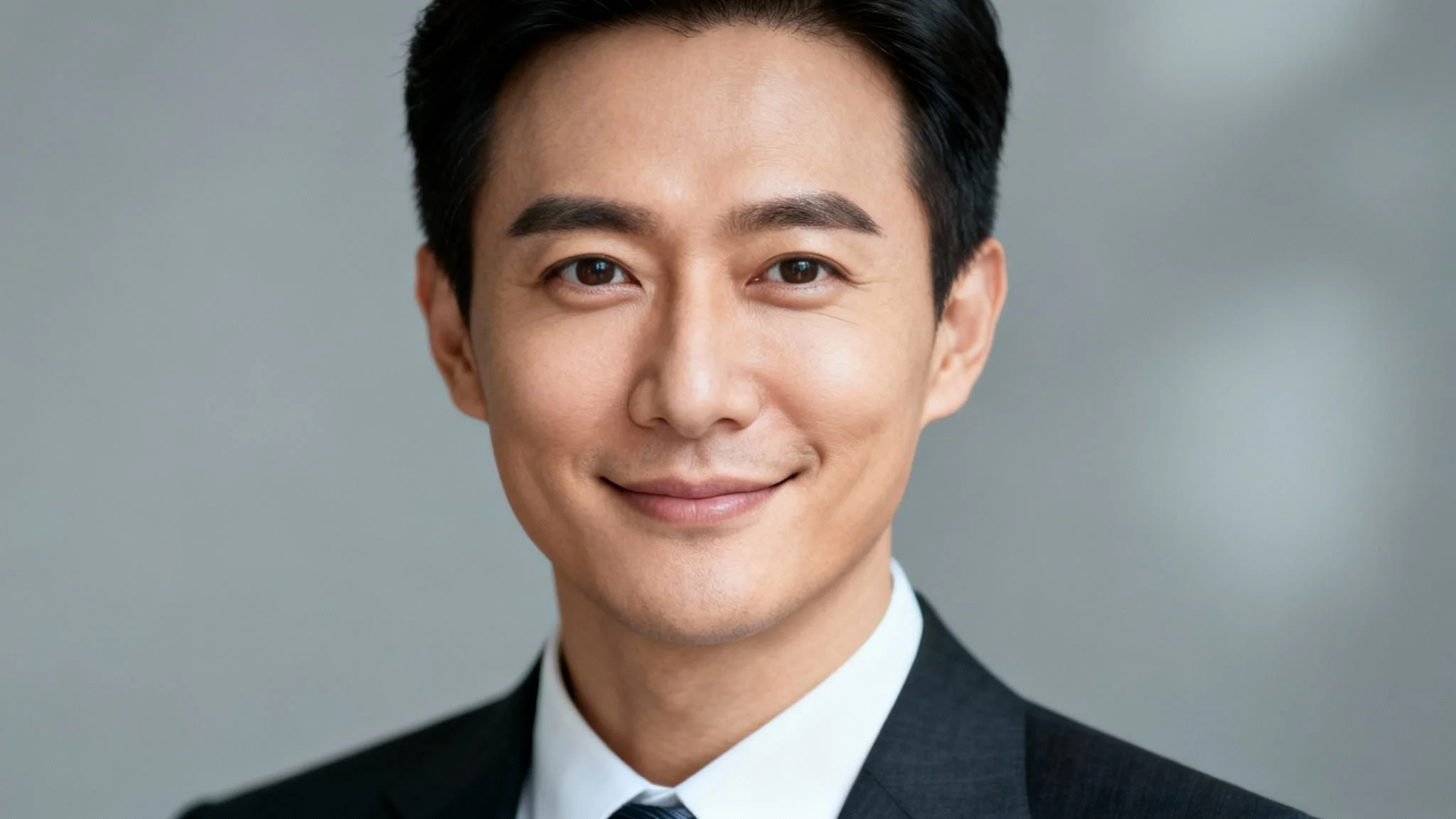
A LinkedIn headshot has one job: make you look like someone worth hiring, promoting, or doing business with. The audience is recruiters, hiring managers, clients, and colleagues. They are scrolling fast, the thumbnail is tiny, and you have about one second to register as competent and approachable.
That means:
- Warm, confident expression. A genuine smile or a friendly neutral look.
- Clean, simple background. Nothing competes with your face.
- Professional wardrobe. What you would wear to an important meeting.
- Flattering, even lighting. No heavy shadows, no drama.
- Instant readability. Your face should be clear and recognizable at thumbnail size.
The LinkedIn headshot is about trust. Every choice serves approachability and professionalism. Edge and mystery are liabilities here.
What an Acting Headshot Has to Do
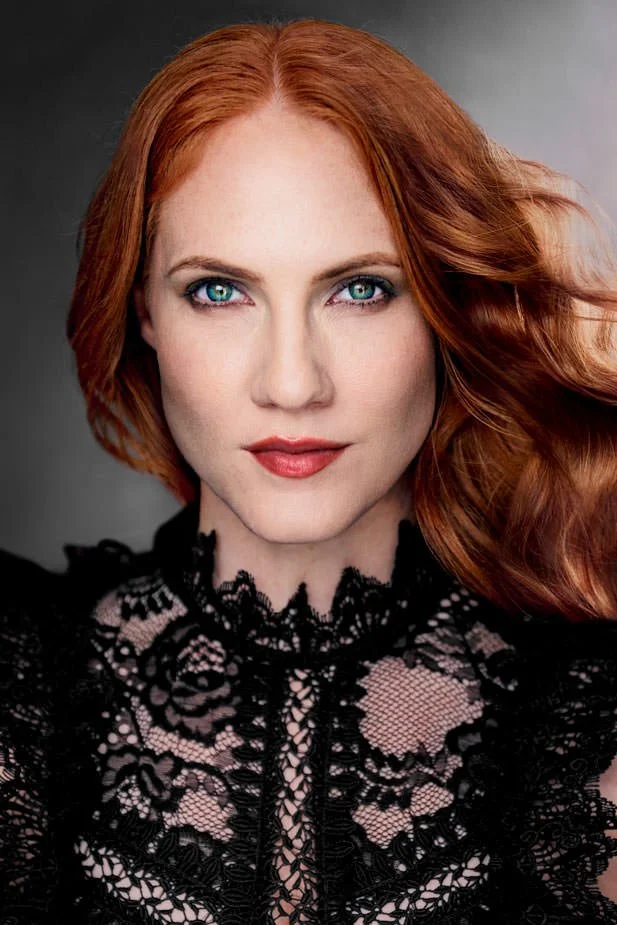
An acting headshot has the opposite job: show casting directors your range, your type, and what your face does on camera. The audience is casting professionals who look at thousands of headshots and make decisions in seconds. They are not hiring an employee. They are imagining you in a role.
That means:
- Multiple distinct looks. Theatrical and commercial at minimum.
- Personality and specificity. Generic pretty does not book work. Interesting books work.
- Minimal retouching. Casting directors need to see your real skin, your real age, your real face.
- Expression with intention. The eyes carry story, not just friendliness.
- Type clarity. The photo should suggest the roles you actually play.
The acting headshot is about castability. Every choice serves the question: what characters live in this face?
The Key Differences, Side by Side
Expression
LinkedIn wants warmth. Acting wants range. A LinkedIn smile says hire me. An actor's neutral intensity says cast me as the detective, the lover, the villain, the best friend. I direct these sessions completely differently. For LinkedIn, I am pulling out approachability. For acting, I am hunting for the specific emotional truth that makes a casting director stop scrolling.
Retouching
This is a major split. LinkedIn and corporate headshots get polished retouching: skin evened, shine controlled, temporary blemishes removed. Acting headshots stay much more natural. My philosophy applies to both, "I leave the things that give people character. If it is a mole or something like that, it stays. If it is a blemish like a pimple, I take it out," but for actors I go even lighter. A casting director who meets someone looking ten years younger than their headshot feels misled, and that kills trust instantly.
Wardrobe
LinkedIn wardrobe is professional and timeless: blazers, crisp shirts, simple jewelry. Acting wardrobe is character driven: the leather jacket for edge, the soft sweater for vulnerability, plain dark tops that keep focus on the face. Actors should review what to wear for headshots with their specific casting type in mind, not corporate dress codes.
Background and Lighting
LinkedIn favors clean, bright, simple. Gray, white, or softly blurred backgrounds with even, flattering light. Acting headshots allow more mood: darker backgrounds, more sculpted light, environmental texture. The lighting for a theatrical headshot can be dramatic in ways that would look alarming on a LinkedIn profile.
Number of Images
A professional needs one great LinkedIn photo, used consistently everywhere. An actor needs a set: theatrical, commercial, and often a third look for a specialty type. This is fundamental to how to choose an acting headshot photographer, because you need someone who thinks in sets and casting types, not single images.
Can One Session Cover Both?
If you are an actor with a day job, or a professional who also acts, yes, with planning. My sessions are built around looks, and a three look session can absolutely deliver a polished LinkedIn image plus theatrical and commercial acting looks. The key is sequencing: we shoot the looks as distinct characters with full wardrobe changes, not as slight variations of the same photo.
Tell your photographer upfront that you need both. The lighting, direction, and retouching approach differ, and knowing the full brief changes how I shoot from the first frame.
The Mistakes I See Most
- Actors submitting corporate style headshots with big smiles and bright backgrounds. It reads as non serious to casting directors.
- Professionals using moody, dramatic photos on LinkedIn. It reads as unapproachable to recruiters.
- Over retouched acting headshots. If you do not look like your photo in the audition room, the photo failed.
- Using an AI generated image for either purpose. The debate around AI headshots vs real headshots comes down to authenticity, and nothing kills trust faster than a face that is not quite real. As I always say, "There is nothing wrong with AI headshot apps except they are not real. It just depends on you as a person. Are you a real, authentic person, or are you willing to let AI represent you?"
The Bottom Line
LinkedIn headshots sell trust and competence to employers. Acting headshots sell range and castability to casting directors. Different audiences, different rules, different sessions. Know which game you are playing before you step in front of the camera, and if you are playing both, plan the session to serve both.
My sessions start at $1,500 for two looks, which covers the essential LinkedIn plus one acting look, or theatrical plus commercial for actors. Three looks at $1,900 covers the full actor set or the complete professional package. Either way, you leave with images built for their actual purpose, not one photo awkwardly doing two jobs.