# How Do Event Photographers Deliver Photos the Next Day?
Clients ask me this all the time, usually with a look of genuine disbelief. You shot 3,000 frames at our gala last night. How are 250 finished, edited photos sitting in our inbox this morning?
It feels like magic from the outside. From the inside, it is a system: backup discipline on site, ruthless culling, a batch editing pipeline, and a delivery setup built for speed. Nothing about next day delivery is luck. Every step is engineered before the event even starts.
Next day delivery is my standard for corporate events. As I tell every client, "It is just easier for the clients." Your marketing team wants the photos while the event is still news. Your attendees want to share them while the energy is fresh. A gallery that arrives in three weeks arrives dead. A gallery that arrives the next morning arrives as momentum.
I have spent 27 years photographing people and events, from celebrities for GQ, Vogue, InStyle, and People to corporate galas and conferences. I have shot Lady Gaga, the Kardashians, Richard Branson, and Ella Beatty. Here is exactly how the sausage gets made.
## It Starts Before the Event
Next day delivery does not begin the night of the event. It begins days earlier, in preparation.
The walkthrough is the foundation. "It is so important to do a walkthrough. Until you actually see it in person, you do not know what the lighting looks like." I visit the venue before the event, study the light, map where the key moments will happen, and plan my positions. When I walk in on event day, there are no surprises. No surprises means no wasted frames, and no wasted frames means less culling later.
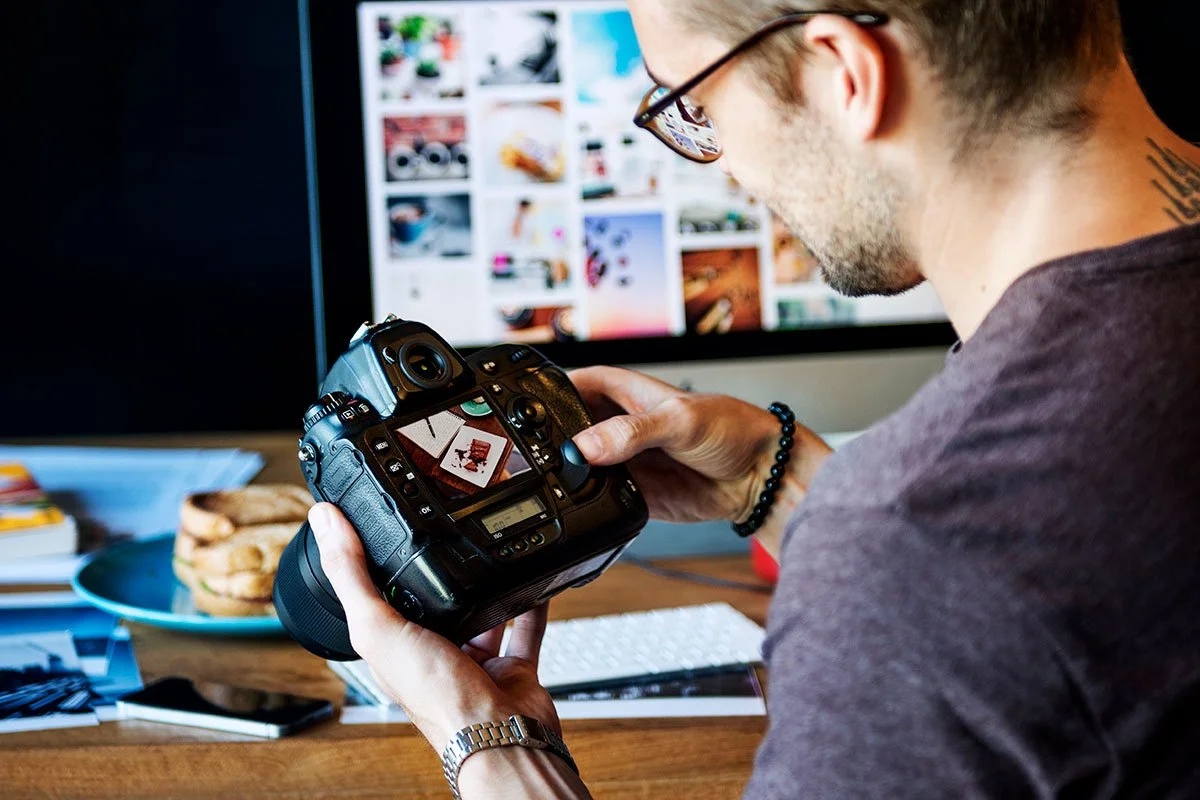
Gear prep is the unglamorous part that makes everything else possible. Batteries charged, cards formatted, backup bodies ready. I shoot with dual card slots writing simultaneously, so every frame exists in two places from the instant the shutter fires. That single habit eliminates the nightmare scenario, a corrupted card wiping out an event, and it means I never have to slow down to babysit file safety during the shoot.
I also build the shot list with the client in advance: the keynote, the award moments, the VIP group shots, the sponsor signage, the candid energy. Knowing what I am hunting means I shoot with intent instead of spraying. Intentional shooting is the first culling pass, done in camera.
## Backup on Site, Not After
Here is a rule I never break: backup happens during the event, not after it.
Between the keynote and dinner, during the band's break, in any quiet ten minutes, cards get ingested to a laptop. The files copy to two separate drives before the card goes back in the camera. By the time the event ends, I typically have two complete copies of everything, stored on separate devices, in separate bags.
This is not paranoia. It is professionalism. A photographer who waits until they get home to back up is gambling with your entire event. I documented my 7-step photography backup workflow in detail, and the core principle is simple: no single point of failure, ever, at any stage.
The on site backup habit has a second benefit nobody talks about. Because I am ingesting during the event, I am already seeing the take shape. I know which moments I nailed and which ones I still need. That awareness sharpens the second half of the shoot.
## The Culling System: Where 3,000 Becomes 250
Culling is where most of the time goes, and it is where most photographers lose the next day race. Going through 3,000 frames one by one, full attention on each, is a multi day job. Nobody delivers next day that way.
The modern answer is an AI assisted culling pass followed by human judgment. I run every event through my AI-first culling system for 2026, which does the mechanical work at machine speed: flagging out of focus frames, closed eyes, duplicates, and badly exposed shots. That first pass can eliminate 60 to 70 percent of the take in minutes, not hours.
Then the human part begins, and this is where experience matters. From the survivors, I am selecting for moments: the genuine laugh, the perfect gesture mid speech, the interaction between two people that tells the story of the night. I am also selecting for coverage: every VIP, every sponsor, every key moment the client asked for. A great event gallery is not 250 random good photos. It is a complete narrative of the evening.
Here is what I do not do during culling: agonize. A frame is either in or out, decided in seconds. The photographers who miss next day delivery are usually the ones who cannot let go of the maybe pile. Kill your darlings fast. The client will never miss the frame you loved but cut. They will absolutely notice the gallery that arrived late.
For headshot booths at events, I run a QR code sign up system so attendees can find and download their own portraits directly. That removes an entire category of post event admin: no emailing individual headshots, no "can you send me mine" threads. The system handles it while I am still editing the main gallery.
## The Editing Pipeline: Batch Smart, Finish Selects by Hand
With 250 selects chosen, the editing has to be fast without looking fast. The secret is that 90 percent of event editing is consistency work, not creative work.
I build a preset for the event based on the venue's light, which I already studied during the walkthrough. White balance, exposure baseline, contrast curve, color grading: dialed in once, applied across the selects in a batch. Because I shot with intent and consistent technique all night, the batch correction lands cleanly on nearly every frame.
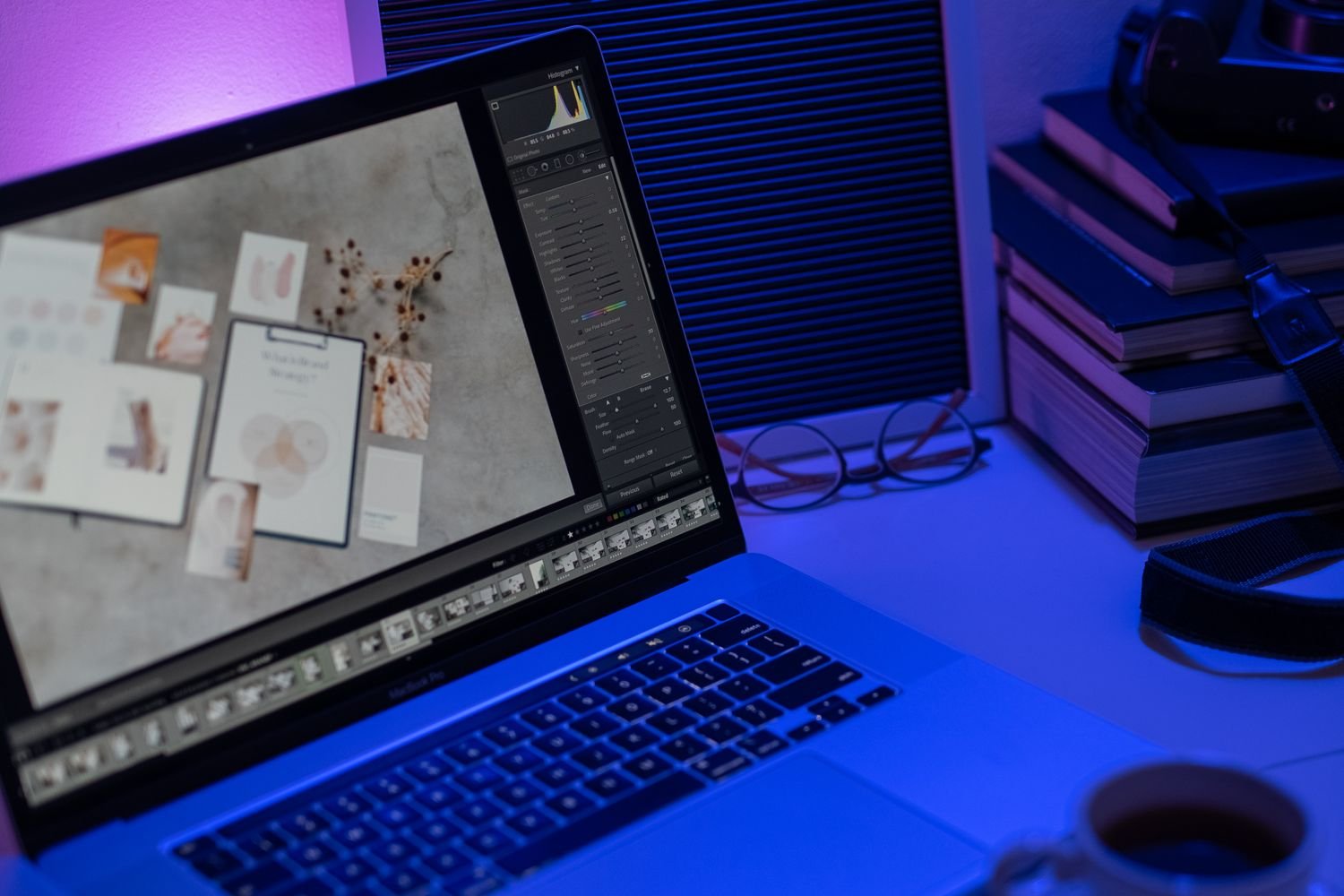
Then I go through the selects individually for the finishing pass. This is quick per image, usually under a minute: straighten, crop for impact, check skin tones, make sure the exposure is right. The hero shots, the keynote moment, the big group photo, the sponsor hero image, get extra attention. Those are the images that will live on the client's website for a year, and they earn the extra minutes.
What I do not do at 2 AM: heavy retouching. Event delivery is about clean, true, professional images, fast. My retouching philosophy stays consistent: "I leave the things that give people character. If it is a mole or something like that, it stays. If it is a blemish like a pimple, I take it out." Nobody needs frequency separation on a gala candid. They need the photo this morning.
## Gallery Delivery: The Last Mile
Edited selects export in two versions: full resolution for print and archive, and web optimized for fast sharing. Both go into an online gallery the client can browse, download, and share with their team. The gallery link goes out the next morning with a short summary of what is inside.
This is the moment the whole system pays off. The client's marketing team posts the keynote photo on LinkedIn while the event hashtag is still trending. Attendees share their portraits the same day. The sponsor sees their signage in a beautiful gallery within 24 hours of writing the check. Speed is not just convenience. It is marketing value, and it decays fast.
If you want the full picture of timelines, read my breakdown of what to expect from event photography turnaround time. That piece covers expectations. This one is the machinery underneath.
## When Next Day Is Not Possible
Honesty matters here. Next day is my standard for single day corporate events, and my corporate event clients get 200 to 300 images delivered the next day as part of the package. But there are situations where it genuinely cannot happen.
Multi day conferences with 5,000 plus frames a day need a different pipeline, usually nightly selects during the event and a full gallery after. Events that run past midnight compress the editing window to nothing. Same day video deliverables compete for the same overnight hours.
When the timeline is truly extreme, I offer rush delivery for a rush charge. That means restructuring the whole night: an assistant ingesting and pre culling in real time, editing starting before the event ends, delivery by a hard morning deadline. It is possible, but it is a different operation with different staffing, and it is priced accordingly.
The key in every case is agreeing on the timeline before the event, not negotiating it at midnight after. A photographer who promises next day for everything without asking about the scope is either inexperienced or about to disappoint you.
## The Bottom Line
Next day event photo delivery is not a miracle. It is a walkthrough before the event, dual card backup during it, AI assisted culling after it, batch editing with a human finishing pass, and a gallery system built for speed. Every step exists so the client wakes up to finished photos while the event is still the story.
"It is just easier for the clients." That is the whole philosophy. Your event was last night. Your photos should be this morning. Anything else is a photographer making their workflow your problem, and you are paying too much for that.
My corporate event rates are $750 per hour, $2,500 for a half day, and $4,500 for a full day, with 200 to 300 images delivered the next day. If your next event needs photos that arrive while they still matter, that is the standard I hold.