When a business hires an experienced corporate photographer, the question isn't really "can they take a good photo?" Any decent photographer can take a good photo. The real question is what happens when the keynote starts late, the ballroom lights are wrong, the CEO won't stand still, and your PR team needs three images in the next twenty minutes.
I've shot corporate work in Los Angeles for 27 years: conferences, product launches, award galas, executive portraits, board retreats. I've also seen businesses learn the expensive way that experience is not a line on a resume. It's the difference between photos that sit in a folder and photos that work for your company for the next five years.
Here is what an experienced corporate photographer for businesses actually brings, before, during, and after the shoot.
Before the shoot: experience plans like a producer
An inexperienced photographer shows up on the day and figures it out. An experienced corporate photographer has already done half the job before anyone picks up a camera.
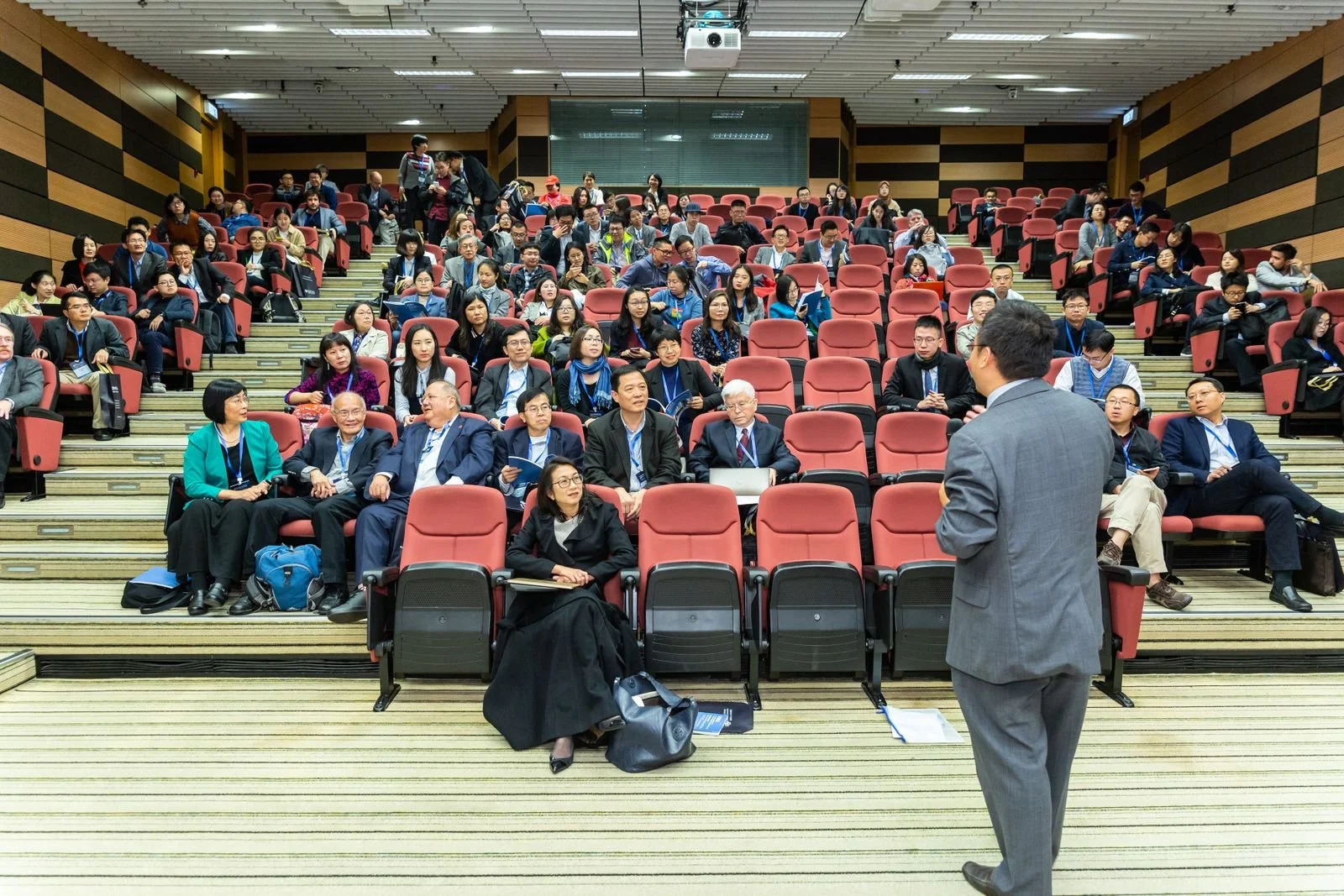
They read the schedule like a shot list. When I get an agenda, I'm not looking at it as a planner. I'm looking for the moments that will never happen again: the CEO's entrance, the handshake at the signing, the standing ovation. I mark the shots I cannot miss and build the coverage plan around them. A photographer with twenty-seven years of conferences behind them sees the agenda and already knows which three sessions will produce the best images and which keynote will fall flat visually.
They scout the venue or arrive early enough to fake it. Real experience means walking the room, finding the light, checking the loading dock, learning where the house AV is killing the ambient exposure. If I haven't shot a venue before, I show up early and I shoot the empty room first. The photographer who wings it at a dark downtown LA ballroom is the one delivering blurry red-cast photos at midnight.
They ask the boring business questions first. Who are the VIPs? What does the CEO hate about being photographed? Which sponsors must appear in frame? Is there a step-and-repeat, and is it backlit? What is the dress code, and more importantly, what are the brand colors? Experienced photographers ask these questions because they know the photos have a job to do after the event: marketing, recruiting, press, investor decks. The images have to fit your brand's world, not the photographer's portfolio.
During the shoot: experience looks like calm
You can spot an experienced corporate photographer for businesses within the first hour of an event. They are calm. They are already in position. They are invisible when they need to be invisible and directive when they need to be directive.
They anticipate instead of reacting. After hundreds of events, you stop photographing what is happening and start photographing what is about to happen. The panelist leaning into the microphone. The laughter building in the front row. The award recipient standing up before their name is called. That split-second of anticipation is where the best corporate images live, and it cannot be taught in a weekend workshop. It comes from years of standing in rooms just like this one.
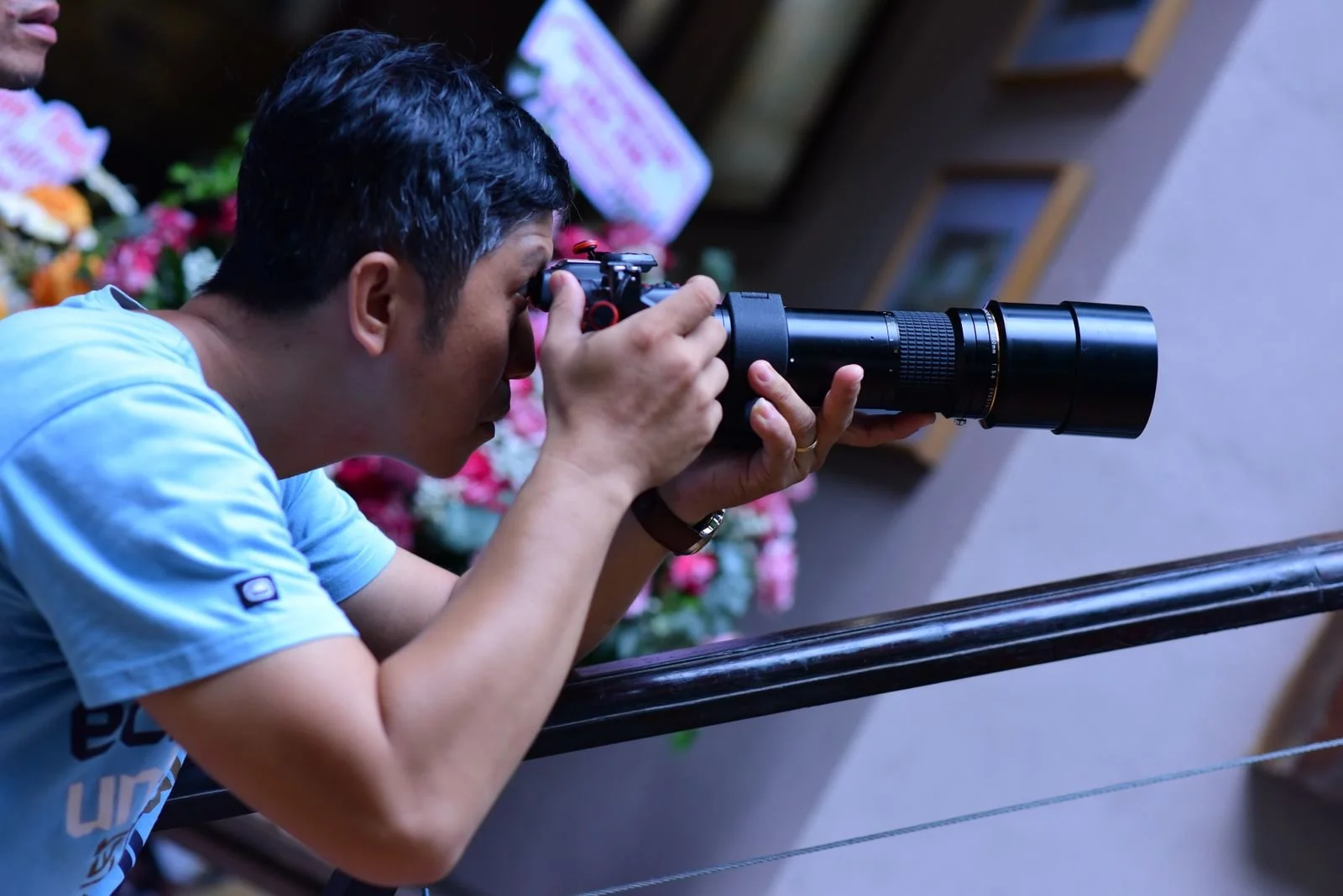
They handle people, not just cameras. The hardest part of corporate photography is never the camera settings. It's the executive who was told by their assistant they'd "just pop in for one photo." It's the keynote speaker who arrives twelve minutes before they go on. It's the board member who explicitly said no candids. An experienced photographer knows how to make a reluctant subject relax in ninety seconds, how to direct a 400-person group photo without a megaphone, and how to read a room well enough to know when to disappear.
They know which problems to solve and which to avoid. The flash is bouncing wrong off a wooden ceiling. The window light is blowing out one side of the panel. The stage follow spot is creating raccoon eyes on the speaker. An experienced corporate photographer has solved each of these fifty times. They fix it quietly, in seconds, without making a scene or asking the client what to do. If your photographer is consulting Google or asking you to move the whole program, you're watching inexperience happen in real time.
They keep shooting when things go wrong. Batteries die. Cards fail. Lights overheat. A second shooter gets stuck in traffic on the 101. Experience means redundancy: two camera bodies, backup lenses, backup lighting, backup batteries, cards that get swapped before they're full, and images that start backing up the moment there's a break. No single point of failure is allowed to cost a business its event coverage. This is also why experienced photographers cost what they cost, covered in more detail in my corporate photography pricing guide.
After the shoot: experience delivers like a marketing asset
The shoot is half the job. What an experienced corporate photographer for businesses does in the edit and the delivery is where most of the business value lives.
They cull like a marketing director, not an artist. A full conference day might produce 4,000 frames. An experienced photographer delivers 300 to 600 finished images, and every single one earned its place. The selection criteria are business criteria: Is the CEO in frame? Is the sponsor logo visible? Is anyone blinking, mid-bite, or making a face? Does this image tell the story of the event or is it just a nice frame? Businesses don't need an art project. They need a library of usable images.
They edit for consistency and brand safety. Twenty-seven years in post-production teaches you what happens downstream. These photos will live on the company website, in the annual report, in press kits that get resized and cropped by people who don't understand color profiles. Experienced photographers deliver images that are color-consistent across hundreds of frames, properly exposed for reproduction, and retouched with restraint. The executive headshots from your on-site portrait station should look like they came from the same session even when they were shot hours apart under different lights. That is what a real headshot operation looks like.

They deliver on a schedule and communicate when it shifts. Standard full delivery: five to ten business days. Same-day selects for press and social: a smaller set, edited tight, delivered the night of the event. An experienced photographer hits these windows because they've built their workflow around them: presets, assistant editors, culling discipline. If delivery is late with no warning, that's inexperience, whatever the portfolio looks like.
Why businesses pay a premium for experience
Let's be direct about money. An experienced corporate photographer for businesses charges more than a generalist, and the reason is risk.
A product launch happens once. An awards gala happens once. The board photo for the annual report happens once. If the photography fails, there is no reshoot. The event is over, the people have gone home, and your company is left with either strong assets or expensive embarrassment. Experience is what businesses are actually buying: the accumulated certainty that when the one-shot moment arrives, someone calm and competent is standing in the right place with the right plan.
Experience also buys business fluency. The photographer who understands what corporate and event photography each demand, two different disciplines that get confused constantly, will build the right coverage plan for each. They understand NDAs, embargoes, and why the photographer doesn't post the unreleased product to Instagram. They understand that the marketing director's career is partly riding on these images looking right. That fluency is earned over years, not learned from a pricing PDF.
If you're evaluating cost against risk, my guide to hiring a corporate photographer breaks down the full decision: what to look for, what to ask, and the red flags that signal you're about to hire inexperience at any price point.
How to Vet a Corporate Event Photographer
Portfolios can be curated. These checks are hard to fake:
Ask for a full delivery, not a portfolio. The highlights reel tells you nothing. Ask to see every image delivered from a recent similar event: the keynote, the breakouts, the reception, the group shots. Consistent quality across hundreds of frames is the true test of experience.
Listen for venue names. An experienced Los Angeles event photographer will name-drop venues from real knowledge: which downtown ballroom kills your exposure at noon, which hotel ballroom needs the house lights half up. Specific venue knowledge means real reps.
Ask what goes wrong. Every experienced photographer has a failure story and a protocol for it. Dead card, failed strobe, missing second shooter. The experienced answer is specific and boring: 'I shoot dual cards and swap at lunch.' Vague confidence with no protocol is the inexperienced answer.
Confirm the delivery machine. Same-day selects for press, full gallery in five to ten business days. Ask how they hit those windows. Presets, assistant editors, culling discipline. If delivery is late with no warning, that's inexperience, whatever the portfolio looks like.
Watch the contract. An experienced corporate event photographer sends a clear contract before you ask: deliverables, timeline, usage rights, backup provisions, payment terms. The absence of paperwork isn't flexibility. It's the absence of experience.


Frequently asked questions
What does an experienced corporate photographer for businesses actually do differently?
The difference shows up in planning, anticipation, and delivery. Experienced photographers plan coverage like producers, anticipate moments instead of reacting to them, handle VIPs and logistics smoothly, and deliver consistent, brand-safe images on schedule. A newer photographer can take good photos; experience is what makes the whole engagement reliable.
How much experience should a corporate photographer have?
There's no magic number, but look for a portfolio of full business event deliveries, not just highlights, plus venue fluency in your market, backup gear protocols, and a clear contract. Years matter less than reps: a photographer with five years of weekly corporate work can out-deliver one with fifteen years of occasional gigs.
Is an experienced corporate photographer worth the higher rate?
For one-shot events, product launches, galas, conferences, yes. You're buying risk reduction. The cost of a failed shoot isn't just the fee you paid; it's the missing marketing assets, the executive time wasted, and the event you can't photograph again. Pricing benchmarks for the LA market are in my corporate photography pricing article.
What's the difference between corporate photography and event photography?
They overlap but they're different disciplines. I've written a full comparison of corporate vs event photography that breaks down when you need which one and what changes in the coverage.
Can I just hire a talented generalist photographer for a business event?
For internal, low-stakes content days, sometimes. For anything with press, investors, VIPs, or a hard delivery deadline, hire the specialist. Generalists underestimate the logistics: embargoes, sponsor visibility, same-day selects, usage licensing. Experience in the corporate world is its own skill set.
The bottom line
An experienced corporate photographer for businesses brings more than sharp images. They bring a producer's planning, a veteran's anticipation, a diplomat's people skills, and a marketer's eye in the edit. The camera is the least interesting thing about them. When you're evaluating photographers for your business, stop asking "are their photos good?" and start asking "have they done this specific thing, at this scale, a hundred times?" The answer to that question is the one that protects your event.
About the author: David Christopher Lee is a Los Angeles corporate photographer with 27 years of experience shooting conferences, product launches, award galas, and executive portraits. Get in touch at the linked contact page.