Let me tell you a secret from 27 years behind the camera: almost nobody is naturally photogenic. The people who look great in photos are not blessed with special faces. They have either learned a few techniques, or they have worked with a photographer who directs them well. Usually both.
I have photographed thousands of people who walked into my studio convinced they were not photogenic. Every single one of them left with images they loved. Here is why, and how you can do the same.
Photogenic Is a Skill, Not a Trait
The idea that some people are just photogenic is one of the most damaging myths in photography. What looks like natural talent is almost always a set of learnable behaviors: knowing your angles, relaxing your face, engaging your eyes, and understanding what the camera sees versus what the mirror shows.
The mirror lies to you, by the way. You see yourself reversed in the mirror every day, so photographs look subtly wrong to you even when they look great to everyone else. Half of not feeling photogenic is just unfamiliarity with your own face from the camera's perspective.
The Fundamentals That Fix 90 Percent of Bad Photos
Angle Your Face, Do Not Face the Camera Straight On
A straight on, symmetrical pose flattens the face and emphasizes asymmetry. Turn your head slightly, about 15 to 30 degrees off center, and you instantly add dimension. I find your best side during every session by shooting both and comparing. Everyone has one, and it is rarely the side they expect.
Push Your Chin Forward and Down Slightly
This is the single most transformative posing adjustment in portrait photography. Push your forehead toward the camera and tilt your chin down just slightly. It defines the jawline, reduces the appearance of a double chin, and brings your eyes forward. It feels strange. It looks fantastic. Every celebrity you have ever admired does this in every photo.
Relax Your Mouth
Tension lives in the mouth. Pressed lips, a forced smile, a clenched jaw: the camera magnifies all of it. Breathe through slightly parted lips. Let your mouth rest in a neutral, soft position. If we are going for a smile, we build it from that relaxed base, not from a clenched starting point.
Engage Your Eyes
The eyes are everything. I say this in every session because it is the truest thing I know about portrait photography. Your eyes need to be open, alive, with catch lights in them, carrying real expression. Think about something specific: a person you love, a moment you are proud of, something funny. The camera reads the difference between thinking and blanking instantly.
Posture: Lean In Slightly
Lean your upper body toward the camera just a touch. It creates engagement and energy. Sitting back reads as distant. Shoulders back and down, chest open. For standing poses, shift your weight to your back foot and angle your body. These small shifts change the entire feel of the image.
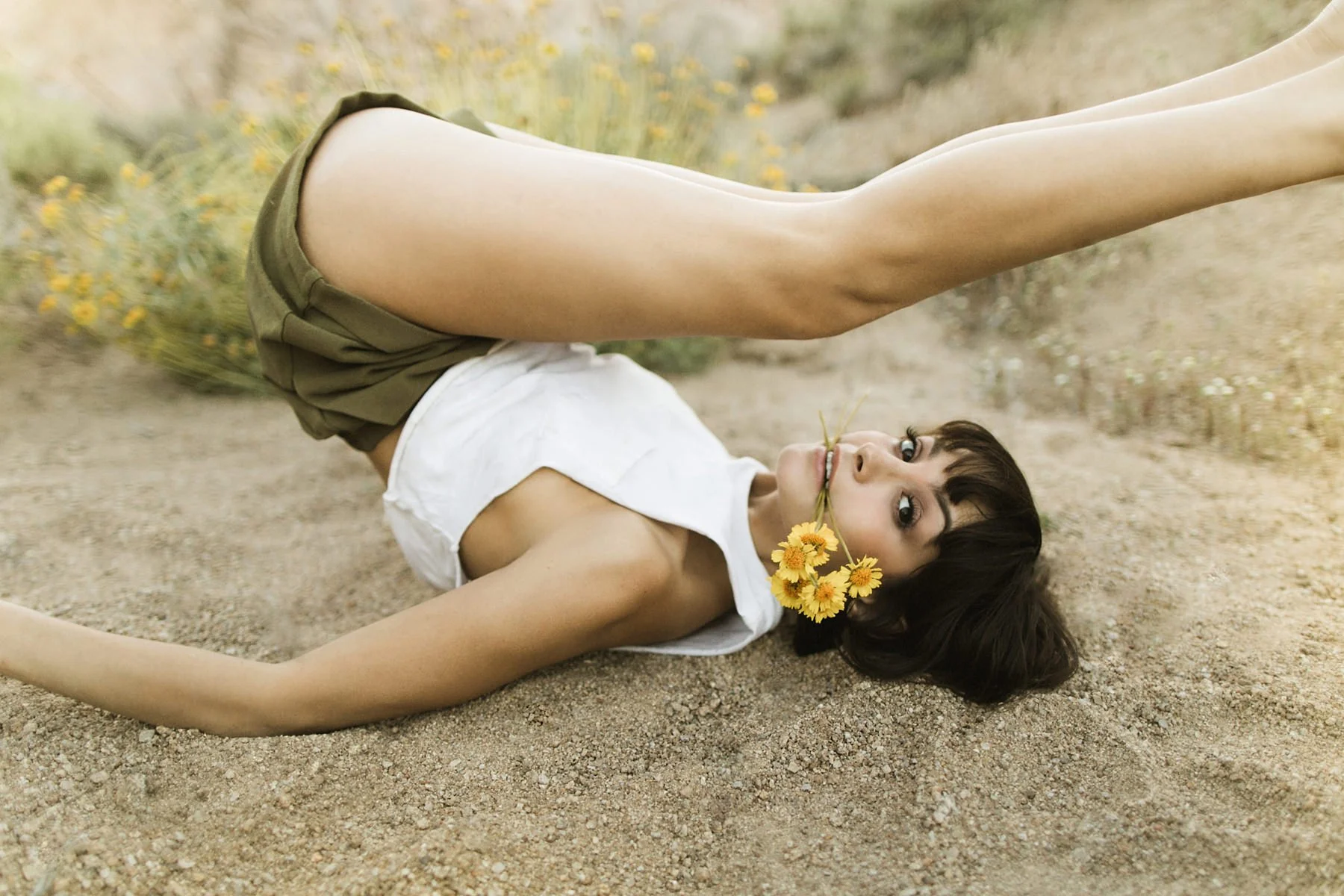
What Your Photographer Should Be Doing
Here is the truth most people miss: posing is not your job. It is mine.
When you hire a professional headshot photographer, you are hiring a director. I analyze every face I shoot: the jawline, the cheekbones, the eyes, how light falls across the features. Then I pose you accordingly, adjust in real time, and show you the back of the camera so you can see what is working. You do not need to arrive knowing how to pose. You need to arrive willing to take direction.
This is why professional headshots are worth it for people who feel unphotogenic most of all. The gap between a phone selfie and a directed professional session is largest for the people who think they photograph badly, because direction is exactly what they have been missing.
If you are evaluating photographers, this is central to choosing an acting headshot photographer or any portrait photographer: ask how they direct people who are uncomfortable in front of the camera. The answer reveals everything about their experience.
Techniques for Specific Insecurities
If You Hate Your Smile
We shoot serious and subtle expressions too. Not every headshot needs teeth. Some of the strongest portraits I have taken are quiet, confident, closed mouth looks. And if we do smile, I direct you to it gradually: think of something funny, let it build naturally, and I capture the real thing instead of the posed one.
If You Are Self Conscious About Weight
Posing and lens choice solve most of this. Shooting slightly from above slims the face. Angling the body prevents the straight on widening effect. Darker wardrobe tones streamline. Good lighting sculpts. These are standard professional techniques, not tricks, and they work on everybody.
If One Side of Your Face Bothers You
Tell me. I will favor your preferred side throughout the session while still getting enough variety. This is an extremely common request, and there is zero judgment in it.
If You Blink in Every Photo
I shoot in bursts and watch for it. If you are a chronic blinker, I will have you close your eyes, then open on my count. It sounds simple because it is simple, and it works every time.
The Session Itself: What to Expect
A good headshot session for a nervous client follows a pattern:
- We start with easy, low pressure frames while you warm up. Nobody's best photo is frame one.
- I show you the back of the camera early. Seeing a good image of yourself builds confidence fast.
- We build gradually from simple to expressive. By the middle of the session, you are loose and we are getting the best work.
- I keep talking. Silence in front of a camera breeds tension. Conversation keeps your face alive.
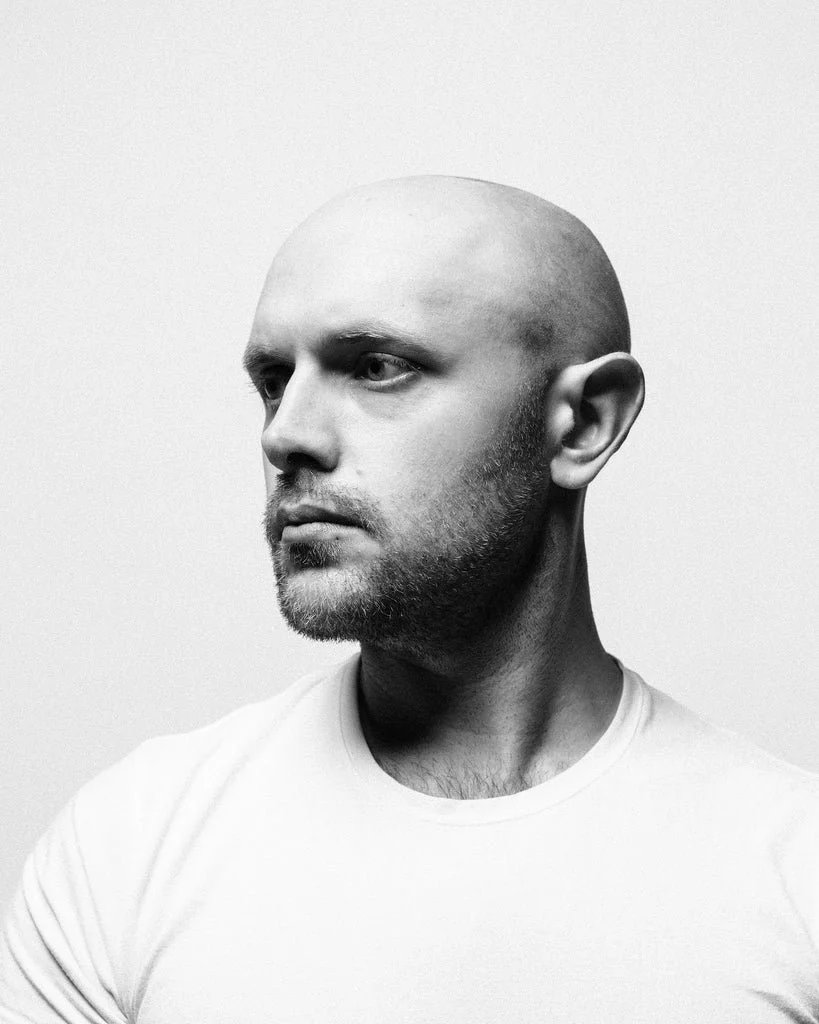
Prepare Your Wardrobe to Help
Clothing will not fix posing, but it removes variables. Well fitted clothes in colors that suit you mean one less thing to worry about. Review wardrobe choices for headshots before your session so you arrive with outfits that already work, and we can spend the time on expression instead of outfit anxiety.
The Bottom Line
You are not unphotogenic. You are undirected. More precisely, you have never been directed well. The techniques above will improve any photo you take, including phone selfies. But the real transformation happens when a professional photographer takes over the posing, the angles, the light, and the direction, and all you have to do is follow along.
My sessions include full direction as standard, because directing is the job. The clients who arrive most convinced they photograph badly are consistently the ones most surprised by their galleries. Trust the process, and let the camera do what it does when someone who knows how to use it is behind it.