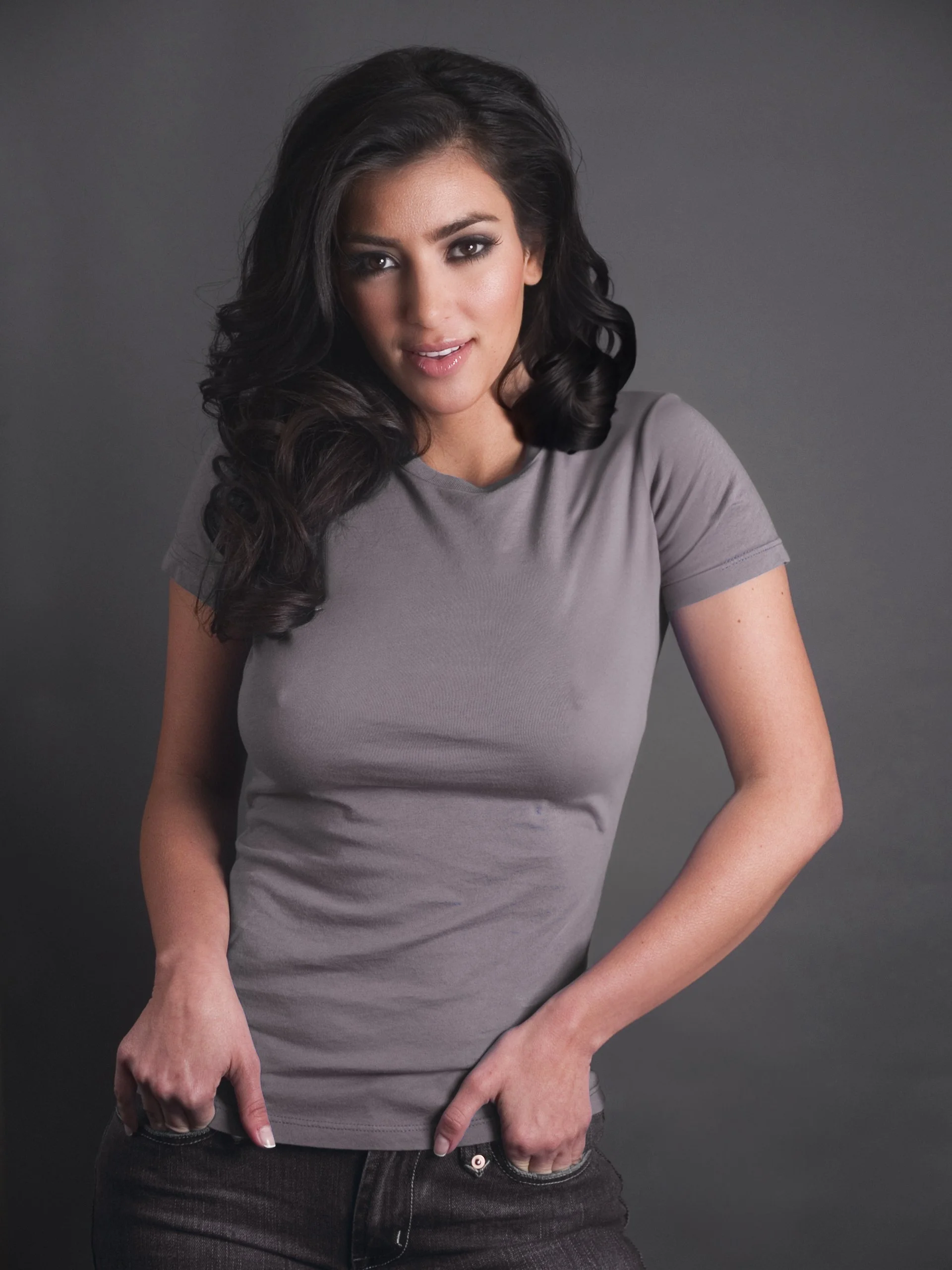
The red carpet looks glamorous from the couch. Up close, it's a beautiful kind of chaos — shouted names, flashing strobes, publicists pulling talent in three directions, and about ninety seconds to get the shot before the moment moves on.
I've been working red carpets for 27 years. My first one was the Teen Choice Awards in 2000 — I was still in high school, shooting on a Nikon Coolpix 950 for AWZ.com and my school paper, and I filed same-night images over a 56k modem for $1,250. That night taught me everything about how this work really functions. Here's what goes on behind the rope line.
The Job Is Speed, Not Just Talent
On a red carpet, you don't get a second take. The talent walks the carpet, pauses at the step-and-repeat, and keeps moving. Your window might be a minute. It might be twenty seconds.
That 2000 Teen Choice Awards night set my standard permanently: shoot it, edit it, deliver it the same night. The outlets I was feeding — I got images to Seventeen magazine through 411 that night — didn't care how hard the conditions were. They cared that the photos were there before deadline. Every red carpet since has run on the same principle. The photographer who delivers fast wins the next booking.
Positioning Is Everything
Before anyone famous arrives, the real work is already done. Where you stand determines what you get. The step-and-repeat backdrop, the angle of the light, which side the talent will face — veterans sort this out during the empty-carpet walkthrough while newcomers are still finding the bathroom.
At a Quincy Jones ceremony I covered, I ended up photographing Snoop Dogg and Usher together — but only because I was in the right spot when the moment happened. Snoop's manager initially resisted, but Snoop himself called me "the man" and brought Usher over. You can't plan a moment like that. You can only be positioned for it.
Reading the Room
The best red carpet photographers develop a sense for the flow of the night. Who's arriving when. Which publicist will give you thirty seconds and which one won't. When the light is about to change. When a surprise pairing is about to walk past your mark.
This is the part of the job that doesn't show up in anyone's portfolio. It's instinct built over years of standing in the same chaos, and it's why experience matters more on a carpet than almost anywhere else in photography. A technically perfect photographer with no carpet instincts will miss the moments. A veteran with average gear in the right position will get them.
Working With Publicists and Handlers
The talent's team controls access, and fighting them is always a losing strategy. The photographers who last on the carpet are the ones publicists trust — the ones who don't shout over the handler, don't block the walkway, and deliver images that make their clients look good.
Trust compounds. The reason I kept getting invited back to major events across 27 years is the same reason any photographer does: I was fast, I was professional, and the photos made everyone look like stars. Reputation on the carpet is a currency, and you spend it carefully.
What Clients Should Know
If you're hiring red carpet coverage in Los Angeles — for a premiere, a gala, a brand event — here's what to ask:
What's your turnaround? Same-night delivery should be the expectation, not a premium add-on. Events live and die on social media timelines now; photos that arrive three days later have missed their moment.
Do you know this venue? Every carpet has its quirks — the lighting at one venue is tungsten, the step-and-repeat at another is backlit. A photographer who's worked the room before starts with an advantage.
Can you handle the chaos? Ask about the biggest event they've covered. You want someone who's been in the crush and stayed calm, not someone whose largest crowd was a wedding.
David Christopher Lee is a celebrity photographer with 27 years of red carpet experience. If you're hiring a celebrity photographer in Los Angeles, read our complete hiring guide. For talent preparing for the carpet, see what to wear for a celebrity photoshoot.
Frequently Asked Questions
How far in advance should I book red carpet coverage? For major award shows, photographers are often credentialed months ahead through outlets. For private events and premieres, four to six weeks is comfortable — though I've pulled off faster turnarounds when the schedule demanded it.
What's a step-and-repeat? The branded backdrop wall where talent poses for photos. The name comes from the pattern: step up, pose, repeat down the line. Getting clean, well-lit shots against it — without another photographer's flash ruining your frame — is the core skill of carpet work.
Do red carpet photographers need special credentials? Yes. Major events credential photographers through media outlets, and positions are assigned. This is one area where who you know genuinely matters — relationships with outlets and publicists open doors that cold emails don't.
Film or digital for red carpet? Digital, without question. The job requires immediate delivery, high burst rates in low light, and the ability to file from the venue. Anyone shooting film on a modern carpet is doing it as an art project, not as coverage.
Related Reading
- How to Hire a Celebrity Photographer in Los Angeles
- How Much Does a Celebrity Photographer Cost?
- Celebrity Portrait Photography: What Makes It Iconic
David Christopher Lee is a celebrity photographer in Los Angeles and New York with 27 years of red carpets, premieres, and award shows behind him. Book a shoot.