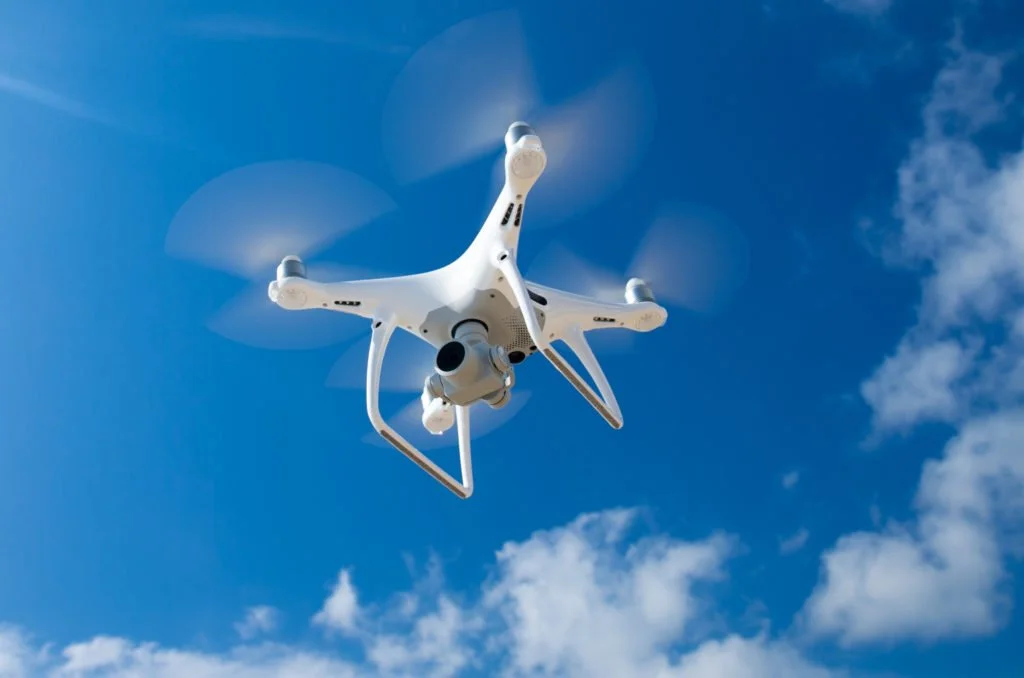
Drone shots look spectacular. A sweeping aerial of your venue, the crowd from above, the scale of the whole production in one frame. It is the kind of image that stops thumbs on social media and anchors a sizzle reel. But drones come with real costs, real regulations, and real limitations, and they are not right for every event.
I have worked alongside drone operators at corporate events for years. Here is the honest breakdown of when aerial coverage earns its place in your budget.
What Drones Do That Nothing Else Can
The value proposition is simple: perspective. A drone shows scale, setting, and context in a single frame.
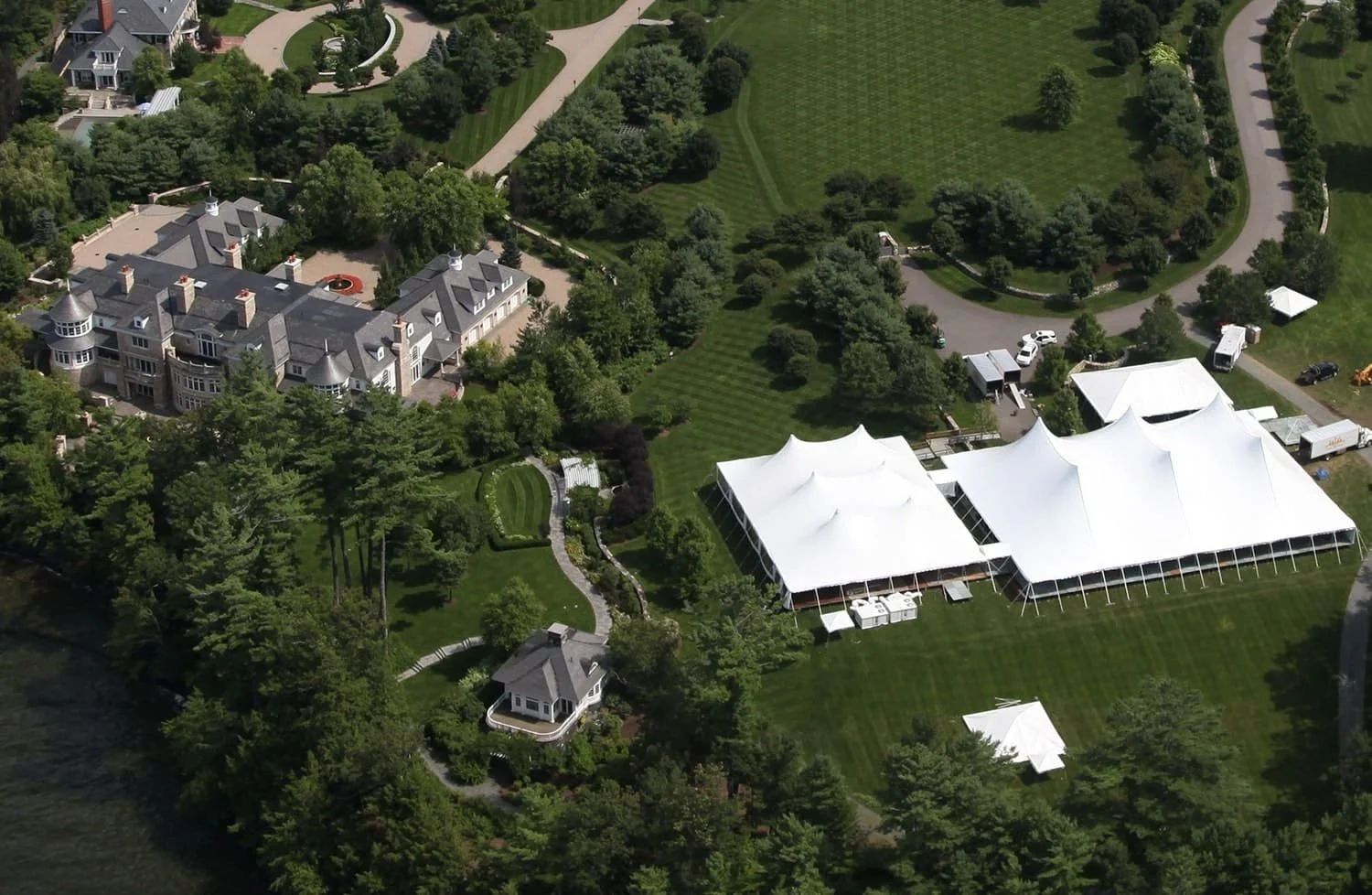
- Venue establishing shots. The full footprint of an outdoor festival, retreat, or campus event.
- Crowd scale. Five thousand attendees from above tells a story no ground photo can.
- Location beauty. Resorts, golf courses, waterfront venues, and estates look extraordinary from the air.
- Dynamic video. Slow aerial push ins and reveals are the backbone of modern event recap videos.
- Sponsor value. Aerial shots of branded installations and signage deliver visibility sponsors love.
For the right event, ten minutes of good drone footage becomes the most used asset in the entire media package. Marketing teams pull stills from it for years.
The Regulatory Reality
This is the part that surprises most planners. Commercial drone operation in the United States is regulated by the FAA, and the rules are strict.
- The operator must hold a Part 107 remote pilot certificate. No certificate, no legal commercial flight. Ask to see it.
- Flights over people are heavily restricted. Flying over an open air assembly of people requires specific approvals and equipment. Most standard event coverage cannot legally hover over a crowd.
- Controlled airspace needs authorization. Venues near airports, which is most urban venues, require FAA airspace authorization filed in advance.
- Local rules add layers. Many venues, parks, and municipalities have their own drone restrictions or outright bans. Hotels and resorts often prohibit them.
- Insurance is essential. Legitimate operators carry liability coverage specifically for drone operations.
None of this is a reason to avoid drones. It is a reason to hire a legitimate operator and plan ahead. The planners who get burned are the ones who hire a hobbyist the week before and discover on event day that the venue prohibits flights.
When Drone Coverage Is Worth It
Large Outdoor Events
Festivals, outdoor conferences, company retreats, golf tournaments, groundbreaking ceremonies. If your event has meaningful outdoor footprint and scale worth showing, drone coverage pays for itself in marketing assets.
Beautiful Venues
If you chose the venue partly for how it looks, show it. Aerials of a resort, vineyard, waterfront property, or architecturally striking campus turn a nice event into a memorable visual story.
Events With a Video Deliverable
If you are producing a recap video, drone footage is close to essential. It provides the establishing shots and transitions that make event videos feel cinematic instead of claustrophobic.
Sponsor and Stakeholder Showcases
When you need to demonstrate scale to sponsors, boards, or partners, nothing communicates it like an aerial. Attendance numbers are abstract. A photo of five thousand people from above is not.
When to Skip It
- Indoor events. This should be obvious, but I still get asked. Drones indoors are a safety and regulatory non starter for corporate events.
- Small gatherings. Fifty people in a courtyard does not need an aerial. Ground photography covers it beautifully.
- Venues near airports or in restricted airspace where authorization will not come through in time.
- Tight timelines with no planning runway. Drone logistics need weeks, not days.
- Budget constrained events where the money is better spent on core photography coverage.
Drone Video vs Drone Stills: What to Ask For
Most event drone coverage includes both, but it helps to know what you are actually buying. Drone stills are high resolution photographs: the sweeping venue shot, the crowd from above, the aerial of the branded installation. These work everywhere, from websites to print programs to social posts.
Drone video is a different deliverable. Slow aerial push ins, orbiting reveals, top down transitions. This footage becomes the backbone of a recap video, and it is what makes event videos feel cinematic. If your marketing team is producing a sizzle reel, tell the operator upfront, because video flights are planned differently than photo flights: longer takes, smoother movements, specific flight paths.
One practical note: the best drone stills often come from video. Operators routinely pull high resolution frame grabs from 4K and 8K footage, which means a video focused flight can deliver your stills too. Discuss this with the operator in advance so the flight plan serves both needs. And confirm delivery formats before the event. You want editable video files and full resolution stills, not just a compressed highlight clip.
What It Costs
Drone coverage is typically an add on to standard event photography, not a replacement for it. Expect $500 to $2,000 for event drone coverage depending on flight time, deliverables, and whether you need both photo and video. Complex shoots with multiple locations or video editing run higher.
Budget the ground photography first. Understand what corporate event photography costs as your foundation: my rates are $750 per hour, $2,500 for a half day, $4,500 for a full day. Then add the drone as the aerial layer on top. A drone without good ground coverage gives you pretty establishing shots and nothing else.
How to Plan It Right
- Book early. Four to six weeks minimum for airspace authorization and venue approvals.
- Confirm venue permission in writing. Do this before you book the operator.
- Verify the operator's Part 107 certificate and insurance. Non negotiable.
- Schedule flights around the program. Golden hour aerials of the venue before guests arrive, plus a mid event flight for crowd scale.
- Coordinate with the ground photographer. The drone operator and I plan together so our coverage complements instead of duplicates.
- Have a weather backup. Wind grounds drones fast. Build the schedule so a scrubbed flight does not break the day.
The Bottom Line
Drone photography is worth it for large outdoor corporate events, beautiful venues, and any event producing a recap video. It is not worth it indoors, for small gatherings, or when the regulatory logistics cannot be cleared in time. Treat it as a powerful add on to strong ground coverage, never as a substitute.
When you book a corporate event photographer, ask whether they coordinate with drone operators or can recommend a licensed one. And run through your questions to ask before booking a photographer with the drone operator too, especially the ones about certification, insurance, and venue approvals. The spectacular aerial is only worth it if it is legal, safe, and planned.