Intro
Strobe vs continuous lighting is the lighting question every portrait photographer asks exactly once, usually while staring at a shopping cart containing one very expensive light. The debate never quite dies, because both answers keep getting better. In 2026, studio strobes are more powerful and more portable than they have ever been, and continuous LED lights have grown so strong that portrait photographers are seriously asking whether today's high-wattage LEDs can replace a strobe in the studio.
This guide settles it the practical way. Below you will find what each light actually is, the seven differences that matter for portraits, what portrait educator Kyle Cong found when he tested a 720W LED against traditional strobes in a real portrait setup, my own take after 27 years of lighting celebrities, and a clear answer on which light you should buy first.
On this page: The short answer · What a strobe actually is · What continuous lighting actually is · The 7 differences that matter · What the video test shows · My take after 27 years · Which light should you buy? · FAQ
The Short Answer
If you only need one paragraph: strobes deliver a short, powerful burst of light that freezes motion, overpowers daylight, and works at small apertures, which is why they remain the workhorse of professional portrait, fashion, and event photography. Continuous lights stay on all the time, so you see exactly how the light falls before you press the shutter, and they work for video, which strobes cannot do. Beginners learn faster with continuous light. Working portrait photographers who shoot paying clients almost always end up with strobes, and many eventually own both.
What a Strobe Actually Is
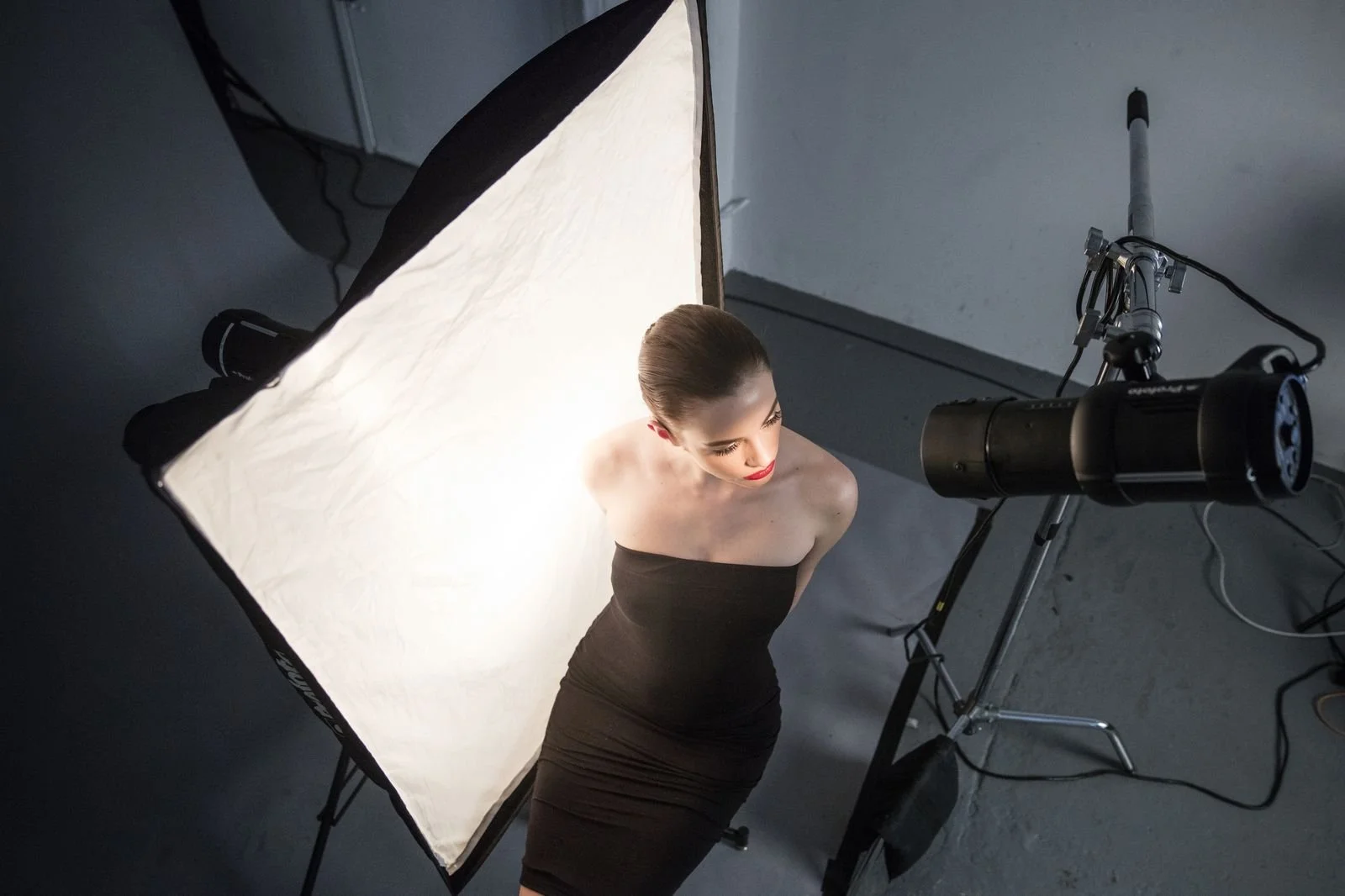
A studio strobe, usually sold as a monolight, is a self-contained flash unit: flash head, power controls, and electronics in one body. Its job is to emit one powerful, brief burst of light when your shutter is open. That is the whole idea, and everything about strobes flows from it.
Strobe power is measured in watt-seconds, which is a unit of energy. The higher the number, the brighter the burst. As a practical guide, B&H's monolight buying guide notes that around 250 watt-seconds is enough for headshots and small-studio still life, while 500 to 600 watt-seconds suits full-body portraits, fashion work, freezing motion, and outdoor shooting. If you need to overpower bright sun, you keep climbing toward 1,000 watt-seconds and beyond.
Two strobe characteristics matter more than beginners expect. The first is flash duration: the burst can be as short as roughly 1/2000 of a second, and that short duration is what freezes fast action, not your shutter speed. The second is recycle time, how fast the strobe recharges between flashes. With a live model changing poses and expressions, a slow recycle can cost you the moment, so responsiveness matters for portrait work.
Strobes do not fire themselves. Modern monolights sync wirelessly, usually with a transmitter on your camera's hot shoe, and many support TTL, where the camera meters the scene and sets the flash power automatically. Most strobes also include a small continuous modeling light, an LED or tungsten lamp built into the head that previews where the light will fall. It is dimmer than the flash, but it takes some of the guesswork out of strobe lighting.
One more practical point: you almost never point a bare strobe at a person. The standard kit is strobes plus modifiers, softboxes, umbrellas, grids, and beauty dishes, plus light stands. If you buy a strobe, budget for at least one good modifier with it. If you want to see what a single strobe and one modifier can do, my one light portrait setup guide builds five classic looks from exactly that combination.
What Continuous Lighting Actually Is
Continuous lighting is exactly what it sounds like: lights that stay on. For still photographers in 2026, that almost always means LED, either flat panels or COB (chip-on-board) spotlights that throw a single hard source you can soften with the same modifiers strobes use.
The story of the last few years is power. Early LED panels were dim enough that you needed wide apertures and high ISOs for portraits. The new generation of high-wattage COB LEDs changed the math. Take the Nanlite FC-720B, the light at the center of the video featured in this post: a bi-color LED spotlight that delivers about 12,690 lux at roughly 10 feet with its reflector, covers a 2,700K to 6,500K color temperature range, and lists at $649. That is serious studio output from a light you can also dim smoothly to zero, adjust color temperature on, and use for video without changing a thing.
Continuous light's defining trait is what-you-see-is-what-you-get. You watch the shadows move across the face as you reposition the light, you see the exact catchlight in the eyes, and your exposure preview is honest. For learning light, there is nothing better. For hybrid shooters who deliver stills and video from the same session, continuous is not a preference, it is a requirement, because a strobe contributes nothing to a video frame.
The 7 Differences That Matter
1. Power and output
A strobe concentrates all its energy into a fraction of a second, so even a mid-size monolight easily overpowers room light and competes with daylight. Continuous lights spread their output across time, so matching a strobe's effective brightness takes serious wattage, and costs climb steeply as output rises. If your portraits happen in bright or uncontrolled light, strobes win on power. In a controlled studio at close range, a modern high-output LED holds its own.
2. Freezing motion
This is the strobe's signature trick. Because the flash duration itself can be around 1/2000 of a second, the burst freezes motion regardless of your shutter speed. A jumping child, wind in hair, a dancer mid-leap: the strobe stops it. With continuous light, motion freezing depends entirely on your shutter speed, which means raising ISO or opening the aperture to compensate. For energetic portraits, strobes are the tool.
3. What you see before you shoot
Continuous light wins this one outright. You see the final lighting on the face before you take a single frame, which makes experimenting fast and intuitive. Strobes ask you to imagine the result, take a test shot, adjust, and repeat, with only the dim modeling light as a preview. This is the main reason beginners learn lighting faster starting with continuous sources.
4. Video and hybrid shooting
If you shoot any video at all, this difference decides for you. Continuous lights illuminate video natively. Strobes do not expose video frames, period. The modeling lamp on a strobe is a preview aid, not a video light. Portrait photographers who deliver reels, behind-the-scenes clips, or full video sessions alongside stills need continuous light in the kit.
5. Learning curve and workflow
Continuous lighting is close to turning on a lamp: position it, dim it, shoot. Strobes add a layer of systems: wireless triggers and channels, flash power in stops, recycle times, TTL behavior, and the test-shoot-adjust loop. None of it is hard, but it is a real learning curve, and on a fast-moving set the strobe photographer has more variables to manage.
6. Cost at equal output
Entry-level continuous panels are cheap, which is why so many photographers start there. But the cost curve bends hard: a truly strobe-competitive LED like the 720W-class COB lights lists around $649 before you add modifiers, while capable entry strobes with more effective output can cost less. Compare total kits, light plus modifier plus stand plus trigger, not just the head, and price the output level you actually need.
7. Modifiers, color, and heat
Both systems share the modern modifier ecosystem: Bowens-mount softboxes, umbrellas, and grids fit either. Two differences remain. Many LED lights offer adjustable color temperature and even full RGB color built in, while strobes generally need gels for color effects. And while old tungsten continuous lights ran hot enough to make subjects squint, modern LEDs run far cooler, which closed one of strobes' traditional comfort advantages.
What the Video Test Shows
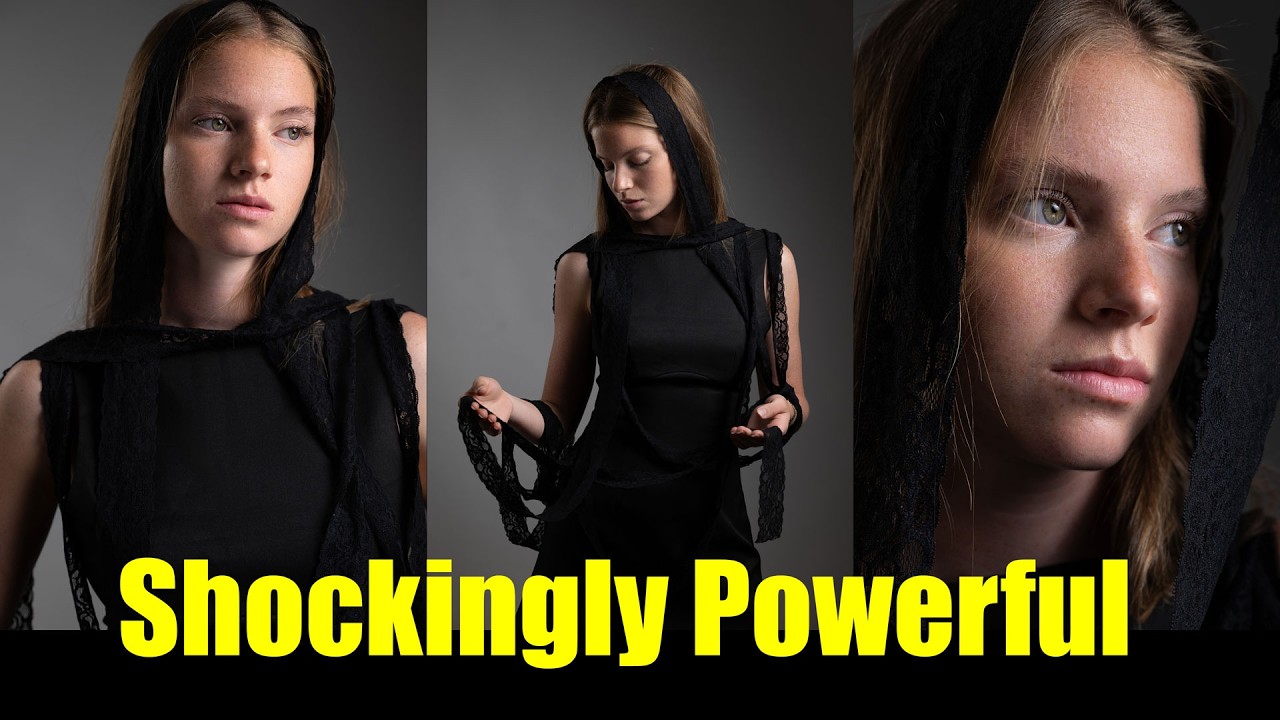
Portrait photographer and educator Kyle Cong put the 2026 version of this debate to a real test in his video "The Future of Studio Photography Lighting?" Rather than arguing specs, he shot an actual portrait session with what he describes as a 720W LED studio light, the Nanlite FC-720B, as his key light through a 3-foot octa softbox, adding a smaller LED as a kicker and silver reflectors for fill, then compared the experience and results against traditional strobe lighting for professional portrait work.
Two things stood out in his test, described here in my own words. First, the real-time preview genuinely changes how you work: seeing the light move across the face while you adjust makes experimenting with lighting positions faster and more intuitive than the strobe's shoot-review-adjust cycle. Second, and this is the honest part, the question he keeps returning to is whether these high-wattage LEDs are truly catching up to strobes for professional work, not whether they have already replaced them. The LED holds its own in the studio at portrait distances. It does not erase the strobe's advantages in freezing motion or overpowering bright ambient light.
Watch his full comparison above, it is the clearest side-by-side demonstration of where the two technologies stand right now. B&H's own studio comparison, which pits a bi-color LED monolight against a 400 watt-second strobe for portraits, reaches a similar conclusion: each light has real strengths, and the right choice follows the work you do. You can watch their breakdown here: Strobe vs. Continuous: Which Should You Add to Your Lighting Setup?
My Take After 27 Years
I have spent 27 years lighting faces, and I will be direct: strobes have been my workhorse for client work the entire time. When a paying client is in front of my camera, I want the power, the motion freezing, and the consistency of a strobe. Early in my career I was shooting three to four models a day for four months straight in Miami, hundreds of models in a short time, and that volume taught me more about lighting, working with different skin tones, and directing models than any single piece of gear ever did. The light mattered less than learning to see it.
Battery-powered strobes changed location work for me. I once photographed Linda Hamilton at her home in Point Dume, Malibu, and set up my lights in her backyard with an Alien Bee strobe kit running on a battery pack so I never needed an outlet. We shot three looks in about an hour. That is the strobe's promise: full studio power anywhere you can carry it.
But I also understand exactly why continuous light is winning converts, because the way you learn to see light matters. What-you-see-is-what-you-get is how the old masters worked, and it is still the fastest way to train your eye. When I moved Snoop Dogg into soft, flattering light for a serious portrait in a theater lobby, I was reading the existing light on his face in real time and adjusting, the same skill a continuous light teaches you. If you are learning, a continuous source will teach you to see shadows faster than any strobe will.
My rule is simple. Paying client, uncontrolled environment, or anything with motion: strobe. Learning light, testing ideas, or delivering video alongside stills: continuous. And the honest ending most photographers reach: you eventually own both, because the question was never which light is better. It is which light the job needs.
Which Light Should You Buy?
Buy continuous LED if you are learning lighting, shooting in a small space, producing video alongside stills, or want the most intuitive first light. A bi-color COB LED with a softbox will teach you more about light in a month than a year of guessing with a strobe.
Buy a strobe if you photograph paying clients, shoot fashion or events, need to freeze motion, work in bright or unpredictable light, or want to shoot at f/8 and beyond with clean files. Start with one strobe, one modifier, and a wireless trigger, then add lights only when a job demands it. And if your flash work happens on location in chaotic light, my nightclub photography lighting guide covers flash settings and taming colored lights from years of exactly that work.
One more option costs nothing: natural light is the original continuous source. My golden hour portrait photography guide is pure what-you-see-is-what-you-get lighting, and practicing with it will make you better with every artificial light you ever buy.
FAQ
Can continuous LED lights replace strobes for portraits in 2026?
For close-range studio portraits at moderate apertures, increasingly yes. A high-wattage LED like the Nanlite FC-720B delivers serious output, about 12,690 lux at roughly 10 feet, with adjustable color temperature and silent dimming. But strobes still win where it counts for many pros: freezing motion with short flash durations, overpowering daylight, and shooting at small apertures with low ISO. Most working portrait photographers treat high-output LEDs as a complement to strobes, not a replacement.
Do strobe lights work for video?
No. A strobe fires for a fraction of a second per still frame and contributes nothing to video exposure. Some strobes include a continuous modeling light, but it is a dim preview aid, not a usable video key light. If you shoot hybrid stills and video, you need continuous lights.
Is strobe or continuous lighting better for beginners?
Continuous, and it is not close. You see exactly how the light falls before you press the shutter, there are no triggers or recycle times to manage, and every adjustment teaches you something immediately. Move to strobes when you start booking client work that needs more power, motion freezing, or daylight control.
What size strobe do I need for portraits?
For headshots and small-studio work, around 250 watt-seconds is plenty. For full-body portraits, fashion, freezing motion, or balancing bright outdoor light, look at 500 to 600 watt-seconds. Those figures come from B&H's monolight buying guide, which is worth reading in full before you spend money: B&H Buying Guide: Monolights. Remember that modifiers eat output, so buy slightly more power than your current work needs.
Book a Shoot
If you need portraits with lighting done right, whether that is dramatic studio strobes or soft natural light, I have spent 27 years lighting faces for magazines, celebrities, and clients who cannot afford a reshoot. Get in touch here and tell me about your shoot. You can also browse my portrait work to see the lighting styles I shoot most.
So, which side are you on: team strobe, team continuous, or team both? Tell me what you shoot and I will tell you which light I would buy first.