The national average for a wedding photographer sits at $3,000, according to The Knot 2026 Real Weddings Study of 10,474 couples married in 2025. That number is accurate and almost useless at the same time. A couple marrying in Manhattan and a couple marrying in Minneapolis are not shopping in the same market. In New York City, experienced professionals start around $5,500 for full day coverage. In the Midwest, experienced photographers deliver full days at $2,500 to $3,500. Same job title, nearly double the price.
This guide lays out what wedding photography costs across major US cities in 2026, where those numbers come from, how they have moved over the last five years, and what is inside the packages at each price point. Every dollar figure below comes from a published survey or a working photographer. No invented statistics.
The Short Answer
If you want one number for the whole country, The Knot says $3,000. Zola says $4,400. WeddingWire says $2,000. All three are telling the truth about different things, and understanding why they disagree will save you from misreading every quote you receive.
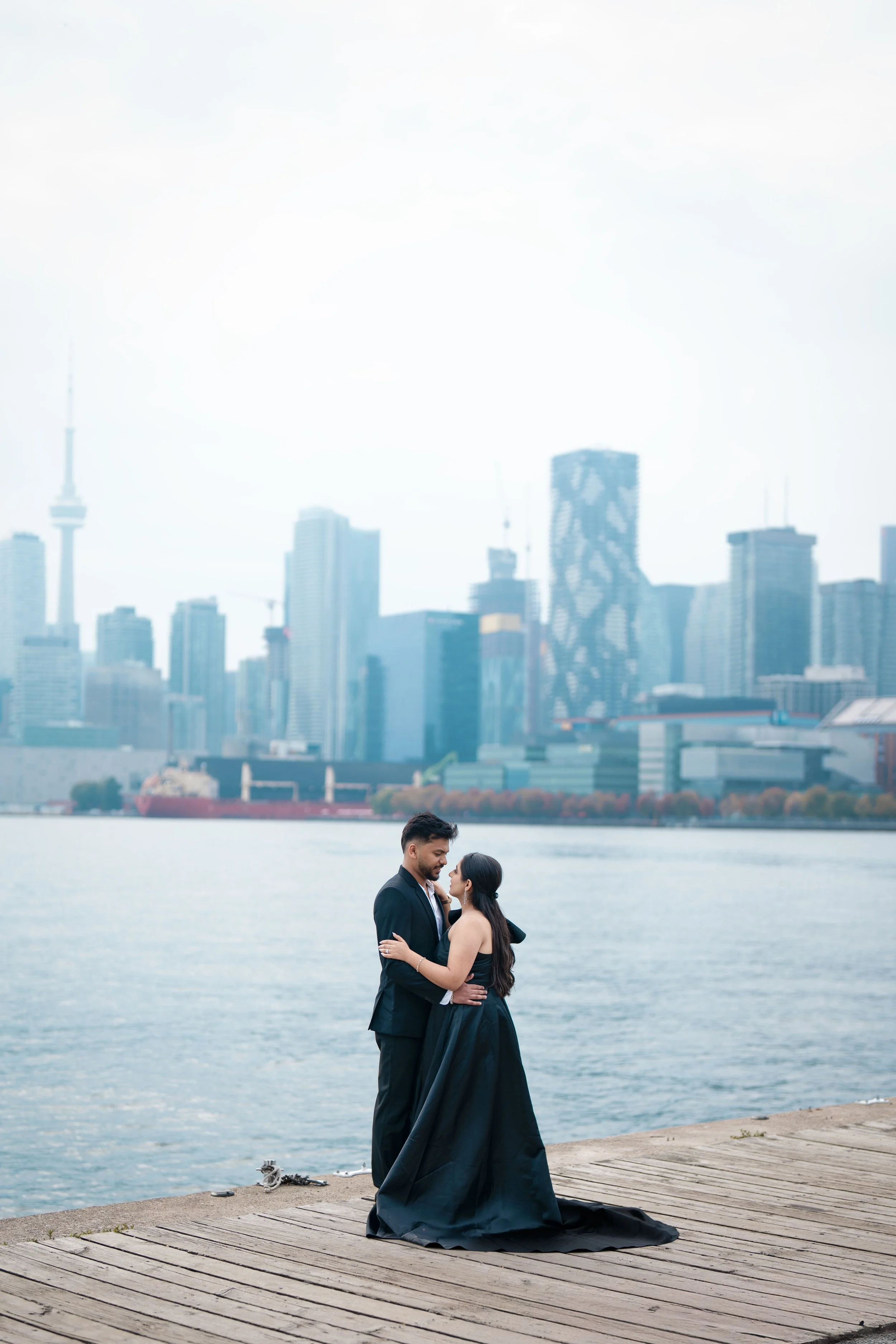
The Knot 2026 Real Weddings Study surveyed 10,474 US couples married in 2025. The average they paid for a wedding photographer was $3,000, with a median of $2,800. The lower cost quartile sat at $1,500 and the upper quartile at $4,700. That study averages what couples actually paid for any photography at all, including short coverage and elopements, which pulls the average down.
Zola's Wedding Cost Index, updated February 2026, puts the national average at $4,400, with most couples paying $3,500 to $5,300. Zola's figures sit closer to what full day professional packages actually cost. Zola also notes that photography accounts for roughly 9 percent of a total wedding budget.
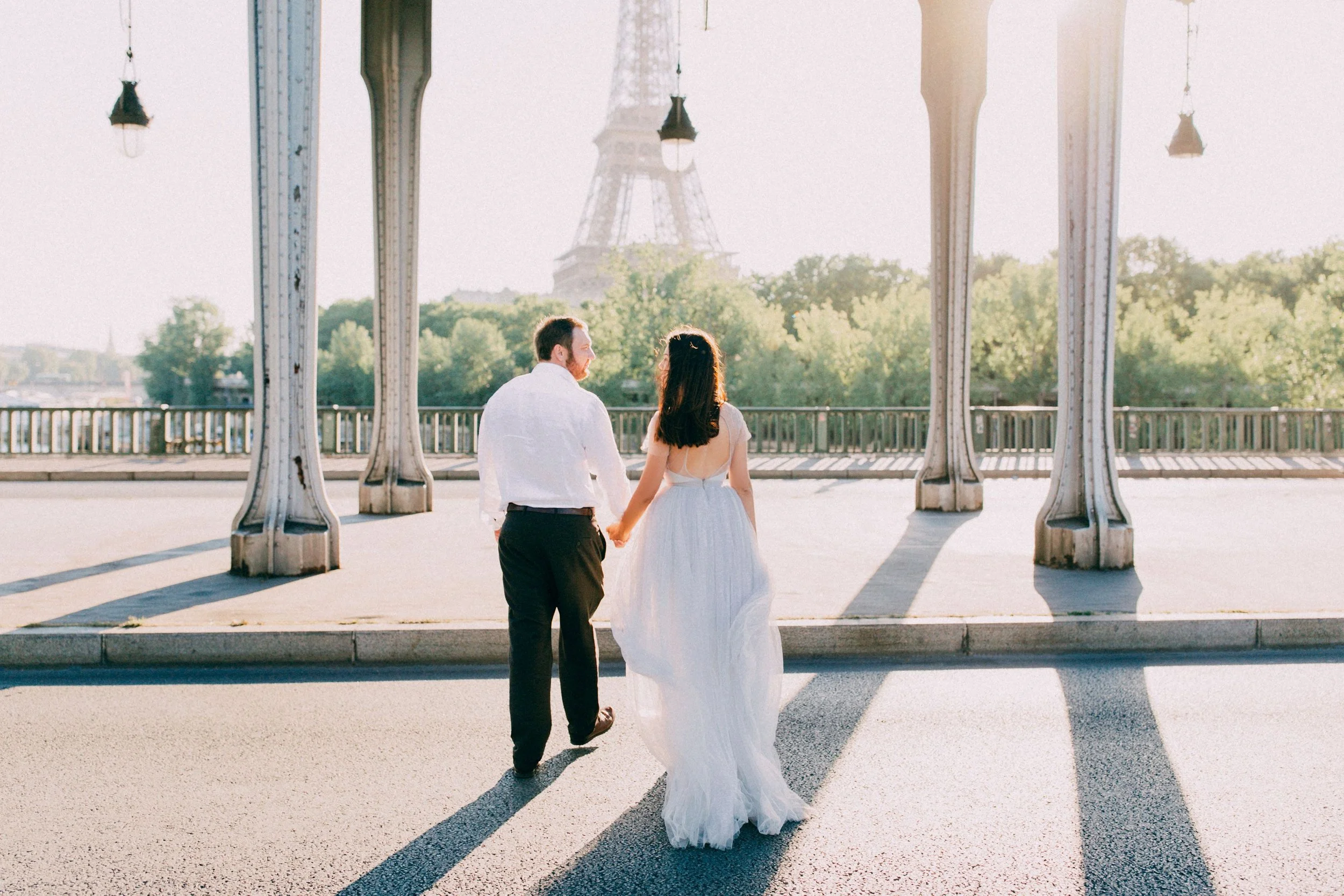
WeddingWire's widely cited $2,000 figure draws from an even wider spread of bookings, including part time and entry level photographers. Measured against the survey average, a ten hour day with two photographers will always look expensive. Measured against Zola's premium tier, it looks normal. The practical takeaway: a quoted price anywhere from $1,500 to $5,300 can be entirely ordinary. The only way to compare two quotes is to compare what is inside them.
Average Wedding Photography Cost by City in 2026
The table below uses 2026 market data from With Joy's annual cost guide, which tracks what couples pay in the top US wedding markets. Averages reflect typical full day professional bookings. Ranges show the spread from entry level to luxury in each market.
| City | Average Cost | Typical Range |
|---|---|---|
| San Francisco / Bay Area | $5,500 | $4,000 to $12,000 |
| New York City | $5,000 | $3,500 to $12,000+ |
| Los Angeles | $5,000 | $3,000 to $15,000 |
| Chicago | $4,800 | $2,500 to $12,000 |
| Boston | $4,500 | $3,500 to $8,000 |
| Seattle | $4,500 | $3,000 to $10,000 |
| Miami / South Florida | $4,500 | $3,000 to $9,000 |
| Washington DC | $4,200 | $3,000 to $10,000 |
| Nashville | $3,800 | $2,500 to $6,000 |
| Dallas / Houston | $3,500 | $2,000 to $6,500 |
| Atlanta | $3,200 | $2,000 to $6,000 |
| Minneapolis / Midwest | $2,800 | $1,800 to $5,000 |
A few things jump out. San Francisco tops the list at $5,500 average, and anything under $4,000 in the Bay Area is typically an early career photographer or limited hours. New York and Los Angeles tie at $5,000, though LA has the widest range in the country, stretching to $15,000, thanks to its celebrity adjacent luxury market. In Manhattan specifically, the floor for experienced professionals is around $5,500. Chicago at $4,800 runs higher than most people expect, and suburban Chicago photographers price 10 to 25 percent below city based studios.
At the other end, Minneapolis and the broader Midwest offer the best value in the country, with experienced photographers at $2,500 to $3,500. Dallas and Houston sit at $3,500 average, which With Joy calls excellent value, while noting Austin skews higher on tech and luxury demand. Nashville deserves a special mention: prices there are up 25 to 30 percent since 2022 as it has grown into a destination wedding city.
Boston is worth a closer look because one local study went deeper than most. Research covering just under 100 Boston wedding photographers found an average of $6,627 for one photographer over eight hours, with a range of $3,600 to $11,000. Two photographers for eight hours averaged $7,746, ranging from $4,200 to $16,000. The second shooter add on alone averaged $1,020. Boston's market prices significantly higher than the US average, which tracks with its New England location and high cost of living.
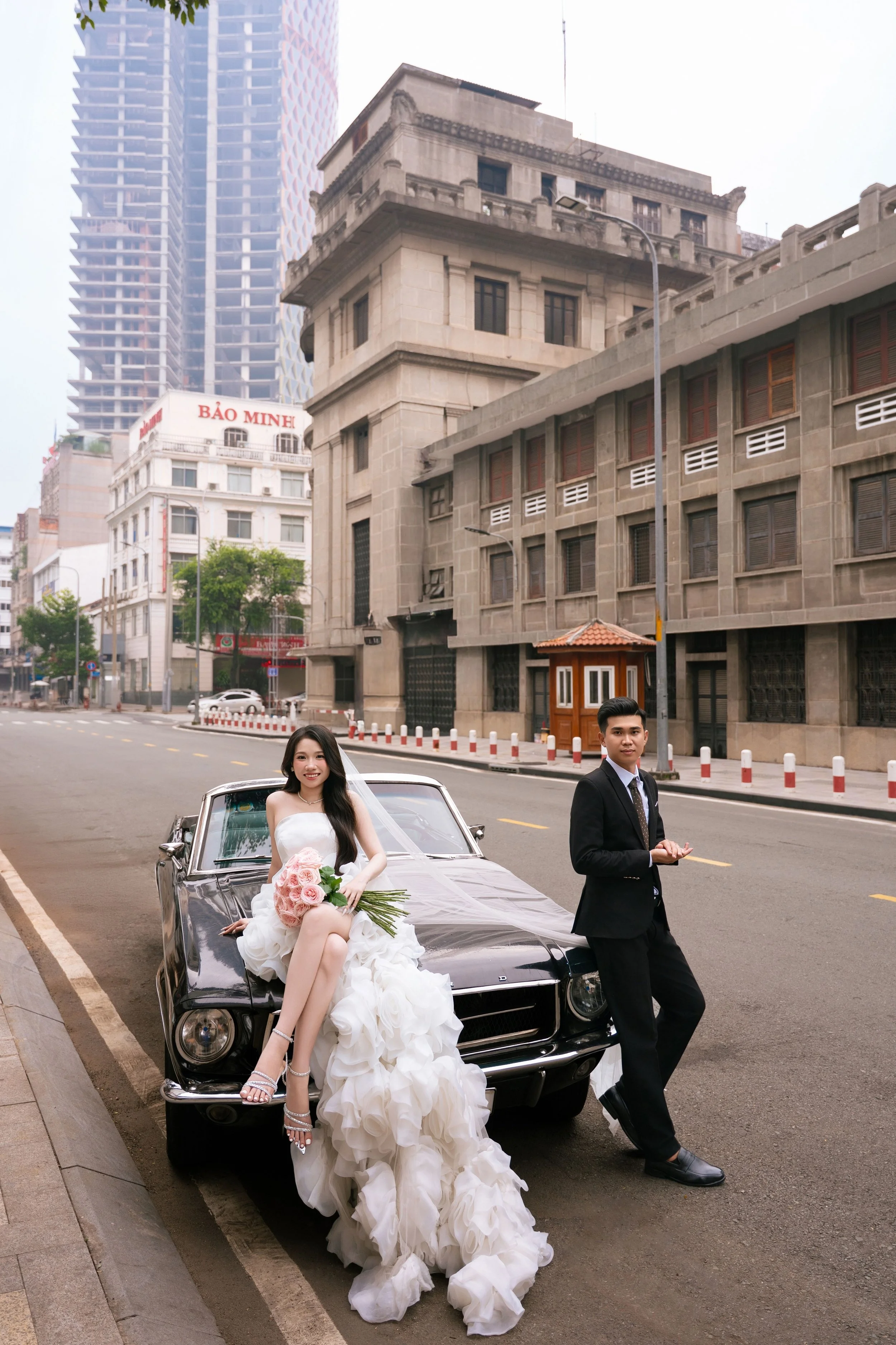
Los Angeles has its own detailed data from The Knot. The average wedding photographer in LA costs $3,180, with a range of $1,410 on the low end to $3,610 on the high end. That is 4 percent higher than the California statewide average and 9 percent higher than the US average. Note that this figure describes partial day coverage more than full day work. Full day LA studios quote differently, which is exactly why the With Joy full day average of $5,000 looks so much higher than The Knot's $3,180. They are measuring different products.
What the Big Surveys Actually Say
It is worth slowing down on methodology, because this is where most couples get confused and where most budget articles quietly mislead.
The Knot Real Weddings Study is the longest running annual survey in the industry, now in its twentieth year. The 2026 edition drew from 10,474 couples married in 2025. Photographer was the third most popular vendor hired, with 87 to 88 percent of couples booking one, and the fourth most expensive vendor on average. The study found an average hourly rate of roughly $375, based on an eight hour wedding day at the $3,000 average.
Zola's index works differently. It models what couples should expect to pay for professional grade service, which is why its $4,400 national average runs about 47 percent higher than The Knot's. Its city figures, like $5,000 for New York City and $3,600 for Salt Lake City, describe full day professional bookings rather than all bookings.
The honest way to use these numbers: The Knot tells you what couples actually spent. Zola tells you what a professional full day typically costs. If you are hiring an established photographer for eight to ten hours, Zola's range is the more relevant benchmark. If you are trying to understand the whole market including short coverage, The Knot's quartiles ($1,500 to $4,700) give you the real spread.
Year Over Year: Where Prices Are Headed
Wedding photography prices have climbed steadily since the pandemic, with one flat year in the middle. Here is The Knot's national average by wedding year:
| Wedding Year | Average Photographer Cost | Source |
|---|---|---|
| 2022 | $2,600 | The Knot Real Weddings Study |
| 2023 | $2,900 | The Knot Real Weddings Study |
| 2024 | $2,900 | The Knot Real Weddings Study |
| 2025 | $3,000 | The Knot Real Weddings Study (10,474 couples) |
| 2026 | $4,400 | Zola Wedding Cost Index (modeled full day average) |
The jump from $2,600 in 2022 to $3,000 in 2025 is a 15 percent increase over three years, roughly in line with broader inflation in the wedding industry. The 2023 to 2024 plateau at $2,900 suggests the post pandemic surge cooled before ticking up again.
For longer context, The Knot's 2007 survey put the average wedding photographer at $2,651. That means the nominal average has risen only about 13 percent in nearly two decades according to The Knot's measure, which mostly reflects that the survey keeps capturing the full market including budget bookings. The professional full day market, the one Zola measures at $4,400, has moved much faster.
The direction is clear even if the exact slope depends on the source. Costs are rising, driven by the same pressures hitting every skilled trade: equipment, labor, insurance, and demand for a more produced final product.
Wedding Photography Cost by Region
The Knot's 2025 data breaks the country into six regions, and the gap between the most and least expensive is nearly 50 percent:
| Region | Average Photographer Cost |
|---|---|
| Mid-Atlantic | $3,800 |
| New England | $3,700 |
| Midwest | $2,900 |
| West | $2,900 |
| South / Southeast | $2,700 |
| Southwest | $2,600 |
The Mid-Atlantic, which includes New York, New Jersey, and Pennsylvania, leads at $3,800. New England follows at $3,700. The Southwest closes the list at $2,600. A couple willing to marry in the Southwest instead of the Mid-Atlantic saves an average of $1,200 on photography alone, before any other vendor is considered.
Guest count moves the number too. The Knot found that couples with 101 or more guests paid an average of $3,500 for photography in 2025, while smaller weddings paid less. Older Knot data put the spread at $1,850 for weddings of 1 to 50 guests versus $3,364 for weddings over 100 guests. Bigger weddings need more hours, more shooters, and more coordination, and the price follows.
What Drives the Cost
Seven factors explain almost all of the price difference between a $2,000 quote and a $10,000 quote.
Hours of coverage
This is the single biggest line item. Most photographers build packages around six, eight, or ten hours. A standard eight hour day at the national average works out to roughly $375 per hour. Elopement packages with two to four hours of coverage run $800 to $3,500. Micro wedding packages with four to eight hours run $1,500 to $4,500. Every additional hour typically adds $300 to $600 depending on the market.
Second shooter
A second photographer adds $800 on average nationally according to With Joy, though the Boston market study found $1,020 with a range of $400 to $1,800. The value is real: two angles on the ceremony, simultaneous getting ready coverage, and cocktail hour candids while the lead shooter does portraits. For weddings over 100 guests, most professionals consider it close to essential.
Experience level
The market stratifies cleanly by experience. Entry level photographers with one to three years of experience charge $1,200 to $2,500, usually for six to eight hours with basic editing. Mid level photographers with three to seven years charge $2,500 to $5,000 with professional equipment, backup gear, and multiple package options. High end photographers with seven or more years charge $5,000 to $15,000 and up, with award winning portfolios and luxury service. At the very top, luxury and celebrity photographers charge $15,000 to $50,000 or more, with full creative teams and destination coverage.
Guest count and wedding size
More guests means a longer day, more moving parts, and usually a second shooter. The Knot's data shows the jump clearly: small weddings under 50 guests average well under $2,000 for photography, while weddings over 100 guests average $3,500.
Season and day of the week
Peak months like June, September, and October carry the highest demand and the firmest prices. Saturday is the premium day. Friday and Sunday weddings often come with modest discounts, and weekday or off season weddings (January through March in most markets) are where photographers have the most flexibility. If your date is flexible, this is the easiest lever you have.
Style and post production
Documentary and photojournalistic styles typically run $2,000 to $4,500. Fine art and editorial styles, which involve extensive post production, run $3,500 to $8,000. Fashion and glamour styles with high end retouching run $4,000 to $10,000 and up. The style premium is really a labor premium. Heavier editing styles can mean 30 to 50 or more hours of post production per wedding.
Deliverables
An engagement session adds about $500 nationally, though Boston's market study found $1,007 with a range of $400 to $3,000. A printed album adds about $1,000. Rehearsal dinner or welcome party coverage in Boston averaged $1,975. These add ons are where two similar sounding packages diverge by thousands.
What Is Typically Included in a Wedding Photography Package
A professional package in 2026 usually includes eight to ten hours of wedding day coverage, a lead photographer plus an optional second shooter, professional editing of every delivered image, a private online gallery with high resolution downloads and print rights, and a sneak peek gallery within 48 to 72 hours. Many include an engagement session. Albums, prints, and rehearsal coverage are usually add ons.
What the price actually pays for goes well beyond the wedding day. One fine art photographer told The Knot she arrives at each wedding with a minimum of $100,000 worth of equipment, including backups for every piece, and budgets $200 to $1,000 per repair. Another reported paying for more than 12 monthly software subscriptions, with Adobe Suite costs alone running $2,400 per month. Add insurance, backup storage systems, client communication, timeline planning, and 30 to 50 hours of editing, and a single wedding represents a full week or more of professional labor.
Travel is the add on couples forget to ask about. WeddingWire notes that travel fees commonly kick in beyond 60 miles, at up to $2 per mile. Destination weddings add flights, hotels, and per diem, which is why destination quotes look so different from local ones.
What to Ask Before You Book
I have spent 27 years behind the camera, and the couples who get the best value are not the ones who negotiate hardest. They are the ones who ask the best questions. Here is the list that matters.
How many hours are included, and what does overtime cost? Timelines slip. Know the overtime rate before the wedding day, not during it.
Is the second shooter your employee or a freelancer you just met? A second shooter who has worked with the lead photographer for years produces a different gallery than a hired gun.
How many weddings do you take per year? A photographer shooting 40 weddings a year and one shooting 12 are running different businesses with different attention levels.
What is the turnaround time for the full gallery? Four to eight weeks is standard. Twelve weeks is slow but not unreasonable in peak season. Get it in writing.
Do I get the RAW files? Almost no professional includes them, and you should be wary of one who does without discussion. What you want is high resolution edited files with print rights.
What happens if you are sick or have an emergency? The answer should involve a named backup photographer and a studio network, not a shrug.
Can I see three full galleries from the last year? Not highlight reels. Full galleries, start to finish, in lighting conditions similar to your venue. This is the single most revealing thing you can ask for.
What is the payment schedule? Standard practice is a retainer to reserve the date with the balance due before or on the wedding day. Get the cancellation and rescheduling terms in writing.
Frequently Asked Questions
How much should I budget for a wedding photographer in 2026?
Budget $3,000 as a national baseline, then adjust for your city. In New York, San Francisco, or Los Angeles, plan $5,000 for an experienced professional. In Chicago or Boston, plan $4,500 to $4,800. In Dallas, Houston, or Atlanta, $3,200 to $3,500 gets you strong mid range options. In the Midwest, $2,800 is the average. Most couples allocate 10 to 15 percent of their total wedding budget to photography.
Is $4,000 a lot for a wedding photographer?
No. At $4,000 you are in the mid to premium range nationally, which typically gets you an experienced photographer with a strong portfolio, eight hours of coverage, an engagement session, and a full digital gallery. In major metro areas like New York, Los Angeles, or Chicago, $4,000 is closer to the entry level threshold for established professionals. The real question is value: wedding photos are the one vendor product you will still use 20 years later.
Why do wedding photographers cost so much?
Because a wedding is not a photo shoot, it is a one time live event with no reshoots. The fee covers eight to ten hours of wedding day coverage, 30 to 50 hours of editing, $100,000 or more in equipment with backups, software subscriptions, insurance, a second shooter, client communication, and timeline planning. When you divide a $4,000 package by the actual hours worked, the hourly rate looks a lot less dramatic.
How far in advance should I book a wedding photographer?
Couples book their photographer about 11 months before the wedding on average, according to industry data. In competitive markets like New York and San Francisco, sought after photographers book 12 to 18 months out for peak Saturdays. If your date is flexible or off season, six months can be plenty.
Do I need a second photographer?
For weddings over 100 guests, yes, in most cases. A second shooter captures the partner getting ready simultaneously, covers cocktail hour while the lead does portraits, and gives you two angles on the ceremony. It adds roughly $800 nationally. For intimate weddings under 50 guests, one experienced photographer is usually enough.
Should I tip my wedding photographer?
Tipping is not required the way it is for catering staff, but it is appreciated for exceptional service. If the photographer owns the studio, a tip is entirely optional and a glowing review is often valued more. If you are working with an associate shooter or assistant, $50 to $200 per person is a common gesture. What matters more than the tip is the review you leave afterward.
Sources
- The Knot 2026 Real Weddings Study data readout (10,474 couples married in 2025): https://images.theknot.com/rules/2026/the-knot-real-weddings-study-data-read-out-2026.pdf
- The Knot, average cost of a wedding photographer: https://www.theknot.com/content/average-cost-wedding-photographer
- The Knot, average wedding cost (2026 study vendor averages): https://www.theknot.com/content/average-wedding-cost
- The Knot, average wedding cost in Los Angeles ($3,180 photographer figure): https://www.theknot.com/content/average-wedding-cost-los-angeles
- The Knot 2022 average wedding cost (archived, $2,600 photographer figure): https://web.archive.org/web/20230715031332/https://www.theknot.com/content/average-wedding-cost
- The Knot 2007 Real Weddings survey results ($2,651 photographer figure): https://www.theknotww.com/press-releases/041708-the-knot-unveils-annual-real-weddings-survey-results/
- Zola Wedding Cost Index (February 2026, $4,400 national average): cited via https://www.arrakisfilmswedding.com/arrakis-films-inspiration/what-a-full-wedding-photo-package-looks-like-your-ultimate-guide and https://ypages.us/blog/wedding-photographer-cost/
- With Joy, wedding photographer cost in 2026 (city table): https://withjoy.com/blog/wedding-photographer-cost-in-2026-what-couples-actually-pay/
- Boston wedding photographer pricing study (mark-davidson.com): https://mark-davidson.com/the-cost-of-a-boston-wedding-photographer/
- Life and Lights Photography, average wedding photographer cost breakdown (experience tiers, regional ranges): https://lifeandlightsphotography.com/average-cost-of-a-wedding-photographer/
- Candid Studios, average cost of wedding photographer 2026 guide (regional full day ranges): https://candidstudios.net/blog/average-cost-of-wedding-photographer-2026-guide
- Susan Shek, New York City wedding photographer costs ($8,500-$30,000 range): https://susanshek.com/nyc-wedding-photographer-costs/
- Kali McCarthy, NYC wedding photographer budget ranges 2025: https://medium.com/@kalimccarthy/how-much-should-i-budget-for-a-wedding-photographer-in-new-york-2025-cef09159edbd
- Jasko Photography, Chicago wedding photographer budgeting ($4,500-$6,000): https://jaskophotography.com/how-to-budget-for-a-wedding-photographer-in-chicago/
- Pabst Photo, Chicago wedding photographer prices: https://www.pabstphoto.com/chicago-wedding-photographer-prices/
- WeddingVenture, Houston wedding photographer prices ($2,500-$5,000): https://www.weddingventure.com/vendors/houston/photographers---0?vendorCategory=photographers&cityUrlName=houston&cache=false
- Zoe Larkin Photography, San Francisco Bay Area pricing tiers: http://zoelarkin.com/how-much-does-a-wedding-photographer-cost-in-the-san-francisco-bay-area/
- Ed Carlo Garcia, San Francisco wedding photographer cost: https://www.edcarlogarcia.com/blog/san-francisco-wedding-photographer-how-much-does-it-cost
- Vocal Media, average wedding photographer cost (11 month booking lead time, 10-15% budget allocation): https://vocal.media/marriage/how-much-do-wedding-photographers-cost-on-average