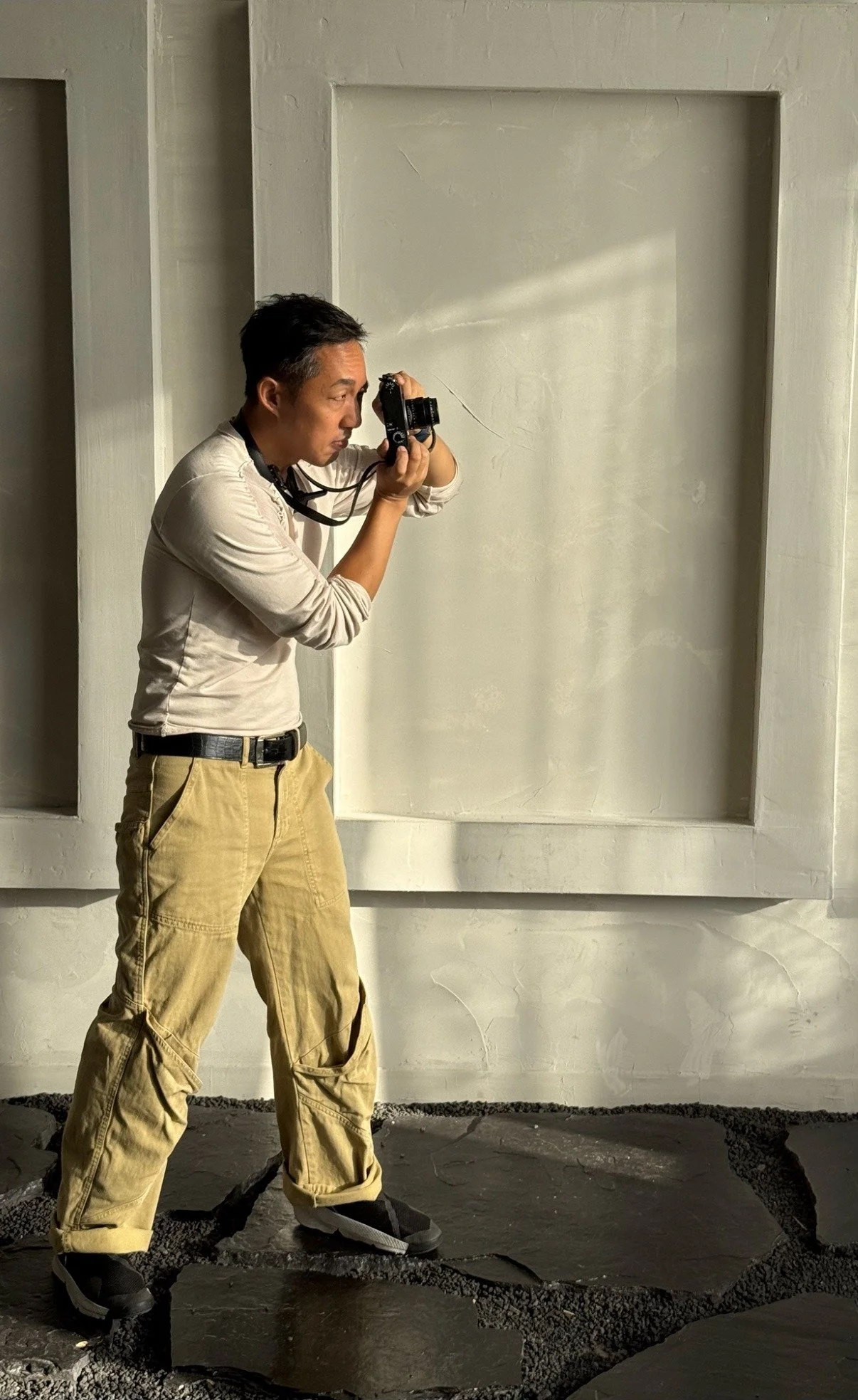
People use "corporate photography" and "event photography" like they mean the same thing. They don't. One is a controlled, branded portrait operation. The other is fast, documentary coverage of things happening in real time. Hire the wrong one and you get the wrong photos.
I've spent 27 years doing both in Los Angeles. Boardroom portraits one week, a packed conference the next. Here's the honest breakdown of what each job actually is, what it takes to do it well, and how to hire the right photographer for yours.
Corporate photography: controlled, branded, repeatable
Corporate photography is photography built around a brand. Executive headshots, team portraits, office lifestyle images, product and workspace photos for the website. The defining trait is control. The photographer controls the light, the background, the wardrobe direction, and the schedule, because every image has to match the company's visual identity.
Think about a leadership page with forty portraits. If one was shot in a bright studio and another in a dim hallway, the page looks broken. Corporate photography exists to make that never happen. Same backdrop, same lighting, same retouching standard, whether it's one executive or a hundred employees across three offices.
This is also the world of usage and licensing. Corporate images live on websites, annual reports, investor decks, and ad campaigns for years. A corporate photographer thinks about where the image will be used before the shutter fires, and prices accordingly.
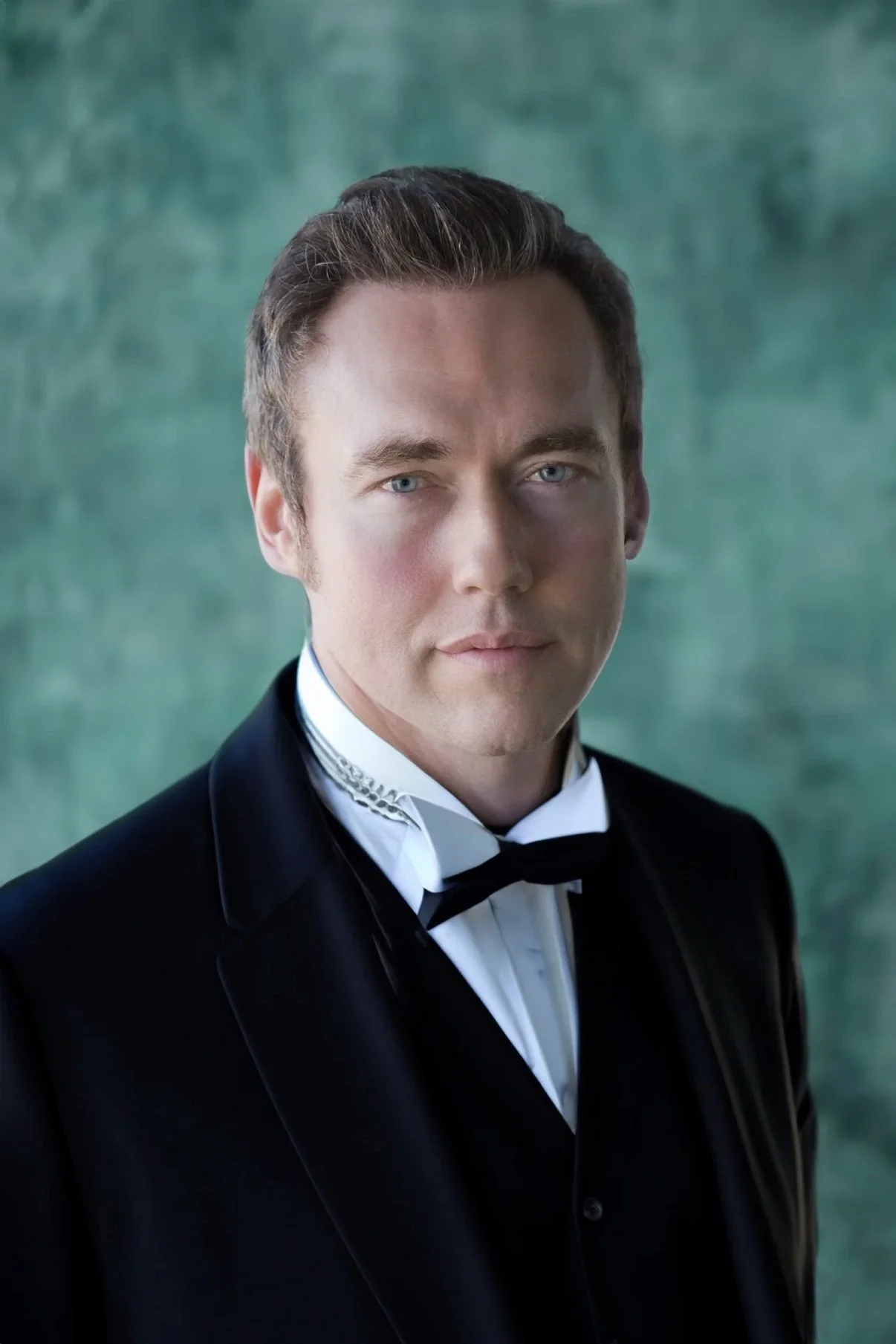
I learned the control side early. Years ago I shot headshots for Linda Hamilton at her home in Point Dume, Malibu. She only updates her headshots every ten years, so these had to last. I brought an Alien Bee light kit with a battery pack into her backyard, set up three looks in about an hour, and shot her from every angle that mattered. Controlled light, directed posing, images built to represent one person for a decade. That is corporate photography in miniature: one subject, total control, a long shelf life.
Event photography: fast, candid, documentary
Event photography is the opposite discipline. Conferences, galas, product launches, award shows, holiday parties. Nothing is controlled. The light is whatever the venue gave you, the schedule is whatever the program says, and the moments that matter happen once and never repeat.
The skill here is anticipation. A keynote speaker's best expression lasts half a second. The handshake between two CEOs happens while you're across the room. A good event photographer reads the room like a chess player, always positioned for the next moment instead of the last one. The gear reflects it: fast lenses, cameras that perform in terrible light, and the stamina to stay sharp for eight to twelve hours.
Delivery is different too. Event clients usually need a same-day or next-day edit for social media and press, then a full gallery within a week. Corporate portrait clients wait two weeks for careful retouching and don't mind. Speed of delivery is part of the event photographer's job description.
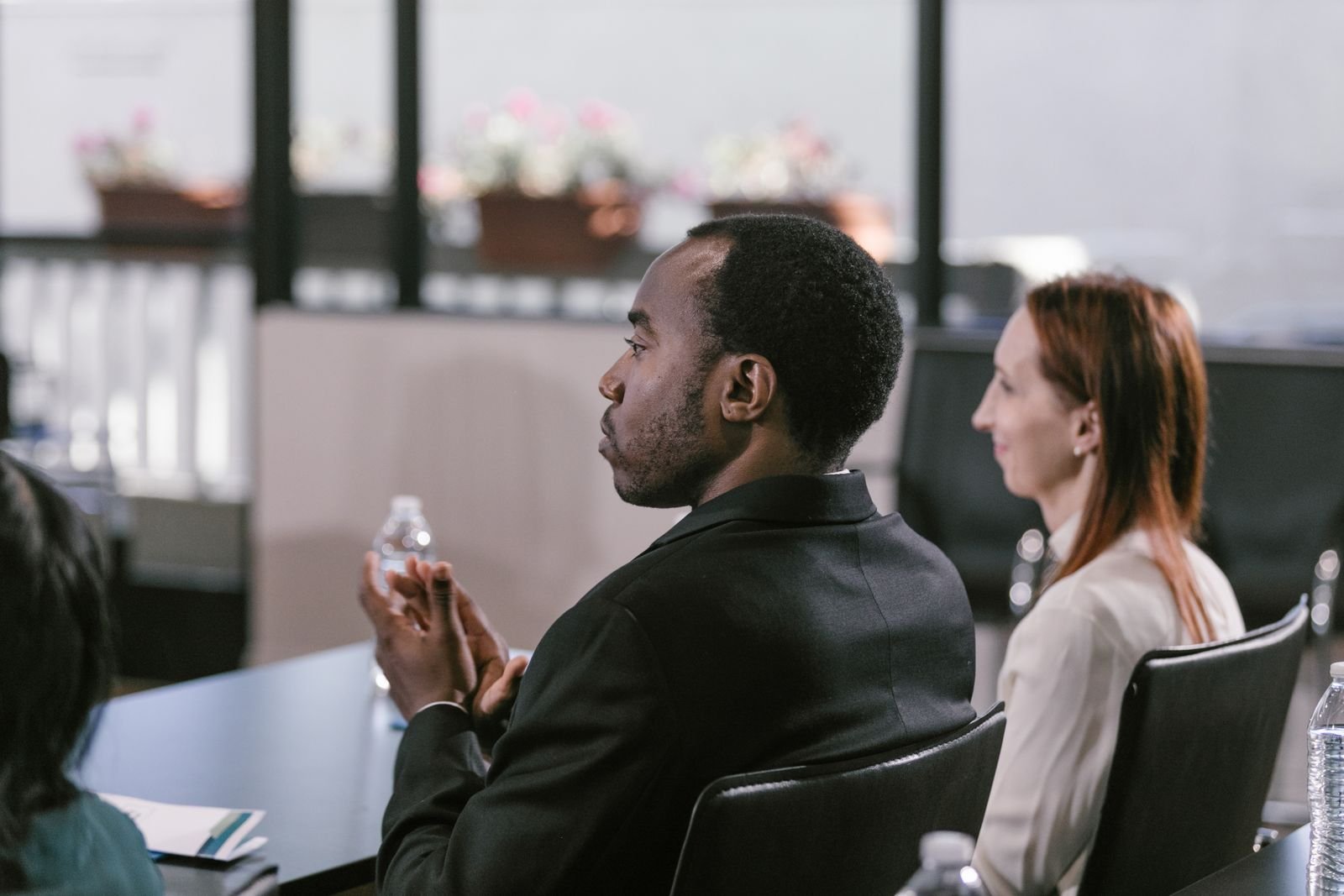
Business professionals at a corporate conference in Los Angeles
The skill sets are not interchangeable
This is the part most buyers get wrong. A brilliant portrait photographer can be a terrible event photographer, and vice versa. Portraits reward patience and precision. Events reward reflexes and endurance.
The portrait photographer's superpower is direction. They tell people where to stand, how to angle their chin, when to breathe. Most executives are not models, and the photographer has to manufacture confidence in ninety seconds. The event photographer's superpower is invisibility. They capture real moments without staging them, which means knowing when to be close and when to disappear.
There is overlap at the edges. Plenty of corporate photographers cover the company holiday party, and plenty of event photographers can shoot a decent headshot. But when the stakes are high, a forty-person leadership session or a 2,000-attendee conference, you want the specialist.
A story from the field: the billionaire's conference
Early in my career, I got a shot at shooting a billionaire's annual conference in the Caribbean. The path there tells you everything about how event work actually gets won. A pair of acquaintances promised the billionaire ticket sales and sponsorships for his conference, failed to deliver, and asked me to shoot a video project for him pro bono in Washington DC as a make-good. They said if it went well, he'd hire me for the conference itself.
Shooting for this man had been a dream of mine, so I paid my own way to DC and delivered. He hired me for the Caribbean conference. I was ecstatic. I hired five crew members, people I trusted and had worked with before, to execute the project.
That shoot taught me the central truth of event work: you are producing under pressure with no second chances. The program doesn't pause because your battery died. The keynote doesn't repeat because you missed the angle. I came in as a producer who had done destination shoots in 40 countries, and I ran it like one, because at that scale the photography is only half the job. Logistics is the other half.
Gear and crew: what each job actually requires
Corporate portrait work travels light and sets up heavy. One or two light kits, backdrops, a tethering setup so the client can approve frames on a monitor. The kit fits in a car and turns a conference room into a studio in under an hour. The Linda Hamilton shoot was one Alien Bee kit with a battery pack, because there were no outlets in her backyard. Corporate photographers solve problems like that routinely.
Event work travels heavy and stays mobile. Two camera bodies minimum, because a body failure mid-keynote is not an option. Fast zooms and primes for dark ballrooms. On-camera flash plus the knowledge of when not to use it. For a large conference, add second shooters, a dedicated editor for same-day selects, and enough batteries and cards to run twelve hours without a break.
Crew size tells you which job you're buying. A corporate headshot day is usually one photographer, maybe an assistant. A real conference needs a team.
Pricing: why they cost different amounts
Corporate portrait pricing is usually per person or per session, because the work is predictable. The photographer knows exactly how long forty headshots take. Event pricing is usually a day rate or half-day rate, because the work is open-ended. A gala that runs long costs more than one that ends on time.
Neither is cheap or expensive in the abstract. They are priced on different logic. When you compare quotes, make sure you're comparing the same job. A photographer quoting a headshot session for your conference keynote coverage is quoting the wrong thing, and the number will look strange because the job is strange.
For current Los Angeles numbers on the event side, my 2026 corporate event pricing guide breaks down what conferences and corporate events actually cost to cover in this market.
How to hire the right one
Ask what they shoot most. A portfolio answers this in ten seconds. If every image is a posed portrait, you're looking at a corporate photographer. If every image is a candid moment in a crowded room, you're looking at an event photographer. Hire the portfolio, not the promise.
Then ask about the logistics of your specific job. For corporate work: how do you keep forty portraits consistent, what's your on-location setup, what's the retouching standard. For event work: how many shooters, what's the same-day delivery plan, how do you handle a program that runs behind. The right photographer answers these without hesitation. The wrong one gets vague.
And if you need both, say so upfront. Many of us do both, but we staff and price them as two different jobs. Anyone who quotes them identically doesn't understand the difference, and you'll feel it on delivery day.
Frequently asked questions
What is the difference between corporate photography and event photography? Corporate photography is controlled, branded imagery like headshots and team portraits, built for consistency and long-term use. Event photography is candid, documentary coverage of conferences, galas, and launches, built for speed and capturing unrepeatable moments.
Can one photographer do both corporate and event photography? Many photographers offer both, but the skill sets are genuinely different: portraits reward direction and precision, events reward anticipation and endurance. For high-stakes jobs, hire the specialist. For smaller needs, one experienced photographer can often cover both if you brief them clearly.
Which costs more, corporate photography or event photography? They're priced on different logic, so direct comparison misleads. Corporate work is usually per person or per session; event work is usually a day rate. Large events with multiple shooters and same-day editing typically run higher than a single portrait session.
Do I need a corporate photographer for a company event? If the event needs brand-consistent portraits (a headshot station at a conference, for example), yes. If you need the event itself documented, you need an event photographer. Big conferences often need both, staffed as separate roles.
What should I ask before hiring? Ask what they shoot most and check that the portfolio matches your job. Then ask logistics: consistency plan and retouching for corporate work, shooter count and delivery timeline for events. Clear answers mean a clear professional.
The bottom line
Corporate photography is about control: branded, consistent images built to last for years. Event photography is about speed: real moments captured once, delivered fast. They share a camera and almost nothing else. Know which job you're buying, hire the portfolio that proves it, and brief the photographer on exactly where the images will live. Get that right and the photos take care of themselves.
About the author: David Christopher Lee is a Los Angeles corporate photographer with 27 years of experience shooting executive portraits, conferences, red carpets, and corporate events. See more of his executive headshot work. Get in touch.