A personal branding shoot is not a headshot session with extra time. It is a strategic content production day where every image needs to work across your website, social media, press kit, and marketing for months to come. The clients who get the most from their branding shoots are the ones who prepare like it matters, because it does.
I shoot personal branding sessions regularly, and the difference between a prepared client and an unprepared one shows up in every frame. Here is the complete preparation checklist I wish every client followed.
Start With Strategy, Not Wardrobe
Before you think about clothes, answer these questions:
- Who is the audience? Define the exact person you want to attract.
- What do you want them to feel? Trust, aspiration, energy, calm authority.
- Where will the images live? Website hero, about page, Instagram, LinkedIn, book cover, course platform, press kit. List them all.
- What is missing from your current image library? The shoot should fill gaps, not duplicate what you have.
Share these answers with your photographer before the shoot. When I know the strategy, I can direct every look toward it. When I do not, I am guessing, and guessing wastes your money.
Build Your Shot List
A shot list turns a vague shoot into a productive one. Aim for a mix across these categories:
- The anchor portrait. Clean, professional, the image that goes on your about page and speaker bios.
- Working shots. You at a laptop, on a call, writing, presenting. These illustrate what you do.
- Personality shots. Laughing, relaxed, in motion. These humanize the brand.
- Detail shots. Hands, workspace, tools of the trade. Great for website texture and social content.
- Vertical crops. Stories, reels covers, and phone wallpapers all need vertical. Shoot for it deliberately.
You will not get every category in every look, but the list keeps us intentional about coverage across the day.
Wardrobe: The Make or Break Element
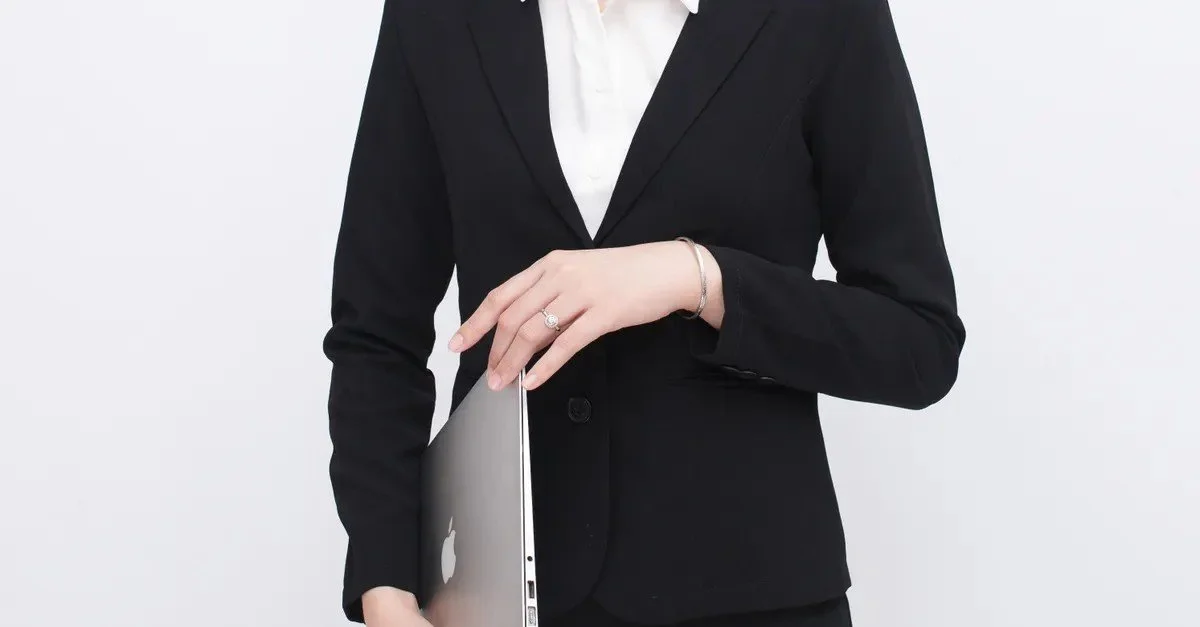
Wardrobe is where branding shoots are won or lost. Plan it with the same care as the strategy.
The Framework
- Bring three to five complete outfits, one per look plus backups. My branding sessions include two looks as standard, and clients often add more.
- Range the formality. One polished look, one smart casual, one relaxed authentic. Your audience should see the full you.
- Solids over patterns. Camera friendly, timeless, and they keep focus on your face.
- Fit matters more than brand. Tailored beats expensive every time on camera.
- "Always shoot the tie and shoot the no tie. You always want to have that option." That single change creates two levels of formality from one outfit.
The Details
- Steam or press everything the night before. Wrinkles the eye forgives in person become glaring on camera.
- Bring options for layers: blazers, cardigans, jackets. Layers add visual interest and quick variety.
- Shoes matter if we shoot full length. Bring clean, simple options.
- Jewelry: simple and minimal. One statement piece maximum.
- Avoid logos, busy prints, and anything that will date the photos within a year.
For deeper guidance, review what to wear for your photos well before shoot day, not the night before.
Props That Tell Your Story
Props make branding photos specific instead of generic. Good props are the tools of your trade:
- Laptop, notebook, or tablet for knowledge workers
- Product samples for founders and makers
- Books you have written or that define your thinking
- Instruments, equipment, or materials specific to your craft
- Coffee cup, because every personal brand apparently runs on coffee
Bring them, and bring backups. Props get more screen time than you expect, and a dead laptop or an empty notebook looks worse than no prop at all.
Hair, Makeup, and Grooming
For branding shoots, professional hair and makeup is strongly recommended. The session runs long, involves multiple looks, and the images get used at large sizes. An artist keeps you camera ready across the whole day and handles touch ups between looks. Schedule the artist to arrive before the shoot start time so you are ready when the camera comes out.
Grooming basics for everyone: clean nails, moisturized skin, and haircut or color done three to seven days before, not the day before. Fresh cuts need a few days to settle.
The Week Before: Logistics
- Confirm the location, parking, and arrival time with your photographer.
- If shooting at your office or home, declutter the backgrounds. The camera sees everything.
- Charge every device you plan to use as a prop.
- Get good sleep the two nights before. No retouching fully erases exhaustion.
- Avoid trying new skincare products in the week before. Reactions photograph terribly.
Shoot Day Mindset
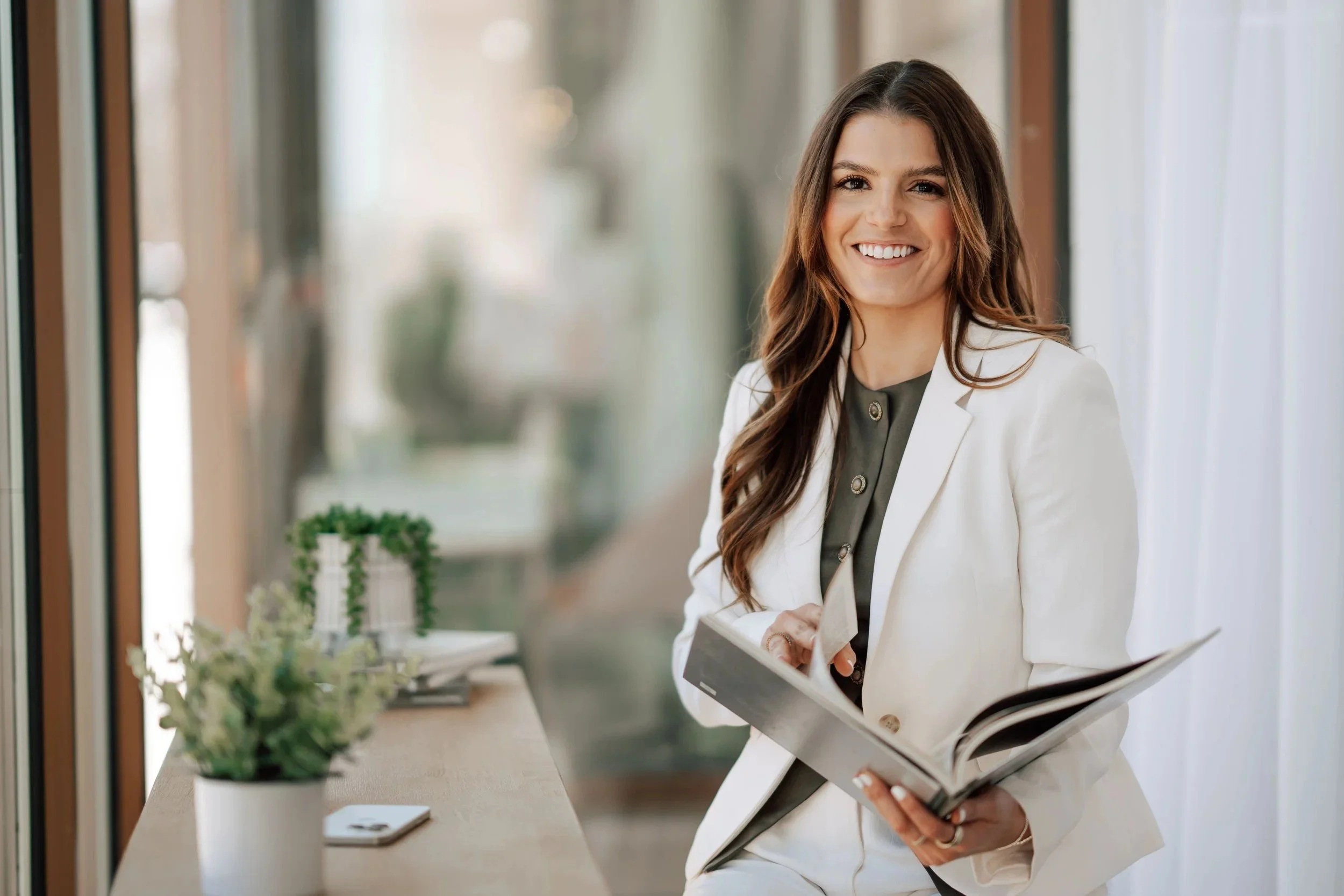
The camera reads tension instantly. My job is to direct you, so your job is to trust the process and stay loose. A few things that help:
- Arrive early, not rushed. Rushing puts tension in your face for the first hour.
- Eat before the shoot. Low blood sugar makes everyone look miserable.
- Bring music you like. I always let clients play their own playlist, and it changes the energy completely.
- Move between frames. The best branding images often come from motion: walking, laughing, turning, gesturing.
Understand the Investment
My branding shoots start at $2,500, which includes studio space and two looks, not hair and makeup. Clients receive 20 to 30 photos per look. When you evaluate branding photoshoot costs, think in cost per usable image across months of content. A well prepared shoot that delivers 50 strong images you use for a year is one of the cheapest marketing investments you will make.
The Bottom Line
Prepare the strategy first, then the shot list, then the wardrobe, then the logistics. Arrive rested, fed, and on time with pressed clothes and charged props. Trust your photographer's direction once the camera is out.
The clients who follow this checklist do not just get better photos. They get a shoot day that feels easy instead of stressful, and a image library that actually gets used instead of sitting on a hard drive. If you are comparing photographers, run through these questions to ask your photographer before booking. The right one will want your shot list and strategy before shoot day, because preparation is a partnership.