Every few weeks a client asks me whether they should shoot in the studio or outdoors. After 27 years shooting headshots for magazines, executives, and actors, my answer is always the same: neither is better in the abstract. The right choice depends on what you need the photo to do.
Both settings can produce a world class headshot. They just produce different ones. Here is how I walk clients through the decision.
The Case for Studio Headshots
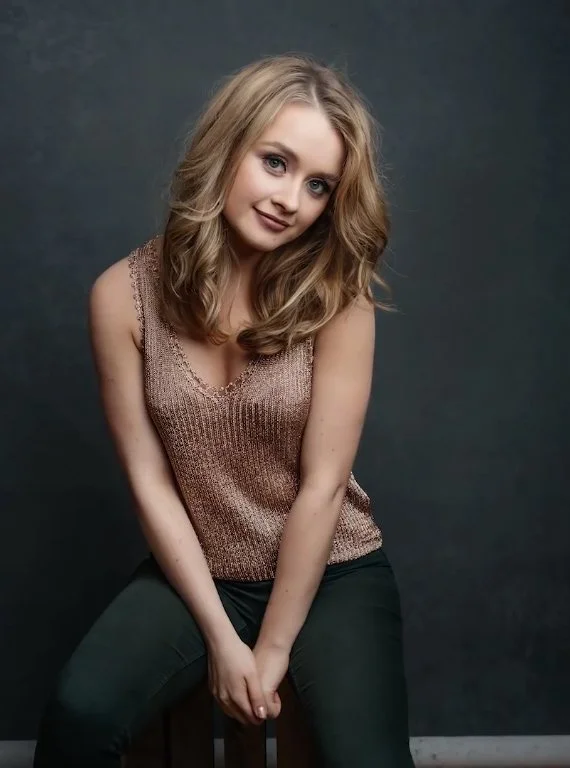
The studio is about control. I control the light, the background, the color temperature, and every reflection. Nothing is left to chance, and that consistency is exactly why most corporate headshots are shot in a studio.
Total Control Over Light
In the studio, I shape light precisely to your face. I can sculpt your jawline, soften skin, add drama, or keep it clean and bright. I analyze every face I shoot, studying the jawline, the eyes, the bone structure, and then I build the lighting around what I find. Outdoors, I am working with what the sky gives me. It can be beautiful, but it is never as precise.
Clean, Distraction-Free Backgrounds
A studio backdrop keeps all attention on you. No trees growing out of your head, no strangers in the background, no parked cars. For LinkedIn, company websites, and speaker bios, that clean focus is usually what you want. It also makes matching headshots across a whole team far simpler, since every person gets identical lighting and background.
Weather-Proof and Schedule-Proof
Studio sessions happen rain or shine, at any hour. If you are booking around a packed calendar, that reliability matters. There is no rescheduling because of overcast skies or harsh midday sun.
The Trade-Off
Studio headshots can feel formal. If your brand is relaxed, creative, or outdoorsy, a seamless gray backdrop might work against the story you are trying to tell. That is a creative decision, not a quality issue.
The Case for Outdoor Headshots
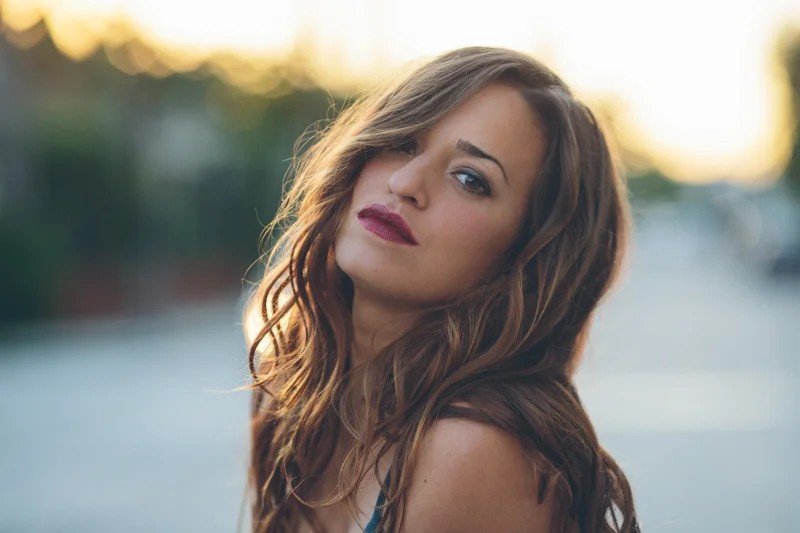
Outdoor headshots trade control for atmosphere. Natural light has a softness and dimension that is hard to fake, and environmental backgrounds can say a lot about who you are.
Beautiful, Flattering Natural Light
Open shade on a bright day is one of the most flattering lights in existence. It wraps around the face softly and evenly. Golden hour, the hour before sunset, adds warmth that makes skin glow. When conditions are right, outdoor light is genuinely gorgeous.
Backgrounds That Tell a Story
A founder photographed against a city skyline, a realtor in front of a beautiful neighborhood, a creative in an interesting urban setting. Environmental backgrounds add context that a studio backdrop cannot. For personal branding, that context can be the whole point.
A Relaxed Feel
Many people tense up in a studio. Outdoors, with space around you and something to look at, clients often relax faster. If you are someone who feels awkward in front of a camera, an outdoor session can genuinely produce better expressions.
The Trade-Offs
You are at the mercy of weather, time of day, and crowds. Harsh midday sun creates unflattering shadows under the eyes and nose. Wind moves hair. Locations that looked perfect on a scout can be packed with people on shoot day. And matching a set of team headshots outdoors is nearly impossible, since the light changes by the minute.
How I Help Clients Decide
When a client is torn, I ask three questions:
- Where will this headshot live? LinkedIn and corporate sites favor studio. Personal brands, speaker pages, and creative portfolios often favor outdoor.
- Do you need to match anyone else? If the company already has studio headshots on the team page, we shoot studio and match them. Consistency beats creativity on a team page every time.
- What does your industry expect? Finance, law, and enterprise tech lean studio. Real estate, wellness, hospitality, and the arts lean outdoor.
Many of my clients shoot both. My sessions are built around looks, where a look is a full wardrobe and styling change, and there is no rule that says every look has to be in the same place. We can do polished studio portraits and relaxed outdoor frames in one sitting.
Practical Tips for Each Setting
If You Choose Studio
- Wear colors that contrast with the backdrop. This is where choosing the best color to wear for your headshot really pays off, since the background is a solid, known quantity.
- Bring lint rollers. Studio lights reveal every speck on dark clothing.
- Trust the process. Studio shooting can feel clinical at first, but the results are worth it.
If You Choose Outdoors
- Schedule for morning or late afternoon. Midday sun is nobody's friend.
- Have a backup date in case of weather. I always build one into outdoor bookings.
- Keep wardrobe simple. Busy patterns compete with busy backgrounds, so solids win outdoors. Think carefully about what you wear to the session, because the environment adds visual complexity.
What About Mixing Both?
This is my most common recommendation for personal branding clients. Start in the studio for your clean, professional anchors: the LinkedIn photo, the speaker bio, the company site. Then head outdoors for lifestyle and branding frames that show personality. You walk away with a full library instead of a single image trying to do every job.
The Bottom Line
Choose studio when you need consistency, control, and a polished corporate look. Choose outdoors when you want atmosphere, personality, and natural warmth. Choose both when your brand needs range.
Either way, the setting is secondary to the fundamentals: great light shaped to your face, a background that supports rather than distracts, and eyes that are alive and engaged. Those are the things I obsess over in every session, indoors or out.
If you are still weighing your options, run through these questions to ask before you book a photographer. A good photographer will talk through the studio versus outdoor decision with you before you ever pick up the camera. I do it with every client, because the right setting is a creative decision we should make together, not a default you stumble into.