Every portrait photographer faces the same first lighting decision: softbox vs umbrella, and sooner or later, the beauty dish enters the conversation. The modifier you put in front of your flash changes everything a viewer sees, the softness of the shadows, the shape of the catchlights in the eyes, the mood of the skin, and how much light spills onto your background. Manny Ortiz's side-by-side test of all three modifiers remains one of the clearest demonstrations of those differences ever put on camera. This guide breaks down exactly what each modifier does to a face, when each one wins, and the mistakes photographers make when buying their first modifier.
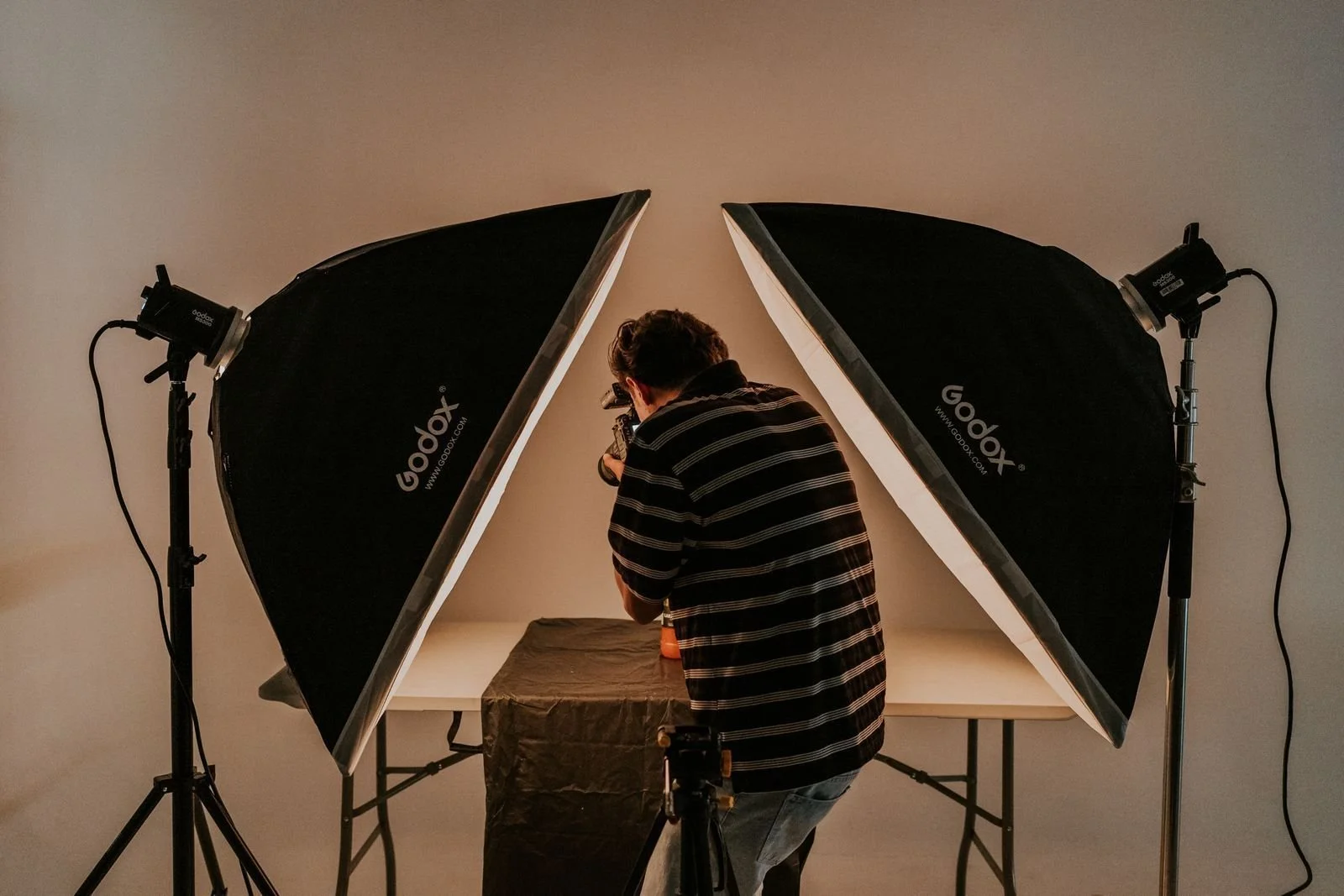
Softbox vs Umbrella vs Beauty Dish: The Short Answer
If you want one modifier and you want it today: buy a softbox. It gives you soft, directional light with controlled spill, natural shadow transitions, and the option to add a grid when you want to carve the light tighter. It is the studio standard for headshots and portraits for a reason.
Buy an umbrella second, or first if you are on a budget or shoot groups and events. Umbrellas are cheap, light, and set up in seconds, and they throw broad, soft light that covers a lot of area. What you lose is control: the light spills everywhere, including your walls, your background, and the other side of the room.
Add a beauty dish when your work starts asking for shape. A beauty dish sits between a softbox and a bare flash in hardness. It sculpts cheekbones and jawlines, keeps skin luminous, and leaves a signature round catchlight with a dark center. It is the fashion and beauty photographer's tool, and it is less forgiving than the other two, which is exactly why you should learn it.
Here is the full comparison at a glance:
| Softbox | Umbrella | Beauty Dish | |
|---|---|---|---|
| Light quality | Soft, even, directional | Soft, broad, less controlled | Semi-hard, sculpted |
| Spill control | Excellent; grids available | Poor; light bounces everywhere | Good; focused beam |
| Shadow edges | Soft, gradual transitions | Soft but scattered | Defined, sculpted |
| Catchlight shape | Rectangle, or round with an octabox | Round | Round with a dark center |
| Setup speed | Slower; speedring assembly | Fast; pops open like an umbrella | Fast; mounts directly |
| Portability | Bulky in a bag | Lightweight, but catches wind outdoors | Compact metal bowl |
| Cost | Mid to high | Low | Mid |
| Best for | Studio portraits, headshots, products | Groups, events, beginners, speed | Fashion, beauty, fitness |
In This Post
- Watch: Manny Ortiz compares all three modifiers side by side
- The one rule that governs every modifier: apparent size
- Softboxes: what they do, their shapes, and when they win
- Umbrellas: shoot-through vs reflective, and what you give up
- Beauty dishes: the sculptor's tool and how to place one
- 6 modifier mistakes photographers make
- My take: what 27 years of modifiers taught me
- Softbox vs umbrella FAQ
- Book a portrait session
Watch: Beauty Dish vs Softbox vs Umbrella, Compared on Camera
Photographer Manny Ortiz put all three modifiers on the same strobe, aimed them at the same model, and photographed the results so you can see the differences instead of imagining them. His key findings, in brief:
The beauty dish sculpts and emphasizes facial structure. The light has harder edges than a softbox, with stronger highlights and shadows. Ortiz stresses placement: put the dish right above the model's face and slightly in front for the most flattering result. Swing it to 45 degrees and the flattering effect falls apart. A diffusion sock softens a dish, but it also nudges the look toward a small softbox, which misses the point of choosing a dish in the first place.
The softbox (Ortiz used a Westcott Rapid Box Switch Octa-M 36 inch with two diffusion panels) produces very soft, flattering light that wraps around the face. Unlike the dish, it stays flattering at a 45-degree angle because the large octagonal source wraps the model's features and keeps the shadows soft.
The umbrella is the cheap, studio-friendly workhorse. The light bounces and spreads in all directions, giving broad, soft coverage, though not quite as soft as a double-diffused softbox. It stays flattering even from the side, but Ortiz warns against taking it outdoors, where wind can topple it.
His conclusion is the one every working photographer eventually reaches: no single modifier covers every job. The look you want decides the tool. DIYPhotography's full breakdown of his test includes frame-by-frame stills from each modifier. Watch the full comparison below.

The One Rule That Governs Every Modifier
Before the differences, learn the physics, because it explains nearly everything that follows. Softness does not come from the name on the modifier. It comes from the apparent size of the light source as seen from the subject's position. A large source close to the face produces soft, wrapping light with gentle shadow transitions. The same source pulled back to twice the distance appears half as large and produces noticeably harder light.
This is why a 36-inch octabox a few feet from the face looks creamy, while the same octabox across the room looks punchy. It is also why photographers say "bigger is softer when close." Every choice below, size, shape, and distance, is this one rule expressed in different ways.
Softboxes: Controlled, Soft, Professional
A softbox is a fabric enclosure with a reflective interior and one or two diffusion panels. Light from the strobe bounces around inside, then exits through the front panel as a large, even source. The box turns a small point of flash into something closer to a window, and windows are what flattering portrait light has always tried to imitate.
Softbox shapes and what each one does
Rectangular softboxes are the versatile workhorses. Their light mimics window light, and the rectangular catchlight is considered pleasing and unobtrusive. Octagonal softboxes, the octabox, create round catchlights that look like natural sunlight or open sky, which is why they dominate beauty and fashion work. Strip boxes are long and narrow, built for edge light, rim light, and hair light, and they keep spill off backgrounds with surgical precision. Square softboxes spread light evenly in all directions and sit happily overhead in the butterfly position for beauty portraits.
Softbox sizes: buy for your framing
For headshots and beauty work, a 24 by 36 inch or 32 by 32 inch softbox placed close to the subject is the sweet spot. For full-body portraits, step up to a 48 by 72 inch box so the light stays soft across the whole figure. Photography Icon's softbox guide gives the same sizing: 24x36 for headshots, 48x72 for full length. A small softbox on a full-length portrait produces hard light and defeats the purpose entirely, so match the modifier to the framing.
Where the softbox wins
Control is the softbox's superpower. The enclosed shape keeps light off the background unless you want it there, and many boxes accept honeycomb grids that narrow the beam further for dramatic, low-spill portraits. Once you have a softbox, you can run every one of the classic portrait lighting patterns, from Rembrandt to butterfly, by moving that one modifier. Softboxes also play well in small rooms, since far less light bounces off the walls than with an umbrella. For studio portraits, headshots, fashion, and products, the softbox is the default answer.
The trade-offs
Softboxes take longer to set up, with speedring assembly that nobody loves, and they are bulkier to transport. They cost more than umbrellas, sometimes several times more. They also eat light: a softbox reduces effective output by roughly one to two stops compared to a bare flash, so expect to raise flash power, widen the aperture, or bump the ISO to compensate.
Umbrellas: Fast, Cheap, and Everywhere
Umbrellas are the first modifier most photographers ever buy, and for good reason. They cost little, weigh almost nothing, and open in seconds. But there are two distinct types, and they behave differently.
Shoot-through vs reflective
A shoot-through umbrella fires the flash through translucent fabric toward the subject. It diffuses the light into a broad, soft glow, though with a central hot spot you should feather away from the face, and considerable spill behind the umbrella. A reflective umbrella bounces the flash off a white or silver interior back toward the subject. White interiors give softer, more diffused light; silver interiors give punchier, more specular light with extra contrast. Some reflective umbrellas accept an outer diffuser, adding a second layer of softness.
Where the umbrella wins
Speed and coverage. An umbrella is the modifier you reach for when the schedule is tight, the space is large, or the group is bigger than one person. Family sessions, events, weddings, corporate groups, and any situation where you need broad, even illumination fast: this is umbrella territory. For beginners, an umbrella teaches the fundamentals of off-camera light at a price that removes every excuse.
The trade-offs
Control is what you give up. Umbrella light spreads in all directions, spills onto walls and backgrounds, and reduces contrast in small rooms. GomoLight's softbox vs umbrella comparison puts it plainly: umbrellas offer broad, diffused light that is perfect for quick setups, while softboxes offer the controlled, directional lighting that studio work demands. Reflective umbrellas put the light stand between the flash and the modifier, which pushes the source a little farther from the subject. And outdoors, an umbrella is a sail: wind will topple it without sandbags and a heavy stand. Photographers who work outside learn to respect the umbrella's wind problem the expensive way, exactly once.
Beauty Dishes: The Sculptor's Tool
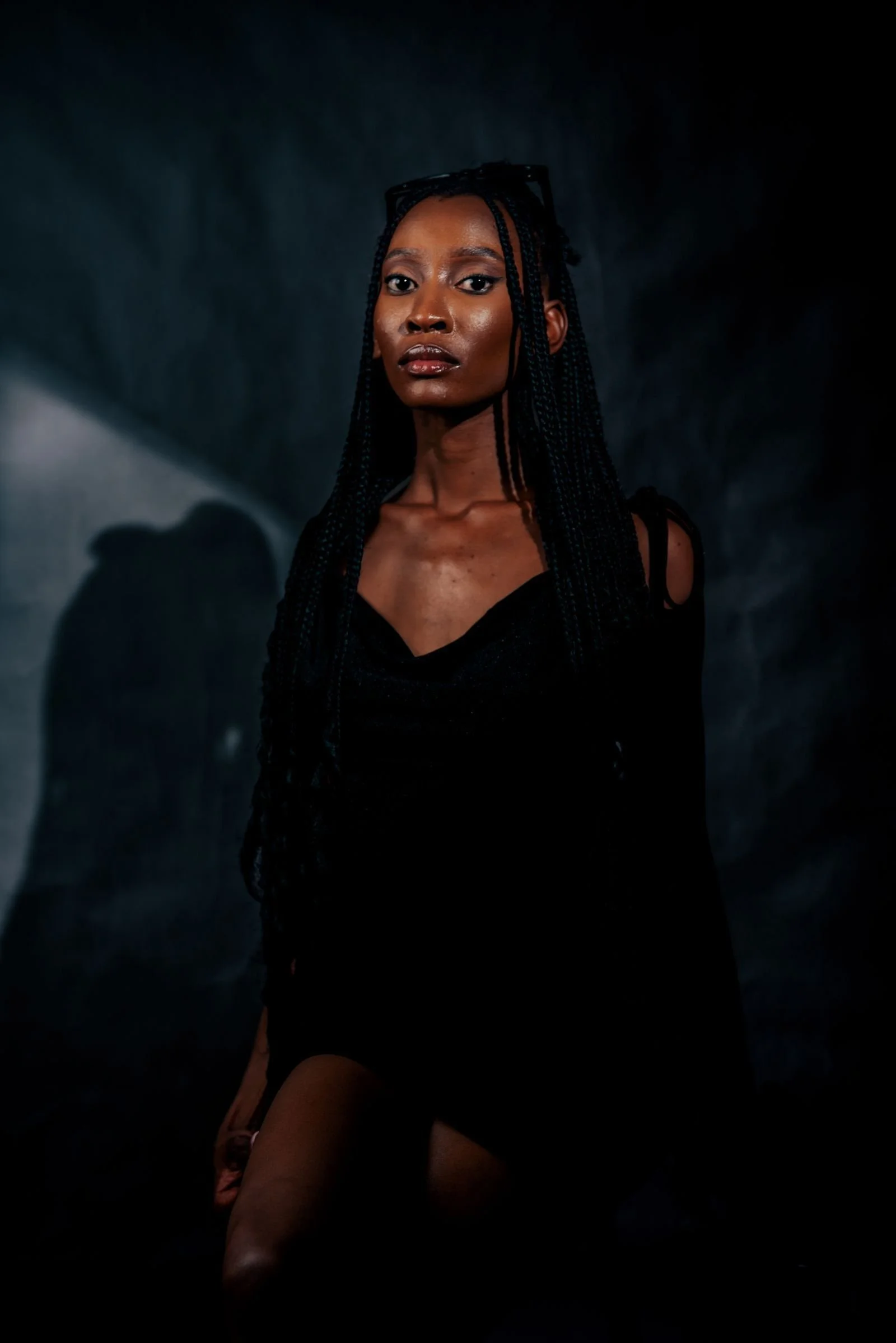
A beauty dish is a metal bowl with a small deflector plate suspended in front of the flash tube. The plate blocks direct light from hitting the subject, so the light bounces off the dish's parabolic surface first. The result sits between a softbox and a bare flash: softer than bare strobe, but with more contrast, more defined shadows, and more sculpting power than any softbox.
What a beauty dish does to a face
The dish's light falls off quickly and crisply. Cheekbones sharpen, jawlines define themselves, and skin takes on a luminous quality with real snap to the highlights. The catchlight is a distinctive round disc, often with a darker center, and it has become a visual signature of fashion and beauty photography. This is the modifier behind countless magazine covers.
Placement is everything
Here is the part photographers learn by getting it wrong: a beauty dish wants to live right above the lens, centered on the face, at a 45-degree downward angle, the classic butterfly position. A useful rule is that the dish's diameter roughly equals its ideal distance from the face, so a 22-inch dish starts about 22 inches away. Move the dish to the side and the flattering effect collapses, as Ortiz's comparison shows. White interiors give smoother highlights; silver interiors raise contrast and edge sharpness. A diffusion sock softens the output, but remember the trade: the softer you make a dish, the more it resembles the small softbox you could have used instead.
Where the beauty dish wins
Fashion, beauty, fitness, and glamour, anywhere bone structure and skin texture are the story. It is also a superb single-light portrait tool when you want drama without harshness. When a client says "make me look like a magazine cover," the dish is usually part of the answer. I use the dish regularly for fashion-style work; here are five beauty dish setups I rely on for sculpted portraits.
The trade-offs
A dish is less forgiving than a softbox or umbrella. It reveals skin texture instead of hiding it, it demands tighter posing, and it punishes sloppy placement. Beginners who buy the dish first often conclude that studio lighting is hard, when the truth is that they started with the least forgiving tool in the drawer.
Which Modifier Should You Buy First?
For most portrait photographers, the honest buying order is: softbox first, umbrella second, beauty dish third. The softbox handles the widest range of paid work, from headshots to fashion, with the control that studios demand. The umbrella covers groups, events, and fast-moving situations at a price that makes it an easy second purchase. The beauty dish enters the bag when your work starts asking for sculpted, editorial light, and by then you will know exactly why you want it.
One combination deserves a mention: a softbox as your key light with an umbrella as fill. It pairs the softbox's control with the umbrella's broad, forgiving fill, and it is one of the most common two-light portrait setups in working studios. If you are starting with a single strobe, master five classic one-light setups first, then add the second modifier.
6 Modifier Mistakes Photographers Make
- Buying a softbox that is too small for the framing. A small box on a full-body portrait produces hard light and defeats the entire purpose. Match the modifier size to the subject.
- Parking the modifier too far away. Distance shrinks the apparent size of the source and hardens the light. Get the modifier as close as possible without it entering the frame.
- Aiming a beauty dish from the side. At 45 degrees off-axis, the dish's flattering effect falls apart. Keep it centered above the lens.
- Taking an umbrella outdoors without sandbags. It is a sail. Wind plus a top-heavy stand is a broken strobe waiting to happen.
- Pointing the center of the softbox anywhere but the subject. The middle of the box should aim at the face, not the background or the floor, or you waste light and create uneven illumination.
- Buying the beauty dish first. It is the least forgiving of the three. Learn control with a softbox and speed with an umbrella, then graduate to the dish.
My Take: What 27 Years of Modifiers Taught Me
I have owned every modifier on this list several times over, and I have learned that the modifier is never really about the modifier. It is about the constraints of the job.
Years ago I shot headshots for Linda Hamilton at her home in Point Dume. She only does headshots about once a decade, so this was her image for the next ten years, and we had about an hour to get three looks in her backyard. My makeup artist, Cat, was working on her while I set up. I brought an Alien Bee kit with a battery pack so I did not need to plug anything in. When you are working in someone's backyard with a clock running and no outlets to lean on, the fastest modifier that still looks like money is the one you reach for. That day taught me that modifiers are logistics as much as they are aesthetics. The best modifier is the one that lets you keep shooting while everything around you changes.
Miami taught me the other half. Early in my career I landed in Miami with about fifty shoots under my belt and ended up photographing three to four models a day for four months straight. Hundreds of faces, every skin tone, every body type, every kind of clothing, with almost no preparation. Shooting that much, that fast, taught me more about light than any classroom ever did. It taught me how light behaves on different skin, how a small change in distance changes a shadow, and how to read a face and know which modifier it wants before the first frame. Those Miami images became tear sheets in Vogue, Harpers Bazaar, In Style, and Ocean Drive, and every one of them was lit with the same discipline: choose the modifier for the face in front of you, not the one that happens to be on the stand.
So here is my rule after 27 years. In the studio, where control is everything, I reach for the softbox. When the schedule is chaos or the group is big, I reach for the umbrella. When the job is beauty or fashion and the face has structure worth carving, I reach for the dish. And when I am on location with a battery pack and an hour on the clock, I reach for whatever gets the light up fastest and looks like it belongs in a magazine. The modifier is a tool. The decision is the craft.
Softbox vs Umbrella FAQ
Which is better for portraits, a softbox or an umbrella?
For controlled studio portraits and headshots, the softbox is the better choice: it gives softer, more directional light with far less spill. For groups, events, or fast-moving sessions where speed matters more than precision, the umbrella wins. Most working photographers own both and choose per job.
Can I use a softbox and an umbrella together?
Yes, and it is a classic two-light setup. Use the softbox as your key light for controlled, directional light on the face, and the umbrella as a fill to open up the shadows with broad, soft light. It is one of the most forgiving portrait lighting combinations you can build.
What size softbox do I need for portrait lighting?
For headshots and beauty work, a 24 by 36 inch or 32 by 32 inch softbox placed close to the subject is ideal. For full-body portraits, step up to a 48 by 72 inch box. The guiding rule: the larger the softbox relative to the subject, the softer the light.
Can a softbox replace a reflector?
No, they do different jobs. A softbox needs a powered light source and creates its own illumination. A reflector only redirects existing light, with no power needed. In the studio, photographers often use both: the softbox as the key light and a reflector as fill.
Is a beauty dish worth it for beginners?
Not as a first modifier. A beauty dish is less forgiving than a softbox or umbrella: it reveals skin texture, demands precise placement, and punishes sloppy technique. Start with a softbox for control and an umbrella for speed, then add the dish when your work calls for sculpted, editorial light.
Book a Portrait Session With Me
The modifier is a tool, but knowing which one your face wants is a craft, and it is one I have been practicing for 27 years. If you need headshots, portraits, or fashion and beauty imagery in Los Angeles, book a session with me and let's make something worth printing.
Which modifier lives on your key light right now, and why? Tell me in the comments.