Sony a6400 Night Photography: Settings and Techniques That Actually Work

The Sony a6400 is a capable night camera — its APS-C sensor handles high ISO better than most cameras its size — but it has no in-body stabilization, which means your technique matters more than it would on a stabilized body. Here is how to set it up and shoot it after dark, whether you are photographing city streets, events, or brand work in moody low light.

Start With the Right Mode: Manual

Shoot in Manual (M) mode at night. Aperture priority works in daylight, but after dark you want control over all three sides of the exposure triangle — shutter speed especially, since the a6400 has no IBIS to save you from camera shake.

A reliable starting point for handheld night street photography:

  • Aperture: wide open, or one stop down from wide open (f/1.8–f/2.8 on a fast prime)
  • Shutter speed: 1/60s or faster for people; 1/30s is workable for static scenes if your hands are steady
  • ISO: Auto ISO with a ceiling, or manually set between 1600 and 6400

From there, adjust to taste. If faces are motion-blurred, raise the shutter speed and let ISO climb. If the image is too noisy, open the aperture wider or accept a slower shutter on static subjects.

ISO: How High Can You Go?

For a long-term look at a very different kind of camera, read my Leica M11 Review: A Working Photographer's Honest Take.

The a6400's native ISO range tops out at 32000, with expansion to 102400. In practice, ISO 1600–6400 produces clean, usable files, and 12800 is acceptable for social and web use with light noise reduction. Beyond that, color and detail degrade fast.

Two settings worth configuring:

  1. Auto ISO minimum shutter speed. Set it to 1/60s (or 1/125s for events with moving people) so the camera raises ISO before it drops the shutter into blur territory.
  2. Auto ISO maximum. Cap it at 6400 or 12800 depending on your noise tolerance. This keeps the camera from wandering into unusable territory on its own.

Always shoot RAW at night. The a6400's RAW files hold up well to shadow recovery and noise reduction in post — far better than the in-camera JPEGs.

Lenses Matter More Than the Body

The single biggest upgrade for a6400 night photography is a fast prime. The kit lens at f/3.5–5.6 forces ISOs two to three stops higher than necessary. Good options in the Sony E-mount APS-C lineup:

  • A wide prime (16mm or 24mm equivalent) for streets, interiors, and environmental shots — f/1.4 or f/2.8 lets you keep ISO low
  • A 35mm-equivalent (around 24mm on APS-C) as a general night walkaround focal length
  • A short telephoto (50mm+ equivalent) for isolating subjects against bokeh'd city lights

Image stabilization in the lens helps if you shoot a lot handheld — several third-party E-mount primes include optical stabilization, which partly compensates for the a6400's lack of IBIS.

Focusing in the Dark

Autofocus hunts in low light. Three techniques that fix it:

  1. Use Flexible Spot AF on a high-contrast edge. Aim the focus point at a lit edge — a sign, a window frame, a face lit by a streetlamp — rather than a dark, flat area.
  2. Switch to manual focus with peaking. Set the focus peaking to high and the color to red or yellow. Focus on the brightest detail, then recompose.
  3. Use AF illuminator or a small light. The a6400's AF assist beam helps at close range. For brand or portrait work, a small continuous LED gives the AF system something to lock onto and doubles as a modeling light.

For static scenes — architecture, skylines, light trails — manual focus set once and left alone is the most reliable option.

White Balance: Stop Fighting the Orange

Sodium streetlights, neon signs, and mixed interior lighting will wreck auto white balance. Two approaches:

  • Shoot RAW and fix it later. This is the simplest answer and the reason to always shoot RAW at night.
  • Set a Kelvin value manually. Start around 3200K for tungsten-heavy scenes and 4000–4500K for mixed city light, then adjust. Sometimes the "wrong" white balance looks better — the orange glow of streetlights is part of the mood.

Handling Noise in Post

Even well-exposed night shots need some noise work. A practical workflow:

  1. Expose to the right. A slightly bright exposure at ISO 3200 has less visible noise than a dark exposure at ISO 1600 pushed two stops in post.
  2. Luminance noise reduction first, conservatively. Remove grain before touching color noise; heavy-handed luminance NR smears detail.
  3. Mask your sharpening. Sharpen edges, not skies — sharpening amplifies noise in smooth dark areas.
  4. Consider black and white. Some night images are simply better as monochrome, where grain reads as texture instead of noise.

Stabilization Without IBIS

Since the a6400 has no in-body stabilization, your options are technique and support:

  • Brace against something. Walls, railings, tables — anything solid buys you two to three stops.
  • Tuck your elbows and control your breathing. The classic stance still works.
  • Use a tripod or monopod for static scenes. Non-negotiable for exposures longer than about 1/15s.
  • Burst mode. Fire three to five frames; one of them will usually be sharper than the rest.

A Simple Night Walk Checklist

  • Battery fully charged (cold nights drain batteries faster — carry a spare)
  • Fast prime mounted, kit lens left at home
  • Manual mode, RAW, Auto ISO capped at 6400–12800
  • Flexible Spot AF or manual focus with peaking
  • White balance on a manual Kelvin value or fixed later from RAW
  • Something to brace against, or a compact tripod in the bag

The a6400 rewards deliberate technique at night. Set it up right, feed it enough light through a fast lens, and it will produce files that punch well above the camera's size and price.

Related reading

What Sony Shooters Say About the a6400 After Dark

a6400 owners are more optimistic about this camera's night game than the spec sheet suggests. On DPReview, one shooter evaluating the 6000-series line wrote: "Overall iso12.8k looks very usable on the a6400, maybe even 25.6k too, which is very impressive" (DPReview Forums). That lines up with my ceiling of ISO 12800 for web and social work.

Owners also lean on the camera's multi-frame noise reduction mode for handheld night shots. Per another DPReview thread, the MFNR mode makes "an ISO 6,400 shot to have the noise levels and detail of an ISO800 or even 400 shot" (DPReview Forums) by stacking frames in camera.

And the lens-first point I make in this guide comes up constantly in owner discussions. As one Sony Alpha Forum member put it, the full-frame noise advantage "can be offset by choosing a larger aperture and lower ISO on the APS-C camera" (Sony Alpha Forum).

Owners agree with my bottom line: the a6400 is a genuinely capable night camera once you feed it light through fast glass and cap the ISO yourself.
How to Hire a Corporate Photographer in Los Angeles

Hiring a corporate photographer in Los Angeles sounds simple until you're the one responsible for it. The photos from your conference, product launch, or executive retreat will live on your website, in your annual report, and across your social channels for years. Get it right and nobody notices the photography — they just feel the energy of the event.

I've been photographing corporate events in Los Angeles for 27 years — conferences, award galas, product launches, executive portraits. Here's how I'd hire a corporate photographer if I were on your side of the table.

Know what you're actually hiring for

"Corporate photography" covers at least five different jobs, and they require different skills:

  • Conferences and summits — multi-room, keynotes, panels, audience reactions. The photographer needs to be invisible and everywhere at once.
  • Executive headshots and team portraits — controlled lighting, consistent look across dozens of people, often shot in a borrowed conference room.
  • Product launches and press events — step-and-repeat backdrops, media risers, tight deadlines for same-day press images.
  • Award galas and holiday parties — low light, candid moments, VIP handling. Discretion matters as much as technique.
  • Brand and culture content days — office life, behind-the-scenes, recruiting and social material.

Write down which of these you need before contacting anyone. A photographer who excels at polished executive portraits may not be the right person for a chaotic three-day summit — and vice versa.

How much does a corporate photographer in Los Angeles cost?

Let's talk numbers, because this is where most people get burned.

In the LA market, professional corporate event photography typically runs $200–$500 per hour, with most full-day conference coverage landing between $1,500 and $4,000 per day. Executive headshot sessions usually price per person ($150–$400 each) or as a half-day rate. Multi-day summits with second shooters, same-day selects, and rush delivery can run $5,000+.

What drives the price up: same-day delivery of edited selects for press and social, second shooters for multi-track conferences, on-site headshot studios, broader usage licensing, and rush bookings under two weeks out (expect a 25–50% premium).

What should make you suspicious: anyone charging under $150/hour for full-day corporate coverage in Los Angeles. At that rate, you're not hiring a professional — you're hiring someone's hobby. The photos will look like it.

Executive headshot photography by David Christopher Lee in Los Angeles

Executive headshot photography session in Los Angeles office

Vet the portfolio like a hiring manager

A corporate photographer's website is their resume. Read it like one:

Look for your event, not their best work. Ask to see a complete delivery from a recent similar event — the keynote, the breakouts, the reception — not just the highlights reel.

Check the hard stuff. Low-light reception photos separate professionals from amateurs. Look at skin tones under mixed lighting, sharpness on moving subjects, and whether backgrounds look intentional or chaotic. LA corporate work often means dark hotel ballrooms and harsh stage lighting — the portfolio should prove they can handle both.

Count the people. Group photos and audience wide shots are technically demanding. If the portfolio is all close-ups and candids, they may not be comfortable with the formal coverage your stakeholders expect.

7 questions to ask before you book

Ask these on the first call. The answers will tell you everything:

  1. "Have you shot at our venue?" Venue familiarity — loading docks, ballroom lighting, house AV — saves hours on event day. If they haven't, ask how they'd scout it.
  2. "What's your turnaround time?" Standard delivery is 5–10 business days. If you need selects for press the same night, say so now — it changes staffing and price.
  3. "How many edited images do we get?" Get a number. A full conference day should yield 300–600 edited images; a headshot session, 3–5 retouched selects per person.
  4. "Who owns the photos?" The big one — covered in detail below.
  5. "Do you bring backup gear?" The answer must be yes. Two camera bodies minimum, backup lighting, backup storage.
  6. "Will you be the one shooting?" Some studios send whoever's available. If you're hiring based on a portfolio, make sure that photographer shows up — get it in the contract.
  7. "What's your plan for the hardest part of my event?" Name what worries you most — the dark afterparty, the 500-person group photo, the CEO who hates cameras. Their answer reveals their experience instantly.
Corporate team group photo by David Christopher Lee in Los Angeles

Corporate networking reception candid photography Los Angeles

Red flags when hiring a corporate photographer

Walk away if you see any of these: no contract, no backup equipment, "unlimited photos" promises (professionals deliver a defined number of edited images — "unlimited" means unedited dumps), stock photos in the portfolio, or full payment demanded upfront. A 50% retainer is standard; 100% upfront is not.

Lock down usage rights before the shoot

This is the clause that causes the most post-event fights, so settle it in writing before anyone picks up a camera.

Most corporate photographers in Los Angeles license images rather than selling full copyright. Typical arrangement: your company gets perpetual usage rights for marketing, web, social, PR, and internal communications, while the photographer retains copyright and portfolio rights.

Clarify in the contract: where you can use the photos (website, ads, social, print, broadcast), for how long (perpetuity is standard), whether the photographer can use them (portfolio use is normal — a full buyout for confidentiality costs 2–3x), and who handles model releases.

If a photographer offers "full copyright transfer" at a bargain rate with no discussion of licensing, they're either inexperienced or underpricing — proceed carefully.

Timeline: when to book

For major LA conferences and summits, book 3–6 months out — the best corporate photographers in Los Angeles are reserved months ahead, especially September–November and March–May. Holiday parties: book by September. Executive headshot days are more flexible — 4–6 weeks is usually fine.

Need someone next week? Expect rush pricing and a shorter bench. The photographers with open calendars on one week's notice in peak season are available for a reason.

Frequently asked questions

Corporate group photography by David Christopher Lee in Los Angeles

How do I hire a corporate photographer in Los Angeles? Start by defining your event type and deliverables, then review portfolios for similar events, check references, and confirm pricing, turnaround, backup equipment, and usage rights in a written contract. Book 3–6 months ahead for conferences.

What should a corporate photographer deliver? A full conference day should yield 300–600 edited, high-resolution images in 5–10 business days, plus a smaller set of same-day selects if PR needs them. Headshot sessions: 3–5 retouched selects per person.

Do I need a second shooter? For single-track events under 200 attendees, usually not. For multi-track conferences or simultaneous breakouts — yes.

Can the photographer also shoot video? Some can, but be cautious — stills and video are different disciplines, and one person doing both usually means neither gets full attention. For important events, hire separately.

The bottom line

Hiring a corporate photographer in Los Angeles comes down to three things: match the specialist to your event, verify the hard parts of their portfolio — low light, crowds, real venues — and get deliverables, timeline, and usage rights in writing before the shoot. The cheapest option is rarely the cheapest once you factor in unusable photos and reshoots.

About the author: David Christopher Lee is a Los Angeles corporate photographer with 27 years of experience shooting conferences, product launches, award galas, and executive portraits. View corporate photography portfolio → · Get in touch →

Corporate executive portrait photography in Los Angeles
Corporate team photography by David Christopher Lee in Los Angeles

Corporate Headshots Los Angeles: Look Like the Leader You Are

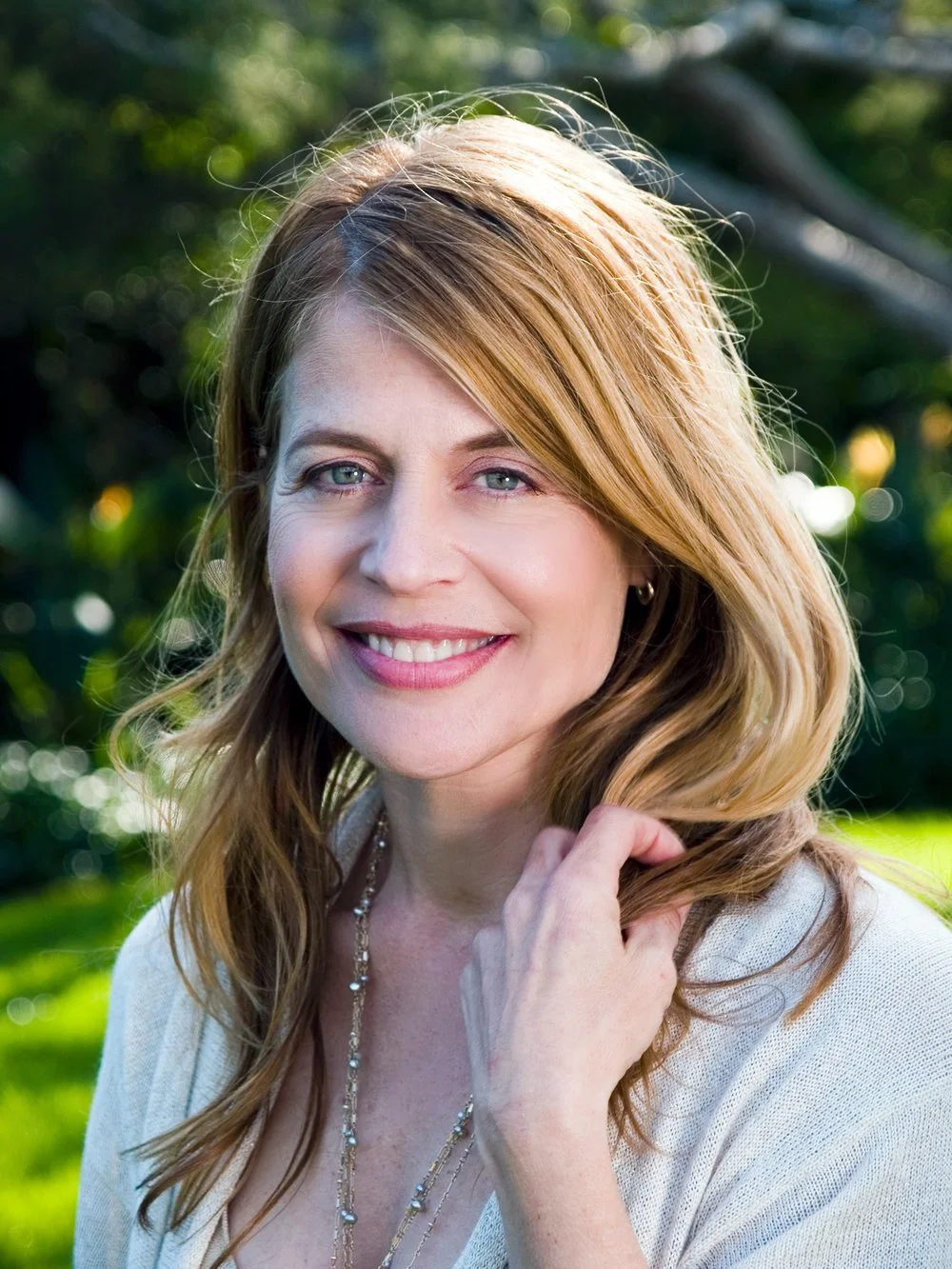
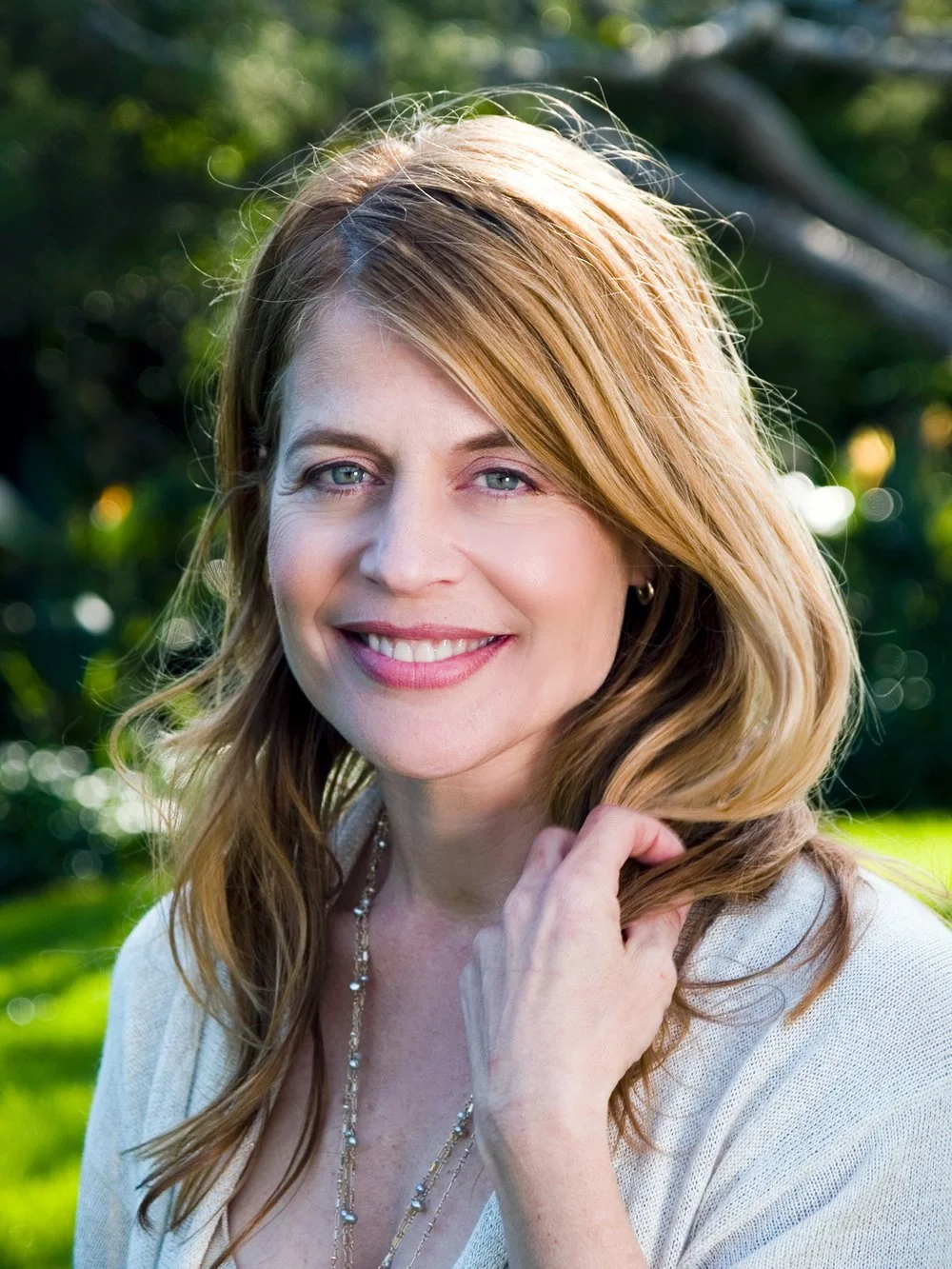
Linda Hamilton portrait by David Christopher Lee

Nobody dreams of getting corporate headshots taken. It's the business equivalent of going to the dentist — necessary, vaguely uncomfortable, and easy to postpone until the company website is showing a photo of you from 2016.

But here's the thing: in Los Angeles, your headshot is often the first version of you that anyone meets. Investors, clients, recruits, journalists — they all see the photo before they see the person. After 27 years photographing everyone from first-time founders to Hollywood stars, I can tell you the principles are exactly the same. Here's how to get corporate headshots that work as hard as you do.

The Executive Headshot Is a Trust Exercise

A corporate headshot has one job: make the viewer trust you before you've said a word. That trust comes from a specific combination — direct eye contact, relaxed posture, genuine expression, and lighting that flatters without lying.

The mistake most companies make is treating headshots as an administrative task. Herd everyone into a conference room, rush through fifty people in two hours, hand the photographer no direction. The result looks exactly like what it was: an obligation.

The companies that get great headshots treat it as a brand exercise. They think about what the leadership team should project — approachable, authoritative, innovative — and they hire a photographer who can deliver that consistently across every face.

Consistency Across the Team

This is the hardest part of corporate work and the part clients underestimate. One great headshot is a portrait. Twenty great headshots that look like they belong together is a system.

It requires the same background, the same lighting setup, the same crop, and the same retouching standard — applied to twenty different faces with twenty different comfort levels in front of a camera. Some executives will be naturals. Some will need real direction. The photographer has to calibrate to each person in about ten minutes without breaking the visual consistency.

When I photographed Linda Hamilton at Point Dume — three looks in about an hour with an Alien Bee kit — the discipline was the same one corporate work demands: know your lighting, know your plan, execute fast, and make every frame feel intentional. Speed and consistency are the same muscle.

What Leaders Get Wrong

They delegate the decision. The CEO asks an assistant to "find someone for headshots." The assistant finds the cheapest option. The result looks cheap because the decision was cheap. An executive portrait is a brand asset; treat the selection like one.

They skip the prep. Hair, wardrobe, grooming — handled the week before, not the morning of. I've watched sessions derail because someone got a haircut the day before and hated it on camera.

They fear looking human. The stiff, arms-crossed, jaw-clenched executive portrait is a relic. Modern leadership photography allows confidence and warmth in the same frame. The leaders people want to work for look like people.

The Session Itself

A well-run corporate headshot session feels almost boring — and that's the point. Each person steps in, gets directed through a short series of poses and expressions, and steps out in ten to fifteen minutes. The photographer handles everything: the chin angle, the shoulder position, the moment to capture.

What you should feel as the subject: directed, not rushed. There's a difference between efficient and hurried, and it shows in the final images. If your photographer is watching the clock instead of watching your face, the session was understaffed or underplanned.

For larger teams, I recommend scheduling in waves rather than a single marathon block. Energy drops after the first dozen people — both the photographer's and the subjects'. Two shorter sessions beat one exhausting one.

Wardrobe and Grooming

Keep it simple and intentional. Solid colors photograph better than patterns. Necklines matter more than most people realize — they frame the face. Bring two options; the photographer can help you choose the stronger one.

Grooming should be handled before arrival: haircut a week out (not the day before), skin rested, nothing experimental. The morning of the session is for execution, not experiments.

Frequently Asked Questions

How long does a corporate headshot session take per person? Ten to fifteen minutes per person is standard for a streamlined session. That includes a few poses and expression variations. Anyone promising two minutes per person is promising snapshots, not headshots.

Should the whole team match? The technical elements should match — background, lighting, crop, retouching level. The people shouldn't look identical; they should look like themselves, photographed to the same standard. Consistency of craft, individuality of person.

Studio or on-location for corporate headshots? On-location at your office is usually more practical for teams — no travel time, and the environment can reinforce the brand. A studio makes sense for individuals or when you need absolute control over the look. Either works if the photographer is experienced.

How often should corporate headshots be updated? Every two to three years, or when someone's appearance changes notably or their role changes significantly. A leadership page full of decade-old photos quietly undermines credibility.

Related Reading

David Christopher Lee is a celebrity photographer in Los Angeles and New York with 27 years of portraits — from Hollywood stars to corporate leaders — behind him. Book a shoot.

Don't skip the prep — follow our complete headshot preparation checklist. For wardrobe guidance, read what to wear for a celebrity photoshoot. David Christopher Lee is a celebrity photographer with 27 years of corporate and Hollywood portrait experience.

Fashion Photographer Los Angeles: From Test Shoots to Campaigns

Jaime Pressly portrait by David Christopher Lee

Fashion photography in Los Angeles lives between two worlds: the scrappy test shoot in a downtown loft and the polished campaign that ends up in national magazines. I've worked both ends for 27 years, and the distance between them is shorter than most people think — it's mostly a matter of vision, persistence, and knowing how to talk to the people in front of your camera.

It Starts With the Test Shoot

Every fashion photographer starts by shooting for free — or close to it. Test shoots with new models, small designers, emerging stylists. Nobody's getting rich. Everybody's building a book.

My first celebrity subject was April Wilkner — around my tenth shoot ever — at the atelier of designer Colleen Quen. That session taught me something no workshop could: how to walk into a room with talented, nervous people and make something real in a few hours. The clothes were beautiful, the stakes were low, and the only thing that mattered was whether I could see something in the model that she didn't know was there yet.

If you're a young photographer reading this: the test shoot is not beneath you. It's the whole game. Every campaign photographer you admire spent years in rooms exactly like that one.

The Flip-Phone Portfolio

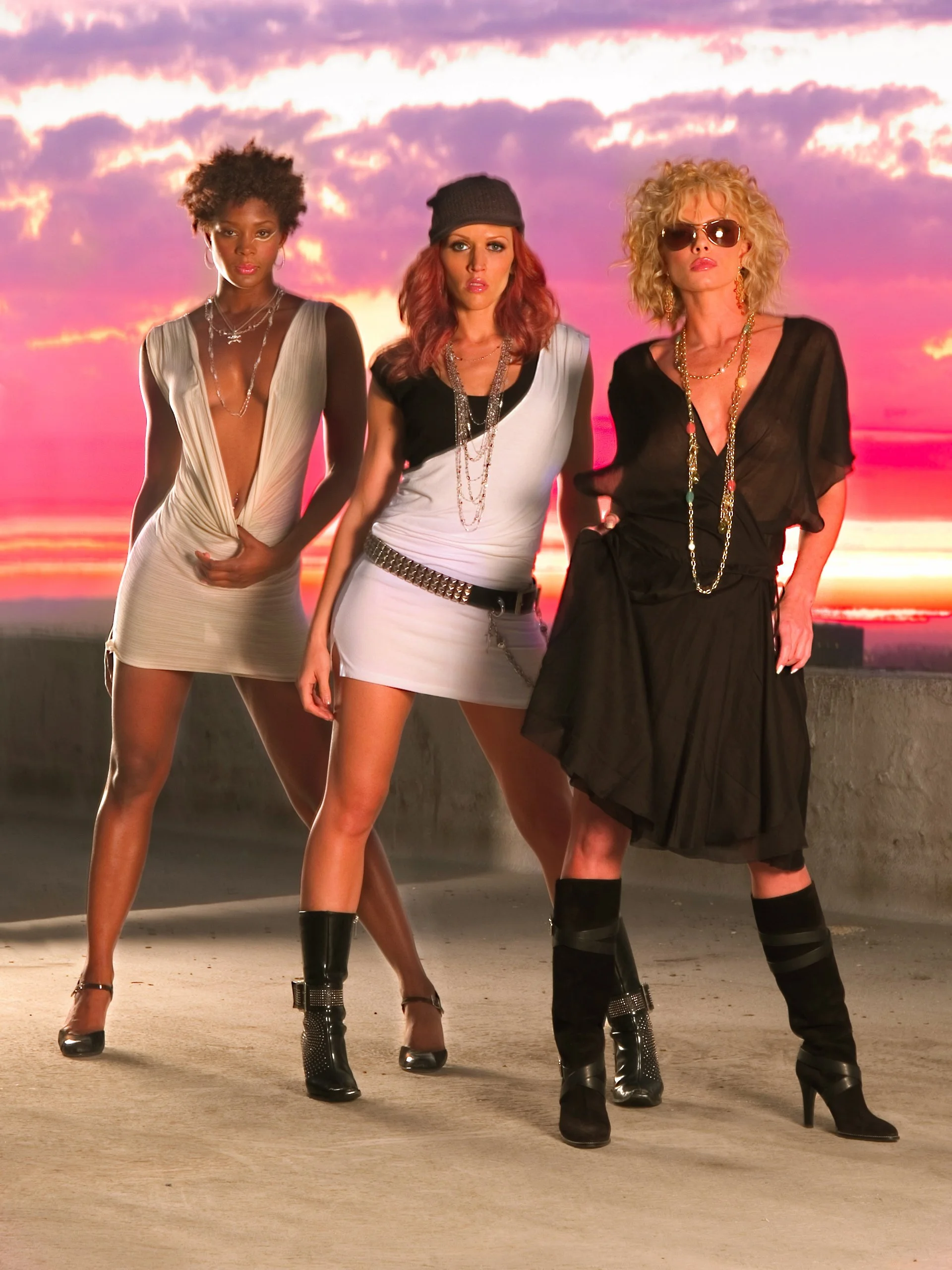
In 2005, when I was 22, I met Jaime Pressly and showed her my portfolio — five images on the one-inch screen of a flip phone. She booked me. We shot a rooftop campaign, and that led to two more campaigns with her. The coverage ran everywhere: US Weekly, In Style, Vogue, Perez Hilton.

I tell this story for one reason: the work matters more than the presentation of the work. Five tiny images on a terrible screen won a national campaign because the images were strong. Photographers obsess over websites, branding, and packaging. Clients respond to the pictures. Make the pictures undeniable and the rest sorts itself out.

That campaign also taught me how fashion work compounds. One strong shoot with the right person becomes the calling card for the next ten. Jaime led to more talent, more designers, more editors. In fashion, your last great shoot is your business development department.

Directing Models: Permission, Not Instructions

Here's the thing most photographers get wrong with models: they over-direct. Constant posing instructions — chin here, hand there, now look pensive — produce stiff, lifeless frames.

What models actually need is permission, not directions. They know how to move. Your job is to create the conditions where they feel free to do it: the right music, a clear concept, genuine reactions to what's working, and the confidence to let a great unplanned moment run instead of interrupting it.

When I shot Emily Ratajkowski at 16 for Key Closet — booked through Next Models, her father on set, a downtown penthouse location — she came back four more times. Teenagers don't rebook photographers who make them uncomfortable. They rebook the ones who make the shoot feel easy.

The Business Side Nobody Photographs

Fashion photography is a business, and the business happens between shoots. Relationships with model agencies, designers, stylists, and editors. Following up. Delivering on time. Being someone people want in the room.

The unglamorous truth: I got as much work from being reliable as from being talented. Deliver the selects when you said you would. Treat the intern with the same respect as the editor. Don't be precious about revisions. In a town full of brilliant photographers, the one who answers emails and hits deadlines wins an unfair share of the work.

What to Wear, Where to Shoot, How to Prepare

Fashion shoots live or die on preparation. The concept should be clear before anyone arrives — mood, wardrobe direction, hair and makeup references, location locked. The best fashion images look effortless because the effort happened the week before.

The short version: plan the clothes around the concept, not around what the model happens to own, and always have one more option than you think you need.

Frequently Asked Questions

How do I break into fashion photography in Los Angeles? Test shoots with agency new faces, assisting established photographers, and building a tight portfolio of 15-20 undeniable images. Then get those images in front of the right people — agencies, small designers, independent magazines. Repeat for years.

What's the difference between editorial and commercial fashion photography? Editorial tells a story for a magazine — more creative freedom, less pay. Commercial sells a product for a brand — more constraints, better money. Most working fashion photographers do both, and the editorial work feeds the commercial bookings.

Do I need expensive gear to shoot fashion? No. I shot early career-defining work on modest equipment. What matters is light, composition, and direction. Clients hire your eye, not your camera — though by the time you're shooting campaigns, professional gear is expected.

How important is retouching in fashion? It's part of the craft, but the best fashion retouching is invisible — cleaning up distractions while keeping skin texture and the human being intact. If the retouching is the first thing someone notices, it's too much.

Related Reading

David Christopher Lee is a celebrity and fashion photographer in Los Angeles and New York with 27 years of editorials and campaigns behind him. Book a shoot.

Plan the wardrobe with our guide on what to wear for a celebrity photoshoot. For what makes a portrait iconic, read our analysis. If you're hiring a celebrity photographer in Los Angeles, start with our hiring guide.

Event Photographer Los Angeles: How to Hire One for Galas, Parties, and Premieres

Kardashian portrait by David Christopher Lee

If you are planning a gala, fundraiser, premiere, birthday, or private party in Los Angeles, the event photographer is the one vendor whose work outlives the night. The flowers wilt. The catering gets eaten. The photos are what people look at for the next twenty years. Hire wrong and you have an expensive evening with nothing to show for it. Hire right and the night pays for itself in press, donors, and memories.

Event photography is the decathlon of the photography world. You are shooting portraits, candids, details, wide establishing shots, and low-light action, sometimes all within the same hour, with no reshoots and no excuses.

I have spent 27 years photographing events in this city. Red carpets, galas, premieres, fundraisers, private parties. Here is how to hire an event photographer in Los Angeles who actually delivers.

What an Event Photographer Actually Does

Most people think an event photographer shows up, points a camera at things, and leaves. That is what an amateur does. A professional event photographer runs the visual side of your evening.

That means scouting the venue before guests arrive, so the arrivals shot, the step-and-repeat, and the room look are planned, not improvised. It means knowing the run of show cold: who speaks when, where the honoree stands, when the check presentation happens, which table the surprise guest is sitting at. It means shooting the candids people actually want, the wide shots the venue wants, and the posed portraits the honorees want, all in the same evening, without slowing anything down.

At a gala, the photographer is also part of the guest experience. People pose, they ham it up, they want the photo. A good event photographer reads the room, keeps the energy up, and makes the photo moments feel like part of the party instead of an interruption to it.

There is a tension at every event. You want the photographer to be unobtrus

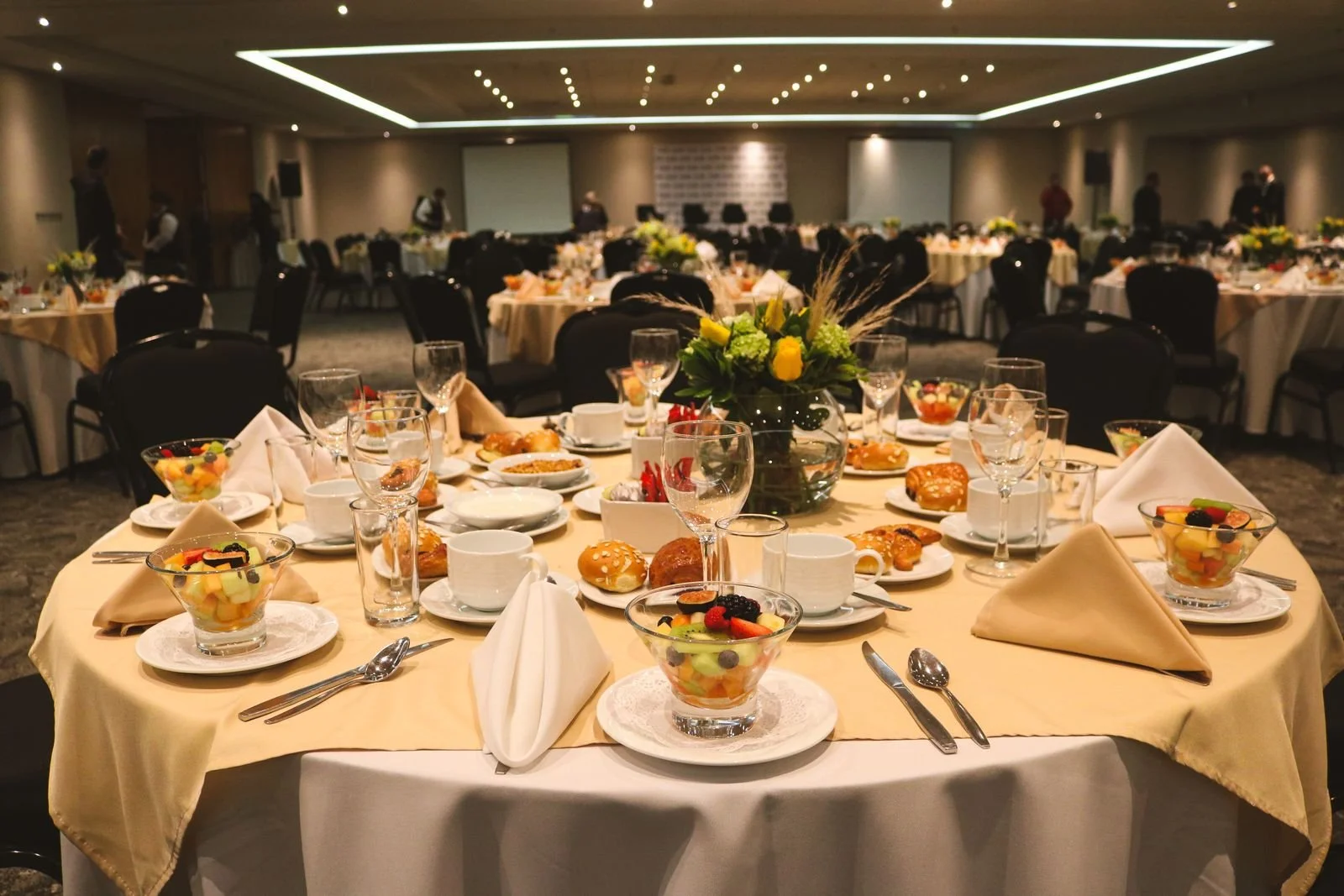
Event photographer in Los Angeles covering an elegant gala banquet table setting

ive during the intimate moments and assertive during the must-have ones, the group photo, the award presentation, the keynote. The skill is knowing which mode the moment requires. During cocktail hour, I am a ghost with a long lens. When the award is presented, I am front and center getting the handshake. Photographers who only have one mode, always invisible or always in everyone's face, miss half the event.

Producing Teaches You What Shooting Can't

In the mid-2000s I produced an event called Fashion Walkoff, about 600 attendees, 30 photographers, a runway setup, and more moving parts than I could count. We didn't have a permit for part of the setup. I spent around $2,000 making it happen. There was a conflict over a dumpster placement that turned into a $2,500 demand, which I negotiated down to $1,500 on the spot.

I tell you this because producing an event rewired how I shoot them. When you have been the person responsible for the whole production, you understand what the client is actually worried about, and it is never the f-stop. It is whether the key moments got captured, whether the sponsors are visible in the photos, whether the images will make next year's event easier to sell.

Hire the photographer who thinks like a producer. They will get the sponsor wall, the keynote reaction, and the crowd energy, not just pretty pictures of the flowers.

Why Los Angeles Events Are a Different Animal

Los Angeles is not like other cities for events, and an event photographer here has to know the terrain.

First, the guest lists. In LA, a "small private dinner" can include a studio head, two Oscar winners, and a billionaire. Your photographer needs to be unfazed by famous faces and discreet about everything they see. I have shot rooms where half the attendees were household names. The job is the same whether the room holds celebrities or civilians: capture the night, protect everyone's privacy, never be the story.

Second, the venues. Rooftop in downtown, a mansion in Holmby Hills, a soundstage in Burbank, a yacht in Marina del Rey. LA venues range from candlelit ballrooms to pitch-black clubs, often in the same week. Your photographer has to handle genuinely difficult light. If their entire portfolio is bright outdoor daytime work, they are not ready for a gala that starts at 8 PM in a room lit by candles.

Third, the press. LA events get covered. Red carpets have photo pits with credentialed press, and the images from your event can end up in publications the next morning. An event photographer who has worked red carpets knows how to deliver images fast enough for that cycle. If press coverage matters to you, ask about same-day delivery. Not every photographer can do it. The ones who have done it know exactly what it takes.

I have covered red carpets for years, and the discipline is different from anything else in photography. You can read about what that work actually looks like in my breakdown of red carpet coverage.

Speed Is a Feature

I learned this at the Teen Choice Awards in 2000, shooting on a Nikon Coolpix 950 as a high-school senior and delivering same-night images over a 56k modem for $1,250. The outlets didn't want great photos tomorrow. They wanted good photos tonight.

That hasn't changed, it has intensified. Events now live on social media in real time. If your photographer can't get you a set of edited highlights the same night, your event's social momentum dies before it starts. When you are hiring, ask specifically: "What can I post tonight?" The answer tells you everything about how they work.

For most social events, a professional delivers a full edited gallery within one to two weeks. For galas and fundraisers with press or donor follow-up, next-day delivery of a selects gallery is common, with the full set following within the week. For red carpets and premieres, same-night delivery is the standard, because the press cycle does not wait.

Decide what you need before you book, and pay for the tier you actually need. Rush delivery is real work: it means the photographer is editing on a laptop in a corner of the venue while the party is still going. It costs more because it is worth more.

One more thing about volume. A good event photographer delivers the night, not a data dump. For a four-hour gala, 200 to 400 edited images is the right range. If someone promises 2,000 photos, they are handing you unedited files and calling it delivery. Editing is the job. Anyone can press a shutter.

What to Look For in an LA Event Photographer's Portfolio

Forget the gear list. Here is what actually separates a real event photographer from someone who shot their cousin's birthday once.

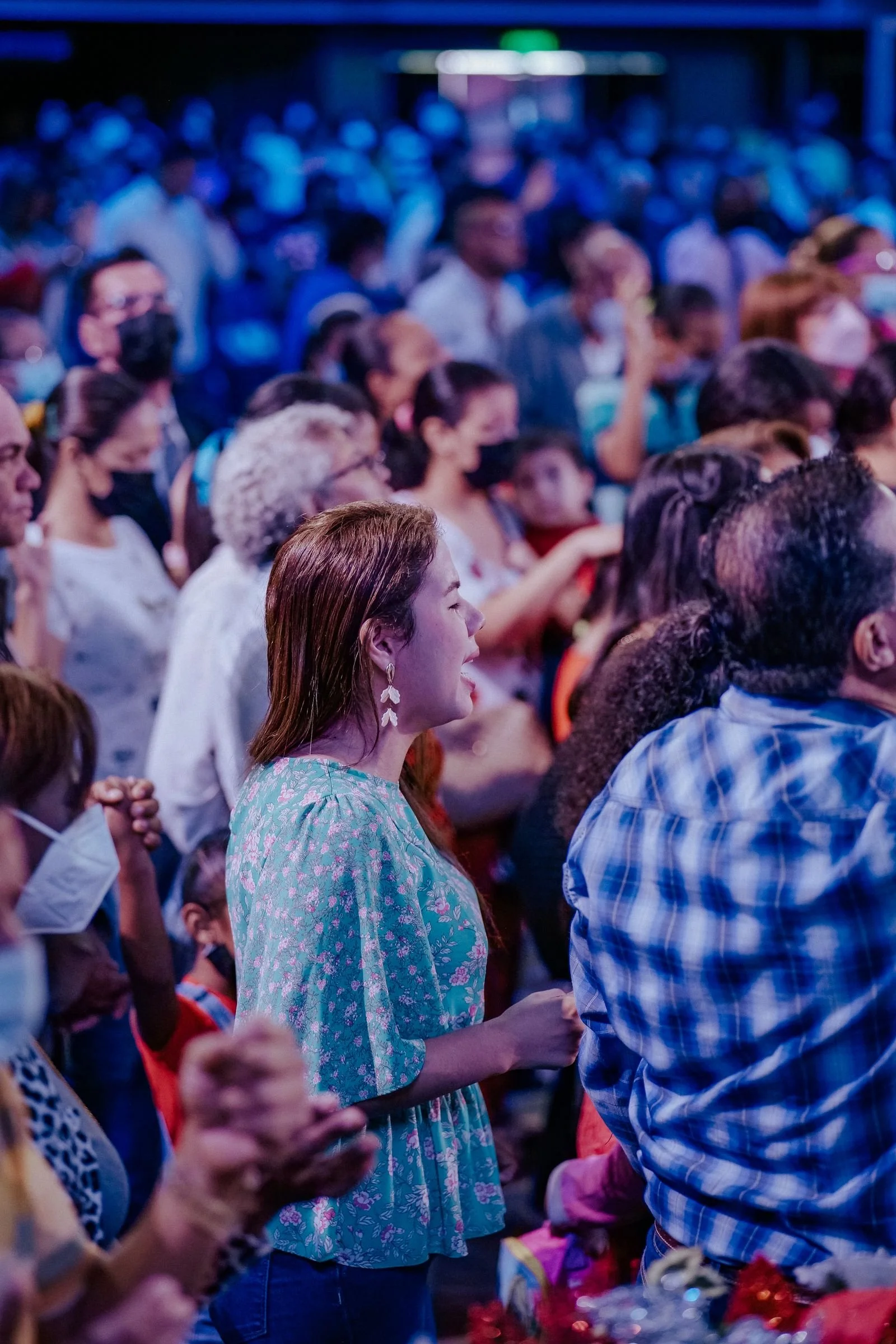
Event photographer capturing a lively crowd at a Los Angeles evening event

Full galleries from real events, not highlights. Anyone can cherry-pick twenty great frames. Ask to see a full gallery from one event, start to finish. You are looking for consistency: are the candids as strong as the posed shots? Does the quality hold up in the dark corners of the room? A full gallery tells you what your event will actually look like.

Low-light work without harsh flash. LA events happen after dark in moody venues. Look at how the photographer handles it. Blown-out faces and black backgrounds mean they are blasting direct flash and calling it a day. The good ones balance ambient light with fill, so the room still looks like the room.

Candids with real energy. Posed group shots are easy. The candids are where the money is: laughter, reactions, the moment the honoree sees the surprise. If a portfolio is all stiff lineups, the photographer does not know how to work a room.

People who look like they are having fun. This sounds obvious, but look at the subjects' faces across the portfolio. Relaxed, laughing, natural. That does not happen by accident. It happens because the photographer made people comfortable. Twenty-seven years of directing everyone from first-time gala guests to Lady Gaga taught me that the camera picks up tension instantly. The photographer's job is to dissolve it.

Event Photographer Pricing in Los Angeles (2026)

Let me give you real numbers, because vague "it depends" answers do not help you budget.

For professional event photography in Los Angeles in 2026, expect roughly $250 to $500 per hour for experienced photographers, with most booking a minimum of 2 to 4 hours. Half-day coverage (around 4 hours) typically runs $1,500 to $2,500, and full-day coverage (8 to 10 hours) runs $2,500 to $4,500. Multi-photographer teams for large events start around $3,500. These ranges line up with 2026 event photography pricing overviews and national photographer price data for experienced professionals.

My own corporate event rates are $750 per hour, $2,500 for a half day, and $4,500 for a full day, with 200 to 300 edited images delivered the next day. Social events price similarly, because the work is the same: the hours, the editing, the speed of delivery.

What moves the price up or down:

  • Turnaround speed. Next-day delivery is standard for pros. Same-day selects for press or social media cost more, because someone is editing while the event is still happening.
  • Second shooter. For events over 150 guests, or events with simultaneous moments in different rooms, a second photographer is worth it. Expect to add $500 to $1,500.
  • Usage rights. Personal and social use is usually included. If the images will run in advertising or a major campaign, expect a licensing conversation.
  • Travel and prep. Venue walkthroughs, parking downtown, load-in time. Professionals bake this in; amateurs forget it and then complain.

Be wary of anyone dramatically under market. A $150-an-hour "event photographer" is either building a portfolio on your gala or does not understand what the job costs to do properly. Your event happens once. There are no reshoots.

For a deeper breakdown of how corporate event pricing works specifically, I wrote a full 2026 cost guide to corporate event photography.

Questions to Ask Before You Book

Interview your event photographer like you would any other key vendor. These questions will tell you almost everything:

1. Can I see a full gallery from a recent event like mine? Not a highlights reel. A full gallery. If they hedge, move on.

2. How do you handle low light? You want to hear about fast lenses, balancing ambient light, and knowing when flash helps versus when it kills the mood. If the answer is "I have a really powerful flash," keep looking.

3. What is the delivery timeline, exactly? How many images, edited or unedited, and when. Get it in writing. "A few weeks" is not an answer for an event that has press value the next morning.

4. How many photographers do I need? For under 100 guests, one experienced photographer usually covers it. Past 200, or with simultaneous programming in multiple rooms, you need two. Anyone who tells you one person can cover 500 guests across three rooms is selling you something.

5. Have you shot at my venue, or will you scout it? A walkthrough before the event is the mark of a professional. Every venue has a dark corner and a terrible mixed-lighting spot. The photographer should know where they are before your guests arrive.

6. What is your backup plan? Gear fails, and photographers get sick. Ask what happens when either does. A professional has redundant bodies, lenses, cards, batteries, and a backup shooter they can call. If the answer is a shrug, keep looking.

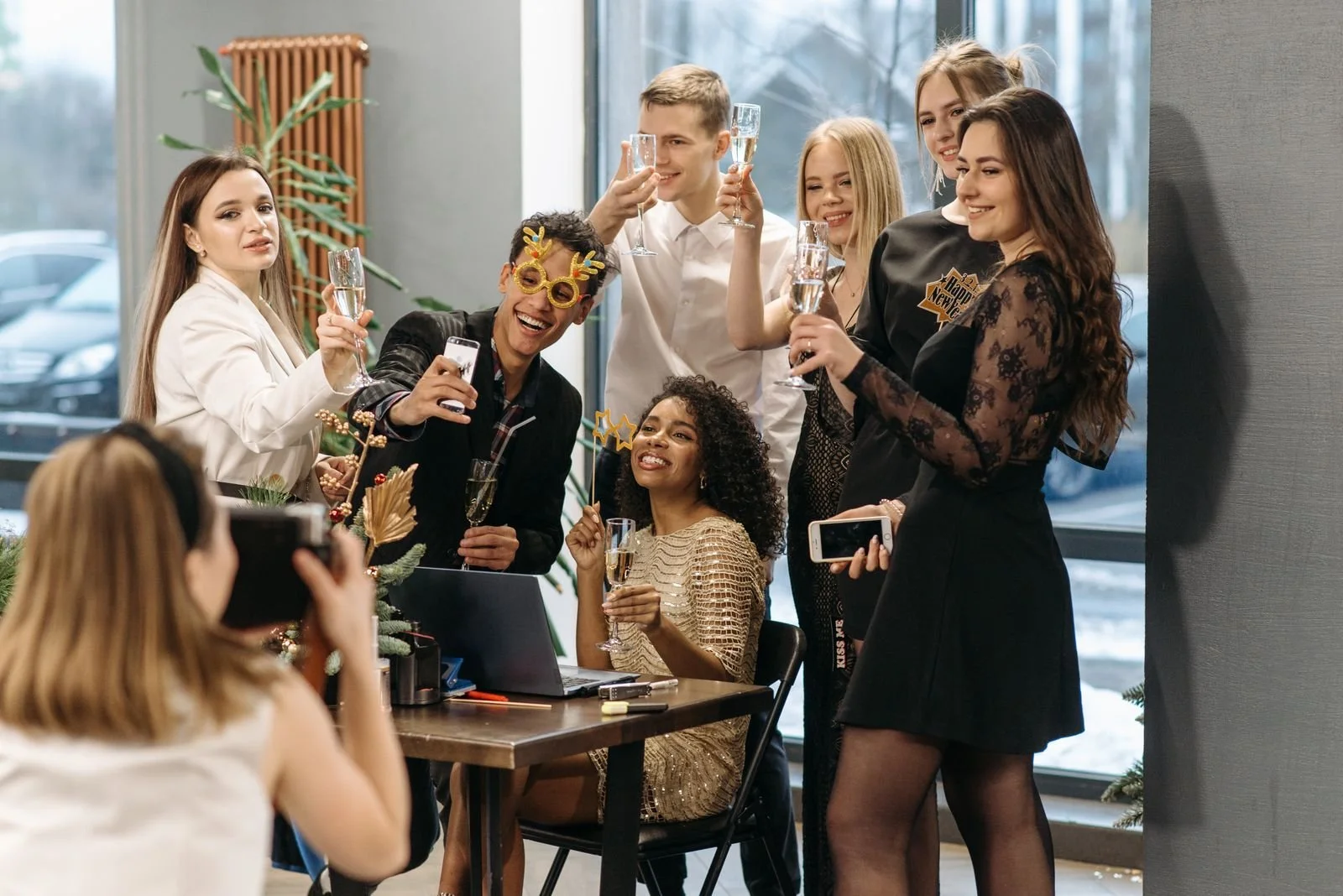
Guests posing for a group photo at a Los Angeles party covered by an event photographer

Red Carpets, Galas, and Premieres: The High-Pressure End

Not every event needs a red-carpet veteran. But if yours has a step-and-repeat, a press line, or VIP arrivals, say so up front, because it changes who you should hire.

Red carpet work is a specialty. The light is brutal, the pace is relentless, and you get one pass at each arrival. I have worked carpets and premieres across this city for years, and the skill set does not transfer from shooting portraits in a studio. It comes from doing it, repeatedly, under pressure.

If your event has any red-carpet element, ask specifically about it. Ask how many carpets they have worked. Ask whether they can deliver selects the same night. And check what they charge for that tier, because it is premium work. For context on what that level of coverage involves, my piece on what a celebrity photographer charges breaks down the pricing logic.

Professional event photographer with camera at a Los Angeles event

The Bottom Line

Hiring an event photographer in Los Angeles comes down to three things: a portfolio of full galleries from real LA events, honest answers about low light and turnaround, and a price that reflects professional work rather than a bargain.

The night happens once. The photos are the only part of it that lasts. Spend the money on the photographer, feed them, give them the run of show, and then get out of their way. That is how you get images that make the event look as good as it felt.

If you are planning a gala, fundraiser, premiere, or private event in Los Angeles, book a consultation. I will tell you honestly what your event needs, even if the answer is that you need less coverage than you think.

Guests celebrating at an elegant Los Angeles dinner party

Frequently Asked Questions

How much does an event photographer cost in Los Angeles?
In 2026, experienced event photographers in Los Angeles charge roughly $250 to $500 per hour with a 2 to 4 hour minimum. Half-day coverage runs $1,500 to $2,500 and full-day coverage runs $2,500 to $4,500. Same-day delivery, second shooters, and commercial usage rights add to the base rate.

How far in advance should I book an event photographer in Los Angeles?
Book 2 to 3 months out for galas and fundraisers, especially during peak season (October through December and awards season). For smaller private parties, 4 to 6 weeks is usually enough. The best photographers book up first, so earlier is always better.

What is the difference between an event photographer and a corporate event photographer?
A corporate event photographer specializes in conferences, trade shows, and company meetings: keynotes, panels, branding, and executive portraits. A general event photographer covers social events: galas, fundraisers, premieres, birthdays, and private parties. Many photographers do both, but ask to see galleries from events like yours.

How many photos will I get from my event?
For a four-hour event, expect 200 to 400 edited images from a professional. Anyone promising thousands of photos is likely delivering unedited files. Quality and editing matter more than raw frame count.

Do event photographers shoot in low light without flash?
Experienced ones do. LA galas and parties happen in dark, moody venues, and a professional event photographer uses fast lenses and balanced ambient light to keep the room looking like the room. Ask to see low-light work in their portfolio before you book.

Should the photographer also do video?
Usually not with the same person. Stills and video are different disciplines with different instincts. If you need both, hire a small team where each person does what they do best.

Do I need a shot list?
A short list of must-haves, key people, sponsors, specific moments, is smart. A 40-item shot list is a sign you don't trust your photographer. Share the priorities, then let them work.

How do we handle guest photos vs. professional photos?
Tell guests the photographer has it covered for the key moments, and let them enjoy the event. Nothing kills a ceremony like a hundred phones in the air, and your photographer's wide shot will thank you.

Related Reading

David Christopher Lee is a celebrity photographer in Los Angeles and New York with 27 years of events, premieres, and productions behind him. Book a shoot.

Red Carpet Photographer Los Angeles: What Really Happens on the Carpet

Kardashian portrait by David Christopher Lee

The red carpet looks glamorous from the couch. Up close, it's a beautiful kind of chaos — shouted names, flashing strobes, publicists pulling talent in three directions, and about ninety seconds to get the shot before the moment moves on.

I've been working red carpets for 27 years. My first one was the Teen Choice Awards in 2000 — I was still in high school, shooting on a Nikon Coolpix 950 for AWZ.com and my school paper, and I filed same-night images over a 56k modem for $1,250. That night taught me everything about how this work really functions. Here's what goes on behind the rope line.

The Job Is Speed, Not Just Talent

On a red carpet, you don't get a second take. The talent walks the carpet, pauses at the step-and-repeat, and keeps moving. Your window might be a minute. It might be twenty seconds.

That 2000 Teen Choice Awards night set my standard permanently: shoot it, edit it, deliver it the same night. The outlets I was feeding — I got images to Seventeen magazine through 411 that night — didn't care how hard the conditions were. They cared that the photos were there before deadline. Every red carpet since has run on the same principle. The photographer who delivers fast wins the next booking.

Positioning Is Everything

Before anyone famous arrives, the real work is already done. Where you stand determines what you get. The step-and-repeat backdrop, the angle of the light, which side the talent will face — veterans sort this out during the empty-carpet walkthrough while newcomers are still finding the bathroom.

At a Quincy Jones ceremony I covered, I ended up photographing Snoop Dogg and Usher together — but only because I was in the right spot when the moment happened. Snoop's manager initially resisted, but Snoop himself called me "the man" and brought Usher over. You can't plan a moment like that. You can only be positioned for it.

Reading the Room

The best red carpet photographers develop a sense for the flow of the night. Who's arriving when. Which publicist will give you thirty seconds and which one won't. When the light is about to change. When a surprise pairing is about to walk past your mark.

This is the part of the job that doesn't show up in anyone's portfolio. It's instinct built over years of standing in the same chaos, and it's why experience matters more on a carpet than almost anywhere else in photography. A technically perfect photographer with no carpet instincts will miss the moments. A veteran with average gear in the right position will get them.

Working With Publicists and Handlers

The talent's team controls access, and fighting them is always a losing strategy. The photographers who last on the carpet are the ones publicists trust — the ones who don't shout over the handler, don't block the walkway, and deliver images that make their clients look good.

Trust compounds. The reason I kept getting invited back to major events across 27 years is the same reason any photographer does: I was fast, I was professional, and the photos made everyone look like stars. Reputation on the carpet is a currency, and you spend it carefully.

What Clients Should Know

If you're hiring red carpet coverage in Los Angeles — for a premiere, a gala, a brand event — here's what to ask:

What's your turnaround? Same-night delivery should be the expectation, not a premium add-on. Events live and die on social media timelines now; photos that arrive three days later have missed their moment.

Do you know this venue? Every carpet has its quirks — the lighting at one venue is tungsten, the step-and-repeat at another is backlit. A photographer who's worked the room before starts with an advantage.

Can you handle the chaos? Ask about the biggest event they've covered. You want someone who's been in the crush and stayed calm, not someone whose largest crowd was a wedding.

David Christopher Lee is a celebrity photographer with 27 years of red carpet experience. If you're hiring a celebrity photographer in Los Angeles, read our complete hiring guide. For talent preparing for the carpet, see what to wear for a celebrity photoshoot.

Frequently Asked Questions

How far in advance should I book red carpet coverage? For major award shows, photographers are often credentialed months ahead through outlets. For private events and premieres, four to six weeks is comfortable — though I've pulled off faster turnarounds when the schedule demanded it.

What's a step-and-repeat? The branded backdrop wall where talent poses for photos. The name comes from the pattern: step up, pose, repeat down the line. Getting clean, well-lit shots against it — without another photographer's flash ruining your frame — is the core skill of carpet work.

Do red carpet photographers need special credentials? Yes. Major events credential photographers through media outlets, and positions are assigned. This is one area where who you know genuinely matters — relationships with outlets and publicists open doors that cold emails don't.

Film or digital for red carpet? Digital, without question. The job requires immediate delivery, high burst rates in low light, and the ability to file from the venue. Anyone shooting film on a modern carpet is doing it as an art project, not as coverage.

Related Reading

David Christopher Lee is a celebrity photographer in Los Angeles and New York with 27 years of red carpets, premieres, and award shows behind him. Book a shoot.

Headshot Photographer Los Angeles: How to Choose the Right One

Linda Hamilton portrait by David Christopher Lee

Everyone in Los Angeles needs a headshot eventually. Actors need them for casting. Executives need them for the company site. Founders need them for the pitch deck. And because this town runs on first impressions, the difference between a good headshot and a great one is the difference between getting the meeting and getting ignored.

I've spent 27 years photographing people for a living — from my first celebrity subject, April Wilkner, back when I was still learning the craft, to sessions with stars like Linda Hamilton. Here's what those years taught me about choosing the right headshot photographer in Los Angeles.

What a Great Headshot Actually Does

A headshot is not a portrait of your face. It's a portrait of your competence.

Casting directors decide in about two seconds whether you look right for the role. A hiring manager forms an impression of your LinkedIn photo before reading a single word of your profile. Your headshot is doing silent work for you around the clock, and most people hand that job to whoever was cheapest or closest.

The photographers who do this well understand that a headshot session is a collaboration, not a transaction. You should feel directed, not processed. If you walk out of a session feeling like you were on an assembly line, the photos will show it.

The Three-Look Lesson

One of my favorite sessions taught me everything about efficiency and range. Linda Hamilton came to me through a referral from a friend named Greg. We shot at Point Dume — earthy colors, natural setting, an Alien Bee lighting kit — and we got three complete looks in about an hour.

Three looks in an hour. That only happens when the photographer has a plan before you arrive: the lighting is already figured out, the locations are already scouted, and the direction is clear and fast. When you're choosing a headshot photographer, ask how they structure a session. If they can't describe their process in a sentence or two, they probably don't have one.

Linda selected five images from that shoot, and I printed them into an album for her. She tipped $2,500 on top of the session fee. That's what happens when a client feels taken care of — but the foundation was preparation, not luck.

Natural Light vs. Studio

Los Angeles gives you both options in abundance, and the right choice depends on what the headshot is for.

Natural-light sessions — outdoors, in open shade, during the softer hours — produce a warm, approachable look. My session with Linda at Point Dume leaned on the natural environment with earthy tones, and the results had a relaxed confidence that a studio would have flattened out.

Studio sessions give you control. Clean backgrounds, precise lighting, a consistent look across a whole team. For corporate headshots where twenty executives need to match, studio is usually the answer.

A good photographer should be able to explain which one serves your goal and why — not just default to whatever their space allows.

Questions to Ask Before You Book

After 27 years on both sides of these conversations, here are the questions that actually matter:

Can I see full sessions, not just highlights? Anyone can cherry-pick ten great frames. Ask to see a complete gallery from a single session so you know the consistency is real.

How many looks do we get? One outfit gives you one version of yourself. For actors especially, range matters — commercial, theatrical, character. Know what you're getting before you arrive.

How long until I see the photos? Turnaround matters. Early in my career, I built my reputation on speed — at the Teen Choice Awards in 2000, I delivered same-night images shot on a Nikon Coolpix 950 and transmitted over a 56k modem. That urgency never left me. Ask your photographer when you'll see proofs.

Do you direct, or do you just shoot? Most people are not models. They need someone who will tell them what to do with their hands, their chin, their shoulders. If the photographer says "just be natural" and hopes for the best, keep looking.

How to Show Up Ready

The photographer's job is the lighting, the direction, and the edit. Your job is to arrive ready. That means wardrobe that fits the purpose of the shot, grooming handled the day before, and enough sleep that your eyes don't tell a different story than your smile.

What to know before you book

Actor headshots or corporate portraits? I shoot both, and they are different sessions.

Actor headshots are about range. We shoot multiple looks that show casting directors who you can play. Corporate portraits are about authority. Clean, confident, approachable. Tell me which one you need and I will plan the session around it.

Where we shoot: my natural light studio.

I shoot in my own studio with big tall windows and white walls. No harsh strobes, no fake-looking flash. Just beautiful natural light that is flattering on everyone. I also have backdrops when the shot calls for it: a distressed gray for portrait work, black for drama. And if you want something different, I shoot in mini studios across downtown LA with tons of variety. We customize the space to what you need.

Hair and makeup: your call.

I offer professional hair and makeup for headshot sessions. Or do your own. Or bring your own artist. Whatever makes you comfortable in front of the camera.

Pricing is straightforward.

Two looks: $1,500. Three looks: $1,900. Four looks: $2,300. Five looks: $2,500. A look is a full wardrobe and styling change. Half due to book, half due on shoot day.

Do you shoot actor headshots or corporate headshots?

Both. Actor sessions focus on range for casting directors. Corporate sessions focus on a clean, confident, authoritative image. I plan each session around which one you need.

Where do headshot sessions take place?

In my natural light studio in Los Angeles, with big windows and white walls. I also have gray and black backdrops, and I shoot in mini studios across downtown LA for more variety.

Is hair and makeup included?

I offer professional hair and makeup, or you can do your own, or bring your own artist. Your choice.

How quickly will I get my photos?

Raw shots within 24 hours.

How far in advance should I book?

Two to three weeks is ideal.

How much do headshots cost in Los Angeles?

My sessions run $1,500 for two looks up to $2,500 for five looks. A look means a full wardrobe and styling change.

What should I wear to my headshot session?

Bring options. We will shoot both with a tie and without, so you have the choice. Solid colors photograph best. Avoid busy patterns.

Frequently Asked Questions

What to know before you book

Actor headshots or corporate portraits? I shoot both, and they are different sessions.

Actor headshots are about range. We shoot multiple looks that show casting directors who you can play. Corporate portraits are about authority. Clean, confident, approachable. Tell me which one you need and I will plan the session around it.

Where we shoot: my natural light studio.

I shoot in my own studio with big tall windows and white walls. No harsh strobes, no fake-looking flash. Just beautiful natural light that is flattering on everyone. I also have backdrops when the shot calls for it: a distressed gray for portrait work, black for drama. And if you want something different, I shoot in mini studios across downtown LA with tons of variety. We customize the space to what you need.

Hair and makeup: your call.

I offer professional hair and makeup for headshot sessions. Or do your own. Or bring your own artist. Whatever makes you comfortable in front of the camera.

Pricing is straightforward.

Two looks: $1,500. Three looks: $1,900. Four looks: $2,300. Five looks: $2,500. A look is a full wardrobe and styling change. Half due to book, half due on shoot day.

Do you shoot actor headshots or corporate headshots? Both. Actor sessions focus on range for casting directors. Corporate sessions focus on a clean, confident, authoritative image. I plan each session around which one you need.

Where do headshot sessions take place? In my natural light studio in Los Angeles, with big windows and white walls. I also have gray and black backdrops, and I shoot in mini studios across downtown LA for more variety.

Is hair and makeup included? I offer professional hair and makeup, or you can do your own, or bring your own artist. Your choice.

How quickly will I get my photos? Raw shots within 24 hours.

How far in advance should I book? Two to three weeks is ideal.

How much do headshots cost in Los Angeles? My sessions run $1,500 for two looks up to $2,500 for five looks. A look means a full wardrobe and styling change.

What should I wear to my headshot session? Bring options. We will shoot both with a tie and without, so you have the choice. Solid colors photograph best. Avoid busy patterns.

How much does a headshot session cost in Los Angeles? It varies widely — from a few hundred dollars for a quick session to several thousand for a full multi-look shoot with a well-known photographer. The real question is what you get: number of looks, retouched images included, and turnaround time.

How many photos should I expect? A typical session yields dozens of proofs; you'll usually select a handful of finals. What matters more than the count is whether the photographer delivers consistent quality across the whole session, not just three lucky frames.

For wardrobe specifics, read what to wear for a celebrity photoshoot. To prepare for your headshot session, follow our complete checklist. For a detailed pricing breakdown, read how much a celebrity photographer costs.

Should I get my headshots retouched? Light retouching — skin cleanup, flyaway hairs, subtle polish — is standard and expected. Heavy retouching that changes how you look will backfire the moment someone meets you in person. Your headshot should look like you on your best day, not like someone else.

How often should I update my headshots? Every two to three years, or whenever your look changes significantly. An outdated headshot creates a jarring mismatch when people meet you, and in this town, that mismatch costs opportunities.

Related Reading

David Christopher Lee is a celebrity photographer in Los Angeles and New York with 27 years of portraits behind him. Book a shoot.

How to Prepare for a Headshot Session

Jaime Pressly portrait by David Christopher Lee

A headshot is the smallest photograph with the largest job. Eight by ten inches of you, deciding whether you get the audition, the meeting, the cover. I have shot headshots for people who get new ones every ten years and people getting their first. The preparation is the same either way, and most of it happens before you leave the house.

Here is my exact prep checklist, built from 27 years of sessions.

Start with sleep, not shopping

Linda Hamilton told me she only had new headshots taken about every ten years. A decade. We shot at her home in Point Dume, Malibu: three looks, about an hour, earthy colors, an Alien Bee kit with a battery pack.

You cannot buy the way she looked that day. Rest, water, and calm show up on camera more than any product. The night before your session: sleep eight hours, drink water, skip alcohol, and do not try anything new. No new skincare, no new haircut, no experimental treatments. The camera is ruthless with inflammation and loves consistency.

I have photographed teenagers the morning after a red-eye and veterans who treated the night before like the night before a fight. Guess which portraits held up. Preparation is mostly subtraction: remove everything that could go wrong, and let your face do the rest.

Know what the headshot is for

This sounds obvious, and almost nobody does it. A theatrical headshot, a commercial headshot, a corporate headshot, and a musician's press photo are four different photographs. They want four different versions of you.

Before the session, write one sentence: "This headshot needs to get me ___." Castings, clients, press, whatever it is. Tell your photographer that sentence. It changes the lighting, the lens, the direction, everything.

When a Universal publicist arranged for me to photograph an unknown Lady Gaga at Area Nightclub in West Hollywood in 2007, the brief was essentially "she's going to be the next Madonna." That one sentence shaped every frame: dramatic, iconic, larger than life. She wore a black Stella McCartney dress, a pink vintage Chanel scarf, and sunglasses, and I directed her to sit on a couch, knees together, feet apart. Know the assignment, and the photograph knows what to be.

Wardrobe: simple wins

For headshots, the frame ends at the chest. That means the neckline is the whole wardrobe decision. A clean neckline that frames your face beats a designer label every time.

My standing advice, refined over hundreds of sessions:

  • Solids, not patterns. Small patterns shimmer on digital sensors. Your face should be the busiest thing in the frame.
  • Neckline first. Crew, v-neck, collared, off-shoulder: pick the one that makes your jawline look its best and bring two options.
  • Steam and lint-roll. Wrinkles and lint read as carelessness at headshot distance.
  • Bring three tops, expect to wear two. Options give the photographer choices without burning session time.

For the full wardrobe breakdown, read what to wear for a celebrity photoshoot.

Hair and makeup: you on your best day

Tell your artist this exact sentence: "I want to recognize myself." A headshot that looks like a different person is a failed headshot, no matter how beautiful.

Men: trim, clean, and controlled. If you wear facial hair, groom it the way you want to be cast. The camera will document exactly what is there, so decide what "there" is beforehand.

Women: makeup slightly stronger than everyday, slightly softer than evening. Lashes and definition photograph well; heavy contour can look muddy under lights. Bring blotting papers and powder for touch-ups. Shine builds through a session and the camera finds all of it.

Everyone: moisturize, including lips. Dry skin and chapped lips are the two most common retouching requests, and both are preventable in the bathroom mirror.

The week-before conversation

Here is what separates good sessions from great ones: a conversation with your photographer before shoot day. Send phone photos of your wardrobe options. Discuss the mood, the background, the deliverable. Ask where they want to shoot you and why.

This is part of how to hire the right photographer: the good ones plan with you. In 2005, I was 22 when Jaime Pressly hired me after seeing five portfolio images on my flip phone's one-inch screen. We shot her clothing line on a downtown Los Angeles rooftop at sunset, natural light, nothing complicated. The simplicity worked because we had talked first and both knew what the shoot was.

If your photographer will not have a prep conversation, that tells you something. The session starts days before the camera comes out.

Day-of checklist

Eat. A real meal, not just coffee. Low blood sugar photographs as tension around the eyes and mouth. I have watched sessions fall apart because someone skipped breakfast.

Arrive early. Ten minutes early, settled and calm, beats exactly on time and flustered. Rushing shows up in the shoulders.

Bring: your wardrobe options on hangers, blotting papers and powder, lip balm, water, a snack, and any reference images of looks you like. References help enormously. They give the photographer a target instead of a guess.

Music. Ask if you can play yours. The right playlist relaxes the face faster than any direction I can give. Some of my best sessions had a speaker going the whole time.

The mindset that photographs best

My first celebrity subject was April Wilkner from cycle two of America's Next Top Model. It was about my tenth shoot ever. I had met her at San Francisco Fashion Week and booked her for my own project, TDink. We shot at a designer's atelier in the Mission District. I was a kid with more nerve than skill.

She was generous, relaxed, and present, and the portraits worked because of it. Here is the mindset I have seen photograph best across 27 years: curious, not performing. The subjects who treat the session as a collaboration always look better than the ones treating it as an exam.

You do not need to "know how to pose." That is the photographer's job. Your job is to be present, breathe, and trust the person behind the camera. At Quincy Jones's cement ceremony, Snoop Dogg overruled his own manager to follow my direction into better light, then brought Usher over and told him to listen to me. That trust, given in about three seconds, is what made the portraits work. Bring that willingness, and the photographer handles the rest.

After the session

Ask about turnaround before you leave. When will you see proofs? How many final retouched images are included? What is the delivery format? Get it in writing if it was not already agreed.

And if your photographer offers prints, take them seriously. After Linda Hamilton's session, I printed the photographs, put them in an album, and drove back to her Malibu house with them. She chose five images and gave me a $2,500 tip. A headshot you can hold hits differently than a file in an inbox.

For more on what professional photography costs and why, and what makes a portrait truly iconic, those break down the rest.

The bottom line

Sleep. One clear sentence about what the headshot is for. Simple wardrobe. Hair and makeup that looks like you. A prep conversation with your photographer. Food, water, music, and ten early minutes.

None of this is glamorous. All of it photographs.

Work with me

I am David Christopher Lee, a celebrity photographer in Los Angeles and New York with 27 years behind the camera. Read what to wear for a celebrity photoshoot, then get in touch to book your session.

Related reading

FAQ

How should I prepare the night before a headshot session? Sleep eight hours, hydrate, skip alcohol, and avoid anything new: no new skincare, haircuts, or treatments. Lay out steamed, lint-rolled wardrobe options.

How many looks do I need for headshots? Two to three tops with different necklines is plenty. Headshots crop at the chest, so the neckline is the key decision.

Should I do my own hair and makeup or hire someone? If the budget allows, hire a professional and tell them "I want to recognize myself." If doing your own, go slightly stronger than everyday makeup and bring blotting papers and powder for shine.

What to Wear for a Celebrity Photoshoot

Kardashian portrait by David Christopher Lee

Every photoshoot has a moment, usually about ten minutes in, when the subject looks down at what they are wearing and thinks: this was a mistake. My job as the photographer is to make sure that moment never happens. But the truth is, wardrobe is a collaboration, and the subjects who think about it beforehand always photograph better.

After 27 years of shooting celebrities, here is what I have learned about what to wear, told through the outfits I still remember.

Dress for the person you are that day

In 2007, a Universal Music publicist arranged for me to interview and photograph an unknown artist at Area Nightclub in West Hollywood. She told me the artist would be the next Madonna. Her name was Lady Gaga.

Gaga arrived with a point of view. Black Stella McCartney dress, pink vintage Chanel scarf, sunglasses, indoors, in an empty club, at what was essentially a first meeting. She was not famous yet. Nobody was watching. And she still dressed like the person she was becoming.

It was just the two of us. I directed her to sit on a couch, knees together, feet apart. We talked, I shot, and those portraits still hold up because the wardrobe was doing half the storytelling. The scarf, the sunglasses, the dress: that was not styling, that was identity.

The lesson: wear the version of yourself you want the camera to meet. Not a costume, not someone else's idea of you. Gaga did not dress for 2007. She dressed for who she was about to be. If you are booking a celebrity portrait session, ask yourself who you want to be in the frame, then dress like that person.

Keep the palette honest

Linda Hamilton told me she only had new headshots taken about every ten years. We shot at her home in Point Dume, Malibu: three looks, about an hour. For the palette, I went with earthy colors, nothing loud, nothing fighting her face.

There is a reason. The camera amplifies everything. A color that looks fine in a mirror can scream under studio light. Earthy tones, neutrals, and deep solids let the subject's face do the work. When I photographed Linda's headshots, restraint in wardrobe was the whole strategy, and she chose five images and gave me a $2,500 tip.

Practical rules I give every subject:

Solids beat patterns. Small patterns shimmer on digital sensors. Big patterns compete with your face. When in doubt, solid.

Neckline matters more than brand. The camera crops at the chest and shoulders more than anywhere else. A neckline that frames your face is worth more than a designer label nobody can read.

Bring options, not outfits. Three looks does not mean three costumes. It means three variations: a layer on, a layer off, a collar up, sleeves rolled. Small changes photograph like big ones.

Match the energy of the shoot

In 2019 I photographed Bella Thorne at her Sherman Oaks house, the "Trippy Twins Funhouse," for a lip-plumper commercial. She greeted me by offering a McDonald's Chicken McNugget. That tells you the energy: playful, surreal, unserious in the best way.

The wardrobe matched. Fun, colorful, a little wild. If she had shown up in a black gown, the shoot would have fought itself. Instead, everything agreed: the house, the mood, the clothes, the camera. Bella even picked up my Hasselblad H6D and started photographing me while I photographed her.

Before your shoot, ask your photographer one question: "What is the mood?" Then dress for the answer. A good photographer will tell you exactly what the shoot needs. If they cannot describe the mood, that is useful information too.

When the clothes are the job

Some of my shoots were for clothing lines, where wardrobe was not a choice but the entire point. In 2005, Jaime Pressly hired me after I showed her five portfolio images on a flip phone with a one-inch screen. We shot her clothing line on a downtown Los Angeles rooftop at sunset. She hired me for two more campaigns, and the images ran in US Weekly, In Style, Vogue, and on Perez Hilton.

I also shot Emily Ratajkowski for Key Closet when she was 16, booked through Next Models. She became the face of the brand, and I booked her four more times, later shoots with Aston Martins and exotic cars.

When the clothes are the product, fit is everything. Not almost. Everything. A garment that pulls, gaps, or wrinkles in the wrong place will ruin an otherwise perfect frame, and no amount of retouching fixes bad fit gracefully. If a brand is sending wardrobe, insist on a fitting before shoot day. If you are bringing your own, steam it, lint-roll it, and try sitting in it. You will spend half the shoot seated, and clothes behave differently sitting than standing.

The grooming nobody talks about

Wardrobe is not just clothes. Nails, hands, and shoes show up in more frames than people expect. I have lost good portraits to chipped nail polish and scuffed shoes that nobody checked.

The night before: hydrate, sleep, and skip anything new. No new skincare, no new haircut, no spray tan experiments. The camera loves consistency and punishes surprises.

Hair and makeup should look like you on your best day, not like someone else. Tell your artist: "I want to recognize myself." If you are doing your own, bring blotting papers and powder. Shine is the enemy under lights, and it builds through the shoot.

What not to wear

A short list from 27 years of evidence:

  • Logos and text. Unless the brand is paying you, their logo is a distraction you are donating for free.
  • Neon and fluorescents. They reflect onto skin and create color casts no retoucher enjoys fixing.
  • All white or all black. Both are hard to expose. One accent piece in white or black is fine; a full outfit fights the light.
  • Something you have never worn. Shoot day is not the time to break in shoes, test a new silhouette, or discover that a fabric wrinkles when you sit.

The fitting conversation

Here is what I wish every subject did: send your photographer phone photos of your options the week before. Not professional shots, just mirror selfies. A good photographer will tell you in thirty seconds which two to bring and which one to leave home.

This is part of what you are paying for when you hire experience: judgment before the shoot, not just during it. The wardrobe conversation happens days before anyone picks up a camera, and it saves hours on set.

The bottom line

Gaga's scarf. Linda's earthy tones. Bella's playfulness. Emily's perfect fit. The memorable outfits in my archive all share one quality: they agreed with the person wearing them and the shoot around them.

Dress like the person you want to be in the frame. Keep it simple. Steam it. Sleep well. And when in doubt, bring the solid, skip the logo, and trust your photographer.

Work with me

I am David Christopher Lee, a celebrity photographer in Los Angeles and New York with 27 years behind the camera. Read how to prepare for a headshot session, then get in touch to talk about your shoot.

Related reading

FAQ

How many outfits should I bring to a photoshoot? Three looks is the sweet spot for most sessions: enough variety without eating the clock on changes. Bring variations, not full costumes.

Should I hire a stylist for a celebrity photoshoot? If the budget allows, yes. A stylist handles fit, steaming, and continuity while you focus on the camera. For smaller shoots, a thorough conversation with your photographer the week before covers most of it.

What colors photograph best? Solids in earthy tones, neutrals, and deep colors. Avoid neon, fluorescents, small busy patterns, and large logos.

Celebrity Portrait Photography: What Makes It Iconic

Emily Ratajkowski portrait by David Christopher Lee

Nobody sets out to take an iconic portrait. You set out to survive the shoot, get the light right, and hope the subject gives you thirty honest seconds. Iconic happens later, when the image outlives the moment it was taken in.

After 27 years of photographing celebrities, I have stopped believing iconic is about gear, sets, or retouching. It is about something much simpler and much harder: the truth of the encounter. Here are the portraits that taught me that, and what they have in common.

Iconic starts before anyone knows

In 2007, a Universal Music publicist arranged for me to interview and photograph a brand-new artist at Area Nightclub in West Hollywood. "She's going to be the next Madonna," the publicist told me. Her name was Lady Gaga, and at the time, nobody else knew it.

It was just the two of us in an empty club. No publicist hovering, no entourage, no schedule. She wore a black Stella McCartney dress, a pink vintage Chanel scarf, and sunglasses. I directed her to sit on a couch, knees together, feet apart. We talked. I shot.

Eleven years later, Vaja took me to the Grammys, and afterward we ended up at a party where Gaga was with Mark Ronson. I reintroduced myself and showed her that 2007 portrait on my phone. We danced onstage together. I have no photograph of myself with her from either night.

That is the first secret: the most enduring portraits are often taken before the fame, when the subject has nothing to protect yet. There is no performance because there is no audience. The camera meets the person, not the persona. If you ever get the chance to photograph someone early, take it seriously. You may be holding the "before" picture the whole world will want later.

Iconic is permission, not direction

At Quincy Jones's cement ceremony at the TCL Chinese Theatre, I walked up to Snoop Dogg with my Leica M10-P and asked him to step a few feet into better light. His manager shut it down on the spot.

Snoop looked at the manager, looked at me, and said he would follow me because I was the man. We moved into the soft light. He loved the shoot so much he walked Usher over afterward and told him to listen to me.

Here is what actually happened in that exchange: a man who is photographed ten thousand times a year decided, in about three seconds, that I was safe. Not talented. Safe. The manager was doing his job, protecting the asset. Snoop overruled him because something in my approach told him this would be easy.

That is what makes a portrait iconic more often than any lighting setup. The subject's guard drops, and for a few frames, you get the person instead of the pose. You cannot buy that moment. You earn it by being calm, direct, and fast. Usher listened to my direction that day because Snoop told him to, but the portraits worked because both of them relaxed.

If you are commissioning a portrait, this is what to look for in a photographer: not the portfolio's gloss, but evidence that strangers trust them quickly.

Iconic is trust over time

Some portraits become iconic because of a single session. Others become iconic because the photographer and the subject built something across years.

I first photographed Emily Ratajkowski when she was 16, booked through Next Models for a brand called Key Closet. Her father came to the set because she was underage. We shot in a downtown Los Angeles penthouse near Staples Center. She became the face of the brand, and I booked her four more times, later shoots with Aston Martins and other exotic cars.

Watch what happens across a series like that: the stiffness leaves, the subject starts collaborating instead of posing, and the images get better every time. The fifth shoot is always better than the first. Iconic bodies of work are rarely one frame. They are relationships.

My very first celebrity subject taught me the same thing from the other direction. April Wilkner, from cycle two of America's Next Top Model, was about my tenth shoot ever. I had met her at San Francisco Fashion Week and booked her for my own project, TDink. We shot at a designer's atelier in the Mission District. I was a kid with more nerve than skill, and she was generous with both. Every long career starts with someone saying yes before you deserve it.

Iconic is play

In 2019 I photographed Bella Thorne at her Sherman Oaks house, the "Trippy Twins Funhouse," for a lip-plumper commercial. She offered me a McDonald's Chicken McNugget when I arrived, which tells you most of what you need to know about the energy on that set.

I had brought a Leica M10 and a Hasselblad H6D. Bella got curious about the Hasselblad, this big 100-megapixel machine, and started photographing me while I photographed her. So the session became a trade: portraits going both directions.

Those are the frames people remember, because play reads on camera. A subject who is having fun stops managing their face. The portraits from that day have a looseness you cannot direct into someone. You can only create the conditions for it: show up relaxed, bring interesting tools, and let the subject be a person instead of a prop.

Iconic is restraint

Linda Hamilton told me she only had new headshots taken about every ten years. A full decade between sessions. We shot at her home in Point Dume, Malibu: three looks, about an hour, earthy colors, an Alien Bee kit with a battery pack. Nothing elaborate.

Then I printed the photographs and drove back to her house with an album. She chose five images and gave me a $2,500 tip.

There is a lesson in the simplicity. When a subject of that caliber sits for you once a decade, the temptation is to overproduce, to justify the occasion with scale. The right move is the opposite: get out of the way. Three looks, one hour, honest light. The portraits endure because they are her, not a concept of her.

Restraint is the most underrated skill in portrait photography. Anyone can add. Knowing what to leave out is the job.

What the iconic portraits share

Looking back across 27 years, the portraits that lasted all have the same four qualities:

Intimacy. The Gaga shoot was two people in an empty club. The Hamilton shoot was one hour at her home. Small rooms make big portraits.

Trust. Snoop overruled his manager. Bella picked up my camera. Trust is visible in the frame, every time.

Timing. Photograph people early, photograph them often, and be ready when the unplanned moment arrives.

Restraint. The best frame is usually the simplest one. Serve the subject, not your portfolio.

Gear matters less than all of this. I have made lasting portraits on a 2.1-megapixel point-and-shoot and on a 100-megapixel Hasselblad. The camera records. The encounter is what the image is made of.

Commission a portrait

I am David Christopher Lee, a celebrity photographer in Los Angeles and New York with 27 years of portraits behind me. See how to hire a celebrity photographer in Los Angeles and what 27 years taught me, then get in touch to talk about your shoot.

Related reading

FAQ

What makes a celebrity portrait become iconic? Intimacy, trust, timing, and restraint. The portraits that endure are usually simple, honest encounters where the subject's guard dropped, not elaborate productions.

Is expensive camera gear required for iconic portraits? No. Lasting portraits have been made on everything from a 2.1-megapixel point-and-shoot to a 100-megapixel medium format camera. The encounter matters more than the equipment.

How should I prepare for a celebrity portrait session? Keep it simple: a clear concept, a comfortable subject, and a photographer the subject trusts. The best preparation is choosing the right photographer, then getting out of their way.

How Much Does a Celebrity Photographer Cost?

Linda Hamilton portrait by David Christopher Lee

Everyone wants a number. Here is the honest answer: hiring a celebrity photographer in Los Angeles can cost less than a nice dinner or more than a car, and the difference is rarely the camera. It is the experience, the speed, the production around the shoot, and the cost of getting it wrong.

I am not going to give you a rate card here, because honest pricing depends on the job. But I can tell you exactly what you are paying for, with real stories from 27 years of doing it.

You are paying for speed

In 2000 I was 17, covering the Teen Choice Awards as a stringer. I had called 411, gotten the number for Seventeen Magazine, and somehow talked my way into a credential. I showed up with a 2.1-megapixel Nikon Coolpix 950 while every working photographer in the room was shooting film.

The Seventeen publicist pulled me aside and offered me $1,250 for one photograph: the publisher with *NSYNC, delivered that night.

I shot it, went home, and sent the file over a 56k modem before the show ended. Twelve hundred and fifty dollars for one digital file, because I was the only person in the building who could deliver before morning.

That is the first thing a fee buys: turnaround. When a magazine, a publicist, or a brand needs the image tonight, they are not paying for a shutter click. They are paying for certainty. Ask any photographer you are considering: what is your delivery time, and what happens if I need it faster?

You are paying for trust

Linda Hamilton told me, when we met, that she only had new headshots taken about every ten years. Think about what that means. She was handing me her face, her career currency, at a frequency of once a decade.

We shot at her home in Point Dume, Malibu. Three looks, about an hour, an Alien Bee kit with a battery pack and earthy colors. Then I printed the photographs, put them in an album, and drove back to her house with them. She selected five images and gave me a $2,500 tip.

The tip was the real fee. Not the day rate, the tip. She paid extra because the experience was effortless, respectful, and fast. Celebrities do not tip for lighting ratios. They tip for how the hour felt.

When you compare quotes, you are comparing experiences, not equipment. A cheaper photographer who burns the talent's time, needs twelve takes, or delivers late is the most expensive option there is.

You are paying for production

Some shoots are a photographer and a subject. Others are a small film set. In Jamaica in 2012, I shot 25 villas over two weeks with a crew of 14. My assistant became, in her words, the "director of bitch relations," because luxury clients at that level have opinions about everything and someone has to absorb them all.

One client, the designer Anne Bowen, asked for a yacht, an exotic animal, a Rolls Royce, a mansion, a helicopter, and twins. We got five of the six. Nobody remembers which one we missed.

Production is where budgets explode, and it is the part clients underestimate most. The photographer's fee is often the smallest line item. Location, permits, crew, hair, makeup, styling, assistants, gear rental, catering, insurance: that is the real invoice. When a photographer quotes you, ask what is included and what is not. A quote that seems high may include the entire production. A quote that seems low may be the photographer alone, with you renting everything else.

You are paying for what does not go wrong

In 2006 I produced an underground, Zoolander-inspired fashion show in a Hollywood parking lot. Two runways, about 600 people, 30 photographers, Andy Dick hosting. No permit. I bartered my camera for security and spent around $2,000 on runways, tables, chairs, and lights.

Afterward, my friends and I moved roughly 15 truckloads of trash into a neighboring owner's dumpster. He demanded $2,500. I negotiated him down to $1,500.

The show got covered by E!, Access Hollywood, Extra, and Young Hollywood. It was a triumph and a financial bruise at the same time. The lesson I carried into every paid job afterward: the cheapest way to do something is to do it right the first time. Reshoots, damage control, and cleanup always cost more than preparation.

An experienced celebrity photographer has already made the expensive mistakes on someone else's dime, years ago. You are paying so they do not make them on yours.

You are paying for access and judgment

In 2007, a Universal Music publicist arranged for me to interview and photograph an unknown artist named Lady Gaga at Area Nightclub in West Hollywood. The publicist told me she would be the next Madonna. It was just the two of us in an empty club. I directed her to sit on a couch, knees together, feet apart, in a black Stella McCartney dress, a pink vintage Chanel scarf, and sunglasses.

Nobody knew who she was yet. My job was to see who she could be.

That is the part of the fee nobody puts on an invoice: judgment. Knowing which frame, which angle, which moment. Knowing when to keep shooting and when to stop. Two photographers can stand in the same room with the same camera and deliver completely different careers for the subject. You are paying for the 27 years that taught the difference.

How to read a quote

When the numbers come in, here is how to think about them:

What is the deliverable? Number of final images, retouching level, delivery format, and deadline. Get it in writing.

What is included? Crew, gear, studio, travel. If it is not listed, it is not included.

What are the usage terms? Editorial, commercial, and advertising uses are priced differently. This is where most disputes start, so settle it before the shoot.

What happens if it rains? Cancellation terms, reschedule terms, kill fees. Professionals have them. Amateurs do not.

Can they do it fast? If you need images tomorrow, say so now. Rush delivery is a real cost and an honest photographer will tell you.

The bottom line

A celebrity photographer costs what certainty costs. Certainty that the talent will be comfortable. Certainty that the images arrive on time. Certainty that nothing on set becomes a story.

I learned that at 17, sending a $1,250 file over a modem. I learned it again every time a client like Linda Hamilton paid extra just for the hour feeling right. Price is what you pay. The experience is what you buy.

Work with me

I am David Christopher Lee, a celebrity photographer in Los Angeles and New York with 27 years behind the camera. Read how to hire a celebrity photographer in Los Angeles, then get in touch to talk about your shoot.

Related reading

FAQ

Why do celebrity photographers charge more than regular photographers? You are paying for speed, trust with high-profile subjects, production management, and the judgment that comes from years of high-stakes shoots. The camera is the cheapest part.

What is usually included in a celebrity photographer's quote? It varies. Always ask about crew, gear, studio or location costs, travel, number of final images, retouching, delivery deadline, and usage rights. If it is not listed, it is not included.

How can I keep photography costs down without sacrificing quality? Be decisive: lock the concept, the wardrobe, and the shot list before the shoot day. Fewer setups and a clear brief mean fewer hours, and hours are what you are really buying.

What 27 Years as a Celebrity Photographer Taught Me

I've been a celebrity photographer for 27 years. Lady Gaga, Demi Moore, Bella Thorne, John David Washington, Quincy Jones, Richard Branson, the Kardashians — I've photographed them all, for Vogue, In Style, and Harper's Bazaar.

When people ask what it's actually like to be a celebrity photographer in Los Angeles — the kind working stars call when the portrait has to be iconic — they expect stories about glamour. The real education was grittier: fifteen-minute windows, publicists watching the clock, and one rule that decides whether you ever get hired again. Here is what 27 years taught me.

In this article

  • Treat them like people, not photo ops
  • Speed is a superpower
  • Trust is the real lens
  • Say no to the shot everyone else takes
  • Your reputation arrives before you do
  • The gear doesn't matter as much as you think
  • Celebrity photographer FAQs

Treat them like people, not photo ops

The fastest way to never get hired again is to act like a fan with a camera. Stars can smell it in seconds — the nerves, the gushing, the extra frames nobody asked for. The celebrity photographers who last are the ones who walk in calm, do the job, and treat the biggest star in the room like a person.

That sounds simple. It is not. Everything in the room is engineered to make you perform: the entourage, the publicist, the sheer unreality of standing three feet from someone you've seen on screens your whole life. Amateurs try to impress. Professionals try to disappear. The moment a celebrity feels like a subject instead of a spectacle, their shoulders drop — and that's when the real portrait starts.

This is the whole secret, and it's why I'm still in the room after 27 years. Every publicist in Los Angeles has a mental list of photographers who are calm on set and photographers who are chaos. You want to be on the first list. There is no second shoot if the first one felt stressful.

Speed is a superpower

You don't get four hours with a celebrity. You get fifteen minutes, sometimes five, with a publicist counting down from the corner of the room. The great celebrity portrait happens because you already know your light, your angles, and your plan before they walk in.

My routine never changes: scout the room, pre-light, lock exposure, and test everything before the talent arrives. When they step in, every second goes to them — not to fiddling with a softbox while the clock burns. I keep direction short and specific, shoot in tight bursts, and know exactly when I have the frame so I can call it instead of overshooting out of anxiety.

Preparation is invisible. Panic is not. The photographers who need an hour to "find it" don't get invited back to the fifteen-minute windows where the best portraits happen.

Trust is the real lens

The unguarded portrait — the one that ends up in the magazine instead of the trash — only happens when the subject trusts you. That trust is built in the first ninety seconds: your energy, your eye contact, the way you talk to them like a human being instead of performing for the entourage.

Celebrities spend their lives being looked at. Being truly seen is rare. The difference shows up in the eyes — you can spot a guarded celebrity portrait instantly, the smile that doesn't reach past the cheekbones. My job is to earn the thirty seconds where the performance drops. That means no surprises on set, no shots they didn't agree to, and absolute discretion about everything that happens between the first frame and the last.

No amount of gear replaces trust. A $50,000 camera in the hands of someone the subject doesn't trust produces a $50,000 surveillance photo.

Say no to the shot everyone else takes

The red carpet lineup produces the same photo 200 times — same step-and-repeat, same three-quarter turn, same smile. That photo has its job, and it's fine. But it's not the portrait anyone remembers.

The memorable frame is the one nobody else thought to take: the quiet moment before the pose, the unusual angle, the frame with the guard down. On a crowded carpet I step back instead of pushing forward. In a portrait session I leave room for the accident — the laugh between setups, the glance away that says more than the posed smile ever could.

If you're taking the same picture as everyone else, you're wallpaper. Editorial clients don't hire wallpaper. They hire the photographer whose frame they couldn't have gotten from the photographer standing next to them.

Your reputation arrives before you do

In celebrity photography, your name travels through publicists, managers, agents, and other photographers long before you walk onto a set. One bad job — showing up late, being difficult, leaking a photo, posting something you shouldn't have — and the phone stops ringing. Not slowly. Immediately.

Twenty-seven years in this business is just thousands of small moments where I didn't screw it up. Delivered on time, every time. No drama, no leaks, no surprises on the invoice. Reliability is a creative skill, and in the celebrity world it's the rarest one. Talent gets you the first shoot. Reliability gets you the next hundred.

The gear doesn't matter as much as you think

I've shot celebrities on everything from medium format digital to a phone. Nobody — not one subject, not one editor — has ever looked at a great portrait and asked what camera I used. They remember how the shoot felt: whether it was fun, fast, and respectful of their time.

Young photographers obsess over bodies and lenses. Working celebrity photographers obsess over people skills, lighting speed, and turnaround time. Invest in the person holding the camera first. The camera is the least interesting thing in the room, and the sooner you believe that, the sooner your portraits start looking like they were made by someone who belongs there.

Celebrity photographer FAQs

How much does a celebrity photographer cost? Rates vary widely — editorial day rates, red carpet coverage, and private portrait sessions are all priced differently. The real cost driver is experience: a photographer who can deliver an iconic portrait in fifteen minutes is worth more than one who needs four hours. Contact me for a quote based on your shoot.

How do I hire a celebrity photographer in Los Angeles? Start with the portfolio — look for consistency across different faces, not one lucky frame. Then check turnaround time, usage rights, and references from publicists or editors. If you're booking in LA or New York, get in touch and tell me about the shoot.

What should I expect from a celebrity portrait session? Most sessions run 30 to 90 minutes. Expect the set to be pre-lit before anyone arrives, a fast-moving shoot with clear direction, and retouched, publication-ready images delivered on a clear timeline. Full-day and multi-day bookings are available for tours and productions.

Do you shoot outside Los Angeles and New York? Yes — I travel worldwide for portrait sessions, red carpets, and editorial assignments.

Book a celebrity photographer

If you're looking for a celebrity photographer in Los Angeles or New York — for a portrait session, a red carpet, or an editorial shoot — get in touch. I bring 27 years of not screwing it up.

Related reading

How Do I Book a Fashion Photographer in Los Angeles?

Los Angeles is one of the most photographed cities in the world. It's also one of the most crowded markets for photographers at every level — from weekend hobbyists with a new mirrorless camera to seasoned professionals whose work has graced the pages of Vogue, GQ, Harper's Bazaar, and People. For someone trying to navigate this landscape as a client, the process of finding and booking the right fashion photographer can feel like trying to find the right star in a sky full of them.

I've been a celebrity and fashion photographer in Los Angeles for over 27 years. I started covering entertainment events as a teenager with a 2.1 megapixel camera, selling images to magazine editors on the spot at the Teen Choice Awards, and never stopped. Over the years, I've photographed hundreds of celebrities, built editorial relationships with some of the most prestigious publications in the world, and produced countless fashion shoots ranging from intimate personal brand sessions to full-scale magazine productions. I've seen this industry from every angle — and I've watched clients make the same avoidable mistakes over and over again.

This guide is designed to walk you through the entire booking process, from the first email you send to the final image delivery. Follow this and you'll walk into every photographer relationship better prepared, better protected, and far more likely to walk away with images that actually move the needle.

The First Step Nobody Talks About: Verify Before You Reach Out

Before you even think about portfolios or pricing, understand that the first thing any legitimate photographer is going to do when your inquiry lands in their inbox is verify that you're a real person with a real project.

This is not paranoia — it's survival. The photography industry, like any creative field with public-facing professionals, is a magnet for scams. Fake clients posing as event organizers, influencer managers, or brand representatives contact photographers every single week, wasting time and in some cases attempting to defraud them. Experienced photographers have seen it all and they screen accordingly.

What this means for you as a client is that the quality of your first impression matters enormously. When you send that initial inquiry, you should come prepared:

Use a professional email address tied to your business, your brand, or your name — not a random Gmail or Yahoo account with a string of numbers in it. Include a link to your website. Reference your Instagram or LinkedIn. If you're a brand, attach your website. If you're a talent or model, include your portfolio or agency link. If you're a publicist or manager reaching out on behalf of a client, say so clearly and include your company name.

The goal is to make it as easy as possible for the photographer to answer two questions: Who are you, and are you someone worth responding to? The more you give them upfront, the faster and more seriously they'll respond.

Think of it from the photographer's perspective. They're not just evaluating a potential booking — they're evaluating a potential working relationship. A photographer's portfolio is their reputation. The clients they take on, the projects they associate themselves with, and the images they produce all reflect back on their brand. So before they check their calendar or talk rates, they want to know who they'd be working with.

Give them a reason to say yes from the very first email.

Know Your Project Before You Pick Up the Phone

Once a photographer determines you're legitimate and a potential fit, the next conversation is all about the project itself. This is where a lot of clients lose momentum — because they haven't done the internal work before reaching out.

Before you contact any photographer, you should already have clear answers to these questions:

What is the goal of this shoot? Are you building a portfolio? Launching a product? Creating campaign imagery for a brand? Updating your press kit? Producing editorial content for a publication? The purpose of the shoot shapes everything — how it's lit, where it's shot, how the images are used, and how they're retouched. A photographer needs to understand the end goal before they can advise you on the best approach.

How many looks do you need? Each wardrobe change adds time to a shoot. If you need three outfits, that's three separate lighting setups, three rounds of touch-ups, and significantly more time on set than a single-look session. This directly affects your quote, so knowing this upfront saves everyone time.

What type of images are you looking for? Studio photography and location photography are completely different productions with different logistics, different costs, and different aesthetics. Clean, high-key studio images have a very different feel from golden-hour lifestyle shots at a Malibu overlook or gritty urban editorial images in downtown LA. Know which direction resonates with your vision before the conversation starts.

Do you need hair and makeup? For fashion and portrait work, professional hair and makeup is almost always non-negotiable if you want images that compete at a high level. The question is whether you're bringing your own glam team or whether you need the photographer to coordinate this. Many experienced photographers have trusted stylists and MUA relationships they work with regularly — but that coordination comes at an additional cost, and it requires advance planning.

Do you have a location in mind? Some clients come with a specific location already scouted. Others need the photographer to suggest or source a location based on the shoot's aesthetic. Location scouting, permitting (if required), and travel all factor into the final budget. If you have a clear location vision — a rooftop in Silver Lake, a desert landscape in Joshua Tree, a specific studio in Hollywood — say so early.

The clearer your brief, the more accurate your quote will be and the more efficiently the photographer can plan. Coming to the first conversation with vague ideas like "just something cool" or "kind of editorial but also commercial" makes it hard for anyone to give you a real number or a realistic production plan.

How to Evaluate a Portfolio — And the Red Flag Most People Miss

Los Angeles has thousands of photographers. The difference in quality, experience, and output between them is enormous. The mistake most people make when shopping for a photographer is leading with budget instead of fit — and it almost always ends in disappointment.

When you're reviewing a photographer's portfolio, there are two things that actually matter.

The first is their clientele. Look at who they've shot and where those images have been published or used. A photographer whose work has appeared in major print publications or who has an established track record shooting for recognizable brands, celebrities, or agencies has been vetted by people with discerning eyes and high standards. That's meaningful. It tells you that professionals in the industry — editors, publicists, art directors — have trusted this person to deliver.

I started shooting celebrity events as a teenager in Los Angeles and built my career one credentialed shoot at a time, working red carpets and award shows, selling images to Seventeen, Teen People, InStyle, and beyond. That early experience — learning to work fast, read a room, and get the shot under pressure — is exactly the kind of background that translates into better results for clients on a controlled shoot. Depth of experience shows in the work, even when the subject isn't a celebrity.

The second thing to evaluate is whether the photographer's aesthetic resonates with you. This is deeply personal and there is no wrong answer — but it matters more than almost anything else. Photography is a visual language, and every photographer speaks it differently. Some shoot dark and moody. Some are bright and airy. Some have a graphic editorial sensibility. Some favor cinematic depth. You need to find someone whose natural visual voice aligns with the story you're trying to tell.

Style is not something you can teach a photographer on shoot day. If their portfolio doesn't move you before you sign a contract, it will not magically transform once the camera comes out. Trust your gut here.

Now for the red flag most people overlook: choosing a photographer based on a low price.

Photography is not a commodity. The images you walk away with will represent you — on your website, your Instagram, in the press, in pitches, and in marketing materials — potentially for years. Cheap photography almost always ends up being the most expensive option when you factor in the cost of a reshoot, the opportunity cost of weak images that don't perform, and the brand damage of putting images into the world that don't reflect your actual level.

In Los Angeles, there is a very real market for low-cost photography. There are also very real reasons why it costs what it costs. When you hire an experienced photographer, you are paying for their equipment, their team, their creative direction, their problem-solving on set, their post-production expertise, and the institutional knowledge they've built over years of doing this at a high level. When you hire someone cheap, you are often getting someone who is still developing all of those things — using your shoot as their practice session.

If budget is a genuine constraint, have an honest conversation with the photographer about what's achievable within your budget rather than shopping purely by price point. Most experienced photographers would rather find a scaled-down version of a great project than watch a client make a decision they'll regret.

What the Booking Process Actually Looks Like

Once both sides agree to move forward, the professional booking process follows a clear sequence. Here's what you should expect when working with an experienced photographer in Los Angeles.

The Contract. A contract is sent for your review and signature before any date is held and before any money changes hands. This document outlines the scope of the project, the deliverables, the timeline, usage rights, the cancellation policy, and any other terms specific to the project. If a photographer offers to work without a contract, that is a significant red flag — for both parties. The contract protects you just as much as it protects them. Read it carefully, ask questions if something is unclear, and never proceed without one.

The Deposit. A 50% deposit is required to secure your date on the calendar. This is standard practice across professional photography and it exists for a good reason — it ensures that both sides are genuinely committed to the project. The remaining 50% is due on the day of the shoot. For the client, this structure means you're not paying the full amount upfront, which protects you if something unexpected changes in the planning stage. For the photographer, it means they can confidently block that date and begin pre-production.

The Pre-Shoot Communication. After the contract is signed and the deposit is received, you'll receive a detailed email walking you through exactly what to expect. This covers everything from how to prepare for the shoot, what to bring, what to wear (beyond the planned wardrobe), timing and logistics for the day, location details, and any other information specific to your project. This step separates professional photographers from amateur ones. Clear communication before the shoot prevents confusion, delays, and disappointment on the day itself.

Retouching. Retouching is quoted separately from the shoot because the scope varies dramatically depending on the end use. A clean personal brand headshot requires very different retouching than a full fashion editorial spread destined for a luxury print publication. Make sure you discuss retouching scope and pricing upfront so there are no surprises when you're reviewing your selects. What's included in a basic retouch, what's considered additional, and how many rounds of revisions are covered should all be spelled out before you get to that stage.

Image Delivery. Raw, unretouched images are delivered within 48 hours of the shoot day. This gives you a complete look at the full take from your session so you can make selections for retouching without a long waiting period. Final retouched images are delivered according to the agreed scope and timeline. You will not be kept waiting weeks for images with no communication — that is not how a professional operation runs.

Understanding Usage Rights

One of the most overlooked aspects of booking a photographer — particularly for brands and commercial clients — is image licensing. When you commission a photo shoot, you are paying for the photographer's time and creative services. The copyright on those images, in most cases, remains with the photographer unless otherwise negotiated.

What this means practically is that your contract should clearly spell out what rights you're acquiring. Are you buying rights for social media use only? Web and digital? Print advertising? Editorial? Unlimited commercial use in perpetuity? Each of these represents a different level of licensing, and the pricing reflects that.

For personal brand work, editorial content, and most social media use, standard licensing is typically included in the base quote. For commercial campaigns — advertising, billboards, national print, broadcast — licensing is negotiated separately and can add significantly to the cost. This is not the photographer being difficult; it is how the industry works and how it has always worked.

If you're unsure what rights you need, describe your intended use to the photographer and let them advise you. It's a much easier conversation to have before the shoot than after.

What Experience Actually Buys You on Shoot Day

Here's the conversation most clients never have — not because it's uncomfortable, but because they don't know to ask. What does it actually feel like on set when you're working with a photographer who has been doing this at the highest level for nearly three decades? And what are you missing when you don't hire that person?

The answer comes down to five things.

Speed. An experienced photographer moves through a shoot with controlled urgency. They're not wandering around figuring out their angles while your golden-hour window closes. They walk in knowing exactly what they're going to do with the space, the light, and the subject. They get the shot and they move on. That speed translates directly into more content per hour and a more productive day.

Strategy. Before a single frame is captured, a seasoned photographer has already thought through the architecture of the entire shoot. They know which looks work best in which light conditions, how to sequence the shoot to maximize energy and efficiency, and how to structure the day so that the most important images get the most time and attention. This kind of pre-shoot strategy doesn't happen by accident — it comes from having done this hundreds of times and learning from every single one.

Efficiency. Creative energy on set can very quickly turn into creative chaos. There are always moving parts — hair and makeup running behind, a location that looks different than it did in the scout photos, a client who's nervous in front of the camera, unexpected weather. An experienced photographer has been in all of these situations and more. They don't panic and they don't freeze — they adapt, problem-solve, and keep the shoot moving. The set runs smoothly because they've built the experience to make it run smoothly.

Time management. Half days become full days and full days become overtime when shoots aren't managed well. An experienced photographer respects the call sheet, maintains the pace, and makes decisions quickly. They know how to read the energy on set — when to push for another variation and when to move on — because they've developed that judgment over years of real-world production experience.

Clear vision. Perhaps most importantly, an experienced photographer comes to your shoot with a fully formed creative vision. They're not improvising. They've done the research, studied your references, thought about how to approach your specific project, and arrived with a plan. That clarity of vision translates into images with intention — images that feel like they were made rather than just taken.

I remember standing at the Teen Choice Awards as a teenager, surrounded by photographers with expensive film cameras, all waiting to develop their rolls and courier slides to magazine editors the next morning. I was the only one shooting digital. I sent my images that night over a 56k modem, and by the time the other photographers were at the lab, I had already made my first sale. That moment taught me something I've never forgotten: the photographers who succeed aren't always the ones with the best gear or the most credentials — they're the ones who understand what they're doing and why, and who execute it faster and smarter than everyone else in the room.

That's what experience buys you. Not just better images — though you will get those. What you're really buying is a photographer who has already made all the mistakes so that they don't make them on your shoot day.

Final Thoughts: Treat It Like an Investment, Not an Expense

The most important mindset shift any client can make when booking a fashion photographer in Los Angeles is this: stop thinking about it as a cost and start thinking about it as an investment.

Your images are assets. They live on your website, your social platforms, in press kits, in pitches, in advertising, and in people's memory of your brand. The images you put into the world are often the first thing a potential client, collaborator, or publication sees when they encounter you. They form impressions before a single word is read.

Low-quality images communicate one thing clearly: that this person or brand didn't value their own presentation enough to invest in it properly. High-quality images communicate the opposite. They signal professionalism, intentionality, and confidence. They make people stop scrolling.

In Los Angeles, you have access to some of the most talented photographers in the world. Do your research, come prepared, understand the process, and choose based on fit and track record rather than price. Treat the photographer as a creative partner rather than a vendor. Communicate clearly, trust the process, and give the collaboration room to breathe.

When all of that comes together, you don't just get great images. You get images that change the trajectory of your brand.

How to Find Fashion Photography in Los Angeles: The Ultimate Guide to Choosing the Right Photographer

Why Los Angeles Is the Fashion Photography Capital of the West Coast

Los Angeles has long been recognized as one of the world’s most influential creative cities. It is home to Hollywood, major fashion brands, luxury retailers, advertising agencies, modeling agencies, production companies, and countless entrepreneurs building personal brands. Whether you’re launching a clothing line, updating your modeling portfolio, creating editorial content, or investing in luxury branding for your business, Los Angeles offers an endless number of creative opportunities.

Ironically, having so many choices can make the process more difficult.

Search online for “fashion photographer Los Angeles,” and you’ll find thousands of photographers claiming to specialize in fashion photography. Their portfolios are filled with beautiful people, dramatic lighting, and stylish locations. At first glance, many of them appear equally qualified.

After spending more than twenty-seven years photographing celebrities, entrepreneurs, physicians, executives, artists, authors, and public figures around the world, I can confidently say that choosing a photographer involves far more than looking at a portfolio.

You’re not simply hiring someone to operate a camera.

You’re hiring someone to understand your vision, direct your movement, shape light, solve creative problems, and create images that influence how people perceive you for years to come.

The photographs you create today may become the face of your company, your magazine feature, your modeling career, or your personal brand.

That decision deserves thoughtful consideration.

Define Your Goals Before Searching for a Photographer

The first mistake many people make is searching for a photographer before defining what they actually need.

Fashion photography is not one category.

It includes editorial photography, commercial advertising, lookbooks, e-commerce campaigns, modeling portfolios, designer collections, magazine features, influencer content, luxury branding, and personal branding sessions.

Each requires a different creative approach.

If you’re launching a luxury clothing brand, your needs are different from someone updating LinkedIn or creating Instagram content. Likewise, a model seeking agency representation requires different images than an entrepreneur building authority within their industry.

Before contacting photographers, ask yourself a few questions.

Who is your audience?

What story are you trying to tell?

Where will the photographs be used?

How do you want people to perceive you?

Those answers become the foundation of every creative decision that follows.

Fashion Photography Is About Storytelling

Many people think fashion photography is simply photographing attractive people wearing beautiful clothes.

That definition misses the true purpose of the genre.

Fashion photography is visual storytelling.

Every photograph communicates something.

The wardrobe tells part of the story.

The lighting tells another.

The location creates context.

The styling establishes mood.

The expression creates emotional connection.

The composition directs the viewer’s attention.

Everything works together to create a narrative.

Throughout my career, my first question has never been, “What lens should we use?”

Instead, I ask, “What story are we trying to tell?”

The answer shapes everything that follows.

When storytelling becomes the priority, the photographs become memorable instead of merely attractive.

Your Photographer Should Understand Branding

One of the biggest advantages of working with an experienced photographer is understanding that images are marketing tools.

I have photographed entrepreneurs who later built multi-million-dollar businesses, physicians who established nationally recognized practices, executives promoted into leadership roles, and authors launching books.

Their photographs became part of their identity.

They appeared on websites, speaking engagements, magazine articles, investor presentations, social media campaigns, and press releases.

Those images represented them long before they entered the room.

Fashion photography functions the same way.

Your images become ambassadors for your brand.

The photographer should understand not only lighting and composition but also psychology, marketing, branding, and communication.

A photographer who asks thoughtful questions about your business often creates stronger images than one who only discusses technical specifications.

What My Book Taught Me About Fashion

One of the chapters in my book focuses entirely on fashion because I believe clothing is one of the most powerful forms of communication available to us.

People begin forming opinions before introductions are made.

They notice confidence.

They notice attention to detail.

They notice authenticity.

In my book, I discuss how entering a room dressed intentionally often changes the way conversations begin. People become curious. They approach you differently. Your appearance creates opportunities before you say a single word.

Portraits and fashion photography capture that first impression permanently.

Long after the photoshoot ends, your images continue speaking on your behalf.

That is why wardrobe should never be treated as an afterthought.

Fashion is part of the message.

Los Angeles Offers Endless Creative Possibilities

Few cities offer the variety of locations available in Los Angeles.

Within a single day, it is possible to photograph luxury editorials in Beverly Hills, urban fashion in the Arts District, cinematic portraits in Hollywood, modern architecture in Downtown Los Angeles, coastal lifestyle imagery in Malibu, or minimalist studio portraits in Culver City.

The city itself becomes a storytelling tool.

A great photographer understands that location should strengthen the narrative rather than simply provide an attractive background.

Every environment communicates something different.

Luxury hotels suggest sophistication.

Industrial spaces create edge.

Natural landscapes communicate freedom.

Modern architecture conveys innovation.

Choosing the right location is every bit as important as choosing the right wardrobe.

Experience Matters More Than Equipment

Technology continues to evolve at an incredible pace.

Cameras improve every year.

Editing software becomes more powerful.

Artificial intelligence assists retouching.

Smartphones produce remarkable photographs.

Yet truly memorable fashion photography remains rare.

Why?

Because cameras do not create vision.

People do.

After photographing thousands of assignments over nearly three decades, I have developed instincts that cannot be purchased.

I notice subtle body language.

Tiny adjustments in posture.

How fabric moves in the wind.

How light wraps around a face.

How colors interact within a frame.

Those details transform ordinary images into extraordinary ones.

When clients hire an experienced photographer, they are investing in years of observation rather than simply renting expensive equipment.

Lessons From Photographing Celebrities

Working with celebrities taught me that successful images are rarely accidental.

People often imagine that celebrity photography is spontaneous.

The reality is that every element is carefully considered.

Wardrobe.

Hair.

Makeup.

Lighting.

Creative direction.

Location.

Movement.

Everything contributes to the final image.

Preparation creates confidence.

Confidence creates authenticity.

Authenticity creates memorable photographs.

That lesson applies equally to entrepreneurs, executives, and first-time clients.

Great images are built through collaboration rather than luck.

Travel Changed My Understanding of Style

Photography has allowed me to travel to more than forty countries, exposing me to different cultures and different expressions of fashion.

Paris celebrates understated elegance.

Milan values craftsmanship.

Tokyo embraces individuality.

New York rewards confidence.

Los Angeles encourages reinvention.

Despite these differences, one lesson remained universal.

The most stylish people I encountered rarely wore the most expensive clothing.

They simply understood themselves.

Confidence consistently photographs better than luxury labels.

Authenticity consistently outperforms imitation.

That philosophy guides every session I photograph.

Look Beyond the Portfolio

Portfolios are important.

But they only tell part of the story.

Many photographers showcase only a handful of their strongest images.

Instead, ask yourself whether they demonstrate consistency.

Can they photograph different body types?

Different ages?

Different lighting situations?

Different creative concepts?

Different personalities?

Can they adapt?

Fashion photography requires flexibility.

Every client brings unique goals and challenges.

The strongest photographers solve creative problems rather than repeating the same formula.

The Importance of Communication

One quality often overlooked when hiring a photographer is communication.

Do they ask questions?

Do they listen?

Do they understand your objectives?

Do they explain the creative process?

Photography is deeply collaborative.

The strongest images emerge when photographer and client share a common vision.

Throughout my career, I have discovered that the best photographs often happen after meaningful conversations rather than technical discussions.

Trust creates confidence.

Confidence creates authenticity.

Authenticity creates connection.

Building the Right Creative Team

Fashion photography is rarely created by one individual.

Depending on the scope of the project, the team may include stylists, hair artists, makeup artists, wardrobe consultants, creative directors, assistants, and retouchers.

Each contributes to the final image.

An experienced photographer should be able to recommend professionals who complement your project and budget.

Fashion has always been collaborative.

The strength of the collaboration often determines the strength of the final photographs.

Common Mistakes When Hiring a Fashion Photographer

One of the most common mistakes people make is choosing solely based on price.

Photography influences perception.

Perception influences trust.

Trust influences opportunity.

The least expensive photographer may ultimately become the most expensive if the images fail to represent your brand effectively.

Another mistake is hiring someone whose style does not match your objectives.

Beautiful photographs are meaningless if they communicate the wrong message.

Finally, many clients underestimate preparation.

Wardrobe, locations, creative direction, grooming, and planning all influence the outcome far more than people realize.

The best sessions begin long before the camera appears.

How to Prepare for Your Fashion Photoshoot

Preparation dramatically improves results.

Plan wardrobe carefully.

Bring multiple options.

Consider professional hair and makeup.

Sleep well the night before.

Stay hydrated.

Discuss your goals with your photographer.

Share examples that inspire you, but avoid trying to copy someone else’s style exactly.

The strongest images come from authenticity.

Trust the creative process.

Relax.

Confidence photographs beautifully.

Fashion Photography Is an Investment in Your Future

Many people think of photography as an expense.

I see it differently.

Professional images continue working for you long after the session ends.

They appear on websites.

Magazine articles.

Press releases.

Advertising campaigns.

Social media.

Speaking engagements.

Investor presentations.

Business cards.

LinkedIn profiles.

Marketing materials.

A single photograph may influence thousands of future interactions.

Viewed from that perspective, photography becomes one of the most valuable investments a business or individual can make.

Final Thoughts

Finding the right fashion photographer in Los Angeles is about much more than choosing someone with an impressive portfolio or the latest camera equipment. It is about finding a creative partner who understands your story, your audience, and your long-term goals.

After nearly twenty-seven years behind the camera, I have come to believe that the strongest fashion photographs are built on authenticity, preparation, trust, and collaboration. They communicate confidence without arrogance, sophistication without pretension, and individuality without trying too hard.

Los Angeles offers extraordinary creative talent and endless visual possibilities. The challenge is not finding a photographer who can create beautiful images. The challenge is finding one who understands who you are and where you want to go.

When you find that person, you are doing far more than booking a photoshoot.

You are investing in the visual identity that will represent your personal brand, your business, or your creative vision for years to come.

And in a world where first impressions are often made online, that investment may be one of the smartest decisions you ever make.

Do I Need a Portfolio Before Hiring a Photographer? Why Your Vision Matters More Than Your Experience

One of the most common questions I receive from first-time clients is surprisingly simple: “Do I need a portfolio before hiring a photographer?”

The answer is no.

In fact, many of the best portraits I have created over the past twenty-seven years have been for people who had never stood in front of a professional camera before. They weren’t models. They weren’t actors. They weren’t influencers. They were physicians building their practices, entrepreneurs launching companies, executives accepting promotions, authors publishing books, and ordinary people who simply wanted to present themselves professionally.

One of the biggest misconceptions about photography is that clients need experience before booking a photographer. Many people believe they need to know how to pose, understand lighting, or already have professional images before investing in a session.

That belief prevents countless people from booking photography that could transform their personal brand.

The truth is that you do not hire a photographer because you already have a portfolio.

You hire a photographer to create one.

Every Great Portfolio Starts Somewhere

Every successful model once stepped in front of a camera for the first time.

Every actor once had their first headshot.

Every entrepreneur once launched their first website.

Every physician once needed their first professional biography photo.

Every executive once updated LinkedIn with their very first corporate portrait.

No one begins with a portfolio.

They begin with an idea.

One of the greatest privileges of my career has been photographing people before the rest of the world recognized their potential. Long before Lady Gaga became a global icon, she was simply an ambitious artist pursuing her dream. I had the opportunity to photograph her early in her career, and those images eventually became her first photographs published in People magazine.

At that moment, there was no internationally recognized brand.

There was only vision.

Photography has always been about recognizing potential before everyone else sees it.

That principle applies whether I am photographing a celebrity or a startup founder launching their first company.

The Photographer’s Job Is to Guide You

Many first-time clients apologize before the session even begins.

“I don’t know how to pose.”

“I’ve never done this before.”

“I’m awkward in front of cameras.”

After hearing those statements thousands of times, I can confidently say they rarely matter.

Photography is not a performance.

It is a collaboration.

You are not expected to understand body language, facial angles, lighting ratios, composition, lens compression, or visual storytelling.

That is my responsibility.

Over twenty-seven years behind the camera, I have developed the ability to recognize subtle details that most people never notice. I know when a shoulder angle creates confidence. I know when the chin should move half an inch. I know how posture changes perception. I know how lighting can make someone appear stronger, more approachable, or more sophisticated.

Those skills are invisible to clients.

They simply experience the final image.

That is what experience provides.

Your Vision Is More Valuable Than Your Portfolio

Many people assume they need to collect hundreds of inspiration images before contacting a photographer.

While mood boards can certainly be helpful, they are not required.

In my experience, a clear vision is far more valuable than an existing portfolio.

Instead of asking yourself whether you have enough reference images, ask yourself a different question.

How do you want people to perceive you?

Do you want to appear trustworthy?

Innovative?

Luxury-oriented?

Creative?

Approachable?

Authoritative?

Confident?

Those answers shape every creative decision we make together.

Wardrobe.

Lighting.

Environment.

Expression.

Composition.

Everything becomes intentional.

Photography should never be about copying someone else’s style.

It should be about revealing your own.

My Book Changed the Way I Think About Identity

One of the central ideas in my book is that fashion and presentation are forms of communication.

Long before someone hears you speak, they have already formed opinions based on what they see.

The way you dress influences the way people approach you.

The way you carry yourself affects conversations.

The way you present yourself shapes opportunity.

I wrote that if you walk into a room dressed with confidence and intention, people naturally become curious. They notice you. They begin conversations. They remember you.

Portrait photography operates exactly the same way.

Your image often introduces you before you introduce yourself.
That image should communicate who you are and what you stand for.

Creating that image does not require an existing portfolio.

It requires authenticity.

Confidence Is Built During the Session

One of the most rewarding parts of my job is watching confidence develop in real time.

Clients often arrive nervous.

They apologize for feeling awkward.

They insist they are not photogenic.

Twenty minutes later, something changes.

The conversation becomes easier.

The poses become natural.

The expressions become genuine.

They stop thinking about the camera.

They start being themselves.

Those are the moments that create extraordinary portraits.

The best photographs rarely happen at the beginning of a session.

They happen after trust develops.

That transformation is one of the reasons I continue to love photography after nearly three decades.

Travel Taught Me That Authenticity Looks Different Everywhere

Photography has allowed me to travel to more than forty countries, and those experiences dramatically changed my understanding of beauty and confidence.

In Paris, elegance often comes through restraint.

In Milan, craftsmanship and tailoring define sophistication.

In Tokyo, individuality is celebrated.

In Los Angeles, personal expression often outweighs tradition.

Although cultures differ, one lesson remains constant.

The most compelling people are rarely trying to become someone else.

They are simply comfortable being themselves.

Authenticity photographs beautifully in every language.

Why Comparing Yourself to Models Is a Mistake

Many first-time clients compare themselves to magazine covers or fashion campaigns.

They forget those productions often involve stylists, creative directors, hair and makeup artists, assistants, lighting technicians, wardrobe specialists, producers, and extensive retouching.

Professional portraits should not be about imitating someone else’s life.

They should reflect your own.

Your audience is not looking for perfection.

They are looking for credibility.

Trust.

Authenticity.

Connection.

Those qualities cannot be purchased.

They must be communicated honestly.

Great Portraits Begin With Conversation

Before every session, I spend time learning about the client.

What do they do?

What motivates them?

How will the photographs be used?

Who is their audience?

What emotions should the images communicate?

Those conversations become the foundation of the creative process.

The strongest portraits are strategic.

Nothing happens by accident.

The wardrobe supports the story.

The location reinforces the message.

The lighting shapes perception.

The expression creates connection.

Photography becomes visual communication rather than simple documentation.

My Favorite Clients Rarely Have Experience

Ironically, some of the strongest sessions I have ever photographed involved clients with absolutely no experience in front of a camera.

They had no habits to unlearn.

No rehearsed expressions.

No artificial poses.

They simply trusted the process.

Their authenticity became their greatest strength.

As photographers, we spend years learning how to create environments where people feel comfortable enough to reveal their genuine personality.

That skill cannot be purchased with expensive equipment.

It comes from experience.

It comes from observing people.

It comes from understanding psychology as much as photography.

Building a Portfolio Is Building a Personal Brand

Many people think a portfolio exists only for models and actors.

Today, everyone benefits from professional imagery.

Entrepreneurs need branding photographs.

Physicians need website portraits.

Attorneys need executive headshots.

Authors need book jacket images.

Consultants need speaking photos.

Business owners need social media content.

A professional portfolio is no longer optional.

It has become part of modern communication.

The question is not whether you need a portfolio.

The question is whether your current images represent the person you are becoming.

The Camera Doesn’t Capture Perfection

One misconception I hear repeatedly is that photography is about looking perfect.

It isn’t.

Photography is about creating connection.

People remember authenticity.

They remember confidence.

They remember warmth.

They remember presence.

The portraits that have had the greatest impact throughout my career were rarely the most technically perfect.

They were the ones that revealed something genuine about the person standing in front of the lens.

That honesty creates emotional connection.

Connection creates trust.

Trust creates opportunity.

Final Thoughts

People often ask whether they need a portfolio before hiring a photographer.

After nearly twenty-seven years behind the camera, my answer has never changed.

No.

You do not need previous photographs.

You do not need modeling experience.

You do not need to know how to pose.

You do not need to be comfortable in front of the camera.

What you need is a willingness to trust the creative process and a vision for how you want the world to see you.

The photographer’s job is to transform that vision into images that communicate confidence, authenticity, and purpose.

Every remarkable portfolio begins with one photograph.

Every successful personal brand begins with one story.

Every confident client was once nervous.

Your first session is not a test of experience.

It is the beginning of building the visual identity that may represent you for years to come.

And sometimes, all it takes to change the way the world sees you is the courage to book that very first photoshoot.