Corporate Photographers in Los Angeles: What Actually Separates the Good From the Forgettable

If you're searching for corporate photographers in Los Angeles, you're probably staring at a wall of portfolios that all look the same. Clean backgrounds, smiling executives, confident poses. They blur together because most corporate photography is made the same safe way. Here is how to tell the photographers apart, from someone who has shot corporate work for 27 years, including team shoots of 200 people in a single day. 200 people in a single day for companies like Bank of America and Qatar Airways.

The Ones Who Get Hired Again

The photographers who get hired again are very consistent and technical. They know exactly how to light. They know exactly what to tell people to pose. They're professionals.

That sounds basic, but it is the whole game in corporate work. A company is not hiring art. It is hiring reliability. When the marketing director books you for the annual team shoot, she needs to know that all 200 headshots will match, that the lighting will be right on every single one, and that nobody will look bad. The photographers who deliver that get called back every year. The ones who don't get hired again let all the details fall through the cracks.

In corporate work, the details are the job. A crooked tie in 40 headshots is not a small problem. Inconsistent skin tones across the leadership page is not a small problem. The client may not know the technical term for what went wrong, but they know it looks off, and they will not book you twice.

The Most Common Failure: Boring

I've seen a lot of really boring technical corporate photography shoots. The photographer will choose the most boring background, and then the corporate headshots are just stale.

Stale is the enemy. A company headshot lives on LinkedIn, on the website, in pitch decks, on conference badges. It represents the person and the company every time someone looks it up. If it looks like a mugshot with better lighting, it failed, no matter how technically correct the exposure was.

Boring happens when the photographer stops thinking. Same gray backdrop, same flat light, same lifeless expression, 200 times in a row. The photographer was technically competent and creatively absent. Companies can feel the difference even when they cannot name it. Their team page looks dead, and they assume that is just how corporate photography looks. It is not. That is how bad corporate photography looks.

Professional Does Not Mean Boring

To make something professional without making it boring, you have to really look at the background and look at the subject. Every person is different, and every background tells a different story. The photographer who actually looks, instead of running the same setup on autopilot, produces work with life in it.

I like natural light because it just looks amazing. There is a quality to real daylight on a face that no softbox fully reproduces. And I like using a long lens with a small f-stop. That blurs out the background and gives a really nice look, separating the person from whatever is behind them and making the whole image feel more premium.

Typically, an 85 millimeter lens or 50 millimeter lens makes everybody look good. That is not a small thing when you're photographing a whole company. Flattering focal lengths mean fewer reshoots, fewer complaints, and a team page where everyone looks like the best version of themselves.

And the simplest prevention for a boring result? Hire a good photographer. That's how you avoid the stale result. It sounds like a dodge, but it is the truth. The difference between a stale shoot and a great one is the person holding the camera, not the camera.

How a 200-Person Shoot Actually Runs

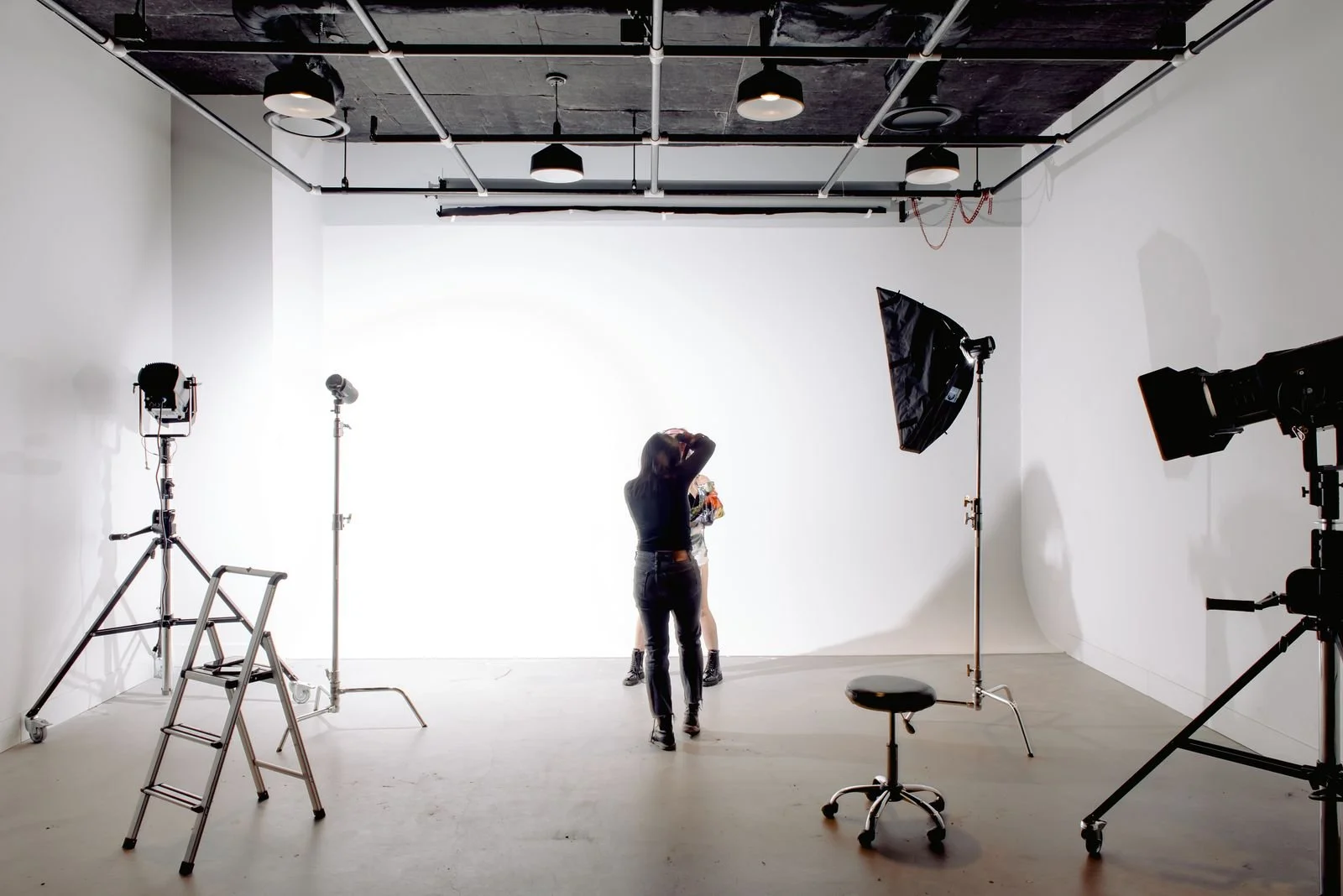
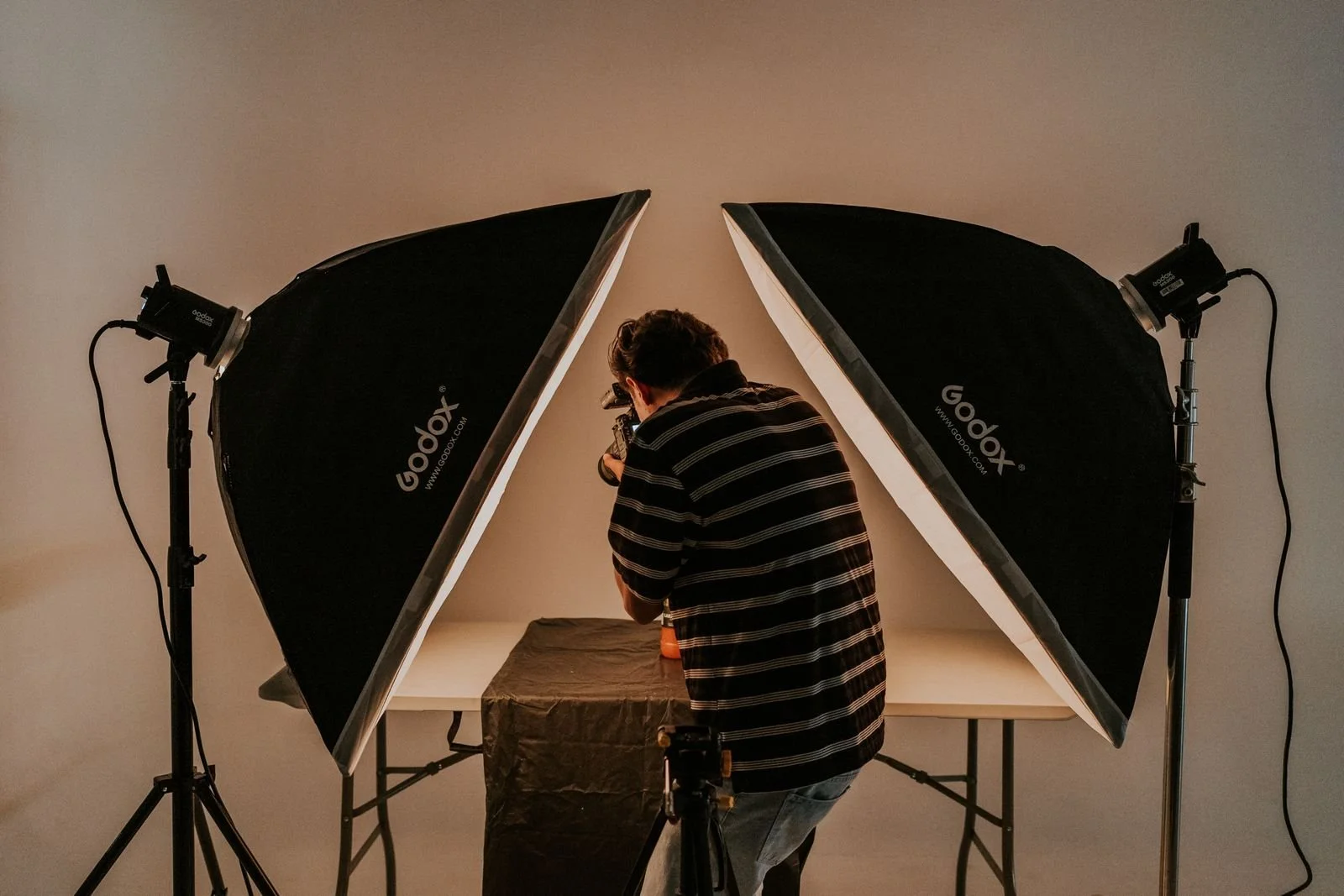
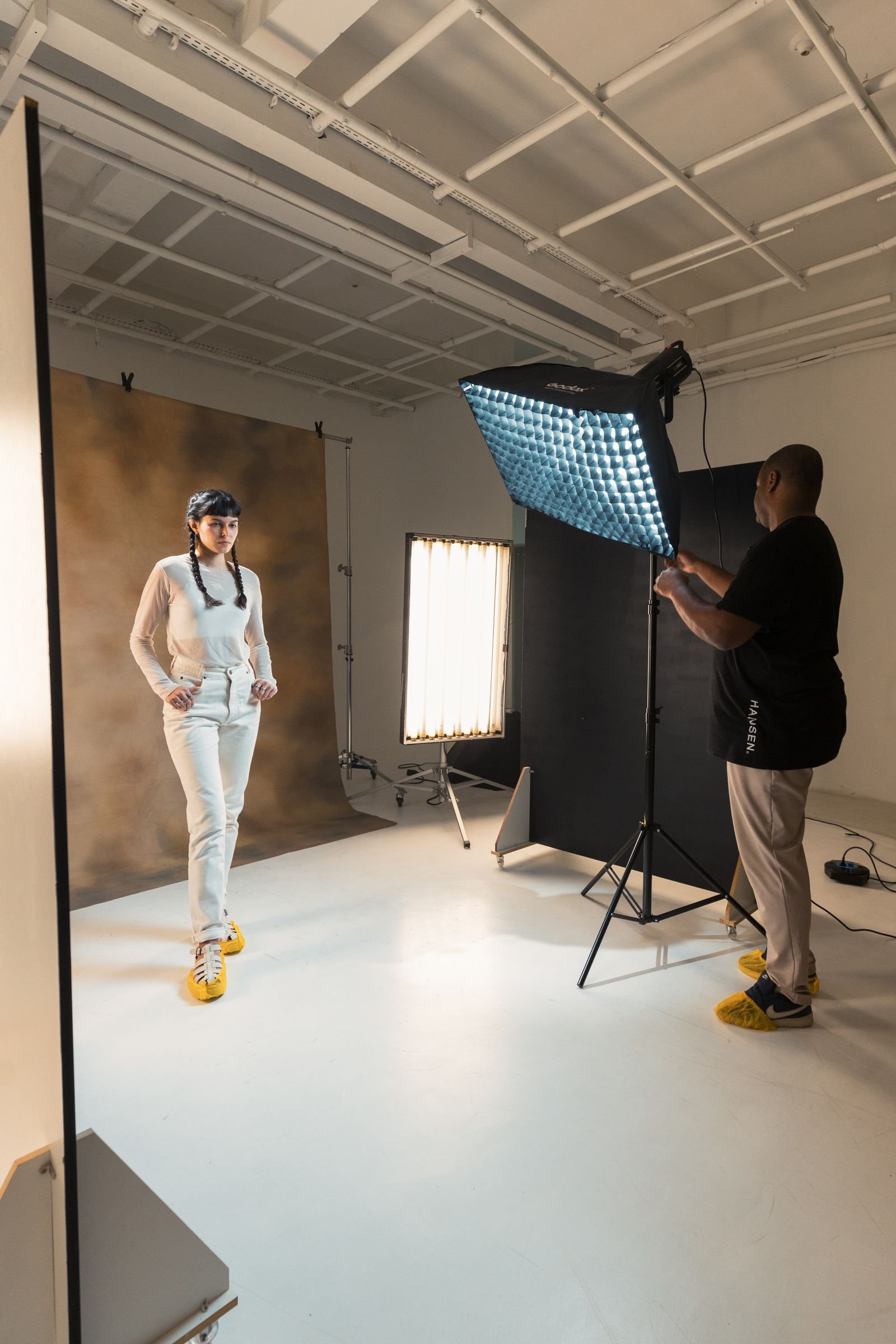
For big groups, you don't use natural light because there are way too many people. Natural light changes, people move through different patches of it, and by person 60 the look has drifted. So we set up in a dark room and bring the lights. That way everybody gets the same consistent lighting. There is a set place for people to stand and a pretty standard way of doing things, so everything is very consistent.

Consistency at that scale is a system, not a talent. The crew matters as much as the camera:

  • Two coordinators on set getting everybody's name and information, so files are labeled correctly and nobody gets lost in the shuffle
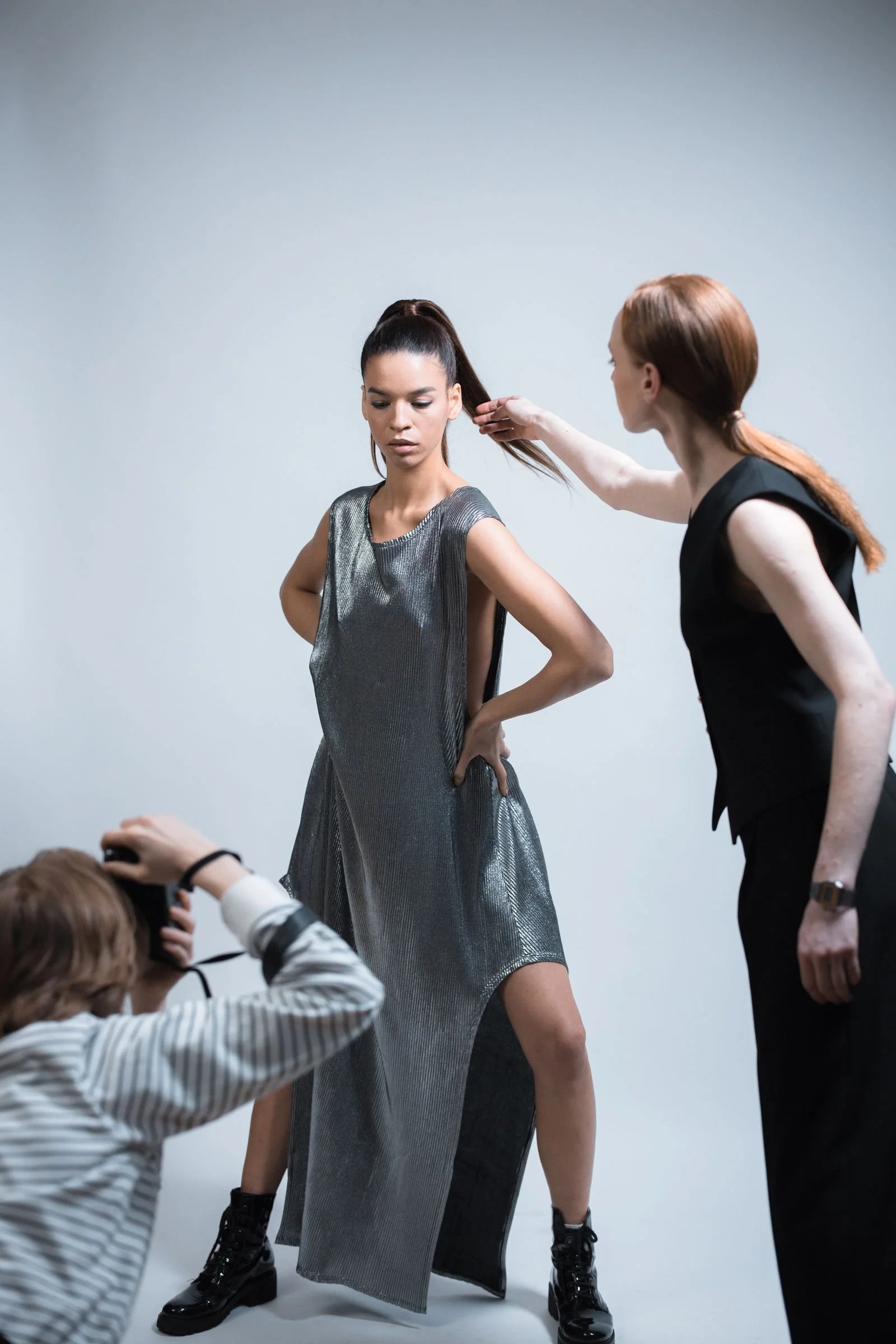
  • Makeup artists touching people up before they step in, so the photographer is not fixing shine and flyaways frame by frame
  • An assistant handling the technical side, watching exposure and gear while the photographer watches people
  • The camera on a tripod, same position every time, so framing never drifts
  • About five to ten minutes per person, shot one by one, in a steady rhythm

That system is why the 200th headshot looks like the first one. It is also why the shoot finishes on time. Without the coordinators and the tripod and the fixed positions, a 200-person day turns into chaos by lunch.
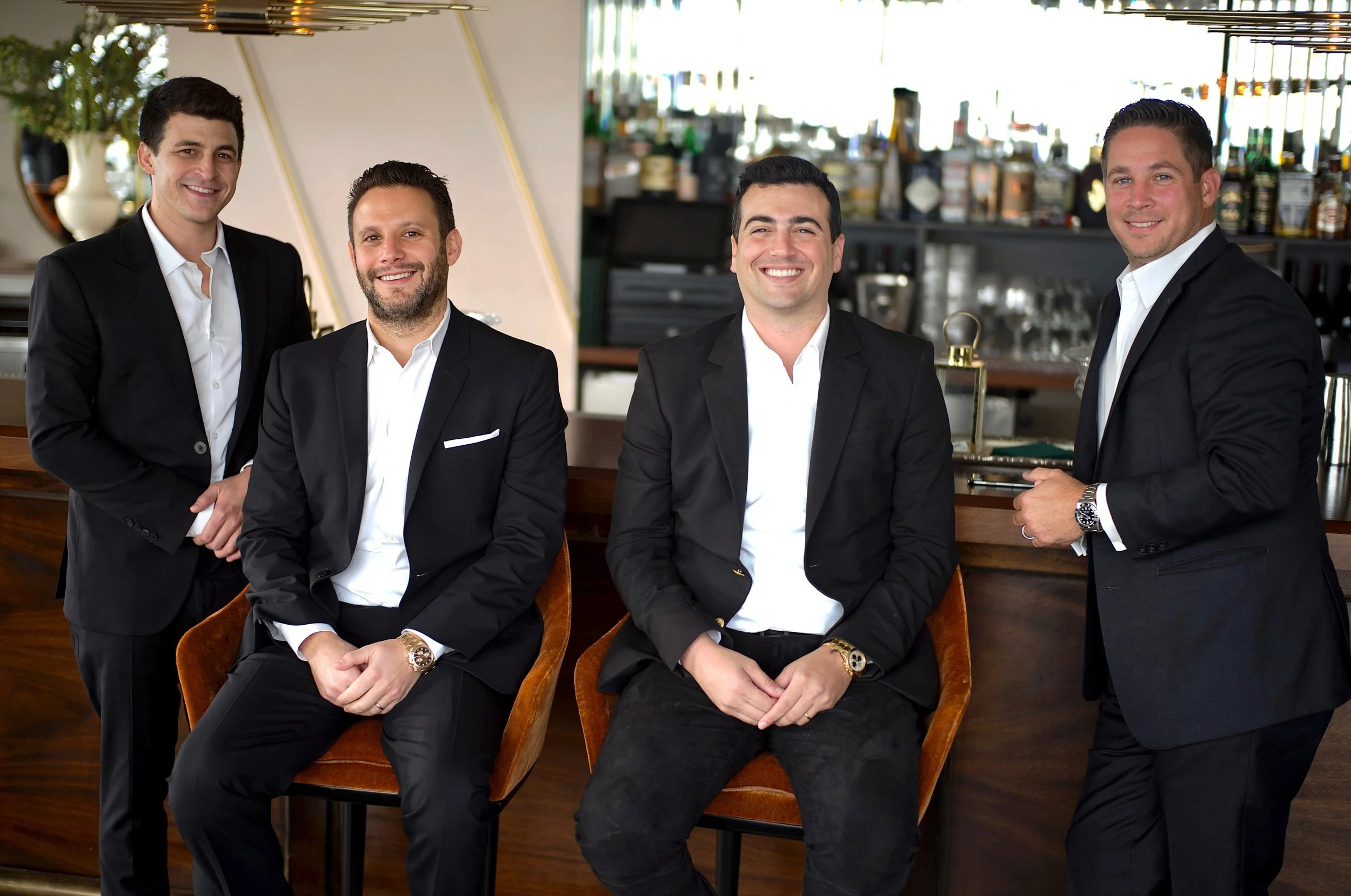
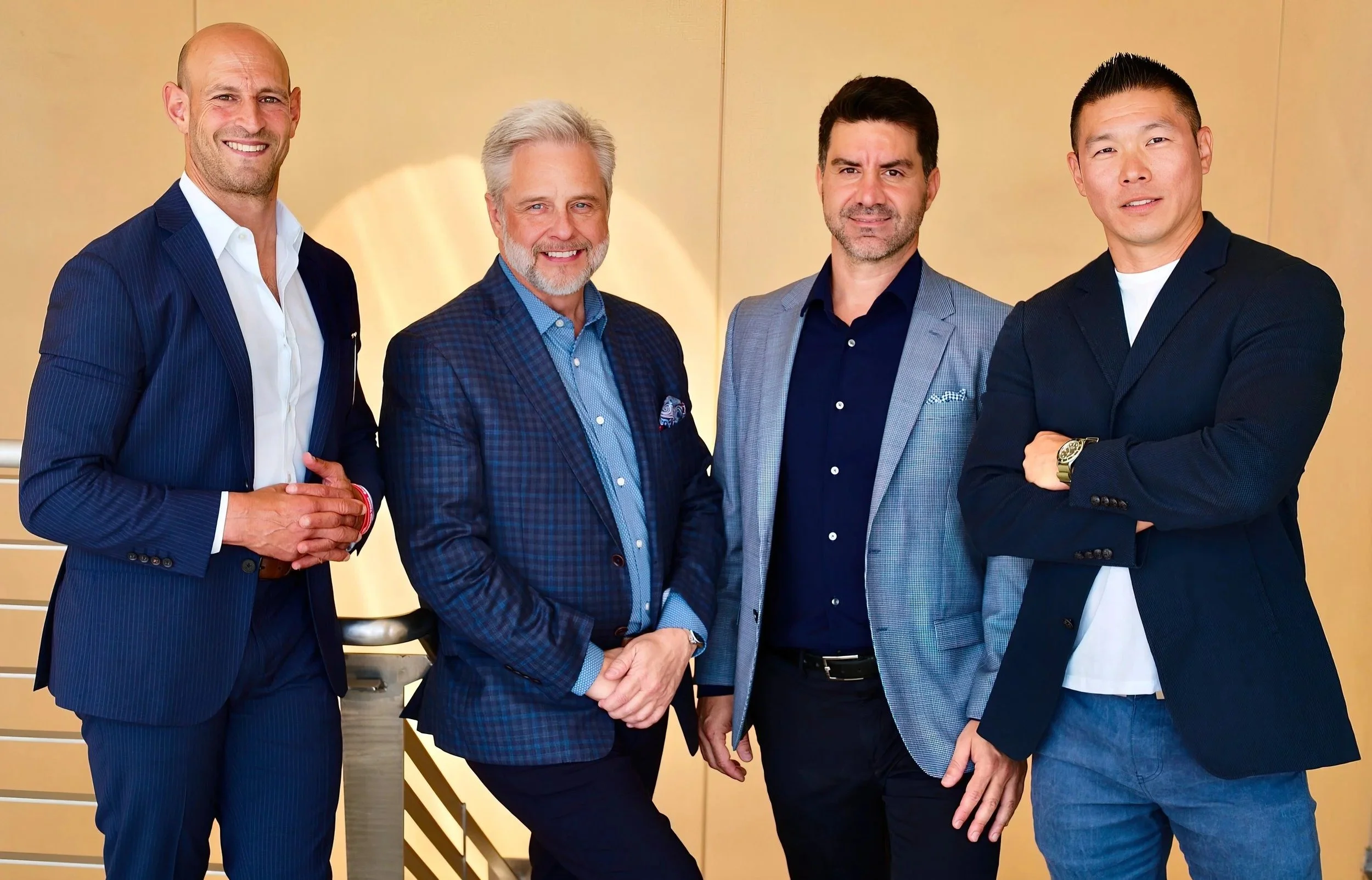
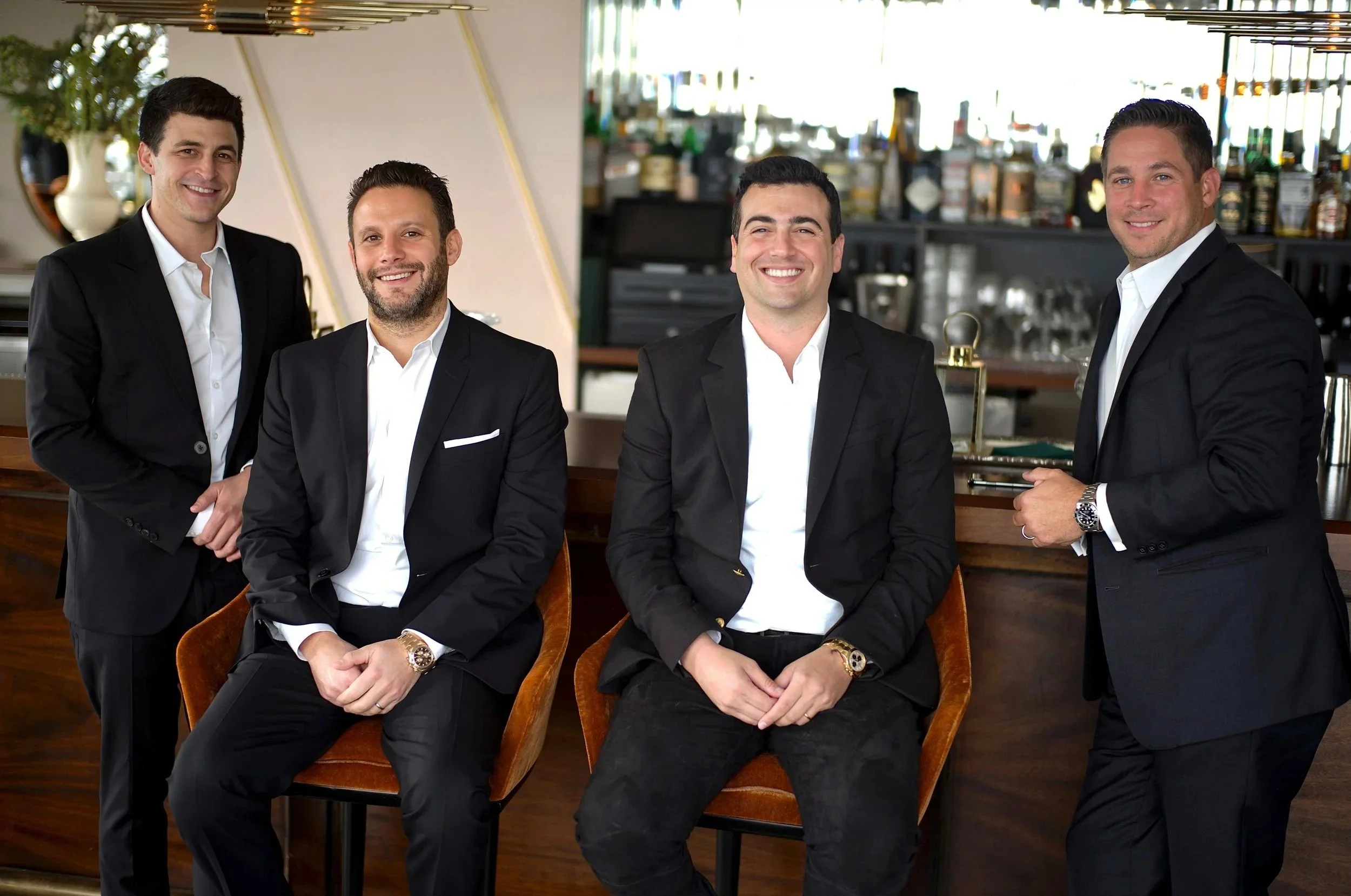
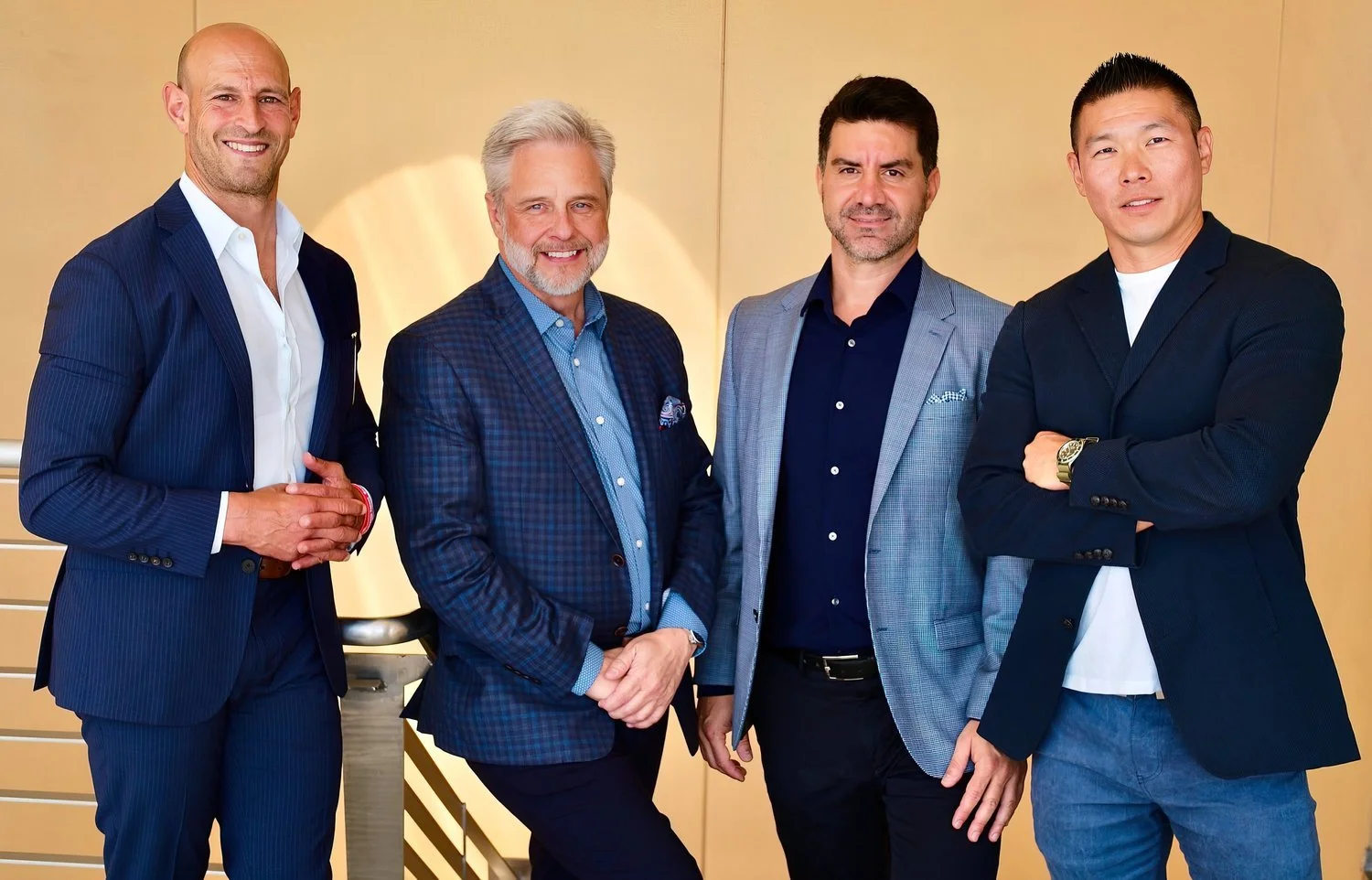
Corporate group portrait by David Christopher Lee

What It Costs in Los Angeles

A corporate shoot is generally around $5,000 to $10,000, depending on the number of people. Obviously it goes up with more people. That is pretty much the going rate.

What you're paying for is not just the shutter clicks. You're paying for the lighting system, the crew, the coordination, and the guarantee that every single person looks good. You are paying for the 27 years that make a 200-person day feel routine instead of terrifying.

Companies sometimes balk at the number until they have lived through the alternative: the inexpensive shooter who delivers 200 inconsistent files, half of which need reshoots, with no system for naming or organizing them. The going rate exists because the job is real work.

Getting a Good Expression in Five Minutes

Most employees hate having their photo taken. They walk in tense, they have been dreading it all week, and they have exactly five minutes before they need to get back to their desk.

Sometimes I get people to laugh, sometimes I get them to smile, sometimes I'll tell them a joke. I know how to get people to react to the camera to give them that perfect expression. It is not a trick. It is reading the person in front of you in the first ten seconds and knowing which version of encouragement unlocks their face.

Five minutes is plenty when you know what you're doing. It is not enough when you don't.
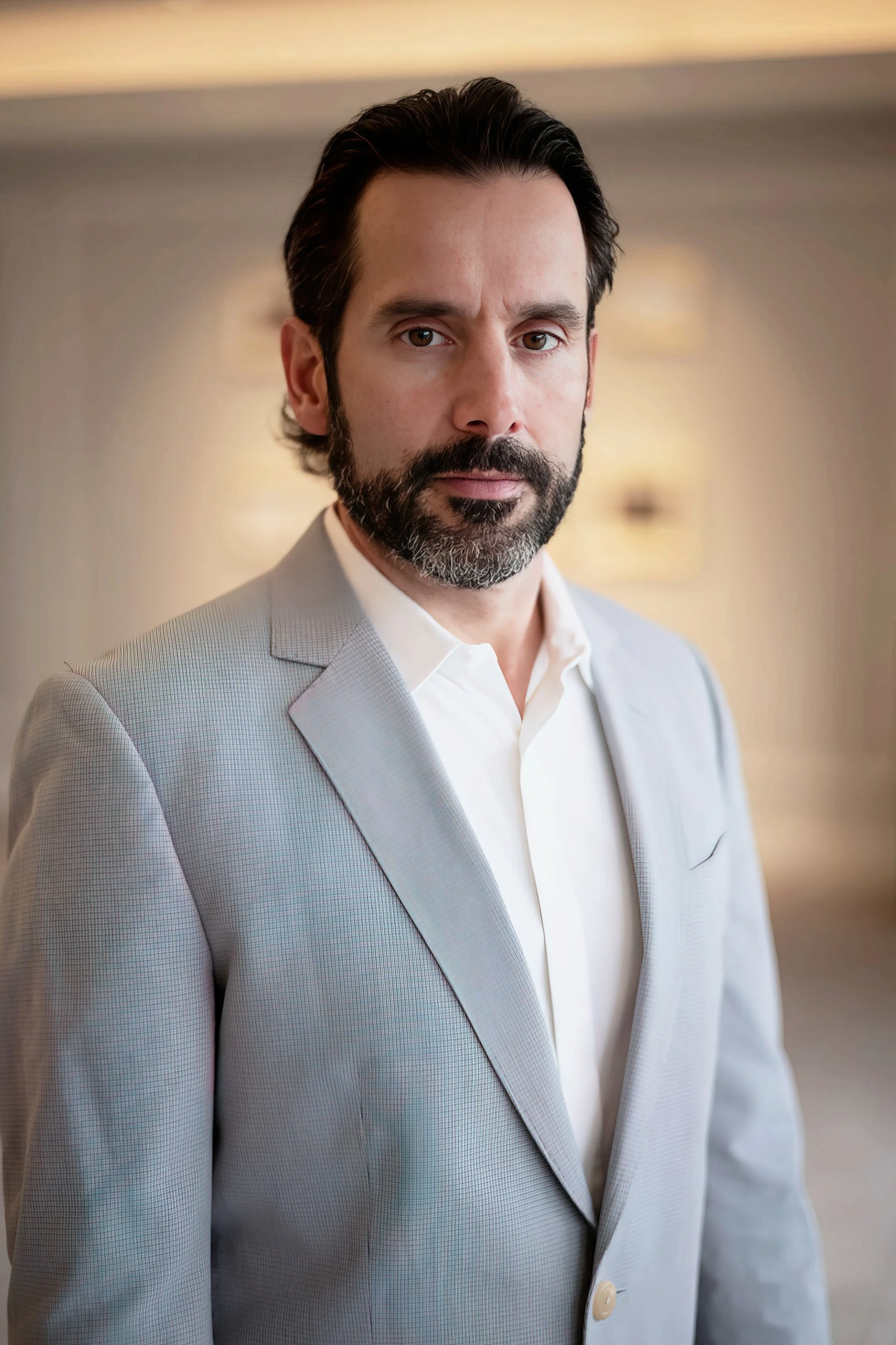
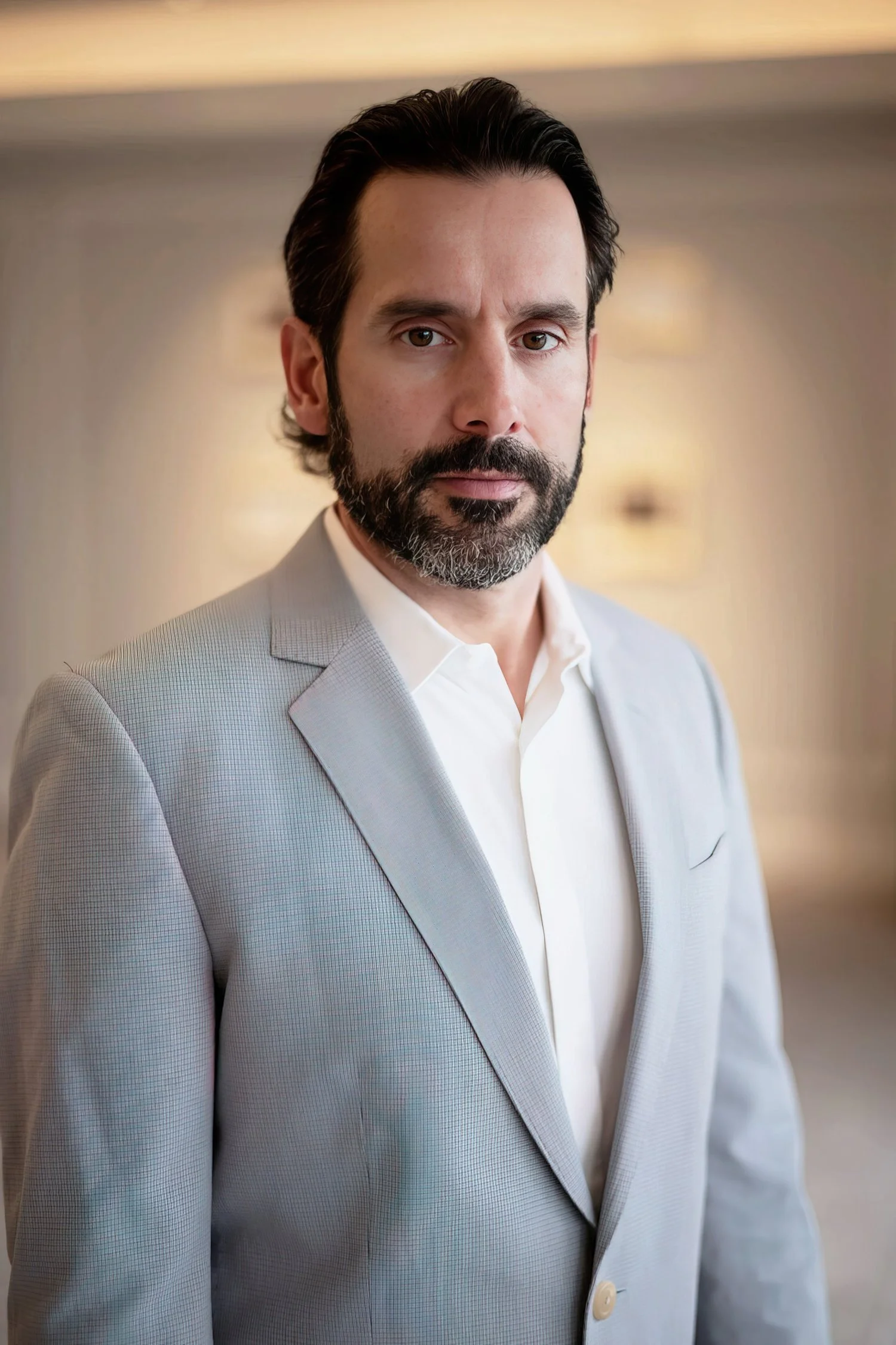
Executive portrait in studio by David Christopher Lee

Nail Down Deliverables and Retouching Before the Shoot

Make sure the deliverables are solid. State when the deliverables are going to happen and exactly what the deliverables are. Vague agreements produce vague results. Expect a 48-hour turnaround of raw images. That is the professional standard for corporate work. If you want it faster, expect to pay a rush fee. That is standard too. Rush work means the photographer drops everything else and edits through the night, and that has a price. Get all of this in the contract before the shoot day, not after. The contract should say what you receive, when you receive it, in what format, and what happens if timelines slip. Professionals will not flinch at any of this. Anyone who gets evasive about deliverables is telling you something. Companies should always ask about retouching. Sometimes it is included and sometimes it's not. This is one of the most common sources of disappointment I see, because companies assume and photographers assume differently. Usually you include one image per person, but that could all be negotiated in the contract. One retouched hero image per person is the industry norm: the file that goes on the website and LinkedIn, cleaned up and polished. Everything beyond that, additional images per person or heavy reshaping, is negotiable. Do not assume. Get it in the contract alongside the deliverables.

Red Flags

Just look at their work and you can tell if they're bad. But if you don't know what you're looking at, then it's hard to tell.

So here is what to look at, specifically. Are the backgrounds thoughtful or lazy? A good corporate photographer chooses backgrounds with intention. A lazy one uses whatever wall was closest. Do the expressions look alive or frozen? If every subject has the same dead-eyed corporate smile, the photographer cannot direct people. Is the lighting consistent across the whole portfolio, or does it fall apart halfway through? Inconsistent light means inconsistent skill.

Those three answers tell you everything. Backgrounds, expressions, consistency. If all three hold up across dozens of samples, you are looking at a professional.

The Experience Advantage

I'm so much more organized than any of the younger people, and the reason why I'm so organized is because I know exactly what to look for and what to organize. I know exactly what can happen and what the risks are, and I know how to minimize the risk.

That is what 27 years buys you. Not just better photos. Fewer surprises. The card that fails, the light that overheats, the executive who is 40 minutes late, the room that is smaller than promised. I have seen all of it, and the shoot still delivers because the system absorbs the problems.

A younger photographer might take a beautiful single portrait. But corporate work is not a single portrait. It is an operation. Organization is the difference between a photographer and a corporate photographer.

Brief the Vision, Then Get Out of the Way

As a photographer, it's fine if the client tells me in general what they want. The general direction is essential. I need to know the feeling, the brand, the must-haves. But after that, if they start getting more detailed and picky, a lot of times it turns into micromanaging and it doesn't make any sense. The client starts art-directing individual frames, repositioning lights they don't understand, and slowing everything to a crawl. The photographer stops creating and starts obeying, and the work gets worse by the hour. Tell the photographer what you want in general, then let the photographer put everything together. That is what you hired them for. The companies that do this have the smoothest shoots. Bank of America, Qatar Airways, so many others. Generally, if the client listens to me, everything is very smooth and they have nothing to worry about. Trust is a business decision. You vetted the portfolio, you checked the references, you paid the rate. Now let the professional work.

The Short Version

  • Rehired corporate photographers are consistent, technical, and detail-obsessed.

  • The biggest failure mode is boring: lazy backgrounds, stale expressions.

  • Professional does not mean boring. Natural light, long lenses, and intention keep it alive.

  • Big team shoots need a dark room, brought-in lights, coordinators, and a tripod system.

  • Expect $5,000 to $10,000 in Los Angeles, scaled by headcount.

  • Judge the portfolio on backgrounds, expressions, and consistency.

  • Experience buys fewer surprises, not just better photos.

  • Get deliverables, timing, and retouching in writing before the shoot.

  • 48-hour turnaround is standard; faster costs extra.

  • One retouched image per person is the norm; negotiate the rest.

  • Brief the vision clearly, then stop micromanaging. Trust the professional.

David Christopher Lee is a corporate photographer in Los Angeles with 27 years behind the camera, shooting executive headshots and team photography for companies across 40 countries. https://dclee.net
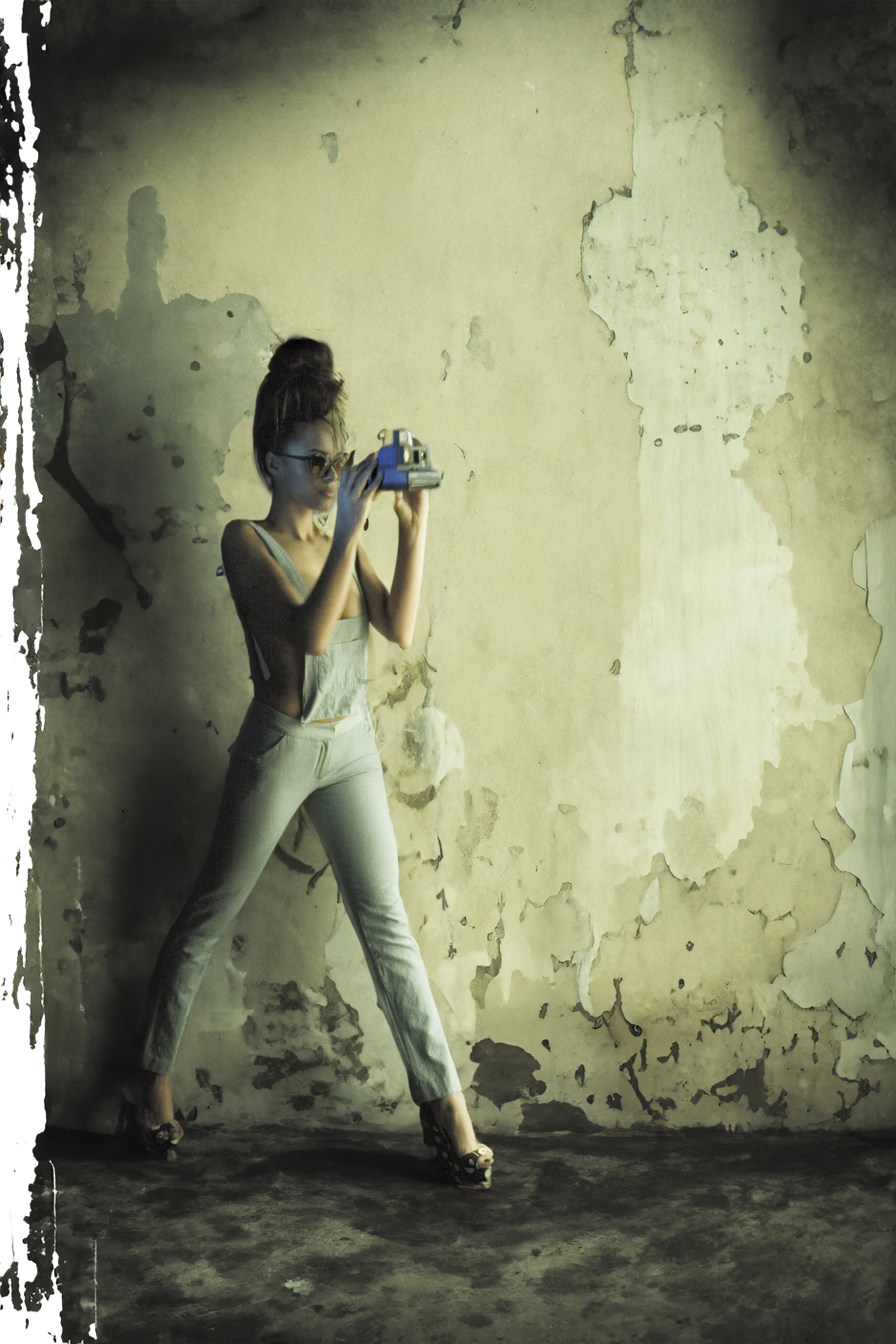
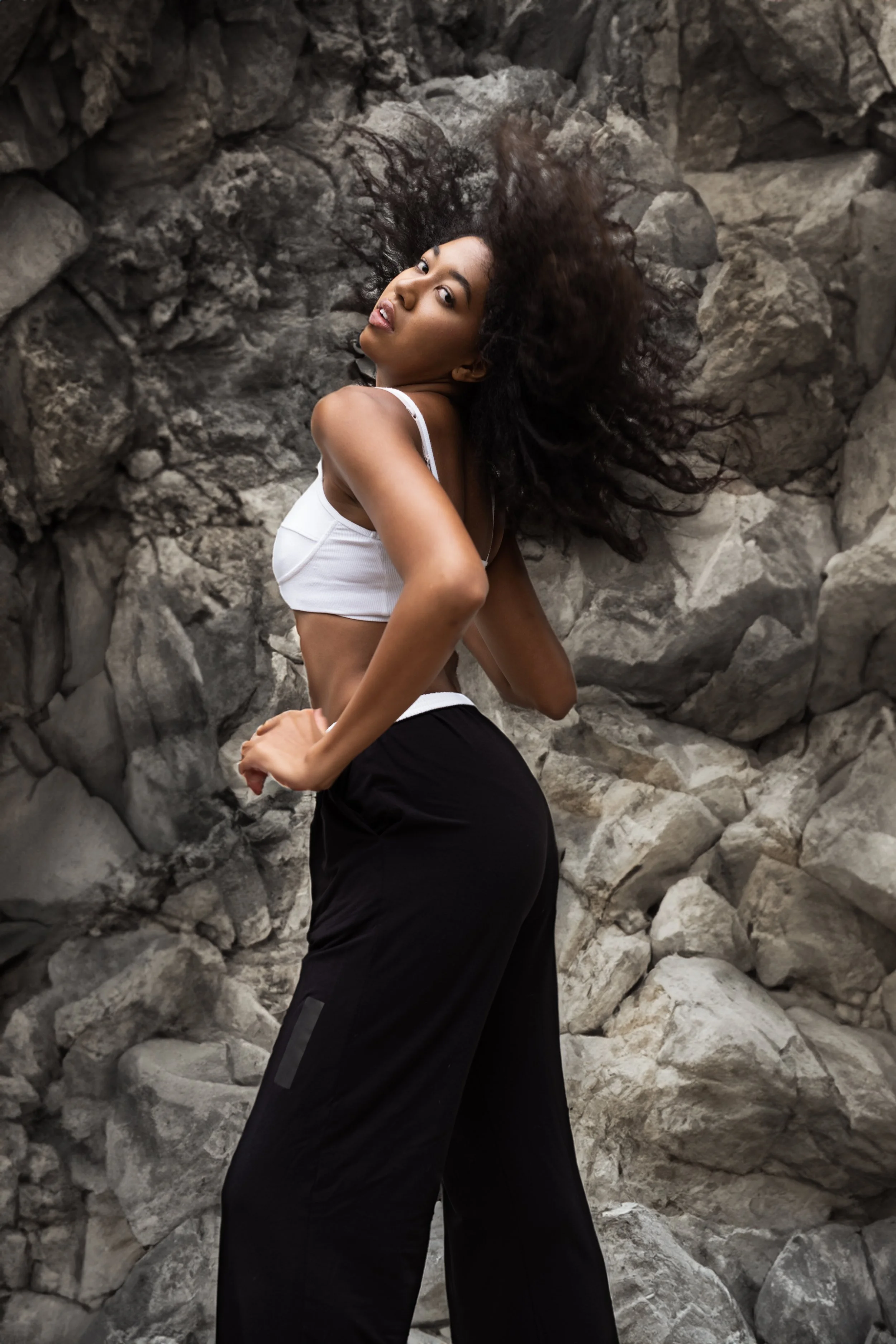
How Does Advertising Photography Differ From Catalog Photography?

Catalog work is product driven. Advertising campaigns are based on emotion. Catalog work tends to be more technical. That is the difference in one paragraph, but the way it plays out on set, on the invoice, and in the final images is worth understanding before you hire anyone. Brands mix these two jobs up constantly, and it costs them money every time they do.

I have shot both for 27 years, sometimes for the same brand in the same week. I have stood in the bright, shadowless catalog setup in the morning and directed a dark, tangled campaign scene that afternoon. Here is what actually separates them.

The Job Is Different

A catalog exists to show the product clearly. That is the entire assignment. Bright light, minimal shadows, same expressions, same poses, every colorway documented. The customer needs to see what they are buying, in every size and every color, with nothing hidden and nothing exaggerated. It is technical work and there is nothing wrong with that. Precision is the point.

An advertising campaign exists to make someone feel something. The goal is to attract attention, not to document inventory. Nobody stops scrolling for a perfectly lit pair of jeans on a white background. They stop for tension, for desire, for a story they want to be inside of. That is why ad campaigns are supposed to be fun, edgy, and exciting.

A boring catalog image will never work as an ad, because it was never designed to stop anyone. And a moody campaign image will never work as a catalog photo, because it was never designed to show the product. They are built for opposite jobs, and brands that try to make one image do both end up with something that does neither.

Farmer Jeans: The Same Brand, Two Different Shoots

I shot a jean company campaign called Farmer Jeans, and it is still the clearest example I have of the split. The catalog was very straightforward. Bright light, same expressions, same poses. Model after model, clean and consistent. Every pair of jeans shown the same way so the customer could compare washes and fits without distraction.

The ad campaign was a different universe. The models were on top of each other making out. Dark, high contrast, full of tension. Same jeans. Completely different photographs.

Here is what I took away from that shoot, and what I still use today: I love pushing the envelope. It is fun to be super creative and work with models that are willing to do anything. When the talent trusts you and the brand gives you room, you can make something that lives far beyond the season. That campaign was actually copied by Calvin Klein within about two years. I guess I was doing something right.

Fashion editorial portrait by David Christopher Lee

Nobody copies a catalog. Catalogs are supposed to be invisible. Campaigns are supposed to be unforgettable.

The Lighting Tells You Everything

Technically, the split is simple, and you can see it before you read a single word of the brief. Catalog is usually brightly lit with minimal shadows. Everything visible, nothing hidden. The light wraps the product evenly because the product is the whole message.

Ad campaigns can be edgier, so I go more high contrast with more shadows. Shadow is where mood lives. If the brief says attract attention, I am reaching for contrast, not fill light. I want edges, I want mystery, I want the viewer's eye to work a little.

This is why the two styles need different photographers, or at least a photographer who truly understands both. The catalog shooter who brings flat, even light to a campaign will produce something forgettable. The campaign shooter who brings drama to a catalog will produce something the customer cannot read. Know which job you are hiring for.

High contrast fashion editorial photograph by David Christopher Lee

The Money Works Differently Too

Shooting catalog is pretty much a day rate. You show up, you shoot the line sheet, you go home. The pricing is straightforward because the usage is straightforward. The images live on the product page, and that is it.

Ad campaigns have usage fees based on where the ad is placed. A billboard costs more than an Instagram post, and the fee reflects that. The image is doing more work, reaching more people, carrying more of the brand's value, so the usage fee scales with the placement. This is standard across the industry, and brands should know this before they sign anything.

Here is the part nobody tells young brands: usage fees are necessary. When you don't pay usage fees, you're generally working with someone inexperienced, so quality suffers. An experienced campaign photographer prices usage because they know what the image is worth. If someone hands you a campaign for a flat day rate with no usage conversation, you are not getting a deal. You are getting someone who does not know the business.

Directing: Roles, Not Poses

On a catalog shoot, direction is positional. Chin here, shoulders there, next look. It is repetitive by design, and consistency is the skill. The hundredth frame should match the first.

On a campaign, I direct for chemistry. Sometimes I just tell them a role and then they start moving, and I start clicking. Sometimes I tell them to act like they got away with something big, and they really light up. You cannot pose that. You have to create the conditions for it and then catch it.

That is the real craft difference. Catalog directing is about control. Campaign directing is about controlled chaos. You build the frame, you set the energy, and then you let the models surprise you. The best campaign frames I have ever shot were the ones I did not plan.

What If You Can Only Afford One Shoot?

I get this question from small brands a lot, and my answer surprises people. I would be open to helping a small brand do both in one shoot if I liked the product. I love helping small quality brands. I started with many small ones which grew, and then they started paying my rate. It's all about relationships.

Practically, that means shooting the clean catalog setups first while everyone is fresh, then pushing into campaign territory as the day loosens up. One crew, one location, two libraries of images. The catalog work gets done when the light is predictable and the energy is disciplined. The campaign work happens later, when everyone is warmed up and willing to take risks.

If you are a small brand reading this, here is my honest advice: find a photographer who believes in your product, not just your budget. The relationships you build early are the ones that carry you when you grow.

How to Choose Between Them

If you are deciding between a catalog shooter and a campaign photographer, ask each one: what would you do for the campaign, and what would you do for the catalog? Ask what their ideas are and see if they're in line with what the brand is.

That single question reveals everything. A real campaign photographer will light up describing the concept, the mood, the story. A real catalog photographer will talk about consistency, systems, and throughput. If someone gives you the same answer for both, they only know one of the jobs.

But in the end it all boils down to the work. Just look at the work of the photographer and you can tell which one you want to go with. Portfolios do not lie. If the campaign work is boring, the photographer cannot do campaigns. If the catalog work is inconsistent, the photographer cannot do catalog. Trust your eyes.

The Short Version

  • Catalog photography is product driven, brightly lit, technically precise, and billed at a day rate.
  • Advertising photography is emotion driven, high contrast, directed for chemistry, and billed with usage fees.
  • Never use a boring catalog image as your ad. The jobs are not interchangeable.
  • Small brands can sometimes get both from one shoot day if the photographer believes in the product.
  • When hiring, ask what they would do differently for each, then judge by the work.

David Christopher Lee is a commercial photographer in Los Angeles with 27 years behind the camera, shooting advertising campaigns and catalog work for brands across 40 countries. https://dclee.net
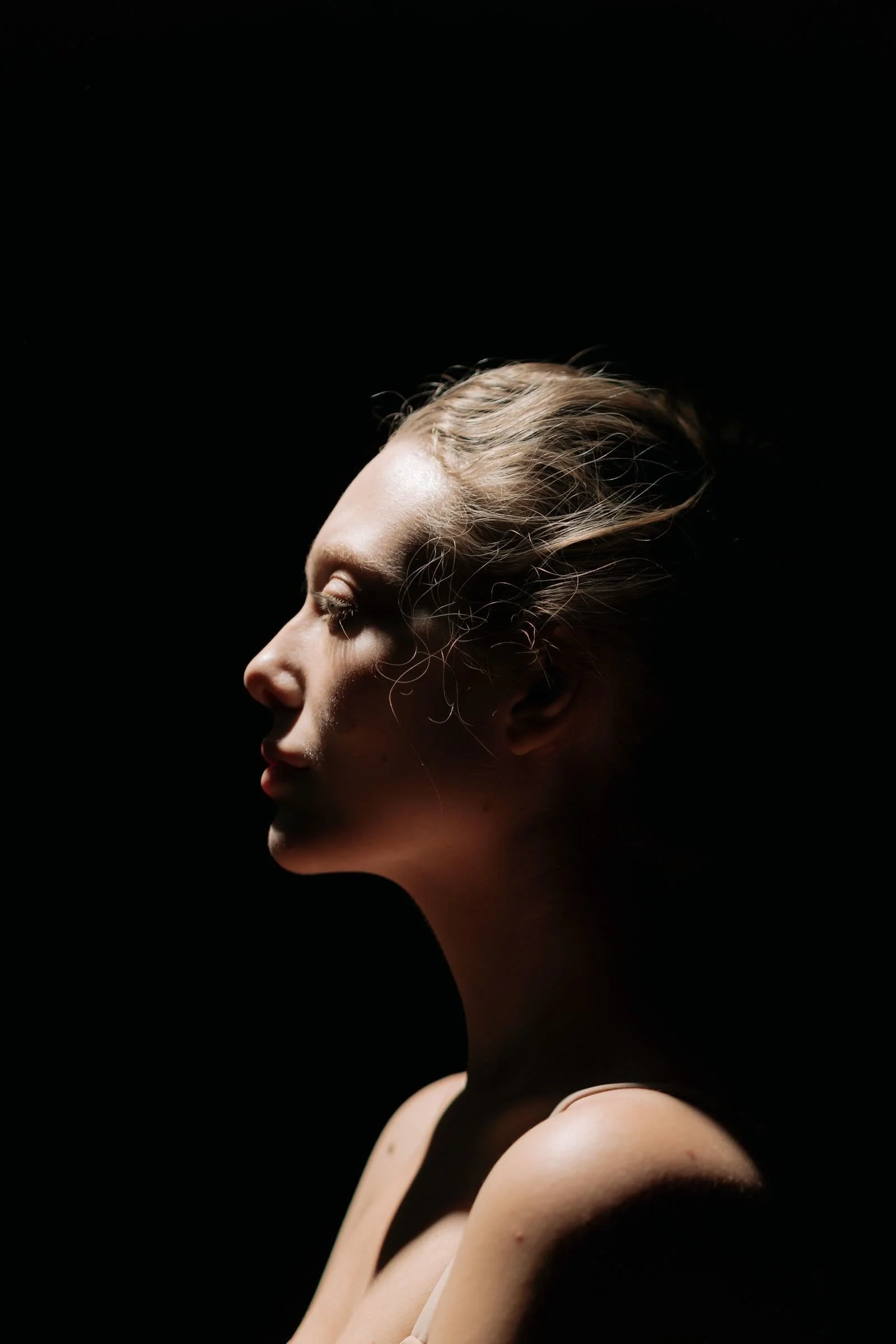
How to Hire a Commercial Photographer in Los Angeles for Your Brand (2026 Guide)

If you are searching for Los Angeles commercial photographers, you are probably sitting on a brand problem that only custom imagery can solve. Your website looks like stock photos. Your Amazon listings look like your competitors'. Your campaign ideas are strong but the visuals are not carrying them. That is exactly the moment to hire a commercial photographer.

Commercial photography is the photography of selling. It covers product shots, fashion campaigns, food photography, brand lifestyle content, and advertising imagery. Every image exists to move a product, a service, or a brand forward. It is a different discipline from portrait photography and a different discipline from wedding or event photography, and hiring like they are interchangeable is the most common mistake I see brands make.

I have been photographing in Los Angeles for 27 years, and I have watched brands waste money on beautiful images that do nothing for them. Here is how to hire a commercial photographer in Los Angeles the right way.

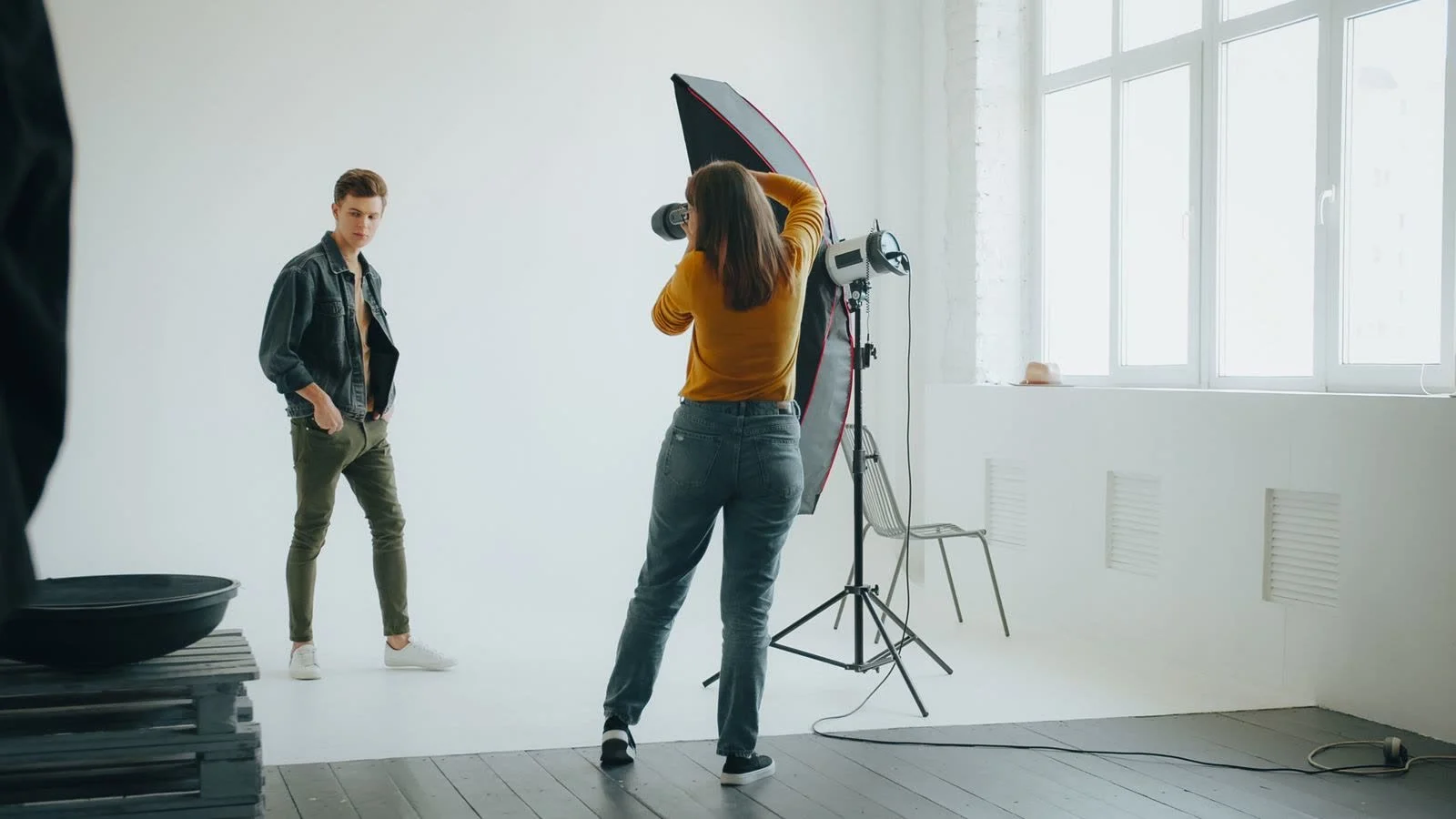
Commercial photographer directing a model during a Los Angeles studio brand shoot

Commercial photography is not one job

"Commercial photographer" covers at least six specialties, and the best one for your brand depends on what you sell:

  • Product photography: clean catalog shots, styled product imagery, packaging. Precision lighting, color accuracy, retouching that holds up at 2,000 pixels on a retailer site.
  • Fashion and beauty campaigns: models, hair and makeup teams, art direction. The most production-heavy of the bunch, and the most common commercial genre in Los Angeles.
  • Food and beverage photography: restaurant menus, packaging, delivery apps. Requires a food stylist to make the dish survive the lens.
  • Lifestyle and brand content: your product in real-world settings, your team, your spaces. The workhorse of social media feeds and websites.
  • Real estate and architecture: properties, hotels, retail spaces. Wide angles, mixed lighting, interiors that read as aspirational.
  • Editorial commercial: magazines and lookbooks, which often cross into advertising work. If you want the full breakdown of where commercial ends and advertising begins, read my piece on the difference between commercial and advertising photography.

Write down your specialty before you contact anyone. A brilliant food photographer will not be your best choice for a fashion campaign, and vice versa. Specialists charge more for a reason: they already know the failure modes in your category.

Fashion campaign photoshoot in a Los Angeles studio with stylist adjusting the model

What does a commercial photographer cost in Los Angeles?

Commercial photography pricing has two parts, and most first-time clients only hear the first one. Understanding both is the difference between a clean budget and a nasty surprise.

The creative fee (day rate). In the U.S., established commercial photographers generally charge $1,300 to $3,000 per day for the creative fee alone, with well-known photographers at $3,500 to $5,000+ per day, per the breakdown at The Image Crafters. Los Angeles runs at the top of those ranges. Beauty and cosmetics campaign photographers in LA typically start around $5,000 per shoot day, and a full beauty production can run $8,000 to $40,000+ once studio, hair and makeup, styling, retouching, and licensing are included, per Courtney Dailey's 2026 LA rate guide.

Usage licensing. This is the second part, and in commercial work it is often the larger number. Photographers license the right to use images rather than selling the copyright outright. Usage is priced on scale: a local social-media-only license costs far less than a national billboard campaign, because the value the images create is different. PetaPixel's commercial pricing guide puts it bluntly: the day rate covers the cost of having the photographer on set; usage is where the money is made, and it is also where the negotiation happens.

Other pricing models. For product work, many studios quote per image ($25 to $75 each for catalog shots) or per SKU. Small-business brand shoots sometimes run hourly at $250 to $500, which usually includes only web and social licensing. Then come production costs passed through to you: studio rental ($1,500 to $4,500 per day in LA), assistants, stylists, hair and makeup ($800 to $1,500 per day each), props, location fees, and retouching.

What should worry you: a quote that lumps everything into one suspiciously low number with no mention of licensing. If the photographer is not asking how the images will be used, they are either inexperienced or about to hand you problems.

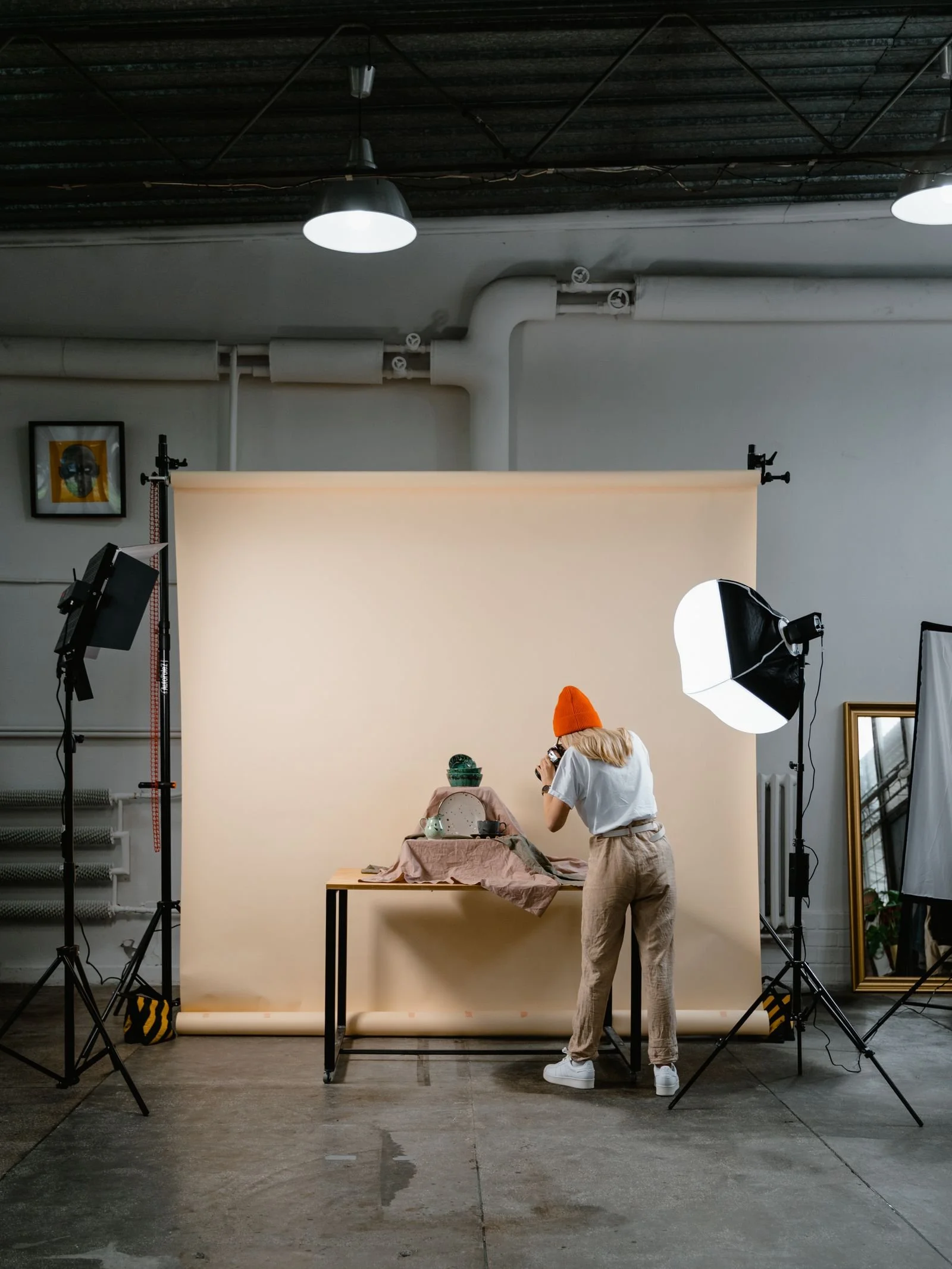
Commercial product photography session with studio lighting in Los Angeles

Define the brief before you call anyone

The brands that get the best photography are not the ones with the biggest budgets. They are the ones with the clearest briefs. Before you contact a single photographer, write down:

  1. What you need shot: a shot list with every product, person, and location.
  2. Image types: clean product-only shots for listings, lifestyle images for social, hero images for the homepage. Different purposes need different images; one photograph cannot do everything.
  3. Where the images will run: website, Amazon, Instagram, paid ads, packaging, billboards. This determines the usage license and therefore a large part of the price.
  4. How many final images: not how many will be shot, how many you will receive, retouched and delivered.
  5. Timeline: when you need finals in hand, and whether you need selects early for a launch.

A photographer who receives this brief quotes accurately and plans properly. A photographer who receives "we need some photos for our brand" quotes defensively and you pay for the ambiguity.

7 questions to ask before you book

Ask these on the first call. The answers separate the professionals from the portfolio-rich amateurs:

  1. "Have you shot my product category?" Category experience is everything in commercial work. Ask to see a full delivery from a similar client, not just the highlights. If your product is fine jewelry, look at how I approach jewelry photography in Los Angeles to see the level of craft the category demands.
  2. "How do you price: creative fee plus usage, or all-in?" You need to know what the day rate covers and what licensing costs. Get the usage terms (media, geography, duration) in writing.
  3. "What does retouching include, and who does it?" Commercial retouching is a specialty. Find out how many rounds of revisions are included, what the standard turn time is, and whether rush retouching costs extra.
  4. "Can I see a full campaign delivery, not just the hero shots?" Anybody can have five great images. You are buying forty to two hundred consistent ones. Consistency across a whole delivery is what you are paying for.
  5. "Will you be the one shooting?" Some studios book the job and send whoever is free. If you hired the portfolio, make sure that photographer is the one who shows up. Put it in the contract.
  6. "What is your backup plan?" Two camera bodies minimum, backup lighting, backup storage, and a plan for a sick assistant. Commercial shoots have production calendars and launch dates attached.
  7. "What happens if the shoot runs over?" Overtime rates, studio overage, and crew overtime should be defined before the shoot, not discovered at hour eleven.

Understand usage licensing before you sign

This is the section that saves brands the most money, so read it twice.

When you hire a commercial photographer, you are almost always buying a license, not the copyright. Typical commercial licenses specify the media (web, social, print, packaging, outdoor), the geography (local, national, worldwide), and the duration (one year, three years, perpetuity). The broader each term, the higher the fee.

Three things to settle in writing:

  • Scope creep protection. If your one-year web license becomes a national ad campaign in year two, the photographer is owed additional usage. Get this in writing, because it protects both sides.
  • Exclusivity. If you do not want your photographer shooting your direct competitor next month, say so and pay for the exclusivity window.
  • Buyout warnings. Anyone offering a full copyright buyout at a bargain price with no discussion of usage is either underpricing their work or does not understand commercial photography. Either way, be careful.
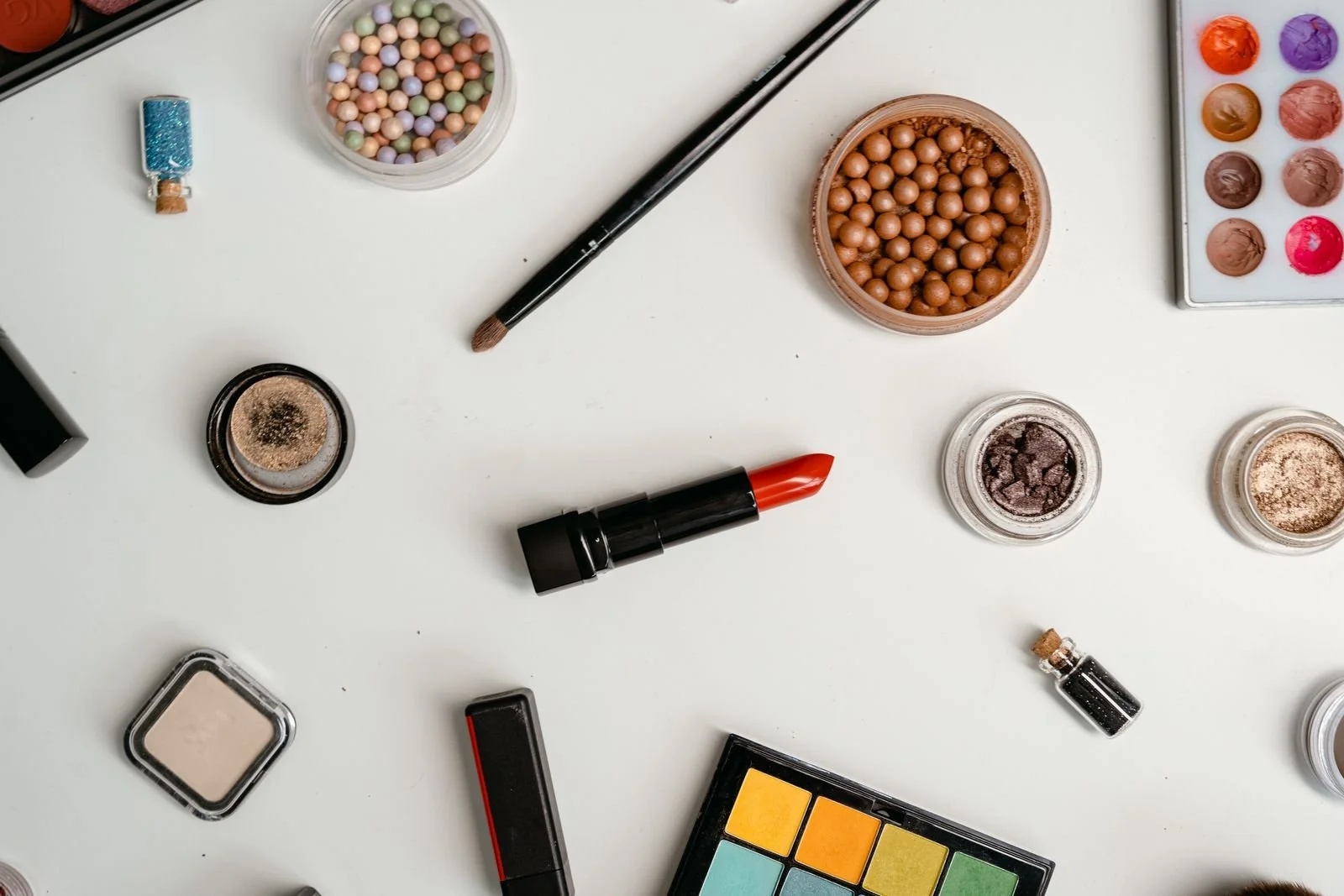
Beauty product flat lay arranged for a cosmetics brand campaign

Red flags when hiring a commercial photographer

Walk away if you see any of these: no written contract, no usage terms discussed, a portfolio with no full campaign deliveries, stock photos mixed into the portfolio, no backup equipment, "unlimited photos" promises, or pressure to sign without a treatment or shot plan. A 50% deposit to hold the date is standard; 100% upfront is not.

One more Los Angeles-specific flag: the photographer who claims to specialize in everything. This town rewards specialists. The person who shoots "weddings, real estate, products, headshots, and events" is a generalist, and generalists do not survive in commercial categories where craft is measured in pixels.

Timeline: when to book

For campaign shoots with production teams, book 4 to 8 weeks out in Los Angeles. Studios, stylists, and hair and makeup artists all have their own calendars, and the photographer is coordinating them. Holiday campaigns (the work you see in November) are shot in August and September; if you are planning holiday assets, start in summer.

Product catalog work is more flexible: 2 to 4 weeks is usually enough for an established studio. Rush bookings under two weeks will cost you a premium and limit your choice of crew.

Commercial food photography of a restaurant dish styled for a brand campaign

Frequently asked questions

How much does it cost to hire a commercial photographer in Los Angeles? Established LA commercial photographers typically charge $1,300 to $3,000+ per day as a creative fee, with beauty and fashion campaign specialists starting around $5,000 per day. Usage licensing, studio, crew, and retouching are usually additional. A complete small-brand production often lands between $3,000 and $10,000; full campaigns with crew run $10,000 to $40,000+.

What is the difference between a commercial photographer and a corporate photographer? Corporate photography documents companies (events, headshots, office culture). Commercial photography sells things (products, campaigns, food, fashion). There is overlap in brand work, but the skills, pricing models, and licensing are different. Commercial work almost always involves usage licensing; corporate work usually involves a simpler buyout or work-for-hire style arrangement.

Do commercial photographers charge for usage rights? Yes, and you should expect it. The creative fee covers the shoot; the usage license covers what the images are worth to your business across media, geography, and time. Always get the license terms in writing.

How many images should I expect from a commercial shoot? It depends on the deliverable, not the hours. A product catalog day might deliver 50 to 200 retouched images; a campaign day might deliver 10 to 40 hero images with heavy retouching. Define the number of finals in the contract, not after the shoot.

The bottom line

Hiring a commercial photographer in Los Angeles comes down to four things: match the specialist to your product category, define the brief before you call anyone, understand that you are buying a creative fee plus a usage license (not just "a day of shooting"), and get scope, licensing, and deliverables in writing. The brands that do this get imagery that actually sells. The brands that skip it get expensive lessons.


About the author: David Christopher Lee is a Los Angeles commercial photographer with 27 years of experience shooting campaigns, products, fashion, and brand imagery. View the portfolio. Get in touch about your brand shoot.

How to Cull Photos Fast: The AI-First Culling System for 2026

How to Cull Photos Fast: The AI-First Culling System for 2026

If you want to learn how to cull photos fast, start with the math. A full wedding day can produce 4,000 RAW files, and professional photographers typically deliver only 10 to 15 percent of what they shoot, according to Imagen AI's 2026 culling guide. That means up to 90 percent of your shoot is headed for the bin, and every minute you spend deliberating over rejects is a minute stolen from editing, shooting, or sleeping. This guide gives you a complete, step-by-step system: an AI-assisted first pass, a ruthless manual pass built on keyboard shortcuts, and a final review that catches the keepers the machines miss. The workflow pairs with PHLEARN's video above, which walks through fast AI culling inside Lightroom Classic as day 10 of the series.

Read More

How to Raise Photography Prices for 2027: A Working Pro's Playbook

Photography Pricing for 2027: My Full Strategy — Why the Middle Is a Trap — YouTube video

If you want to learn how to raise photography prices for 2027, start with an uncomfortable truth: most photographers are underpriced, and they know it. They feel it in the burnout after every cheap shoot, in the way their calendar fills up while their bank account stays flat, and in the quiet dread of telling a client the number is going up. This guide walks you through when to raise your rates, how much to raise them, and exactly how to announce the change without losing the clients you actually want to keep. The framework below is paired with a video from Richard of Thrive Photography in Australia, whose full pricing strategy for 2027 lays out why the middle of the market is the most dangerous place to sit.

David Christopher Lee directing a model on a studio fashion shoot, a working pro's guide on how to raise photography prices for 2027

On this page

The video: why the middle of the market is a trap

The video above, "Photography Pricing for 2027: My Full Strategy," makes an argument that runs against most pricing advice photographers hear. Richard argues that if he were starting a photography business for 2027, or rethinking an existing one, he would make one of two deliberate choices: be the cheapest in the market, or aim for the top 5 percent. The middle, the comfortable "reasonably priced" zone, is the one place he would avoid. Here is the thinking, in my own words.

Middle-market pricing makes you easy to compare. When your prices sit in the same band as everyone else's, the only thing left to compare is the number, and you lose the thing that makes you different: your experience, your direction, your finished work. Competing in the middle turns photography into a commodity, and commodities always race to the bottom. Being deliberately the cheapest can work, but only with ruthless efficiency and volume. Premium pricing, on the other hand, changes how clients perceive you before they ever see a photo. A higher price communicates that something distinctive is on offer.

The video also warns against pricing from your own bank account. You are not your client. A price that feels steep to you may be completely normal to a bride, a brand, or an executive whose image is part of how they earn their living. Richard suggests researching the real top end of your local market, not the average, and positioning toward premium by designing the client experience, not just polishing the branding. Luxury, he argues, lives in how the client is treated from inquiry to delivery, not in gold fonts.

Two practical points stood out to me. First, you do not need to book everyone. Turning away price shoppers is a feature of premium positioning, not a failure. Second, AI and automation, instead of killing photography businesses, may actually create an opening for photographers who show up as real humans and deliver genuine service. The video is a business framework, not a magic formula, and it is worth your time if pricing has ever felt like guesswork.

7 signs your photography prices are too low

Before you change a single number, check whether you actually need to raise your rates. Most photographers do. Here are the signals, drawn from working pros and industry coaches.

1. You book more than 80 percent of your inquiries

Industry pricing guides flag a simple benchmark: if you are booking more than 80 percent of the people who inquire, your prices are probably too low. A healthy booking rate for a sustainable photography business sits closer to 50 to 60 percent, according to the pricing guide at PhotographyIcon. Booking everyone sounds like success. It is actually a sign you are leaving money on the table with every "yes."

2. Your calendar is full but your income is flat

You are shooting every weekend, editing every night, and nothing is changing in your bank account. That is not a marketing problem. It is a math problem. More volume at the wrong price just means more burnout per dollar. The fix is not another booking. It is a higher price per booking.

3. You have not raised your prices in over a year

Costs rise every year: gear, insurance, software, studio rent, and your own cost of living. Tografy advises photographers to reevaluate pricing annually, and notes that most photographers should plan on increasing prices roughly once a year. If your rates are two or three years old, you have effectively been giving yourself a pay cut every year since.

4. Clients refer bargain hunters, not your ideal clients

Look at who your current clients send you. If every referral expects a deal, your pricing is attracting the wrong crowd. Your prices act as a filter. Low prices filter for price shoppers. Higher prices filter for clients who value the work, which is the crowd that sustains a career.

5. You dread the shoot, not the session fee conversation

Burnout is a pricing signal. Business coach Samantha Bennett, writing for Professional Photographers of America, points out that photographers rarely fail outright. They get discouraged after underpaying themselves for years, and then they quit. If you are starting to resent jobs that used to excite you, the price is wrong, not the career.

6. No one ever pushes back on your quote

Bennett puts it bluntly: "If no one is complaining about your prices, you're not charging enough." She challenges photographers to find the top of their market by raising prices until no one will pay for the highest package, then backing off slightly. Zero pushback means zero information about where your ceiling is.

7. Your skills and portfolio have outgrown your rate sheet

Compare your current portfolio to the work you were making when you set your prices. If the quality, consistency, and client experience are all visibly better, and the number is the same, you are selling 2027 work at a 2023 price. Your pricing should reflect your growth, not your history.

How much should you raise your prices in 2027?

There is no magic number, but there are tested ranges. A common approach, cited by PhotographyIcon, is to raise prices by 10 to 20 percent annually until your booking rate settles around that 50 to 60 percent sweet spot. A 10 percent raise on a $2,000 package is $200. On a $5,000 package it is $500. Notice how the same percentage feels very different depending on where you start, which is why the video's advice to stop pricing from your own bank account matters so much.

Another way to think about it comes from the Pareto principle, the 80/20 rule. Bennett notes that roughly 80 percent of your revenue tends to come from 20 percent of your clients. With that in mind, you could likely afford to lose the bottom half of your clients by sales volume and barely feel it, while your best clients are often waiting to spend more. You are not for everyone, and that is the point. A raise that costs you your worst-fitting clients while keeping your best ones is a raise that worked.

Psychological price barriers are worth respecting as you plan. Bennett describes tiers at roughly $100, $250, $500, $1,000, and $5,000, where buyers' mindsets shift about a purchase. A raise that carries you just past one of those barriers needs stronger value communication than a raise that stays within a tier. Design your packages with that in mind: a clear middle package as your target booking, and a top-tier package that makes the middle look reasonable even if few clients choose the top.

For context on what working photographers actually charge in a major market, my breakdown of how much a fashion photographer costs in Los Angeles shows the real 2026 ranges, from emerging day rates around $750 to $1,500 up to established shooters at $1,500 to $4,000 a day. Knowing where you sit in your market is step one of any raise.

Photographer and client shaking hands after agreeing on updated 2027 photography pricing

Two ways to roll out the increase

Tografy lays out the two standard methods, and both work. Pick the one that fits your sales cycle.

Raise gradually

Pick your target price, then step new proposals up to it over about two months. Their example: moving from a $2,000 package to a $3,500 target means quoting $2,750 in month one and $3,500 in month two. This works best if you book far in advance, since it lets you gauge client reaction at each step. Put an expiration date on every proposal at each step, and honor it. The gradual path suits photographers with longer sales cycles, like wedding or newborn specialists, where sudden changes confuse clients mid-decision.

Raise all at once

Rip the bandage off. Announce a date, and from that date the new rates apply. The critical rule, from both Tografy and the PPA article, is to tell your audience in advance. Give at least three weeks of notice. Announce it in your newsletter, your Instagram stories, and on every proposal you send during the notice period. Tell people who have been thinking about booking that now is the time. The deadline itself will convert some fence-sitters, which softens the whole transition and often pays for the raise before it even starts.

Whichever method you choose, Bennett's advice from PPA is the same: start now. Either method works as long as you commit to it. The photographers who struggle with pricing are not the ones who chose the wrong method. They are the ones still choosing.

How to tell existing clients about the price increase

This is the part everyone fears, and it is simpler than it feels. Three rules cover it.

First, give advance notice and never apologize for the number. You are informing clients of a business decision, not asking permission. A calm, confident announcement lands better than a long explanation. Second, consider a loyalty bridge for your best repeat clients: one final booking at the current rate, or a short grace period. PhotographyIcon suggests exactly this, and it turns your most loyal clients into allies of the change instead of casualties of it. Third, use the increase as a reason to reconnect with past clients. PPA's Bennett suggests telling old clients that new pricing and new packages are coming, and giving them the chance to book now. An email you were afraid to send becomes a booking campaign.

One more thing to borrow from the video: frame the increase around the experience, not the equipment. Clients do not pay more because your new camera costs more. They pay more because the process is smoother, the direction is sharper, the delivery is faster, and the finished images do more work for them. If your client experience has genuinely improved alongside your rates, say so. That is the story that makes a price increase feel earned rather than arbitrary. My guide on how to choose a corporate photographer in Los Angeles makes the client-side version of this point: buyers who get pricing in writing, with every line item explained, are the ones who understand value and pay for it.

My take: 27 years of raising rates

Everything above is solid advice. Here is what 27 years of actually doing it taught me.

Early in my career, I did what a lot of young photographers do: I worked for access instead of money. I wrote in my book that when I was starting out, I would tell my editors I would write the article for free, just to attend the event or interview the celebrity. I knew I was young and needed the experience to grow as a professional. That was a deliberate investment with a clear payoff: portfolio, relationships, published work. It was never meant to be permanent. The mistake I see photographers make is turning a temporary investment phase into a permanent pricing strategy. Free and cheap should have an expiration date. Mine did.

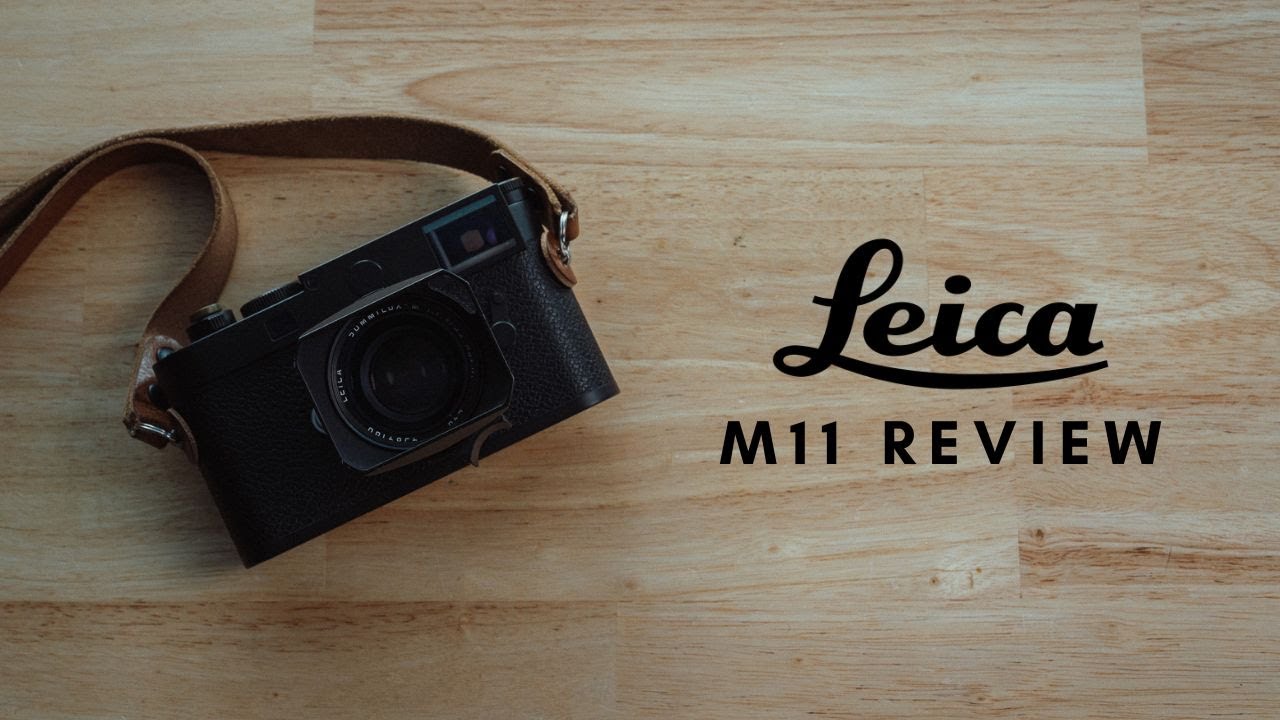
David Christopher Lee shooting with his Leica M11 rangefinder, 27 years of professional photography experience

The second lesson took longer. My book has a line I still live by: when dealing with a client, it is all about managing expectations, and the rule of thumb is to under promise and over deliver. That applies double to pricing. A price increase is a promise. You are telling the client this experience is worth more now. The only way that works long term is if the experience actually is worth more. Every time I raised my rates, I raised something else too: the direction on set, the turnaround time, the quality of the final delivery. The number went up and the client could feel why.

The third lesson is the one from the video that hit closest to home. The middle is where you go to be compared. I have spent my career at the premium end on purpose. My headshot sessions start at $1,500 for two looks, and that number exists because the clients who book at that level are buying 27 years of decisions made in fractions of a second, the same direction I have given to Lady Gaga, the Kardashians, and Richard Branson. Price from what the client gets, never from what you would pay. My book puts it another way: the only thing consistent about this business is change. Pricing that never changes is pricing that is falling behind.

And the fear? It never fully goes away, and it does not need to. Every rate increase I have announced came with the same knot in my stomach. Then the bookings came anyway, and they were better bookings: clients who respected the process, trusted the direction, and valued the result. The clients I lost were the ones who wanted perfection but did not want to pay for it, and as my book says, difficult clients are part of the cost of doing business. Letting the wrong clients self-select out is not a cost. It is the whole point.

Frequently asked questions

How do I raise my photography prices without losing clients?

Give at least three weeks of notice, announce it confidently without apologizing, and offer your best repeat clients a short loyalty bridge such as one final booking at the current rate. Frame the increase around the improved client experience, not your costs. Some clients will leave, and those are almost always the price shoppers you were losing money on anyway.

When should I raise my photography prices?

Review your pricing at least once a year. Raise when you are booking more than 80 percent of inquiries, when your calendar is full but your income is flat, when your costs have risen, or when your portfolio has clearly outgrown your rate sheet. If your rates are two or more years old, you are overdue.

How much should I raise my photography prices per year?

A widely cited approach is 10 to 20 percent annually until your booking rate settles around 50 to 60 percent of inquiries, which signals you have found the sweet spot between demand and value. Respect psychological price barriers: a raise that crosses a threshold like $500, $1,000, or $5,000 needs stronger value communication than one that stays within a tier.

Book your 2027 session

2027 rates apply to all new bookings, and the calendar for the new year is already filling. If you have been thinking about a portrait session, a headshot refresh, or a full editorial shoot, now is the time to lock in your date. Get in touch here and tell me what you are planning. I will tell you honestly what it takes to make it happen.

What is the one thing holding you back from raising your rates? Tell me in the comments.

And if the rising cost of gear is part of what's squeezing your margins, you can fight back on the cost side too. Here's how to buy a used camera without getting scammed — my 9-point inspection checklist for buying secondhand bodies and lenses with confidence.

Do We Need a Second Photographer for Our Event?

It is the most common question I get from corporate clients, and it is a good one. You have a budget, a timeline, and a venue. You want to know whether one photographer can cover it all, or whether you need two.

Here is the direct answer. Sometimes one photographer is plenty. Sometimes one photographer means you will miss half of your event. The difference is not the size of the event. It is the structure of the schedule.

After 27 years behind the camera, I can look at an agenda and tell you in thirty seconds which camp you fall into. This post walks you through exactly how I make that call, so you can make it yourself.

When One Photographer Is Enough

A single photographer covers a lot of ground. If your event takes place in one room and the action moves in a straight line from one moment to the next, one shooter is enough.

Think of a morning seminar. The doors open, people register, a speaker takes the stage, there is a panel, then everyone breaks for lunch in the same space. There is one thing happening at a time, and one photographer can be wherever that thing is. That is a straightforward day of corporate event photography in Los Angeles, and adding a second shooter would mostly mean paying someone to stand around.

The same goes for a headshot station. One photographer runs the backdrop all day as attendees come through. A second person at the same backdrop adds nothing. If you are considering a station, look at my corporate headshots page to see how I run them at events.

Small team dinners fall in this camp too. One long table, one room, one photographer moving quietly around the edges. Two photographers in that room would be obtrusive.

The rule is simple. One thing happening at a time, in one place, means one photographer.

When You Need Two Photographers

The moment your schedule has two things happening at once, you have a decision to make. This is where event planners get burned.

The classic example is the keynote plus reception problem. Your CEO is delivering the keynote in the main ballroom at the exact same time your sponsors are networking in the lobby. One photographer has to pick. The other moment goes undocumented.

Multi-room conferences are the same math multiplied. Breakout sessions run in three rooms at once, and you cannot be in all three with one camera.

Then there is the red carpet plus ballroom split. Your gala has arrivals on the step-and-repeat outside while the cocktail hour is already running inside. Arrivals are fast. You get each guest for about twenty seconds. A photographer who steps inside to catch the room will miss a third of the arrivals, and the arrivals are the photos your guests will actually share.

Award ceremonies have a similar trap. The action on stage and the reaction in the audience happen at the same instant, and one photographer cannot be in both places when the winner's name is called.

Here is the way I say it to clients. The question is never whether a second photographer costs too much. The question is what it costs to miss the moment. Your event budget is five or six figures. The second shooter is a fraction of that. Missing your CEO's keynote photo, or your biggest sponsor's arrival, is the expensive part.

If you are still deciding, a conversation with a corporate photographer in Los Angeles who has worked your kind of event will settle it fast. I talk planners through their agendas before they book anything.

The Real Math of a Second Shooter

Let me make this concrete. A second photographer is not double the price. The second shooter does not scout, does not attend planning calls, does not edit. They show up, shoot, and hand over the cards. Their fee reflects that. Most clients find the second shooter lands at well under half the lead photographer's rate for the same hours.

Now compare that to the cost of the alternative. You hire one photographer for the all-day conference. Your marketing team later asks for photos of the breakout session where your keynote speaker did the surprise Q and A. There are no photos. It happened in Room C at the same time your photographer was in the main hall. That session is gone. You cannot reshoot it. The money you saved bought you nothing except a gap in your coverage.

Event photography is the one line item that cannot be redone. You can reprint the programs. You can reorder the catering. You cannot rephotograph the handshake that closed the partnership.

How to Brief Two Shooters So Coverage Does Not Overlap

Two photographers who both point at the same speaker are just an expensive version of one photographer. The value of a second shooter comes from the brief.

Start with zones. Divide the venue and the schedule into coverage areas and assign one to each shooter. Shooter A owns the main stage and the program. Shooter B owns the arrivals, the networking, and the candid detail shots. Write it down. Hand both photographers the same document.

Next, assign the overlap moments. There will be times when both shooters should be in the same room, like the award announcement or the closing remarks. Decide those in advance. Otherwise you get two photographers fighting for the same spot at the front of the stage while the rest of the room goes unshot.

Give one shooter the authority to adjust on the fly. I recommend the lead photographer makes the calls during the event. Two photographers negotiating every move in real time is slow. One person decides, both shooters execute.

Finally, tell both shooters who the priority people are. If your CEO, your keynote speaker, and your top three sponsors need to appear in the final gallery, say so. Shooters cannot guess which faces matter most to your marketing team. A short priority list prevents the situation where both photographers captured the same generic crowd shots and nobody got the handshake with your biggest client.

The Mistakes I See Clients Make

The most common mistake is hiring two photographers and briefing neither. They arrive, assume the other one has the plan, and spend the first hour duplicating each other's work. Then they realize the arrivals went uncovered. A five minute briefing fixes this. Write the brief, even a short one.

The second mistake is splitting the day to save money. The client books the second shooter for only the afternoon, and the thing they wanted photographed happened at 10 AM. If your schedule has simultaneous programming, the overlap is the whole point. Cutting the second shooter from the hours where things overlap defeats the purpose.

So, Do You Need Two?

Run your agenda through the test. Are there moments when two important things happen at once? Do you have more than one room in play? Are arrivals and the main program running simultaneously? If the answer is yes to any of these, book the second shooter.

If your event is one room, one program, one thing at a time, save the money. Spend it on better food, or on the headshot station your attendees will actually use.

And if you are on the fence, send me the agenda. After 27 years of corporate events, I can tell you in one look whether you need one photographer or two. I would rather tell you that one is enough than sell you coverage you do not need. The clients who trust that advice are the ones who come back.

AI Headshots vs a Real Photographer: What 27 Years Behind the Camera Taught Me About the Difference

Your new headshot looks great. That is the problem. It looks like everyone else's.

AI headshot apps have exploded. You upload a dozen selfies, wait a few minutes, and get back a hundred polished portraits of a slightly better looking version of you. The lighting is perfect. The skin is flawless. The blazer you do not own fits perfectly.

And for some people, that is enough. I am going to tell you exactly who those people are, and why you are probably not one of them.

I have spent 27 years photographing people for a living. Lady Gaga. The Kardashians. Richard Branson. Ella Beatty. Magazine covers, ad campaigns, and thousands of executives who needed the world to take them seriously in a single frame. I have watched every so-called disruption come for my industry. This one is different, but not in the way the app companies want you to think.

Outdoor executive portrait in Los Angeles by photographer David Christopher Lee

What an AI headshot actually is

Let us be precise, because the marketing is not. An AI headshot is not a photograph of you. It is a prediction of what you might look like, generated by software trained on millions of faces, blended with the selfies you uploaded.

That distinction matters more than anything else in this article.

A photograph captures light bouncing off your actual face at a real moment in time. An AI portrait assembles a plausible face from patterns. Sometimes the resemblance is striking. Sometimes your jawline belongs to someone else. The apps have gotten good, but "good" and "you" are not the same thing.

This is not a moral judgment. It is a technical one. And it is the foundation of everything that follows.

People can tell, and the people who matter can tell fastest

Corporate team portrait by Los Angeles photographer David Christopher Lee

Here is the part the AI companies leave out of their ads. Recruiters look at headshots all day. Casting directors look at headshots all day. I look at headshots all day. We have all developed the same skill, which is spotting the uncanny details in about two seconds.

The skin is too even. Real skin has texture, pores, tiny asymmetries. The eyes have a certain glassiness, like the person is looking at you from slightly behind their own face. The smile does not quite reach the eyes, because no actual moment of warmth ever happened. Teeth are occasionally doing things teeth do not do.

You might think none of this matters if the image looks professional. It matters enormously, because of what a headshot is actually for. A headshot is not decoration. It is a trust transaction. You are asking a stranger to believe you are competent, credible, and real, based on a few square inches of pixels.

Getty's VisualGPS research found that 98 percent of consumers say authentic images are pivotal to establishing trust. Adobe found that 93 percent of people want transparency about AI involvement in content. Read those numbers again and ask yourself what happens when a hiring manager senses, even subconsciously, that your photo is synthetic. Trust is the whole product. An AI headshot sells the packaging and empties the box.

What happens in a real session that no app can do

Environmental corporate portrait of executives by photographer David Christopher Lee

People think they are paying a photographer for a camera. They are not. They are paying for 27 years of decisions made in fractions of a second.

When you sit in front of me, I am watching the way your face moves when you are not performing. Everyone has a guarded face, the one they put on when they know a photo is being taken. It is stiff. It is forgettable. My entire job is getting past it to the face that actually gets you hired, cast, or funded.

An app cannot direct you. It cannot say "drop your chin a quarter inch, now think about the deal you just closed" and catch the half second where confidence actually shows up. It cannot see that your best angle is three degrees to the left of where you think it is. It cannot build the small, real rapport in the first ten minutes that makes the last forty minutes of a headshot session produce something genuine.

I have photographed some of the most photographed people on earth. Gaga does not need me to make her look interesting. She needs me to find the version of her the last fifty photographers missed. That is direction. That is experience. That is a human being reading another human being in real time, and no software does it.

There is also the matter of intention. When I shoot an executive portrait, I am asking what the image needs to do. Board announcement? Book jacket? Keynote stage? Each one gets a different treatment, different energy, different frame. An AI app gives you a hundred variations of generic. I give you one image built for a purpose.

The honest math: what each option really costs

Let us talk money, because that is what this debate is actually about.

AI headshot apps cost a fraction of a professional session. A few dollars, sometimes the price of lunch. My headshot sessions start at $1,500 for two looks and go up from there. That is not an accident and it is not arrogance. It is the price of the outcome described above.

But here is the math nobody does. What does the wrong headshot cost you?

If you are an executive interviewing for roles where total compensation runs into six or seven figures, your headshot sits at the top of every application, every LinkedIn profile, every board bio. If it reads as synthetic, or even just slightly off, you have introduced doubt at the exact moment you needed confidence. What is that doubt worth? More than the difference between an app and a session. Much more.

If you are an actor, your headshot is your entire business development department. Casting directors scroll past hundreds of thumbnails. Yours needs to stop the scroll and survive a close look. An AI image that falls apart under scrutiny does not just fail to help. It actively harms, because now they have categorized you as someone who cuts corners.

The professional headshot photography market is valued at roughly $2.8 billion in 2026, according to industry reporting from July of this year. That market is not growing because people enjoy spending money. It is growing because the stakes of the image keep rising as everything else gets easier to fake.

Here is my honest segmentation, and I will lose some potential clients saying it. If you need a passable avatar for an internal company directory that nobody looks at twice, use the app. Save your money. If your face is part of how you earn your living, if you are fundraising, job hunting at a senior level, running for office, publishing a book, or building a personal brand, hire the human. The gap between those two situations is the entire argument.

Where AI headshots genuinely win

Intellectual honesty requires me to say what the apps do well, because they do some things well.

Speed is real. You can have a usable image tonight. If you need something for a conference badge tomorrow and your last real headshot is from 2019, the app beats the outdated photo. An old photo that no longer looks like you is its own kind of dishonesty, and I would rather see someone use a current AI image than a six year old real one.

Volume is real. A hundred variations let you test which framing, which background, which energy gets a response. That is genuinely useful data, and I have no equivalent to offer at that price.

And for some use cases, the stakes are simply low. Internal tools, gaming profiles, a newsletter avatar. Nobody is making a trust decision based on those images, so the trust deficit does not matter.

Notice what all of these have in common. They are situations where the photo does not have to carry weight. The moment weight enters the picture, the calculation changes.

The market is splitting, and you should know which side you are on

Industry analysts are describing a bifurcation, and I see it in my own bookings. AI is absorbing the cost conscious segment, the people who were always going to choose the cheapest option. That segment was never really mine.

What is happening at the same time is more interesting. Demand for premium, authentic portraiture is rising. Studios are reporting more clients specifically asking for real sessions because they have seen the AI look everywhere and they want to stand apart from it. Recruiters are getting better at spotting synthetic images, which quietly raises the value of the genuine article.

This is the pattern of every technology shift in photography. When digital cameras arrived, everyone said professional photographers were finished. What actually happened is that the middle collapsed and the top got more valuable. When everyone can produce an acceptable image, the exceptional image becomes the differentiator. Scarcity moved from the equipment to the eye.

AI headshots are doing the same thing. They are not killing professional photography. They are killing forgettable photography, and making the memorable kind worth more.

So which should you choose

Ask yourself one question. What is this photo for?

If the answer is that it needs to open a door, a real photographer is the answer. If the answer is that it just needs to fill a box, the app will do.

There is no shame in either choice, as long as it is a choice and not a default. The mistake is using a five dollar image for a five hundred thousand dollar opportunity and telling yourself nobody will notice. People notice. The right people always notice.

Twenty seven years behind the camera has taught me that the technology changes and the job does not. The job is making a stranger trust you in a single frame. No app has ever done that. I do it every week.


What Photographers and Recruiters Say About AI Headshots

The working-photographer verdict on AI headshots is harsher than mine, and I am not pulling punches in this article either. Headshot photographer Lisa Kay Kovilic writes: "When I am on LinkedIn, I can spot an AI headshot right away, and I'll bet many people can" (LinkedIn). National headshot photographer Chris Gillett describes what happens when viewers sense one: "When an image feels even slightly off, overly polished, too symmetrical, too perfect, people don't analyze it. They disengage" (Baltimore Post-Examiner).

Photographer Ben Marcum is blunter about the look: "The skin looks plastic. It does not feel human, because it is not" (Ben Marcum). The recruiter data backs the instinct: a Ringover survey of 1,087 recruiters found 66% would be put off by a candidate if they recognized the headshot was AI-generated (TechRadar). Even LinkedIn only allows AI headshots when the photo reflects your likeness, a gray area the app companies are happy to exploit.

The industry agrees: AI fills a box, a photographer opens a door.

About the author: David Christopher Lee is a Los Angeles photographer with 27 years behind the camera, shooting celebrities, executives, and campaigns for GQ, Vogue, InStyle, People, and more. His headshot sessions in Los Angeles start at $1,500. Book a session or see the work.

One Light Portrait Setup: 5 Classic Looks From a Single Strobe

If you own one strobe and one modifier, you already own a portrait studio. The one light portrait setup is the foundation of professional portraiture, and photographer Daniel Norton proves it in his Adorama OnSet session 'Single Light Portraits,' where a single light produces everything from bright, clean editorial frames to dark, moody character portraits. The trick is never the amount of gear. It is knowing where to put the one light you have, which modifier to put on it, and how to read the shadows it throws.

Watch Norton's full demonstration below, then read on for the breakdown: the exact gear, five classic one-light looks you can copy this week, how to control shadows without a second light, and what 27 years of shooting portraits has taught me about the discipline of lighting simply.

Single Light Portraits: OnSet with Daniel Norton video thumbnail

In this article: Why one light is enough · The gear list · Five classic looks · Controlling shadows · My take, after 27 years · FAQ · Book a session

Why one light is all you need

A single, well positioned light with the right modifier creates dimensional, professional portraits, and it teaches you more about light than any three-light rig. When there is only one source, every decision is visible: move it six inches and the whole face changes. That feedback loop is the fastest lighting education there is.

One light is also fast. It sets up in minutes, fits in one bag, and travels anywhere. You add a second light only when a specific effect demands it, not because the portrait needs saving.

Photographer shooting a portrait with a one light portrait setup and single softbox in a studio

The one light portrait setup: the gear list

You need four things, and none of them has to be expensive. Fstoppers' breakdown of a one-light headshot session shows how far a single speedlight and a diffusion setup can go when you nail the positioning.

One flash.

A speedlight or a small strobe. Norton shoots his session with Profoto heads, but the technique works with any flash you can take off the camera and trigger wirelessly.

One modifier.

A medium softbox (around two by two feet) is the recommended starting point: soft, directional, portable. An umbrella is cheaper, often twenty to forty dollars, and sets up in seconds, though it spills light everywhere, so it suits open rooms better than tight spaces. A beauty dish sits between the two, with more punch than an umbrella and smoother falloff than a bare reflector.

One light stand.

Tall enough to get the light above eye level.

One reflector.

A five-in-one reflector is the most useful forty dollars in portrait lighting. It is your fill light, your clamshell light, and your background bounce, all without a plug.

That is the whole kit. With a speedlight and umbrella the total can stay well under two hundred dollars, and the images it makes will embarrass photographers carrying five times the gear they do not understand.

Five classic one-light looks

These five patterns cover nearly every portrait brief you will ever get, and each one is a small move of a single stand. PetaPixel's rundown of one-light modifier setups demonstrates the same family of looks, Rembrandt, butterfly, clamshell, square, and backlit, and is worth studying alongside the video above.

1. Rembrandt lighting

Place the flash at roughly 45 degrees to the side of your subject and slightly above eye level, three to five feet away. The signature is a small triangle of light on the shadowed cheek. Control the size of that triangle by turning the subject's face slightly toward the light for more highlight, away for less. Rembrandt is the most universally flattering pattern in portraiture, and it is where every beginner should start.

2. Butterfly (Paramount) lighting

Bring the flash directly in front of the subject, centered, and raise it above head height angled down. This throws a small butterfly-shaped shadow under the nose, carves the cheekbones, and puts beautiful light in the hair. Watch the catchlights: if the eyes go dark, lower the light until the sparkle returns.

3. Loop lighting

Split the difference. Keep the light at 45 degrees but lower than Rembrandt height, so the nose casts a small loop-shaped shadow on the cheek. Loop is the everyday workhorse, flattering, forgiving, and fast, and it is the pattern I reach for when I have ninety seconds with a subject and no margin for error.

4. Split lighting

Move the light to 90 degrees, directly to the side of the face. Half the face lights, half falls to shadow. It is dramatic and sculptural, perfect for character portraits and strong featured faces, and a poor choice when the brief calls for soft and approachable. Add your reflector on the shadow side if the dark half goes too deep.

5. Clamshell lighting

Start from butterfly position, then add the reflector below the subject's chin, tilted up, at waist height or on their lap if seated. The key light shapes from above, the reflector fills from below, and the result is the glowing beauty look of magazine covers: deep even catchlights, open shadows, polished skin. Silver side for more punch, white side for a softer fill. Move the reflector closer for more fill, farther for less.

Dramatic low key portrait lit with a single hard light against a black background

Controlling shadows with one light

Shadows are not the enemy. Flat, muddy, or accidental shadows are. Four levers control them, no second light required.

Modifier size and distance.

The larger the source relative to your subject, the softer the light. Move the softbox closer for creamier shadows, pull it back for harder, more contrasty ones. Most beginners park the light too far away, get harsh shadows, and blame the modifier.

The reflector.

Place it on the shadow side, just outside the frame, angled to catch spill from the key light. White side for gentle fill, silver for more snap. Angle it so it wraps around the subject rather than sitting flat opposite the light, which keeps the fill looking natural instead of artificial.

Ambient light.

Open a blind or turn on a practical lamp and the room itself becomes your fill. This is also how you balance flash with daylight on location: expose for the scene, then add just enough flash to make the subject pop.

Feathering.

Aim the edge of the light's beam at your subject rather than the hot center. You lose some power and gain beautiful, gradual falloff.

My take, after 27 years behind the camera

Here is what no tutorial tells you: the one light portrait setup is not a beginner's compromise. It is a professional's discipline. Early in my career I spent four months in Miami shooting three to four models a day, every day, hundreds of sessions back to back. That volume taught me more about lighting, working with different skin tones, and directing people than any gear upgrade ever has. When you light that many faces, you stop thinking about equipment and start thinking about what the light is doing to the person in front of you. One light forces that education faster than anything else.

I still work this way on real jobs. When I photographed Linda Hamilton at her home in Malibu, I set up my lights in her backyard with a single Alien Bee kit running on a battery pack, no outlets, no assistants holding scrims. We shot three looks in about an hour, she chose five frames for retouching, and she tipped me $2,500 on top of the fee. The setup was simple. The attention was not.

And sometimes the one light is not even yours. I once photographed Snoop Dogg in a theatre lobby after a ceremony, no studio, no stands, just the room. I asked him to move into the soft, flattering light falling in that corner of the lobby, and he told his manager he was going to do what I said because, in his words, I was the man. He brought Usher over next. The lesson I have carried for 27 years: light is everywhere, and the photographer's real job is to see it before anyone else does, then put the subject in it with total confidence.

Once the shoot wraps, the work moves to the desk: read my guide on how to cull photos fast with an AI-first system.

So yes, learn the five patterns above. Drill them until the stand goes up without thinking. But remember that the setup is the easy part. Reading the face, choosing the mood, and directing the human being in front of the light, that is the craft, and no second strobe will ever do it for you.

One light portrait setup FAQ

Can I use one light for full-body portraits?

Yes. Position the light slightly above the subject's head at 45 degrees, five to seven feet back, so the beam covers the full figure evenly. For full-body work, use a larger modifier or bounced light to keep the coverage even from head to toe, and test before the client arrives. The one-light principle holds at any distance.

How do I control harsh shadows with one light?

Four options, in order of preference: use a larger or softer modifier, add a fill reflector opposite the key light, raise the ambient light in the room so the shadows are not pitch black, or move the light closer to the subject so the source grows relative to them and the shadows soften. ViewBug one-light portrait setup guide

Can I use a continuous LED instead of flash for one-light portraits?

Absolutely. Continuous LEDs are easier to learn on because you see the effect in real time with no test shots, and they run cool and pack small. The tradeoff is intensity: in dim rooms you may need higher ISOs or slower shutter speeds. Many photographers learn positioning on LED, then switch to flash once the placement instincts are set.

What power should my single flash be?

Start around half to full power at typical portrait distances of three to five feet and apertures around f/5.6 to f/8, then adjust to taste. Indoors with reflective walls, a quarter to half power is often plenty. Outdoors in bright sun, where the flash has to compete with daylight, expect to run hotter. Bracket a few frames when you are learning a new light; you will memorize its behavior within a session or two.

Book a portrait session

If you would rather hire the 27 years than learn them, I shoot portraits in Los Angeles and New York, from celebrity and editorial sessions to corporate headshots built on exactly the one-light discipline above. Get in touch here and tell me what the portraits are for. You can also browse the portfolio to see what this lighting looks like in finished work.

Model lit by a gridded softbox in a one light portrait setup

Now I want to hear from you: of the five looks above, which one matches the portraits you shoot most? Tell me in the comments.

What Working Photographers Say About One-Light Shooting

Working shooters land in the same place I do: one light is not a compromise, it is a curriculum. Fred Miranda's studio forums are full of photographers running whole portrait sessions on a single strobe and a reflector, and the consensus is that the reflector does the heavy lifting for your "second light."

Member CharleyL puts it this way: "Learning how light behaves, the Inverse Square Law of Light (not the math, but the effect), and making use of reflectors to get the image result desired, while using only one actual light source in most cases, will help you to scale it all up easily for portrait and outdoor shoots" (FM Forums).

Another FM shooter, Arka, shares a typical one-light result: "A couple of one-light shots I recently posted: Single Acute B 600 at full power and into a reflective umbrella, at about 4:30 in the afternoon" (FM Forums).

And member mrca describes running single-strobe setups on location with an assistant: "You can run and gun with beautiful soft loop light" (FM Forums).

The owner consensus matches my take exactly: master one light and a reflector, and you own a portrait studio that fits in one bag.

Before They Were Famous: Emily Ratajkowski

In 2007, I photographed a 16-year-old girl for a studded t-shirt campaign. Six years later, she was in the most-watched music video on the planet.

This is the story of shooting Emily Ratajkowski before the world knew her name.

The booking

A friend of mine had a clothing line called Key Closet. It was a studded t-shirt line with animal drawings, very much in the spirit of that era's Ed Hardy craze. He needed a campaign shot and asked me to find the girl.

I booked Emily through her agency, Next Models. She was 16. My client wanted a shorter, fuller-chested girl with a tiny waist, and Emily fit the profile exactly.

There is a detail I have never forgotten from that first shoot. Emily showed up with her dad. She was underage, and he came along to the set. We shot in my client's penthouse loft in downtown Los Angeles, right next to the Staples Center, and we used everything the space gave us: the view, the hallways, and a leopard print couch that became one of the signatures of the shoot.

She had quite an exotic look. She told me she was part Brazilian, and I remember thinking her eyes and lips made her really special. Even then, at 16, there was something about the way she looked into the lens.

She became the face of the brand

Emily did such an amazing job on that first shoot that over the next couple of years, we booked her four more times. We shot all over downtown LA, with Aston Martins and other exotic cars. Each shoot I paired her with a different guy, and for one of them we shot her with Didier Cohen, the Australian DJ and actor.

She became the face of Key Closet. The campaign was everywhere that little brand could reach, and her face was the one people remembered.

Then came the phone call

A few years later, in 2013, Emily appeared in the music video for Robin Thicke's "Blurred Lines," and almost overnight she was the hottest girl in the world, which is exactly what I wrote in my memoir at the time. She went on to "Gone Girl," high fashion campaigns, and a career that made her one of the most recognizable faces of her generation.

When I saw that video, I called up my friend, the one who owned Key Closet, and I told him the truth: we made her famous. Well, at least we can say we saw it first.

The takeaway for photographers

Here is what that shoot taught me, and what I still tell any photographer who wants to do this kind of work: shoot every unknown like she is already famous. The 16-year-old who shows up with her dad to a t-shirt campaign might be the face of the decade six years later, and the images you make today become the archive everyone wants tomorrow. Treat a small campaign with the same seriousness as a magazine cover, because you never know which one the internet is going to find first.
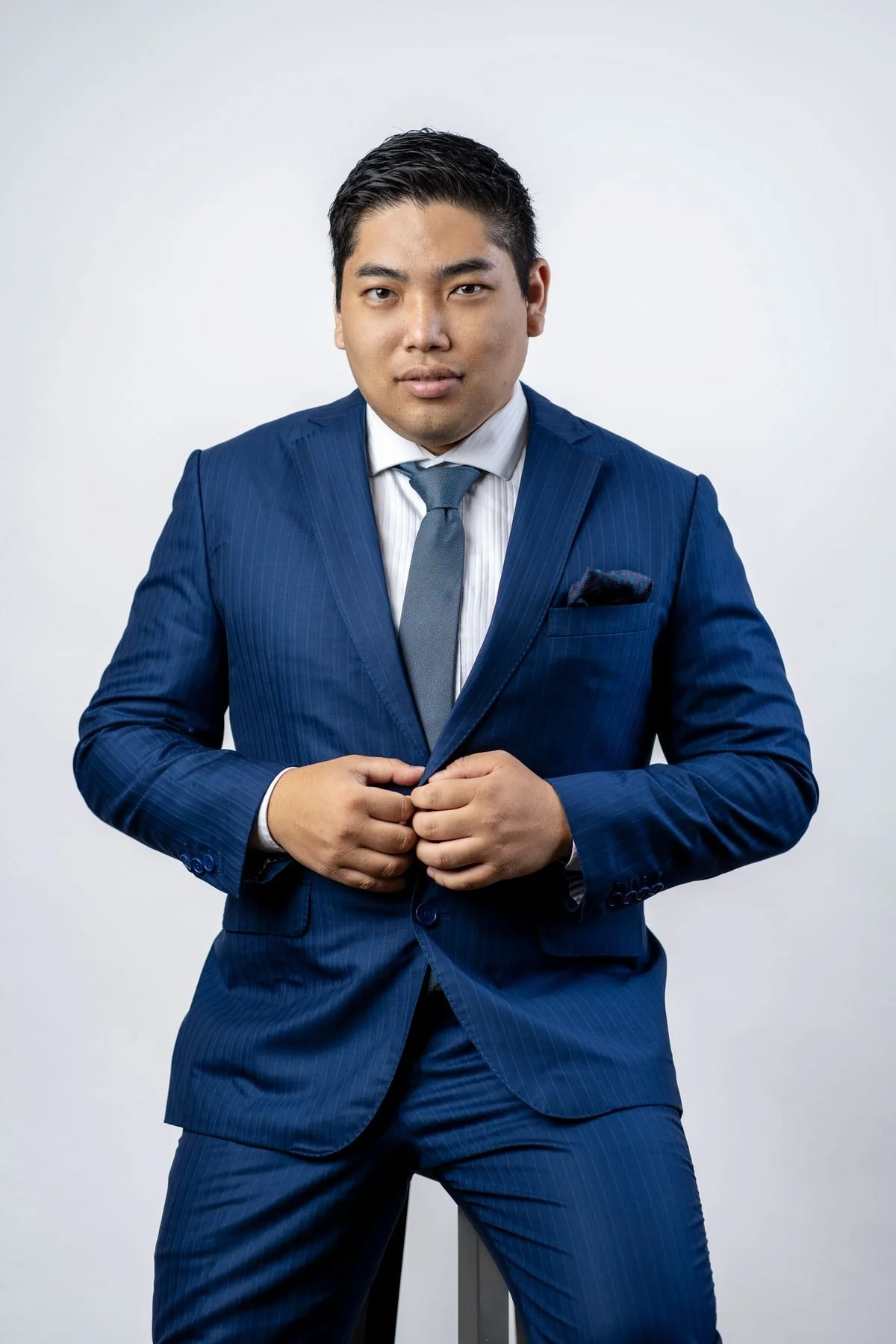
If you are hiring a celebrity photographer in Los Angeles, look at how they treat the unknowns in their book, not just the names. That tells you everything about how they will treat you.

Frequently asked questions

When did David Christopher Lee photograph Emily Ratajkowski? In 2007, when she was 16, for the Key Closet clothing line campaign. We shot at a penthouse loft in downtown Los Angeles, and she went on to shoot four more campaigns with the brand over the next two years.
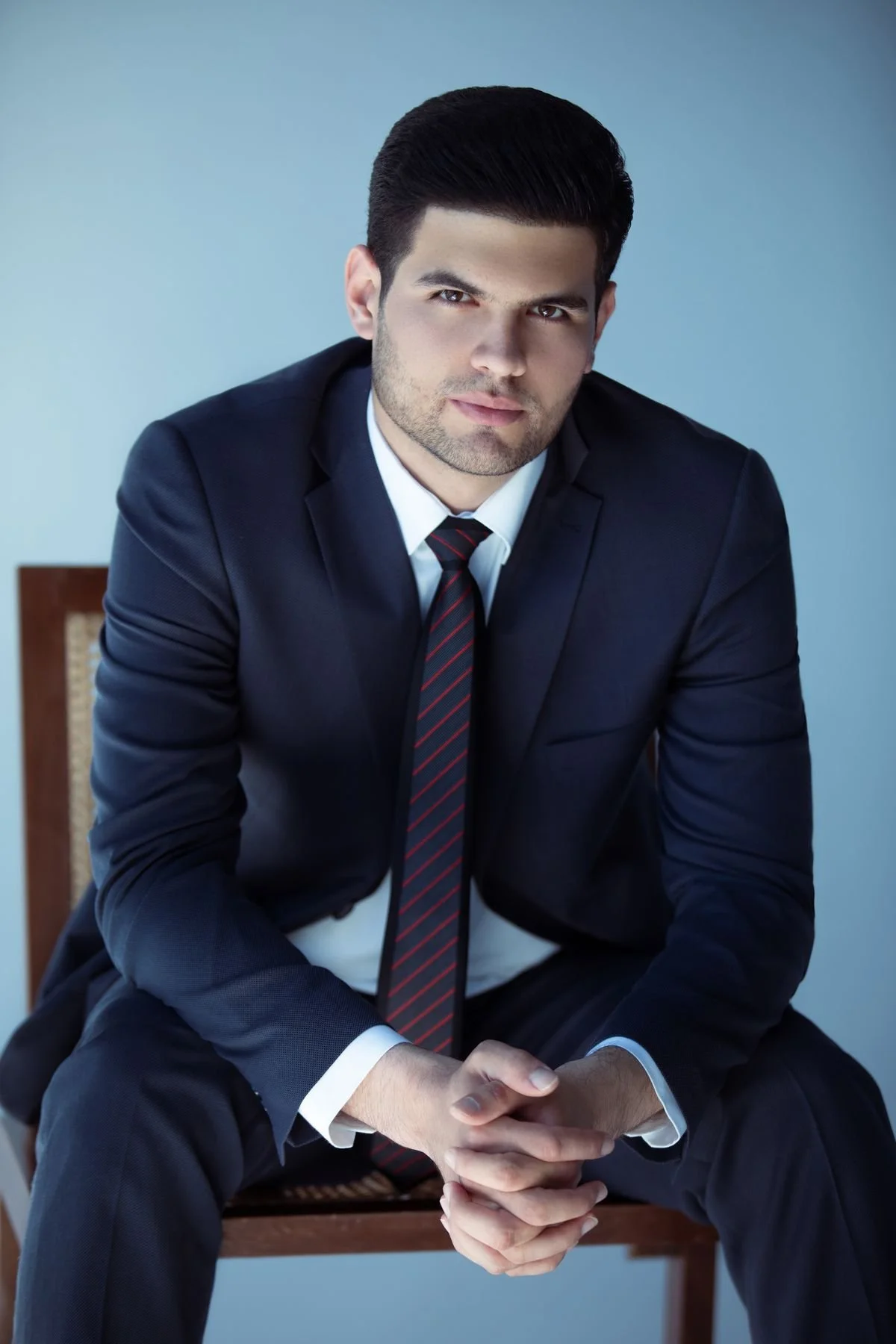
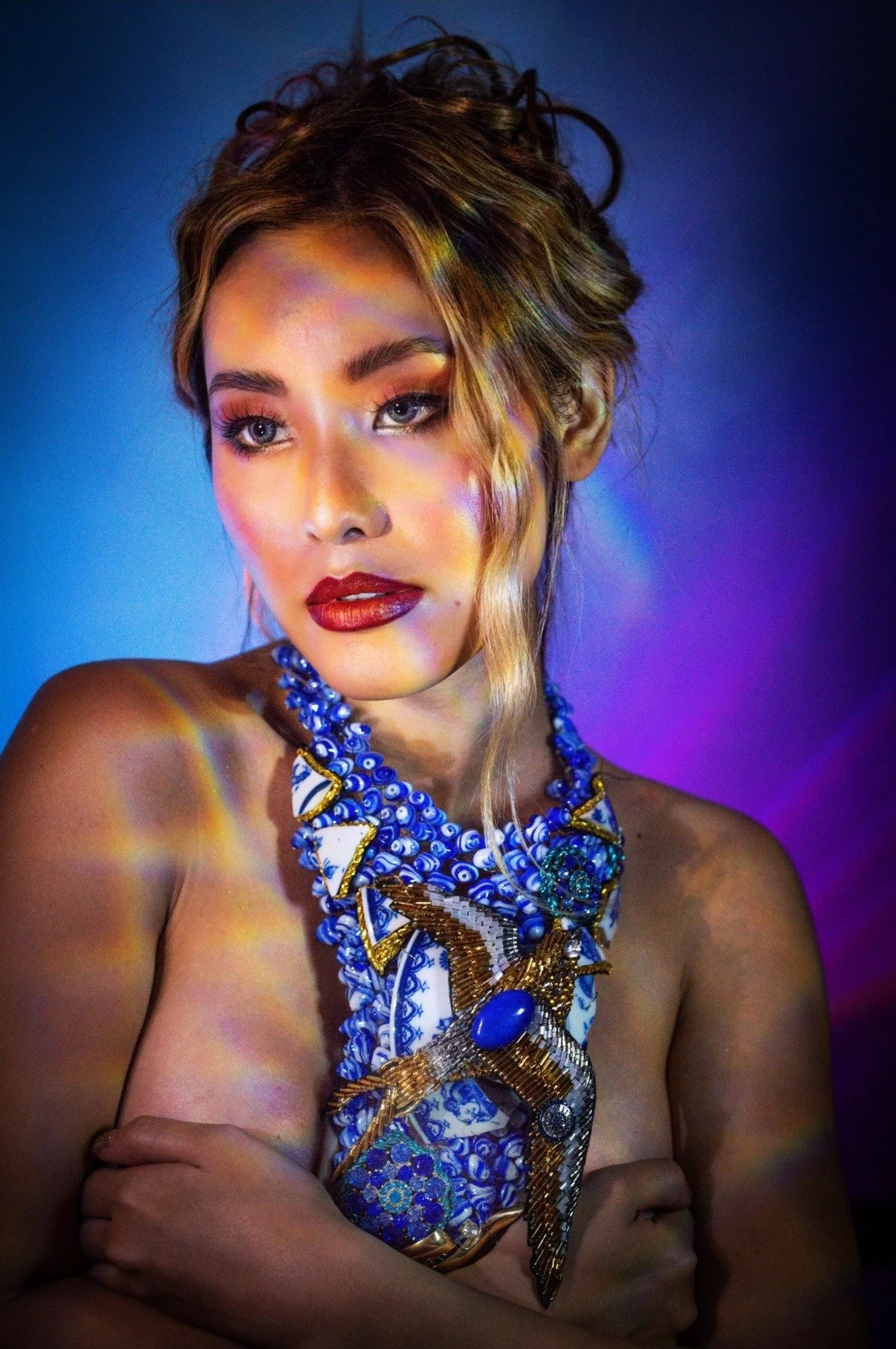
Was Emily Ratajkowski famous when he photographed her? No. She was a working agency model at Next Models. Her breakthrough came in 2013, when she appeared in Robin Thicke's "Blurred Lines" music video, followed by "Gone Girl" in 2014.

How do I book a shoot with David Christopher Lee? Get in touch here. I have spent 27 years as a celebrity photographer in Los Angeles, shooting everyone from unknowns who became icons to the icons themselves, and every session gets the same standard.

About the author: David Christopher Lee is a Los Angeles fashion photographer in Los Angeles and celebrity portrait photographer with 27 years of experience, shooting for GQ, Vogue, InStyle, People, and brands around the world.

How Much Does a Fashion Photographer in Los Angeles Cost?

So you want to know how much a fashion photographer in Los Angeles costs. Here is the honest answer: it depends on what kind of fashion shoot you are actually buying, and the photographer's fee is only one line on the invoice.

I have spent 27 years shooting fashion, celebrity, and editorial work in Los Angeles, for magazines like GQ, Vogue, InStyle, and People, and for brands that needed images strong enough to sell clothes. I have been hired by people who got exactly what they paid for, and I have cleaned up after people who hired the cheapest option and learned why it was cheap.

This is what fashion photography really costs in LA in 2026, where the money goes, and how to read a quote before you sign it.

Fashion photographer in Los Angeles shooting a model in a metallic dress on a studio set while a stylist watches

The short answer: Los Angeles fashion photographer rates

If you just need the numbers, here they are, based on 2026 published pricing guides and what working LA photographers are actually charging:

  • Emerging fashion photographer: $750 to $1,500 per day
  • Mid-level fashion photographer: $1,500 to $4,000 per day
  • Hourly rates in LA: $150 to $300 per hour (nationally the average sits around $164 per hour, and LA runs at the upper end)
  • Simple single-look session: around $300 in Los Angeles for a straightforward shoot with minimal crew
  • Full production shoot day, all costs included: $3,500 to $15,000 or more

One widely cited 2026 breakdown puts the typical total for a standard fashion shoot day at $3,500 to $15,000, with the photographer's own day rate ranging from $500 to $5,000 depending on experience. An LA-specific guide puts a simple beauty or fashion session at around $300 on the low end, scaling to a few thousand dollars for a full production with multiple looks, retouching, and commercial usage rights. Those ranges look wide until you understand what sits inside them.

"Fashion photographer" covers at least five different jobs

This is where most budgets go wrong. People hear "fashion photographer" and picture one thing, but the term covers very different jobs with very different price tags:

  • Editorial shoots: magazine-style storytelling, often shot for a designer's lookbook or a publication. Creative, directional, usually a full crew.
  • Campaign shoots: the hero images for a season or collection launch. The biggest budgets, the most planning, the highest usage value.
  • Lookbook and catalog: consistent, repeatable images of every piece, often dozens of looks in a day. Efficient by design.
  • E-commerce and product: clean, standardized shots for online stores. Volume work, priced per image or per day.
  • Test shoots and portfolio work: new models, new designers, creative collaborations. Often shot at reduced rates or on trade, because everyone involved is building a book.

A photographer who specializes in high-volume e-commerce may not be the right hire for a creative campaign, and their quotes will reflect completely different cost structures. Before you compare prices, know which job you are hiring for. Fashion photography in Los Angeles spans all of these, and the pricing only makes sense once you name the job.

Fashion photographer directing a model during a Los Angeles studio fashion photography session

Day rate, hourly, or per-look: how fashion photographers charge

Fashion photographers in Los Angeles generally quote in one of three structures. Each has a logic to it.

Day rate. The standard for anything beyond a simple session. A day is usually 8 to 10 hours. Emerging fashion photographers run $750 to $1,500 per day; mid-level and established shooters run $1,500 to $4,000 per day, and name photographers with major campaign credits go higher. The day rate typically covers the photographer's time, their camera and lighting equipment, and the shooting day itself. It does not usually cover the crew, the studio, the models, or the retouching. Those are separate line items, which is where the real budget lives.

Hourly. Common for small shoots: a single look, a quick test, a designer who needs three pieces shot. LA hourly rates run $150 to $300 for working professionals. Hourly makes sense under about three hours. Beyond that, the day rate is almost always cheaper.

Per-look or per-image. Standard for e-commerce and catalog work. The rate might be quoted per finished look or per final retouched image. This structure rewards efficiency and is how high-volume studios keep costs predictable.

One more thing about quotes: always ask whether retouching is included. In fashion, it rarely is. Retouching typically runs $25 to $150 per image depending on how extensive the work is, and on a shoot delivering 20 finished images, that is a meaningful line item to discover after the fact. A 2026 fashion photoshoot cost breakdown puts retouching at $25 to $150 per image and notes it can add 20 to 50 percent on top of the shoot total.

The real cost of a fashion shoot: the line items behind the quote

Here is the part nobody explains clearly. When a brand budgets a fashion shoot, the photographer's fee is often less than half the total. The rest is the production around them. These are the real 2026 ranges from published guides:

  • Photographer: $750 to $4,000 per day (emerging to mid-level)
  • Models: $500 to $3,000 per day, per model (agency models at the top end)
  • Studio rental: $300 to $2,000 per day (LA basics run $50 per hour; large equipped spaces $200 or more per hour)
  • Hair and makeup artist: $400 to $1,500 per day, per artist
  • Stylist: $500 to $2,000 per day
  • Photo assistants: $200 to $500 per day, each
  • Digital tech and workstation: $500 to $1,200 per day
  • Retouching: $25 to $150 per image
  • Insurance and permits: $200 to $500 per day for liability coverage; location permits $500 to $3,000

That is why a "standard" full production day lands between $3,500 and $15,000. A lean shoot with one model, one HMUA, a borrowed space, and a mid-level photographer can come in at the low end. A campaign with two models, a stylist, a dedicated HMUA, assistants, a rented studio, and high-end retouching lands at the top. Both are legitimate fashion shoots. They are just different productions. An LA-specific guide on beauty and fashion photoshoot costs in Los Angeles makes the same point: what you are really paying for is not the hour with the camera, it is the planning, the lighting, the editing, and the rights to use the images.

Model posing on a stool during a Los Angeles fashion photography studio session

What drives the price up (and what should)

Not every cost driver is padding. Some of them are exactly what you should be paying for:

Usage rights. This is the biggest pricing lever in fashion photography, and the one clients understand least. A photographer licensing images for one season of social media charges less than one licensing the same images for global advertising, billboards, and packaging. Broader usage means a higher fee, because the images are working harder. If a quote seems high, ask what usage is included before you decide it is.

Retouching depth. Basic cleanup is one price; high-end beauty and fashion retouching, the kind where skin, fabric, and backgrounds are rebuilt pixel by pixel, is another. Fashion campaigns live or die on retouching. Underbudget it and the whole shoot looks unfinished.

Number of looks. Every look change costs time: new styling, new hair and makeup adjustments, new lighting. A shoot promising 15 looks in a day is either a very long day or a very rushed one. Photographers who quote honestly will tell you how many looks fit in a day without the quality dropping.

Rush delivery. Need selects for a launch next week? Expect 25 to 50 percent on top for a 24-hour turnaround. Rush pricing is standard across the industry.

Location and permits. Shooting on location in LA means permits, and permits mean money and paperwork. Studio days are predictable; location days are not, and the quote should reflect that.

Red flags in fashion photographer pricing

Walk away from any of these, no matter how good the Instagram grid looks:

  • A quote with no line items. If you cannot see what the photographer's fee covers versus crew, studio, and retouching, you cannot compare quotes. Professionals itemize.
  • "Unlimited looks" or "unlimited edited photos." In fashion, this is a promise that cannot be kept. Professionals deliver a defined number of looks and a defined number of retouched images.
  • No contract, no usage terms. The clause that causes the most fights in fashion work is who can use the images and where. Get it in writing before the shoot.
  • Stock photos in the portfolio. If you cannot tell whether the fashion images are theirs, assume they are not. Ask to see a complete delivery from a recent shoot.
  • Full payment upfront. A retainer to hold the date is standard. One hundred percent before the shoot is not.
Stylist adjusting a model's hair on a Los Angeles fashion shoot while the photographer works

How to budget for your shoot

Three honest tiers, based on what these shoots actually cost in Los Angeles:

The test or portfolio refresh ($300 to $1,500). One to three looks, a simple studio or location, minimal crew, maybe a test model on trade. This is the tier for new designers, model book updates, and creative collaborations. Keep expectations aligned with the budget: you get strong images, not a campaign.

The brand lookbook ($2,500 to $8,000). A mid-level fashion photographer, a professional model, HMUA, a stylist or solid self-styling, a rented studio, and professional retouching on the selects. This is where most growing LA brands live, and it is the tier where choosing the right fashion photographer matters most, because the images have to carry the brand for a season.

The full campaign ($10,000 to $25,000 and up). Multiple models, full crew, premium studio or permitted location, creative direction, high-end retouching, and usage licensing that matches the distribution. At this level you are not buying a shoot, you are buying an asset library that sells product for a year.

One more comparison worth making: fashion photography and celebrity photography are different crafts with different pricing logic. If your shoot involves talent with a public profile, my guide on what a celebrity photographer costs in Los Angeles covers how that side of the pricing works.

Frequently asked questions

How much does a fashion photographer in Los Angeles cost per hour? Working LA fashion photographers typically charge $150 to $300 per hour. Hourly makes sense for short sessions under three hours; beyond that, a day rate ($750 to $4,000 depending on experience) is usually cheaper.

What is the average cost of a fashion photoshoot in Los Angeles? A simple single-look session runs around $300. A standard full production day with crew, studio, and retouching typically totals $3,500 to $15,000, depending on the scale of the production.

Does the photographer's fee include models, hair and makeup, and retouching? Usually not. The photographer's day rate covers their time and equipment. Models, HMUA, stylists, assistants, studio rental, and retouching are separate line items. Always ask for an itemized quote.

Why do fashion photographers charge more than portrait photographers? Fashion shoots involve more moving parts: models, styling, hair and makeup, art direction, and extensive retouching, plus usage licensing tied to commercial distribution. You are paying for a production, not a session.

How far in advance should I book a fashion photographer in Los Angeles? Four to eight weeks is standard for a planned shoot. Campaign-level productions book further out. Rush bookings under two weeks typically carry a 25 to 50 percent premium.

Fashion photographer working with a model on a white cyclorama in a Los Angeles studio

The bottom line

A fashion photographer in Los Angeles costs anywhere from $300 for a simple session to $4,000 a day for an established shooter, and the full production behind a real fashion shoot runs $3,500 to $15,000 or more. The photographer's fee is the headline number, but the crew, the studio, the retouching, and the usage rights are where the budget actually lives.

Hire for the job you have, get the quote itemized, and make sure usage rights are in writing before anyone picks up a camera. The cheapest quote is the one you understand completely.

About the author: David Christopher Lee is a Los Angeles fashion photographer with 27 years of experience shooting fashion, celebrity, and editorial work for magazines including GQ, Vogue, InStyle, and People. Fashion photography in Los Angeles. Fashion photographer in Los Angeles. Get in touch.

Leica M11 Review: A Working Photographer's Honest Take

Most camera reviews are written after a weekend. This one is different. Photographer and educator Dave Herring spent more than 200 days shooting the Leica M11 on real professional assignments around the Bay Area, from commercial sets to a Venice Beach skate park session, and his review is the kind of long term report that actually answers the question buyers care about: what is this camera like to live with?

Watch his full breakdown here, then read on for my summary of the key points and my own take as someone who has shot Leica rangefinders for years.

If you are new to the M system, read my field guide to how to focus a Leica rangefinder, from the focusing patch to zone focusing.

Leica M11 Review: What Works, What Doesn’t, video by Dave Herring

The 60MP triple-resolution sensor

The headline spec is the 60.3 megapixel full frame backside illuminated sensor, and Herring confirms it delivers some of the most stunning files he has ever seen. What makes the M11 unusual is its triple resolution technology: it shoots full resolution 60MP DNG files, but can also capture 36MP or 18MP files using the entire sensor surface, which gives better low light performance and smaller files when you do not need every pixel. For commercial work, Herring points to the practical payoff: the cropping power. A 60MP file lets you recompose aggressively in post and still deliver a sharp, printable image, which is a genuine working advantage, not just a spec sheet number. Leica's own spec sheet lists the three DNG resolutions at 60.3, 36.5, and 18.4 megapixels.

Battery life that actually keeps up

One of the biggest quality of life upgrades over older digital M bodies is the battery. Herring calls the battery life game changing, and the numbers back him up: the M11 is rated for around 700 shots per charge under CIPA testing, and Leica's own testing has shown far higher real world figures. For a rangefinder you shoot with the optical viewfinder most of the day, that means a full professional day without battery anxiety, which was never a given with earlier digital Leicas.

The honest flaws: freezing, magenta shift, and "please wait"

Herring does not gloss over the problems. Early firmware had freezing issues, which he addresses directly and reports as largely resolved through updates. He notes a magenta shift in skin tones from the modern sensor, something portrait shooters will want to watch for in their color workflow. He also flags viewfinder oddities, including red framelines behaving unexpectedly, and the processor occasionally falling behind during fast shooting and playback, greeting you with a "please wait" message at the worst moment. His verdict still lands positive, but it is an earned positive: a camera that asks you to trust it, and mostly rewards that trust.

My take, after 27 years behind the camera

I shoot Leica rangefinders myself, including M series bodies, so I watched Herring's review nodding along. The rangefinder experience he describes, the deliberate pace, the manual focus, the way the camera gets out of your way and forces you to see, is exactly why I keep reaching for these cameras after 27 years as a working photographer.

Here is what I would add from my own career. First, the freezing complaint and the "please wait" delays are real, and they are the tax you pay for a camera that prioritizes the shooting experience over computational brute force. Every camera system has a tax. The question is whether the tax is worth the images, and with Leica glass on a 60MP sensor, it usually is. That said, if your work depends on spray and pray autofocus, a rangefinder will punish you. Know your assignment before you choose your tool. That is a lesson I learned early: the camera has to serve the job, not the other way around.

Second, Herring's point about trusting the modern metering stuck with me. I came up shooting film, and I learned exposure the hard way. But here is a story I do not tell often. Back in 2000, I covered the Teen Choice Awards with a Nikon Coolpix 950, a 2.1 megapixel digital camera, at a time when every other photographer in the room was shooting film. They thought digital was a toy. But I could deliver images the same night over a 56k modem while everyone else was still developing film and printing slides. The publicist was so impressed she paid me for the shot on the spot. The lesson was not that new technology is always better. The lesson was that understanding your tool, whatever era it comes from, is what creates the opportunity. The M11 rewards exactly that kind of deep familiarity.

Third, and this is the one that matters most: no camera makes you a better photographer. Practice does. Early in my career I spent four months in Miami shooting three to four models a day, every day, hundreds of sessions back to back. That volume taught me more about light, skin tones, and directing people than any gear upgrade ever has. A Leica M11 in the hands of someone who shoots every day will produce magic. The same camera in the hands of someone who shoots twice a year produces expensive snapshots. Buy the camera if it inspires you to shoot more. That inspiration is real and it counts. Just do not expect the red dot to do the work.

Leica M6 film rangefinder camera, the classic M system the digital M11 inherits

Leica M11 review FAQ

Is the Leica M11 worth it? It depends on what you value. At around $8,995 for the body alone, it is a serious investment. If you prioritize specs per dollar, autofocus, or video, better options exist for less money. If you value the rangefinder shooting experience, exceptional build quality, legendary M lenses, and that distinctive Leica look, reviewers consistently say it is worth every penny. Try one before you buy if you can.

Does the Leica M11 have autofocus? No. Like every digital M camera, the M11 is manual focus only, using the traditional optical rangefinder with framelines for 28, 35, 50, 75, 90, and 135mm lenses. There is no autofocus and no in body image stabilization, and it does not record video. That is the point: it is a pure stills photography camera.

Is the Leica M11 good for beginners? Honestly, probably not as a first camera. Manual rangefinder focusing takes real practice, the 60MP sensor is unforgiving of focusing errors, and the price is steep. A better path is to learn exposure and composition on a simpler camera first, then move to a rangefinder when you want the deliberate, slowed down shooting style it teaches.

Should you buy the Leica M11?

If you are a working photographer or a serious enthusiast who loves the rangefinder process and wants one of the finest digital shooting experiences available, yes. The 60MP sensor, the battery life, the 64GB of internal storage, and the sheer pleasure of the thing make it the most refined digital M Leica has built. If you need autofocus, video, or a forgiving learning tool, look elsewhere without shame.

And whatever camera you shoot with, remember the real variable is the photographer. If you need a photographer who brings 27 years of craft to every frame, from celebrity portraits to full productions, get in touch to book a session. You can also browse my portfolio to see what that experience looks like in the finished work.

Now I want to hear from you: what is the one camera that changed the way you shoot? Tell me in the comments.

On a related note, if you're shopping for Leica glass or a body on the secondary market, read my guide to how to buy a used camera without getting scammed first — the 9-point inspection checklist applies to rangefinders too.

What M11 Owners Say

I am not the only one who fell for this camera. M11 owners tend to talk about it the way people talk about a favorite film stock, not a piece of electronics.

On the colors, photographer Quinton Wall put it better than I could: "The color rendering out of the M11's sensor has a warmth and a roll-off in the highlights I haven't gotten from any other digital camera I've owned... It looks like a photograph instead of a file."

Over on the Leica User Forum, one owner summed up the day-to-day experience: "the colors, the metering, the very powerful battery (!), the foolproof menu navigation, the crop reserves, the 1/16000: all this convinces me totally. Good buy!"

The honest warning comes from Fstoppers, on the rangefinder learning curve: buying an M11, struggling with manual focus, and selling within months "is a cycle plenty of shooters know well. The rangefinder demands patience most digital cameras have trained out of you."

My take after 27 years behind the camera: the colors are the reason. Best glass, best colors, very flattering. The rangefinder slows you down, and that is the point.

How to Choose a Corporate Photographer in Los Angeles

Hiring a corporate photographer is a business decision, not an art purchase. The photos will live on your website, your LinkedIn, your pitch decks, and your lobby wall for years. Here is how to choose well.

Corporate headshot of a Los Angeles business executive photographed by David Christopher Lee

Start With the Portfolio, but Read It Correctly

Do not look for the single best photo. Look for consistency across dozens of faces. A strong corporate portfolio shows the same quality on the CEO and on the 40th employee in the queue. If every subject looks confident and well lit regardless of age, skin tone, or how nervous they were, that photographer can handle your team.

Ask for a Full Gallery, Not Highlights

Ask to see a full gallery from one shoot, not just highlights. Highlights are marketing. A full gallery is the truth.

Ask How They Run the Shoot Day

The difference between a smooth headshot day and a chaotic one is process. Ask:

  • How many people can you photograph per hour?
  • Do you bring an assistant for check-in and scheduling?
  • How do you handle employees who hate being photographed? (There are always several.)
  • What is the turnaround time for retouched finals?

A photographer who answers these without hesitation has done this many times. Vague answers mean you are the practice run.

I am used to shooting large groups. I have done shoots with as many as 100 people for individual portraits, plus one large group shot and team photos, all in a single day. That takes a massive amount of coordination and time management: a running order, an assistant keeping the queue moving, and a setup that stays consistent from the first face to the last. If your company has a big team, ask any photographer you interview how many people they have photographed in one day. The answer tells you everything.

Group corporate portrait of business executives photographed by David Christopher Lee in Los Angeles

Get Pricing in Writing Before the Shoot

Corporate photography is usually priced per person, per half day, or per full day, and the model changes what you pay. Ask what is included: retouching, how many final images per person, travel, and licensing. A detailed breakdown of corporate event photography pricing in Los Angeles is worth reading before you sign anything, so you know which questions move the number.

The cheapest bid is rarely the best value. Reshoots cost more than doing it right once.

Watch for These Red Flags

  • No full galleries, only Instagram highlights.
  • No plan for the shoot day beyond "we'll figure it out."
  • Retouching that makes people look like different humans. Your team should still recognize themselves.
  • No commercial licensing terms in writing. If the photos will appear in ads or on your website, you need the usage rights spelled out.

If You Are in Downtown Los Angeles, Say So Early

Downtown shoots have logistics: parking, building security, freight elevators, and natural light that disappears behind towers by mid afternoon. A commercial photographer in downtown Los Angeles should ask about loading access and the shooting space before quoting. If they do not ask, they have not shot downtown much.

How Much Should You Budget for Corporate Photography?

Corporate photography in Los Angeles typically falls into three pricing models: per person for headshot days, half-day rates, and full-day rates. Per-person pricing works best when you need to move a large team through quickly. Day rates make more sense for mixed shoots: headshots in the morning, environmental portraits and office culture shots in the afternoon.

Ask for the quote in writing with every line item: shooting time, retouching and how many images per person are retouched, travel, licensing, and turnaround time. The two numbers that surprise first-time buyers are retouching and licensing. If the photos will appear in paid advertising, say so upfront, because commercial licensing is priced differently from internal use. When you are ready, request a quote with your headcount and timeline so the estimate matches the actual shoot.

Headshots, Environmental Portraits, or Event Coverage?

These are three different shoots, and knowing which one you need saves money.

Headshots are the individual portraits for LinkedIn, your team page, and press kits. If your whole company needs consistent, polished portraits, a headshot day is the most efficient format. Our guide to corporate headshots in Los Angeles walks through what that day looks like.

Environmental portraits show people in their workspace: the founder at her desk, the chef in the kitchen. They carry more story than a headshot and work well for about pages and editorial features.

Event coverage is documentary: conferences, launches, holiday parties. It needs a photographer who can work a room without staging every moment.

Many companies need two of the three. Book them together and you will usually get a better rate than scheduling separately.

What Is Corporate Photography, Exactly?

Corporate photography is photography made for business purposes: headshots, executive portraits, team photos, office culture imagery, event coverage, and branded editorial work. Its job is to make a company look competent and human at the same time.

It differs from consumer portrait photography in one key way: the client is usually not the subject. An executive may sit for the portrait, but the marketing director approved the budget and the brand guidelines. Good corporate photographers serve both masters, making the subject comfortable while delivering exactly what the brand needs.

If you are building a visual library for your company rather than booking a single shoot, start with executive portraits and expand from there.

My Corporate Photography Style

My corporate work is brightly lit, professional, and clean: bright backgrounds, simple styling, and an authoritative feel. I stay away from busy patterns that fight for attention, and I use natural light whenever the space allows it.

The goal is trust. When a client, an investor, or a new hire sees your team page, the photos should make them believe in the people behind the company. Bright, clean, confident images do that. Dark, cluttered, or overly stylized photos create distance.

There is another reason I keep the look consistent: uniform content makes a brand look expensive and established. When every headshot on your team page shares the same lighting, background, and tone, the company reads as one organized, successful entity. Mixed styles from different photographers over the years do the opposite.

If that sounds like the look you want for your company, you are in the right place.

When Should You Book?

For a standard headshot day, four to six weeks of lead time is comfortable. It gives you room to coordinate employee schedules, book a conference room or studio, and arrange hair and makeup if needed.

Event coverage should be booked as soon as the date is set, especially in Los Angeles during conference season. The best event photographers are reserved months ahead for large conferences.

Rush jobs are possible, but they cost more and limit your options. If your timeline is tight, say so in the first email so the photographer can tell you honestly whether the turnaround is realistic.

Frequently Asked Questions

How do I choose a corporate photographer?

Review full galleries for consistency, ask how they run the shoot day, get pricing and licensing in writing, and check for the red flags above.

Where can I find a commercial photographer in downtown Los Angeles?

Search portfolios for downtown office work specifically, and confirm the photographer has handled building logistics before. Then get in touch to discuss your headcount and timeline.

How much do corporate headshots cost in Los Angeles?

Per-person pricing for a headshot day typically runs lower per head than booking individual sessions, because the setup is shared across the team. The final number depends on headcount, retouching level, licensing, and whether the shoot is on location or in studio. Get the full breakdown in writing before you commit.

Do I need a corporate photographer for a small team?

Yes, and small teams often get the best value. A half-day session can cover headshots for everyone plus a set of environmental portraits for your website. The per-person cost drops fast once the photographer is already on site.

Polished corporate portrait by Los Angeles photographer David Christopher Lee

David Christopher Lee has spent 27 years photographing executives, celebrities, and teams in Los Angeles and New York. View his corporate headshot services or contact the studio to plan your shoot day.

Professional Corporate Photographer: What "Professional" Actually Means When You Hire One

Every photographer with a camera calls themselves professional. The word is on every website, every business card, every quote. But when you're hiring someone to cover a conference your CEO is keynoting, or to shoot the portraits that will live on your company's leadership page for five years, "professional" needs to mean something specific.

I've been a professional corporate photographer in Los Angeles for 27 years — conferences, summits, award galas, executive portraits, brand days. Over that time I've watched clients learn the hard way what the word is supposed to mean. Here's the real definition: the business marks, the working marks, and the pricing signals that separate an actual professional corporate photographer from someone who just owns good gear.

Diverse corporate team collaborating in a Los Angeles office, photographed by a professional corporate photographer

"Professional" starts with the business, not the camera

This is the part nobody photographs, and it's the first thing to check.

A professional corporate photographer runs a real business. That means a written contract for every job — not a handshake, not a DM saying "yeah I can do Saturday." The contract should spell out the deliverables, the number of edited images, the delivery date, the usage rights, the cancellation terms, and the payment schedule. If any of those are missing, you're not hiring a professional; you're hiring a person with a camera who hasn't dealt with a dispute yet.

Insurance matters too. Liability insurance and equipment coverage. It rarely comes up in the sales process, which is exactly the point — a professional carries it so you never have to think about it. If your venue requires a certificate of insurance (many LA hotels and convention centers do), a professional corporate photographer produces one without blinking. An amateur asks you what that is.

Then there's the backup question, and it's non-negotiable: two camera bodies minimum, backup lenses, backup lighting, backup storage cards, a plan for what happens if gear fails mid-event. I have never once had a shoot where both bodies were needed — but the client paying for certainty doesn't care about my track record. They care that the plan exists.

Ask on the first call: "Do you send a contract?" "Do you carry liability insurance?" "What's your backup gear plan?" The answers should come fast and specific. Hesitation on any of them is a no.

The working marks: what professionals do before and after the shoot

Here's where the real separation happens. The business marks keep you safe; the working marks are what you're actually paying for.

A professional starts with a planning conversation.

Before a corporate event, a professional corporate photographer wants your run of show, your list of key people, your sponsor signage priorities, and your shot list. If the first real conversation happens when they walk into the venue, they were planning to wing it. The shot list isn't micromanagement — it's how you make sure the breakout session your biggest client hosted doesn't get missed because the photographer was getting coffee.

A professional delivers usable assets, not homework.

Receiving 800 unorganized files in a single folder is not a deliverable. A professional organizes the final gallery by event segment — keynotes, panels, networking, sponsor activations, headshots — with a naming system your marketing team can use immediately. Ask how assets arrive and how fast: same-day or 24–48-hour selects for press and social, full gallery within 5–10 business days. Vague timelines ("usually about two weeks, depending") mean your recap email waits on their schedule, not yours.

A professional communicates like a vendor, not a freelancer.

One point of contact. Confirmed arrival times. A walkthrough or venue scouting plan for unfamiliar spaces. A clear answer to "what happens if it rains" for outdoor shoots. The whole experience should feel managed — because it is.

I shot a three-day summit once where the client's marketing director told me on day three that she'd forgotten I was there. That's the compliment professionals chase: the work gets done, the images land on schedule, and nobody on your team had to think about photography at all.

Business handshake over a signed contract: what a professional corporate photographer puts in writing

What professional corporate photographers charge — and what the price means

Let's talk money, because price is where "professional" gets tested against reality.

In the Los Angeles market, established professional corporate photographers charge in the range of $200 to $500 per hour, with full-day conference coverage typically landing between $1,500 and $4,000 per day. Executive portrait sessions price per person or per half day. Detailed quote comparisons matter: get the full picture of corporate event photography pricing in Los Angeles before you decide what "expensive" means.

Here's what those numbers actually buy: the business infrastructure above, the planning time before the shoot, the editing time after it, and the experience to handle the dark ballroom, the moving keynote speaker, and the group photo of 400 people without breaking a sweat.

Two pricing signals to read carefully:

Suspiciously low prices. A "professional" corporate photographer charging $100 an hour in Los Angeles is either not actually running a business (no insurance, no contracts, no backup gear — the math doesn't work otherwise) or cutting corners you'll discover at delivery. Underpricing is the most honest signal that the business marks are missing.

Opaque quotes. A professional gives you a written quote that itemizes what's included: hours, number of edited images, second shooters, turnaround, usage rights. "It depends, let's just do it and see" is not a pricing structure. For context on what professional day rates cover and how usage fees work, The Image Crafters' commercial photography pricing guide breaks down how working pros structure day rates versus usage — the same logic behind corporate quotes. Get it in writing, every time — my full guide on how to hire a corporate photographer in Los Angeles walks through what the contract should cover.

Red flags: when "professional" is just a word

Walk away from any of these, no matter how good the portfolio looks:

  • No contract, or a contract that doesn't mention usage rights. The clause that causes the most post-event fights. Professionals license images with clear terms; amateurs improvise.
  • Stock photos in the portfolio. If you can't tell whether the images are theirs, assume they aren't. Professionals show complete, recent, real work.
  • "Unlimited photos." Professionals deliver a defined number of edited images. "Unlimited" means an unedited dump you'll never sort through.
  • Full payment upfront. A 50% retainer to hold the date is standard. 100% before the shoot is not.
  • No backup plan. One camera body, no second shooter for a multi-track event, no answer to "what if your gear dies." The absence of a plan is the plan failing.
  • Portfolio only shows easy conditions. Bright outdoor portraits and styled shoots are the low bar. Look for the hard stuff: dark hotel ballrooms, mixed stage lighting, big groups, moving subjects. That's where professionalism shows.
Backup camera bodies and lenses a professional corporate photographer carries to every job

The one-call test: verify professionalism in 15 minutes

You don't need a procurement process. One call, five questions:

  1. "Have you shot an event like mine? Can I see a complete delivery from it?" Not highlights — the full set. You're checking for consistency across hundreds of frames.
  2. "Walk me through your planning process." You're listening for shot lists, run-of-show review, and a pre-event call. Winging it shows up in the answer.
  3. "What's included in the quote, exactly?" Hours, edited image count, second shooter, turnaround, usage terms. Itemized or it isn't real.
  4. "What's your backup plan?" Gear, personnel, weather. Two sentences minimum.
  5. "When do I get the images, and how are they organized?" Same-day or 48-hour selects, full delivery in 5–10 business days, organized by segment. Specificity is the tell.

A professional corporate photographer answers all five without pausing. An amateur stalls on at least three of them. You don't need to know anything about photography to run this test — you just need to listen for the specifics.

Corporate executive in a blue suit: the end result of hiring a professional corporate photographer

Frequently asked questions

What does "professional corporate photographer" actually mean?

It means someone who runs photography as a real business: written contracts, liability insurance, backup equipment, structured planning, defined deliverables and timelines, and transparent pricing. The word describes the operation, not just the skill.

How do I verify a corporate photographer is actually professional?

Ask for a contract, proof of insurance, a complete recent delivery from a similar event, and specifics on turnaround and asset organization. Professionals answer immediately and in detail.

Should a professional corporate photographer cost more?

Usually, yes — the business infrastructure (insurance, backup gear, contracts, planning time, editing) is built into the rate. But price alone isn't proof. Run the five-question test above before you trust the number.

What's the difference between a professional photographer and a good photographer?

A good photographer takes great pictures. A professional takes great pictures reliably, under contract, on schedule, with backup gear, and delivers them organized and on time. Reliability is the product.

Executive portrait: the consistent professional headshot look a professional corporate photographer delivers in Los Angeles

The bottom line

"Professional corporate photographer" isn't a style — it's a standard. Contracts, insurance, backup gear, real planning, organized delivery, and a quote you can read without a decoder ring. The photographer who meets that standard might cost more than the hobbyist with the nice website, but the hobbyist is the one who costs you the reshoot, the missed sponsor shot, and the gallery your team can't use.

Hire the operation, not the portfolio. The portfolio is the promise; the operation is what delivers it. If you're building a shortlist, Clutch's corporate photography services guide offers an independent checklist of vetting criteria — expertise, range of services, equipment, fees, and communication — worth cross-referencing against any photographer you're considering.

About the author: David Christopher Lee is a Los Angeles professional corporate photographer with 27 years of experience shooting conferences, product launches, award galas, and executive portraits. Read the hiring guide → · Executive headshot services → · Get in touch →

What Does a Still Photographer Do?

A still photographer on a film or TV set does one of the most misunderstood jobs in the industry. They're not shooting video. They're not paparazzi. They're the person creating the still images the entire production will use to sell itself: the posters, the press photos, the key art, the behind-the-scenes galleries.

I love the behind-the-scenes aspect of this business. After 27 years shooting celebrities, red carpets, and editorial portraits in Los Angeles, I've lived adjacent to this world my whole career. Here's what the job actually is, what it demands, and how it differs from every other kind of photography.

The core job: unit stills

The still photographer's primary product is called unit stills: photographs taken during actual filming, capturing the actors in character, in costume, in the real sets and lighting of the production. These images become the film's visual identity. The poster you saw, the thumbnail on the streaming service, the photo in the magazine profile, most of that started as a still photographer's frame.

This is harder than it sounds. The still photographer works around a full film crew: the camera department, the sound department, the director, dozens of people doing a precise technical dance. The photographer has to capture the scene's best moments without being seen, heard, or felt by anyone, especially the sound recordist. Cameras get fitted with sound blimps, big padded housings that muffle the shutter, because a single click during a quiet take can ruin it.

Timing is everything. The photographer watches rehearsals, learns the blocking, and knows exactly when the actor's face will catch the light during the take. They shoot during the take itself, silently, from positions negotiated with the director of photography. Miss the moment and it's gone. Films don't re-shoot for the stills.

Portraits and key art sessions

Beyond the on-set stills, the still photographer often shoots dedicated portrait sessions with the cast. These happen separately from filming, with proper lighting and direction, and they produce the clean, controlled images used for posters, billboards, and press kits.

This is the part of the job closest to what I do every day. A key art portrait session is executive portraiture with higher stakes and better wardrobe. Same discipline: controlled light, directed expression, an image that has to carry a multimillion-dollar production. The difference is the subject matter and the approval chain. A corporate headshot gets approved by the subject. A film poster gets approved by the studio, the director, the producers, and sometimes the actor's representatives, in that order.

Behind the scenes and EPK

The third pillar is behind-the-scenes coverage: the director at the monitor, the crew rigging a shot, candid moments between takes. This material feeds the EPK, the electronic press kit, plus social media, documentaries about the making of the film, and anniversary retrospectives years later.

Good behind-the-scenes photography requires a different eye than unit stills. It's documentary work. You're reading the energy of a set the way an event photographer reads a room, finding the unposed moments that tell the real story of how the thing got made. The photographers who are great at this are invisible and fast, the same reflexes that make a great red carpet or event shooter.

What it takes: the skills nobody lists

The job posting, if there were one, would say "photographer." The real requirements are stranger.

Silence is first. Not just the blimped camera, but the photographer themselves. No talking during takes, no moving during takes, no phone, no rustling. You become furniture that happens to take pictures.

Second is set etiquette, which is a whole language. You never stand in the eyeline of the film camera. You never touch a light without asking the gaffer. You learn the assistant director's rhythm so you know when you can move and when you're frozen. Experienced crew can spot a still photographer who's new to sets in about ten seconds, and it isn't the camera that gives them away.

Third is speed under weird constraints. You're shooting with long lenses in low light, at odd angles, through a sound blimp, while crouched behind a flag. The technical difficulty is high and the margin for error is zero, because the take you're shooting is the take they're printing.

Fourth is physical stamina with no glamour attached. You're on your feet for twelve-hour days, carrying gear, crouching in corners, holding positions that would make a yoga teacher wince. Nobody photographs the photographer. The job rewards people who can stay sharp and silent when they're exhausted, because the take doesn't care how your knees feel.

How this connects to my world

I've never been a unit stills photographer on a film set, and I won't pretend otherwise. But I've spent 27 years in the rooms next door. At 18, I talked my way into shooting the Teen Choice Awards for my high school newspaper, standing in the photo pit with my dad's digital camera while Britney Spears performed. In 2007, I shot an unknown artist named Lady Gaga for my online magazine through her Universal publicist, a year before anyone knew her name. In 2018, my friend Vaja took me to the Grammys, where Gaga won three awards and I reconnected with her twelve years after that first shoot.

Red carpets, award shows, editorial portrait sessions with talent before they blow up. That work runs on the same instincts: anticipation, invisibility when it counts, and the ability to get the frame in the half second it exists. The behind-the-scenes aspect is what I love most about this business, and it's the still photographer's entire job.

Still photographer vs. other photography jobs

People confuse this role with several others, so here's the map.

A unit still photographer works for the production, creating official marketing images. A paparazzo works for themselves, shooting celebrities without permission for tabloids. A red carpet photographer covers premieres and events for press outlets. An entertainment portrait photographer shoots celebrities in controlled sessions for magazines and publicity. I do the last two. The skills overlap heavily, but the employer and the purpose are completely different.

The pay structure differs too. Unit stills photographers are typically hired per production through the producers, often as union members. Red carpet and editorial photographers work assignment to assignment for outlets and publicists. Both need deep industry relationships, because this entire corner of photography runs on trust and reputation.

The business side: who hires and how it pays

Unit still photographers are hired by the production, usually through the producers or the unit production manager, and the job typically runs the length of the shoot. On larger productions it's a full-time position for months. On smaller ones it might be a few weeks of key dates. Pay is usually a day rate or weekly rate, and on union productions it follows union scales with overtime rules like any other crew position.

The hiring runs on reputation, not applications. Producers hire photographers they've seen deliver under pressure, or who come recommended by directors of photography and publicists they trust. Your portfolio matters, but your references matter more. Nobody hands the visual memory of a hundred-million-dollar production to a stranger.

There's also a secondary market most people don't know about. Studios and streamers commission gallery shoots and anniversary retrospectives years after release, and the photographers who shot the original stills get the first call. Do the job well once and it can pay you twice.

Frequently asked questions

What does a still photographer do? A still photographer on a film or TV production creates the still images used to market it: unit stills shot during filming, cast portraits for key art and posters, and behind-the-scenes coverage for press kits and social media.

What is the difference between a still photographer and a cinematographer? The cinematographer creates the moving images, the film itself. The still photographer creates still photographs on and around the set for marketing and publicity. They work side by side but serve completely different purposes.

Do still photographers use special cameras? They use professional still cameras fitted with sound blimps, padded housings that muffle the shutter noise so it doesn't ruin audio takes. Otherwise the kit is familiar: fast bodies, long lenses for working at a distance, and lighting gear for portrait sessions.

How do you become a still photographer for films? It runs on relationships and reputation like the rest of the industry. Assist established photographers, build a portfolio of portrait and behind-the-scenes work, get known by producers and publicists, and learn set etiquette before you ever step onto a real set. There's no application portal for trust.

Is a still photographer the same as a red carpet photographer? No. A unit still photographer works for the production creating official marketing images. A red carpet photographer covers premieres and events for press outlets. The skills overlap, but the employer, access, and purpose are different.

The bottom line

A still photographer is the film industry's memory. Long after the premiere, the images that define a movie in the public mind, the poster, the iconic portrait, the behind-the-scenes shot that goes viral, came from the still photographer standing silently at the edge of the set. It's invisible work with maximum visibility, and it takes a rare mix of technical skill, set discipline, and pure timing.

About the author: David Christopher Lee is a Los Angeles celebrity photographer with 27 years of experience shooting red carpets, award shows, and editorial portraits, from the Teen Choice Awards at 18 to the Grammys. See his corporate photography work. Get in touch.