AI Headshots vs a Real Photographer: Which Should You Choose?

The Question Everyone Asks in 2026

Type “AI headshot” into any search bar and you will get thousands of people asking the same thing: why pay a photographer when software can generate a headshot for under fifty dollars? It is a fair question. I have been a celebrity photographer in Los Angeles for 27 years. I have shot Lady Gaga, the Kardashians, and Richard Branson for GQ, Vogue, InStyle, People, Teen, Men’s Health, and Departures. I am not threatened by AI headshots. I am just honest about what they can and cannot do.
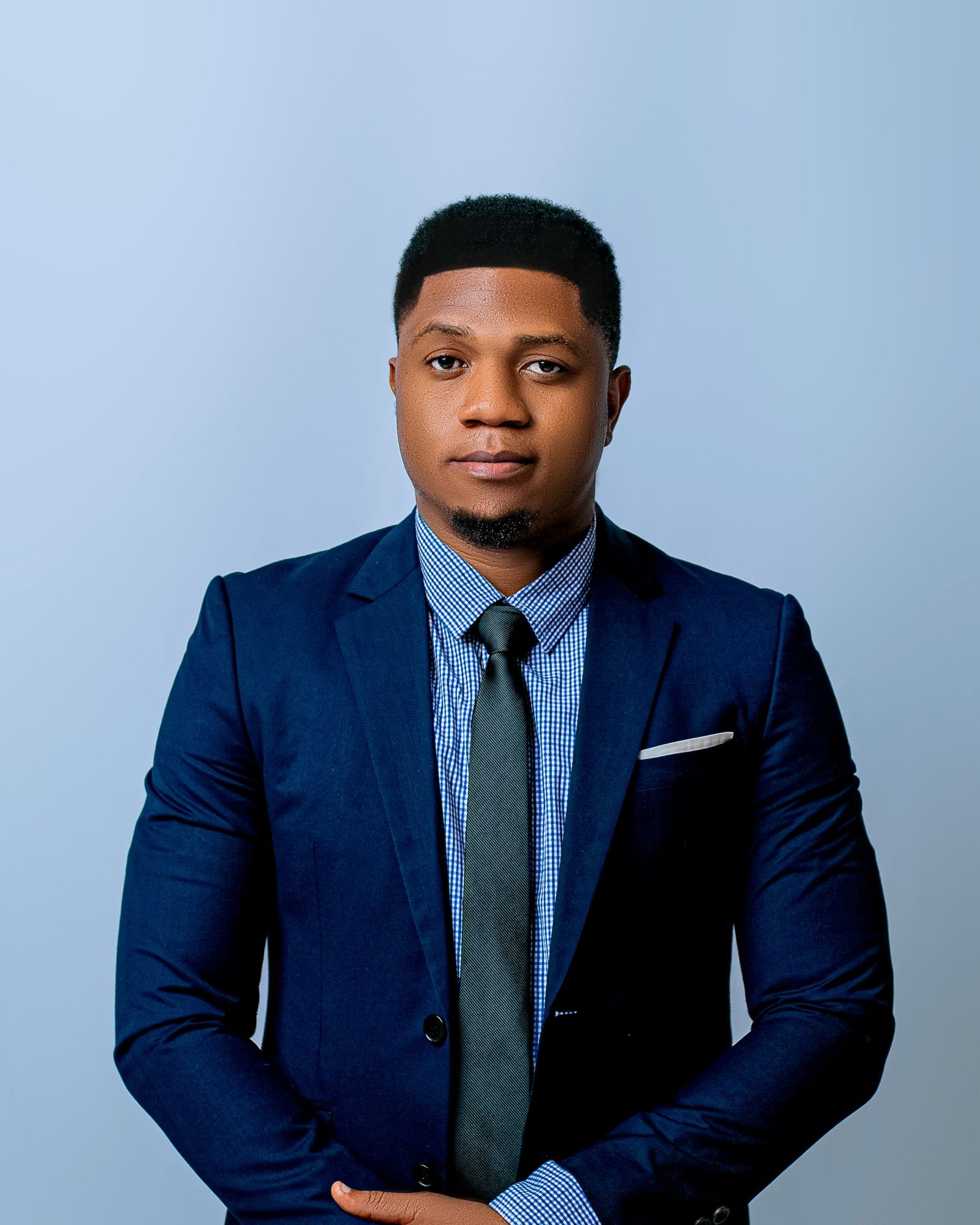
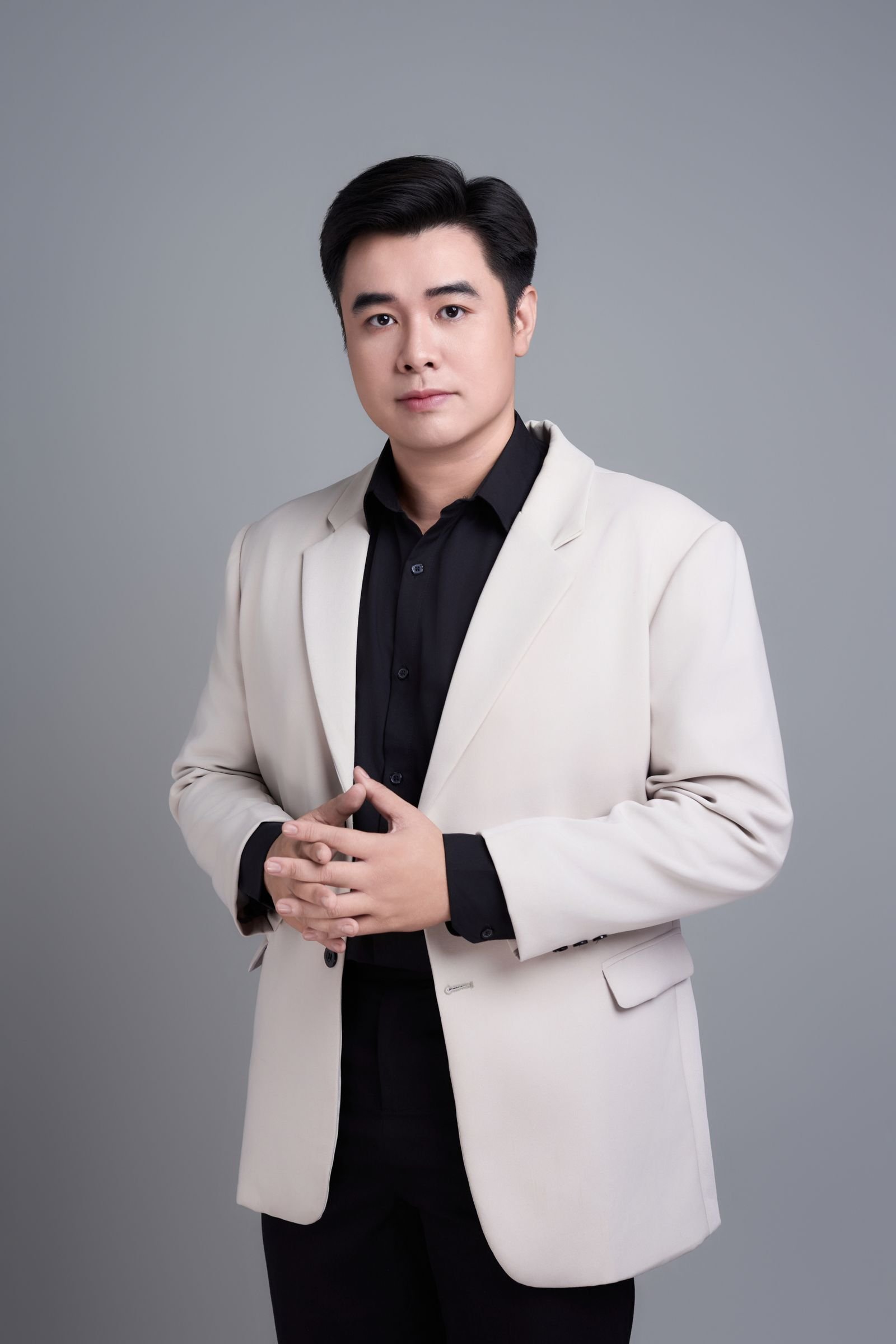
Studio portrait of a confident man in a navy suit, checked shirt, and dark tie against a light gray background

Where AI Headshots Fail

Your Face, Approximately

AI headshot generators do not photograph you. They learn you, roughly, from a handful of selfies, and then they render a face that looks kind of like you. That “kind of” is the problem. The most common complaint is simple: it does not look like me. The generator narrows your jaw, changes your eye spacing, smooths out the asymmetry that makes you recognizable, and hands you a slightly better looking stranger. The whole point of a headshot is that someone who has only seen the photo recognizes you in a meeting. AI fails this test regularly.

The Telltale Artifacts

Spend five minutes in any thread about AI headshots and you will find the horror stories: crossed eyes, a sixth finger on a shoulder, teeth that merge into a white blob, ears that dissolve into the background, glasses frames that bend in impossible directions. Some outputs are genuinely cursed. The generators are better than they were two years ago, but they still invent details where they are uncertain. A photographer does not invent your face. The camera captures exactly what is there, which is the entire job.

Uncanny Uniformity

There is a second problem that gets less attention. AI headshots all look the same. The same blurred office background. The same navy blazer. The same confident-yet-approachable expression. When an entire executive team uses the same generator, the company page reads like a lineup of clones. Your headshot is supposed to differentiate you. A generated image gives you the visual equivalent of stock photography of yourself. If you are a founder, an executive, or anyone whose personal brand carries weight, that uniformity is costing you.

The Authenticity Problem

Press outlets are increasingly requiring authentic, verifiable photos of the people they cover. Editorial teams do not want to discover that the executive in the story has a synthetic face. Speakers, authors, and board members are being asked for real portraits. Even where nobody checks, the risk is social: if someone suspects your headshot is fake, they start wondering what else about your presentation is fake. Trust is the currency, and a real photograph is a small, affordable way to earn it.
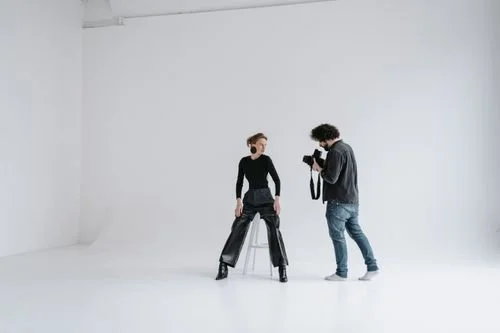
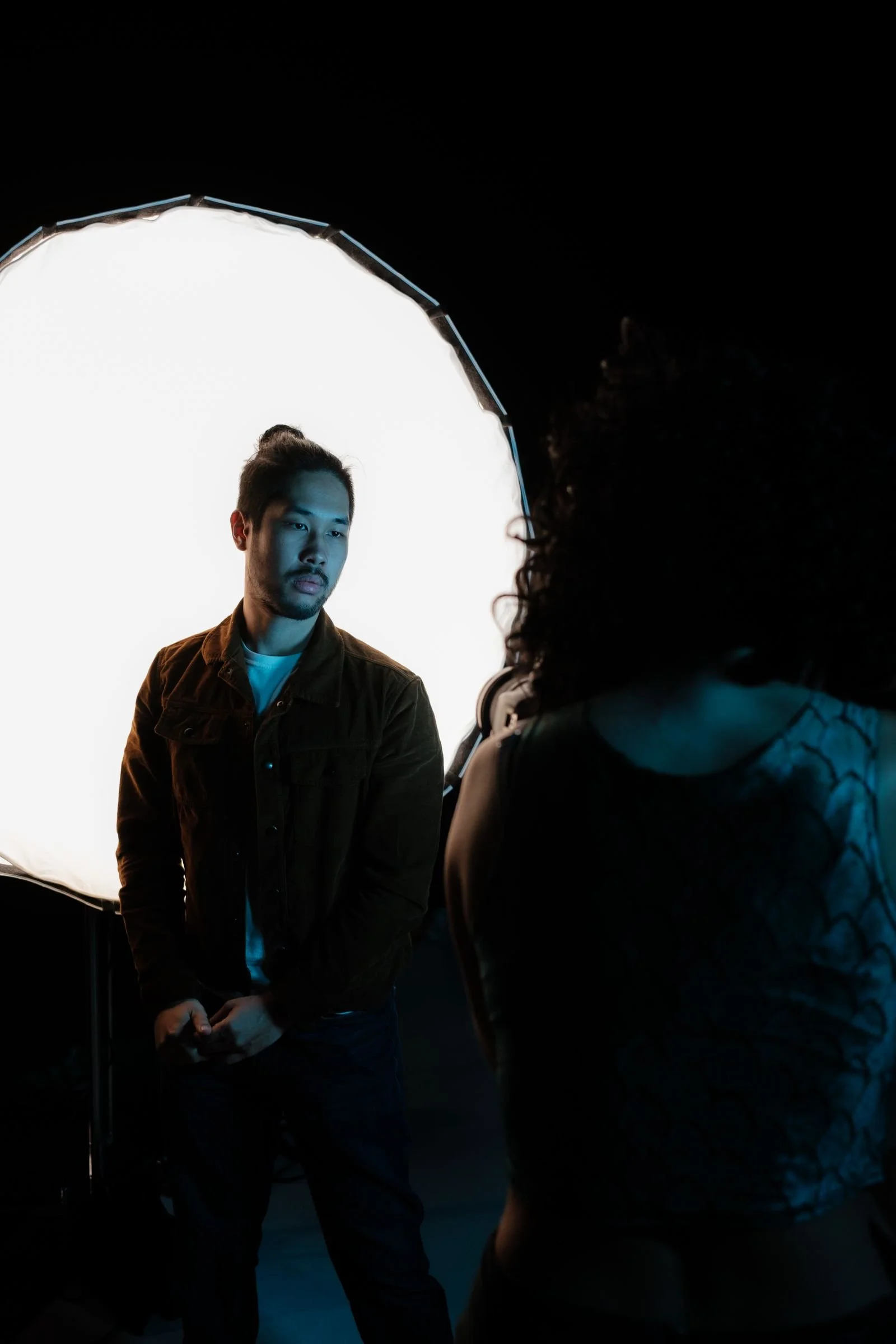
Photographer with a camera directing a seated model during a photo shoot in a bright white studio

Where AI Headshots Are Fine

I am not going to tell you AI headshots are useless. They have a legitimate place. If you need an internal Slack or Teams avatar and the stakes are zero, an AI headshot works. Nobody in the company channel is studying your face for authenticity. If you are job hunting and need a placeholder photo for a job board profile tonight, a decent AI result beats a bathroom selfie. Low-stakes, temporary, and internal: that is the lane where AI headshots belong. The mistake is using a low-stakes tool for a high-stakes job. Your LinkedIn photo, your company bio, your speaker page, your book jacket, your press kit. Those are high-stakes. People make decisions about you based on those images, and a photo that is almost you sends exactly the wrong signal.

What a Real Photographer Delivers That AI Cannot

Direction That Relaxes You

Most people hate being photographed, and it shows. The tight jaw, the frozen smile, the eyes that look scared. A good photographer sees that in the first ten seconds and fixes it with direction. Small adjustments to your chin, your shoulders, your breathing. A joke that gets a real expression out of you. A rhythm to the session that makes you forget the camera exists. AI cannot direct you. It cannot see that you hold tension in your shoulders or that your real smile is the one that happens right before you think about smiling. Twenty-seven years of directing people, from first-time founders to the most photographed people on the planet, has taught me that the difference between a stiff photo and a great one is almost never the camera. It is the direction.

Real Light on Your Actual Face

Lighting is the thing AI imitates worst. A generated headshot paints plausible-looking light on a plausible-looking face. A real session shapes actual light around your actual bone structure. The softbox that takes ten pounds off your face. The rim light that separates dark hair from a dark background. The fill that keeps your eyes alive without flattening your features.

Retouching That Keeps You Recognizable

Professional retouching is not plastic skin and erased wrinkles. It is removing the temporary stuff, the blemish, the under-eye shadow from a bad night, while keeping everything that makes you you. The line between polished and fake is a judgment call, and it takes a human eye to make it. I leave the things that give people character. If it is a mole or something like that, it stays. If it is a blemish like a pimple, I take it out.

Coaching for Camera-Shy People

Ask anyone who has sat for me and they will tell you the same thing: the session is fun. That is not an accident. A huge part of the job is managing the psychology of the person in front of the lens. Most executives are brilliant in a boardroom and miserable in front of a camera. My job is to get the boardroom version of them to show up in the frame. No app can do that. The camera-shy client is exactly the person who needs a photographer most.
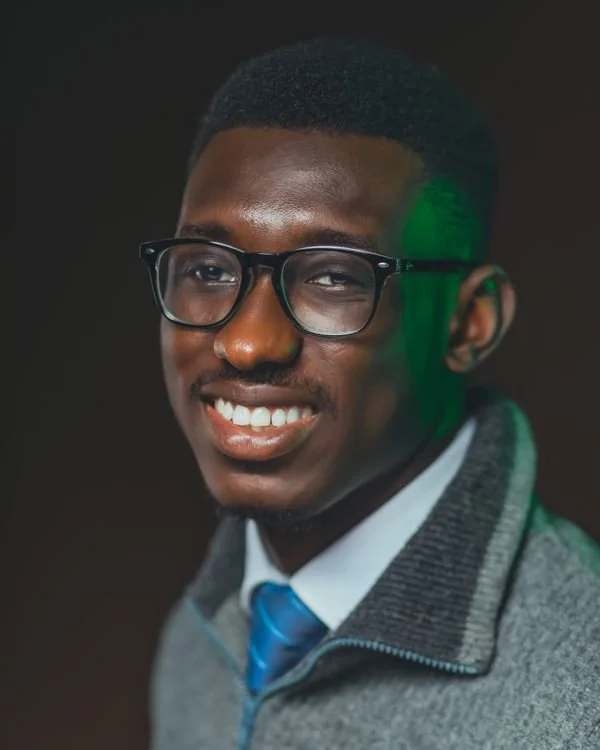
Smiling professional headshot of a man with glasses wearing a gray blazer and blue tie against a dark background

What It Actually Costs

Here is the part people assume is a problem and is not. My headshot sessions in Los Angeles run: two looks for $1,500, three looks for $1,900, four looks for $2,300, five looks for $2,500. A look is a full wardrobe and styling change, shot and directed by me, so you walk out with multiple distinct, usable portraits. Corporate teams, speakers, authors, executives. Everyone gets the same treatment I give celebrity subjects. Think about what that headshot does. It sits on your LinkedIn, your company site, your speaker bio, your press kit, your book cover. It works for you for years. Amortized over the hundreds of first impressions it shapes, it is one of the cheapest high-leverage investments a professional can make. The AI version costs less because it delivers less: a likeness that is approximate, a look that is generic, and a file you will quietly replace the moment you can.

The Verdict

Use AI headshots for your Slack avatar. Use them as a placeholder. Use them for anything where nobody is making a decision about you. For everything else, the work a professional headshot has to do, earn trust, differentiate you, represent you accurately in rooms you have never entered, hire the photographer. The difference is not the camera. It is a human being who knows how to make you look like yourself on your best day, with light that actually touched your face. That is not something software can generate. When you are ready, book a session.

What Photographers and Clients Say

This debate is live everywhere right now, and both sides have a point. Here is what working photographers and the people who tried the AI route actually report.

PetaPixel's experiment with AI headshots produced the line that defines the whole problem. Friends and family kept saying the same thing about the results: "It's you, but it's not you."

Photographer Chris Gillett framed the trust issue bluntly: "It's hard for me to trust you if I know you're lying to me." His point is that a headshot is a first handshake, and a generated one starts the relationship on fiction.

And photographer Ben Marcum, who is fair about the technology's place, still landed here: "You have started the relationship with a small deception, even if that was not your intent."

My take: there is nothing wrong with AI headshots except they are not real. It comes down to whether you are authentic or willing to let AI represent you.
How Do Actors Choose a Headshot Photographer?

Your headshot is your audition before the audition. Casting directors in Los Angeles spend seconds deciding whether your photo gets pinned, submitted, or passed over. That makes choosing a headshot photographer a business decision, not a cosmetic one. Here is how to make it.

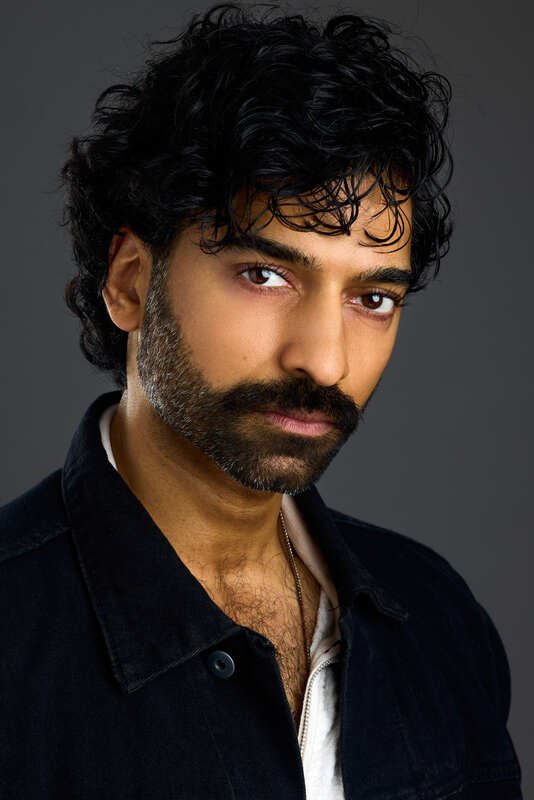
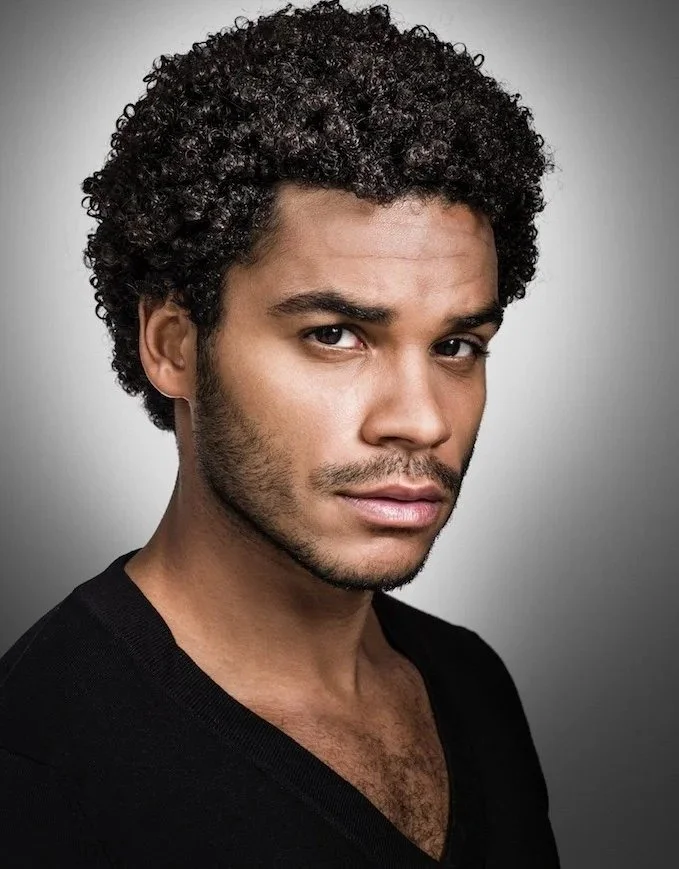
Los Angeles actor headshot of a man with dark curly hair and light stubble in a black v-neck shirt against a gray studio backdrop

Start With the Portfolio, Not the Price

Every search should begin the same way: look at the work, not the package. A good portfolio answers three questions fast.

Do the Subjects Look Like Real People?

Look at the skin, the eyes, the expression. Do the actors look like actual human beings you could meet, or over retouched mannequins? Casting directors need to match the person in the photo to the person who walks into the room. If the retouching erases every pore and flattens every expression, the photographer does not understand this market. Ask directly: is retouching included, and what is the philosophy? A photographer who works with actors keeps skin texture intact, keeps the eyes alive, and removes only temporary distractions. If retouching is an expensive add on or outsourced to a bulk lab, keep looking.

Theatrical vs Commercial Range

Actors need theatrical headshots (film, television, drama) and commercial headshots (advertising, lifestyle). A strong portfolio shows both, and you should be able to tell them apart at a glance. Theatrical shots lean dramatic: lower key lighting, neutral backgrounds, intense eye contact. Commercial shots lean warm: brighter, approachable, a hint of a smile. If a photographer only shoots one style well, they can only serve half your career. Check that the subjects look castable across genres, not like one repeatable look with different faces.

Do You See Yourself in the Work?

Do the subjects feel like your type? If you are a character actor and the entire portfolio is fitness model commercial work, that photographer may be excellent at something that is not you. The portfolio should contain people who could plausibly audition for the same roles you do. You are buying headshots that fit your casting, not a generic session.

The Consultation: Does This Photographer Understand Casting?

A real headshot photographer talks to you before you pay. Even a short phone call tells you everything. First, does the photographer ask about your type and target market? A photographer who understands casting asks what roles you are going after, whether you need theatrical, commercial, or both, and what your agent says about your current look. A photographer who jumps straight to packages is selling photo sessions, not career tools. Second, does the photographer give wardrobe direction? Your look on the day matters as much as the lighting. A photographer who works with actors tells you what to bring, what fits your type, and what reads on camera. If the answer is “just bring whatever,” expect generic results. Third, do they understand how the images will be used? Headshots live on casting platforms, agent submissions, and IMDb. I can tell based on what you look like what types of roles you would be perfect for. Some people are good for horror roles. Some are good for the best friend. Some are good as fashion models. There are so many different profiles.

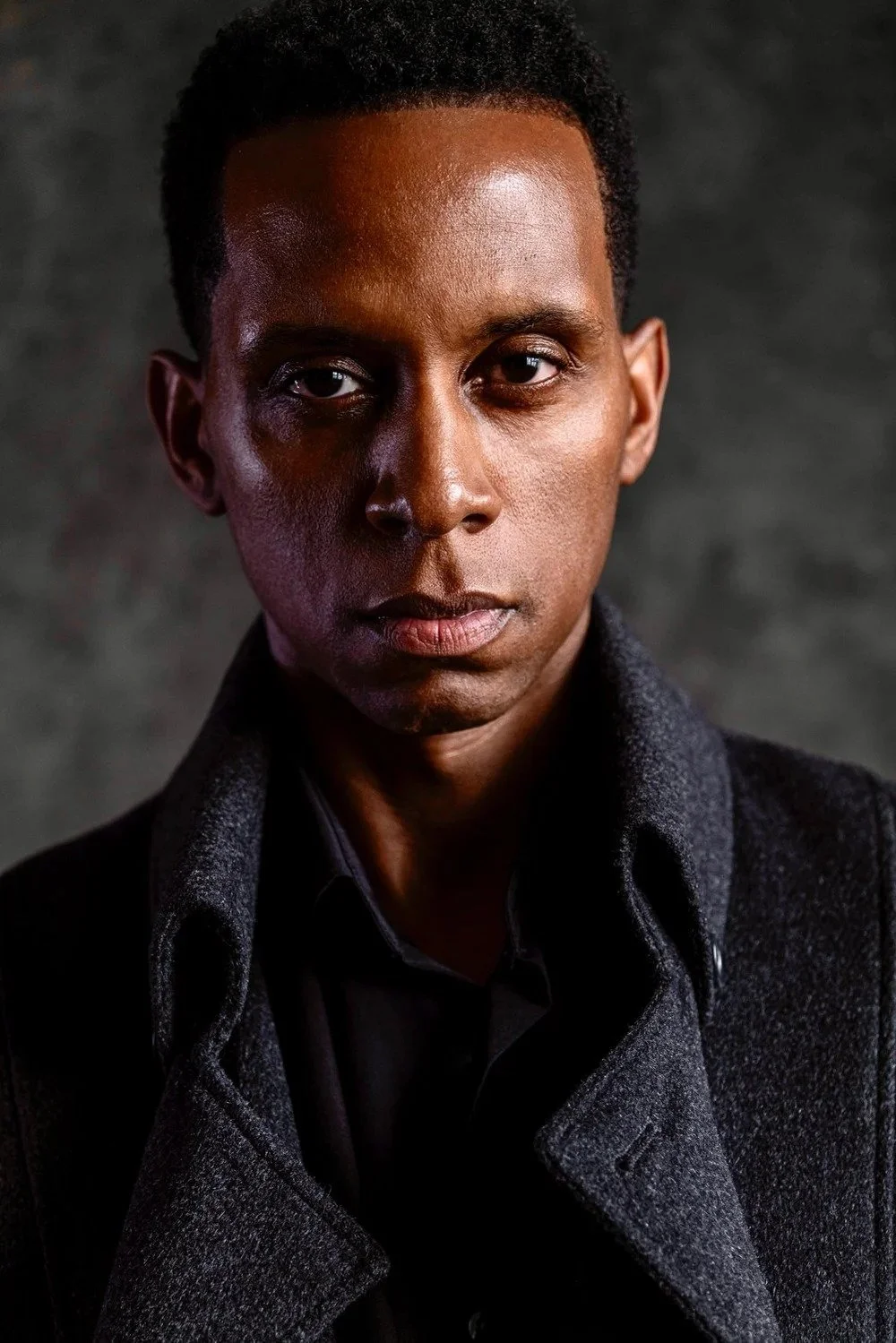
Cinematic theatrical headshot of an actor in a dark coat under dramatic low-key lighting against a gray background

Looks and Session Structure: How Many Is Too Many?

The most common mistake actors make is buying too many looks. The rule holds across the industry: 7 or 8 looks reads desperate to casting directors. It signals that you do not know who you are as a type, so you are throwing everything at the wall. It dilutes your brand. When a casting director sees eight versions of you, they remember none of them. Too many looks also confuse your essence. Each look should sharpen your casting identity, not scatter it. Two to five strong looks covering your theatrical and commercial range will outperform eight unfocused ones every time. A look means a full wardrobe and styling change, not a new backdrop with the same shirt. Confirm this definition with every photographer. Some studios count lighting changes as “looks” to inflate the number. A real look is a wardrobe change, shot and directed with intention.

What Agents and Managers Actually Look For

Your agent or manager is the end user of your headshots. Their standards are simpler than most actors think:

  • Clarity of type. One glance should tell them what you play: comedic best friend, dramatic lead, tough character actor. Ambiguous shots do not get submitted.
  • Current resemblance. The photo must match who walks in the room right now. Not three years ago, not twenty pounds lighter. Agents reject outdated headshots because casting directors punish them.
  • Technical quality. Clean neutral background, sharp focus on the eyes, retouching that preserves likeness. No harsh shadows across the face, no distracting backgrounds, no novelty crops.
  • Range without confusion. A theatrical shot and a commercial shot that both clearly read as the same person. Range means different sides of one identity, not different identities. If you have an agent, ask them before you book. A five minute conversation saves the cost of a reshoot.

Red Flags That Should Stop You From Booking

Walk away if you see any of these:

  • No actor specific portfolio. Weddings, families, and models mean the photographer does not shoot actors. Actor headshots are a distinct discipline with casting specific conventions.
  • No retouching included. A package with zero retouching leaves you with unfinished product.
  • Pressure to book more looks. Upselling from three looks to seven is a sales tactic, not a casting strategy. Excess looks hurt more than they help.
  • No consultation before booking. If the photographer takes your money without learning your type and goals, you are buying a commodity session.
  • Prices far below market. In LA, too good to be true means inexperienced work, bulk retouching, or no direction. Budget sessions cost more when you redo them.
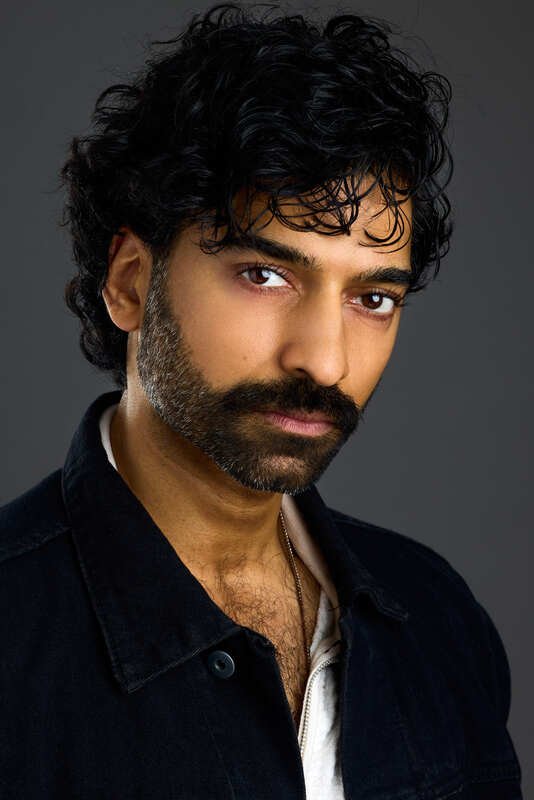
Studio actor headshot of a man with curly black hair and a beard wearing a dark jacket over a white shirt against a gray backdrop

LA Market Pricing Context

Los Angeles has more headshot photographers than any city in the country, and pricing reflects that. Expect to pay $250 or more per look at the professional level. Typical full sessions run $300 to $1,200 in LA, with additional looks at $100 or more each. Below that range, you are likely looking at newer photographers building a portfolio or high volume studios cutting corners on direction and retouching. Above it, you are paying for a serious track record, full production value, and a name that means something. My acting headshots are structured around complete sessions, not piecemeal upsells. A look is a full wardrobe and styling change, shot and directed by me personally, with professional retouching included. Read the full breakdown of my approach to acting headshots in Los Angeles:

  • 2 looks: $1,500
  • 3 looks: $1,900
  • 4 looks: $2,300
  • 5 looks: $2,500 Every session includes a consultation on your type and casting goals before we shoot.

The Authority Question

After twenty seven years as a celebrity photographer in Los Angeles, including work with actors for GQ, Vogue, InStyle, People, and Men’s Health, I have watched what casting directors and audiences actually respond to. A headshot is not a portrait of how good looking you are. It is a piece of casting communication. The photographer you choose should understand that difference in their bones. Ask one final question: does this person photograph the kind of subject I am, with the understanding my career needs? If yes, book them. If you have to talk yourself into it, keep looking. Your headshot is too important to settle on. To discuss your type, your market, and the looks that will serve your career, book a consultation. We will plan the session before you spend a dollar.

How to Hire a Corporate Event Photographer in Los Angeles

Hire a corporate event photographer who delivers fast, directs people well, and stays invisible to your guests. David Christopher Lee shoots corporate events in Los Angeles at $750 per hour, with 200 to 300 images delivered the next day.

What It Costs

  • $750 per hour
  • Half day (4 hours): $2,500
  • Full day (8 hours): $4,500

Rush delivery carries a rush charge. Next-day delivery is the standard because it is better for clients: your marketing team has real photos while the event is still news.

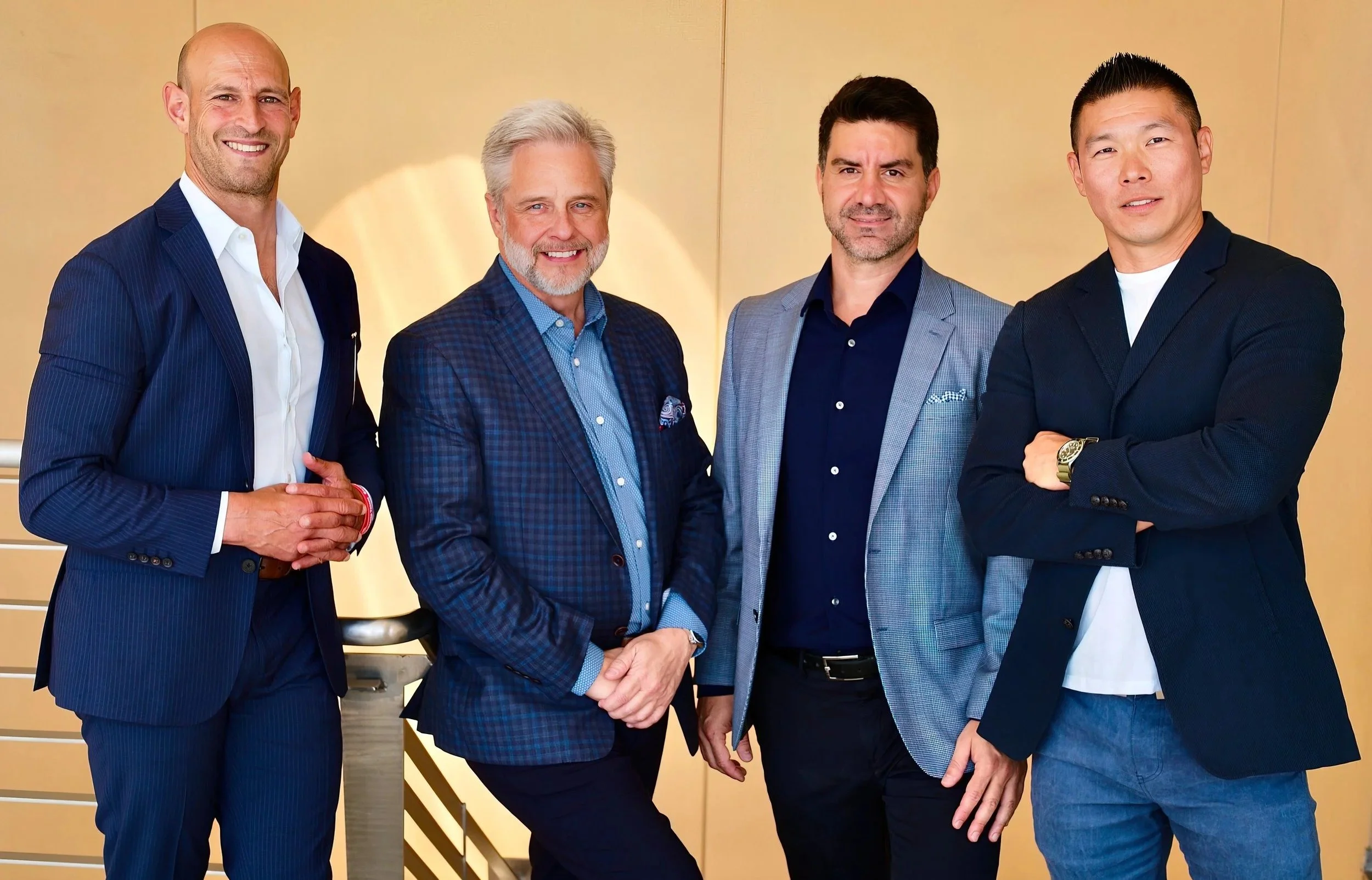
Corporate group photo of four businessmen standing together at a business event

What You Get

200 to 300 images, delivered the next day, shot and directed by a photographer with 27 years behind the camera. Portraits of Lady Gaga, the Kardashians, Richard Branson, and Ella Beatty, for GQ, Vogue, InStyle, People, and Men's Health. That same directing eye works a step-and-repeat, a keynote, and a crowded reception.

For headshot booths at conferences and company events, pricing depends on headcount. The booth runs on a QR code system that collects contact info and manages the line, so your team is not crowd-wrangling.

Match Sessions

If your company has an existing look from a previous shoot, send the files and David replicates it, AI-assisted. Multi-office companies and annual events stay visually consistent year to year.

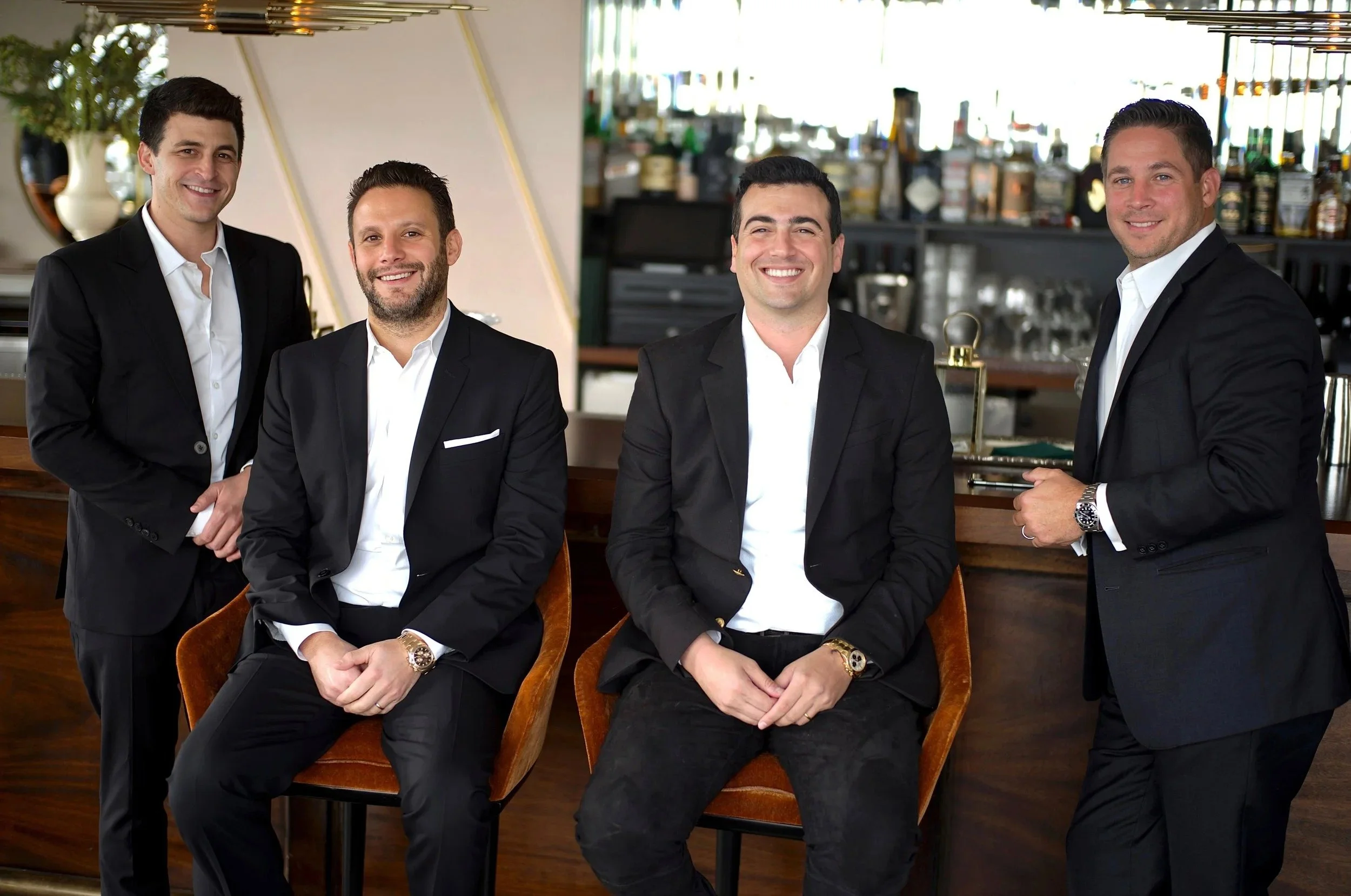
Corporate group photo of four businessmen in suits, two seated and two standing, at a business venue

Questions to Ask Any Event Photographer

  1. How fast is delivery? If the answer is two weeks, your event is old news before the photos arrive.
  2. Who actually shoots? Make sure the person you hire is the person holding the camera.
  3. How do they handle VIPs? Discreet, fast, and directed. Nobody wants to be stalked with a flash.
  4. What is the backup plan? Gear fails. Ask what happens when it does.

Frequently Asked Questions

How much does a corporate event photographer cost in Los Angeles?

David Christopher Lee charges $750 per hour, $2,500 for a half day (4 hours), and $4,500 for a full day (8 hours).

How fast will I get my photos?

200 to 300 images delivered the next day as standard. Rush delivery is available for a rush charge.

Do you shoot headshot booths at corporate events?

Yes. Booth pricing depends on headcount. The booth uses a QR code system that collects contact info and manages the line.

Can you match our company's existing photo style?

Yes. Send files from the previous shoot and the look gets replicated, AI-assisted, so multi-office and annual events stay consistent.

How do I book?

Call +1 (510) 326-4934 or reach out through the contact page. Half due to book, half due on shoot day.

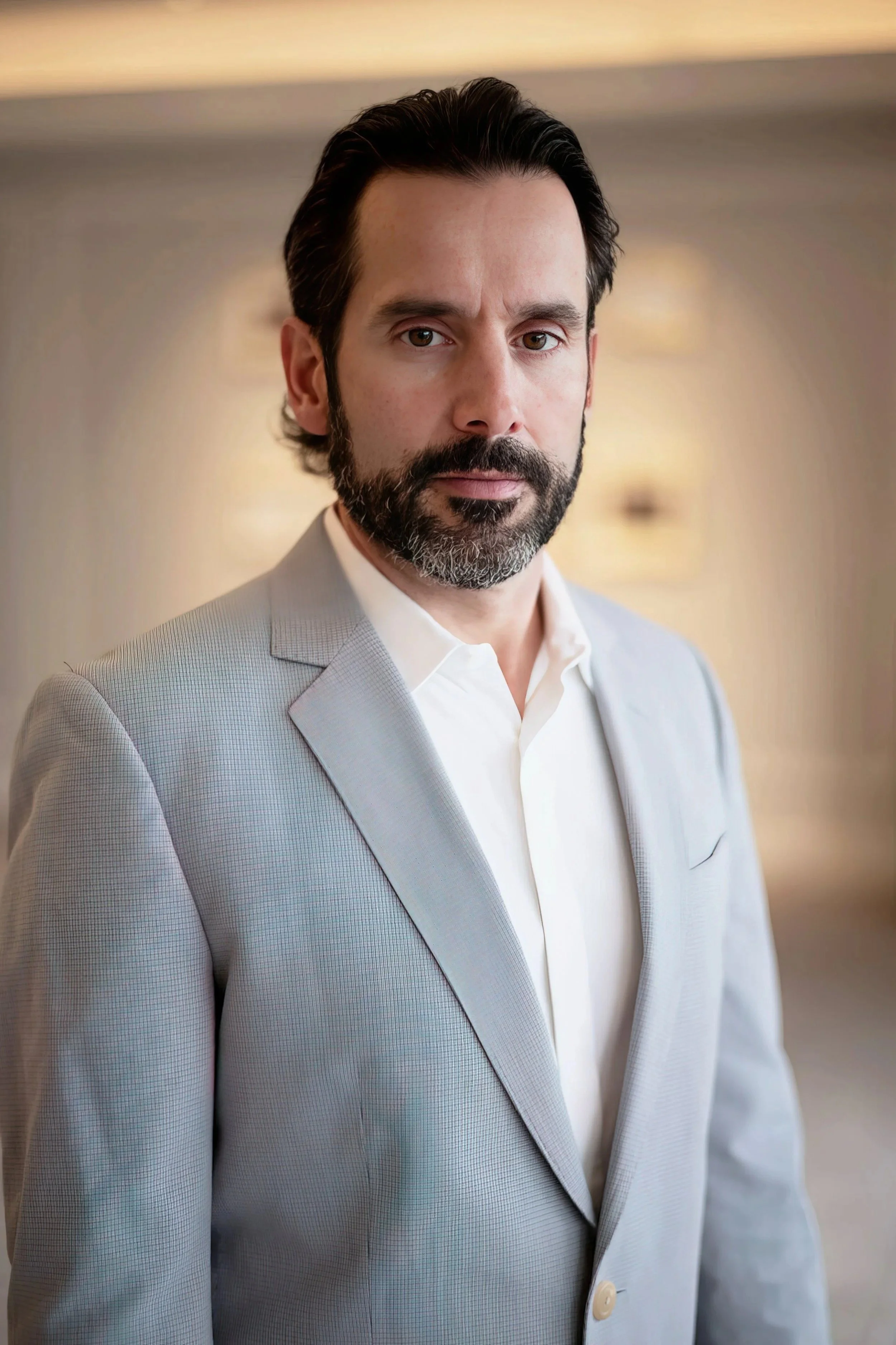
Corporate headshot portrait of a bearded businessman in a suit

What Should I Wear for Headshots?

David Christopher Lee's rule is simple: always shoot both tie and no tie, so you keep the option. One session, two versions of you, and you decide later which one opens the door.

After 27 years directing portraits of 100+ celebrities, here is the wardrobe guidance that holds up for actors, executives, and creatives alike.

The Tie Rule

Shoot the tie, then lose it. A tie reads authority and polish. No tie reads approachable and modern. Casting directors, boards, and bookers respond to different signals, and you cannot know in advance which one they want. Shooting both means you never have to guess.

Tops: Keep It Simple

Solid colors beat patterns every time. A pattern fights your face for attention, and your face should win. Rich, solid tones that complement your skin tone photograph best. Bring options in a few depths, from a dark anchor to a lighter alternative.

Professional headshot of a man with curly dark hair and a beard against a dark background

Fit Matters More Than Brand

A well-fitted $40 shirt photographs better than a sloppy $400 one. Make sure collars sit clean, sleeves hit right, and nothing pulls. Iron or steam everything before the session.

Grooming

Hair should look like you on your best day, not like a different person. Keep it natural and controlled. For men, clean up the neckline and skip the five o'clock shadow unless it is your signature. For women, makeup should enhance, not mask. The camera reads everything.

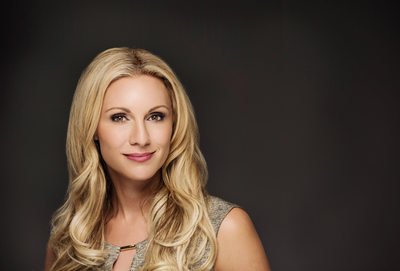
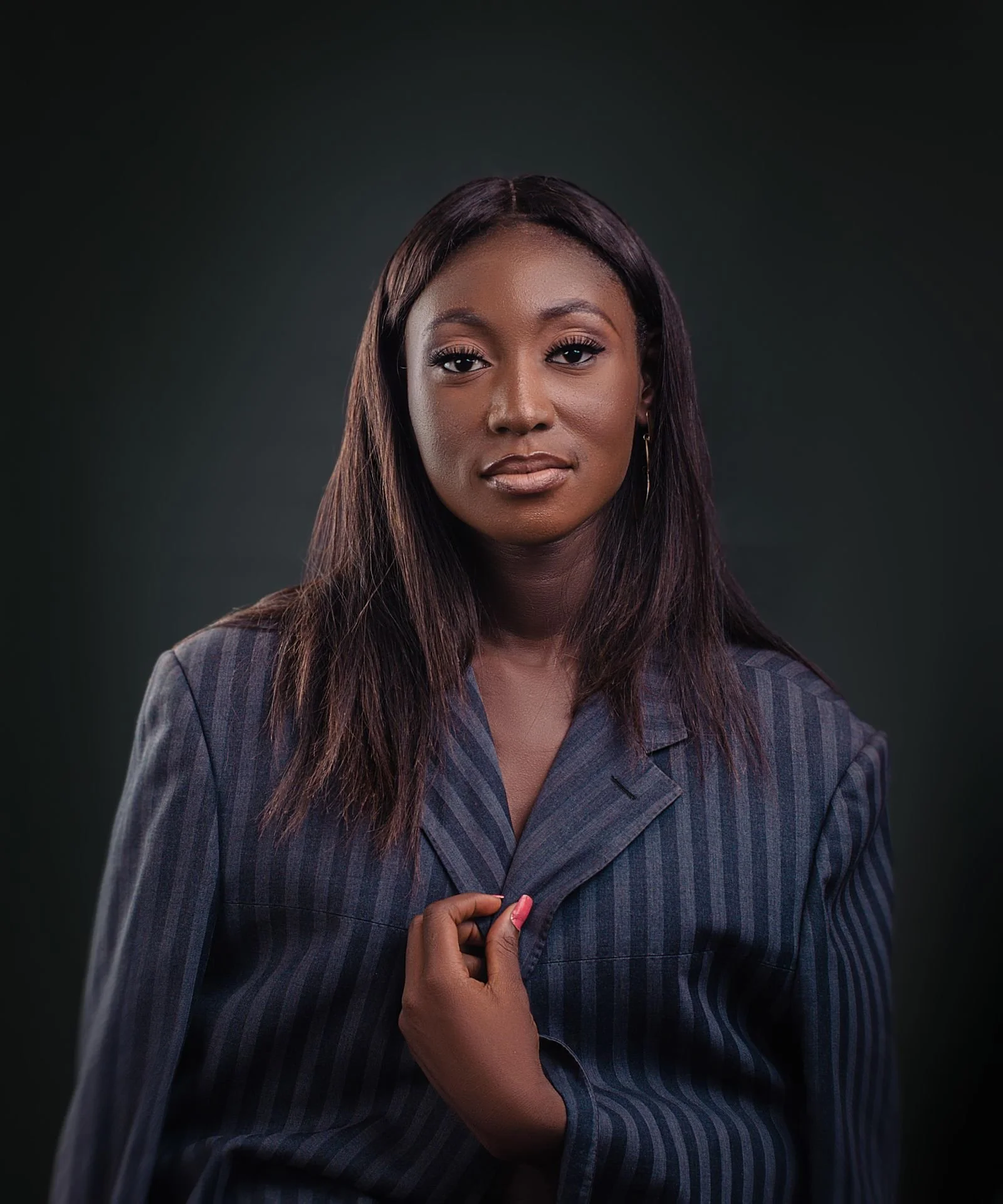
Professional headshot of a smiling blonde woman against a dark background

What to Bring

Bring more than you think you need. Lay out three to four full options, including the tie and no-tie versions. Your photographer will help you narrow it down to the strongest looks for what the photos are for.

Frequently Asked Questions

What should I wear for headshots?

David Christopher Lee's rule: always shoot both tie and no tie, so you keep the option. Bring solid colors that complement your skin tone, well-fitted tops, and three to four full wardrobe options.

Should I wear a tie in my headshot?

Shoot it both ways. A tie reads authority, no tie reads approachable. Having both versions means you are covered for any audience.

What colors photograph best for headshots?

Solid, rich colors that complement your skin tone. Avoid busy patterns, neon, and anything that pulls attention away from your face.

Should I get a haircut before headshots?

Get one a week before, not the day before, so it settles into looking like you. Avoid trying a brand-new style right before a session.
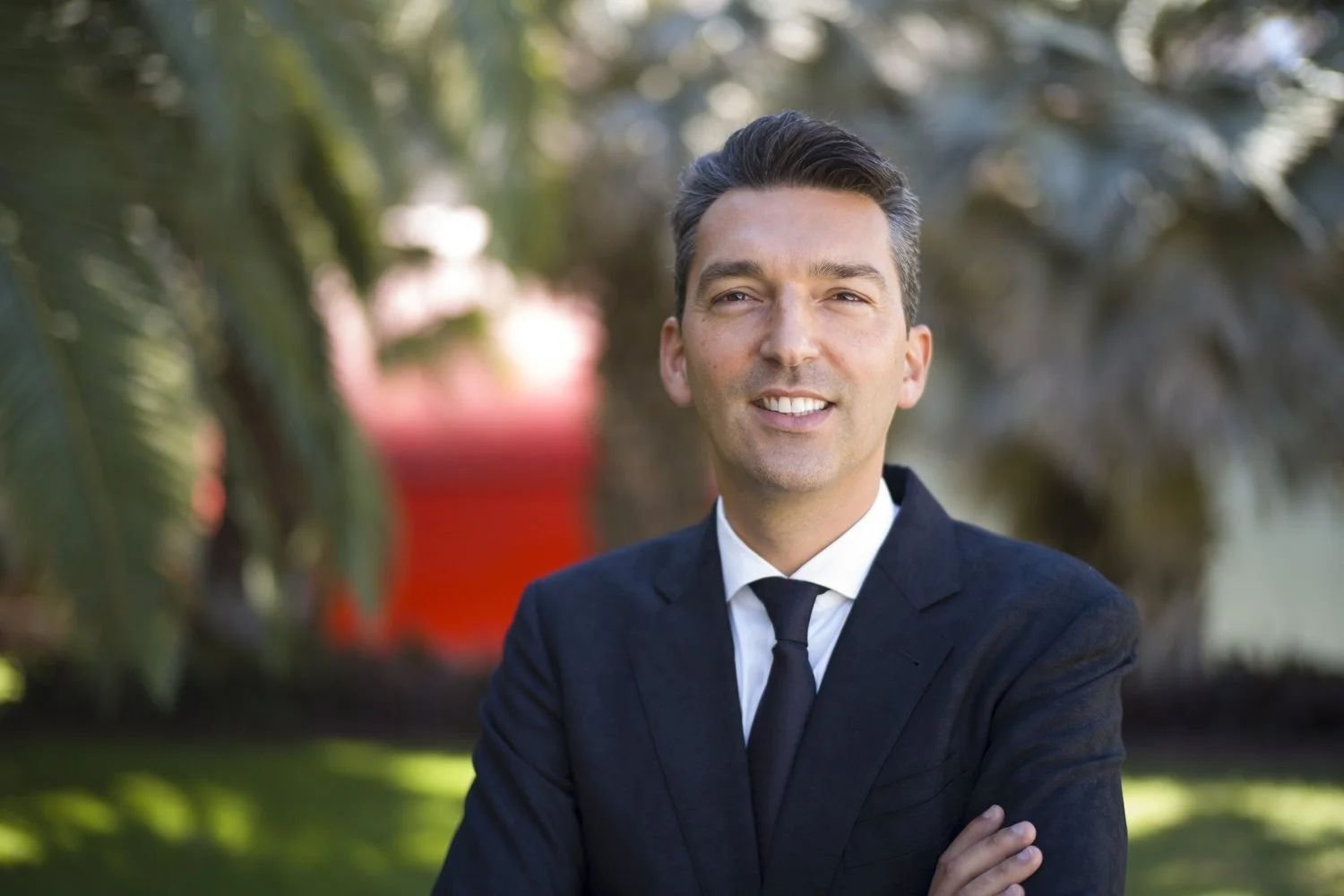
Outdoor corporate headshot of a smiling man in a dark suit and tie against a blurred background

How Much Does a Headshot Cost in Los Angeles?

How Much Does a Headshot Cost in Los Angeles? (2026 Pricing Guide)

Headshot prices in Los Angeles run from $150 to well over $2,000, and the number on the quote tells you almost nothing until you know what is behind it. A $250 session and a $1,500 session are not the same product at different prices. They are different products.

I have shot headshots in Los Angeles for 27 years. Executives, actors, founders, attorneys, real estate teams. Here is what headshots actually cost in this city in 2026, what moves the price, and how to make sure you are paying for photography, not marketing.

The short answer: Los Angeles headshot price ranges

Most professional headshot sessions in Los Angeles fall into three tiers:

Budget: $150 to $300. Usually a short session, one background, one or two final images, light retouching. Often shot by newer photographers building portfolios or by high-volume studios running back-to-back 20-minute slots.

Mid-range: $300 to $800. The working professional tier. A real session with direction, wardrobe changes, multiple backgrounds, and several retouched final images. This is where most competent Los Angeles headshot photographers live.

Premium: $800 to $2,000+. Established photographers with deep portfolios, full sessions, extensive retouching, and often hair and makeup on set. See our Executive Headshots in Los Angeles guide.

Nationally, the numbers track the same shape. Photo AI Studio's 2026 state-by-state guide puts the national average for a professional headshot session between $200 and $500 for a single look, with premium packages running over $2,000. Visuals Clipping's breakdown lands in the same territory: $150 to $300 mid-level, $300 to $1,200 professional tier. Los Angeles sits at the top of every national range, because the market is bigger, the competition fiercer, and the standard higher.

What a "Look" Means

A look is a full wardrobe and styling change, shot and directed start to finish. Two looks might be a suited corporate frame and a relaxed editorial portrait. Each look is its own setup, with its own lighting and direction.

My headshot rates: 2 looks: $1,500. 3 looks: $1,900. 4 looks: $2,300. 5 looks: $2,500.

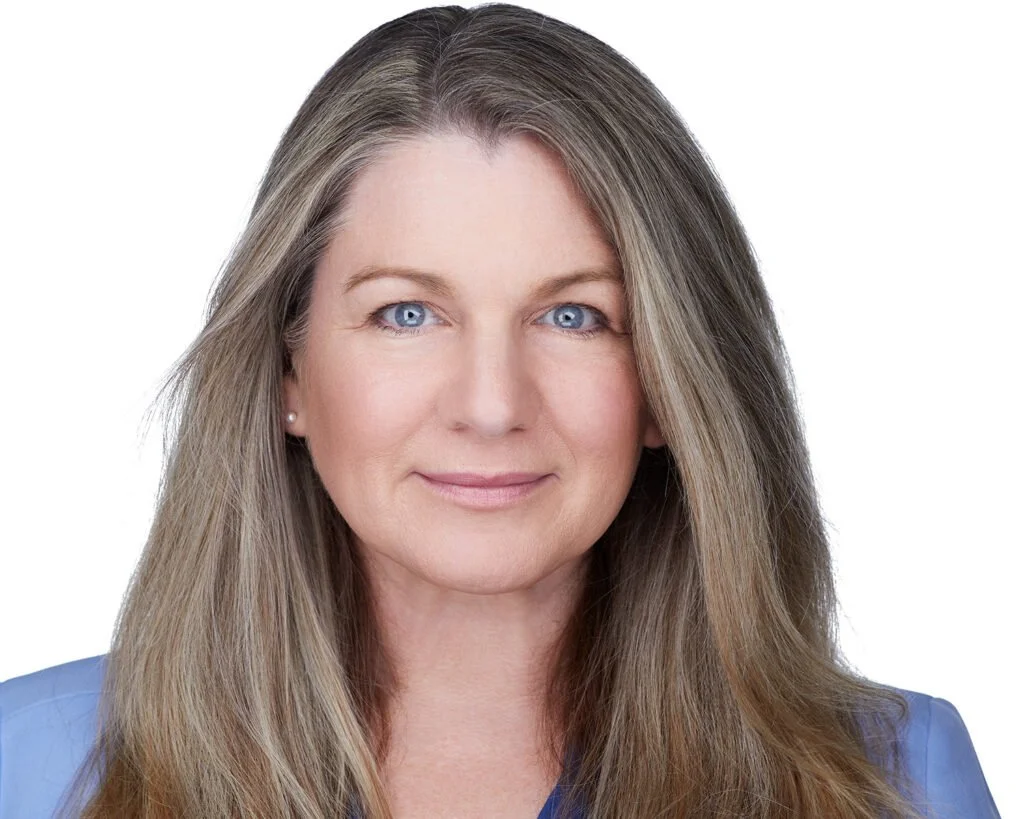
Professional headshot of a smiling woman with long brown hair and blue eyes against a white background

What a headshot session actually includes

Before comparing prices, make sure you are comparing the same thing. Here is what the price is supposed to cover: the shoot itself (session length, direction, lighting, backgrounds), the number of final retouched images (always ask how many you take home), professional retouching (my rule: keep what gives character, remove what is temporary, moles stay, pimples go), usage rights, and turnaround time.

Why headshot prices vary so much

Three things drive the price: the photographer's experience, the session length, and what you walk away with. After 27 years photographing Lady Gaga, the Kardashians, Richard Branson, and Ella Beatty, the difference is in the directing. The eyes are everything: open eyes, catch light, great expression. That is what you are paying for.

The $150 headshot versus the $1,500 headshot

At $150 to $300, you are buying efficiency: a competent photographer, a clean background, decent light, a usable LinkedIn photo. At $1,500 and up, you are buying three things the budget tier cannot offer: time (a full session with room to warm up), direction (a photographer who has shot thousands of faces), and finishing (retouching by someone who understands your face is not a problem to be solved). Casting directors, hiring managers, and clients can tell the difference in about two seconds. For teams and companies, see our corporate headshot photography services.

What About AI Headshots?

There is nothing wrong with AI headshots except that they are not real. They are a statistical approximation of you, smoothed into someone who looks employable. For anything where trust matters, they are a liability. For casting directors, agents, and executives who meet you in person, a real portrait still wins.

Studio headshot of a smiling woman with wavy brown hair against a gray backdrop

How to get the most for your money

Prepare like it matters (sleep, hydrate, clean grooming). Bring both options: my standing rule is shoot both tie and no tie, and keep the option. Know what the image is for before the session, not during it. Ask about the selects process: you should see proofs and choose your own favorites. For a full walkthrough, read our guide on how to prepare for a headshot session.

Frequently Asked Questions

How much does a headshot cost in Los Angeles? Professional sessions typically run $150 to $300 at the budget tier, $300 to $800 mid-range, and $800 to $2,000+ for premium photographers. David Christopher Lee's sessions start at $1,500 for 2 looks.

What is a "look"? A full wardrobe and styling change, shot and directed start to finish, each with its own lighting and direction.

How long does a session take? Most run one to two hours. When David shot Linda Hamilton, they did three looks in about an hour.

What should I wear? Always shoot both tie and no tie, so you keep the option. Solid colors, no distracting patterns.

Why are professional headshots so expensive? You are paying for the photographer's experience and direction, professional lighting, and skilled retouching. Widely cited industry research finds LinkedIn profiles with a photo are 14 times more likely to be viewed.

The bottom line

Decide what the image needs to do, match the tier to the stakes, and vet the portfolio before you vet the price. A cheap headshot you never use is the most expensive option of all. Get in touch to schedule your session.

Professional headshot of a smiling woman with long blonde hair in a red top against a gray background

Photography Industry Statistics 2026

Journalists, bloggers, and researchers cite this page because it collects the photography industry's most useful numbers in one place. Every figure below comes from a named, linked source. If you use these stats in an article, a link back to this page is appreciated.

Headshot Photography Pricing in 2026

Professional headshots are the most searched photography service in the United States, and pricing varies widely by market, session type, and what is included.

National Averages by Session Type

National averages for a professional headshot session in 2026 run between $200 and $500 for a single look, according to Photo AI Studio's 2026 state-by-state guide (photoaistudio.com). Premium packages with high-end or celebrity photographers run over $2,000.

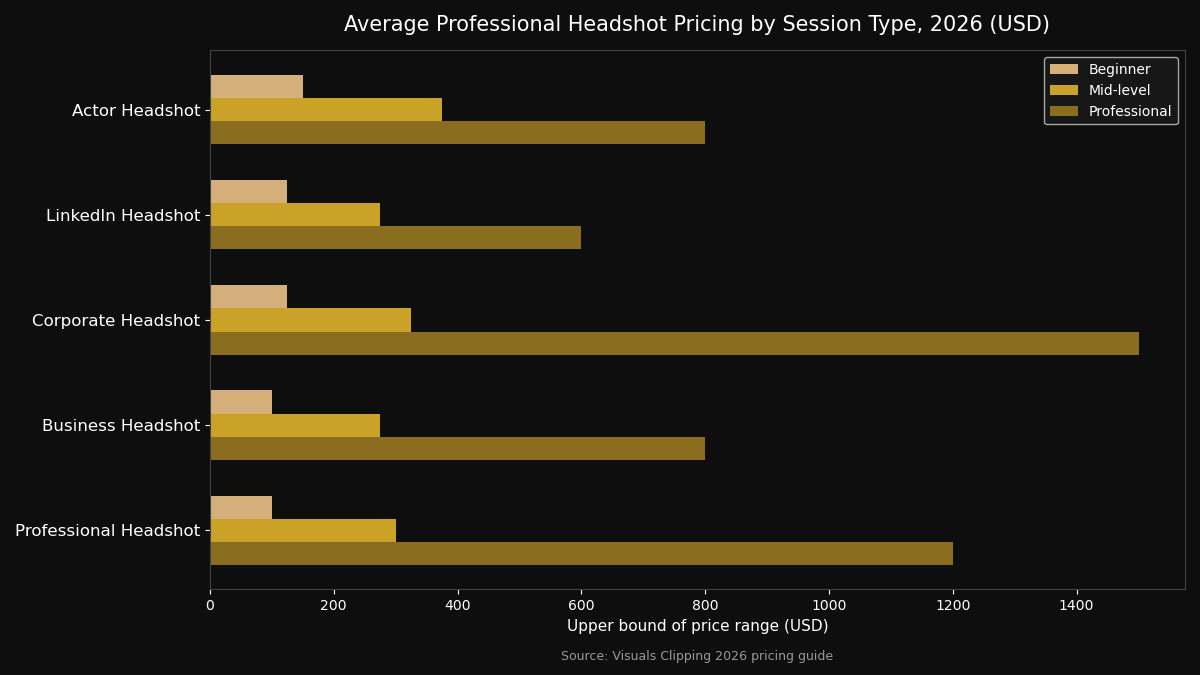
A broader pricing breakdown from Visuals Clipping shows the range clearly (visualsclipping.com):

  • Professional headshot: $50 to $100 (beginner) / $150 to $300 (mid-level) / $300 to $1,200 (professional)
  • Business headshot: $50 to $100 (beginner) / $150 to $275 (mid-level) / $300 to $800 (professional)
  • Corporate headshot: $75 to $125 (beginner) / $175 to $325 (mid-level) / $350 to $1,500 (professional)
  • LinkedIn headshot: $75 to $125 (beginner) / $150 to $275 (mid-level) / $300 to $600 (professional)
  • Actor headshot: $75 to $150 (beginner) / $200 to $375 (mid-level) / $450 to $800 (professional)

Photography Shark, a Boston studio, reports that independent professional photographers typically charge $250 to $600 for a session with studio lighting, multiple looks, and several retouched images, while high-end major-city studios run $700 to $2,000 or more (photographyshark.com).

The headline price tells only part of the story. Many studios charge separately for retouching, and a session quoted at $200 can mean one finished image or ten. Bark's Australia data puts the average headshot session at $200 across its network of 3,600 photographers, with corporate and LinkedIn sessions at the lower end (bark.com).

Corporate Event Photography Market

Corporate and event photography is one of the fastest-growing segments of professional services. According to 360iResearch, the global event photography and videography services market was worth an estimated $9.05 billion in 2025 and is expected to reach $9.77 billion in 2026, growing at a 7.7% compound annual rate to $15.22 billion by 2032 (360iresearch.com).

MarkWide Research puts the global business photography services market, which covers corporate event photography, product photography, and commercial photography, at $12.8 billion in 2026, growing at 6.4% annually to $22.37 billion by 2035 (markwideresearch.com).

The broader photographic services market, including professional services, stock licensing, and photofinishing, is forecast by Mordor Intelligence to rise from $37.51 billion in 2025 to $39.21 billion in 2026, reaching $48.91 billion by 2031 (industrytoday.co.uk).

The shift is toward real-time, multi-format content: same-day previews, short-form vertical video, and social-ready galleries alongside conventional coverage. Companies investing in brand storytelling are driving demand.

Wedding Photography Costs

Wedding photography remains one of the most universally prioritized wedding expenses. 88% of couples hire a professional photographer, according to Wedding Speeches AI's 2026 roundup (weddingspeechesai.com).

  • The average photography spend among couples who hire a photographer is $3,000 (Wedd Wednesday, 2026, weddnesday.com).
  • A 2026 cost survey puts the photography average at $3,800 for roughly 8 hours of coverage (theglobalstatistics.com).
  • A survey of 138 US photographers found the average package price is $5,800 for up to 10 hours of coverage, while the average couple spend is $2,900. The gap reflects the wide range between entry-level and premium options (kandephotobooths.com).
  • Wedding photography packages in 2026 typically range from $1,500 to $12,000 or more, with most couples in major metro areas investing $3,500 to $6,500 for a mid-range package (twaphoto.com).

The wedding photography segment is forecast to grow at a 7.3% compound annual rate over the next decade, driven by AI-enhanced editing tools and demand for social-ready content.

The ROI of a Professional Headshot

The numbers behind professional headshots make the business case plain.

LinkedIn's own published research has repeatedly shown the effect of a profile photo. LinkedIn's 2017 Sales Blog reported that members with a photo receive 21 times more profile views and 9 times more connection requests (businessportraits.ca). LinkedIn's Talent Blog restated the 14-times-more-views figure as recently as August 2024.

Additional findings:

  • 72% of job seekers report that a professional photo improved their chances of landing interviews (photoaistudio.com).
  • InMail response rates increase by up to 5 times when sent from profiles with professional photos (Photo AI Studio).
  • A 2025 recruiter eye-tracking study found evaluators spend about 19% of viewing time, roughly 1.4 seconds, on the profile photo, and that an uncluttered background produced a 41% lift in trust ratings (secta.ai).

A headshot is not vanity. It is the first impression a recruiter, client, or casting director gets, and the data says it moves outcomes.

Camera Market Size and the Mirrorless Shift

The tools of the trade tell their own story. Mordor Intelligence estimates the global digital camera market at $10.19 billion in 2026, up from $9.74 billion in 2025, growing at 4.62% annually to $12.78 billion by 2031 (giiresearch.com).

The growth driver is mirrorless. The global mirrorless digital camera market is valued at $4.69 billion in 2025, projected to reach $4.97 billion in 2026, growing at a 6.45% annual rate through 2032 (360iresearch.com).

AI-driven subject tracking, in-body image stabilization, and full-frame sensors are the core innovation pillars, while smartphone computational photography continues to displace entry-level point-and-shoot cameras. The professional tier keeps growing because clients keep paying for quality they cannot get from a phone.

AI Headshots vs Real Photographers

The newest disruption is AI-generated headshots. The AI headshot market exceeded $350 million in 2025 and is projected to surpass $450 million by 2026, according to Narkis.ai's 2026 industry data (narkis.ai).

  • 44% of Americans say they would consider using an AI-generated headshot for professional purposes (Tech.co survey of 2,000 US adults, 2025).
  • HeadshotPro reports generating over 12 million AI headshots for more than 80,000 customers as of 2024.
  • The market grew approximately 150% year over year from 2024 to 2025 (Headsnap.io Industry Report, 2025).

The cost gap is real. Traditional headshot photography runs $150 to $500 or more per session for 5 to 20 photos, while AI alternatives start at $27 for 200 or more photos (Narkis.ai, 2026). One industry analysis notes AI services charge $24 to $79 for 50 to 300 portraits, versus $300 to $1,000 or more for a traditional session (business-money.com).

What AI cannot do is direct you. A real session gives you expression coaching, lighting designed for your face, and a photographer who knows which frame reads as confident rather than stiff. For executives, actors, and anyone whose face is their brand, that direction is the product.

Chart: Average Headshot Session Pricing by Type, 2026

Book a Photographer Who Knows These Numbers

Statistics describe the market. A session with a working professional applies them. If you need corporate headshots in Los Angeles, see what 27 years behind the camera buys you, then get in touch.

Jaime Pressly: The 2005 Clothing Line Shoot | David Christopher Lee

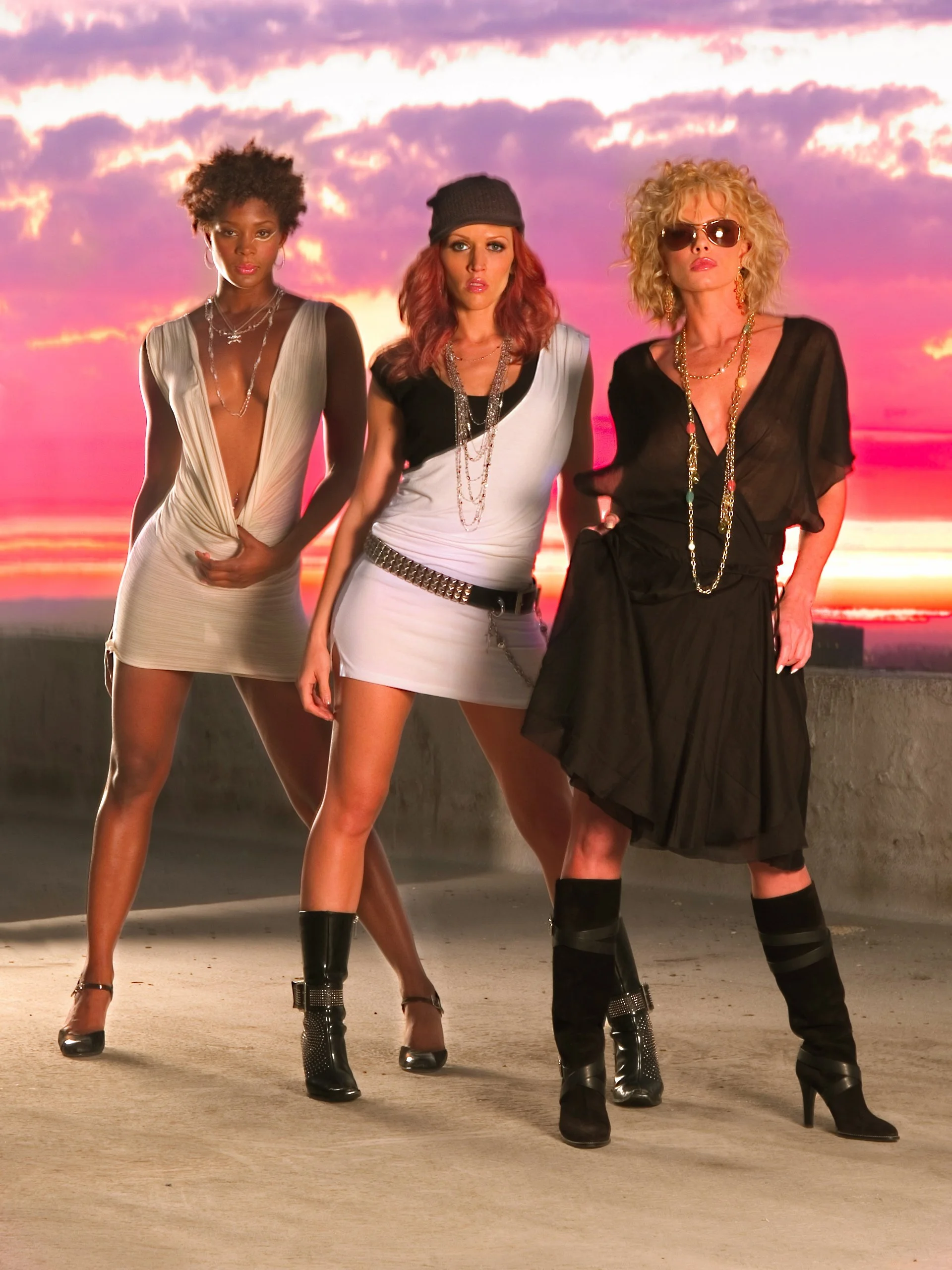
Jaime Pressly (center, black beanie) with two models on a downtown Los Angeles rooftop during her 2005 clothing line shoot, photographed by David Christopher Lee

The portrait

The frame holds three women on a downtown Los Angeles rooftop at sunset. Center: Jaime Pressly, red hair under a black beanie, sunglasses on, knee-high boots, messy curls, and one of the best six-packs I had ever seen. Two models flank her. Around them, Jaime's own bohemian Moroccan set: a lamp, an Arabic rug. Behind them, the downtown skyline in the last hour of daylight. No strobes, no crew lighting.

This is the shoot that built my career. When I look at this frame, I see the exact moment a 22-year-old kid with a flip phone portfolio became a working celebrity photographer.

The story behind the shoot

I moved back to Los Angeles in 2005 and met Jaime Pressly at a party. At the time, she was a sex symbol, known for Not Another Teen Movie, and she had just been cast on My Name Is Earl. I was a 22-year-old kid, fresh out of college.

I started talking to her and told her I was a photographer. She asked what type of pictures I did. I told her fashion, and that I had just shot the campaign for San Francisco International Fashion Week. Then I showed her my flip phone, which had a one-inch screen, and five pictures of my work. She told me she liked my work, then asked if I could do a shoot for her clothing line. Of course I said yes.

We shot at her building in downtown Los Angeles. Her line was dresses, tops, and leggings, primarily made of jersey material. I shot her and two models on her rooftop. Jaime set up the bohemian Moroccan set herself, with a lamp and an Arabic rug. We shot with the downtown skyline behind them and used the natural light of the sunset to get that nice soft glow.

She loved the pictures, and she ended up using me for her next two campaigns.

After we wrapped, she took us to Geisha House in Hollywood, one of the hottest restaurants in town at the time. I ordered Kobe beef and rock shrimp. She told me about her house in Newport Beach and a club called Sutra, the hottest club in Orange County with the best DJs, and said I should come check it out with her. I was very excited.

The pictures were published all over: US Weekly, InStyle, Vogue, and even Perez Hilton, the leading blog at the time. That shoot was pivotal for getting my name out there and building my credibility as a celebrity photographer.

The quote that opens this chapter of my memoir is hers: "If you want to do something, just do it. No one is going to do it for you." She lived it. And that night at the party, showing my portfolio on a one-inch screen, so did I.

The technical takeaway

For photographers, the lesson is the sunset. This entire shoot runs on natural light, and that is not a compromise. It is the point.

A low sun is the biggest softbox you will ever own. On that rooftop, the setting sun gave us a soft glow on skin, a skyline that fell off into haze, and jersey fabric moving in the evening air. No strobe could have made that frame feel the way it feels. When you shoot fashion outdoors, plan around the edges of the day. The middle of the day is your enemy. The last hour is your studio.

The second lesson is about who builds the set. Jaime designed the Moroccan setup herself: the lamp, the rug, the whole bohemian mood. A lot of photographers would have fought that or tried to art-direct over it. I did not. When a subject brings a strong visual idea, you build around it. My job was the light, the skyline, and the frame. Her job was the world inside the frame. That division of labor is why she hired me for two more campaigns. Photographers who need to control everything get one shoot. Photographers who collaborate get careers.

That instinct has carried through 27 years as a celebrity photographer in Los Angeles and New York: light first, ego last.

FAQs

When did David Christopher Lee photograph Jaime Pressly?

In 2005, for her clothing line, on the rooftop of her building in downtown Los Angeles. He was 22 and fresh out of college.

How did the shoot come about?

They met at a party. She asked what kind of pictures he did, he showed her five photos on his flip phone's one-inch screen, and she hired him for her clothing line on the spot.

Where were the photos published?

Everywhere: US Weekly, InStyle, Vogue, and Perez Hilton, which was the leading blog at the time. The shoot built his credibility as a celebrity photographer, and she hired him for her next two campaigns.

How do I book a portrait session?

Get in touch here and tell me about the shoot. I photograph celebrities, executives, and anyone who needs a portrait with presence, in Los Angeles and New York.

Book a Shoot

One frame can change how the world sees you. I have spent 27 years making portraits like this one. If you need a fashion photographer in Los Angeles who can turn a rooftop and a sunset into a campaign, book your shoot.
Should You Tip Your Photographer?

The short answer is no. You do not need to tip your photographer. But like most short answers, it leaves out the situations where it does happen, and the situations where trying to tip would actually be awkward. After 27 years shooting corporate events, conferences, galas, and red carpets in Los Angeles, here is exactly how tipping works in my world.

The Short Answer: No, and Here Is Why

A photographer who owns their business and sets their own prices has already priced the job to cover everything. The rate includes the shoot, the editing, the delivery, the gear, the insurance, and the years of experience it took to do the work well. There is no service wage to make up. Nobody hired me to photograph their company summit and thought, "I hope the client adds 20 percent so I can eat this week."

When a client tries to tip an owner-operator, most of us accept it graciously because you cannot fight generosity. But I have never once expected it, and in 27 years I have never judged a client for not tipping. Not once. The invoice is the price. Paying it in full and on time is the entire transaction, and it is always appreciated more than people realize.

This is different from restaurant service or hotel housekeeping, where the base pay assumes gratuities. Photography is not a tipped profession. If you are hiring a corporate event photographer in Los Angeles, the fee you agreed to in writing is the complete amount. There is no hidden second payment expected at the end of the night.

When Tipping Does Happen

There are real situations where tipping happens in event photography, and they almost always involve the crew, not the lead photographer.

Assistants and Second Shooters

On a long event day, I sometimes bring an assistant or a second shooter. These are working pros who haul gear, manage lighting, wrangle groups, and keep the timeline moving. A tip of $50 to $75 per assistant at the end of a long day is customary in the industry, and it is always noticed. Assistants talk. The ones you treat well remember your name, and you want the good ones asking to work your events.

You do not need to hand it over in a ceremony. At the end of the night, a quiet envelope or a handshake with cash and a thank you is perfect. It does not need to go through the lead photographer, although some clients ask me to distribute it, which I am happy to do.

Long, Difficult Event Days

A standard corporate shoot is an eight-hour day. Some events run twelve or fourteen hours. Outdoor events in August heat, multi-venue days with location changes, overnight galas that run past midnight. When a crew has been on their feet since sunrise and the client slips the assistants a little extra at wrap, that gesture carries real weight. Nobody asks for it. Everyone remembers it.

When the Client Is a Repeat

Corporate clients who book year after year sometimes tip as a relationship gesture, especially after a big annual event that went perfectly. It is not required. It is a sign of a healthy working relationship, and it tends to flow both directions. Clients who take care of the crew get crews that take care of them.

Corporate Events Almost Never Involve Tips

Here is the reality of the corporate world. Most of my corporate work runs through contracts, purchase orders, and accounts payable departments. There is a signed agreement, an invoice, and a check or wire transfer weeks later. Nobody in accounts payable is adding a tip line to a photography invoice. That is not how corporate spending works.

For how much a corporate event photographer costs, the number on the contract already reflects the full scope. The travel, the gear, the editing time, the licensing, all of it. Corporate clients understand this. If you are planning a company event and wondering whether to budget a tip on top of the photography fee, the answer is simple. Do not budget for one. Put that money into the open bar or the lighting designer.

This is also why tipping in corporate photography can feel strange. When the photographer is the business owner, handing them extra cash after the event can feel like you are tipping the restaurant owner for cooking your dinner. It is kind, but it is not how the relationship works. The professional relationship is: you hired me at my rate, I delivered at my standard, we both do it again next year.

What Pros Value More Than Cash

If you want to show appreciation beyond the invoice, here is what actually matters to a working photographer, ranked by how much it affects our business.

A Google Review

This is the single most valuable thing a client can give. A detailed review from a real company, mentioning the event by name, does more for my business than any tip. It shows up in search. Future clients read it. It takes you five minutes and it helps for years. If I could trade every tip I have ever received for the reviews behind them, I would make that trade every time.

Referrals

Nothing beats a referral. When a marketing director tells a peer at another company, "Call David, he handled our summit," that is a client I could never have bought with advertising. One sentence from the right person has generated more revenue in my career than every gratuity combined. If you loved the work, tell someone. That is the tip that keeps paying.

Rebooking

The ultimate compliment in this business is being hired again. Corporate event calendars are annual. If I shot your conference this year and you book me for next year without shopping around, that is worth more than any envelope. It means the photos did their job and the experience was smooth. Loyalty is the currency of corporate photography.

Paying the Invoice Promptly

This one is unglamorous but real. Photographers are small businesses. An invoice paid in ten days instead of sixty is a gift. If your company has a slow accounts payable process, flagging the invoice for the next check run is a kindness the photographer will remember when you call next year.

The One Exception Worth Knowing

There is exactly one situation where I will tell you to tip, and it is the shoot that goes sideways through no fault of the crew. The venue loses power. The keynote runs two hours long. The outdoor ceremony gets rained out and the whole team rebuilds the plan in twenty minutes. When a photographer and their crew handle chaos with grace and save your event, and you feel like showing it, that is a moment where a gratuity lands exactly right. It says you noticed the work that went invisible.

The Bottom Line

Do not tip your photographer out of obligation. There is no obligation. Tip the assistants $50 to $75 each on long event days if you are feeling generous. Do not budget tips into corporate event contracts. And if you want to make a photographer's year, leave a detailed review, send a referral, rebook for next year, and pay the invoice on time. That is worth more than cash, and every working photographer I know would tell you the same.

Corporate event photography in Los Angeles, professionals at a company gathering
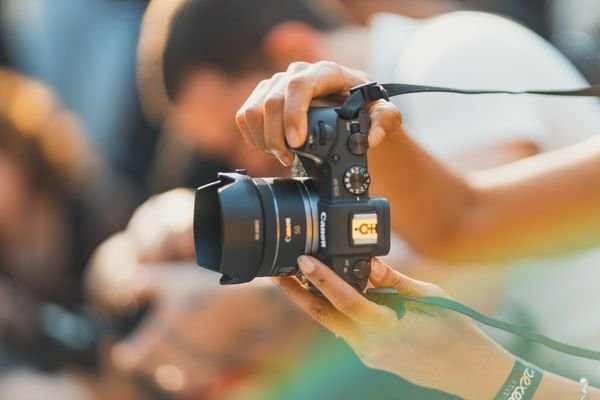
Photographer holding a camera while covering a live corporate event

Sony A6400 Night Photography Settings: How I Shoot After Dark in Downtown LA

People ask me about my low light setup all the time. Here is the truth: I don't really have one.

I shoot with a Sony, and the camera is so good in low light that I can take my subject basically anywhere and just work with what is there. Street light, window light, whatever the block gives me. The camera is amazing at low light, and what I love about it is how it captures the multiple light sources around you. You don't get one flat exposure. You get layers.
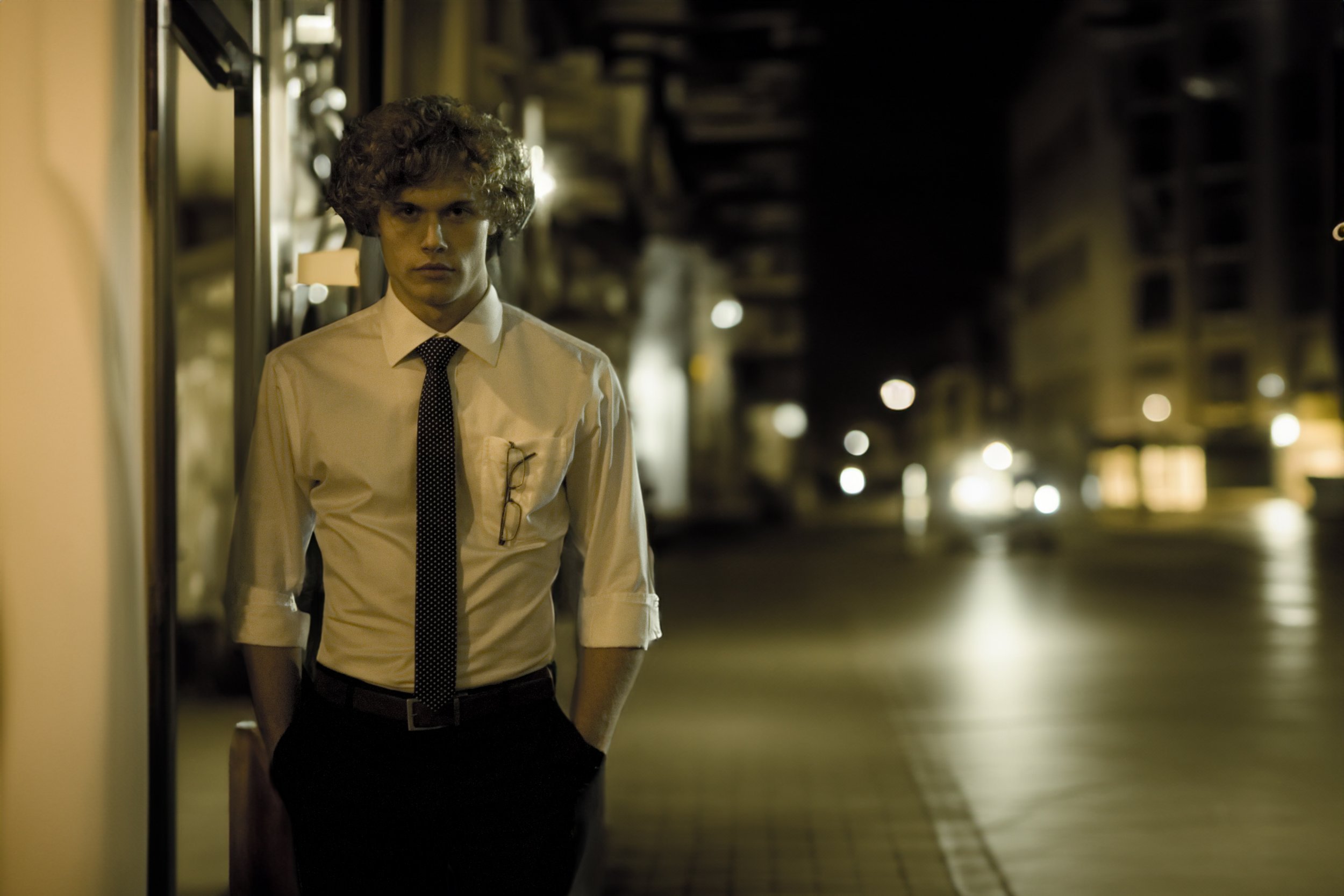
Male fashion model in a white shirt and tie photographed at night on a city street, warm bokeh street lights behind him, shot on Sony A6400 at ISO 6400 with available light

My Sony Low Light Setup: There Isn't One

Forget the bag full of gear. When I go out at night, I bring the camera and that's it.

The Sony sensor does the heavy lifting. Instead of fighting the darkness with strobes and LED panels, I let the street do the lighting design. One corner is warm amber from the street lamps. Half a block later you're under a neon sign throwing blue and red across your subject's face. The camera sees all of it at once, and that's the shot.

If you're just starting with night photography, this is the most freeing thing you can learn. You don't need to light the night. You need to see it.

The Settings I Actually Use

Here are my real numbers, the ones I dial in on a night fashion shoot:

ISO 6400. That's my home base after dark. Modern Sony sensors are clean enough up there that I don't think twice about it.

Aperture f/2.8. Wide open, or close to it. You want as much light hitting the sensor as possible, and at f/2.8 you also get that shallow depth of field that melts street signs and headlights into beautiful bokeh behind your subject.

Shutter speed 1/60th or 1/50th handheld. I have steady hands, so I can get away with a slow shutter. With a tripod, I'll go down to 1/30th for a static subject.

That's the whole recipe. 6400, f/2.8, 1/60. Everything else is seeing. Write these down or save them as a custom preset, so when the light gets weird you have a baseline to return to instead of guessing in the dark.

Why I Shoot the 50mm at Night

My lens of choice for night street work is the 50mm. I love it because it's like what the eye sees.

At night, that matters more than ever. A wide lens makes everything feel distant. A telephoto kills the environment. The 50mm puts you inside the moment at the same distance your eyes would be, which is what makes a high fashion shot on a gritty street feel real instead of staged.

Pair a 50mm at f/2.8 with 6400 ISO and you can shoot in light so dim your eyes are still adjusting. The camera sees better than you do. It's also small and light, which matters when you're walking downtown for hours. A big zoom gets heavy fast, and heavy gear stays home.

Focus After Dark: Sony Autofocus vs My Leica

Here's where the Sony really earns its keep. The autofocus is just amazing. You point, you click, it's sharp. In near darkness. You don't have to do much at all.

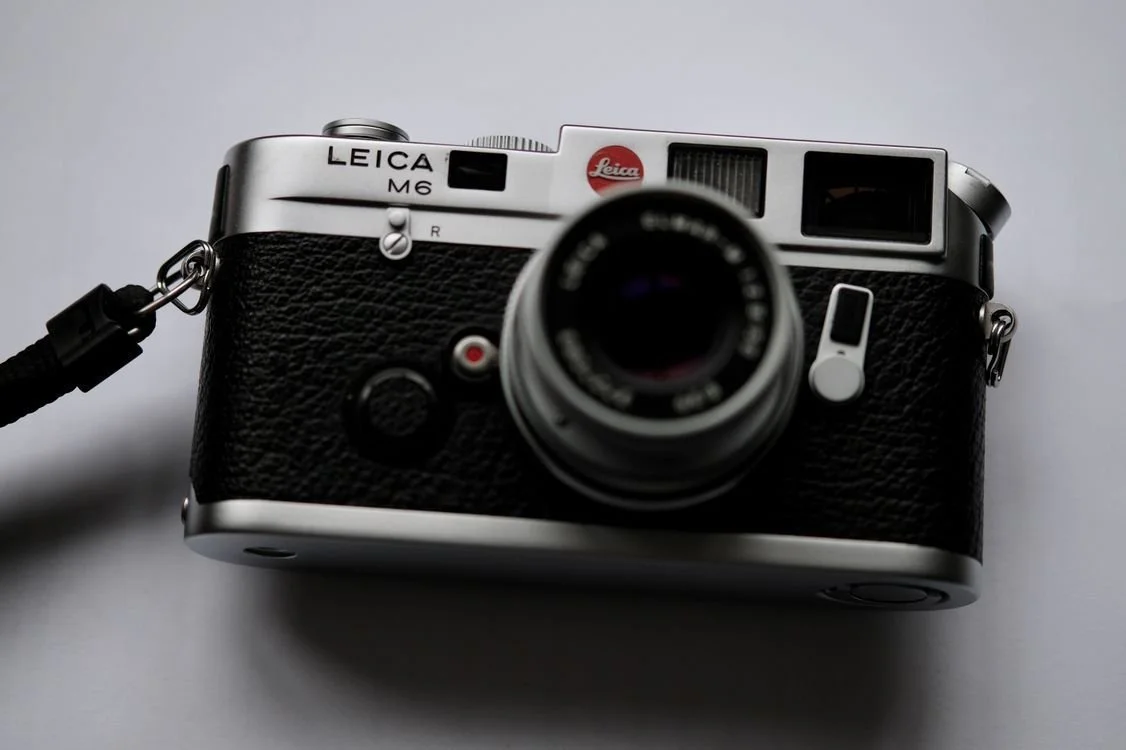
Compare that to my Leica, which has no autofocus. It's a rangefinder, so you line up two images manually. In daylight it's a joy. At night it's genuinely hard to line up, and I've missed shots the Sony would have nailed without me thinking.

If you're choosing a camera for night work, autofocus performance in the dark matters more than the spec sheet suggests. It's half the reason my night setup is "just bring the camera."

White Balance: Shoot RAW and Stop Worrying

Night street light is a mess of color temperatures. Amber sodium lamps at one color, fluorescent storefronts at another, neon throwing a third across everything. No single white balance setting is "correct."

I shoot everything in RAW. In camera I'll generally leave white balance on auto, or set it to tungsten or fluorescent depending on the block I'm on.

But because it's RAW, there's a lot I can do in post. I don't stress about nailing white balance on the street. I get the exposure and the moment, and shape the color later. Shooting JPEG at night under mixed lighting just makes life harder.

Where I Shoot: Downtown LA After Dark

I love shooting on the streets. Downtown LA at night is one of the best free studios in the world.

You get amber glowy light from the street lamps plus light spilling from street signs. I shoot super high fashion at night, and that combination is perfect. The model looks expensive, the background looks dangerous, and the tension between the two is the whole photograph.

One spot I go back to: the parking lot at Fifth and Hill Street, right by my house. Incredible industrial buildings, street signs, fences, so many cool backgrounds. One location, a dozen looks, all within fifty feet.

When scouting night shoots, look for places with multiple light sources at different colors and distances. That's what gives the Sony sensor something to chew on. A street with lamps, signs, windows, and passing cars is a lighting setup you could never afford to build.

For more on how I think about mood and shadow after dark, read my piece on nighttime and low light brand photography.

Fashion couple in evening wear photographed at night against a colorful Chinatown building, available light night photography with mixed color temperatures

The Beginner Mistake: Fear of High ISO

The biggest mistake I see beginners make with night photography is being afraid of high ISO.

Because they're scared of noise, they bring lights. But a lot of times, your light kills the background. Your subject looks like they're standing in a studio that happens to be outdoors. All that amber glow and neon goes black behind them because your light overpowers it.

My suggestion: shoot without the light. Just see what happens. Push the camera to 6400 and see how far you can take it. The background stays alive, the mood stays intact, and you learn what your camera can actually do instead of what the forums told you to fear.

Dealing With Noise at 6400 ISO

Honestly, the noise at 6400 on the Sony is pretty good. It's not the blotchy mess high ISO used to be.

When there's more noise than I want, I run it through an AI denoiser. Topaz Gigapixel is my go-to, but plenty of AI apps clean up noise beautifully now. Between the clean sensor and modern software, noise is no longer a reason to avoid high ISO.

Shoot at 6400. Clean it if you need to. Keep the background.

Two fashion models in an editorial night shoot with flowing pink fabric, dramatic low light photography

Try It Tonight

If you're taking your Sony out tonight for your first night shoot, here's my one piece of advice: experiment with the camera.

Set it to 6400 ISO, or try even higher, and just shoot. Walk around. Street lamps, neon signs, doorways with window light spilling out. Then go home, pull up the files, and look at how much noise is actually there.

Then you'll know exactly how far you can push your camera. And once you know that, the whole city at night becomes your studio.


David Christopher Lee is a Los Angeles celebrity and portrait photographer with 27 years of experience. See more of his night work in his portfolio.

Celebrities Who Are Photographers: The Honest Truth From 27 Years Behind the Camera

People ask me all the time which celebrities are real photographers. After 27 years photographing famous people, here is my honest answer: most of them aren't. The ones who are serious about it are the exception, not the rule. That is not a judgment. It is an observation from someone who has spent decades on sets with them.

The Ones I Know Personally

Jason Momoa uses Leica and does a lot of photography. He's the one name I can give you from personal experience. When someone who spends his life in front of cameras picks up a Leica and actually shoots, that tells you something real is going on.

But beyond him, I have to be honest. In general, the people I've met are not really photographers. If they are photographers, they're generally just like amateurs. I don't think they're really that good at photography.

That is not an insult. It is a time problem, and I will explain exactly why.

Why They Don't Get Great

They don't have time to practice. They're so busy memorizing their lines and working and trying to get the next job.

Photography is a craft built on repetition. Ten thousand frames teach you things no workshop can. You learn light by failing in it, over and over, until your instincts know what your brain cannot yet explain. A working actor's schedule does not leave room for ten thousand frames. Their days are call times, fittings, press, training, and learning lines for the next project. The camera sits in the bag.

This is the part people miss when they see a celebrity with an expensive camera. The gear is the easy part. Anyone with money can buy a Leica. The hours are the hard part, and fame is the enemy of free hours.

The Ones From History Who Were the Real Thing

The film era had a few who were genuinely serious, and they prove the rule. Every one of them put in the hours.

  • Stanley Kubrick worked as a professional photographer for Look magazine in the late 1940s, before he ever directed a film. Photography was his first career. The visual precision of his films makes complete sense once you know he started behind a still camera.
  • Leonard Nimoy, best known as Spock, was a dedicated photographer who published several photo books and shot with a Nikon F. This was not a hobby. It was a parallel career with real published work.
  • Linda McCartney became a respected professional photographer, shooting for Rolling Stone and documenting life on the road with the Beatles. Her candid warmth came from access nobody else had and the discipline to use it well.
  • Peter Gowland started as an actor and became a celebrated pin-up photographer and camera inventor in the 1950s and 60s. He crossed all the way over, from in front of the lens to behind it, permanently.
  • James Dean and Elizabeth Taylor were both photographed with Rolleiflex cameras in 1950s Hollywood, and Dean shot plenty himself. The Rolleiflex was the serious amateur's camera of that era, and its presence in those images tells you these were people who cared about the craft.

In the modern era, Ben Affleck is an avid photographer with a serious vintage lens collection, reportedly including rehoused Canon K35s and rare Russian lenses from the 1950s. Jason Lee from My Name Is Earl opened a camera store in Los Angeles and published multiple photo books. These are not people who bought a camera for a red carpet photo. They are people who shoot.

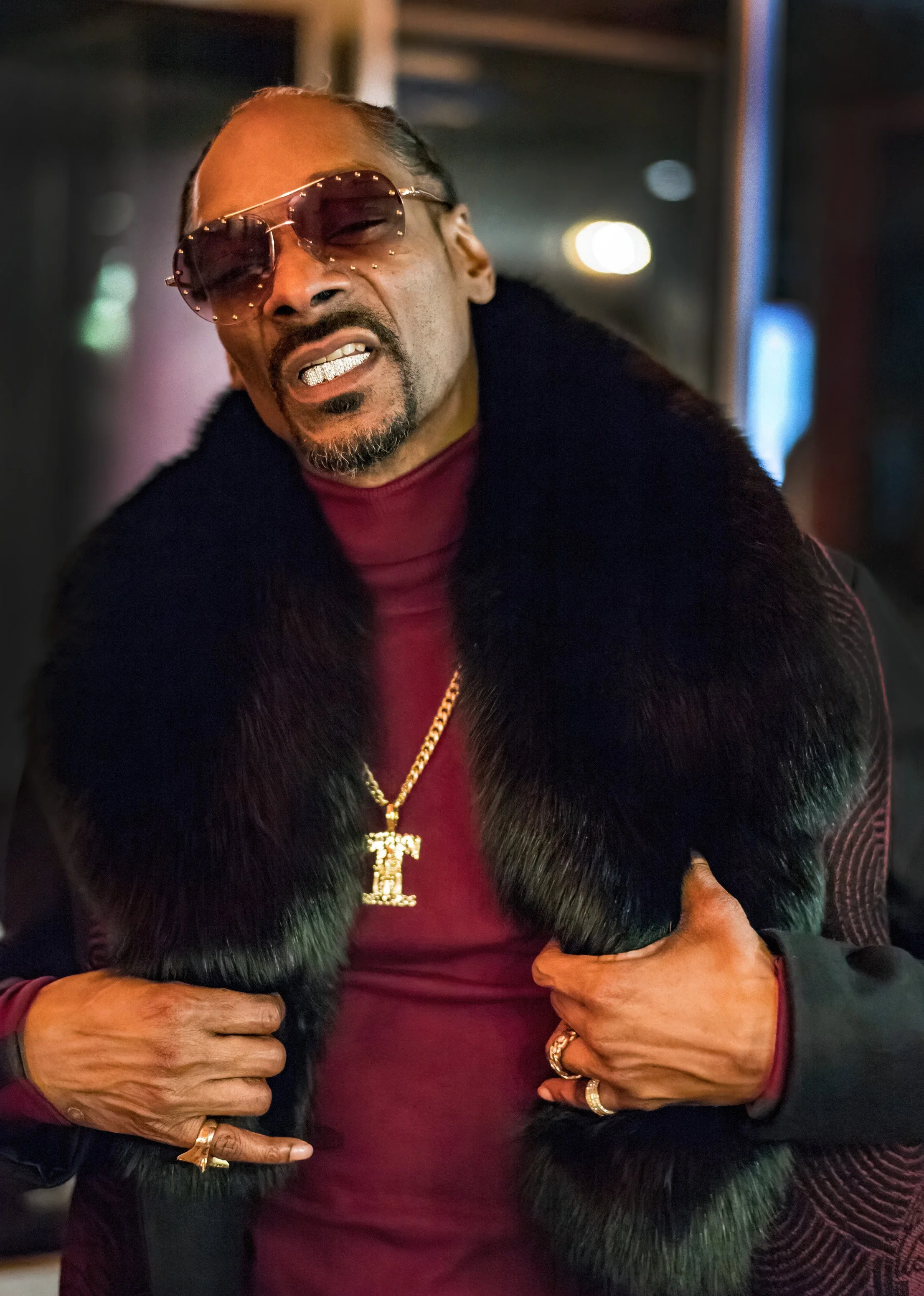
Snoop Dogg portrait by David Christopher Lee

What Makes Their Work Good

What makes it good is their perspective. They've probably seen a lot of things, so they know what they want to take a picture of. The best pictures are not always super technical. It's just a viewpoint from somebody.

That is the advantage a celebrity has, and it is a real one. Access to rooms most photographers never enter. A life most people never see. Relationships with fascinating people. When they point the camera at that world, the viewpoint alone carries the image. Linda McCartney's Beatles photographs work because she was inside the room, not because of her f-stop choices.

Technique can be learned. Perspective has to be lived. Celebrities who photograph well usually have the second part handled by the sheer unusualness of their lives.

What They Get Wrong

A lot of them are just not super technical, so they don't know how to work the camera. That's really the main difference.

The camera is an instrument. You can have the best eye in the world, but if you don't understand light, exposure, and lenses, the instrument limits you. The image in your head never quite makes it into the file. That gap frustrates a lot of talented beginners, famous or not.

That is fixable, but it takes the one thing they don't have: hours. An hour a day with the camera, learning what the dials actually do, would transform most celebrity photographers. Almost none of them have that hour.

The Bella Thorne Story

No celebrity has ever grabbed my camera on set. Luckily. My sets run on trust and professionalism, and that boundary matters.

There was one exception, and it is a good one. I was shooting with my Hasselblad once and Bella Thorne had never seen one before, so I let her hold it. A Hasselblad is a beautiful, strange object if you have never encountered one, all modular and mechanical. I took a picture of Bella holding the Hasselblad, and then she took a picture of me.

That is about as close as it gets. And honestly, it was a great moment. Curiosity about the camera is where every photographer starts.

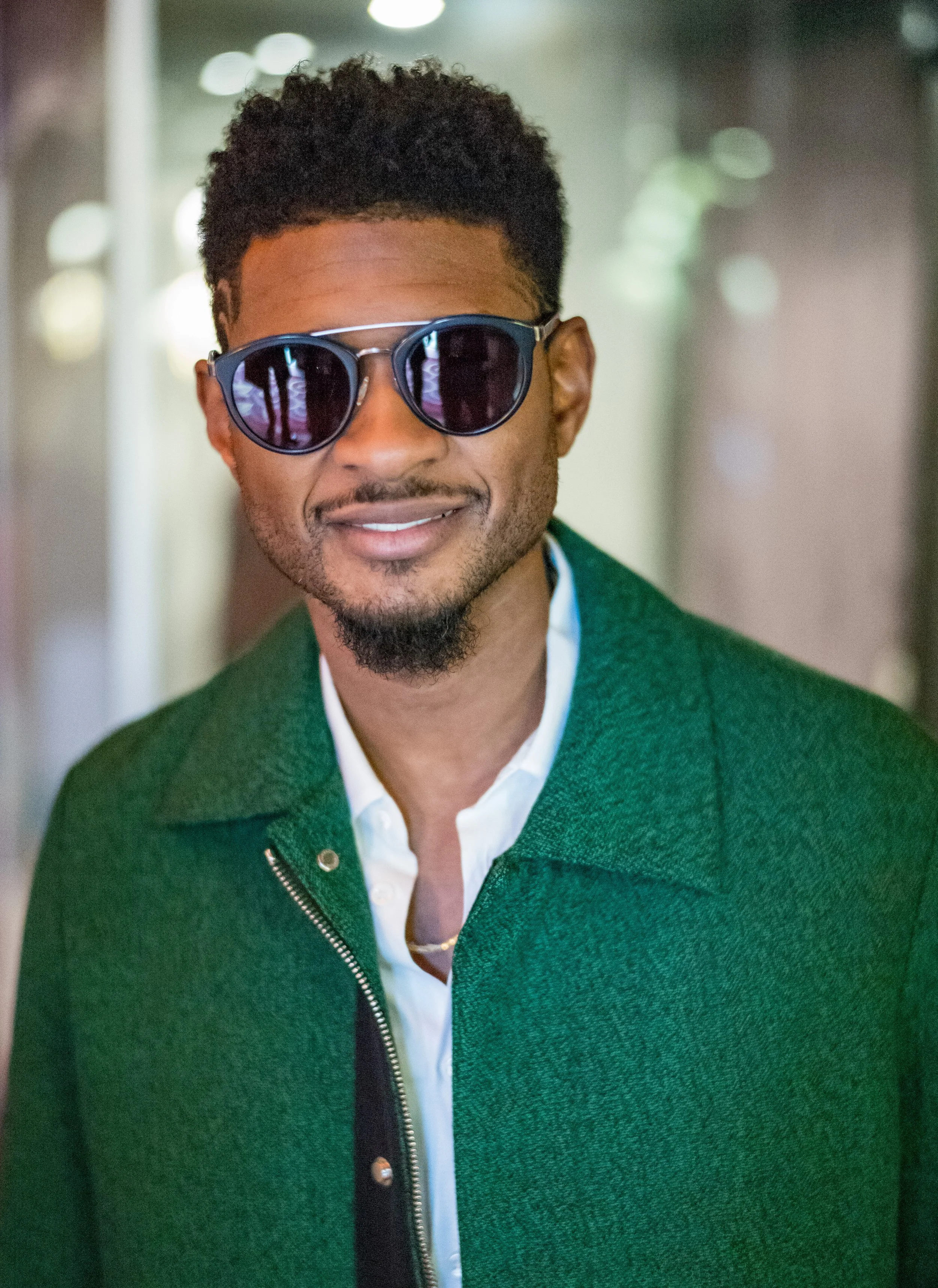
Usher portrait by David Christopher Lee

What Most Celebrities Actually Shoot With

Now most celebrities just use their iPhone.

And honestly, that is fine. The iPhone removed the technical barrier that stops most people. No exposure triangle to learn, no lenses to choose, just point and see. What is left is the eye, and some of them have a good one. The celebrities posting genuinely interesting iPhone photography are proof that the viewpoint matters more than the gear.

The iPhone also fits the reality of their lives. It is always there. A Leica stays home. The best camera is the one you actually carry, and for most famous people, that is the phone.

If a Celebrity Asked Me to Teach Them

The first lesson would be how to shoot people with natural lighting. From there they would learn so much. Then I would make them practice all the time. I would make them do natural light before they start shooting with other lights.

Natural light teaches you to see. It changes every hour, it flatters and punishes, and it cannot be faked. Once you can make a person look great in nothing but window light, every strobe and modifier you touch afterward makes sense. Skip that step and you are just memorizing settings.

Then practice. All the time. There is no lesson two until lesson one is a habit.

The Verdict

Celebrities are real people too, so I don't see why they wouldn't be able to be a great photographer. All it takes is a little practice. Or a lot of practice.

The camera does not care who is holding it. It only cares how many frames you have put through it. Give a celebrity the hours, and there is no reason they cannot be great. The history books already prove it. Kubrick did it. Nimoy did it. Linda McCartney did it.

Most of them just never get the hours. That is the whole story.

The Short Version

  • Most celebrities who shoot are amateurs; the serious ones are rare.
  • The barrier is time, not talent or gear.
  • History's real ones: Kubrick, Nimoy, Linda McCartney, Peter Gowland.
  • What makes celebrity photography good is perspective, not technique.
  • What they get wrong is the technical side: they don't know the camera.
  • Lesson one is always natural light and relentless practice.
  • The camera does not care who holds it. The hours decide.

David Christopher Lee is a celebrity photographer in Los Angeles with 27 years behind the camera, photographing Lady Gaga, the Kardashians, Richard Branson, and hundreds more. https://dclee.net

Corporate Event Photographer Los Angeles: What 27 Years of Galas, Conferences, and Launches Taught Me

When a business hires an experienced corporate photographer, the question isn't really "can they take a good photo?" Any decent photographer can take a good photo. The real question is what happens when the keynote starts late, the ballroom lights are wrong, the CEO won't stand still, and your PR team needs three images in the next twenty minutes.

I've shot corporate work in Los Angeles for 27 years: conferences, product launches, award galas, executive portraits, board retreats. I've also seen businesses learn the expensive way that experience is not a line on a resume. It's the difference between photos that sit in a folder and photos that work for your company for the next five years.

Here is what an experienced corporate photographer for businesses actually brings, before, during, and after the shoot.

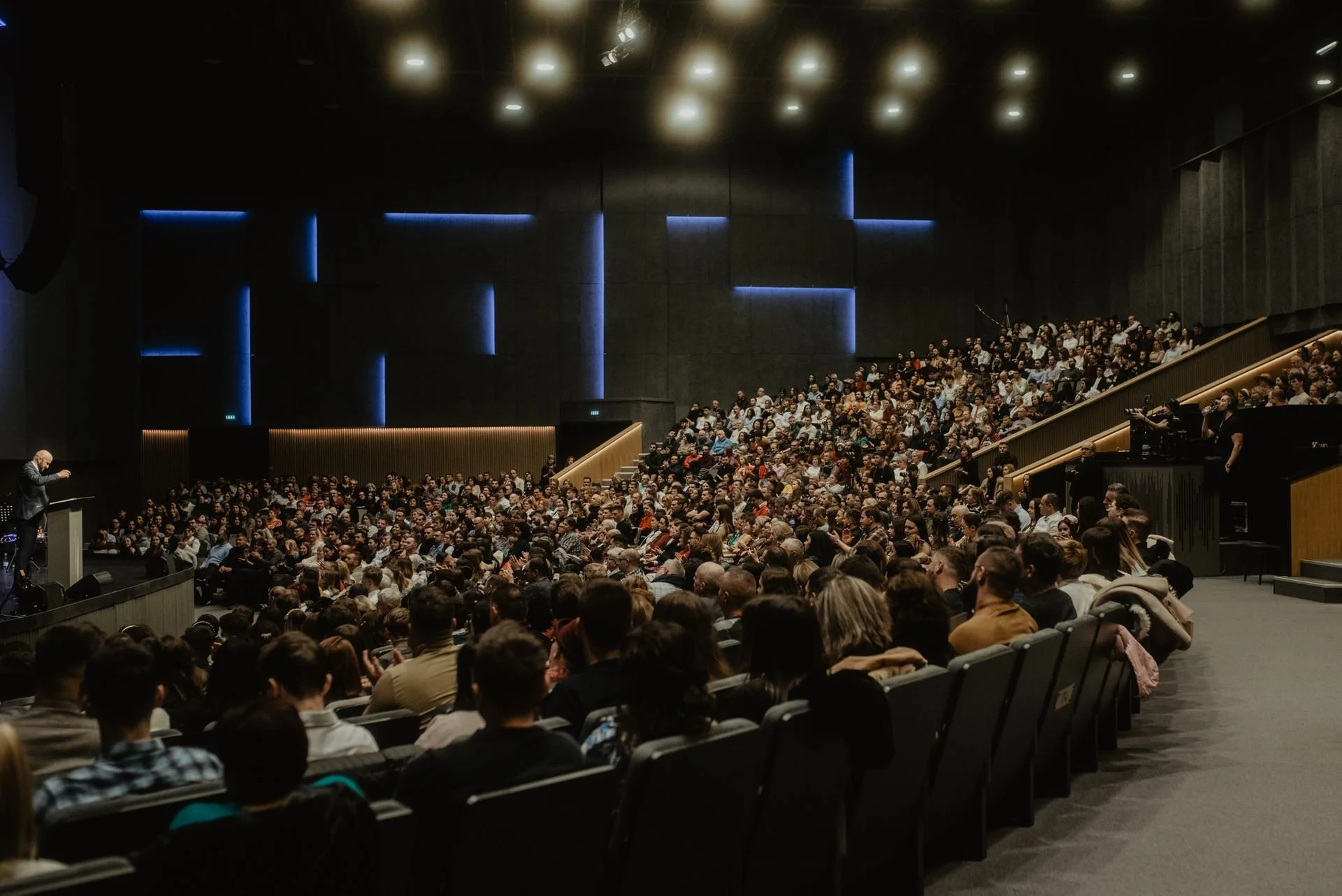
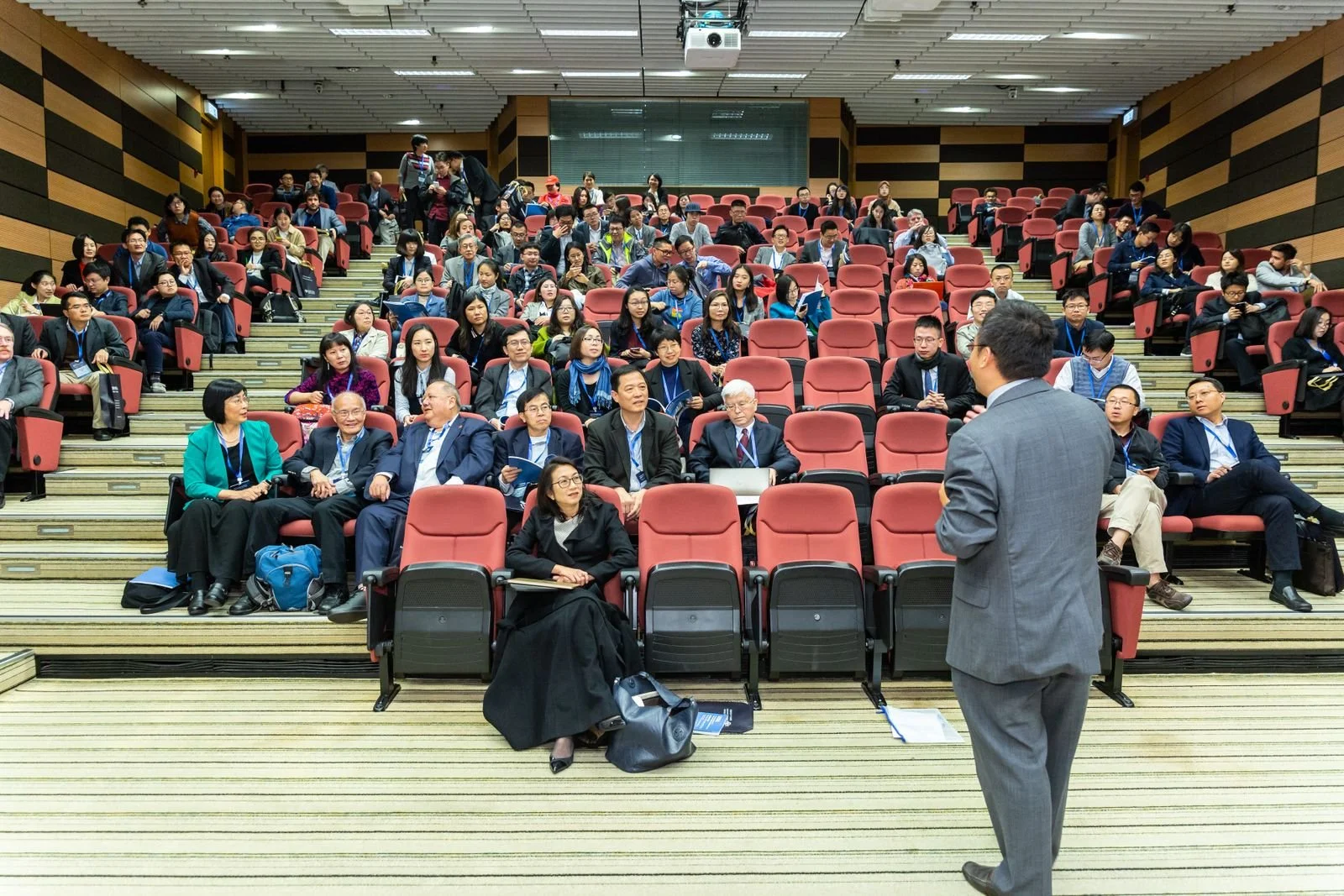
Business conference audience with speaker on stage, photographed by an experienced corporate photographer

Before the shoot: experience plans like a producer

An inexperienced photographer shows up on the day and figures it out. An experienced corporate photographer has already done half the job before anyone picks up a camera.

They read the schedule like a shot list. When I get an agenda, I'm not looking at it as a planner. I'm looking for the moments that will never happen again: the CEO's entrance, the handshake at the signing, the standing ovation. I mark the shots I cannot miss and build the coverage plan around them. A photographer with twenty-seven years of conferences behind them sees the agenda and already knows which three sessions will produce the best images and which keynote will fall flat visually.

They scout the venue or arrive early enough to fake it. Real experience means walking the room, finding the light, checking the loading dock, learning where the house AV is killing the ambient exposure. If I haven't shot a venue before, I show up early and I shoot the empty room first. The photographer who wings it at a dark downtown LA ballroom is the one delivering blurry red-cast photos at midnight.

They ask the boring business questions first. Who are the VIPs? What does the CEO hate about being photographed? Which sponsors must appear in frame? Is there a step-and-repeat, and is it backlit? What is the dress code, and more importantly, what are the brand colors? Experienced photographers ask these questions because they know the photos have a job to do after the event: marketing, recruiting, press, investor decks. The images have to fit your brand's world, not the photographer's portfolio.

During the shoot: experience looks like calm

You can spot an experienced corporate photographer for businesses within the first hour of an event. They are calm. They are already in position. They are invisible when they need to be invisible and directive when they need to be directive.

They anticipate instead of reacting. After hundreds of events, you stop photographing what is happening and start photographing what is about to happen. The panelist leaning into the microphone. The laughter building in the front row. The award recipient standing up before their name is called. That split-second of anticipation is where the best corporate images live, and it cannot be taught in a weekend workshop. It comes from years of standing in rooms just like this one.

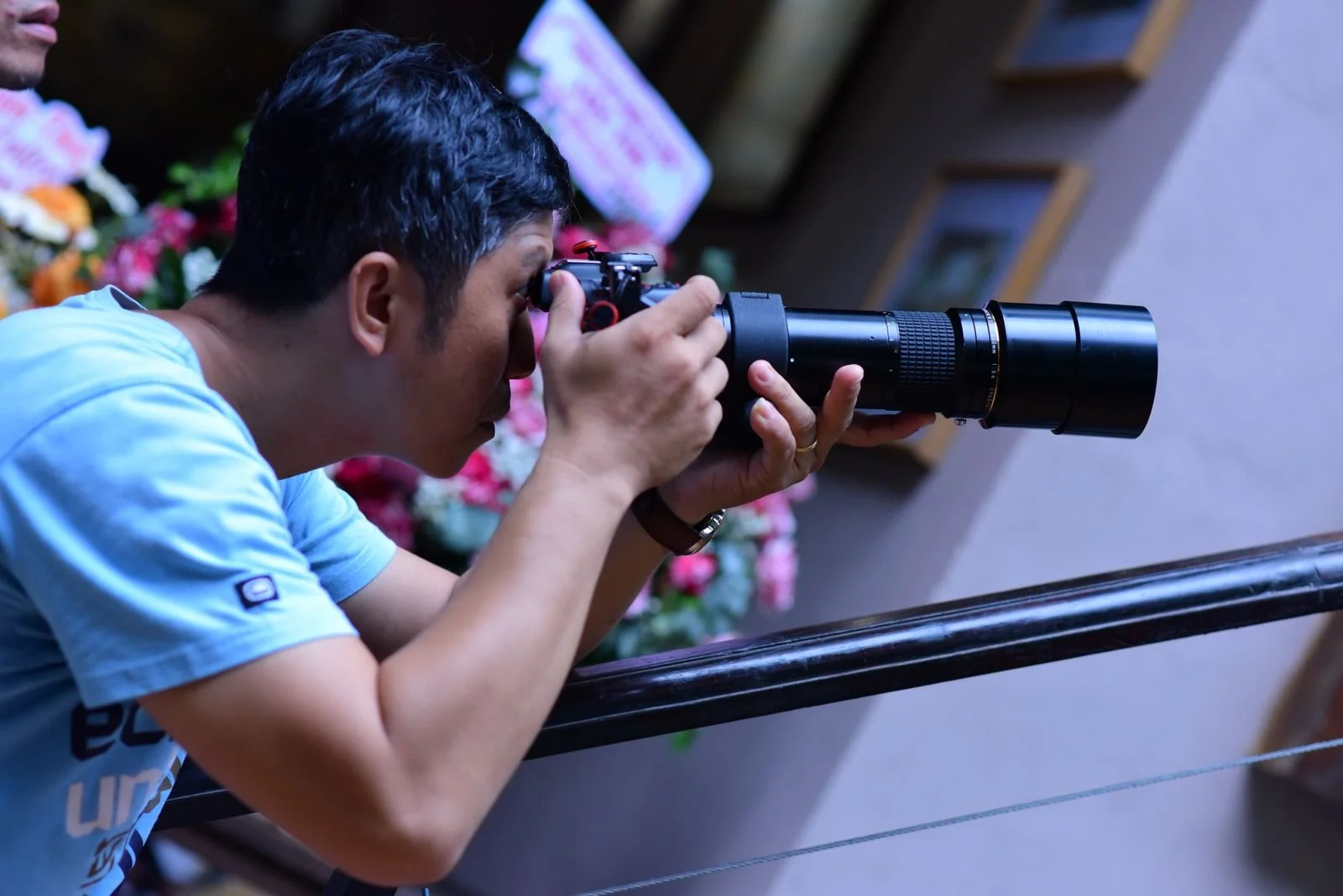
Experienced corporate photographer capturing moments at a business event with a telephoto lens

They handle people, not just cameras. The hardest part of corporate photography is never the camera settings. It's the executive who was told by their assistant they'd "just pop in for one photo." It's the keynote speaker who arrives twelve minutes before they go on. It's the board member who explicitly said no candids. An experienced photographer knows how to make a reluctant subject relax in ninety seconds, how to direct a 400-person group photo without a megaphone, and how to read a room well enough to know when to disappear.

They know which problems to solve and which to avoid. The flash is bouncing wrong off a wooden ceiling. The window light is blowing out one side of the panel. The stage follow spot is creating raccoon eyes on the speaker. An experienced corporate photographer has solved each of these fifty times. They fix it quietly, in seconds, without making a scene or asking the client what to do. If your photographer is consulting Google or asking you to move the whole program, you're watching inexperience happen in real time.

They keep shooting when things go wrong. Batteries die. Cards fail. Lights overheat. A second shooter gets stuck in traffic on the 101. Experience means redundancy: two camera bodies, backup lenses, backup lighting, backup batteries, cards that get swapped before they're full, and images that start backing up the moment there's a break. No single point of failure is allowed to cost a business its event coverage. This is also why experienced photographers cost what they cost, covered in more detail in my corporate photography pricing guide.

After the shoot: experience delivers like a marketing asset

The shoot is half the job. What an experienced corporate photographer for businesses does in the edit and the delivery is where most of the business value lives.

They cull like a marketing director, not an artist. A full conference day might produce 4,000 frames. An experienced photographer delivers 300 to 600 finished images, and every single one earned its place. The selection criteria are business criteria: Is the CEO in frame? Is the sponsor logo visible? Is anyone blinking, mid-bite, or making a face? Does this image tell the story of the event or is it just a nice frame? Businesses don't need an art project. They need a library of usable images.

They edit for consistency and brand safety. Twenty-seven years in post-production teaches you what happens downstream. These photos will live on the company website, in the annual report, in press kits that get resized and cropped by people who don't understand color profiles. Experienced photographers deliver images that are color-consistent across hundreds of frames, properly exposed for reproduction, and retouched with restraint. The executive headshots from your on-site portrait station should look like they came from the same session even when they were shot hours apart under different lights. That is what a real headshot operation looks like.

Business professionals in a strategy meeting, corporate photography clients in Los Angeles

They deliver on a schedule and communicate when it shifts. Standard full delivery: five to ten business days. Same-day selects for press and social: a smaller set, edited tight, delivered the night of the event. An experienced photographer hits these windows because they've built their workflow around them: presets, assistant editors, culling discipline. If delivery is late with no warning, that's inexperience, whatever the portfolio looks like.

Why businesses pay a premium for experience

Let's be direct about money. An experienced corporate photographer for businesses charges more than a generalist, and the reason is risk.

A product launch happens once. An awards gala happens once. The board photo for the annual report happens once. If the photography fails, there is no reshoot. The event is over, the people have gone home, and your company is left with either strong assets or expensive embarrassment. Experience is what businesses are actually buying: the accumulated certainty that when the one-shot moment arrives, someone calm and competent is standing in the right place with the right plan.

Experience also buys business fluency. The photographer who understands what corporate and event photography each demand, two different disciplines that get confused constantly, will build the right coverage plan for each. They understand NDAs, embargoes, and why the photographer doesn't post the unreleased product to Instagram. They understand that the marketing director's career is partly riding on these images looking right. That fluency is earned over years, not learned from a pricing PDF.

If you're evaluating cost against risk, my guide to hiring a corporate photographer breaks down the full decision: what to look for, what to ask, and the red flags that signal you're about to hire inexperience at any price point.

How to Vet a Corporate Event Photographer

Portfolios can be curated. These checks are hard to fake:

Ask for a full delivery, not a portfolio. The highlights reel tells you nothing. Ask to see every image delivered from a recent similar event: the keynote, the breakouts, the reception, the group shots. Consistent quality across hundreds of frames is the true test of experience.

Listen for venue names. An experienced Los Angeles event photographer will name-drop venues from real knowledge: which downtown ballroom kills your exposure at noon, which hotel ballroom needs the house lights half up. Specific venue knowledge means real reps.

Ask what goes wrong. Every experienced photographer has a failure story and a protocol for it. Dead card, failed strobe, missing second shooter. The experienced answer is specific and boring: 'I shoot dual cards and swap at lunch.' Vague confidence with no protocol is the inexperienced answer.

Confirm the delivery machine. Same-day selects for press, full gallery in five to ten business days. Ask how they hit those windows. Presets, assistant editors, culling discipline. If delivery is late with no warning, that's inexperience, whatever the portfolio looks like.

Watch the contract. An experienced corporate event photographer sends a clear contract before you ask: deliverables, timeline, usage rights, backup provisions, payment terms. The absence of paperwork isn't flexibility. It's the absence of experience.

Executive portrait of a businesswoman in a pinstripe suit by a corporate photographer for businesses
Corporate executives in a boardroom meeting covered by experienced business event photography

Frequently asked questions

What does an experienced corporate photographer for businesses actually do differently?

The difference shows up in planning, anticipation, and delivery. Experienced photographers plan coverage like producers, anticipate moments instead of reacting to them, handle VIPs and logistics smoothly, and deliver consistent, brand-safe images on schedule. A newer photographer can take good photos; experience is what makes the whole engagement reliable.

How much experience should a corporate photographer have?

There's no magic number, but look for a portfolio of full business event deliveries, not just highlights, plus venue fluency in your market, backup gear protocols, and a clear contract. Years matter less than reps: a photographer with five years of weekly corporate work can out-deliver one with fifteen years of occasional gigs.

Is an experienced corporate photographer worth the higher rate?

For one-shot events, product launches, galas, conferences, yes. You're buying risk reduction. The cost of a failed shoot isn't just the fee you paid; it's the missing marketing assets, the executive time wasted, and the event you can't photograph again. Pricing benchmarks for the LA market are in my corporate photography pricing article.

What's the difference between corporate photography and event photography?

They overlap but they're different disciplines. I've written a full comparison of corporate vs event photography that breaks down when you need which one and what changes in the coverage.

Can I just hire a talented generalist photographer for a business event?

For internal, low-stakes content days, sometimes. For anything with press, investors, VIPs, or a hard delivery deadline, hire the specialist. Generalists underestimate the logistics: embargoes, sponsor visibility, same-day selects, usage licensing. Experience in the corporate world is its own skill set.

The bottom line

An experienced corporate photographer for businesses brings more than sharp images. They bring a producer's planning, a veteran's anticipation, a diplomat's people skills, and a marketer's eye in the edit. The camera is the least interesting thing about them. When you're evaluating photographers for your business, stop asking "are their photos good?" and start asking "have they done this specific thing, at this scale, a hundred times?" The answer to that question is the one that protects your event.

About the author: David Christopher Lee is a Los Angeles corporate photographer with 27 years of experience shooting conferences, product launches, award galas, and executive portraits. Get in touch at the linked contact page.

Photographers Who Take Pictures of Famous People: What the Job Is Really Like

People think photographing famous people is some crazy experience. In the end they're people too, so I just like to treat celebrities like real people. That is the whole secret, and it has worked for 27 years. Everything else, the access, the productions, the stories, flows from that one decision.

How I Got In

I won a national writing competition when I was 17, and the prize was writing articles for Seventeen magazine. I was writing movie reviews and CD reviews, and I asked my editor if I could cover the Teen Choice Awards for her. I also told her I had a digital camera. It happened that she was looking for a digital photographer, so she hired me.

That's how I became the official digital photographer of the Teen Choice Awards. That's where I met all the celebrities. Then I started shooting other award shows, met more celebrities, and that's how I got into the whole world.

No film school. No connections. No famous uncle. A writing contest and a digital camera, plus the nerve to ask for the assignment. People want a secret formula for breaking into celebrity photography, and that is the most honest version of mine. Be useful, be in the room, and say yes before you feel ready.

Celebrities vs. Regular Clients

A celebrity has many gatekeepers and handlers, so it can be very difficult at times. A lot of times things don't make sense and there's a lot of red tape, but it comes with the territory.

Think about what a shoot actually involves. With a regular client, you discuss the concept directly with the person being photographed. With a celebrity, there is a publicist, a manager, sometimes a stylist with strong opinions, a label or studio with approval rights, and a schedule built around five other commitments that day. Every decision passes through layers. Things that should take a minute take an hour. That is not anyone's fault. It is the structure of fame.

Shooting a real client is generally pretty easy because it's very direct. You talk to the person, you shoot the person. With a celebrity, you talk to four people before you talk to the person.

Once you're actually shooting, though, it's the same job. Usually celebrities are pretty professional. It's not their first photo shoot, so they're generally relaxed. They know their angles, they know how to move, they know how to give you what you need. I haven't really had any trouble. The difficulty is all in the access. The photography itself is the reward.

Quincy Jones portrait by David Christopher Lee

The Jamaica Story

I was doing a celebrity shoot in Jamaica and I asked for five things. I asked for a Rolls Royce, a camel, a private jet, a mansion, and an exotic animal. I also asked for a helicopter. I ended up getting all of those things.

Read that list again. A camel. In Jamaica. And it showed up.

That taught me the most valuable producing lesson of my career: if you don't ask for something, you don't get it. Producers can move mountains when the talent wants the shot. The resources that exist around a celebrity production are almost unbelievable, but nobody volunteers them. You have to name what the image needs, specifically and without embarrassment, and then let the machine work.

I have carried that into every shoot since, famous or not. Ask for the helicopter. The worst answer is no, and the best answer is a camel walking onto your set in Jamaica.

The Rules

A photographer should never drink alcohol in front of a client. Never talk to them in a demeaning way. Be polite and treat them with respect.

That sounds obvious, but sets are long, people get comfortable, and lines blur. The photographers who last are the ones who never blur them. You are in a position of strange intimacy with famous people. You see them tired, unguarded, mid-transformation. How you carry yourself in those moments determines whether you ever get invited back.

Respect is also practical. A comfortable celebrity gives you better photographs. A guarded one gives you nothing. Every choice you make on set either builds trust or spends it.

Pamela Anderson portrait by David Christopher Lee

Paparazzi Are Not Portrait Photographers

People confuse the two, and the confusion insults one of them. The paparazzi is just meant to get the shot of the celebrity in a scandalous situation or coming out of a premiere or an event. It is opportunistic by design. No concept, no collaboration, no craft beyond the long lens.

A portrait photographer actually sets everything up, comes up with the ideas, deals with the styling. It's a customized high-end job. Every element is chosen: the light, the wardrobe, the location, the mood, the story the image tells. The celebrity is a collaborator, not a target.

Paparazzi is just somebody with a camera. A portrait photographer is somebody with a vision. The difference is everything.

How to Break In

Figure out how to get to the most high-profile celebrity events. If you can't get to the high-profile ones, get to a beginner one. Meet some people, network, be nice to everybody, and get invited to more parties. Eventually you'll start working with celebrities.

That is exactly what I did, just with award shows instead of parties. The mechanism is the same. Get in the room. Be the person who is pleasant, professional, and useful. People remember how you made them feel at 1 a.m. in a crowded afterparty, and they invite that person back.

Being nice is not soft advice. In an industry built on trust and access, your reputation is your credential. Nobody hands a difficult stranger a camera and points them at a star. They hand it to the person everyone already likes.

The Flip Phone Story

When I was 22 and fresh out of college, I met Jaime Pressly. She was a sex symbol at the time, just cast on My Name Is Earl. I told her I was a photographer. She asked what kind of pictures I did. I told her fashion, and that I had just shot the San Francisco International Fashion Week campaign. Then I showed her five pictures of my work on my flip phone. A one-inch screen.

She liked the work and asked me to shoot her clothing line. We shot on her downtown Los Angeles rooftop at sunset, natural light, downtown skyline behind her. She loved the pictures and used me for the next two campaigns.

Five pictures on a one-inch screen beat every polished portfolio presentation I have ever seen. Because the work spoke.

I tell this story to every young photographer who thinks they need better gear, a fancier website, or a more impressive pitch deck. You need five undeniable images and the confidence to show them to someone on a one-inch screen. Everything else is decoration.

Why I Still Love It

I love photographing famous people. I just love being surrounded by the creative energy and it just makes life fun.

After 27 years, the novelty is long gone, but the energy is not. A great set hums. Stylists, makeup artists, assistants, and a subject who knows exactly what they are doing, all moving together toward one image. Being inside that is a privilege that never got old for me. It makes life fun in a way few jobs do.

The Short Version

  • Treat celebrities like real people. That's the job, and it's the whole secret.
  • Expect gatekeepers and red tape; the shoot itself is the easy part.
  • Ask for what the image needs. If you don't ask, you don't get it.
  • Never drink on set, never talk down, always respect. Trust is the credential.
  • Paparazzi take; portrait photographers create.
  • Break in through events, networking, and being someone people invite back.
  • The work speaks louder than the presentation. Five strong images beat any pitch deck.

David Christopher Lee is a celebrity photographer in Los Angeles with 27 years behind the camera, photographing Lady Gaga, the Kardashians, Richard Branson, and hundreds more. https://dclee.net