Is Drone Photography Worth It for Corporate Events? Pro View

Drone shots look spectacular. A sweeping aerial of your venue, the crowd from above, the scale of the whole production in one frame. It is the kind of image that stops thumbs on social media and anchors a sizzle reel. But drones come with real costs, real regulations, and real limitations, and they are not right for every event.

I have worked alongside drone operators at corporate events for years. Here is the honest breakdown of when aerial coverage earns its place in your budget.

What Drones Do That Nothing Else Can

The value proposition is simple: perspective. A drone shows scale, setting, and context in a single frame.

  • Venue establishing shots. The full footprint of an outdoor festival, retreat, or campus event.
  • Crowd scale. Five thousand attendees from above tells a story no ground photo can.
  • Location beauty. Resorts, golf courses, waterfront venues, and estates look extraordinary from the air.
  • Dynamic video. Slow aerial push ins and reveals are the backbone of modern event recap videos.
  • Sponsor value. Aerial shots of branded installations and signage deliver visibility sponsors love.

For the right event, ten minutes of good drone footage becomes the most used asset in the entire media package. Marketing teams pull stills from it for years.
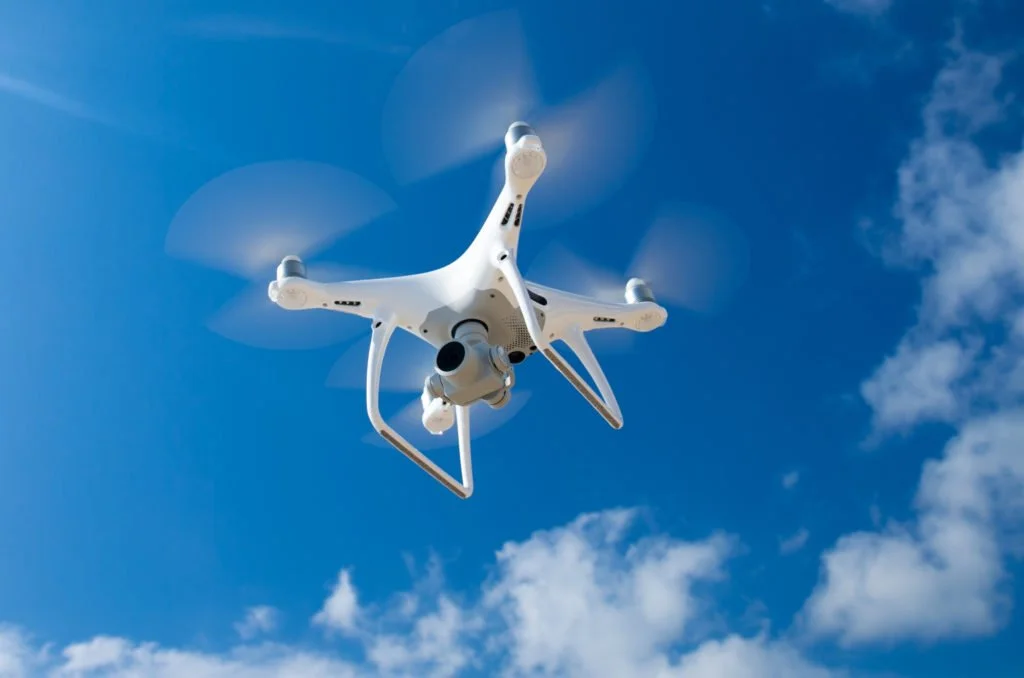
Quadcopter drone flying in the sky

The Regulatory Reality

This is the part that surprises most planners. Commercial drone operation in the United States is regulated by the FAA, and the rules are strict.

  • The operator must hold a Part 107 remote pilot certificate. No certificate, no legal commercial flight. Ask to see it.
  • Flights over people are heavily restricted. Flying over an open air assembly of people requires specific approvals and equipment. Most standard event coverage cannot legally hover over a crowd.
  • Controlled airspace needs authorization. Venues near airports, which is most urban venues, require FAA airspace authorization filed in advance.
  • Local rules add layers. Many venues, parks, and municipalities have their own drone restrictions or outright bans. Hotels and resorts often prohibit them.
  • Insurance is essential. Legitimate operators carry liability coverage specifically for drone operations.

None of this is a reason to avoid drones. It is a reason to hire a legitimate operator and plan ahead. The planners who get burned are the ones who hire a hobbyist the week before and discover on event day that the venue prohibits flights.

When Drone Coverage Is Worth It

Large Outdoor Events

Festivals, outdoor conferences, company retreats, golf tournaments, groundbreaking ceremonies. If your event has meaningful outdoor footprint and scale worth showing, drone coverage pays for itself in marketing assets.

Beautiful Venues

If you chose the venue partly for how it looks, show it. Aerials of a resort, vineyard, waterfront property, or architecturally striking campus turn a nice event into a memorable visual story.

Events With a Video Deliverable

If you are producing a recap video, drone footage is close to essential. It provides the establishing shots and transitions that make event videos feel cinematic instead of claustrophobic.

Sponsor and Stakeholder Showcases

When you need to demonstrate scale to sponsors, boards, or partners, nothing communicates it like an aerial. Attendance numbers are abstract. A photo of five thousand people from above is not.

When to Skip It

  • Indoor events. This should be obvious, but I still get asked. Drones indoors are a safety and regulatory non starter for corporate events.
  • Small gatherings. Fifty people in a courtyard does not need an aerial. Ground photography covers it beautifully.
  • Venues near airports or in restricted airspace where authorization will not come through in time.
  • Tight timelines with no planning runway. Drone logistics need weeks, not days.
  • Budget constrained events where the money is better spent on core photography coverage.

Drone Video vs Drone Stills: What to Ask For

Most event drone coverage includes both, but it helps to know what you are actually buying. Drone stills are high resolution photographs: the sweeping venue shot, the crowd from above, the aerial of the branded installation. These work everywhere, from websites to print programs to social posts.

Drone video is a different deliverable. Slow aerial push ins, orbiting reveals, top down transitions. This footage becomes the backbone of a recap video, and it is what makes event videos feel cinematic. If your marketing team is producing a sizzle reel, tell the operator upfront, because video flights are planned differently than photo flights: longer takes, smoother movements, specific flight paths.

One practical note: the best drone stills often come from video. Operators routinely pull high resolution frame grabs from 4K and 8K footage, which means a video focused flight can deliver your stills too. Discuss this with the operator in advance so the flight plan serves both needs. And confirm delivery formats before the event. You want editable video files and full resolution stills, not just a compressed highlight clip.

What It Costs

Drone coverage is typically an add on to standard event photography, not a replacement for it. Expect $500 to $2,000 for event drone coverage depending on flight time, deliverables, and whether you need both photo and video. Complex shoots with multiple locations or video editing run higher.

Budget the ground photography first. Understand what corporate event photography costs as your foundation: my rates are $750 per hour, $2,500 for a half day, $4,500 for a full day. Then add the drone as the aerial layer on top. A drone without good ground coverage gives you pretty establishing shots and nothing else.
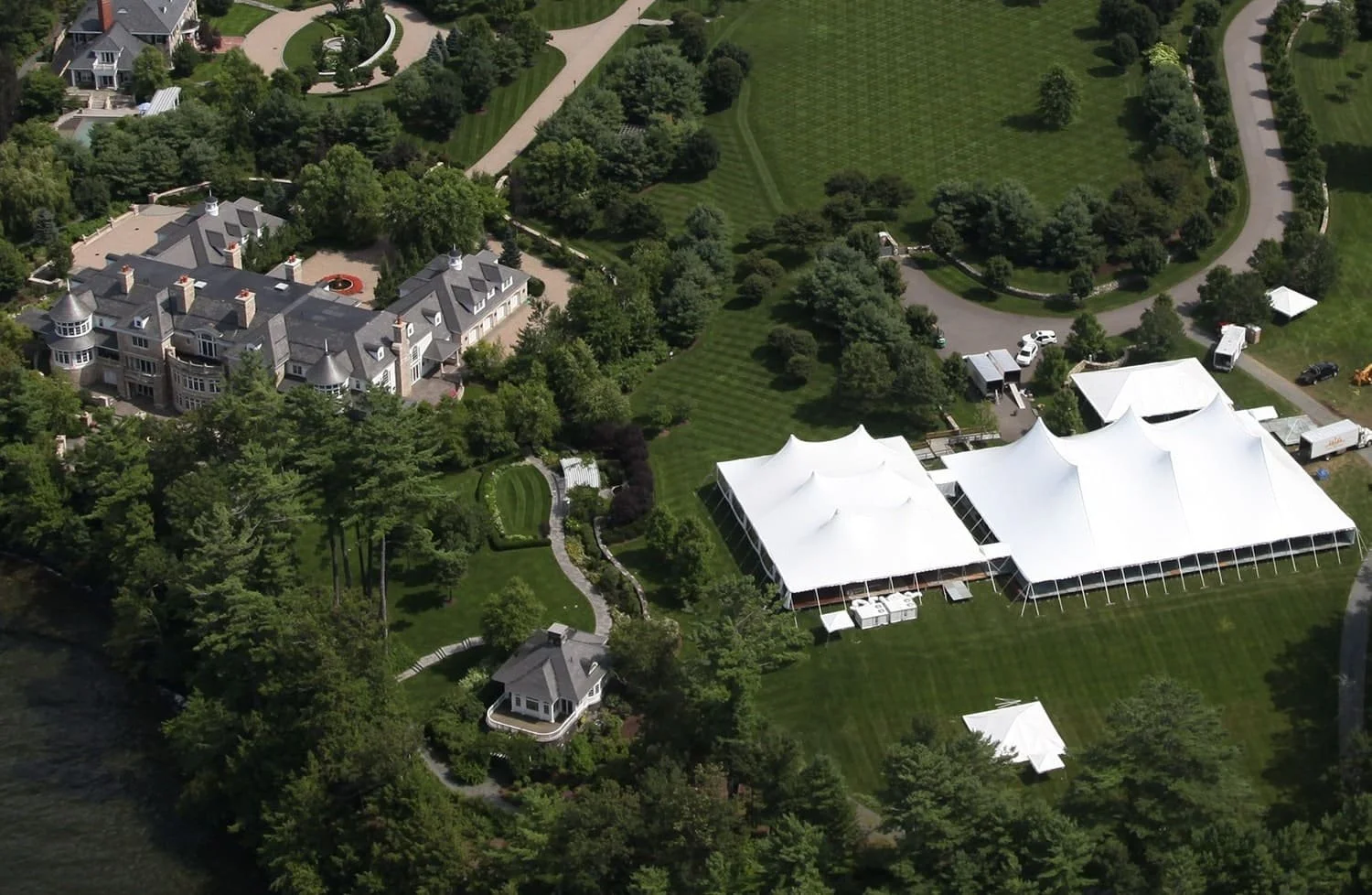
Corporate event venue with sailcloth tents photographed from above

How to Plan It Right

  • Book early. Four to six weeks minimum for airspace authorization and venue approvals.
  • Confirm venue permission in writing. Do this before you book the operator.
  • Verify the operator's Part 107 certificate and insurance. Non negotiable.
  • Schedule flights around the program. Golden hour aerials of the venue before guests arrive, plus a mid event flight for crowd scale.
  • Coordinate with the ground photographer. The drone operator and I plan together so our coverage complements instead of duplicates.
  • Have a weather backup. Wind grounds drones fast. Build the schedule so a scrubbed flight does not break the day.

The Bottom Line

Drone photography is worth it for large outdoor corporate events, beautiful venues, and any event producing a recap video. It is not worth it indoors, for small gatherings, or when the regulatory logistics cannot be cleared in time. Treat it as a powerful add on to strong ground coverage, never as a substitute.

When you book a corporate event photographer, ask whether they coordinate with drone operators or can recommend a licensed one. And run through your questions to ask before booking a photographer with the drone operator too, especially the ones about certification, insurance, and venue approvals. The spectacular aerial is only worth it if it is legal, safe, and planned.
Do You Need a Second Photographer at Your Event? Honest Take

It is a fair question, and one I hear from budget conscious planners regularly. A second photographer roughly doubles the photography cost, so the value has to be real. After 27 years shooting corporate events, here is my honest framework for deciding.

What One Great Photographer Can Cover

Let me start by defending the single shooter, because in most cases one experienced photographer is enough.

One pro can cover a surprising amount of ground. I routinely shoot full day conferences solo: keynotes, breakouts, networking, awards, and the evening reception. The trick is prioritization and movement. I know where to stand, when the moments happen, and how to move between them without missing the important stuff.

A single photographer works well when:

  • The event is in one main space, or adjacent rooms
  • The schedule is sequential, not simultaneous. Keynote, then lunch, then breakouts, then reception.
  • Guest count is under 200
  • You need general coverage, not comprehensive documentation of every session
  • Budget discipline matters more than exhaustive coverage

Most corporate events fall into this category. One experienced shooter, moving well, delivers 200 to 300 strong images the next day. That is my standard delivery, and it covers the vast majority of client needs.

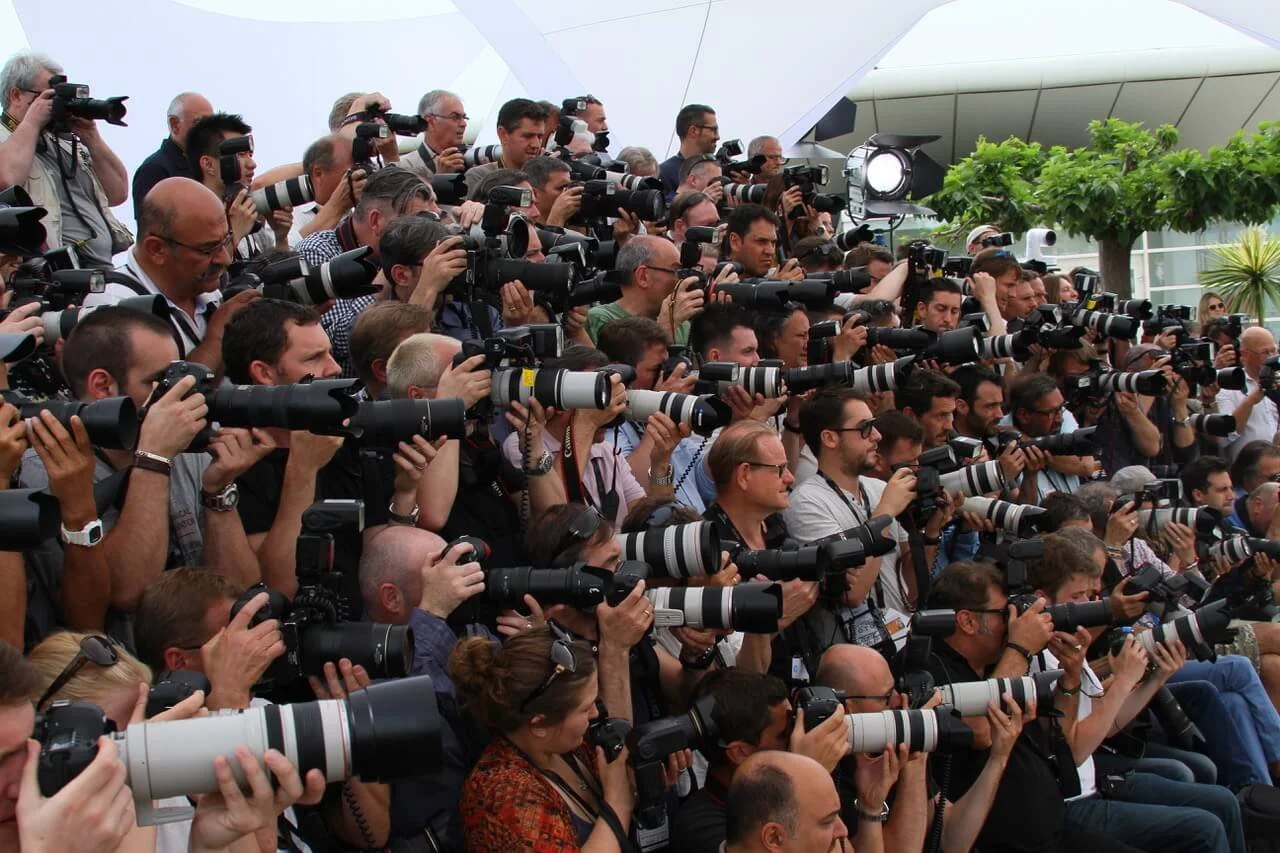
Press and media photographers covering a corporate conference

When You Genuinely Need Two

There are situations where one photographer physically cannot be in two places, and no amount of hustle fixes physics.

Simultaneous Programming

If you have three breakout sessions running at the same time in different rooms, one photographer covers one of them. If leadership needs documentation of all three, you need more shooters. This is the most common legitimate reason for a second photographer.

Large Galas and Award Nights

A 500 person gala with a red carpet, a cocktail hour, dinner service, an awards program, and an after party has too many simultaneous moments for one person. While the awards are happening on stage, the red carpet is still running. While dinner is served, the step and repeat is busy. Two shooters split the room and nothing important goes uncovered.
VIP and Press Requirements

When executives need dedicated coverage, when press is present, or when sponsors expect their own documentation, a second shooter frees the lead photographer to stay with the VIPs while the second covers the room. Trying to do both solo means doing both badly.

Multi Day Conferences

For two and three day events, a second shooter is partly about stamina. Event photography is physically demanding: ten hour days on your feet with heavy gear. Two shooters can rotate, stay sharp, and maintain quality across the whole program instead of fading on day three.

The Hidden Costs of Going Solo When You Should Not

Companies sometimes skip the second shooter to save money and end up paying in missed moments. The keynote Q and A that nobody photographed. The sponsor activation with no usable images. The award winner whose moment exists only as a blurry phone photo.
Worse is the single photographer stretched so thin that everything suffers. Rushed candids, missed posed shots, no time to find good light. An exhausted shooter on hour nine delivers worse work than a fresh one on hour four. Sometimes the second photographer is not about coverage at all. It is about quality.

How to Decide: A Simple Test

Ask yourself three questions:

  • Are important things happening in two places at once? If yes, you need two shooters.
  • Is the guest count over 300? If yes, strongly consider it.
  • Would missing any single moment be a real problem? If yes, the redundancy is worth it.

If the answer to all three is no, one great photographer is the right call, and the money is better spent elsewhere in the event budget.

Lead Plus Assistant vs Two Full Photographers

There is a middle option worth knowing about. Instead of two full photographers, some events book one lead photographer plus an assistant who also shoots. The assistant handles straightforward coverage, second angles, and backup while the lead owns the critical moments and the creative direction.

This works well for medium sized events where you want extra coverage but do not need two fully independent shooters. It costs less than two full bookings and still solves the problem of simultaneous moments in nearby spaces.

What it does not solve is true simultaneous programming in distant rooms, or events where both shooters need to operate at a principal level. An assistant is not a second lead. Be honest about which one your event needs.

When you discuss this with a photographer, ask exactly what the assistant will shoot and what experience they have. A skilled assistant with a clear brief is an asset. An unbriefed helper with a camera is just a warm body. The difference is entirely in the planning, which is why this conversation belongs in the pre event call, not on the day.

What Two Shooters Cost

Understand corporate event photography costs before you decide. My event rates are $750 per hour, $2,500 for a half day of four hours, and $4,500 for a full eight hour day, with half due to book and half due on the shoot day. A second shooter is typically priced similarly, though some photographers offer a reduced rate for the second since the lead handles direction and delivery.

When you get quotes, confirm what the second shooter actually delivers. Do you get their full image set or just selects? Who edits? When do you receive everything? My standard is how fast event photos are delivered: next day, 200 to 300 images. Make sure a two shooter booking does not somehow deliver slower than a solo one.

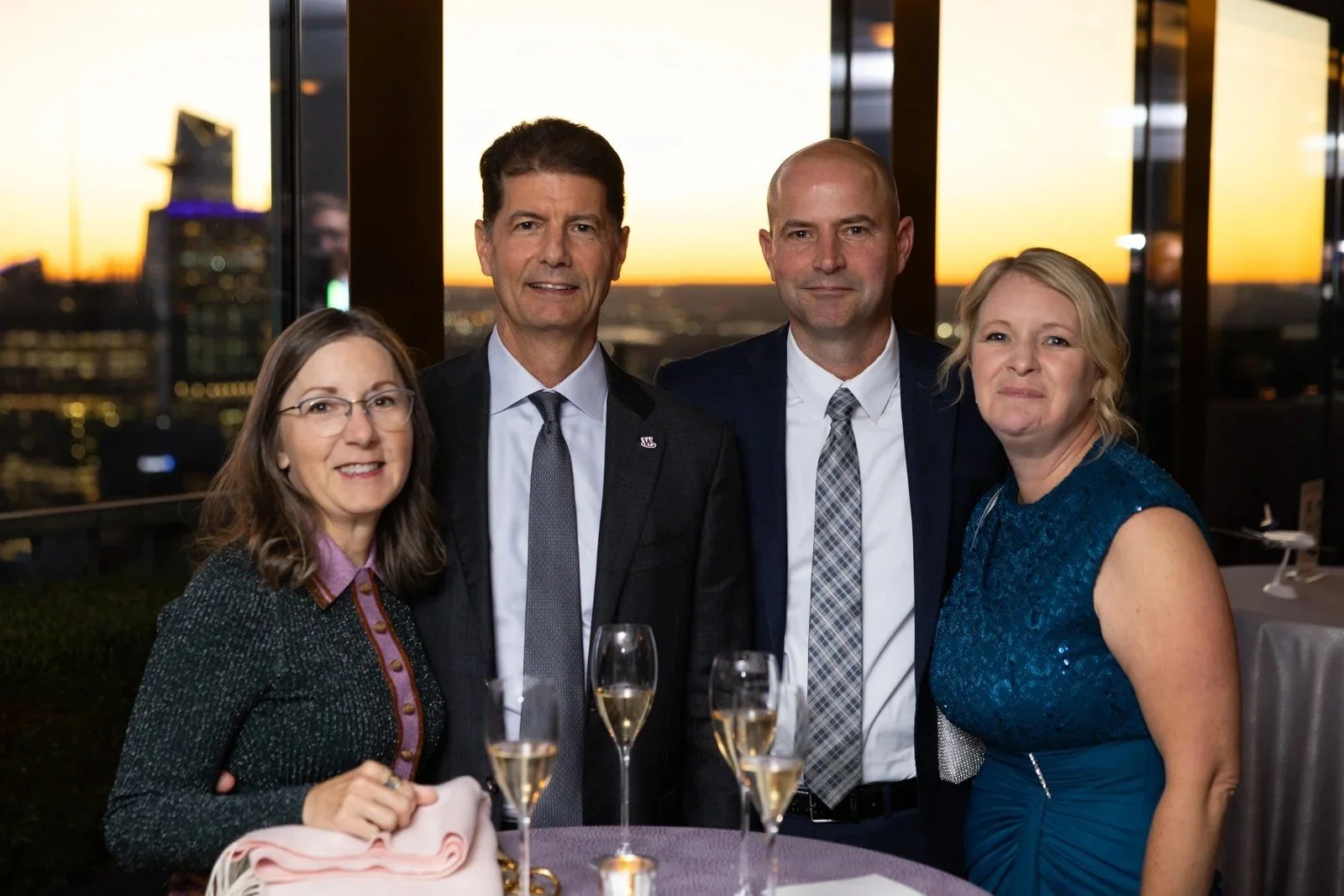
Gala photographer working a New York City corporate event

Making Two Shooters Work Well

If you book two, set them up for success:

  • Designate a lead. One photographer directs the overall plan and owns delivery. Two equals with no hierarchy step on each other.
  • Split the brief explicitly. Stage versus room, red carpet versus reception, VIPs versus crowd.
  • Introduce them before the event. Even a ten minute call aligns styles and prevents duplicate coverage.
  • Brief both on the VIP list and must have shots. The second shooter needs the same intelligence as the lead.

The Bottom Line

One excellent photographer covers most corporate events completely. Add a second when programming runs simultaneously, when the guest count is large, when VIPs need dedicated attention, or when missing a moment is not an option. It is a coverage decision, not a luxury decision, and the right answer comes from the schedule, not the budget.

When you hire a corporate event photographer, ask directly whether they think your event needs one shooter or two. An honest photographer will tell you when one is enough, because a pro would rather deliver great solo coverage than sell you a second shooter you do not need. I turn down the upsell regularly. The events that truly need two make the case themselves.

Candid or Posed: What Works Best for Corporate Event Photos?

When companies hire me to photograph their events, they usually have a vague brief: capture the event. What they actually need is a mix of two very different kinds of photography, and understanding the difference changes what you get from the day.

Candid photos show the event as it felt. Posed photos show the people who mattered. You need both. Here is how I think about the balance after 27 years shooting corporate events.

What Candid Photos Do Best

Candids are the documentary backbone of event coverage. Guests networking over coffee, a speaker mid gesture, the audience laughing at the same moment, two executives deep in conversation. These images carry energy and authenticity that no posed shot can fake.

Candids serve specific business purposes:

  • Marketing and social media. Real moments outperform staged ones in engagement every time.
  • Internal communications. Employees want to see themselves having a good time, not lined up like a class photo.
  • Future event promotion. Nothing sells next year's conference like photos of this year's crowd genuinely enjoying itself.
  • Press and PR. Publications want images that feel like journalism, not advertising.

The best candids are invisible. I move through the room quietly, watch for moments, and shoot without interrupting. The skill is anticipation: seeing the laugh half a second before it happens, positioning for the handshake before the hands meet. That only comes with experience.

Audience seated at a conference event

What Posed Photos Do Best

Posed photos are the record. The CEO with the keynote speaker. The award winner holding the trophy. The board together. The sponsor representatives with the branded backdrop. These images have specific jobs that candids cannot do.

Posed shots serve:

  • Executive visibility. Leadership photos get used in press releases, annual reports, and investor materials.
  • Sponsor obligations. Sponsors pay for visibility, and a clean posed photo with branding delivers it.
  • Awards and recognition. Nobody wants a blurry candid of their award moment. They want the trophy, the smile, the proof.
  • Team documentation. The group photo of the whole company is posed by definition, and it matters.

The key to good posed event photos is speed. At a live event, I have seconds per group, not minutes. I arrange people fast, check the background, shoot the frame, and move on. Nobody wants to stand around while a photographer fusses.

The Right Mix

For a typical corporate event, I aim for roughly 70 percent candid and 30 percent posed. The candids tell the story of the day. The posed shots capture the specific people and moments the company needs on record.

That ratio shifts with the event type:

  • Conferences and summits: heavier on candids. The energy of the crowd is the story.
  • Galas and award nights: heavier on posed. Red carpet arrivals, award moments, and VIP photos are the deliverables.
  • Holiday parties and team events: almost entirely candid. Nobody wants to pose at a party.
  • Groundbreakings and announcements: posed led. The ceremonial moment is the whole point.

Tell your photographer the mix you need in the planning call. If I know the awards segment is the priority, I position and plan for it. If I know you need social content, I shoot looser and more editorially all day.

How to Brief Your Photographer

The pre event planning call is where good coverage is made. Here is what I need to know:

  • The run of show. When are the key moments, and where do they happen in the room?
  • The VIP list. Who must be photographed, and can someone point them out to me?
  • Must have posed shots. Awards, check presentations, ribbon cuttings, group photos: list them all.
  • Brand guidelines. Step and repeat design, logo usage, any no go zones.
  • Delivery expectations. When do you need the first images? Social teams often need selects the same night.

Walkthroughs matter more than people think. Location managers do not always describe lighting well, and seeing the space in person is key to planning where I stand for each moment. If a client skips the pre event planning call, I work with what I have, but even skeleton event details help me prepare.

Turnaround: When You Get the Photos

Speed matters in event photography. My standard is next day delivery of 200 to 300 fully edited images, which covers most corporate needs. If your social team needs images during the event, say so upfront. Rush delivery is available but carries a rush charge, so plan ahead when you can. For more detail on timing, read about event photography turnaround time and what drives it.

Pricing Context

Corporate event photography with me runs $750 per hour, $2,500 for a half day of four hours, and $4,500 for a full eight hour day. Payment is half to book and half on the shoot day. The deposit is non refundable but the date is reschedulable, which protects you if plans shift. Every booking includes the candid plus posed mix described here, directed by someone who has done this hundreds of times.

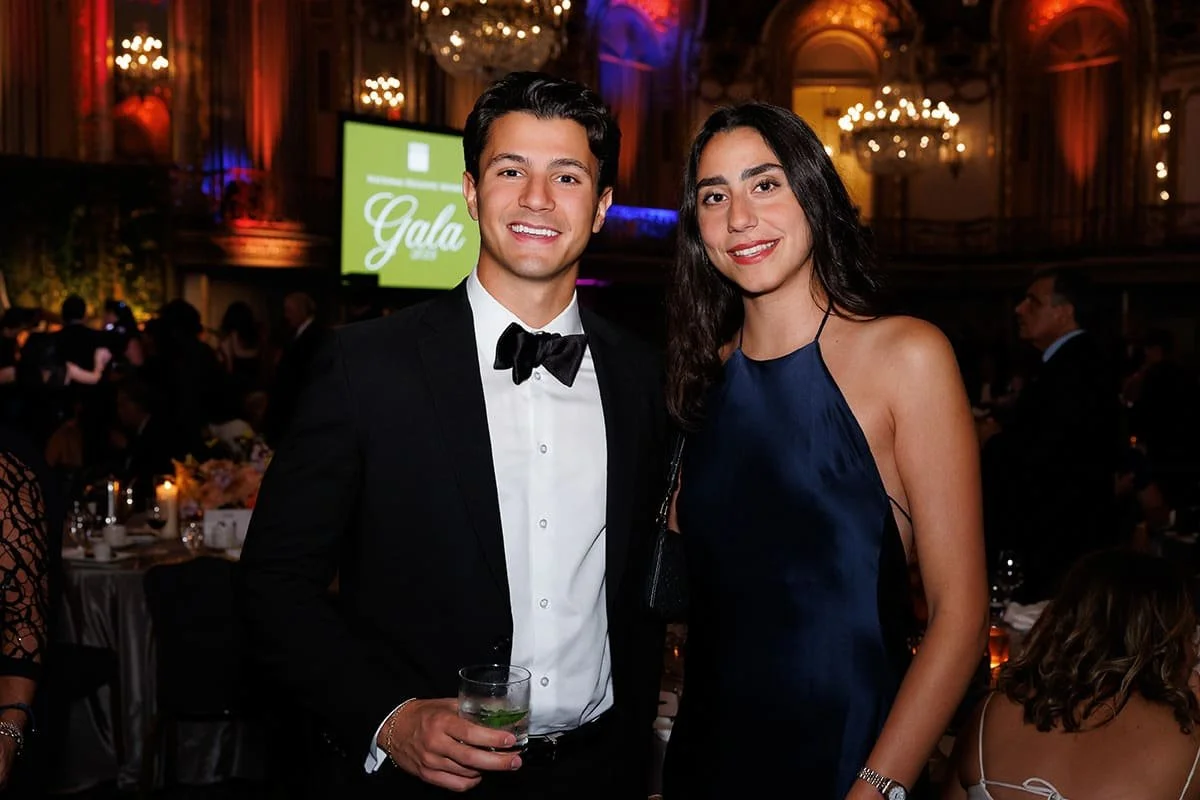
Attendees mingling at a corporate gala event in Chicago

Getting Both Styles From One Photographer

A common worry is that one photographer cannot do both styles well. In my experience, the opposite is true. The same eye that anticipates a candid moment is the eye that arranges a group quickly. Switching between the two is a rhythm thing: I spend the open networking periods in candid mode, moving quietly through the room, then shift into posed mode for the structured moments like awards and VIP photos, then back again.

The transition matters. When I pull a group together for a posed shot, I keep it fast and light so the energy of the event does not stall. Nobody wants the party to stop for photography. I arrange, shoot, and release people back to the event in under two minutes per group. Then I disappear back into candid mode.

What does not work is hiring a photographer who only does one style and hoping for the other. A pure documentary shooter will fumble the posed VIP shots. A pure portrait shooter will miss the fleeting moments. When you interview photographers, ask to see full event galleries, not just highlight reels. A complete gallery shows you whether they sustained both styles across an entire day.

The Bottom Line

Brief for both. Candids for the story, posed for the record. Give your photographer the run of show, the VIP list, and the must have shots in advance, and you will get a gallery that works as hard after the event as the event worked in the moment.

If you are booking a corporate event photographer for the first time, or evaluating hiring a corporate event photographer against other options, ask how they balance candid and posed coverage. The answer tells you everything about their experience. A pro has a ratio and a plan. An amateur has a camera.

Team Page Photos: Group Shot or Individual Headshots Guide

Your team page is one of the most visited pages on your website. Prospective clients check it before they ever contact you. Job candidates study it to decide whether they want to work for you. And yet most team pages look like an afterthought: a mix of selfies, cropped wedding photos, outdated corporate shots, and empty gray silhouettes.

I photograph corporate teams regularly, and the question comes up every time: should we do one group photo, or individual headshots for everyone? Here is my honest answer.

The Short Answer: Individual Headshots Win

Individual headshots are the stronger choice for almost every company. Here is why.

A team page exists to build trust with individuals. When a prospect is deciding whether to hire your firm, they want to see the actual person they will work with. An individual headshot lets each team member make their own first impression. It also scales: when someone joins or leaves, you add or remove one photo instead of reshooting the entire group.

Group photos have real problems on team pages. They do not crop well to the small thumbnails most layouts use. Faces become tiny and unreadable. When the team changes, the photo is instantly outdated. And group shots tell visitors about the group while individual headshots tell them about the people, which is what actually builds trust.

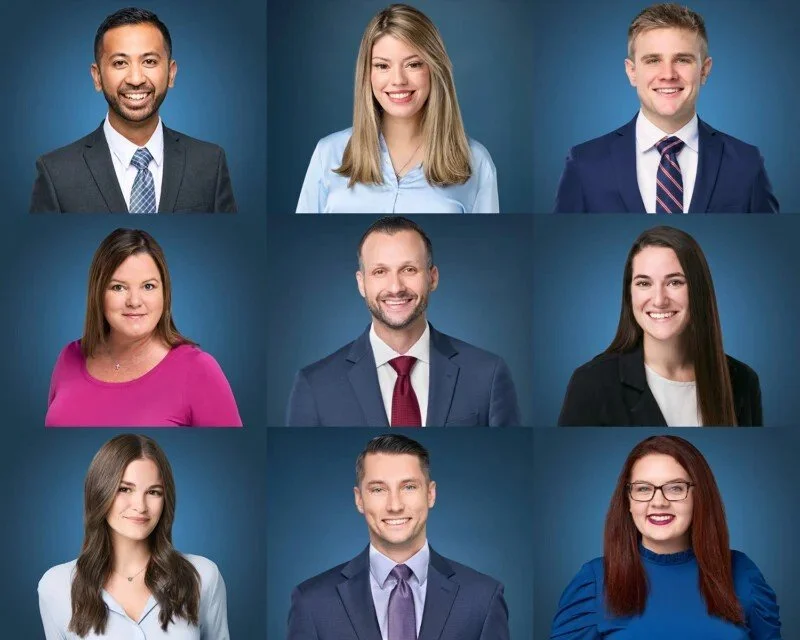
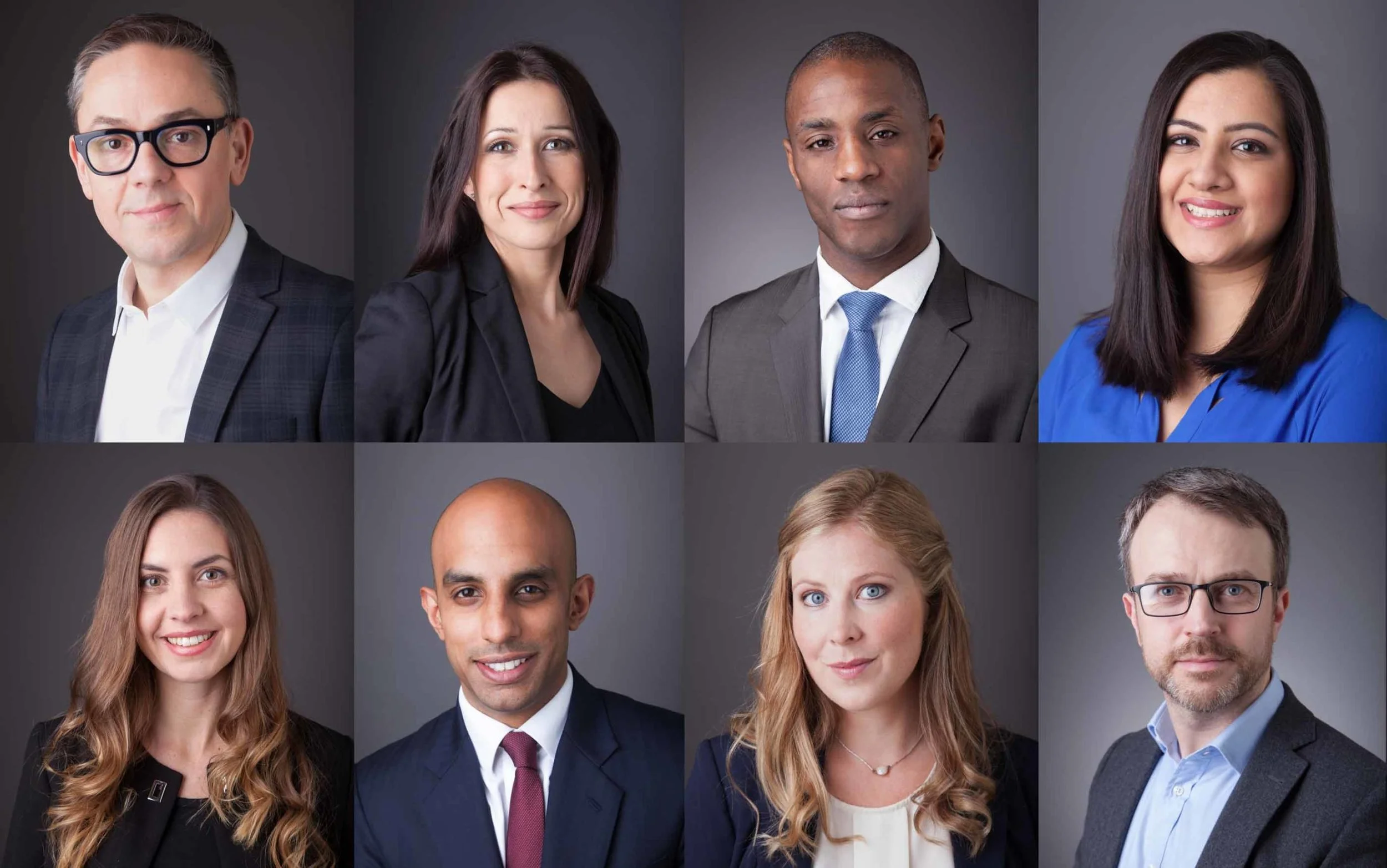
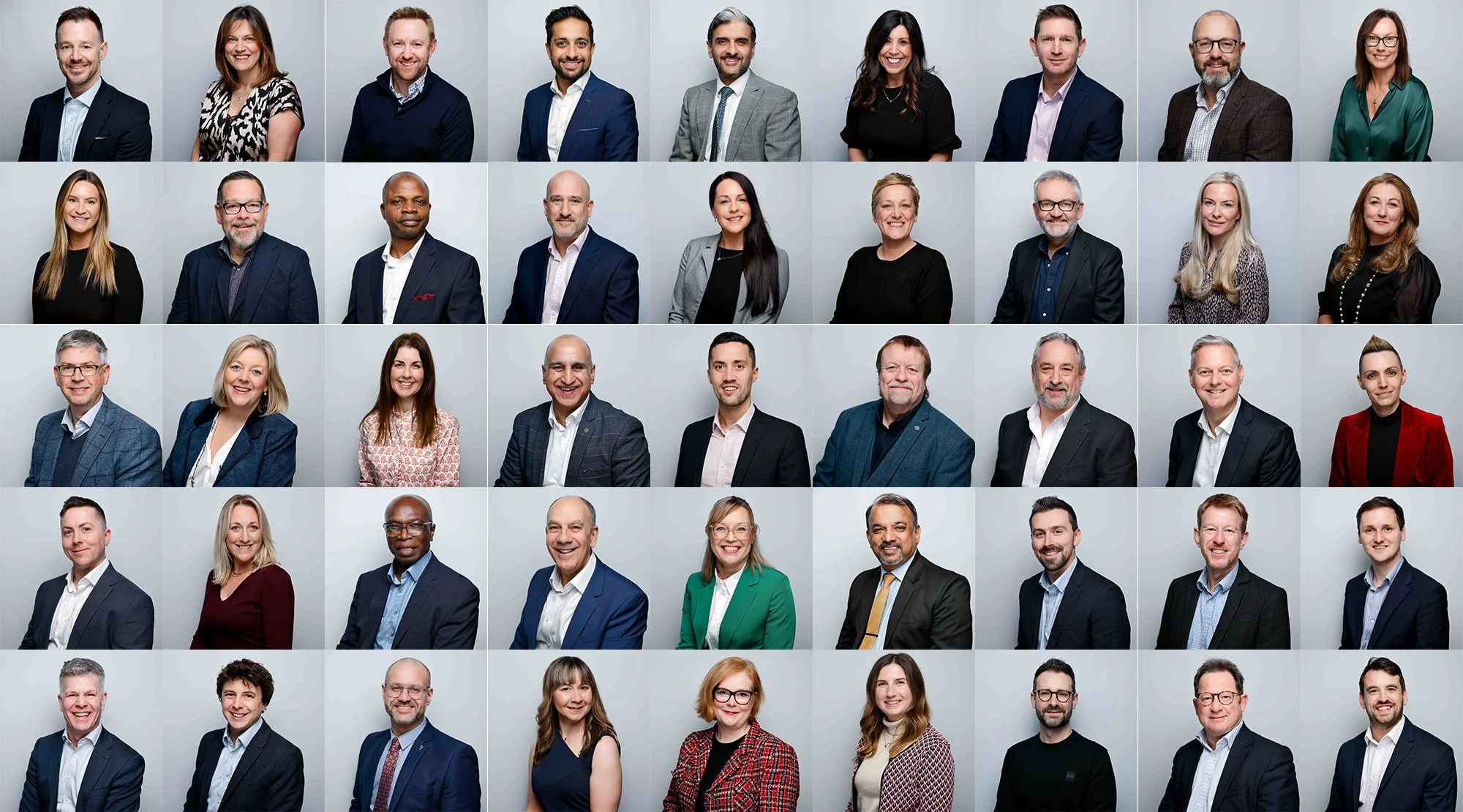
Row of consistent professional team headshots

When a Group Photo Makes Sense

That said, group photos have their place. Use one as a complement, not a replacement.

  • A hero image at the top of the About page showing company culture
  • Office wall art and lobby displays
  • Press kits and company profiles where a sense of scale matters
  • Social media and recruiting content showing team energy

The ideal team page has both: individual headshots in the grid where people browse bios, and a group photo elsewhere showing the team together. They do different jobs.

The Consistency Problem (and How to Solve It)

The number one issue I see on team pages is inconsistency. Different backgrounds, different lighting, different crops, different photographers, different decades. It looks disorganized, and visitors read disorganization as unprofessionalism.

Consistency requires planning:

  • Same background for everyone. Gray is the corporate standard for a reason.
  • Same lighting setup. This is why one photographer shooting the whole team in one session beats ten employees visiting ten different studios.
  • Same crop and framing. Head and shoulders, same proportions, every person.
  • Same retouching standard. Natural and uniform, not heavily processed on some and raw on others.

This is the entire discipline of keeping team headshots consistent. It sounds simple, and it is simple, but only if one person owns the standard.

How to Photograph the Whole Team Efficiently

For teams of any size, the efficient approach is a dedicated shoot day. I set up a portable studio at your office and photograph everyone in sequence. Each person takes about ten to fifteen minutes. A team of twenty is done in a morning.

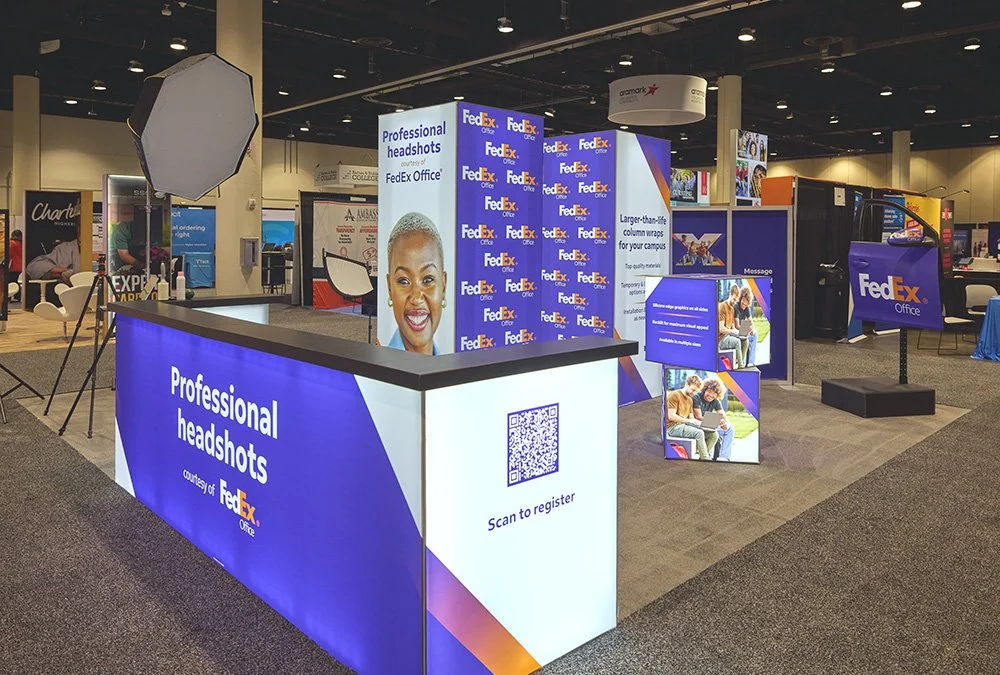
For larger companies or ongoing needs, an on-site headshot booth at a company event or all hands meeting captures everyone in one go. For big lines, clients sign up with a QR code that captures their contact info, which keeps the flow organized and gives you a delivery list automatically.

Handling New Hires and Departures

The team page is a living document. Every company needs a plan for new hires, or consistency collapses within a year. The two approaches that work:

  • Schedule quarterly mini sessions for new hires. Batch them so the per person cost stays low.
  • Keep a reference standard. Save the exact background, lighting notes, and crop specs from the original shoot so any future session can match.

I also offer match sessions for exactly this situation. The company sends whatever they have from a previous shoot and I replicate it: same background tone, same lighting feel, same crop. It is the fastest way to keep matching headshots for new hires seamless without reshooting the entire team.

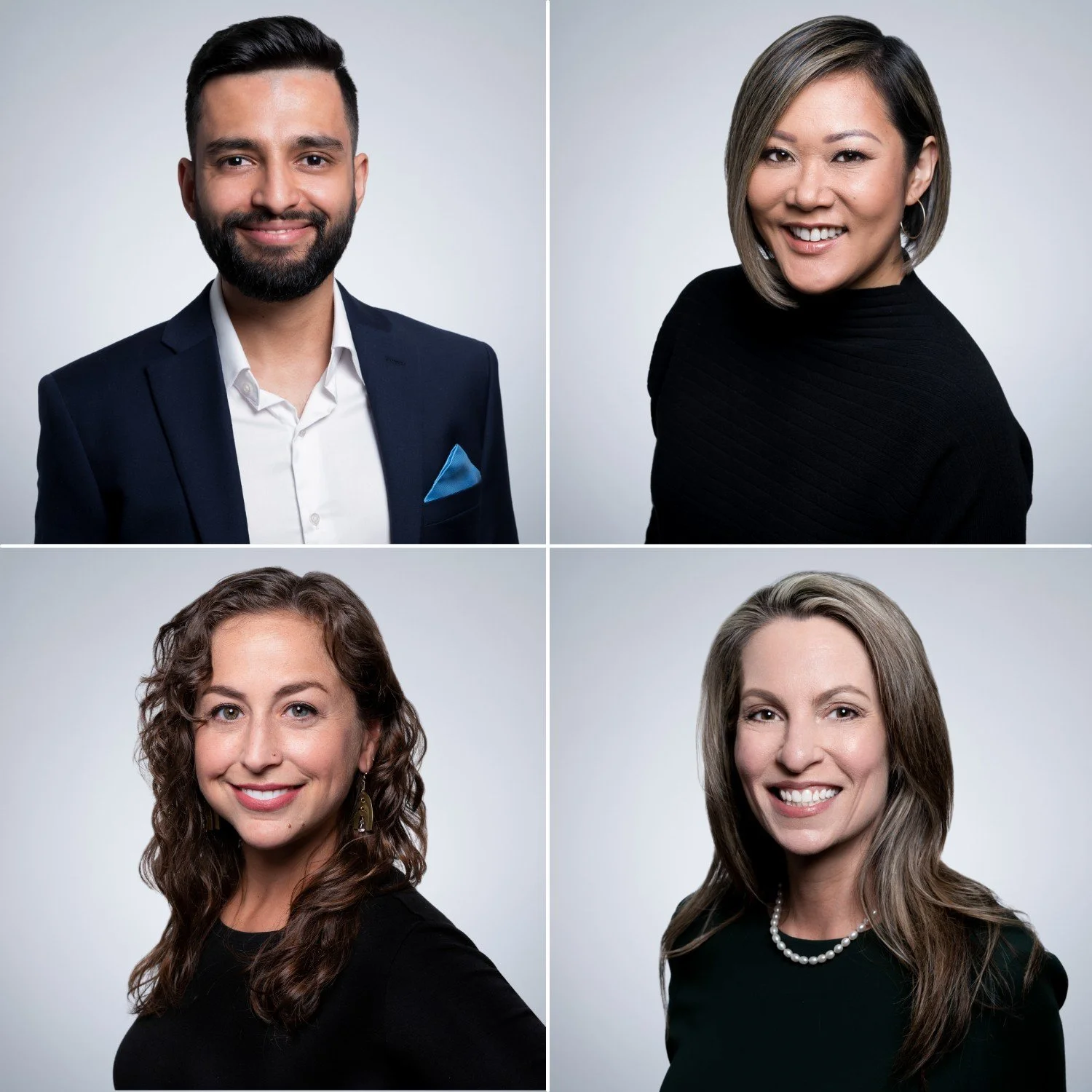
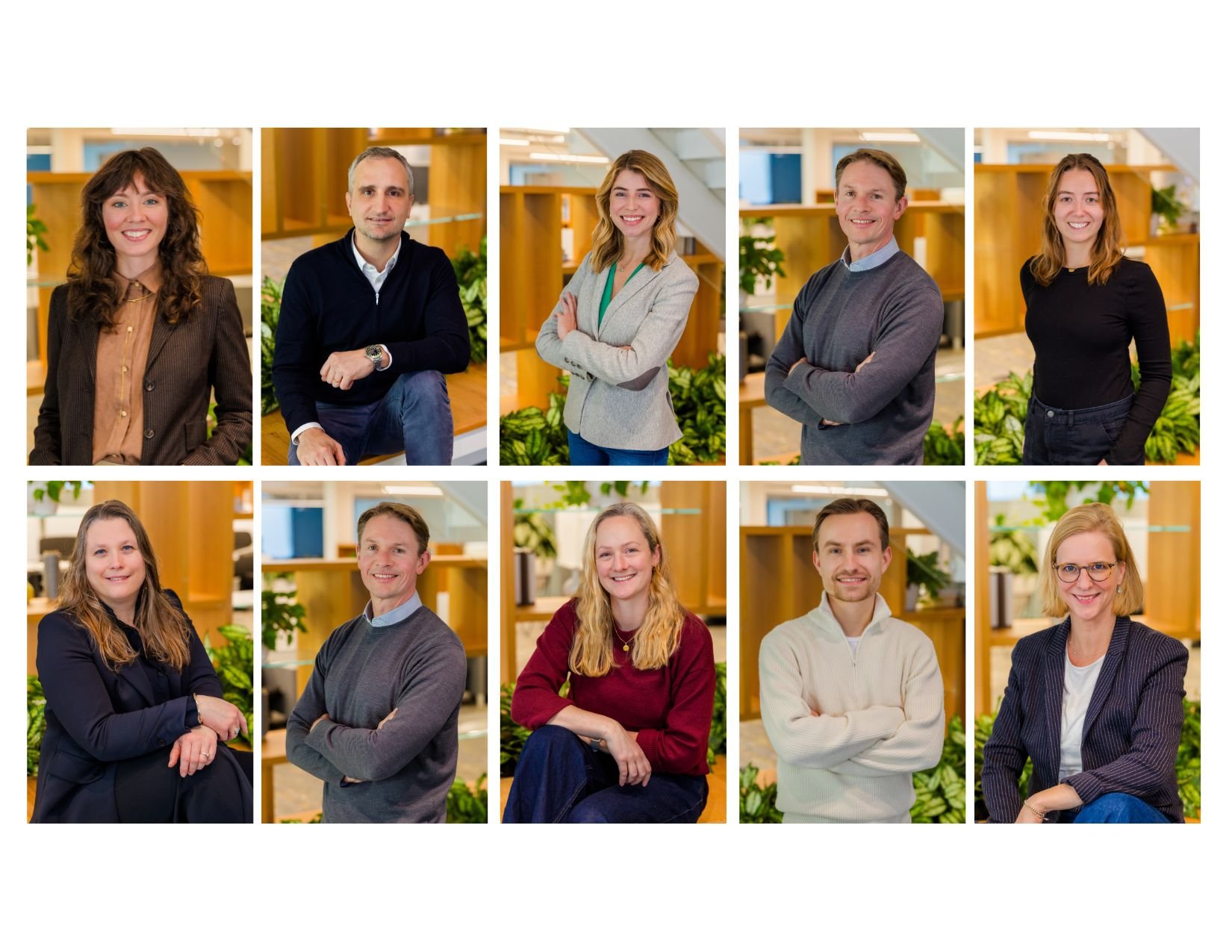
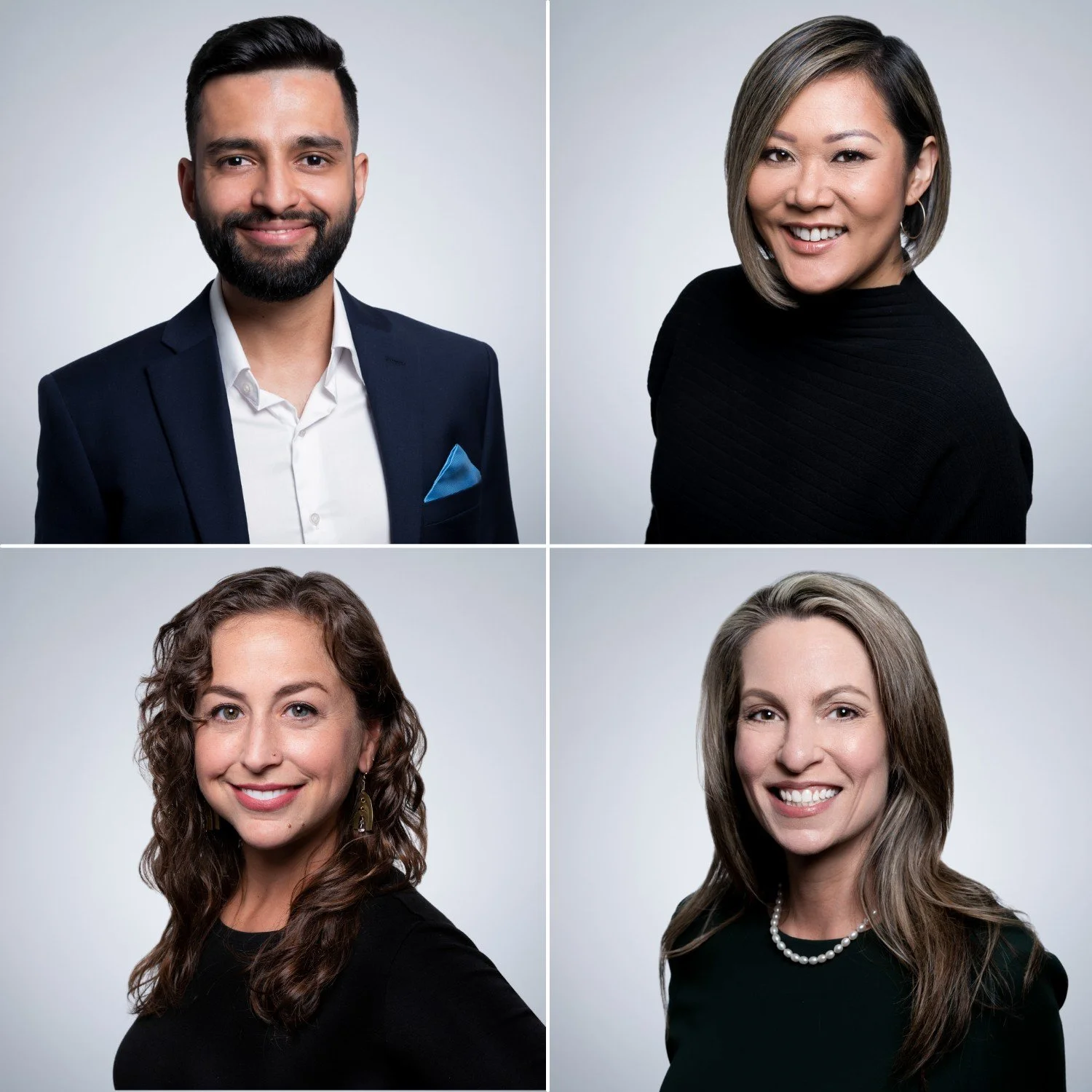
Examples of consistent group headshot photography for a team page

Why DIY Team Photos Fail

Every year I meet companies that tried to handle team photos themselves. Someone with a decent camera volunteers, or each employee submits their own photo. It never works, and the reasons are consistent.

First, lighting. Good headshot lighting is a skill built over years. A volunteer with a nice camera still produces flat, unflattering, or inconsistent light, because the camera was never the hard part. Second, direction. Non photographers do not know how to pose people, so everyone looks stiff. Third, and most damaging, standards drift. When each person submits their own photo, you get ten different backgrounds, five different aspect ratios, and quality ranging from professional to phone selfie.

The result always looks worse than having no photos at all, because inconsistency reads as disorganization. A single coordinated shoot with a professional costs less per person than most companies expect, and it produces a standard that lasts for years. If budget is truly tight, do it in phases: leadership and client facing staff first, everyone else in the next round. But do it properly, once, rather than patching together something that undermines the brand.

What to Brief Your Team Before the Shoot

Send these guidelines a week before:

  • Solid colors, no busy patterns or logos. Jewel tones and classic neutrals photograph best.
  • Bring two top options. I will help choose on the day.
  • Hair and grooming done before arrival. The shoot moves fast.
  • Glasses are fine, but bring a backup plan. I watch for lens glare in every frame.
  • Relax. I direct every person individually, so nobody needs to know how to pose.

Group Photo Tips (for the Complement Shot)

When we do the group photo, usually at the end of the individual sessions:

  • Arrange by height, not hierarchy. It looks better and avoids politics.
  • Shoot it in the same lighting style as the individuals so the page feels unified.
  • Take several arrangements. The best group photo is rarely the first one.
  • Get a horizontal and a vertical version. You will need both eventually.

The Bottom Line

Build your team page on individual headshots: consistent, professional, scalable. Add a group photo as supporting content for culture and energy, not as the main event. Plan for new hires from day one, because a team page is only as good as its maintenance.

If your current team page is a patchwork of mismatched photos, a single coordinated shoot day fixes it permanently. One photographer, one setup, one standard, and a reference file that keeps every future hire matching. That is how serious companies handle it, and your visitors can tell the difference in about five seconds.

How Often Should You Update Your Headshot? A Pro Timeline

I can usually tell how old a headshot is within about three seconds of seeing it. Hairstyles date a photo faster than anything. Then clothing, then the subtle shifts in a face over time. An outdated headshot does not just look old. It quietly undermines trust, because the person in the photo is not the person who shows up to the meeting.

After 27 years in this business, here is the timeline I recommend, and the signs that yours has expired.

The General Rule: Every Two to Three Years

For most professionals, every two to three years is the sweet spot. That is frequent enough that your photo stays honest, and infrequent enough that you are not constantly rebooking. Faces change gradually, and at the two year mark most people still look like their photo. By year three or four, the gap starts to show.

Put it on a schedule the way you would any other professional maintenance. If your last headshot was 2023 or earlier, you are due.

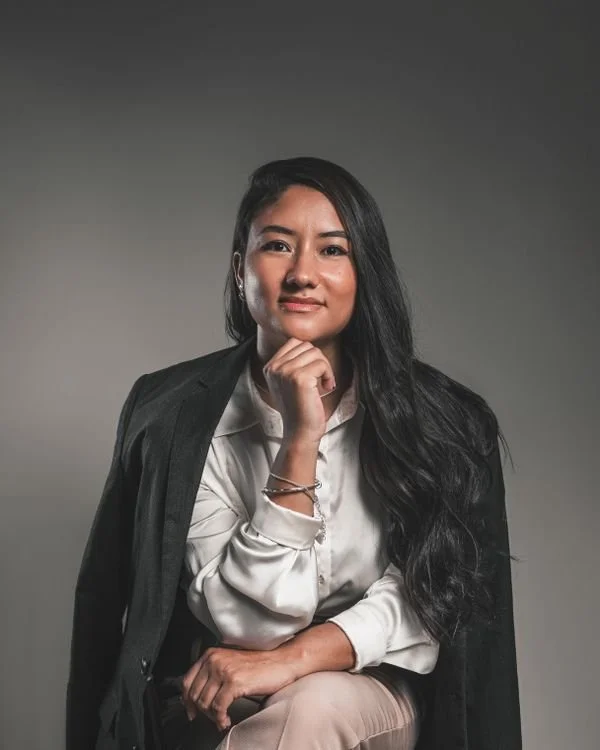
Professional portrait of a confident businesswoman

When to Update Sooner

Your Appearance Changed

This is the real trigger, and it overrides any calendar. Update immediately if:

  • You changed your hairstyle significantly, new cut, new color, or much longer or shorter
  • You started wearing glasses full time, or stopped
  • You grew or shaved a beard
  • You had a noticeable weight change
  • You have visibly aged past what the photo shows

The test is simple. If someone who only knows your photo would be surprised when they meet you, the photo is expired. Your headshot is a promise about what you look like. Keep the promise.

You Changed Roles or Industries

A photo that was perfect for a startup marketing role might not suit a new position in finance or law. When your professional context shifts, your image should shift with it. New title, new industry, new personal brand: new headshot.

Actors: Every One to Two Years

Actors live by a stricter clock. Casting directors need your current face, your current hair, your current type. Young actors aging through their twenties should update yearly, because a year can change a casting type completely. Established actors can stretch to two years unless something changes.

Executives and Public Figures: Every Two Years

If you speak at conferences, sit on boards, appear in press, or lead a visible company, your face is a public asset. Update every two years at minimum. Stale executive photos get noticed, and not in a good way.

Signs Your Headshot Is Expired

Be honest with yourself. Check for these:

  • The hairstyle in the photo is one you have not worn in over a year
  • You are wearing clothes you no longer own
  • The photo is visibly low resolution by current standards
  • Colleagues have commented, even jokingly, that you look different
  • You avoid using it and default to cropped group photos instead
  • It was taken on a phone by a friend, and your career has outgrown it

That last one deserves emphasis. Plenty of successful people are still using a photo that predates their current success. If you have been promoted twice since your headshot was taken, your image has not kept up with your career.

The Hidden Cost of an Outdated Headshot

Nobody can show you a spreadsheet proving that an old headshot cost them a job or a client. But the mechanism is real and I have watched it play out. A recruiter compares your ten year old photo to your current video call presence and feels a flicker of doubt. A prospect meets you after seeing a photo from a different era and spends the first five minutes recalibrating instead of listening. A conference organizer uses your outdated bio photo and attendees cannot find you at the networking reception.

Trust is built on consistency between what people expect and what they encounter. Every gap between your photo and your reality is a small tax on that trust. Individually these moments are trivial. Accumulated across hundreds of first impressions over two or three years, they are not.

The fix is modest relative to the stakes. A professional headshot session every two to three years is one of the lowest cost, highest visibility investments in a career. Your photo appears in more first impressions than your handshake ever will.

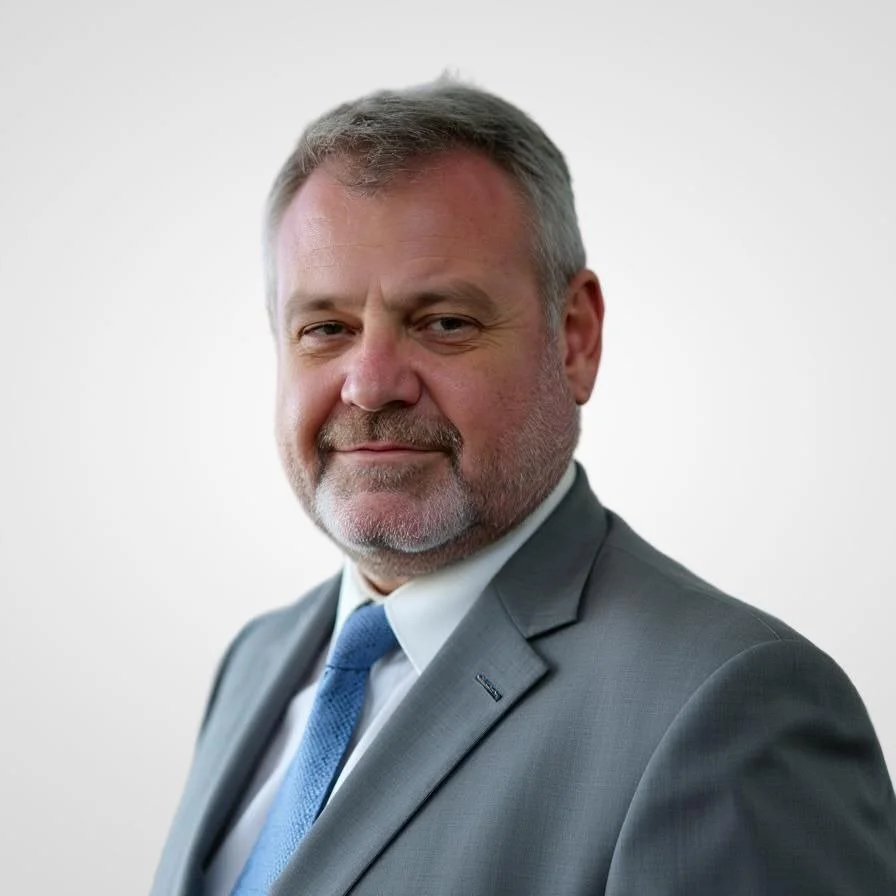
Executive headshot of a man in a grey suit against a studio background

What About the Cost of Updating?

This is where people hesitate, and I understand it. But consider the math differently. If you are wondering why headshots cost so much, remember that a professional session every two to three years breaks down to a few hundred dollars a year. That is less than most people spend on work clothes they wear far less visibly than their LinkedIn photo.

Check current headshot costs in Los Angeles when you budget. My sessions start at $1,500 for two looks, which means each refresh gives you a polished professional image plus a second look for variety. Spread over three years, that is one of the most affordable high impact investments in your career.

Make Each Update Count

Since you are only doing this every few years, get full value from the session:

  • Shoot at least two looks. Styles and needs change, and options future proof you.
  • Get both horizontal and vertical crops if you speak or publish. Different platforms need different shapes.
  • Ask for high resolution files. You cannot predict every future use, and upscaling a small file never works.
  • Update everywhere at once. LinkedIn, company site, speaker bios, social profiles, email signature. A new headshot sitting on your hard drive helps no one.

The AI Shortcut Is Not a Shortcut

Some people try to dodge the update cycle with AI generated headshots. I have strong feelings about this: "There is nothing wrong with AI headshot apps except they are not real. It just depends on you as a person. Are you a real, authentic person, or are you willing to let AI represent you?" An AI image might buy you a year, but it cannot capture who you are now, and the uncanny quality is obvious to anyone who looks closely. A real session every few years beats a fake image every year.

The Bottom Line

Two to three years for most professionals. One to two for actors. Immediately whenever your appearance changes enough that the photo stops being honest. Put the next session on your calendar the way you would a dental cleaning: routine maintenance for the face of your career.

And if you are on the fence about are professional headshots worth it, ask yourself what your current photo is costing you in missed first impressions. A current, confident headshot pays for itself the first time the right person sees it.

LinkedIn vs Acting Headshots: What Is the Real Difference?

Yes. Completely. They are different products with different audiences, different goals, and different rules. I shoot both every week, and the sessions feel like different sports.

This matters because I regularly meet actors using a corporate headshot for casting submissions, and professionals using a dramatic actor style photo on LinkedIn. Both are mistakes, and both are easy to avoid once you understand what each headshot is actually for.

What a LinkedIn Headshot Has to Do

A LinkedIn headshot has one job: make you look like someone worth hiring, promoting, or doing business with. The audience is recruiters, hiring managers, clients, and colleagues. They are scrolling fast, the thumbnail is tiny, and you have about one second to register as competent and approachable.

That means:

  • Warm, confident expression. A genuine smile or a friendly neutral look.
  • Clean, simple background. Nothing competes with your face.
  • Professional wardrobe. What you would wear to an important meeting.
  • Flattering, even lighting. No heavy shadows, no drama.
  • Instant readability. Your face should be clear and recognizable at thumbnail size.

The LinkedIn headshot is about trust. Every choice serves approachability and professionalism. Edge and mystery are liabilities here.

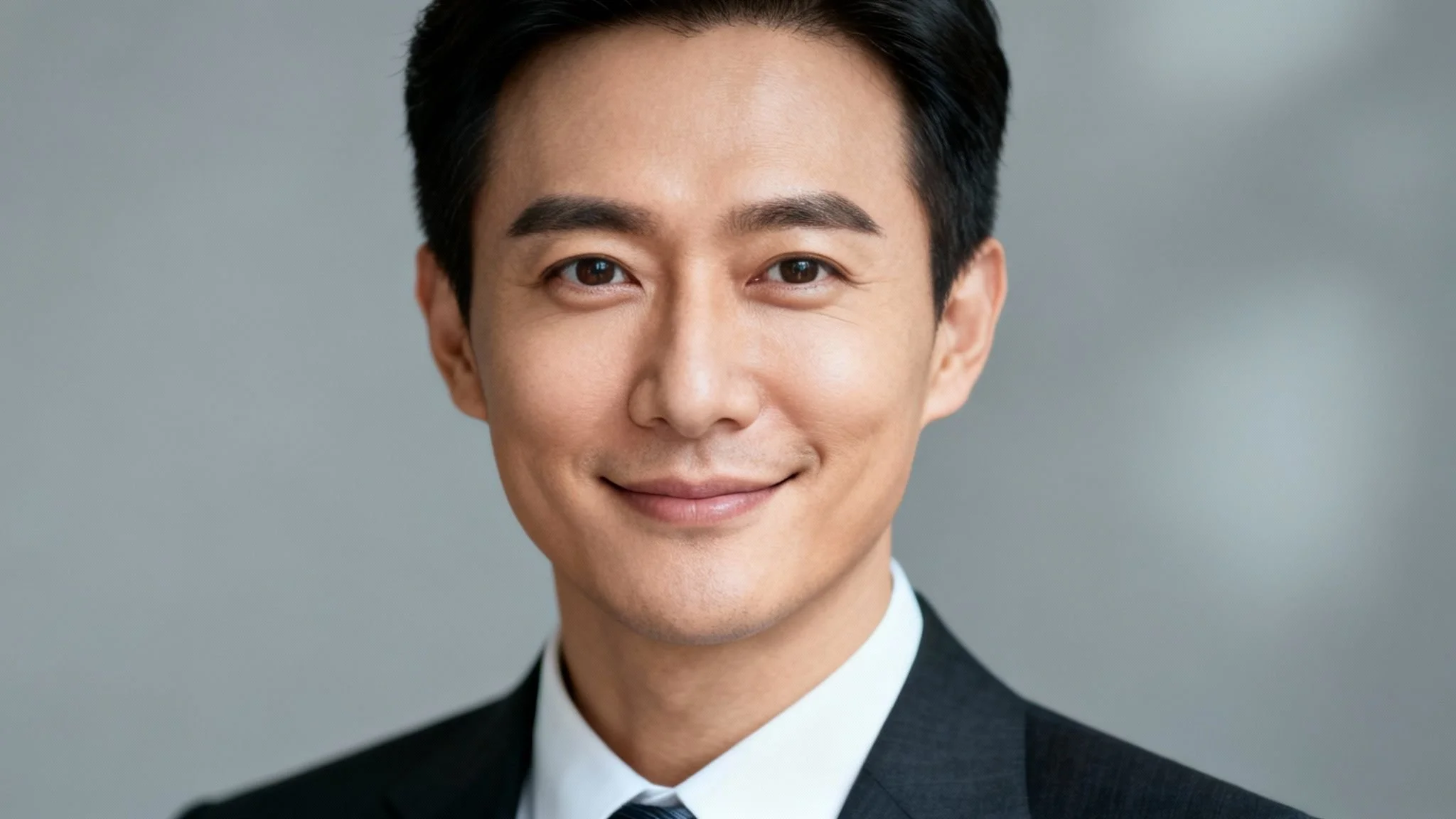
Professional LinkedIn profile headshot of a businessman in a suit

What an Acting Headshot Has to Do

An acting headshot has the opposite job: show casting directors your range, your type, and what your face does on camera. The audience is casting professionals who look at thousands of headshots and make decisions in seconds. They are not hiring an employee. They are imagining you in a role.

That means:

  • Multiple distinct looks. Theatrical and commercial at minimum.
  • Personality and specificity. Generic pretty does not book work. Interesting books work.
  • Minimal retouching. Casting directors need to see your real skin, your real age, your real face.
  • Expression with intention. The eyes carry story, not just friendliness.
  • Type clarity. The photo should suggest the roles you actually play.

The acting headshot is about castability. Every choice serves the question: what characters live in this face?

The Key Differences, Side by Side

Expression

LinkedIn wants warmth. Acting wants range. A LinkedIn smile says hire me. An actor's neutral intensity says cast me as the detective, the lover, the villain, the best friend. I direct these sessions completely differently. For LinkedIn, I am pulling out approachability. For acting, I am hunting for the specific emotional truth that makes a casting director stop scrolling.

Retouching

This is a major split. LinkedIn and corporate headshots get polished retouching: skin evened, shine controlled, temporary blemishes removed. Acting headshots stay much more natural. My philosophy applies to both, "I leave the things that give people character. If it is a mole or something like that, it stays. If it is a blemish like a pimple, I take it out," but for actors I go even lighter. A casting director who meets someone looking ten years younger than their headshot feels misled, and that kills trust instantly.

Wardrobe

LinkedIn wardrobe is professional and timeless: blazers, crisp shirts, simple jewelry. Acting wardrobe is character driven: the leather jacket for edge, the soft sweater for vulnerability, plain dark tops that keep focus on the face. Actors should review what to wear for headshots with their specific casting type in mind, not corporate dress codes.

Background and Lighting

LinkedIn favors clean, bright, simple. Gray, white, or softly blurred backgrounds with even, flattering light. Acting headshots allow more mood: darker backgrounds, more sculpted light, environmental texture. The lighting for a theatrical headshot can be dramatic in ways that would look alarming on a LinkedIn profile.

Number of Images

A professional needs one great LinkedIn photo, used consistently everywhere. An actor needs a set: theatrical, commercial, and often a third look for a specialty type. This is fundamental to how to choose an acting headshot photographer, because you need someone who thinks in sets and casting types, not single images.

Can One Session Cover Both?

If you are an actor with a day job, or a professional who also acts, yes, with planning. My sessions are built around looks, and a three look session can absolutely deliver a polished LinkedIn image plus theatrical and commercial acting looks. The key is sequencing: we shoot the looks as distinct characters with full wardrobe changes, not as slight variations of the same photo.

Tell your photographer upfront that you need both. The lighting, direction, and retouching approach differ, and knowing the full brief changes how I shoot from the first frame.

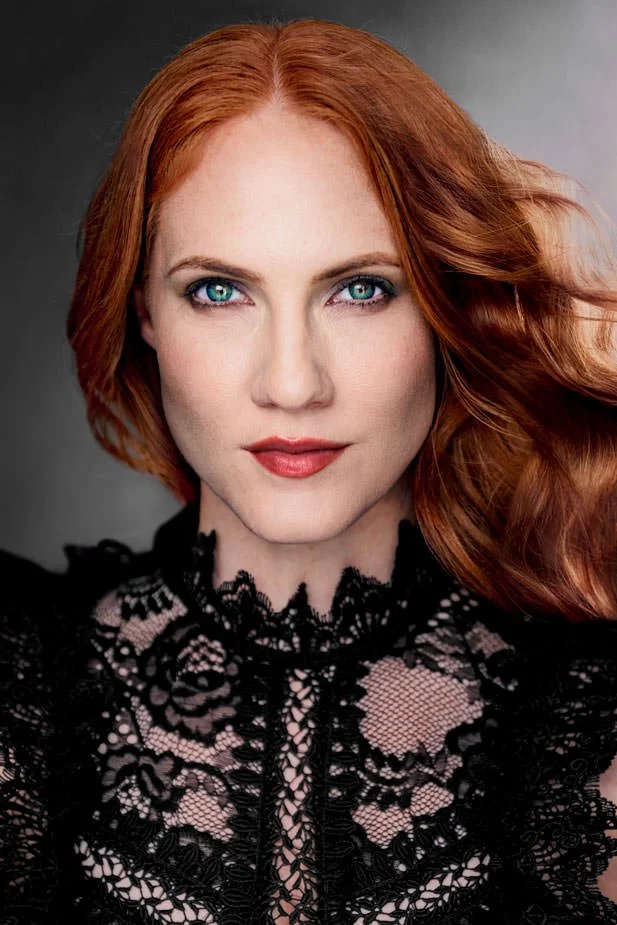
Theatrical actor headshot with dramatic expression

The Mistakes I See Most

  • Actors submitting corporate style headshots with big smiles and bright backgrounds. It reads as non serious to casting directors.
  • Professionals using moody, dramatic photos on LinkedIn. It reads as unapproachable to recruiters.
  • Over retouched acting headshots. If you do not look like your photo in the audition room, the photo failed.
  • Using an AI generated image for either purpose. The debate around AI headshots vs real headshots comes down to authenticity, and nothing kills trust faster than a face that is not quite real. As I always say, "There is nothing wrong with AI headshot apps except they are not real. It just depends on you as a person. Are you a real, authentic person, or are you willing to let AI represent you?"

The Bottom Line

LinkedIn headshots sell trust and competence to employers. Acting headshots sell range and castability to casting directors. Different audiences, different rules, different sessions. Know which game you are playing before you step in front of the camera, and if you are playing both, plan the session to serve both.

My sessions start at $1,500 for two looks, which covers the essential LinkedIn plus one acting look, or theatrical plus commercial for actors. Three looks at $1,900 covers the full actor set or the complete professional package. Either way, you leave with images built for their actual purpose, not one photo awkwardly doing two jobs.

Should Your Headshot Include Hair and Makeup? Honest Advice

This is one of the most practical questions in headshot planning, and the answer affects both your budget and your results. After 27 years of shooting headshots, including celebrities for major magazines, I have seen what professional hair and makeup does to a final image. It is significant. But it is not mandatory for everyone.

Here is how to decide.

What Professional Hair and Makeup Actually Does

Camera ready makeup is not everyday makeup. Studio lights are unforgiving. They amplify shine, deepen every shadow, and reveal texture that looks invisible in a bathroom mirror. A professional makeup artist knows how to build a face for the lens: mattifying where lights will hit, defining features that flatten under strobes, and keeping everything looking like skin rather than product.

Hair matters just as much. Flyaways that you would never notice in person become glaring distractions in a high resolution headshot. A stylist keeps hair controlled, shaped, and consistent across every frame, which matters enormously when you are choosing between dozens of images later.

The short version: hair and makeup does not change how you look. It controls how the camera sees you.

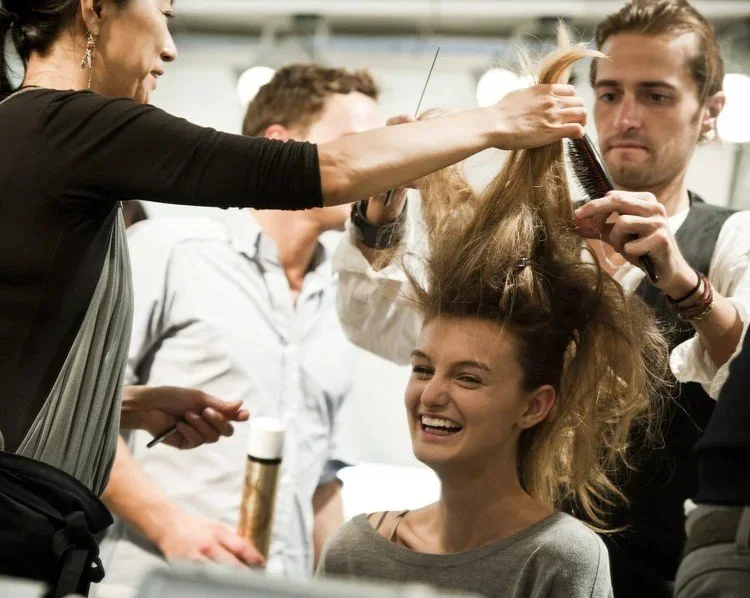
Backstage hair and makeup preparation at a fashion show

When It Is Worth It

Acting Headshots

For actors, professional hair and makeup is close to non negotiable. Casting directors compare your headshot against hundreds of others, and polish matters. Your theatrical and commercial looks each need to be camera ready, and the consistency a makeup artist provides across a long session keeps every look at the same standard.

Personal Branding Shoots

If your face is part of your business, invest in the team. Branding shoots run long, involve multiple looks, and the images get used at large sizes across websites and press. Shine building up over two hours, hair losing shape between looks, makeup fading under hot lights: these are the things a hair and makeup artist prevents. My branding sessions start at $2,500 for studio space and two looks, and while that does not include hair and makeup, most of my branding clients add it. When you understand personal branding photoshoot costs in full, the artist fee is a small fraction of the total that protects the entire investment.

Executive and Corporate Headshots

For senior leaders, board members, and anyone whose headshot represents a company, professional grooming reads as professionalism. It is the visual equivalent of a tailored suit. You can absolutely get a good corporate headshot without an artist, but with one, the images have a finish that people notice without being able to name.

Anyone Who Is Camera Anxious

Here is an underrated reason. Sitting in a makeup chair for 30 to 45 minutes before the shoot is the best warm up there is. By the time you step in front of my camera, you have relaxed, you have chatted, you feel polished and taken care of. Clients who arrive straight from traffic and go directly under the lights take much longer to loosen up.

When You Can Skip It

Standard Professional Headshots

If you need a solid LinkedIn and company page photo and you are comfortable doing your own makeup or grooming, skip the artist. I direct and light every session to flatter you regardless, and good retouching handles the rest. Many of my two look sessions run beautifully without hair and makeup.

Men Who Prefer a Natural Look

Most of my male clients skip full makeup, and that is completely fine. A little powder to kill shine is something I keep on set, and it takes ten seconds. If you want grooming beyond that, a barber visit the day before the shoot does more for a male headshot than a makeup artist does.

Tight Budgets

Be honest about priorities. If adding hair and makeup means downgrading from three looks to one, keep the looks. Variety of wardrobe and expression will do more for your final gallery than polished makeup on a single outfit. Look at headshot pricing in Los Angeles as a whole and allocate to what moves the needle most for your goals.

What It Typically Costs

In Los Angeles, expect $150 to $400 for a headshot session hair and makeup artist, depending on experience and session length. Branding shoots with multiple looks run higher, since the artist stays through the session for touch ups. Always confirm whether the quote includes both hair and makeup or just one, and whether touch ups between looks are included.

How to Work With an Artist on Shoot Day

If you book one, a few guidelines from someone who has worked with hundreds of them:

  • Arrive with clean, moisturized skin and dry hair. The artist builds from there.
  • Bring reference photos of makeup you like on yourself, not on celebrities. The goal is your best version of you.
  • Speak up during the chair time. If something feels heavy or wrong, say so immediately. It is ten times harder to fix after shooting starts.
  • Ask the artist to stay for the first few frames. I often spot a stray hair or shine issue in the first test shots that is invisible to the naked eye.
Model with professional hair and makeup posing for a modeling portfolio shoot

My Retouching Philosophy Applies Either Way

Whether or not you hire an artist, my retouching stays the same: "I leave the things that give people character. If it is a mole or something like that, it stays. If it is a blemish like a pimple, I take it out." Hair and makeup is about presentation, not transformation. The person in the photo should be recognizable as the person who walks into the meeting.

The Bottom Line

Get professional hair and makeup for acting headshots, branding shoots, and high stakes executive portraits. Skip it for standard professional headshots if you are comfortable with your own grooming and your budget is better spent on an extra look. And if you are on the fence, remember the warm up effect: arriving polished and relaxed is worth something all by itself.

Pair the decision with smart what to wear to your headshot session planning, and you will walk in knowing every variable is handled. That confidence shows up in the photos more than any single product ever could.

How Many Headshots Do You Actually Need?

Clients ask me this in almost every consultation. They want one number. The honest answer is that the right number depends on how many different jobs your headshot has to do. A job seeker needs something different than a working actor, who needs something different than a founder building a personal brand.

After 27 years of shooting headshots, here is the framework I use to help clients figure out their number before they book.

Start With Where the Photos Will Live

Before counting images, list the places your face appears. Most professionals have more of them than they realize:

  • LinkedIn profile and banner-adjacent placements
  • Company website team page
  • Speaker bios and conference programs
  • Press and media kits
  • Social media profiles
  • Email signatures and Slack profiles
  • Book covers, course platforms, or podcast art

If the same photo appears everywhere, that is fine for most people. But if you operate in different contexts, one image starts to feel limiting fast.

Corporate headshot of a businesswoman photographed in a London studio

The Minimum: One Great Headshot

Let us be clear. One excellent headshot beats five mediocre ones every time. If you are an employee at a company, a job seeker, or someone who just needs to look professional online, a single strong headshot used consistently everywhere is the right call. Consistency builds recognition. When your LinkedIn, your company page, and your conference bio all show the same face, people remember you.

Do not overthink this. Most people need exactly one great photo, updated every few years.

When You Need More Than One

Actors Need Range

Actors are the big exception. A working actor typically needs at least two to three distinct looks: a theatrical headshot showing dramatic range, a commercial headshot showing warmth and approachability, and often a third look for a specific casting type. Each look needs its own wardrobe, its own lighting mood, and its own expression. This is why choosing the right acting headshot photographer matters so much. You need someone who understands casting, not just cameras.

Founders and Personal Brands Need a Library

If you are building a personal brand, one headshot is a bottleneck. You need a clean professional anchor for LinkedIn and bios, plus warmer lifestyle frames for social media, your website hero section, press features, and content thumbnails. I usually recommend my branding clients think in terms of a small library: 20 to 30 usable images across two or three looks, giving them months of content without another shoot.

Executives With Public Profiles Need Options

If you speak at conferences, sit on boards, or get quoted in the press, you need at least two: a formal corporate headshot and a slightly more relaxed version for media and speaking bios. Publications often request high resolution images with different crops, so having options saves frantic last minute scrambles.

How Looks Work in My Sessions

My pricing is built around looks, because looks are what actually create variety. A look is a full wardrobe and styling change. My sessions run 2 looks for $1,500, 3 looks for $1,900, 4 looks for $2,300, and 5 looks for $2,500.

Here is how I advise clients to use them:

  • Two looks: the essential pair. One polished and professional, one relaxed and approachable. This covers most professionals completely.
  • Three looks: add a creative or dramatic option. Great for actors needing commercial plus theatrical, or founders who want a brand look alongside their corporate anchor.
  • Four to five looks: a full library. Multiple wardrobes, multiple moods, sometimes multiple settings. This is the personal brand package, and it is for people whose face is genuinely part of their business.

Within each look, I shoot plenty of frames with different expressions, angles, and crops. You are not getting one photo per look. You are getting a curated set to choose from.

The Wardrobe Math

Every look needs its own wardrobe, which means the number of headshots you need is partly a closet question. My standing advice: "Always shoot the tie and shoot the no tie. You always want to have that option." A suit with a tie and the same suit without one read as two different levels of formality, and that single change can double the usefulness of a look.

Before your session, spend real time on wardrobe planning for headshots. The clients who get the most from their sessions arrive with outfits already chosen, steamed, and organized by look. The ones who wing it lose shooting time to indecision.

Photographer demonstrating posing techniques for a men's portrait session

Quality Over Quantity, Always

I would rather deliver 15 exceptional images from two looks than 60 forgettable ones from five. More looks only help if each look is intentional. Before adding looks to your session, ask yourself what job each one does. If you cannot name the job, you do not need the look.

This is also where budget thinking helps. Understanding how much you should pay for headshots keeps you from overbuying. A two look session that nails your core needs is a smarter investment than a five look marathon where half the images never get used.

How Often Does the Count Reset?

Headshots expire. If your appearance changes significantly, new hairstyle, glasses, weight change, visible aging, your headshot stops being honest. For most professionals, that means a refresh every two to three years. For actors and public figures, more often. Each refresh is a chance to reassess the count, because your needs evolve as your career does.

The Bottom Line

Most professionals need one great headshot. Actors need two to three looks showing range. Personal brands need a library across multiple looks. Start from the jobs your photos have to do, count the contexts, and let that number guide your booking.

When in doubt, book the two look session. It is the sweet spot for most people: a polished professional image and a relaxed approachable one, full direction included, and enough variety to cover every platform where your face shows up. You can always book more looks later. You cannot unspend money on images you never use.

Studio or Outdoor Headshots: Which Is Better?

Every few weeks a client asks me whether they should shoot in the studio or outdoors. After 27 years shooting headshots for magazines, executives, and actors, my answer is always the same: neither is better in the abstract. The right choice depends on what you need the photo to do.

Both settings can produce a world class headshot. They just produce different ones. Here is how I walk clients through the decision.

The Case for Studio Headshots

The studio is about control. I control the light, the background, the color temperature, and every reflection. Nothing is left to chance, and that consistency is exactly why most corporate headshots are shot in a studio.

Total Control Over Light

In the studio, I shape light precisely to your face. I can sculpt your jawline, soften skin, add drama, or keep it clean and bright. I analyze every face I shoot, studying the jawline, the eyes, the bone structure, and then I build the lighting around what I find. Outdoors, I am working with what the sky gives me. It can be beautiful, but it is never as precise.

Clean, Distraction-Free Backgrounds

A studio backdrop keeps all attention on you. No trees growing out of your head, no strangers in the background, no parked cars. For LinkedIn, company websites, and speaker bios, that clean focus is usually what you want. It also makes matching headshots across a whole team far simpler, since every person gets identical lighting and background.

Weather-Proof and Schedule-Proof

Studio sessions happen rain or shine, at any hour. If you are booking around a packed calendar, that reliability matters. There is no rescheduling because of overcast skies or harsh midday sun.

The Trade-Off

Studio headshots can feel formal. If your brand is relaxed, creative, or outdoorsy, a seamless gray backdrop might work against the story you are trying to tell. That is a creative decision, not a quality issue.

Photography studio lighting setup with a softbox at a 45-degree angle

The Case for Outdoor Headshots

Outdoor headshots trade control for atmosphere. Natural light has a softness and dimension that is hard to fake, and environmental backgrounds can say a lot about who you are.

Beautiful, Flattering Natural Light

Open shade on a bright day is one of the most flattering lights in existence. It wraps around the face softly and evenly. Golden hour, the hour before sunset, adds warmth that makes skin glow. When conditions are right, outdoor light is genuinely gorgeous.

Backgrounds That Tell a Story

A founder photographed against a city skyline, a realtor in front of a beautiful neighborhood, a creative in an interesting urban setting. Environmental backgrounds add context that a studio backdrop cannot. For personal branding, that context can be the whole point.

A Relaxed Feel

Many people tense up in a studio. Outdoors, with space around you and something to look at, clients often relax faster. If you are someone who feels awkward in front of a camera, an outdoor session can genuinely produce better expressions.

The Trade-Offs

You are at the mercy of weather, time of day, and crowds. Harsh midday sun creates unflattering shadows under the eyes and nose. Wind moves hair. Locations that looked perfect on a scout can be packed with people on shoot day. And matching a set of team headshots outdoors is nearly impossible, since the light changes by the minute.

How I Help Clients Decide

When a client is torn, I ask three questions:

  • Where will this headshot live? LinkedIn and corporate sites favor studio. Personal brands, speaker pages, and creative portfolios often favor outdoor.
  • Do you need to match anyone else? If the company already has studio headshots on the team page, we shoot studio and match them. Consistency beats creativity on a team page every time.
  • What does your industry expect? Finance, law, and enterprise tech lean studio. Real estate, wellness, hospitality, and the arts lean outdoor.

Many of my clients shoot both. My sessions are built around looks, where a look is a full wardrobe and styling change, and there is no rule that says every look has to be in the same place. We can do polished studio portraits and relaxed outdoor frames in one sitting.

Practical Tips for Each Setting

If You Choose Studio

  • Wear colors that contrast with the backdrop. This is where choosing the best color to wear for your headshot really pays off, since the background is a solid, known quantity.
  • Bring lint rollers. Studio lights reveal every speck on dark clothing.
  • Trust the process. Studio shooting can feel clinical at first, but the results are worth it.

If You Choose Outdoors

  • Schedule for morning or late afternoon. Midday sun is nobody's friend.
  • Have a backup date in case of weather. I always build one into outdoor bookings.
  • Keep wardrobe simple. Busy patterns compete with busy backgrounds, so solids win outdoors. Think carefully about what you wear to the session, because the environment adds visual complexity.
Outdoor professional headshot of a woman photographed in natural light

What About Mixing Both?

This is my most common recommendation for personal branding clients. Start in the studio for your clean, professional anchors: the LinkedIn photo, the speaker bio, the company site. Then head outdoors for lifestyle and branding frames that show personality. You walk away with a full library instead of a single image trying to do every job.

The Bottom Line

Choose studio when you need consistency, control, and a polished corporate look. Choose outdoors when you want atmosphere, personality, and natural warmth. Choose both when your brand needs range.

Either way, the setting is secondary to the fundamentals: great light shaped to your face, a background that supports rather than distracts, and eyes that are alive and engaged. Those are the things I obsess over in every session, indoors or out.

If you are still weighing your options, run through these questions to ask before you book a photographer. A good photographer will talk through the studio versus outdoor decision with you before you ever pick up the camera. I do it with every client, because the right setting is a creative decision we should make together, not a default you stumble into.

Should You Smile in Your Headshot?

It is the first question almost every client asks me when they sit down in front of my camera. Should I smile? The answer is not as simple as yes or no, and anyone who tells you there is one correct expression for every headshot has not spent 27 years photographing people for a living.

I have shot celebrities for GQ, Vogue, InStyle, and People. I have photographed executives, actors, lawyers, founders, and job seekers. The right expression depends on what the headshot is for, who is going to see it, and what you want that person to feel in the first two seconds they look at your face.

Here is my honest breakdown.

The Short Answer: It Depends on the Job the Photo Has to Do

A headshot is a tool. A LinkedIn photo has a different job than a theatrical acting headshot, which has a different job than a law firm partner page. Before you decide on a smile, decide what you need the photo to say about you.

If the goal is approachable, trustworthy, and easy to work with, a smile is your best asset. If the goal is authority, intensity, or dramatic range, a neutral or serious expression may serve you better. Most of my clients end up shooting both, because having the option costs nothing extra during the session and gives you flexibility later.

Portrait of a laughing man with a genuine, natural smile

When a Smile Works

Corporate and LinkedIn Headshots

For corporate headshots, smile. People do business with people they like, and a warm, genuine smile is the fastest way to look like someone others want to work with. Recruiters, clients, and colleagues all respond to approachability. A serious corporate headshot can read as stern or unapproachable on a small LinkedIn thumbnail, where your face is barely an inch wide.

The smile does not need to be big. A soft, confident smile with relaxed eyes often reads better than a huge grin, especially for senior roles. Think of the expression you would wear walking into a meeting you are looking forward to. That is the one.

Personal Branding and Creative Fields

If you are a founder, coach, consultant, realtor, or creative professional, your headshot is doing marketing work. Smile like you mean it. Your audience is deciding whether they trust you, and a genuine smile builds that trust instantly. For personal branding shoots, I usually direct clients through a whole range of expressions, from big laugh to subtle smirk, so they have options for different platforms. It is worth reviewing what to wear for your headshot before the session too, because wardrobe and expression work together to tell your story.

When a Serious Expression Works Better

Acting Headshots

Actors are the exception to the smile rule. Casting directors want to see your range, your bone structure, and what your face does at rest. A theatrical headshot with a neutral, intense expression shows them the canvas they would be working with. That does not mean every acting headshot must be serious. Commercial headshots for actors usually call for warmth and a smile. The smart move is to shoot both looks in the same session.

Executive Authority Shots

Some industries still reward gravitas. A managing partner at a law firm, a fund manager, or a C-suite executive in a traditional industry may want a headshot that projects command. A slight, confident closed-mouth expression with strong eye contact can do that without looking unfriendly. The key is the eyes. Even in a serious headshot, the eyes should be alive and engaged, never blank.

The Kind of Smile Matters More Than Whether You Smile

Here is what 27 years behind the camera has taught me. The question is never really smile or no smile. It is real or fake.

The Genuine Smile vs the Forced Grin

A genuine smile reaches your eyes. The muscles around your eyes contract, your whole face softens, and the camera reads it as warmth. A forced smile lives only in the mouth. It looks tight, a little pained, and everyone who sees the photo can tell, even if they cannot explain why.

Getting a genuine smile on demand is a directing skill. I talk to my clients, I make them laugh, I ask them to think about something specific. Nobody looks good thinking about the fact that they are being photographed. The trick is to get your mind somewhere else for a split second and let your face follow.

Teeth or No Teeth

Both work. A full toothy smile reads joyful and outgoing. A closed-lip smile reads composed and confident. I shoot both in every session because the right choice often depends on the client seeing the options side by side. One thing I watch for: if you are self-conscious about your teeth, tell me. I would rather know and direct around it than have you spend the session worrying.

What I Look for as the Photographer

When I am directing a headshot session, I am analyzing your face the entire time. Jawline, cheekbones, the shape of your eyes, how light falls across your features. I am finding your best angles and building the pose and the lighting around them.

But above all of it, the eyes are everything. I need your eyes open, engaged, with catch lights in them, carrying real expression. A perfect smile with dead eyes is a failed headshot. A subtle expression with electric eyes is a great one. This is the part of the craft that no app can replicate, and it is one reason the debate around AI headshots vs real photography keeps coming back to authenticity. An algorithm can paste a smile onto your face. It cannot direct the life behind your eyes.

How to Get a Natural Smile on Camera

If you are nervous about looking stiff, these are the techniques I use with clients every week:

  • Breathe through a slightly open mouth. It relaxes your jaw and keeps your lips from pressing into a thin line.
  • Think of something genuinely funny, not the camera. A real memory beats a posed expression every time.
  • Let your eyes smile first. Squint just slightly, like you are greeting an old friend across the room.
  • Do not hold the smile. I shoot in bursts, so you can relax your face between frames and let the smile come fresh each time.
  • Laugh out loud if you need to. Some of the best headshot frames I have ever taken are the half second after a real laugh, when the face is still lit up.
Smiling professional businesswoman in a corporate headshot

A Note on Retouching

Whatever expression you choose, the final image should still look like you. My retouching philosophy is simple: "I leave the things that give people character. If it is a mole or something like that, it stays. If it is a blemish like a pimple, I take it out." A smile that has been retouched into something plastic defeats the whole purpose. You want to look like yourself on your best day, not like a rendering.

The Bottom Line

Smile for corporate, LinkedIn, and branding work. Go serious for theatrical acting and high authority roles. Shoot both whenever you can, because options are free during the session and expensive to wish for later. And whatever you choose, make it genuine, because the camera always knows.

If you are still deciding whether professional headshots are worth the investment, consider this: the expression question is exactly the kind of thing a professional photographer solves for you in the session. You do not need to arrive knowing how to smile. That is my job.

My headshot sessions start at $1,500 for two looks, and every session includes full direction, so you never have to guess what your face should be doing. A look is a full wardrobe and styling change, which means we can shoot your warm approachable smile and your serious authority look in the same sitting. You will leave with options, and you will know exactly which expression belongs where.

Why Do Headshots Cost So Much?

The Short Answer

"Why do headshots cost so much?" Every headshot photographer hears it. You see $1,500 for a session and wonder how pressing a shutter button costs more than your laptop. Fair question. Here is the direct answer: you are not paying for a photo. You are paying for everything that has to go right before and after the shutter clicks, plus the 27 years it took to make all of it look effortless. My headshot rates are public: 2 looks for $1,500, 3 looks for $1,900, 4 looks for $2,300, 5 looks for $2,500. A look is a full wardrobe and styling change, shot and directed by me. What follows is the line by line breakdown of what those numbers buy.

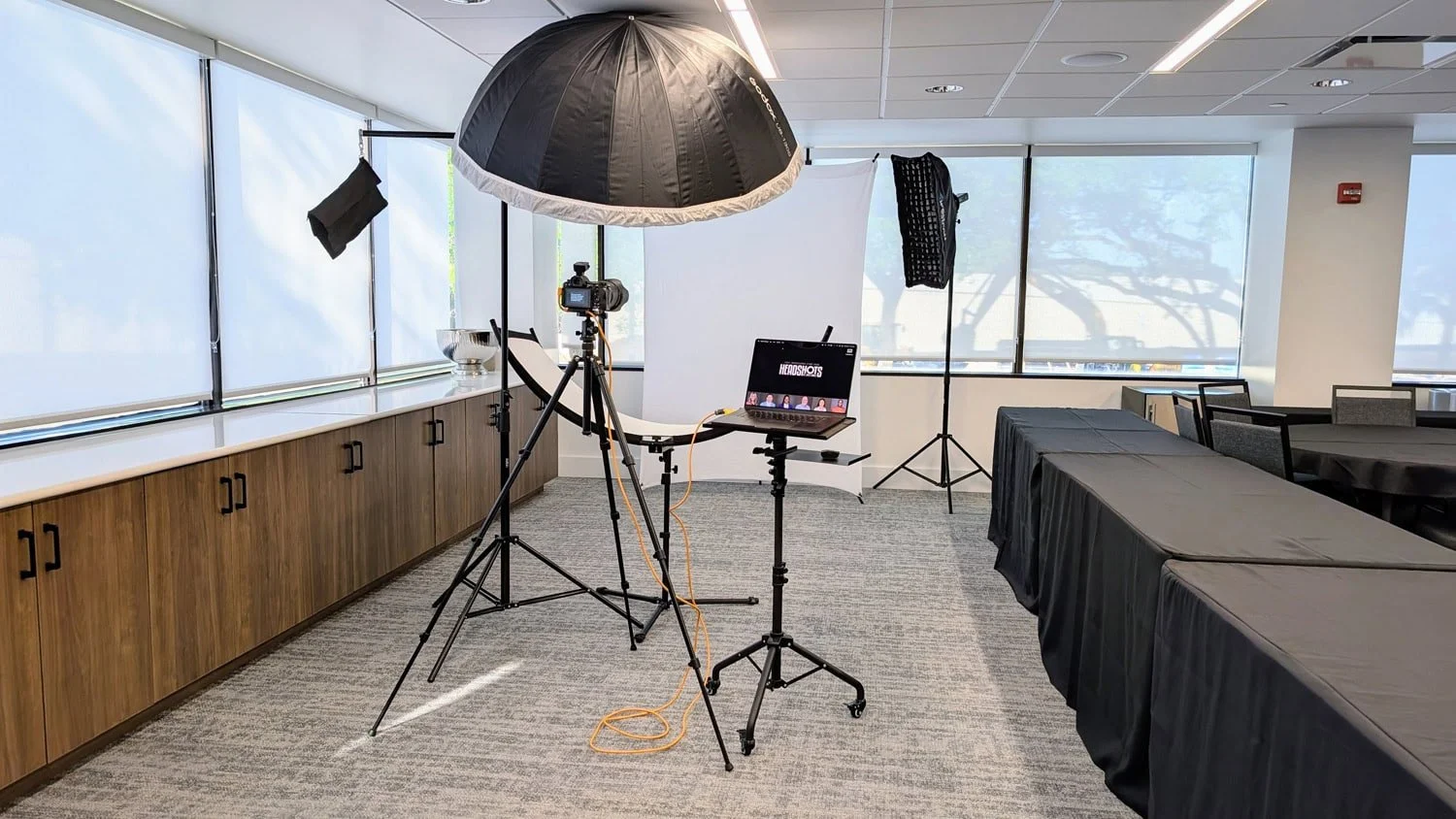
Behind the scenes of a professional headshot session: a photographer shooting a seated man in a studio with a large softbox key light, a Profoto strip light, and a beige seamless backdrop.

Where the Money Goes

1. Pre-Shoot Consultation and Planning

A great headshot session starts days before you arrive. We talk about what the images are for. An actor's casting headshot, a founder's LinkedIn photo, and a speaker's press kit image are three different assignments, and they get shot three different ways. I guide wardrobe choices, tell you what to avoid, and help you show up looking like your best self instead of a stranger in a borrowed suit. This planning is invisible on the invoice, but it is where good headshots are actually made. A session that starts without a plan is guesswork, and guesswork shows in the final frames.

2. The Session: Direction Is the Real Skill

Almost nobody walks into a studio knowing how to be photographed. Most people freeze, force a smile, and hope. The real skill of a headshot session is not operating the camera. It is getting a relaxed, confident expression out of someone who arrived nervous. That means directing every frame: chin position, shoulder angle, weight shift, where the eyes land, the micro adjustments that separate a flat stare from a portrait with presence. A budget shooter hands you three poses and fires away. A photographer shooting a real professional headshot directs you into the version of yourself the camera likes best, and keeps you there take after take. The eyes are definitely the most important whenever I am shooting anybody. I just have to make sure their eyes are open, that there is a catch light, that there is a great expression in the eyes. The eyes say everything.

3. Professional Lighting and Studio Costs

Headshot lighting is built, not found. Key light, fill, and rim light to separate you from the background, each one shaped and positioned for your specific face. Then there is the studio itself: the space, the backdrops, the modifiers, and the tethered setup so you can see results on a monitor as we shoot. Here is the part people get wrong. My cameras and lights are affordable gear. You are not paying for the equipment. Anyone can buy the same strobe. You are paying for knowing exactly where to put it, how high, how close, and how to reshape it when your face needs something different from the last client's.

4. Culling and Selection

A real session produces hundreds of frames. The hard truth is that most people cannot pick their own best photo, and they should not have to. Culling is skilled work: lining up near identical frames and finding the one where the eyes are alive, the jaw is clean, and the expression reads as confident instead of tense. The difference between frame 214 and frame 215 is invisible to you and obvious to a trained eye. That difference is the headshot.

5. Retouching: The Invisible Hours

This is the biggest cost nobody sees. Professional retouching is done by hand, image by image. Skin texture stays real. Stray hairs, clothing wrinkles, and background distractions get cleaned up. Color and tone get balanced so the image holds together everywhere it appears. The rule is simple: you should still look like you on your best day. Anyone who has met you should recognize the photo instantly. That restraint takes hours per look, and it is the opposite of what an app does. An app smears your face into plastic in four seconds. A retoucher preserves the person.

6. Licensing and Usage Rights

A headshot is a commercial asset. It lives on LinkedIn, your company website, press articles, conference programs, speaker pages, and maybe a book cover or a billboard. Professional pricing includes clear rights to use the image wherever your career needs it, spelled out in writing, with no surprise invoice six months later when your photo lands somewhere prominent.

7. Twenty-Seven Years of Expertise

A session that looks effortless is the product of 27 years. I have shot Lady Gaga, the Kardashians, and Richard Branson, and been published in GQ, Vogue, InStyle, People, Men's Health, and Departures. That history is not decoration. It is the reason there are no wasted sessions, no reshoots, no discovering in post that the light was wrong. You are buying certainty. The shoot works the first time, because it has worked thousands of times.

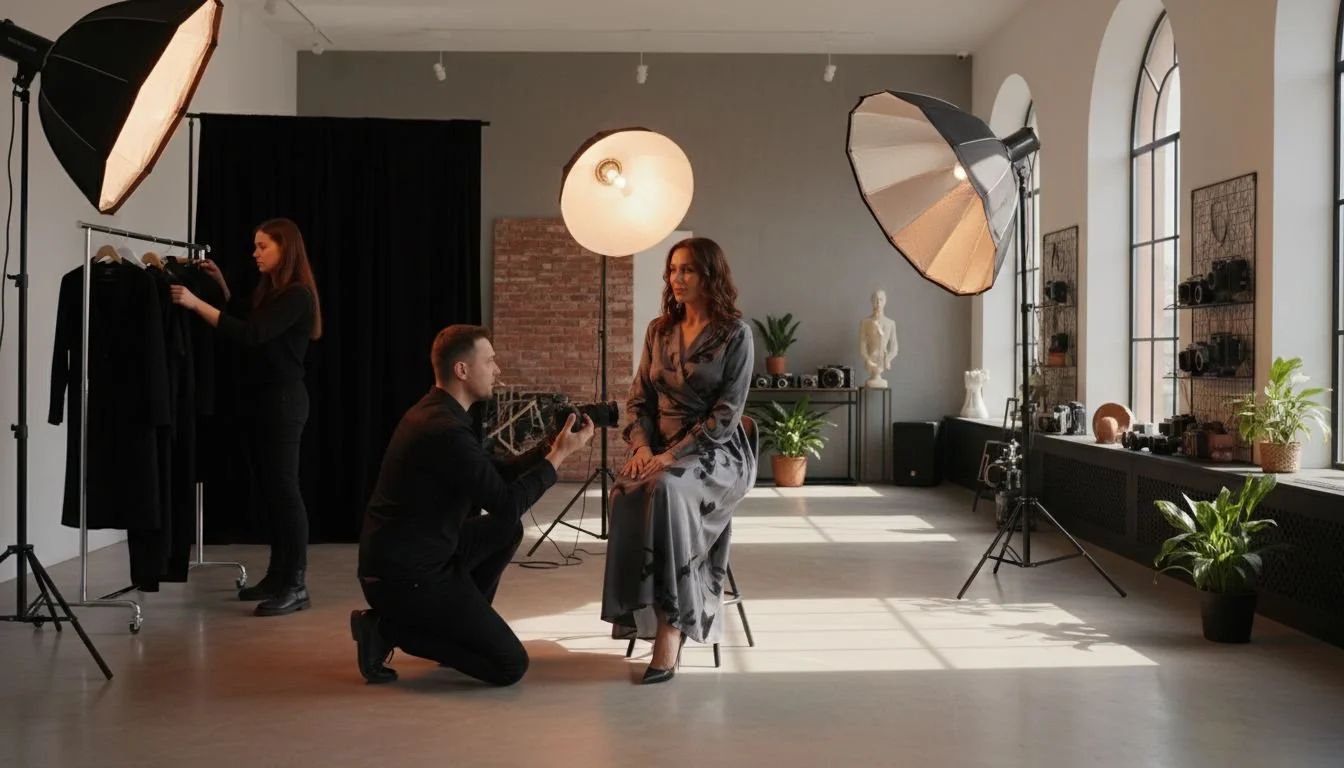
A photographer kneeling with a camera while directing a seated woman during a studio portrait session, with softbox lights, a clothing rack, and an assistant in the background.

What $150 Buys You

The quick shoot tier exists, and it is honest about what it is. Fifteen minutes, one lighting setup, minimal direction, files delivered with little or no hand retouching, often in a rented studio slot shared with a line of other clients. For a detailed look at how session pricing breaks down across the market, I wrote up portrait photography rates in Los Angeles separately. The $150 session is fine if you need a placeholder fast. It will look like one. The expression will be the one you walked in with, the light will be the same light everyone got, and the retouching, if any, will be a batch preset applied to every frame equally.

What $24 Buys You

The AI headshot app generates a face that resembles you from a handful of selfies. No photographer, no direction, no real light, no session at all. The problems are practical. Casting directors and hiring managers can spot generated headshots, the likeness drifts from your actual face, and when someone meets you after seeing the image, the mismatch registers. Your headshot is the first impression before the first impression. An AI approximation gambles your credibility on the single image people judge you by.

How to Tell Whether a Photographer Is Worth Their Rate

Price alone tells you nothing. Here is what to check before you book.

  • Portfolio consistency. Is every face lit beautifully, or only the best three? A strong portfolio has no weak frames hiding at the bottom.
  • Retouching included and done by hand. Ask who retouches and whether the finish keeps people recognizable. If the answer is vague, the retouching is an afterthought.
  • Real direction during the session. A photographer who directs, poses, and adjusts you is doing the actual job. One who just shoots is selling shutter clicks.
  • Usage rights in writing. Professional photographers spell out where you can use the images. If licensing is never mentioned, expect limits later.
  • Repeat clients and reviews. People who pay $1,500 and come back for more are the strongest pricing signal there is.
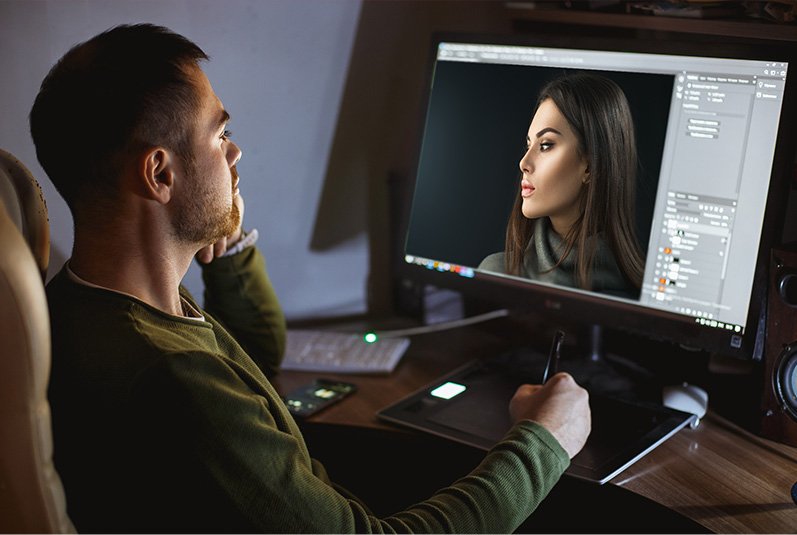
A retoucher using a pen tablet to hand retouch a woman's portrait on a computer monitor in photo editing software.

The Bottom Line

A headshot is one of the cheapest career investments you will ever make, measured per view. It works for you on every profile, every pitch deck, and every press mention for years. The question was never really why headshots cost so much. It is what a bad one costs you. If you want headshots built the way this article describes, book a session and we will plan yours.

Corporate Event Photography Turnaround Time: What to Expect

You booked the venue, confirmed the speakers, and sent the invites. Now your marketing team is asking the question that always comes right after the event: when do we get the photos? Turnaround time varies wildly in this industry. Some photographers deliver a full gallery in a week. Others take a month. A few will promise you three weeks and quietly mean six. Here is how I work. Every corporate event I shoot includes 200 to 300 fully edited images delivered the next day. Not a handful of previews. The full gallery, edited and ready to use. That is the standard I hold myself to, and it is rare enough that I lead with it.

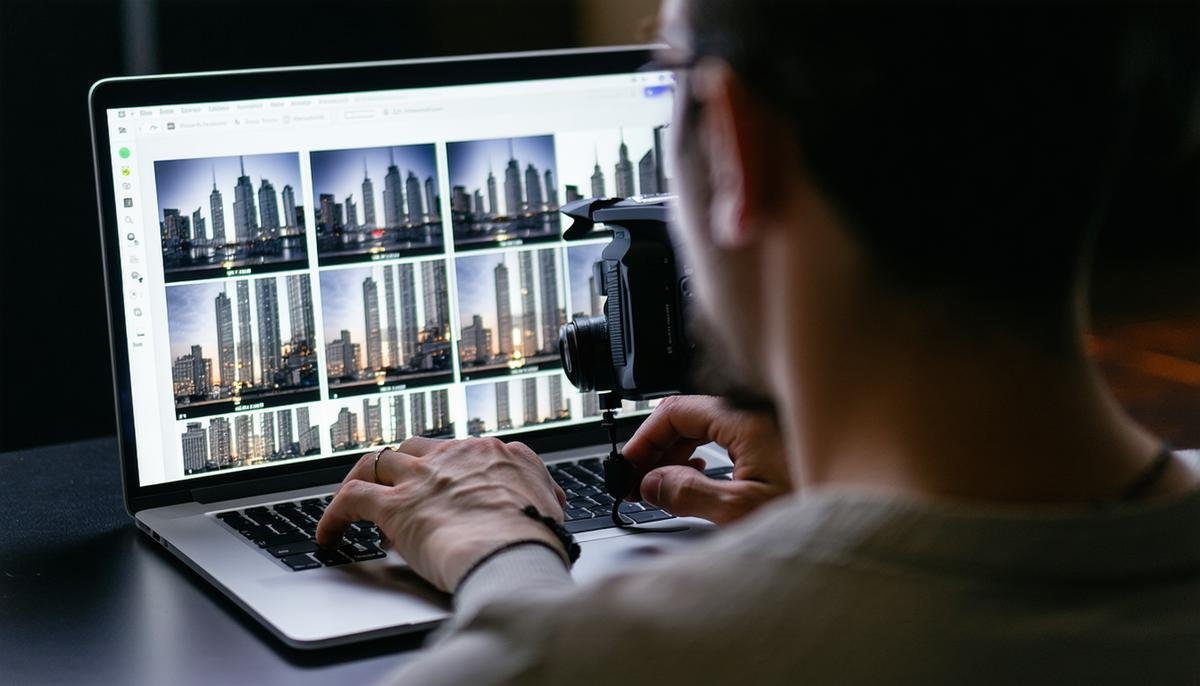
Photographer reviewing a grid of edited cityscape photos on a laptop during post-production

What a Realistic Turnaround Timeline Looks Like

If you are hiring a corporate event photographer and want to know what is normal, here is the industry baseline for a single-day event:

  • Sneak peeks: 10 to 20 highlight images within 24 hours
  • Full edited gallery: 5 to 7 business days
  • Multi-day conferences: 7 to 14 business days, depending on volume The 24-hour sneak peek window is the most important part of the timeline. It is what feeds your social channels, your press outreach, and your internal announcements while the event is still fresh in everyone's feed. My own timeline runs faster than the baseline. Because I edit on site and run a tight post-production workflow, my clients get the full gallery the next day. Two hundred to three hundred images, culled, color corrected, cropped, and delivered.

Why Sneak Peeks Matter: The 24-Hour Window

A good photographer delivers a curated set of highlight images within 24 hours of your event. These are not throwaway phone snaps. They are properly edited selects from the day's best moments: the keynote, the panel, the networking shots, the branding details. Those sneak peeks serve three purposes. First, social media. Your audience is most engaged with your event in the first 24 to 48 hours. A next-morning post with real photography outperforms a stock graphic every time. Second, press. Journalists and bloggers who covered the event need images fast. If your PR team has photos ready the morning after, your event gets included. If the photos arrive two weeks later, the story already ran without them. Third, internal momentum. Leadership, sales teams, and sponsors all want to see the event reflected back quickly. Fast photos make the event feel successful while the energy is still high.

Event photographer editing and uploading photos on a laptop at a venue bar while guests mingle behind him

The Full Gallery: 5 to 7 Days

For most photographers, the full gallery takes five to seven business days after a single-day event. Here is what actually happens in that window. The photographer ingests thousands of frames, sometimes 3,000 or more from a full day of shooting. Every frame gets reviewed. The out-of-focus shots, the closed eyes, and the duplicates get cut. What remains gets color corrected for consistency, cropped for composition, and lightly retouched. Skin tones get evened out. Brand colors get matched. Exposures get balanced across mixed lighting. This is real work, and it takes real time. A photographer who promises a 3,000-image event delivered overnight is either cutting corners or has a full editing team behind them. Ask which one.

What Slows Delivery Down

When a gallery takes longer than expected, it is almost always one of these four things.

  • Multi-day events and high shot counts. A three-day conference generates three times the images of a single evening. Every additional hour of coverage adds hours of editing on the back end.
  • Heavy retouching requests. Standard event editing covers color, exposure, and cropping. If you need detailed skin retouching, background cleanup, or composite work across dozens of images, the timeline stretches accordingly.
  • Photographer backlog. Conference season is real. A photographer shooting four events in a week cannot edit your gallery the same day. Ask about their current workload before you book.
  • Approval rounds. Some companies route galleries through legal or brand review before release. That is fine, but every round of review adds days. Clarify who approves and how fast they turn comments around.
Corporate conference speaker in a navy suit holding a clicker while presenting on stage

Rush Delivery Options and What They Cost

Sometimes the standard timeline is not fast enough. You have a press embargo lifting at 9 a.m., a sponsor report due Monday, or a social team that needs content tonight. That is what rush delivery is for. The most common rush options in corporate event photography:

  • Same-day selects. The photographer edits and delivers a set of highlight images during or immediately after the event. This usually requires a second shooter or a dedicated editor working on site.
  • Next-day full gallery. The entire set, edited and delivered within 24 hours. This is my standard delivery on every booking, not an add-on.
  • Weekend and overnight editing. For events that end late on a Friday, a photographer may work through the weekend to deliver first thing Monday morning. Rush delivery costs extra almost everywhere. Most photographers charge a premium for expedited turnaround, typically 25 to 50 percent above the base rate or a flat rush fee. If you need something in a rush I can definitely get that for you, but there will be a rush charge for it. My corporate event rates are straightforward: $750 per hour, $2,500 for a half day (four hours), and $4,500 for a full day (eight hours). Every booking includes 200 to 300 edited images delivered the next day. If you are ready, book your corporate event and lock in your date.

Put the Delivery Timeline in Your Contract

Verbal promises about delivery dates are worthless. Whatever you agree on should be in the contract, in writing, before the event. Here is what to lock down.

  • The exact delivery date for sneak peeks and the full gallery
  • The number of images you will receive
  • The level of editing included, meaning color correction and cropping versus detailed retouching
  • The delivery format: online gallery, download link, or both
  • Who receives the files and who holds approval rights If a photographer will not commit to a delivery date in the contract, that tells you everything you need to know.

Why Fast Delivery Matters

Turnaround time is not just a convenience. It directly affects the return on your event investment. PR windows close fast. Trade press and local media cover events within days, not weeks. Photos that arrive after the story ran are photos that never got published. Social media momentum is perishable. Your event hashtag peaks during the event and fades within days. Professional photos posted the next morning ride that wave. Photos posted three weeks later get a fraction of the engagement. Stakeholder reports need visuals. Board decks, sponsor recaps, and investor updates all land harder with real photography from the event. When the gallery arrives before the report is written, the photos shape the story. When it arrives after, they get stapled on as an afterthought. It is just easier for the clients. It is just better for the clients, and I want to do everything possible to service them.

How I Handle Turnaround

I have spent 27 years as a celebrity photographer in Los Angeles, shooting everyone from Lady Gaga to Richard Branson. Corporate events get the same discipline I bring to a magazine cover: shoot it right, edit it fast, deliver it on time. Every corporate event booking includes 200 to 300 fully edited images delivered the next day. My rates are $750 per hour, $2,500 for a half day (four hours), and $4,500 for a full day (eight hours). If your event also needs a professional headshot station for attendees, that can be added to the same booking. Do not wait three weeks to see your event. Book your corporate event and get your gallery the next day.

How to Keep 40 Team Headshots Consistent

Look at your company team page. If it looks like a gallery of strangers who happened to land on the same website, you have a consistency problem. Two people photographed six months apart should still read as one session. Same light. Same background. Same crop. Same retouching. When any of those slip, the page stops saying "one team" and starts saying "we have never been in the same room." Consistency is not a photography trick. It is a system. Here is how it works.

Grid of nine matching corporate headshots against a blue gradient background, five men and four women in business attire smiling at the camera.

Why Team Headshots Drift

Headshots drift for four reasons, and almost every messy team page has more than one.

Different photographers

The most common cause. A marketing coordinator books whoever is available, and every photographer brings a different lighting style, a different lens, a different posing habit, and a different retouching workflow. A portrait shot on a long lens with soft window light will never match one shot on a wide lens with hard strobe, no matter how much Photoshop you apply. One session per team per photographer is the simplest version of the fix, and whenever a new hire needs a photo, the original photographer is the first call.

Different light

Even the same photographer loses consistency without a locked setup. Window light changes by the hour. A boardroom at 10 AM is not the same room at 3 PM. If a team gets photographed across multiple days, ambient light alone will not repeat. Professional consistency requires the same lights, in the same positions, at the same power, every time. Affordable studio strobes and a light meter solve this completely. There is no substitute for writing down the setup and recreating it exactly.

Different retouching

One headshot gets heavy skin smoothing, another gets almost none. Viewers cannot name what is wrong, but they feel it. Retouching consistency matters more than retouching quality. A lightly retouched set that all match beats a beautifully retouched set that does not.

Different crops and backgrounds

Heads at different sizes, shoulders at different angles, one person on white and another on gray. The grid layout of a team page is merciless. It lines every portrait up side by side, and any difference in framing or background tone jumps out. This is a styling problem with a styling solution, and it belongs in a written style guide.

Collage of nine professional business portraits in a three by three grid, each person in a suit against a gray background with consistent lighting.

The Systems That Prevent Drift

A consistent team page is built, not found. These five systems are what professional studios use to make forty people look like they were photographed on the same day, even when they were not.

Lock the lighting setup

The lighting diagram is the master document. It records the exact light positions, heights, angles, power settings, modifiers, and the distance between the subject and the background. Tape marks on the floor help too. When new hire number forty one walks in a year later, the photographer rebuilds the same diagram and the light matches the originals to the frame. Ask your photographer whether they keep lighting diagrams for corporate clients. If the answer is no, keep looking.

Document the camera settings

Focal length, aperture, ISO, and white balance all go into the session record. The focal length matters most. A portrait shot at 85mm looks different from one shot at 50mm, no matter the exposure. Lock the lens. Lock the aperture. Match the white balance to a gray card shot at the start of the session so the color matches across sessions, not just across frames.

Write the style guide

A one page headshot style guide is the highest return document in corporate photography. It specifies the background tone, the wardrobe rules, the framing (head and shoulders, head size as a defined portion of the frame), the posing baseline, the smile level, and the export specs (dimensions, color space, format). Print it. Send it to every subject before the shoot. Send it to every new photographer who touches the project. A style guide turns opinions into rules.

Use one retoucher

Every retoucher has a hand. The same retoucher working to the same brief across every session is the only way skin tones, contrast, and background cleanup match. Specify the rules in writing: what gets removed, what stays, and the exact export pipeline. I leave the things that give people character, like a mole. If it is a blemish like a pimple, I take it out.

Keep reference files

Keep the original master files from the first session, not just the web sized JPEGs. Keep one hero portrait that defines the look, plus the color and crop specs used to export it. A side by side comparison of the new headshot against the reference catches drift before it reaches the website.

Four matching corporate headshots arranged in a grid on a light gray background, two men and two women in dark professional clothing photographed with identical lighting.

How to Brief a Photographer for Consistency

A photographer can only match what they can see. When you brief a photographer on a new team session, hand them everything: the style guide, three reference portraits from the original session, the lighting diagram if you have it, and the headcount. Tell them the date of the original session and ask whether they can match it. Two questions separate the professionals from the rest. First, "Walk me through how you will match the lighting and color of our existing headshots." Second, "What does your retouching process look like, and will the same retoucher handle this session?" A photographer who has done enterprise team work answers both without hesitation. A professional headshot for a company team is a repeatable process, not a creative experiment. That is the standard for corporate headshots in Los Angeles done at the enterprise level. My headshot sessions are priced by looks: 2 looks for $1,500, 3 looks for $1,900, 4 looks for $2,300, 5 looks for $2,500. For a team of forty, most companies book a full session day, photograph the group, and then schedule follow up sessions for new hires using the same setup, settings, and retoucher. The per person cost drops once the system is built, because the system only gets built once.

How to Audit an Existing Messy Team Page

If your team page is already a patchwork, you do not need to start over. You need an audit. Pull every headshot on the page into a single contact sheet. Sort them into groups by what matches: same background tone, same framing, same lighting quality. You will usually find two or three clusters. The largest cluster is your reference set. That look becomes the style guide. Next, flag the outliers. Conference photos, event crops, and photos shot by different photographers years apart. These are your reshoot list. Prioritize visible roles first: leadership, sales, and anyone customer facing. Everyone notices when the CEO's photo looks like it was taken on a different planet. Finally, set the schedule. Reshoot the outliers in batches, ideally in one or two sessions with one photographer, and photograph all future new hires against the same system. Within a year, the page reads as one session.

Consistency Is the Brand

A team page is one of the few places where every visitor compares your company to itself. Consistent headshots say the company has standards and operates as one unit. Inconsistent headshots say the opposite, and no copy on the page can override that first impression. Build the system once: locked lighting, documented settings, a written style guide, one retoucher, and reference files. Brief every photographer against it. Audit the page every year. The people on your team will look like what they are, one team, no matter how many months apart they were photographed. Ready to fix your team page? Talk through your team plan and get a session built around consistency from the first frame.

What to Ask a Corporate Headshot Photographer Before Booking

Booking a corporate headshot photographer looks simple. You get a quote, you pick a date, the photographer shows up. Then something goes wrong and you realize the questions you did not ask were the ones that mattered.

I have been photographing people for 27 years, from Lady Gaga and the Kardashians to executives who dread the camera. When companies hire me for professional headshot sessions, the clients who get the best results asked the sharpest questions before booking. Here is that due-diligence checklist, from a photographer answering honestly.

Grid of eight professional corporate headshots of a diverse team on a dark gray studio background

The Three Questions That Do the Work

If you ask nothing else, ask these three. The answers tell you almost everything about how the shoot will actually go.

1. Who physically shows up on shoot day?

Not the name on the website. The actual human holding the camera. In the corporate headshot world, a studio will sometimes book the job under one name and send an associate, a contractor, or whoever is free that day. Sometimes the substitute is excellent. Sometimes the person you researched is a brand, not a photographer. Ask it plainly: "Will you personally be there, and if not, who will be, and can I see their portfolio?" If the answer is evasive, keep shopping. You want the same eye, the same lighting discipline, and the same direction for every person on the team. When I take a corporate booking, I shoot it. That is the point of hiring a photographer with a reputation. You are not buying gear or a logo. You are buying the person who can get a great frame out of a nervous VP in five minutes.

2. What happens to someone who misses their slot?

They will. On a team of twenty, at least one person has a meeting run long or a crisis call. A prepared photographer will tell you exactly how they handle it: a buffer window at the end of the schedule, a designated makeup slot, or a per-person return rate with a defined matching process. What you do not want to hear is silence, or a vague "we will figure it out." That means they have never run a large session, or they do not want to think about it. Budget about five minutes per person for the session itself, then add a 15 to 30 minute overflow block at the end. Ask whether the photographer includes that in their day rate or bills extra time. Get the answer before the invoice arrives.

3. How does a person hired six months from now get a matching photo?

Your company hires. Your headshot style should survive turnover. This is the question almost nobody asks, and it is the one that saves the most money over time. Ask how the photographer archives the session: lighting setup, background, camera settings, and framing. Ask whether they offer matching sessions for new hires at a defined rate, and what their turnaround looks like. A professional keeps session notes and can recreate the setup months later so the new hire's photo looks like it was taken on the same day as everyone else's. If the photographer shrugs at this one, they are selling you a day of pictures, not a visual identity system.

Smiling business team of five posing together in a bright modern office

The Rest of the Checklist

The three questions above are the core. These are the rest, roughly in the order they tend to bite you.

Proof of insurance

Many office buildings and corporate campuses require a certificate of insurance before they let a vendor set up. Ask whether the photographer carries liability insurance and how quickly they can provide a COI naming your building. This is a boring question until security turns your photographer away on shoot morning. Ask early.

Per-person timing

For corporate teams, five minutes per person is the sweet spot: enough time to get a genuine expression, not so much that the line backs up and people get resentful. If the photographer promises two minutes per person, the photos will look rushed because they are. If they need twenty, your schedule will not survive the day.

Retouching philosophy

Ask what their retouching includes and, more importantly, what it does not. The standard I hold: everyone should look like themselves on a good day. Clean backgrounds, even skin tone, a temporary blemish or stray hair removed, a lighting shadow corrected. Not face reshaping, not teeth whitened into oblivion, not every line erased. Also ask whether retouching is included in the rate or billed per image, and what the revision policy is. A reasonable photographer includes basic retouching on delivered selects and fixes anything that is genuinely their miss. I leave the things that give people character, like a mole. If it is a blemish like a pimple, I take it out.

Backup equipment

A working professional brings backup bodies, backup lights, and backup batteries, and can keep shooting through a failure without the client noticing. This is table stakes. The right answer is casual and immediate. If they seem surprised by the question, they do not shoot corporate work regularly.

Licensing for marketing and press

Ask who owns the images and what you are allowed to do with them. Most corporate headshot photographers license the photos to your company for business use: website, LinkedIn, proposals, press releases, internal directories. But the details matter. Paid advertising? Investor decks? Billboards? Is there a time limit? Get the usage license in writing, in the quote, before you sign. The time to discover a restriction is not when your PR team is about to send a headshot to a national magazine.

How they handle large groups

Twenty people is a different job from two hundred. Ask what size teams they have handled, how they structure the flow, and whether they bring an assistant. For large sessions, an assistant who manages the queue, checks wardrobe, and keeps the line moving is the difference between a smooth day and a mutiny. Ask whether they schedule individuals in advance or run an open line. A good photographer will recommend whichever fits your team and tell you why.

Deliverable format

Ask what you receive and when. Full-resolution JPEGs? Web-optimized versions for LinkedIn? A shared gallery, or files delivered by drive? And the timeline: how many business days from shoot to delivery? This matters. A company directory launch has a date. If your photographer needs three weeks and your launch is in ten days, you needed to know that in the first call.

Grid of ten environmental business headshots of colleagues photographed in their office

What This Should Cost

Pricing varies by market, but for an individual session, my rates are straightforward: 2 looks for $1,500, 3 looks for $1,900, 4 looks for $2,300, 5 looks for $2,500. A "look" is a full wardrobe and styling change, shot and directed by me. For corporate teams, pricing depends on headcount, location, and deliverables, which is why a detailed quote matters more than a number pulled from a rate card. On price generally: gear has never been the expensive part of photography. Affordable lighting and cameras can produce excellent headshots in the right hands. What you are paying for is the photographer's ability to make thirty different people look confident in five minutes each, manage a schedule, and deliver a consistent set. The questions above verify that ability before money changes hands.

The Short Version

Three questions do most of the work: who shows up, what happens when someone misses, and how new hires get matching photos. Then insurance, timing, retouching, backups, licensing, large-group logistics, and deliverables. A photographer who answers all of these clearly, without defensiveness, is one you can trust with your team's faces. If you are planning corporate headshots in Los Angeles, ask me these questions. They tell me you have done this before, and they set the shoot up to succeed. You can reach me through my contact page.

On-Site Headshot Booths for Corporate Events: How They Work and When You Need One

What an On-Site Headshot Booth Actually Is

An on-site headshot booth is a small portrait studio built inside your event. One photographer, one backdrop, one or two lights, and a sign-up list. Attendees step in between sessions, spend about five minutes in front of the camera, and leave with a finished professional headshot.

It is not a photo booth with props. Nobody is wearing oversized sunglasses or holding a sign that says CEO of Fun. It is a working portrait station, and the output is the same quality of portrait you would get in a studio session. The difference is scale: one studio, dozens or hundreds of people, one event day.

Grid collage of corporate headshots taken at a conference headshot booth, men and women in business attire photographed against a light gray studio backdrop

How a Headshot Booth Works at a Corporate Event

The setup

The booth goes in a breakout room, an unused suite, or a roped-off corner of the ballroom. The photographer brings a collapsible backdrop, usually gray, white, or a brand color, plus studio strobes or affordable LED panels that pack into a couple of rolling cases. A tethered laptop lets attendees preview their frames and pick a favorite before they leave.

Setup takes about 30 to 45 minutes. A 10 by 15 foot area is enough, plus room for a short queue outside the door. If the room has a window wall, the photographer will position the backdrop to control the ambient light so it stays consistent from the first sitter to the last.

The sign-up flow

Most events run one of three flows. Pre-registration through a shared sign-up sheet or the event app. Walk-ins during breaks, first come first served. Or a hybrid: speakers and VIPs pre-booked, everyone else on standby. A QR code at the booth entrance pointing to a live sign-up sheet has become the norm.

When there is huge demand or a big line, I have a system where clients just sign up with a QR code. It gets all their information, and I can keep track of everybody's contact information.

The throughput math

A single booth photographs roughly 10 to 12 people per hour. That is about five minutes of shooting plus a minute or two of turnover between sitters. A four-hour block covers 40 to 50 people. Two stations double that. For events over 150 attendees, plan on two booths or a second day.

This is why the schedule matters more than the gear. Book the booth during the hours people are actually free, and the math takes care of itself.

When It Makes Sense to Book One

  • All-hands and town halls. The entire company is in one room. That almost never happens, so use it.
  • Conferences and summits. Sponsor the booth, brand the backdrop, and attach your company name to the one perk attendees actually use.
  • Onboarding days. Every new hire leaves day one with a photo that works for Slack, email, and the company directory.
  • Sales kickoffs. Your sales team finally replaces the cropped wedding photo on LinkedIn with something current.
  • Leadership offsites. Consistent executive portraits without flying the C-suite to a studio on separate days.

The common thread is simple: the people are already there, already dressed for it, and have downtime between sessions. A headshot booth turns idle time into a deliverable.

Branded professional headshot booth at a corporate trade show, with a sign-up counter displaying a scan-to-register QR code and sponsor graphics

The Business Case

Every attendee leaves with a usable LinkedIn photo

Most employees still use a photo taken on a phone in 2019. A five-minute booth session replaces it with something current and professional. That is a perk people remember, which makes it one of the cheapest morale wins on an event agenda. Recruiters and salespeople in particular will use the photo daily.

Employer brand consistency

When every headshot shares the same backdrop, lighting, and crop, your team page, careers page, and investor deck look deliberate. Candidates notice. Press notices. A scattered set of selfies does the opposite, and you cannot fix that with a layout redesign.

A recruiting asset that compounds

The photos do not expire when the event ends. They go into the company directory, the press kit, speaker bios, and every future job posting. One day of shooting pays for itself every time a hiring manager pulls a consistent, current portrait instead of chasing someone for a photo that never comes.

What It Costs: Booth Pricing Structure

A headshot booth is priced like on-site event coverage, not like a studio portrait session. Here is how the structure works, using my own corporate event rates as the reference.

Full-day on-site corporate photography runs $4,500, half-day $2,500, or $750 per hour. A headshot booth is typically quoted the same way, by the block of time, because throughput is a function of hours on the floor. You are buying a station, not a per-photo rate.

Compare that with my studio corporate headshots in Los Angeles. A two-look session starts at $1,500, which makes sense for one executive who needs variety. For 40 people in a day, the per-look model breaks down completely. The booth model is per-day, per-station, because everyone gets one polished look and the value is volume.

Booth day pricing depends on the number of people I shoot. Everything really depends on headcount, so if somebody is interested they just need to contact me.

Behind-the-scenes view of an on-site headshot station in a conference room, with studio strobes and a large softbox, seamless backdrop, camera on tripod, and laptop showing tethered preview

Logistics: Space, Scheduling, and Turnaround

  • Space. A 10 by 15 foot area per station is enough. A room with a door beats a hallway corner, and keep it near the main traffic flow so people actually find it.
  • Power. One standard outlet runs the strobes and the laptop. Battery-powered strobes exist if the venue is difficult, but a wall outlet is always better.
  • Scheduling. Run the booth during coffee breaks, lunch, and the hour before the opening keynote. Never run it against a marquee session, because it will sit empty.
  • Turnaround. Retouched files are typically delivered within a few business days. Ask up front what the delivery timeline is and whether same-day selects cost extra.
  • Privacy. Attendees will ask where the photos go. Have an answer ready, and make sure the photographer collects consent if the company plans to use the images publicly.

What to Ask the Photographer Before You Book

  • How many people can you realistically photograph per hour, and what do you do when the line backs up?
  • Do you retouch, and what does the final file look like: resolution, crop, and color treatment?
  • Who manages the sign-up list, you or us?
  • Can the backdrop match our brand color?
  • How do attendees receive their finished photos, and who owns the raw files?
  • Are you insured, and can you provide a certificate of insurance for the venue?

The answers to these six questions tell you almost everything about whether you are dealing with a professional who has done this before or someone figuring it out on your event day.

The Bottom Line

An on-site headshot booth is one of the few event add-ons that outlasts the event itself. Keynotes are forgotten by Friday. A good headshot lives on LinkedIn for years. If you are already spending the money to gather your people in one room, spending a little more to send every one of them home with a portrait worth using is an easy call. Reach out for a quote, tell us your attendee count and venue, and we will map out the station count and schedule.

How to Match New Hires to Your Existing Team Headshots

You shoot the whole team in January. Fourteen faces, same light, same background, one company. Then you hire someone in July. By August the team page has fourteen polished portraits and one hallway phone selfie. The new hire looks like they wandered in from a different company. Clients notice. Prospects notice.

This happens at almost every growing company. It is fixable, and it does not require reshooting the entire team every time someone joins.

Smiling blond man in a navy sweater seated in a leather chair during an office headshot session

Why New Hires End Up Mismatched

The problem is not that anyone is lazy. It is that nobody planned for the hire at the time of the shoot.

Here is the usual pattern. One team shoot, everyone photographed, photos filed away. Six months later a new hire starts and HR needs a team page photo this week. Nobody kept the lighting recipe, background color, or crop dimensions from the original session. So HR sends the new hire a phone selfie guideline, hires the lowest bidder that week, or has a friend shoot something against a white wall.

All three produce a photo that clashes with the set. Different light, different background tone, different crop, different retouching. Even a decent photograph looks wrong next to the originals, because consistency is what makes a team page look professional. The eye catches the odd one out before it reads the name.

New hires usually need their photo in week one, before a real headshot can be scheduled. Pressure produces shortcuts. The selfie goes up temporarily and stays for two years.

The Right Workflow

The fix is a system, not a scramble. Three pieces, set up once.

Schedule match sessions in advance

Instead of one team shoot per year and nothing in between, plan for arrivals. Keep a standing relationship with one photographer, and put the headshot inside the first two weeks of onboarding. For steady hiring, batch match sessions quarterly: shoot the quarter's new hires in one short session. It costs less than one-offs and keeps the team page current.

Match sessions are pretty simple, especially now with AI. The company just sends me whatever they have from their previous photo shoot, and I can pretty much replicate it very easily.

Keep your lighting recipe on file

This is the single most important piece. After the team shoot, the photographer should keep a record of the exact setup: light positions, modifiers, background material and color, lens, camera height, and the retouching preset. A professional headshot that matches a year-old set is not luck, it is documentation.

Without this record, a different photographer must reverse engineer the look from a compressed JPEG. Close is not the same, and on a team page, close is visible.

If you are switching photographers, ask the new one to match the existing set before the session. A competent photographer studies the current photos, notes the background tone, light direction, and crop, and arrives ready. If they say they can wing it, find someone else.

Hand off a style guide

Your company should have a one page headshot style guide, and HR should own it. It needs to specify:

  • Background color or tone (not "white" but the specific tone, seamless or painted)
  • Crop (head and shoulders, chest up, and the exact headroom ratio)
  • Orientation and final export dimensions for the team page
  • Retouching level (blemish cleanup only, teeth whitening allowed, no reshaping)
  • Wardrobe guidance (what works on camera, what to avoid)

Send this guide to the photographer before every match session and to the new hire before their shoot. It removes guesswork, and it survives staff turnover so the next HR hire inherits the system.

Professional headshot of a smiling woman with long dark hair wearing a gray blazer against a plain light gray studio background

What to Ask For

When you brief a photographer for a match session, name these three things explicitly. They are where mismatches show up first.

Same background

This is where most matches fail. Backgrounds that look the same on a phone screen differ under real comparison. Ask the photographer to bring or reproduce the exact background material from the original session. If the original was shot on painted muslin, a seamless paper roll in the same color will not match. Material matters, not just color.

For environmental shots, match the original location and daylight. Note the time of day from the original shoot if you can.

Same crop

Consistency in crop is what makes a grid of faces read as one team. If the originals are tight head and shoulders and the new photo is waist up, the new hire's head looks half the size of everyone else's. Ask the photographer to compose for your final crop and deliver files already sized for the team page.

Check how your website displays photos before the session. Frame the shot so the crop works without cutting into hair or shoulders.

Same retouching

Retouching is the subtlest mismatch and the one people feel without naming. One set has soft skin, gentle contrast, clean backgrounds. The new photo has sharp unretouched skin and a different color grade. Individually both are fine. Together they clash.

Specify the retouching in the brief: skin smoothing, blemish removal, background cleanup, color treatment. Ask to see the retouched proof next to an existing team photo before final delivery. Five minutes, and every mismatch shows up.

How Often to Refresh the Whole Team

Match sessions handle arrivals. They do not handle drift. Over time the team set still degrades: people age, hairstyles change, branding updates, and the photographer you used three years ago may not be available.

Refresh the full team every two to three years. Two years if turnover is fast or your brand is image sensitive, three if the team is stable. Longer than that and the photos no longer look like the people in the halls, which is worse than a mismatch.

Some companies tie the refresh to a website redesign or brand rollout. Either way, the refresh is scheduled, not triggered by embarrassment.

Between refreshes, keep the quarterly match sessions running and keep the style guide current. If you change the background color during a refresh, update the guide the same day, or next year's new hires get matched to the old look.

Four matching corporate headshots on identical light gray backgrounds showing a consistent team photography style

What It Costs to Do This Right

A match session for one to three new hires is a small job, and it should be priced like one. The expensive mistake is the full team reshoot you did not need.

My headshot sessions run per look: 2 looks $1,500, 3 looks $1,900, 4 looks $2,300, 5 looks $2,500. A new hire who needs one strong team page photo plus a LinkedIn option fits the 2 look session. A quarterly batch session for several new hires falls in the 3 to 4 look range. Either way it is a fraction of reshooting fourteen people because one photo looked wrong.

The companies that get this right treat headshots like any other brand asset. They document the recipe, schedule the updates, and never let a phone selfie onto the team page. Fourteen matching photos and one outlier says something about how you run the details.

Set up the workflow once. Then every new hire looks like they were there the day the team photo was taken.

If you need a photographer who keeps the lighting recipe on file and matches your existing team set, book a match session. And if you are planning the original team shoot, read my notes on corporate headshots in Los Angeles first.

How Much Does a Personal Branding Photoshoot Cost?

A personal branding photoshoot is not a headshot session with a nicer backdrop. It is a content engine. One shoot produces the library of images that carries your website, your LinkedIn, your press kit, your speaker page, and your social feed for a year or more. That is why it costs more than a headshot, and why it is worth understanding exactly what you are paying for.

After 27 years of photographing everyone from Lady Gaga to the Kardashians to Richard Branson, I have seen what separates a throwaway set of pictures from a brand library that actually gets used. Here is the honest breakdown of what a branding shoot costs, what moves the number up or down, and how it differs from a professional headshot.

Professional woman in a navy blazer seated at a white office desk with a laptop and pink orchid, branding photoshoot portrait

The Real Price Range

For an experienced branding photographer, expect $1,300 to $5,000. Most solid shoots with multiple looks and locations land around $2,000. Starter sessions from newer photographers can begin near $500, but at that level you are usually getting a short shoot with limited looks and no styling direction.

For comparison, my headshot sessions start at $1,500 for two looks, $1,900 for three looks, $2,300 for four looks, and $2,500 for five looks. A look means a full wardrobe and styling change, shot and directed by me. A branding shoot builds on that foundation and adds locations, story, and a wider range of usable images, which is why it starts higher.

Branding shoots typically start at $2,500. That includes the studio space and two looks. It does not include hair and makeup.

What Drives the Price

Six factors determine where your shoot lands in that range.

Shoot length. A 90-minute session costs less than a full day. Longer shoots give you more looks, more locations, and more relaxed pacing. Rushed shoots show in the images.

Locations. One studio or one office keeps the price down. Multiple locations, moving the crew, and scouting each spot add hours and cost. Locations also tell a richer story, so this is usually money well spent.

Number of looks. Every wardrobe change needs hair and makeup touch-ups, lighting adjustments, and fresh direction. More looks mean more shoot time and more finished images.

Image count. A gallery of 10 final images costs less than 40. Editing is skilled labor. Every delivered image has been selected, retouched, and color-graded by hand.

Hair and makeup. Professional hair and makeup is standard on real branding shoots. It photographs better than DIY, it holds up under studio lighting, and it keeps you camera-ready through every look. If a photographer quotes you a low price with no hair and makeup included, ask who is providing it.

Licensing. Standard packages cover personal and business marketing use: your website, social media, press kits, speaker bios. Paid advertising campaigns or large-scale commercial use may carry additional licensing fees. Read the agreement before you sign.

What You Actually Get

A branding shoot delivers a library of on-brand images, not a handful of portraits. Think of it as a toolkit you draw from for months.

That toolkit typically includes a confident hero portrait for your website and LinkedIn, working shots that show you in your environment, lifestyle images that reveal personality for social media, detail shots that support stories about your process, and clean portraits formatted for press and speaking engagements.

Clients generally get 20 to 30 photos per look, and they get the raw images the next day.

The photographers charging at the top of the range are usually delivering this full toolkit with art direction. The photographers at the bottom are delivering a short session and a small gallery. Both can be fine. Know which one you are buying.

Blonde entrepreneur in a light gray blazer and jeans standing at a wooden table with a laptop and coffee mug, personal branding session

How a Branding Shoot Differs From a Headshot Session

A headshot session answers one question: what do you look like? It is a tight, controlled shoot. One or two backgrounds, consistent lighting, a small set of polished frames designed for a bio page or a company directory. My headshot clients walk out with exactly that: sharp, confident portraits that work everywhere a face is needed.

A branding shoot answers a bigger question: who are you and what is your story? It uses multiple looks, multiple locations, and multiple moods. You get the confident boardroom frame, the relaxed lifestyle frame, the action shot in your element, and the detail shots that make your website feel alive. A headshot is a portrait. A branding shoot is a narrative.

If all you need is a strong portrait for LinkedIn and your company bio, a professional headshot session is the right and more affordable choice. If you are building a personal brand that lives across a website, social platforms, press, and stages, you need the full library. That is when a branding shoot earns its price.

Why I Control Wardrobe, Hair, and Makeup

Here is something I have learned across nearly three decades of photographing celebrities and founders: the best results come when the photographer controls wardrobe, hair, makeup, and styling.

I once rebuilt a tech entrepreneur's entire wardrobe for a branding shoot. His clothes were dated, the kind of millennial uniform that photographed badly and did nothing for him. We replaced it with mix-and-match staple pieces in warm brown tones that complemented his skin. Then we shot room to room at a private club in Los Angeles, using the architecture, the ballroom, the chandelier, the light in each space to build a full visual story.

The wardrobe change alone transformed the images. The same man, the same face, an entirely different brand presence. That is what styling direction does, and it is the single biggest difference between a shoot that looks expensive and a shoot that looks accidental.

When you hire a branding photographer, ask how much direction they give on styling. A photographer who says "just wear what you want" is leaving your results to chance. A photographer who art-directs the wardrobe is taking responsibility for the outcome.

Smiling businesswoman in a bright pink blazer seated at a styled dark desk with books, personal branding portrait

How to Budget for Your Shoot

Start with what you need the images to do. If you are launching a business, rebranding, or stepping onto bigger stages, the image library is infrastructure, not decoration. Budget accordingly.

A reasonable plan: set aside around $2,000 for a proper shoot with an experienced photographer, multiple looks, and professional hair and makeup. If your needs are bigger, multiple locations and a full-day shoot, plan for $3,000 to $5,000. If your budget is tighter, a focused $500 to $1,000 starter session with a rising photographer can still give you usable images, as long as you are clear about what is included.

Ask every photographer these questions before you book: how many looks are included, how many final images will I receive, is hair and makeup included, where will we shoot, and what does the licensing cover? Clear answers to those five questions will tell you exactly what your money buys.

A branding shoot is one of the highest-return investments a founder, speaker, or creator can make. You will use these images hundreds of times. Price them like it. To book a consultation, tell me what story you need your images to tell.

How Far in Advance Should You Book Corporate Event Photography?

The Short Answer

For most corporate events, book your photographer four to six weeks out. For large conferences, galas, and multi-day events, two to three months is the safer move. These are not arbitrary numbers. They reflect how the best photographers book up in Los Angeles, how much planning great coverage requires, and what happens when you leave the decision to the last minute. Event photography looks simple from the outside. Someone shows up with a camera and takes pictures. In practice, the difference between usable coverage and coverage your marketing team actually deploys comes down to preparation, and preparation takes time.

Singer in a pink gown performing on a blue-lit runway stage at a large corporate gala, with guests seated at round tables under dramatic red and blue stage lighting.

Why Lead Time Matters

Photographer Availability in Peak Season

The best event photographers in Los Angeles book out early. Peak seasons compress the calendar hard, and the top names are often reserved weeks ahead of time. If you call two weeks before a major gala in December, you are choosing from whoever is still available, not from the best. Early booking lets you hire on quality instead of settling on availability.

Pre-Event Planning and Shot-List Alignment

Great event coverage is planned, not improvised. Lead time gives you a real consultation where you align on the shot list: the keynote moments, the award presentations, the VIP arrivals, the sponsor branding, the candid networking shots your team will use for months. Without that conversation, a photographer walks in cold and hopes for the best. Hope is not a coverage strategy. The consultation also surfaces constraints you might not think about. Are there media restrictions on certain guests. Does the venue allow flash during presentations. Where can the photographer stand during the keynote without blocking the audience. Answering these questions early keeps the day running smooth.

Venue Walkthroughs

A walkthrough lets your photographer scout the light, the stage angles, the media positions, and the traffic flow before the room fills with people. Los Angeles venues each have their own quirks, from ballrooms with heavy uplighting to convention halls with cavernous ceilings and mixed color temperatures. Seeing the space early means faster, sharper coverage on the day, because nothing is being figured out in real time. It is so important to do a walkthrough. Sometimes I will ask the location manager questions, but until you actually see it in person, you do not know what the lighting looks like. Sometimes location managers are not really that good at describing things, so it is always good to see it in person firsthand.

What Happens When You Book Late

Book late and three things go wrong at once. First, limited choice. The photographers with real event experience are already booked. You end up choosing from generalists whose portfolios lean on portraits or weddings, and event photography is a different discipline. It requires reading a room, anticipating moments, and working fast in bad light. A generalist can still get lucky. A specialist does not need luck. Second, rush fees. Short-notice bookings disrupt a photographer's schedule, and many charge a premium for dates inside two weeks. Vendors across the board tend to add rush charges, so the late booking costs you more for less. Third, no planning time. The consultation gets compressed or skipped entirely. The shot list never gets built. The venue walkthrough does not happen. You pay full price for coverage that cannot be as good as it would have been with four weeks of preparation behind it.

Seasonal Demand Patterns in Los Angeles

Los Angeles has its own event calendar, and it fills photographer schedules in waves. Awards season, roughly January through March, pulls experienced crews into premieres, after-parties, and industry galas. The same photographers who cover your conference also shoot red carpets, so February books up faster than most planners expect. Conference season runs in two waves, spring and fall, when companies hold their summits, product launches, and annual meetings. Convention centers and hotels fill up, and photographer calendars fill right alongside them.

Keynote speaker in a white shirt holding a microphone on a dark conference stage with panel chairs behind him.

How Much Coverage Do You Need

Lead time and coverage length are separate decisions, but they are related. The longer the event, the earlier you should book, because multi-hour bookings tie up a full day and photographers can only take one. For a breakfast briefing or a short award presentation, two to three hours of coverage is usually enough. For an evening gala with a red carpet arrival, dinner, and an after-party, you need the full night. For a conference, count the keynotes, the breakout sessions, and the networking blocks you want documented, then add buffer time at both ends. If you are unsure, describe the run of show during the consultation and let the photographer recommend a package. That is what the consultation is for.

The Booking Process, Step by Step

1. Consultation

It starts with a conversation. You describe the event: date, venue, schedule, headcount, and what the images are for. A good photographer asks about lighting conditions, media restrictions, and the moments you cannot afford to miss. This is also the moment to discuss extras, like adding a professional headshot station for attendees, which many corporate clients pair with event coverage.

2. Contract

The contract locks in the date, the hours, the deliverables, and the usage terms. Read it before you sign. Make sure the delivery timeline is in writing. I deliver 200 to 300 edited images the next day, and that commitment is part of every agreement I sign. Same-day or next-day delivery matters because your team wants to share while the event is still fresh, not two weeks later when the moment has passed.

Business team in a planning meeting with a man pointing at charts on a wall-mounted screen while colleagues listen.

3. Deposit

Half is due to book, half is due on shoot day. The deposit takes your date off the market. Until it is paid, the date is not held, no matter how good the conversation was. This protects both sides. You know your photographer is locked in, and the photographer can turn down other work for that date with confidence.

Corporate Event Photography Rates

My rates are straightforward. Hourly coverage is $750 per hour. A half day, four hours, is $2,500. A full day, eight hours, is $4,500. Every booking includes 200 to 300 professionally edited images delivered the next day. When you compare quotes, compare deliverables too. A lower hourly rate means nothing if the images arrive three weeks later unedited, or if the package caps you at fifty photos. Ask every photographer you interview three questions: how many images, how fast, and what is included.

When Is It Too Late

It is rarely too late to call. Events get covered on a week's notice when a client cancels or a vendor falls through. But every day you wait narrows your options and raises the odds of compromise. If your date is more than two weeks away, pick up the phone now. If it is closer than that, call anyway and ask what is possible. The worst answer is no. The best answer is that your first choice had a cancellation.

The Bottom Line

Four to six weeks for most events. Two to three months for conferences and galas. Lead time buys you choice, planning, and coverage that actually serves your brand. To lock in your date, book a consultation and get your event on the calendar. For twenty-seven years I have worked as a celebrity photographer in Los Angeles, covering everything from red carpets to boardroom keynotes. The events that photograph best are the ones we plan together.

What Is the Best Color to Wear for a Headshot?

Almost every client asks me some version of the same question before their session. What color should I wear? It matters more than most people think. The camera reads color differently than the mirror does, and in a headshot the wardrobe shares the frame with your face. Get it right and the focus stays exactly where it belongs, on you.

Smiling professional woman with blonde hair wearing a navy sweater over a white collared shirt in a studio headshot against a gray background

The Short Answer

Navy, charcoal, and mid-tone solids. These are the safest bets for almost everyone. A headshot is about two things: your face, and the message you send. Mid-tone solid colors keep the focus on your face because they do not compete with it. They also separate you cleanly from the background, whether it is light gray, dark gray, or white. Navy photographs beautifully on almost every skin tone, charcoal reads as polished without the harshness of pure black, and mid tones like burgundy, forest green, and slate blue add character while staying professional. Solids also do not date the way prints do. A clean navy sweater looks current for years, which matters when the same photo lives on LinkedIn and your company site.

What to Avoid

Knowing what not to wear is just as important as knowing what to wear.

Busy Patterns and Loud Prints

Small checks, bold florals, and loud geometrics all do the same damage. They become the first thing people notice, and your headshot has about two seconds to make an impression. Thin stripes can also create moire, a shimmering distortion that cannot always be fixed. If you want texture, a fine knit or a subtle weave reads as solid on camera while adding visual interest up close.

Neons and Supersaturated Brights

Hot pink, electric green, and vivid orange do not flatter anyone under studio lighting. They cast color onto your skin and steal all attention from your expression. Jewel tones are the sweet spot. A rich sapphire, emerald, or ruby gives you color and energy without the glow.

Pure White on a White Background

This is the classic floating head effect. A white shirt on a white background eliminates the boundary between your shoulders and the background, so your head appears to float in empty space. If you love a white shirt, it works beautifully on a gray or dark background where the contrast defines your shape. Just do not wear it on white. The reverse is also true. An all black outfit on a dark background swallows your neckline and jawline. Dark backgrounds need a lighter top, and light backgrounds need a darker one.

Head-to-Toe Black

Black is slimming and classic, and everyone has it. But a black top against a black background creates the same disappearing act as white on white. Black also hardens facial shadows under studio lights, which is not what you want when the goal is to look approachable. Black still works if you break it up. A black blazer over a colored top, or a necklace at the neckline, gives the camera the separation it needs between your face and your shoulders.

Triptych of a professional woman posing in three headshot wardrobe options, a white blazer, a black blazer, and a black dress, on studio backgrounds

Dress for the Industry You Are In

The right color also depends on your industry. Finance and law lean traditional. A navy or charcoal suit and a crisp shirt tell clients you are serious and reliable. Keep everything pressed and simple. Tech goes one level above your daily norm. If you wear a t-shirt at work, show up in a button-down or a structured jacket. You want to look like the grown up version of yourself, not a stranger. Creatives get more room to show personality. A rich color or an interesting neckline can work, as long as the base stays solid. The wardrobe supports your face. It does not audition for its own role.

Dress for the Job You Want

This is the framing I give every client who is on the fence. Do not dress for the job you have today. Dress for the job you want next year. If you are a junior associate gunning for partner, look like a partner. If you are a founder raising a Series A, look like someone investors hand money to. Your headshot is often the first thing a hiring manager or client sees. It should preview where you are going, not just where you are. One notch up is all it takes.

The Tie Question

The norm has shifted. Jacket, no tie is now the default for most industries outside finance and law. It reads confident and modern, and it photographs cleaner because there is no tie to sit crooked or catch a wrinkle. That said, a tie still belongs in certain frames. If your industry expects one, wear it. When in doubt, bring one. You can shoot with it and without it, and then you have both versions. Always shoot the tie and shoot the no tie. You always want to have that option.

The Biggest Mistake You Can Make

The single biggest wardrobe mistake is not a color. It is buying a brand new outfit the day before your session and wearing something you are not comfortable in. Discomfort shows in your face. A stiff new shirt makes you sit stiffly. A blazer that pulls across the shoulders makes you tense your jaw without realizing it. I have watched confident people turn wooden in thirty seconds because their clothes felt wrong. Wear something you have worn before and feel great in. It should be clean and pressed, but it should also be familiar. Lead with the outfit that already feels like you. If you want to see everything else that goes into a great session, read my guide on how to prepare for a headshot session.

Team Headshots: Coordination Rules

When a whole company is getting photographed, two rules keep the gallery looking cohesive. First, match formality, not outfits. Everyone does not need to wear navy, but everyone should be at the same level of dress. Pick a dress code and hold everyone to it, or the gallery looks disjointed. Second, no large logos. Small branded logos are fine, but big chest graphics turn a team page into an ad. Solids and subtle textures keep the whole set looking clean and consistent.

Professional headshot of a smiling blonde woman wearing a dark navy blazer and a delicate pendant necklace against a light gray studio background

Let the Stylist Do the Styling

Here is something I tell every client. My best results come when I control wardrobe, hair, makeup, and styling. Styling for camera is a specific skill, and colors that look great in person do not always behave under studio lights. I have seen this firsthand. A client once showed up in dated clothes, skinny jeans and typical millennial fast fashion. I took him shopping and rebuilt his wardrobe with high quality, mix and match staple pieces in warm brown tones that complemented his skin. The difference in his photos was night and day. He carried himself like someone who belonged in front of the camera.

The Wardrobe Checklist

Run through this before you walk into the studio:

  • Solid colors, mid tone, in navy, charcoal, or a jewel tone
  • No busy patterns, thin stripes, or large graphics
  • No neons or supersaturated brights
  • White shirt only on a gray or dark background, never on white
  • Black blazer only over a colored top or with an accessory breaking it up
  • Outfit pressed, lint rolled, and familiar to you
  • Dress for the job you want, one level above your daily norm
  • Bring a tie as an option even if you plan to go without A great headshot is a collaboration between you, your wardrobe, and your photographer. Choose colors that keep the focus on your face and wear something you feel confident in. If you are ready to book a professional headshot, reach out before your session and we will plan the wardrobe together.