AI Won't Replace Photographers. But Photographers Using AI Will.

AI Won't Replace Photographers. But Photographers Using AI Will.

Photographers are scared of AI. I hear it in every conversation. Will it replace us? Will clients stop hiring? Is the industry over?

Here is my answer. If you think AI will replace you, then you have a problem. Yes, it will replace you if you don't use it. Use it or lose it.

I have been a working photographer for 27 years. I shoot celebrities, headshots, corporate events. And I run my entire business with an AI agent. It does my outreach, tracks my contacts, processes information, handles my admin. Now I can do the work of 100 people, and my time is spent being super creative.

AI did not replace me. It gave me my job back, and then some.

What Photographers Actually Spend Their Time On

Be honest about your week. How much of it is shooting?

For most working photographers, the camera is the smallest part. The rest is email. Quotes and follow-ups. Scheduling and rescheduling. Invoicing and chasing payment. Researching venues. Posting and promoting. Admin.

Nobody became a photographer to do admin. But admin is what the business demands, so admin is what the week becomes. The creative work gets whatever hours are left over, which is never enough.

This is the problem AI actually solves. Not the photography. The everything else.

What the Agent Does for My Business

I can process info so fast now. A client inquiry comes in, and within minutes I have the research done, the context pulled, the reply drafted. Have it do outreach for me. Keep track of my contacts. Every person I have ever shot, pitched, or met is in a database I can search in seconds.

It monitors my inbox. It drafts my replies. It follows up on unpaid invoices. It researches events before I pitch them. It keeps my calendar, my reminders, my to-do list. It never forgets a follow-up. It never sleeps.

I give a one-line instruction from my phone. The work gets done. I review the result.

It makes work fun. I can walk around and do tons of work on my phone. I am not confined to a laptop anymore. I have no limits because my AI assistant does all the grunt work for me.

What AI Cannot Do

It cannot see.

Twenty-seven years of looking through a viewfinder taught me things no model knows. How light falls on a face at 4 PM in October. When a subject is about to relax into the real expression, the one half a second before the posed smile. How to walk into a chaotic red carpet and come out with the shot.

It cannot direct. Photography is not pressing a button. It is managing a human being's comfort, ego, nerves, and vanity in real time, while also handling the technical side without thinking about it. Try automating that.

It cannot taste. It can edit a photo description, but it does not know if the image is good. It does not feel the wrong crop. The final eye is mine. It always will be.

The photographers who will thrive are the ones who understand this split. Let the machine do the machine work. Keep the human work human.

But What About AI-Generated Images?

This is the fear underneath the fear. Not AI assistants. AI pictures. If a machine can generate a headshot, why hire a photographer?

Because a generated headshot is not you. It is a guess at you. And everyone can tell.

I have said this before. There is nothing wrong with AI headshots except they are not real. When a casting director, a client, or a date looks at your photo, they are looking for a real person. Authenticity is the product. A fake cannot sell it.

The same goes for events, weddings, editorial. AI cannot shoot a red carpet. It was not there. It does not know what happened. It can invent a plausible image of a moment, but the moment is the point.

Here is what is actually happening. The bottom of the market, the cheap generic stock-style work, is getting eaten. That work was already a race to the bottom. Good. Let it go. The top of the market, real photographers shooting real people in real moments, is becoming more valuable, not less. Scarcity does that.

AI images are making real photography more precious. Act like it.

Use It or Lose It

Here is the uncomfortable part.

Two photographers. Same talent. One spends half the week on admin. The other has an agent handling the admin and spends that time shooting, marketing, building relationships, getting better.

In a year, they are not the same photographer anymore. In three years, they are in different businesses.

This is already happening. The photographers who adopt AI for their operations are out-responding, out-following-up, out-publishing everyone else. Not because they are better photographers. Because they are faster businesses.

Clients do not hire the best photographer. They hire the best photographer who replied quickly, followed up professionally, and made the process easy. AI makes you that photographer.

So yes. If you don't use it, it will replace you. Not the AI. The photographer down the street who does.

How to Start

You do not need to rebuild your business overnight. Start with the grunt work.

First, your inbox. The endless back-and-forth of scheduling, quoting, answering the same questions. An agent can draft every reply. You approve and send.

Second, your follow-ups. Most photographers lose business here. The quote goes out, the client goes quiet, nobody follows up. An agent never forgets. Set up the tracking once, and every lead gets followed up.

Third, your contacts. Every client, every venue, every publicist, every person you meet on a shoot. If it is not in a searchable system, it does not exist. Build the database.

Fourth, your content. The behind-the-scenes posts, the blog updates, the portfolio refreshes. An agent can draft all of it in your voice. You do the final pass.

Fifth, your learning. The industry is moving fast. Camera tech, lighting trends, business models, AI tools themselves. An agent can monitor all of it and brief you in minutes. You stay current without spending your evenings reading.

Keep the shooting. Keep the directing. Keep the final creative call on everything. That is the job. The rest was never the job. It was just the cost of the job, and now you do not have to pay it.

Staying in Shape Is Part of the Job

Photography is physically demanding. Ten-hour wedding days on your feet. Gear up stairs. Crouching, climbing, holding positions no human was designed to hold. If your body breaks down, your business breaks down.

So I use my AI assistant to keep track of my health too. Every meal gets photographed, hand next to the plate for scale, and the macros get logged. My workouts get logged the same way. It tells me what I have left to eat each day and builds my training programs around what my body needs work on.

The camera is the tool. The body is the tripod. Take care of both.

The Bottom Line

Alexandr Wang's big idea is that AI handles the things you have to do so you can do the things you want to do.

For photographers, the things you want to do are behind the camera. Everything else is negotiable.

It makes work fun again. I am not confined to a laptop anymore. My time is spent being super creative.

The photographers who win the next decade will not be the ones with the best cameras. They will be the ones with the best leverage. Every hour you spend on admin is an hour your competitor spends shooting.

Use it or lose it.
Getty Images Is Going Bankrupt. Photographers Should Be Celebrating.

Getty Images Is Going Bankrupt. Photographers Should Be Celebrating.

Getty Images announced on Monday that it plans to file for Chapter 11 bankruptcy and go private. The numbers tell the story: $2.1 billion in debt against a market value of about $20 million. The stock has lost 99 percent of its value since the company went public in 2022 at a $4.8 billion valuation. The New York Stock Exchange started delisting proceedings last month. The planned merger with Shutterstock collapsed.

The press releases blame AI-generated imagery. That is the excuse. It is not the cause.

I have been a working photographer for 27 years. I never shot for Getty. But I watched what they did to photographers for decades, and I am not sad to see them go.

How the Machine Worked

Getty did not just sell stock photos. They controlled the industry.

If you shot celebrity photos, red carpets, entertainment events, there was Getty and then there was everyone else. And everyone else barely existed. When one company controls who gets hired, photographers do not negotiate. They accept whatever is offered, because the alternative is not working at all.

A lot of photographers were not paid very much. A lot of photographers were exploited while Getty sold their images for a lot of money. That is not my opinion. That is what happened, and every working entertainment photographer from that era knows it.

The model was simple. Pay the photographer as little as the market will bear when you are the market. License the image to every magazine, newspaper, and website on earth at full price. Keep the difference. Repeat for thirty years.

It worked until it did not.

How a Photo Company Ends Up $2.1 Billion in Debt

The bankruptcy did not come out of nowhere. Getty went public in 2022 through a SPAC merger that valued the company at $4.8 billion. Four years later the equity is essentially worthless and the debt is $2.1 billion. That is not a market accident. That is what happens when you financialize a business instead of running it.

The private equity playbook is familiar. Load the company with debt, extract fees, and hope growth covers the interest. Growth did not come. Agency demand declined. The iStock business got disrupted. AI arrived. And the debt stayed.

Now the restructuring hands 100 percent of the company to the Getty family and Koch Equity Development, who are putting in up to $533 million in new equity. Bondholders are retiring $270 million in notes. Everyone at the table has agreed, which is why it will be a prepackaged Chapter 11, fast and quiet, done by end of year.

Notice who is not at the table. The photographers. The contributors whose work built the archive that is the only thing of value in this deal. They were never at the table. That has always been the point.

The Other Way It Could Work

I know this because I lived the alternative.

Years ago I licensed my celebrity photos through an agency called Vistalux. They did a great job of selling my pictures. They got my Lady Gaga photos published all over the world, and it was very profitable for me.

Same kind of photography. Same celebrity stock market. Completely different outcome for the photographer.

The difference was not the photos. It was the deal. An agency that actually sells your work instead of sitting on it, that treats the photographer as a partner instead of a cost to be minimized, can make celebrity licensing extremely profitable. I know because it happened to me.

They hustled. Every placement was work, phone calls, relationships with photo editors around the world. That is what an agency is supposed to do. Getty got so big it did not have to hustle anymore. It just collected. And when you stop selling and start collecting, you are already dying. You just do not know it yet.

Getty chose the other path. Squeeze the supply side, gorge on the margin, and dare anyone to complain. For a long time, nobody could.

AI Is the Excuse, Not the Cause

Now the obituaries say AI killed Getty. Declining agency demand. Disruption to the iStock business. All true, and all beside the point.

A healthy company survives a technology shift. A company that spent decades extracting every dollar from its contributors while loading itself with $2.1 billion in debt does not survive anything. The AI wave did not break Getty. It just arrived at the moment Getty had nothing left to stand on.

Think about it. A business whose entire value proposition is "we have the photos" should have been terrified of generative AI ten years ago and building a moat. Instead they sued Stability AI over training data while their own balance sheet rotted. They were fighting the last war with borrowed money.

The Shutterstock merger was supposed to be the rescue. Two declining giants merging into one slightly larger declining giant. When that fell apart, there was nothing left except the bankruptcy lawyers.

What Comes Next

Here is the part nobody in the business press is saying.

Getty going down is good for photographers. For thirty years, one gatekeeper decided who shot what, what it was worth, and who got paid. That gatekeeper is leaving.

Now there will be a ton of opportunities for photographers since Getty isn't able to control everything. That is not optimism. That is mechanics. When a monopsony collapses, the people who were being squeezed get room to breathe.

To be clear, the bankruptcy itself does not fix anything for photographers. Chapter 11 changes who owns Getty, not how it treats contributors. Koch and the Getty family did not buy in to pay photographers more. They bought the archive and the cash flow. And going private does not automatically shrink Getty's influence. It still has the biggest library and the deepest client list. Its grip loosens only if photographers and buyers keep walking toward other options. Nobody is coming to save photographers. The door is open. Walk through it.

The photographers who survive the next decade will be the ones who own their relationships, their archives, and their distribution. License directly. Build your own audience. Work with agencies that sell your work instead of warehousing it. The Vistalux model, not the Getty model.

Concretely, that means a few things. First, know what your archive is worth. If you have spent years shooting events, celebrities, or editorial work, you are sitting on an asset. Most photographers have no idea what is in their own hard drives, let alone what it could earn. Second, stop giving away exclusivity cheap. Every bad deal you sign trains the market to expect the next one. Third, build direct relationships with the publications and brands that use your work. The middleman only survives if you let him stand between you and the buyer.

And here is the uncomfortable truth for anyone still dreaming of a staff job at a wire service. Those jobs are not coming back. The entire edifice of "one big agency controls everything" is being dismantled in real time. Getty is just the biggest domino.

How the Industry Actually Changes

It will not change because Getty files paperwork. It will change when photographers stop waiting for permission.

First, own your archive. Every working photographer is sitting on thousands of images that could earn money. Most have no system, no metadata, no licensing setup. Your archive is a business. Treat it like one.

Second, demand transparency. The Vistalux deal worked because I could see my photos selling all over the world and the money followed. Any agency or platform that will not show you exactly what your work earned and what your cut is does not deserve your work. That should be the industry standard, not a favor.

Third, build direct relationships. The publications, brands, and editors who use your photos are reachable. Every deal you do directly is a deal where no middleman takes half. It is more work. It also pays more.

Fourth, stop signing bad deals. Exclusivity for pennies, all-rights buyouts for nothing, work-for-hire disguised as opportunity. Every photographer who signs one makes the next one easier to offer. The market learns what you accept.

And the buyers have to change too. Magazines and websites defaulted to Getty because it was easy, one contract, endless photos. Easy is not a business model anymore. Publications that build relationships with photographers directly get better, more original images. The ones still pulling the same wire photos as everyone else all look the same.

None of this requires Getty to disappear. It requires photographers to act like the value they create. The gate is open. It has always been open. Most people just never walked through it.

The Lesson

Every photographer I know has a Getty story. Most of them are about money they never saw.

The lesson is not that stock photography is dead. People will always need real photos of real moments, and AI cannot shoot a red carpet. The lesson is that any business built on underpaying the people who make the product is living on borrowed time. Sometimes literally. Ask the bondholders who just agreed to retire $270 million in notes.

Getty controlled the industry for a generation. Now it is worth less than a nice house in Beverly Hills.

Good.

How Much Does a Red Carpet Photographer Cost in Los Angeles?

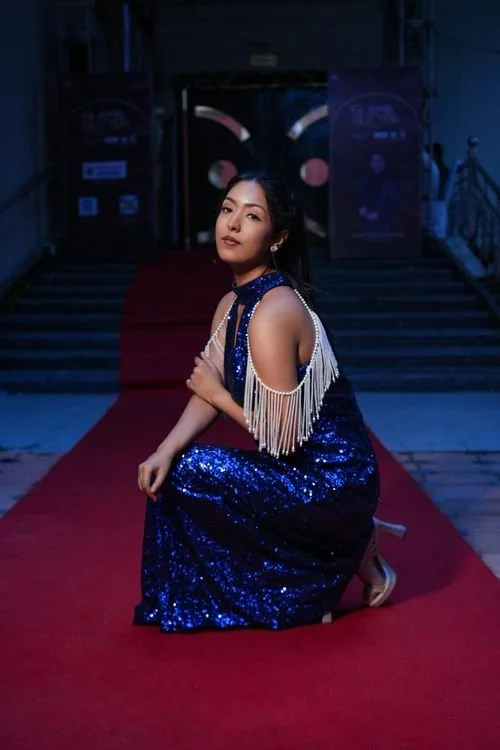
Woman in elegant gown posing on a red carpet at a Los Angeles premiere

If you are planning a premiere, an award show, a gala, or a brand launch in Los Angeles, you have probably asked the question every event planner asks me: how much does a red carpet photographer cost?

Here is the short answer. In Los Angeles, professional red carpet photography typically runs $750 per hour, with a two-hour minimum. A half-day of coverage (four hours) runs $2,500, and a full day (eight hours) runs $4,500. Those are my rates, and they sit squarely in the professional tier for this market. Budget shooters will quote $200 to $400 an hour. Premium teams with multiple photographers, same-night delivery, and full commercial licensing can push past $5,000 for an evening.

The number on the quote is only half the story. What you are really buying is speed, reliability, and the certainty that the one shot that matters actually exists when the night is over. I have been working red carpets for 27 years, from the Teen Choice Awards in 2000 to the Grammys in 2018, and I can tell you exactly where the money goes and where it gets wasted.

Why Red Carpet Pricing Is Different From Regular Event Photography

A red carpet is not a cocktail party with a photographer. It is a controlled chaos operation with a hard clock. Talent walks the carpet, pauses at the step-and-repeat for ninety seconds, and keeps moving. You do not get a second take. The photographer who misses the moment does not get another chance.

That pressure is why red carpet work commands a premium over general event coverage. A wedding photographer has eight hours to find the moments. A red carpet photographer has a ninety-second window per subject, shouted names, flashing strobes from a dozen other cameras, publicists pulling talent in three directions, and a producer in their earpiece calling the next arrival.

When you hire for a red carpet, you are paying for someone who has done this enough times that the chaos looks routine. I shot my first red carpet in 2000 at the Teen Choice Awards. I was still in high school, shooting on a Nikon Coolpix 950, filing images over a 56k modem the same night. The outlets I was feeding did not care how hard the conditions were. They cared that the photos were there before deadline. That principle has not changed in 27 years. The photographer who delivers fast wins the next booking.

What Red Carpet Photographers Actually Charge in Los Angeles

Let me break down the real pricing tiers in this market, based on what I see quoted across Los Angeles in 2026.

Budget tier: $200 to $400 per hour. This gets you a competent photographer, usually solo, with basic editing and standard turnaround of one to two weeks. Fine for a small step-and-repeat at a private party. Risky for anything with press, sponsors, or talent whose publicist will be watching the clock.

Professional tier: $500 to $750 per hour. This is where experienced red carpet photographers live. You get someone who knows the drill, edited images delivered within days, and a photographer who can work a step-and-repeat line without slowing it down. My rate is $750 per hour with a two-hour minimum, which puts a standard red carpet arrival window at $1,500.

Premium tier: $1,000 per hour and up. This buys a team, not a person. Multiple photographers covering arrivals, candids, and detail shots simultaneously. Same-night or next-morning delivery. A dedicated editor processing selects while the event is still running. Full commercial licensing for sponsor and press use.

For a typical Los Angeles premiere, here is what the math looks like at my rates. A two-hour red carpet arrival window: $1,500. Add the after-party, another two hours: $2,500 for the half day. A full awards night, arrivals through the end of the after-party, eight hours: $4,500.

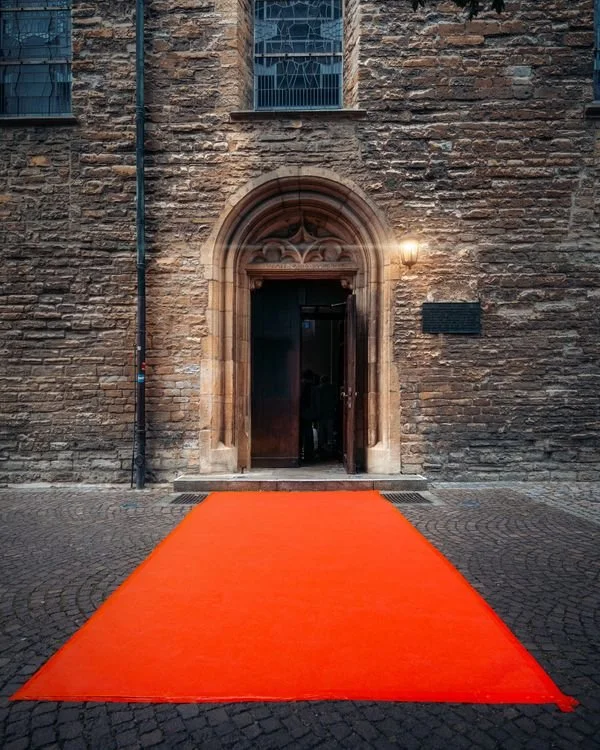
Grand red carpet entrance at a Los Angeles event venue

What Drives the Price Up or Down

Not every red carpet costs the same. Five factors move the number.

1. Same-night delivery. If your publicist needs selects before the 11 p.m. news cycle or your social team needs content before the after-party ends, that is a rush service. Same-night editing typically adds 25 to 50 percent to the base rate. I have filed from the carpet on a laptop between arrivals for outlets that needed images before the show started. That kind of turnaround is a separate line item.

2. Number of photographers. One photographer can cover a single step-and-repeat line. If you have arrivals at two entrances, a press room, and an after-party happening simultaneously, you need a team. Each additional photographer adds to the total. For a major premiere at the Dolby Theatre or the TCL Chinese Theatre, two to three photographers is standard.

3. Licensing. Most event photographers retain copyright and grant you a license for specific uses: your website, social media, press releases. If a sponsor needs the images for an advertising campaign, or you need exclusive rights, that is negotiated separately. Be clear about usage before you sign, because the wrong assumption here is expensive.

4. Timing. A red carpet on a Saturday night in awards season costs more than a Tuesday afternoon brand activation. February through March, during awards season, is peak demand in Los Angeles. Book early. I have seen planners pay rush premiums because they started calling photographers two weeks before a premiere.

5. The photographer's track record. A photographer who has shot the Grammys, the Oscars, and twenty years of premieres charges more than someone shooting their third red carpet. You are paying for the certainty that they will not freeze when the biggest name of the night walks past their lens.

How to Hire the Right Red Carpet Photographer

Price matters, but the cheapest quote on a red carpet is the most expensive mistake you can make. Here is what to actually evaluate.

Look at full galleries, not highlight reels. Anyone can show you twenty perfect frames. Ask to see a complete red carpet delivery, arrivals to last guest. You are looking for consistency: exposure, focus, and framing that hold up across two hundred frames, not just the ten best.

Ask about the step-and-repeat workflow. A good red carpet photographer has a system. They know where to stand, how to call for the shot without shouting over the press line, and how to keep the line moving. If a photographer cannot describe their arrival workflow in thirty seconds, they have not done enough carpets.

Confirm the delivery timeline in writing. When do you get the images? How many? In what format? A verbal promise of "a few days" means nothing when your sponsor is asking for the gallery on Monday morning. Put the number of edited images and the delivery date in the contract.

Check the backup plan. What happens if the photographer's camera fails at 7 p.m.? The answer must involve a second body on site, not a trip to a rental house. Red carpets do not pause for equipment failures.

Guest posing confidently on a red carpet at a Los Angeles event

Where Red Carpets Happen in Los Angeles

If you are new to producing events in this city, the venues shape the photography plan. The Dolby Theatre in Hollywood hosts the Oscars and the biggest premieres. The TCL Chinese Theatre on Hollywood Boulevard handles premieres with the forecourt as the carpet zone. The Beverly Hilton in Beverly Hills is the Golden Globes home and a constant for awards-season events. The Wiltern, the Greek Theatre, and the Shrine Auditorium all run red carpet arrivals for concerts and award shows.

Each venue has its own carpet logistics. The Dolby has a multi-level arrival with press risers. The TCL Chinese Theatre carpet runs along Hollywood Boulevard with crowd control as a real factor. A photographer who has worked these specific venues knows where the light falls at 6 p.m., where the publicists stage talent, and where to stand so a tour bus does not block the shot. That local knowledge is part of what you are paying for.

The Question Behind the Question

When someone asks me how much a red carpet photographer costs, what they are really asking is: how do I make sure this does not go wrong? The carpet is the most visible ninety minutes of your entire event. The photos from those ninety minutes are what the press runs, what the sponsors share, and what lives on the internet permanently.

My answer is always the same. Hire the photographer whose worst red carpet is still better than most photographers' best night. Ask for the full gallery. Put the delivery date in writing. And do not hire on price alone for the one part of your event that the whole world will see.

If you are planning a premiere, gala, or red carpet in Los Angeles, get in touch. I will give you a straight quote and an honest assessment of what your event actually needs. For a look at what really happens behind the rope line, read my behind-the-scenes account of 27 years on the carpet. And if your event includes broader coverage beyond the carpet, my corporate event photography page covers full-day rates and deliverables.

Stylish couple posing on a red carpet at a Los Angeles premiere

FAQ

How much does a red carpet photographer cost in Los Angeles? Professional red carpet photography in Los Angeles typically costs $750 per hour with a two-hour minimum. Half-day coverage (4 hours) runs $2,500 and full-day coverage (8 hours) runs $4,500 at professional rates. Budget photographers charge $200 to $400 per hour.

How far in advance should I book a red carpet photographer? Book six to eight weeks out for standard events, and three to four months ahead during awards season (January through March). Last-minute bookings often carry rush premiums.

Do red carpet photographers deliver images the same night? Same-night delivery is available as a rush service and typically adds 25 to 50 percent to the base rate. Standard professional turnaround is two to five days for the full edited gallery.

How many photographers do I need for a red carpet? One photographer covers a single step-and-repeat line. Major premieres with multiple entrances, a press room, and an after-party typically need two to three photographers.

Who owns the red carpet photos? Most photographers retain copyright and grant you a license for website, social media, and press use. Advertising or exclusive rights are negotiated separately. Get the usage terms in writing before the event.

Photography Licensing Explained: 7 Rules Every Photographer Should Know

Photography licensing is the business skill that separates photographers who survive from photographers who thrive. It answers the question every client eventually asks, usually in exactly these words: "We paid for the shoot, so we own the photos, right?" The answer is no, and understanding why is worth more to your career than any new lens.

A photography license is a legal agreement where you, the photographer and copyright holder, give a client permission to use your photos in specific ways, for a defined time period, within agreed limits. You keep ownership of the images. The license defines the usage rights, the territory, the duration, and the exclusivity for each image. That is the short definition. The rest of this article is what 27 years of shoots taught me about how licensing actually works in practice, including the contract lesson a difficult villa client in Jamaica burned into my memory.

  • The Short Answer: What Photography Licensing Is
  • Watch: Photo Licensing 101, The Basics Explained
  • The 7 Rules Every Photographer Should Know About Licensing
  • What Commercial Photography Licensing Actually Pays
  • My Take After 27 Years Behind the Camera
  • Frequently Asked Questions
  • Book a Shoot

The Short Answer: What Photography Licensing Is

Here is the version you can say to a client in one breath: when you hire me, you are paying for two separate things. You are paying for the shoot itself, which is my time, my team, my gear, and my post-production. And you are paying for the right to use the finished images in the ways we agree on. The first is the creative fee. The second is the license, sometimes called the usage fee.

Think of it like renting a house versus buying one. A photographer who licenses images keeps the asset and earns from it over time. A photographer who sells everything outright gets one payment and never sees the work again. The American Society of Media Photographers puts it this way: licensing defines exactly how, where, and for how long someone can use your work, and done right, it keeps the power in your hands.

One more thing worth knowing before we go further: your photos are your intellectual property from the moment you press the shutter. Copyright attaches automatically at creation under the Berne Convention, which more than 170 countries have signed, and no copyright symbol is required. A license grants permission to use the work. It does not transfer the copyright unless you explicitly sign that away.

Photographer shooting an editorial studio portrait, photography licensing for commercial portrait shoots

Watch: Photo Licensing 101, The Basics Explained

Kansas City architecture and interiors photographer Matthew Anderson put together one of the clearest licensing explainers on YouTube, and PetaPixel covered it for good reason. In about 14 minutes he walks through the questions clients actually ask: why do I need permission to use an image, why would a photographer get paid more than once for the same photos, can I use a photo I found on social media, and what happens if there is no watermark.

The whole video is worth your time, but the timestamped section on "my project or product is in the photo, so do I not have built-in rights to use it" is the one to memorize. The answer is no. Being in the photo gives you no rights to the photo. It is a five-second answer that has saved me from more than one awkward client conversation.

Photo Licensing 101, The Basics Explained video by Matthew Anderson

The 7 Rules Every Photographer Should Know About Licensing

1. You own the copyright the moment you press the shutter

Copyright is literally the right to copy, which means the right to reproduce, display, distribute, and profit from copies of your work. It is granted at the moment of creation and, in the United States, lasts for the life of the author plus 70 years. The person who creates the work owns it, period. That is the default rule.

There are two exceptions photographers run into. The first is full-time employment: if you are a staff photographer, your employer owns the work. The second is a signed work-for-hire agreement. Most freelance assignments do not qualify as work for hire under US copyright law, even when a client writes those words into a contract. ASMP notes that true work for hire is narrowly defined and usually applies to employees or very specific commissioned works listed in the statute. When a client pushes for work for hire, the professional response is to offer an exclusive license instead, and to price it to reflect the future revenue you are giving up.

2. A license is permission, not ownership

This is the sentence to learn by heart: paying for the shoot does not buy the photos. A client pays production costs, your time, the team, the location, the post work. Those are the costs of creating the images. What the client buys separately is the right to use the images in defined ways.

Commercial photographer Patrick Fore explains it with a software analogy. If your staff needs Microsoft Office, you buy a license for each user. Microsoft could let you distribute the software freely, but then it would not make any money. Photography works the same way. Each use case has its own value, and each comes at its own price. The Pixsy licensing guide states the key legal fact plainly: when someone is granted a license to use an image, this does not mean they become the new copyright holder. The owner is still the creator unless they decide to transfer copyright under conditions they choose.

3. Every license has four levers: usage, duration, territory, exclusivity

Every licensing conversation comes down to four questions, and ASMP Colorado lists them as the key elements of any license. Memorize them, because they are also the questions you ask the client before quoting a fee.

Usage asks how the images will be used. Advertising, editorial, internal corporate, and personal use each carry different value. A headshot for a company website is not the same product as a headshot on a national billboard, even if it is the same file.

Duration asks how long. A one-month license and a perpetual license are priced differently for obvious reasons. Industry practice usually runs 2 to 5 years rather than decades, partly because a small business today can become a huge brand in a year, and your image may be worth far more than what you asked for it at the start.

Territory asks where. Local, regional, national, or global. In a digital world this lever matters less than it used to, but for print editorial it still matters a great deal.

Exclusivity asks whether the client is the only one who can use the image. An exclusive license means you cannot license the same image to anyone else, including the client's competitors, and the fee reflects that. A non-exclusive license, which is the default for most portrait, wedding, and editorial work, lets you license the same image to multiple clients.

4. Royalty-free and rights-managed are different businesses

These two terms get mixed up constantly, so here is the clean version. A royalty-free license is a flat, one-time fee. The buyer can use the image for multiple purposes without time or geographic restrictions, on non-exclusive terms. It is cheaper and simpler, and it means less revenue and less control for the photographer.

A rights-managed license is priced on the specifics of the use: purpose, duration, territory, size, and distribution. The licensee can only use the image under the agreed terms, and any additional or extended use requires a new agreement and a new fee. The photographer can also grant or deny exclusivity. Rights-managed licenses cost more and take more administration, but they give the photographer control and the client protection.

For working photographers shooting commissioned work, rights-managed thinking is the default. You are not selling stock. You are pricing each job on what the use is actually worth.

5. "Buyout" is not a legal term, so define it in writing

Clients love the word buyout. It sounds decisive. The problem, as photographer and educator Seth Resnick explains, is that buyout is not a legal term at all. Many clients believe buyout means they own the image, with unlimited exclusive rights or even the copyright. To the photographer, the same word may mean only certain specific, unlimited rights, with no copyright transfer.

When both parties believe they own the images, you get disputes that cost you the client and possibly end up in court. So whenever a client says buyout, translate it into the four levers from rule 3 and write it down. Which uses, for how long, in which territory, exclusive or not. If the client truly wants the copyright itself, that is a copyright transfer, and it should be priced like one, because you are selling your retirement account, not a photo.

Hands signing a photography licensing agreement, written license terms protect photographers

6. The creative fee and the usage fee are separate line items

A professional commercial estimate has four parts: non-photography fees like pre-production and casting, the daily photography fee, usage fees to license the images, and production expenses. The photography fee covers your service, your time on set. The usage fee covers what the images are worth to the client's business.

This distinction matters because the usage fee is where the real money lives. Published industry ranges put US commercial photography fees at roughly $1,000 to $1,250 per day for newer photographers, $1,300 to $3,000 for established photographers without representation, and $3,500 to $5,000 and up for well-known photographers with agents. Those numbers cover the service alone. The big shoots you hear about, the $20,000, $45,000, $85,000 jobs, get there on usage fees, because the fee reflects the commercial value of the images, not just the cost of producing them. A national campaign image can generate hundreds of thousands of dollars in sales. Pricing the license against that value is not greed. It is the business.

7. Get it in writing, before the shoot

Licensing agreements technically do not require a particular format, and a verbal agreement can be binding in many cases. But every serious guide to licensing says the same thing: put it in writing. Without a written license, a dispute over terms becomes one person's word against another's, and you will lose the argument you cannot prove.

Write the license before the shoot, not after. Once the images exist and the client has seen them, your leverage is gone. The written agreement should state who owns the copyright, exactly what uses are permitted, the duration, the territory, whether the license is exclusive, whether the client can edit or crop the images, and whether sublicensing to third parties is allowed. It should also require a credit line if that matters to you. Clarity before the shoot prevents conflict after the delivery, every single time.

What Commercial Photography Licensing Actually Pays

Let me put real numbers on this, because vague advice about "charging what you are worth" helps no one. For US-based commercial photographers, published industry data puts the photography fee, the day rate for your service, at about $1,000 to $5,000-plus per day depending on experience and representation. Photographers working mostly with small businesses often charge $250 to $500 per hour, bundled with a small set of images licensed for social and web use.

Those are the service fees. The licensing fees sit on top, and they are calculated from the four levers: what the images will be used for, for how long, where, and with what exclusivity. A local restaurant's website license and a national ad campaign license for the same shoot day are different products at wildly different prices. This is also why experienced photographers push back when a client asks for "all rights in perpetuity" as a throwaway line in a contract. That phrase has a price, and it is not the price of a portrait session.

My own rate sheet is published, because I would rather have the pricing conversation in the open than in a negotiation. Two looks at $1,500, three at $1,900, four at $2,300, five at $2,500, with licensing terms spelled out per project. The principle is the same at every price point: the shoot fee covers the making, the license covers the using.

My Take After 27 Years Behind the Camera

I learned rule 7 the hard way, on a villa shoot in Jamaica. A client hired us to photograph her property, and after delivery she was unhappy about everything: the furniture in the shots, the skies not being blue enough in the aerials. We had even thrown in a helicopter video, back before drones, as a value add. She complained about that too. The shoot had been scoped for specific deliverables, but the expectations had drifted far beyond the agreement, and because some of those expectations were never written down with clear limits, every conversation became a negotiation.

Setorii, who ran client relations for us, had a process for difficult clients that I still use: stay calm, listen for the specifics, reply in writing fast, figure out what actually went wrong, and then ask the question that matters. What clauses do you need in the contract so this problem never happens again? In the Jamaica case the honest answer was that I should have stated up front that blue skies were not guaranteed without additional shoot days, and that additional days carried an additional fee. Scope, deliverables, and what costs extra, in writing, before anyone picks up a camera.

The editorial side of my career taught me the other half of licensing. My pictures have been published in Vogue, Harpers Bazaar, In Style, and Ocean Drive, and magazine publishing runs on licenses. An editor licenses specific images for a specific issue, a specific placement, a specific territory. Nobody at a major magazine has ever been confused about who owns the photographs. The entire industry is built on the photographer keeping the copyright and licensing defined uses. When a commercial client tells me they assumed paying for the shoot meant owning the images, I tell them the magazine version. It ends the confusion in about thirty seconds.

Here is the discipline I would give every photographer reading this. Treat the license as part of the craft, not as paperwork that gets in the way of the craft. The same consistency that makes you show up early, light carefully, and deliver on time should apply to your agreements. Write down what the client is buying before the shoot. Price the usage on its value, not on your costs. And never sign away the copyright itself unless the money reflects what you are actually selling, which is the future earning power of your own work.

Frequently Asked Questions

Do photographers keep copyright when they license an image?

Yes. In the United States and in more than 170 countries under the Berne Convention, the photographer owns the copyright from the moment the image is created. Licensing grants a client permission to use the images under defined terms. It does not transfer ownership unless the contract explicitly assigns the copyright in writing. This is true even when the client paid for the entire production.

What is the difference between exclusive and non-exclusive licenses?

An exclusive license means the photographer cannot license the same image to anyone else during the license term, including the client's competitors, and the fee is usually much higher to reflect that. A non-exclusive license allows the photographer to license the same image to multiple clients. Non-exclusive is the default for most portrait, wedding, and editorial work. If a client wants exclusivity, price it as the premium product it is.

What does a buyout mean in photography?

Buyout has no legal meaning, which is exactly why it causes disputes. Clients often use it to mean they own the image outright, while photographers may use it to mean broad but still limited usage rights with no copyright transfer. Whenever the word comes up, convert it into specific written terms: which uses, what duration, which territory, exclusive or not. If the client wants the actual copyright, that is a separate transfer and should be priced accordingly.

Can I use a photo I found on social media if it has no watermark or credit?

No. A photo on the web is a published work with full copyright protection, whether or not it carries a watermark, a credit line, or a copyright symbol. Finding an image online does not place it in the public domain, and the absence of a credit does not grant you permission. If you want to use it, ask the photographer for a license first.

How much should photographers charge for a license?

There is no single number, because the fee follows the use. Published industry ranges put the photography service fee at roughly $1,000 to $5,000-plus per day for US commercial photographers, and the license fee is calculated separately from usage, duration, territory, and exclusivity. The guiding principle is that the license is priced on the commercial value of the images to the client's business, not on what the shoot cost to produce. A national campaign and a local website are different products.

What happens if a client uses a photo beyond the licensed terms?

Any use outside the agreed license, a different medium, a longer term, a wider territory, requires a new or renewed license. Using the image beyond the license is copyright infringement. For registered works, US law allows copyright owners to seek statutory damages of up to $150,000 per willful infringement, plus legal fees. In practice, most disputes settle once the photographer produces the written agreement, which is another reason rule 7 exists.

Book a Shoot

If you are planning a commercial shoot, an editorial feature, or a portrait session and you want the licensing handled professionally from the start, that is exactly how I work. Every project begins with a clear written agreement covering the shoot and the usage, so there are no surprises on either side. Reach out through my contact page and tell me about the project.

You can also browse the portfolio to see the range of work, from celebrity portraits to the portrait session workflow I use on every job. And if you are a photographer building the business side of your own practice, my guides to raising your photography prices for 2027 and getting photography clients cover the money side in the same plain language.

What is the one licensing question you have been afraid to ask a client? Leave it in the comments. I read every one.

Linda Hamilton: The Headshots She Shoots Once a Decade

The portrait

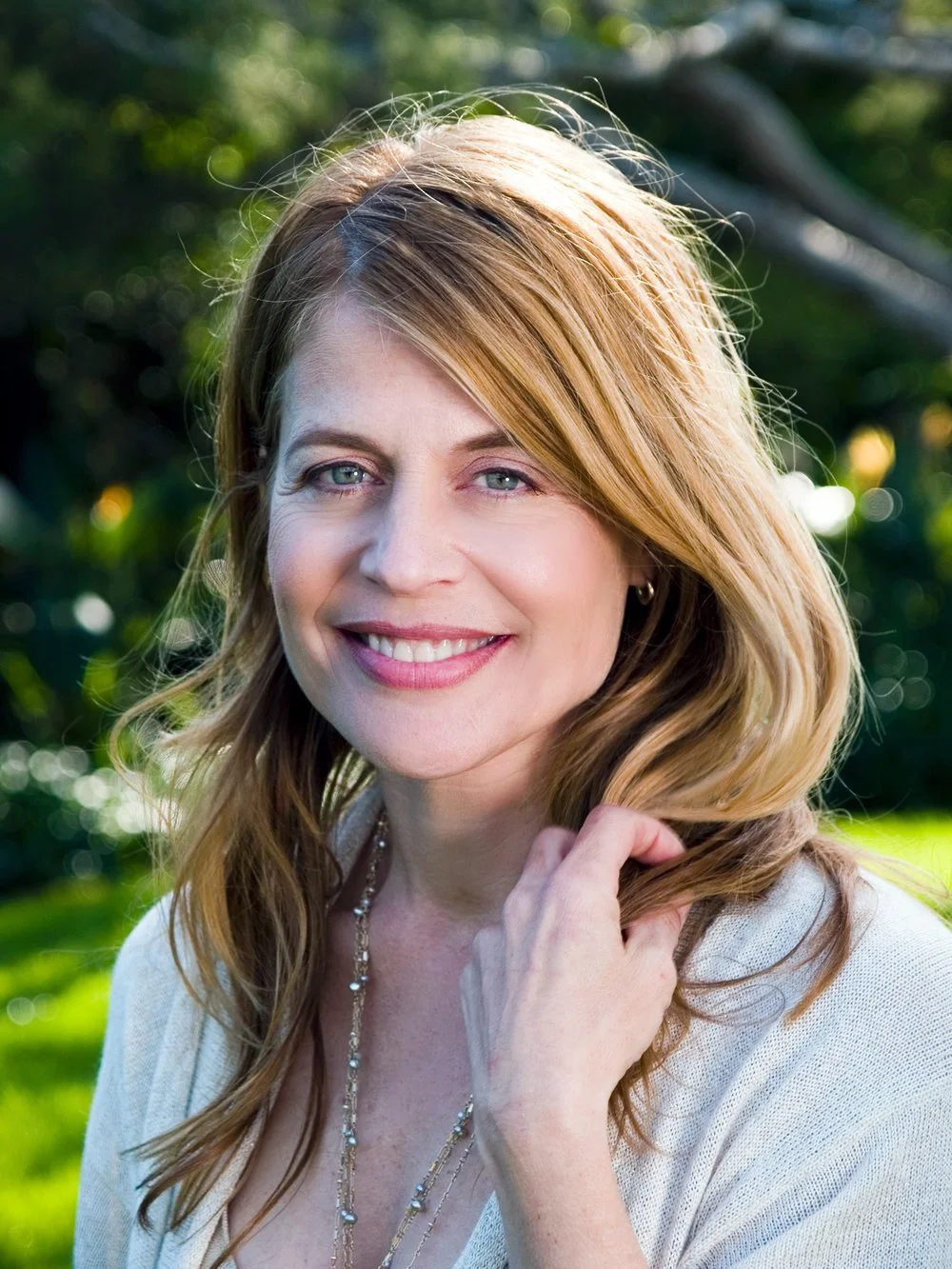
The frame holds Linda Hamilton in the backyard of her own home, green foliage soft behind her, a cream cardigan over an earth-toned top, two layered necklaces catching the light. She is smiling the way people smile when they are at home: easy, unguarded, warm.

Nothing about the image says Terminator. There is no armory, no desert grit, no chin-ups on a cell door. This is a headshot for a woman who shoots headshots once every ten years, and she wears it like a friend stopping by your house for tea. Which, in a way, is exactly what the shoot was.

I remember looking at this frame and thinking about the pressure hiding inside it. This image had to represent her for a decade. One hour, three looks, and the face that agents, casting directors, and fans would see for the next ten years. It is the highest-stakes version of a headshot there is.
The story behind the shoot

The booking came through my friend Greg. Greg was Linda Hamilton's masseuse, and he was also an aspiring model. We were doing a photoshoot one day when he told me he had just started working with her and that she was looking for a photographer to shoot new headshots. He mentioned my name and gave her my number.

I waited. I hoped she would call. A couple of weeks passed, and then the phone rang. Linda told me she only shoots headshots every ten years and that she loved my work. She wanted me to shoot them. She booked me for the following week.

We shot at her house in Point Dume in Malibu. In my head I had the version of her I grew up with: the badass from Terminator 2, super ripped, intense, the heroine of the movie. The woman who opened the door was the opposite: sweet, charming, accommodating. She invited me in, offered me tea, and asked me what the plan for the shoot was.

I told her we should shoot her in natural solid colors with earthy tones. My makeup artist, Cat, started on her makeup while I set up my lights in her backyard. I brought an Alien Bee light kit with a battery pack, so I never needed to plug anything in. We shot three looks for about an hour. I shot her from so many different angles because I wanted to make sure she got exactly what she needed. After all, this was going to be her image for the next ten years.

When it was done, I went home, printed the pictures, and put them in a photo album. A couple of days later I went back to her house so she could choose. She loved the pictures. She picked five for touchups, and then she handed me a $2,500 tip. I was not expecting it. It was incredibly generous. I think she saw me as a new, talented photographer and wanted to do her best to support me.
Her quote opens the chapter of my memoir where I tell this story: "My heart is so light that it's amazing. I get to play all this grief, all this loss, all this disaster and chaos. It's hysterically funny. I am very light." That is the woman in this frame. Not Sarah Connor. Linda.

The technical takeaway

For photographers, the lesson here is the battery pack. A backyard has no outlets, and you do not ask a client to run extension cords through her living room. I brought an Alien Bee kit with a battery pack so I could light anywhere on the property without being tethered to a wall.

This is the whole job of location headshots: show up self-contained. Natural light does the heavy lifting, a battery strobe does the shaping, and you never make the client accommodate your gear. Clients like Linda hire you because the shoot feels effortless on their end. The effort goes in the bag you carry.

The second lesson is about the session itself. Three looks, one hour, every angle covered. When the images have to last ten years, you do not walk away wondering if you got it. You overshoot deliberately: every angle, every look, then you curate later. A relaxed client gives you her real face, and the printed album made choosing feel like unwrapping a gift instead of approving proofs on a screen. Old school. It worked.
That is how I have approached 27 years as a celebrity photographer in Los Angeles and New York: bring your own power, overshoot the coverage, and let the client feel the ease.

FAQs

How did David Christopher Lee end up photographing Linda Hamilton?

Through his friend Greg, her masseuse, who mentioned David's name when she said she was looking for a photographer. She called a couple of weeks later, told him she only shoots headshots every ten years and loved his work, and booked him for the following week.

Where was the shoot?

At her house in Point Dume in Malibu. He lit her backyard with a battery-powered Alien Bee kit and shot her in natural solid colors with earthy tones: three looks in about an hour.

What made the session unusual?

The stakes and the generosity. The headshots had to represent her for a decade, so he shot every angle he could. Then, after choosing five pictures for touchups, she gave him a $2,500 tip, a gesture he read as an established star supporting a new, talented photographer.

How do I book a headshot session?

If you need acting headshots in Los Angeles or portraits anywhere else, get in touch here and tell me about the shoot.
Book a Shoot

One hour. Three looks. A face she would wear for ten years. I have spent 27 years making portraits like this one, from Linda Hamilton's backyard to red carpets across Los Angeles. If you need a headshot photographer in Los Angeles who shows up self-contained and leaves you with your best face, book your shoot.
Linda Hamilton in a cream cardigan and earth-toned top in the backyard of her Point Dume home in Malibu, photographed by David Christopher Lee

Real Estate Photographer Los Angeles: How to Hire One That Sells the Listing

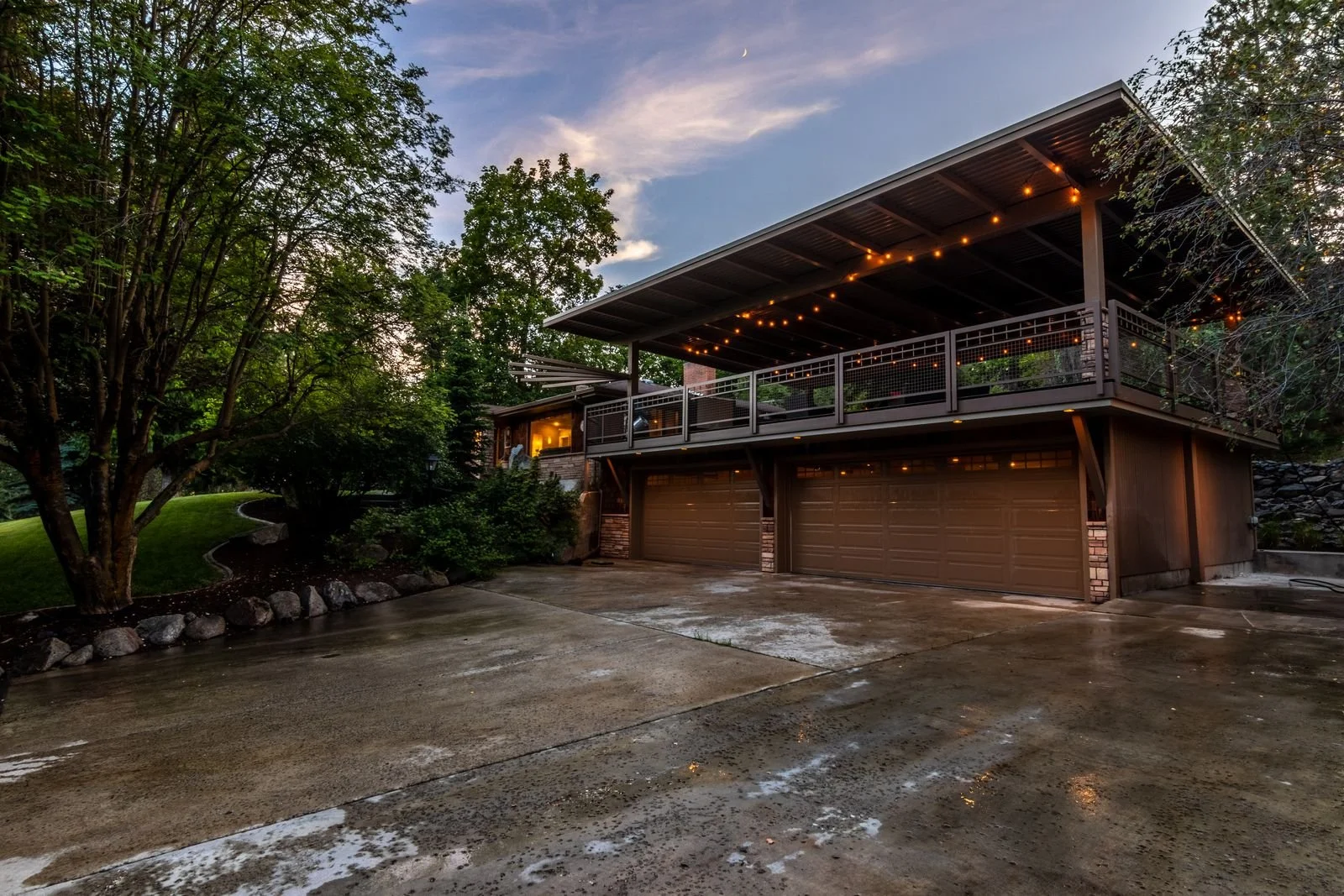
Twilight exterior of a modern Los Angeles home photographed for a real estate listing

How do you hire a real estate photographer in Los Angeles? You start with the number that runs the whole business: the first showing happens online. Buyers decide whether to walk through your front door while scrolling listing photos on a phone. The photographer you hire controls that first impression, and in LA's market, that first impression is worth real money.

I have been a professional photographer in Los Angeles for 27 years. I shoot real estate here and in Orange County (see my Orange County real estate photography work), and I have watched listing photography go from a nice-to-have to the single highest-leverage marketing spend on a listing. Here is what it costs, what the photos are actually worth, and how to hire a shooter whose work moves listings instead of just filling the MLS grid.

Why listing photos matter more than almost anything else

This is not opinion. It is measured, repeatedly.

The National Association of Realtors found that 89 percent of homebuyers rated photos as the most useful website tool in their home search, and listings with high-quality photos sell 32 percent faster. The Journal of Real Estate Research found that 95 percent of homebuyers look at the photo first before anything else on a listing page, and 40 percent of buyers never even read the agent remarks section. Your listing copy is invisible to nearly half your buyers. The photos are the listing.

Redfin's study of thousands of listings put dollars on it: for homes priced between $200,000 and $1 million, homes with DSLR-taken listing photos sold for $3,400 to $11,200 more relative to their list prices than homes with amateur photos. In the $400,000 to $500,000 range, 64 percent of homes with professional photos sold within six months, versus 46 percent of homes with point-and-shoot photos. The Wall Street Journal reported that homes with high-quality photos received a 47 percent higher asking price per square foot. A Center for Realtor Development analysis found a home with one photo spends an average of 70 days on the market, while a home with 20 photos spends 32.

Read that against the cost of the shoot and the math is almost silly. Market Leader calculated that hiring a professional listing photographer costs about 0.09 percent of the median US home price. On a $1.2 million LA listing, the photography costs less than a tenth of one percent of the sale price, while the Redfin data suggests the photo premium can run into five figures. This is the cheapest leverage in the entire transaction.

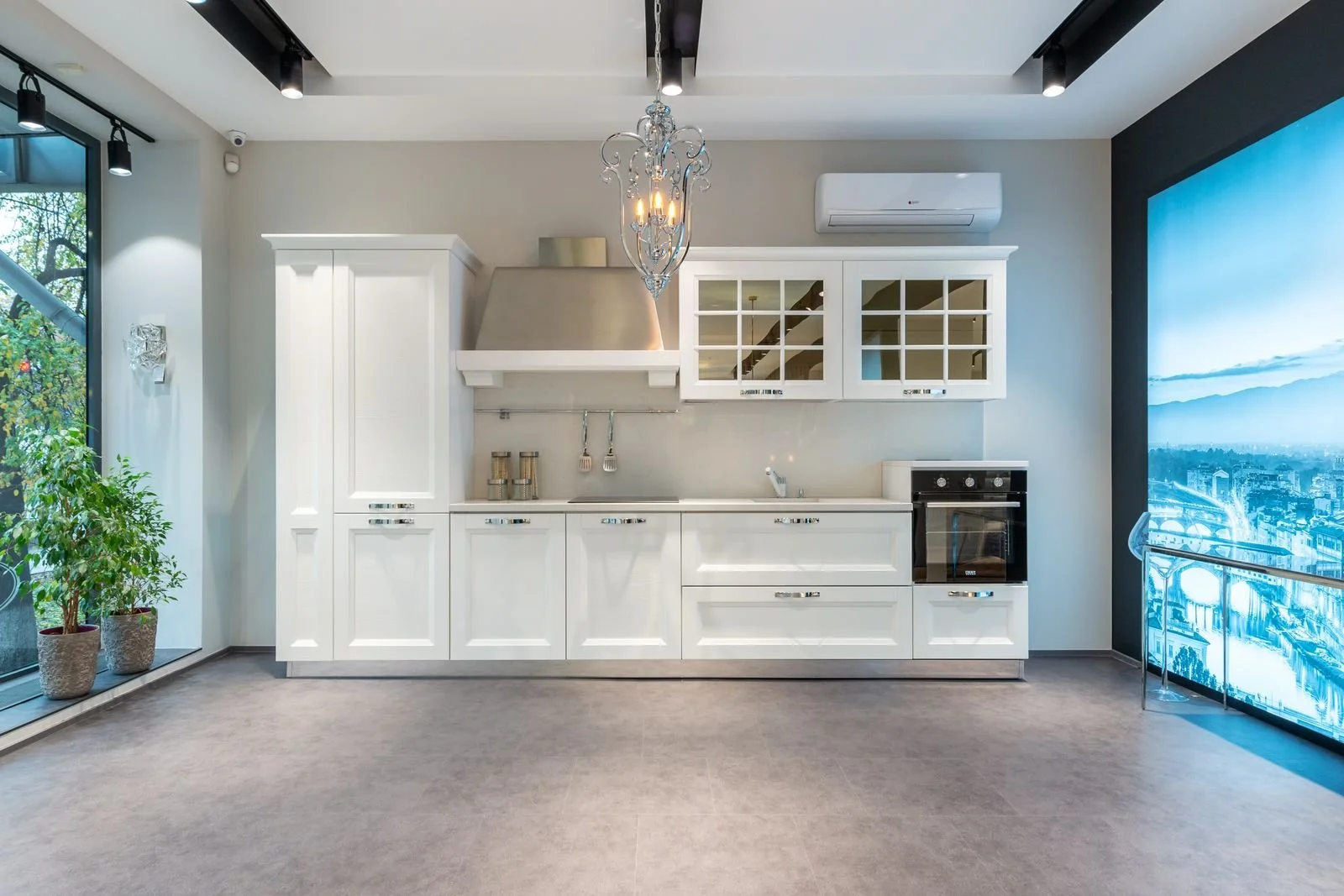
Modern kitchen interior with white cabinets photographed for a Los Angeles real estate listing

What a real estate photographer in Los Angeles costs in 2026

RubyHome's real estate photography statistics put the average real estate photo shoot in Los Angeles at $318 in 2026, against a national average of $230. LA is the most expensive major market in the country for this, which tracks: higher home prices, higher competition among shooters, and a luxury tier (Beverly Hills, Holmby Hills, the Bird Streets) that pulls the average up. PhotoUp's 2026 real estate photography pricing guide breaks out the same city-by-city numbers, and Skylum's 2026 real estate photography pricing breakdown confirms the $318 LA average.

A standard residential package in 2026 typically includes 15 to 25 finished, MLS-ready images of the main areas of the property, shot on a tripod with a wide-angle lens so wall geometry stays true. Freelance marketplaces put LA real estate photographers at $85 to $148 per hour, but most shooters quote flat per-property pricing, usually tiered by square footage. One established LA shooter's published rate card charges $350 for a space up to 3,000 square feet, $400 up to 4,000, and $450 up to 5,000, with $100 for exterior-only coverage.

The add-ons are where packages diverge. Aerial drone coverage typically adds $150 to $300 to a residential shoot in major metros. Twilight exterior shoots run about $150 extra, and that is often the best money on the menu: the twilight hero shot is the one that stops the scroll. Virtual tour slideshows, floor plans, and basic video are usually quoted separately, with full media packages (photos, drone, floor plan, basic video) landing in the $450 to $750 range.

What should make you suspicious: a shooter quoting under $150 for a full residential listing in LA. At that rate you are getting someone's phone, not a photographer. The Redfin study measured the premium for DSLR-shot listings against point-and-shoot ones, and phone photos are the new point-and-shoot. The whole point of the spend is the gap between amateur and professional.

What is included in a standard shoot (and what should be)

Before you compare quotes, know the baseline. A competent LA real estate photographer delivers:

  • 15 to 25 edited, MLS-ready images covering every main area: exterior front and back, living room, kitchen, primary bedroom and bath, plus the features that sell the specific property (the view, the pool, the office, the ADU)
  • Verticals kept vertical. Walls that lean look like a funhouse. This is the fastest portfolio test in the business: open any listing photo and check whether the door frames are straight
  • Window pulls and balanced interiors. Anyone can expose for the room or for the view out the window. A professional gets both in the same frame. If the portfolio shows blown-out white windows in every interior, keep looking
  • 24 to 48 hour turnaround as standard, with same-day delivery available at a premium for rush listings
  • A clear usage license. Listing photos are typically licensed to the agent for that specific listing, for MLS and marketing use. If you are a builder or developer who wants the images for a portfolio or advertising, that is a broader license and it costs more. Get it in writing

The add-ons worth paying for

Twilight photography. The dusk exterior with the interior lights glowing is the single most-clicked image format in listing photography. It costs roughly $150 extra and it is routinely the hero image of the entire listing. For any property with a view, a pool, or strong architecture, this is not optional.

Drone. Homes with aerial photos sell 68 percent faster than homes with standard images alone, per NAR-sourced data. Sixty-one percent of realtors now use drones to market listings. In LA, check the airspace: controlled airspace around LAX and Burbank means your shooter needs FAA Part 107 certification and, in some zones, LAANC authorization before the drone leaves the ground. Ask for the certificate. An unlicensed drone operator is a liability sitting on your listing.

Video. Property listings with video get 403 percent more inquiries than those without, and 73 percent of homeowners say they are more likely to list with an agent who uses video. A simple walkthrough video, cut from the same shoot day, doubles the marketing value of the session.

Floor plans and 3D tours. Cheap, fast, and buyers love them. They also pre-qualify foot traffic: buyers who have walked the floor plan show up already sold on the layout.

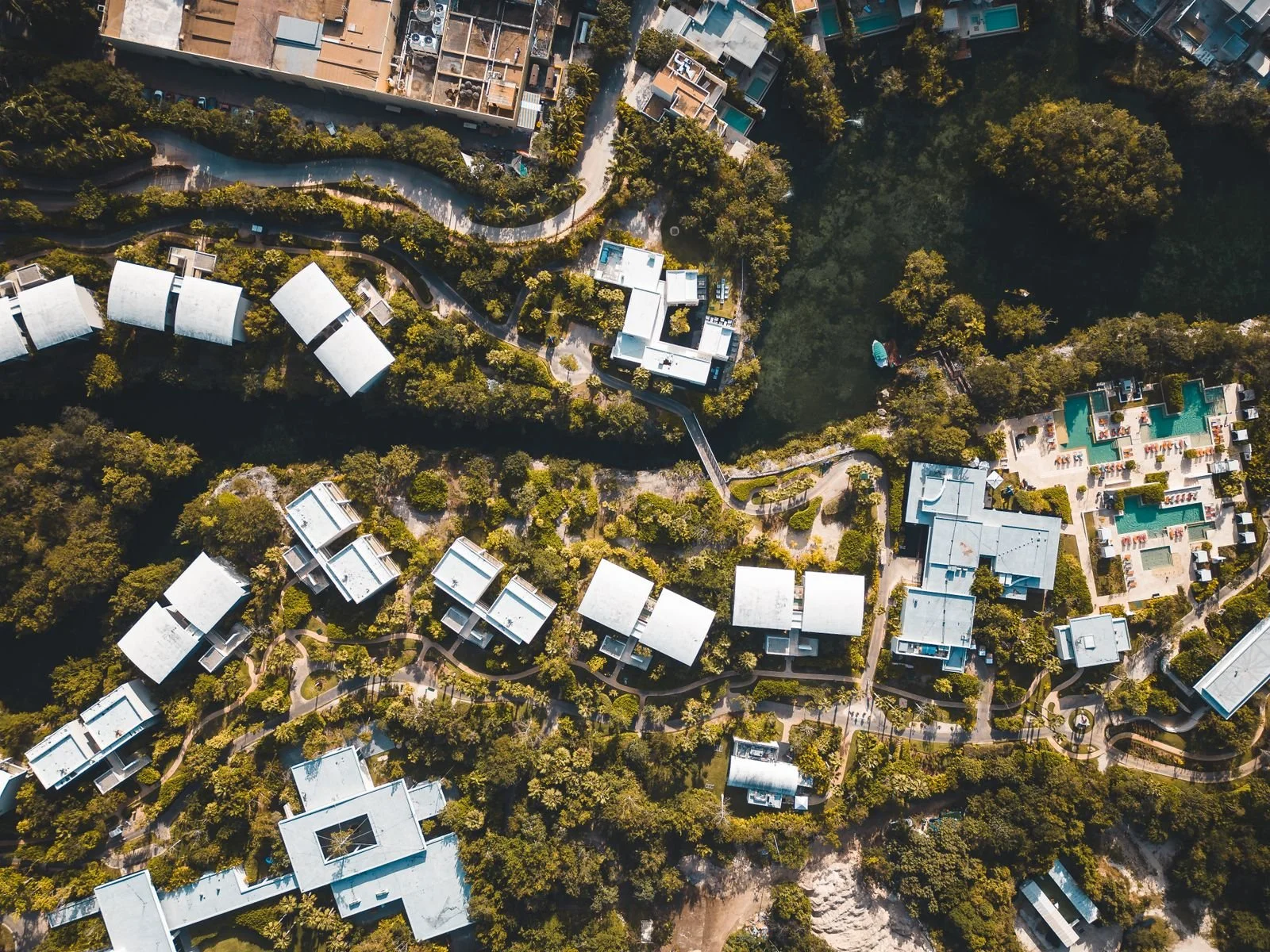
Aerial drone photo of a luxury property and its neighborhood for a real estate listing

How to hire: vet the portfolio like the money depends on it

It does. Here is the hiring process I would use if I were the agent.

Open five recent listings, not the highlights reel. Every photographer has ten great images. You are buying the twentieth image of a Tuesday shoot in Van Nuys, because that is your listing. Ask for two complete recent deliveries: every image delivered for a comparable property, in order.

Check the hard stuff. Straight verticals. Windows with visible views, not white rectangles. Consistent color from room to room (mixed lighting is where amateurs drown; a kitchen shot at 3200K next to a living room at 5600K screams phone). Bathrooms and kitchens sharp edge to edge. Twilight shots that glow instead of looking like a black rectangle with a porch light.

Match the shooter to the price point. A photographer who crushes $800K condos in Koreatown may not have the lighting package for a $12 million architectural in Trousdale. Luxury listings need a shooter with the gear for it: tilt-shift or perspective-control lenses, serious strobes for big bright interiors, and the patience for a two-visit twilight session. Ask what the most expensive property they have shot is. The answer tells you their ceiling.

6 questions to ask before you book

  1. "What is your turnaround time, and what does rush cost?" Standard is 24 to 48 hours. If the listing goes live Friday and you need images Thursday night, say so now. It changes the price and the schedule.
  2. "Are you FAA Part 107 certified?" Only matters if you want drone coverage, but the answer reveals whether they run a professional operation or wing it.
  3. "What is the usage license?" Listing-only for the MLS, or can the seller and the brokerage reuse the images? Builders and developers need broader rights. Nail this down before the shoot.
  4. "Do you shoot twilight, and is it same-visit or a return trip?" Same-visit twilights are cheaper but rushed; a dedicated return visit at dusk gets the better image. Know which you are buying.
  5. "Who edits the photos, and what is your revision policy?" The shooter should edit their own work. Ask how many rounds of tweaks are included and what counts as a revision versus a reshoot.
  6. "What happens if it rains?" LA does not rain often, but when it does, exterior shoots die. A professional has a weather policy in writing: free reschedule within a window, or a partial interior-only shoot with exteriors to follow.
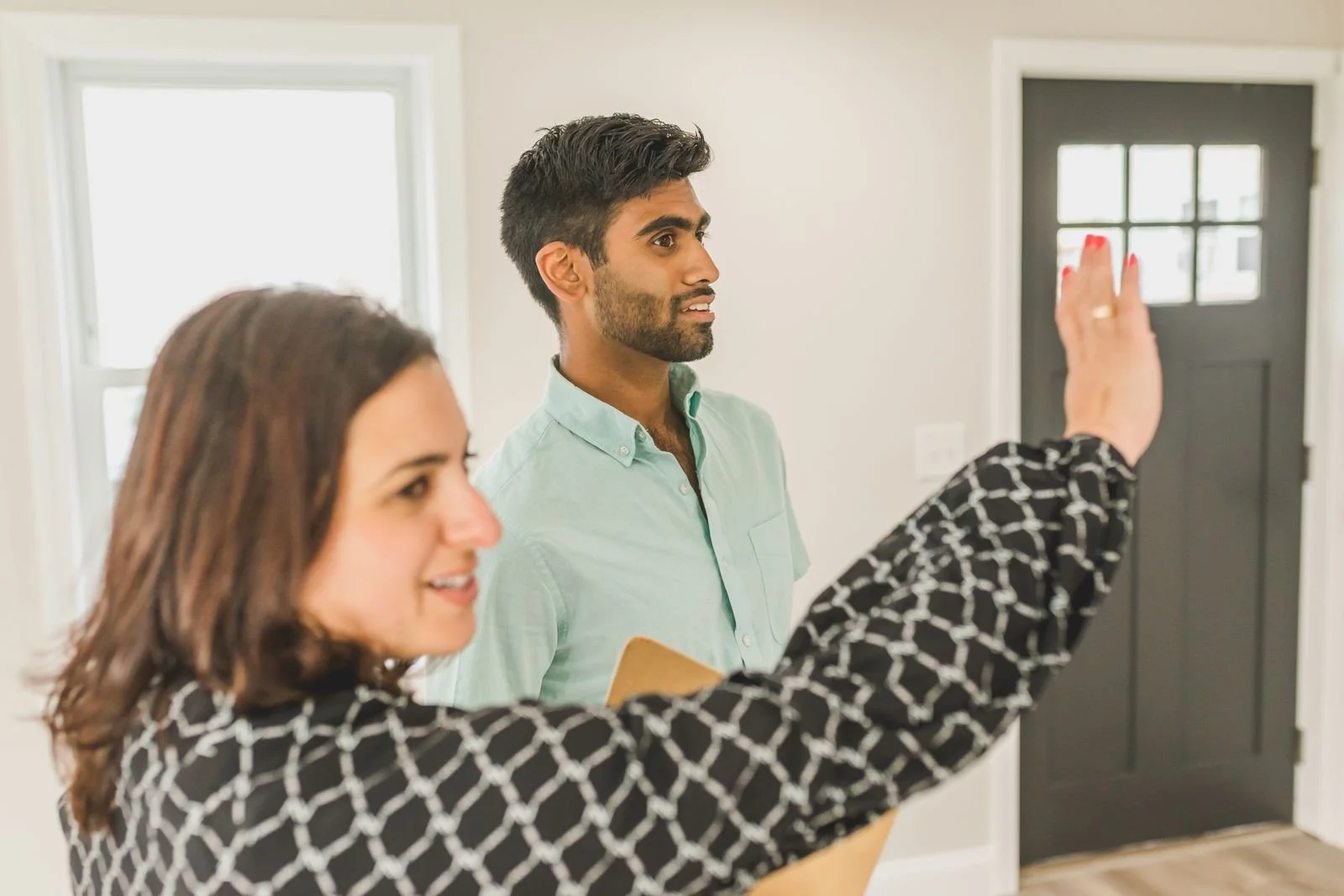
Real estate agent walking a buyer through a professionally photographed Los Angeles home

Red flags

  • Phone-only portfolio. If every image was shot on a phone, you are paying professional rates for amateur tools. The Redfin premium was measured on DSLR-shot listings for a reason.
  • No twilight samples. If a listing shooter has never shot dusk exteriors, they are leaving the highest-converting image format on the table.
  • Same-day delivery promised as standard with no rush fee. Either the editing is rushed or the promise is fiction. Good retouching takes hours.
  • Vague licensing. "You get the photos" is not a license. MLS-only, listing-only, time-limited, transferable to the seller: these are different things with different prices.
  • No backup plan for gear failure. One camera body, no backup lighting, no backup storage. Ask. The answer must be yes.

The LA-specific stuff nobody tells you

Twilight season matters. In winter, dusk lands around 5 PM and you can shoot the twilight exterior in the same visit as the interiors. In June, you are waiting until nearly 8:30 PM. Plan the shoot day around it or pay for the return trip.

Staging and photography are a package deal. NAR's staging data shows 73 percent of buyers' agents emphasizing the importance of photos and 49 percent observing that staging reduced time on market. An unstaged luxury listing shot beautifully still reads as someone else's clutter. The best LA listing photographers will tell you straight when a room needs staging before they shoot it. Hire the one who says no to shooting a bad room.

The detail obsession transfers. Luxury buyers notice the details: the veining in the marble, the grain of the walnut, the way the afternoon light hits the staircase. It is the same discipline as fine jewelry photography, where the entire sale happens in the macro. A shooter who sweats the small stuff in one genre brings it to the other.

The bottom line

A real estate photographer in Los Angeles costs about $318 for a standard shoot. The photos sell the home 32 percent faster and, per Redfin's data, can add $3,400 to $11,200 to the sale price on a mid-range listing. That makes the photography the cheapest high-leverage spend in the transaction, and the difference between a $200 phone-shooter special and a professional session is measured in weeks on market and five figures at close.

Hire the portfolio, not the price. Check the verticals, the windows, and the twilights. Ask about the license and the drone certificate. And book the twilight shoot. It is the image every buyer clicks.

If you are listing in Los Angeles and want photography that treats your property like it matters, reach out through my contact page.

Frequently asked questions

How much does a real estate photographer cost in Los Angeles?

The 2026 average for a standard residential shoot in Los Angeles is about $318, versus a $230 national average. Typical published rate cards run $350 for homes up to 3,000 square feet, $400 up to 4,000, and $450 up to 5,000, with drone coverage adding $150 to $300 and twilight exteriors about $150 extra.

How many photos does a real estate photographer deliver?

A standard package includes 15 to 25 finished, MLS-ready images covering the exterior, living areas, kitchen, bedrooms, bathrooms, and the property's standout features. Luxury listings and larger homes run higher.

How fast is turnaround for listing photos?

Standard turnaround is 24 to 48 hours. Same-day delivery is widely available at a rush premium. Confirm the timeline before booking, especially for listings going live on a fixed date.

Do professional real estate photos really help sell a home?

Yes, and it is measured. NAR data shows listings with high-quality photos sell 32 percent faster, and Redfin found DSLR-shot listings in the $200,000 to $1 million range sold for $3,400 to $11,200 more than amateur-shot listings. A home with 20 photos averages 32 days on market versus 70 days with a single photo.

Can a real estate photographer fly a drone over my listing in LA?

Yes, with FAA Part 107 certification, and in controlled airspace near LAX or Burbank the flight also needs LAANC authorization. Always ask for the pilot's certificate before booking drone coverage.

How Much Does a Wedding Photographer Cost in Los Angeles? (2026 Pricing Guide)

How much does a wedding photographer cost in Los Angeles? The honest answer is that most couples pay between $3,000 and $6,500, and the full LA market runs from about $1,500 for short elopement coverage to $15,000 or more for luxury multi-photographer packages. That is a wide spread, and it is exactly why so many couples get confused: the national averages you see online measure different things, and almost none of them describe an eight-to-ten-hour wedding day with a seasoned professional in LA.

I've been a professional photographer in Los Angeles for 27 years. I know this market from the inside, and I know what a quote actually means when you read one. This guide lays out what wedding photographers in LA charge in 2026, what the published surveys really say, what drives a quote up or down, and how to spend your budget where it matters.

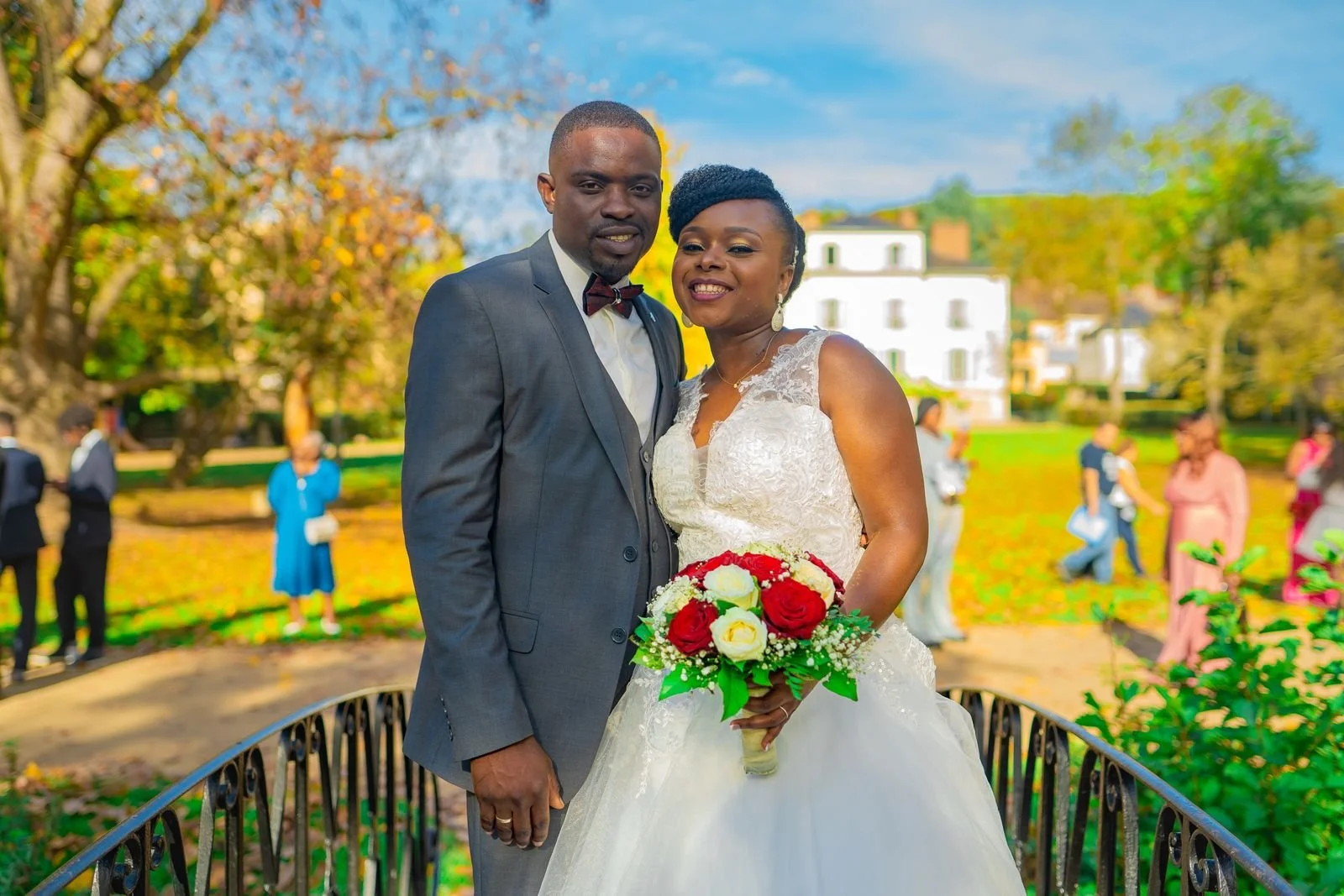
Bride and groom during their wedding ceremony in Los Angeles, the kind of once-in-a-lifetime moment a professional wedding photographer is hired to capture flawlessly

The short answer: what LA couples actually pay

The Knot's 2026 Real Weddings Study, drawn from 10,474 US couples married in 2025, puts the national average for a wedding photographer at $3,000, with a median of $2,800. The lower cost quartile sat at $1,500 and the upper quartile at $4,700. Photographer was the third most popular vendor hired, with 88 percent of couples booking one, and the fourth most expensive vendor on average.

That national number undersells Los Angeles. With Joy's 2026 cost guide, which tracks full-day professional bookings in the top US wedding markets, puts the Los Angeles average at $5,000, with a typical range of $3,000 to $15,000. LA has the widest range in the country, stretching from early-career photographers to the celebrity-adjacent luxury market. San Francisco tops the list at $5,500, New York City ties LA at $5,000, and at the other end Minneapolis averages $2,800.

The Knot breaks out LA separately too: the average wedding photographer in Los Angeles costs $3,180, about 6 percent above the national average of $3,000. That figure describes what couples actually spent, including short coverage, not the going rate for a full day. The Wedding Report, which models a 125-guest LA wedding from real couple spending, estimates $3,991 to $4,877 for the photographer alone, about 14.8 percent of the total wedding budget.

So which number is right? All of them, because they measure different products. A couple booking four hours of coverage and a couple booking ten hours with two photographers are not buying the same thing. The practical range for a full wedding day in LA in 2026: $3,000 to $8,000 for most professional bookings.

Why the big surveys disagree (and which one to trust)

If you Google this question, you will find two big national numbers that look like they contradict each other. The Knot says $3,000. Zola's Wedding Cost Index, updated in February 2026, says $4,400, with most couples spending $3,500 to $5,300, and notes that photography accounts for roughly 9 percent of a total wedding budget. Neither is wrong. They survey different couples and count packages differently.

The Knot's figure averages what couples actually paid for any photography at all, including short coverage and elopements, which pulls the average down. Zola's index models what couples should expect to pay for professional-grade full-day service. If you are hiring an established photographer for eight to ten hours, Zola's range is the more relevant benchmark. If you want to understand the whole market including budget bookings, The Knot's quartiles ($1,500 to $4,700) give the real spread. For context, The Knot's own data shows photographer spend has moved steadily upward: the 2026 study's $3,000 average follows $2,900 for the 2023 and 2024 wedding years.

Here is how the two studies break down:

The takeaway for your budget: any quote between $1,500 and $5,300 can be entirely normal nationally, and in LA the normal band for a full day runs higher. The only way to compare two quotes is to compare what is inside them, which is exactly what the next section covers.

Los Angeles wedding photography price tiers in 2026

LA wedding photographers cluster into four rough tiers. Where a quote lands tells you what you are buying:

Budget: $1,500 to $2,500. Early-career photographers or limited coverage (ceremony and formals only, typically 2 to 4 hours). You get digital images and a print release. Editing is lighter, turnaround can be slow, and backup systems may be thin. Fine for elopements and courthouse weddings. Risky for a full wedding day.

Mid-range: $2,500 to $5,000. The largest slice of the LA market. Experienced photographers with 3 to 7 years in, full-day or near-full-day coverage, an online gallery, and solid editing. Many include an engagement session or a second shooter as an add-on. This is where most couples land, and where the value is.

Established: $5,000 to $8,000. Photographers with deep portfolios, consistent low-light and mixed-lighting work, second shooter standard, albums included or built in, and fast delivery. They have shot your venue before, or venues like it. If your wedding is at a complex venue or runs past sunset, this tier earns its money.

Luxury: $10,000 to $15,000+. LA's celebrity-adjacent market. Multi-photographer teams, editorial or fine-art style, same-day edits for social, heirloom albums, sometimes multi-day coverage. The floor here overlaps with what a celebrity photographer costs in Los Angeles, because at this level the client list and the production around the wedding start to look like a magazine shoot.

Bride and groom posing with wedding guests, the formal family portraits that full-day wedding photography coverage includes

What drives the price up (or down)

Hours of coverage is the single biggest lever. A four-hour package and a ten-hour package from the same photographer can differ by $2,000 or more. Most LA weddings need eight to ten hours if you want getting-ready through the reception. Do not book six hours and hope the timeline compresses. It never does.

The second shooter is the next biggest line item. One Boston-market study found the second-shooter add-on alone averaged $1,020. In LA, expect $800 to $1,500. It buys a second angle on the ceremony, cocktail-hour candids while the lead shoots formals, and insurance if the lead photographer gets blocked or sick.

Then come the package contents: engagement session ($400 to $800 standalone in LA), albums ($500 to $2,000+), prints and wall art, rehearsal-dinner coverage, and same-day or next-day edits for press and social. Venue matters too. A Malibu estate wedding and a downtown loft wedding are different productions, and photographers who work luxury venues price for it.

Season and day of week move the number. Peak season runs May through October, and Saturdays book first. Off-season dates and Fridays or Sundays can shave 10 to 20 percent, and photographers are more likely to negotiate. Book six to twelve months out for peak Saturdays. LA photographers are often booked a full year ahead for the popular months.

Elegant wedding couple portrait, representing the luxury end of Los Angeles wedding photographer pricing

How to compare two quotes: read what is inside

Two $5,000 quotes can be completely different products. Ask every photographer to itemize the same five things:

  1. Hours of coverage, with start and end times, and the overtime rate. Overtime on the wedding day typically runs $300 to $600 per hour in LA.
  2. How many photographers, and who the second shooter is. A named second shooter with a portfolio beats "an associate."
  3. Edited image count and delivery timeline. A full day should yield 400 to 800 edited images. Standard delivery is 4 to 8 weeks. Get the timeline in the contract.
  4. What is included beyond the day: engagement session, album, print release, online gallery, sneak peeks. A print release (written permission to print your photos at any lab) is standard in most packages. It does not transfer copyright, which stays with the photographer.
  5. Retainer and payment terms. Most LA photographers require a 25 to 50 percent non-refundable retainer to hold the date. Read the fine print on paying a photographer in full before the wedding so you know what the retainer actually commits you to.

If a quote will not itemize, that is information too.

Red flags when a quote is too cheap

Anyone offering full-day wedding coverage in Los Angeles under $1,500 should make you pause. At that rate, after taxes, gear, insurance, editing time (20 to 40 hours per wedding), and travel, the photographer is working below professional cost. What usually gives: no backup gear, no second shooter, no liability insurance (many LA venues require it), and editing outsourced to the cheapest bidder or skipped.

Other warning signs: no full gallery from a single recent wedding (highlights reels hide weak coverage), no contract, cash-only payment with no invoice, and pressure to sign the same day. A professional photographer in LA has 10 to 20 weddings a year to fill. Desperation is a data point.

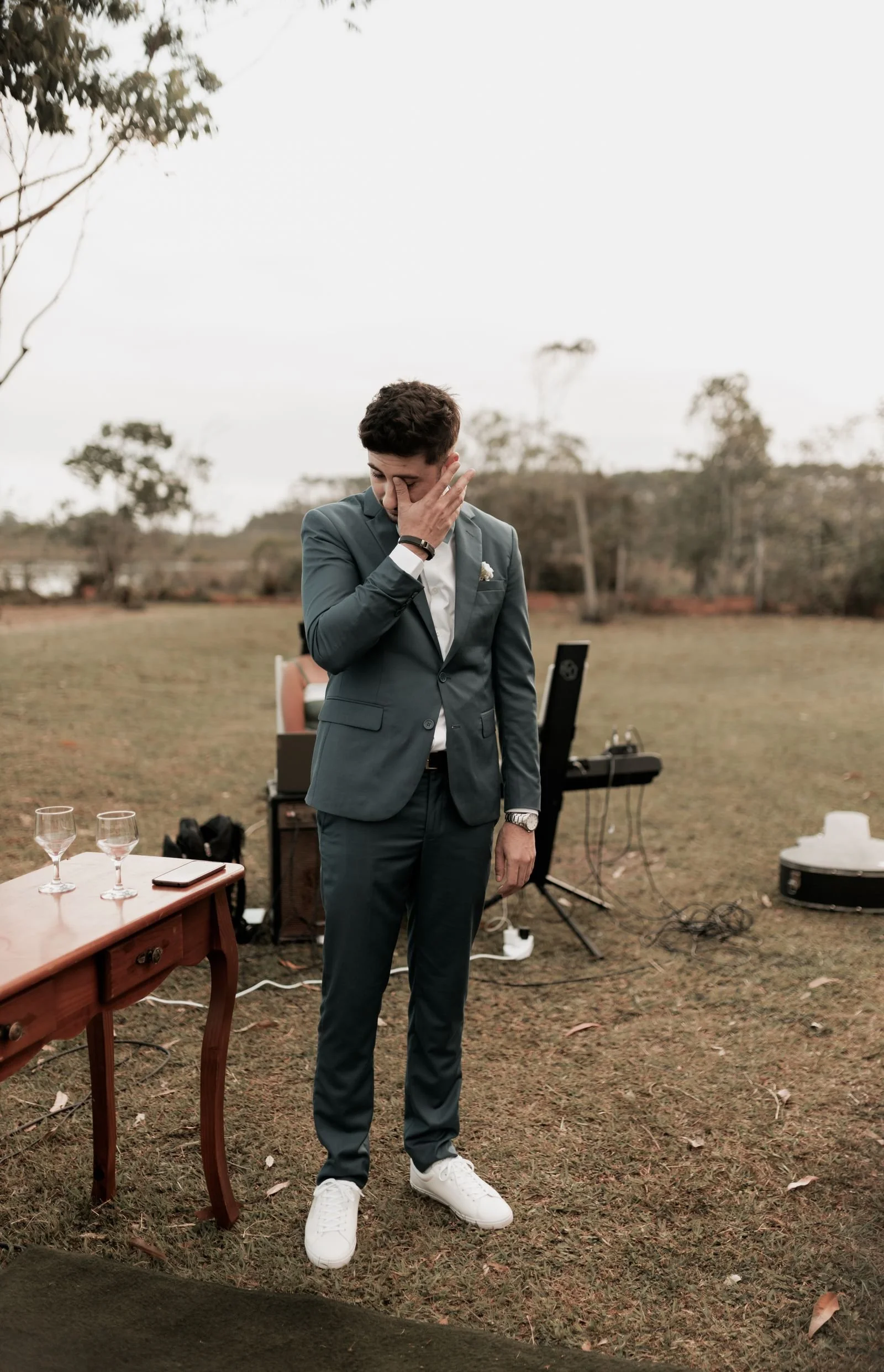
Groom portrait taken outdoors before the wedding, the kind of golden hour portrait a Los Angeles wedding photographer builds into the timeline

6 questions to ask before you book

Ask these on the first call. The answers separate professionals from hobbyists in about ten minutes:

  1. "Can I see a full gallery from one recent wedding?" Not a highlights reel. A full delivery: getting ready, ceremony, formals, reception. Look at skin tones in mixed lighting and sharpness on moving subjects.
  2. "Have you shot at our venue?" Venue familiarity saves hours. Loading docks, ceremony light at 5 PM, the reception room's actual darkness. If they have not, ask how they scout.
  3. "What happens if you get sick?" The answer should name a specific backup photographer, not "we'll figure it out."
  4. "How many weddings do you shoot a year, and how many images do we get?" 10 to 25 weddings a year is a healthy full-timer. Expect 400 to 800 edited images for a full day.
  5. "Do you carry liability insurance and backup gear?" The answer must be yes to both. Many LA venues require a certificate of insurance.
  6. "What is your plan for the hardest part of our day?" Name what worries you: the dark reception, the 30-person family formal list, the timeline that is already tight. Their answer reveals experience instantly.

How to save money without regretting it

Cut hours, not quality. Booking a strong photographer for six hours beats booking a weak one for ten. Trim the guest count before you trim the photographer. Consider an off-season or Friday date. Skip the album in the package and order it later, when you know which images you love. Ask about associate shooters: many top LA studios offer packages shot by a trained associate at 30 to 40 percent below the lead's rate.

Do not skip the engagement session to save $500 if you have never been photographed as a couple. It is the cheapest rehearsal you will ever buy, and it makes the wedding day portraits faster and better.

The bottom line

For a full wedding day in Los Angeles in 2026, budget $4,000 to $6,500 for an experienced professional with a second shooter and an album. Below $3,000 you are shopping the budget tier, which is fine for short coverage and risky for a full day. Above $8,000 you are buying luxury production, and above $10,000 you are in LA's celebrity-adjacent market.

The photos are the one vendor product that outlasts the day itself. The cake gets eaten, the flowers wilt, the band goes home. Spend where it lasts. Get in touch here if you want a professional eye on your wedding-day timeline, or keep reading the guides on this site before you sign anything.

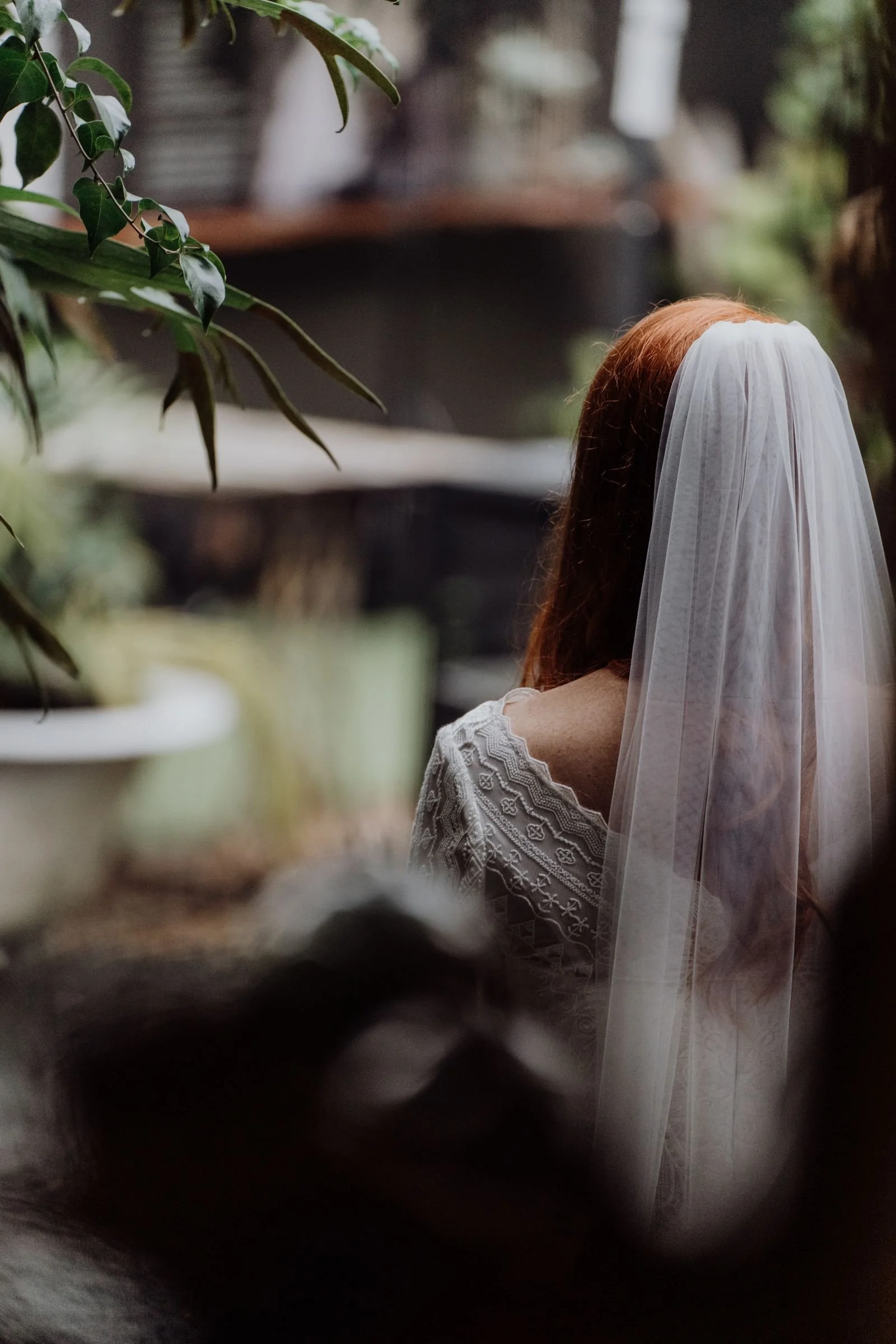
Bride with white veil from behind, a quiet bridal portrait moment before the Los Angeles wedding ceremony

Frequently asked questions

What is the average cost of a wedding photographer in Los Angeles? The Knot's 2026 study puts the LA average at $3,180, while With Joy's 2026 guide, which tracks full-day professional bookings, puts it at $5,000 with a typical range of $3,000 to $15,000. For a full wedding day with an experienced professional, most LA couples pay $3,000 to $8,000.

How many hours of wedding photography coverage do I need? Most LA weddings need eight to ten hours to cover getting ready through the reception. Six hours works for a ceremony and reception with no getting-ready coverage. Four hours or less suits elopements and courthouse weddings.

Is $4,000 a lot for a wedding photographer in LA? No. It sits above The Knot's national average of $3,000 and below Zola's $4,400 national average for full-day professional service, so it is squarely in the normal range for LA, where full-day market rates run $3,000 to $8,000.

Do wedding photographers charge extra for a second shooter? Usually, yes. In LA the second-shooter add-on typically runs $800 to $1,500, and some packages include it at the $5,000+ level. Always ask who the second shooter is and see their work.

When should I book a wedding photographer in Los Angeles? Six to twelve months ahead for peak-season Saturdays (May through October). LA photographers book the popular months a year out. Off-season and Friday or Sunday dates offer more flexibility and sometimes 10 to 20 percent lower pricing.

Is It Normal to Pay a Photographer in Full Before the Event?

You found a photographer you like for your corporate event. The work looks right, the price looks fair, and then the contract arrives. It asks for half the fee now, before a single photo has been taken. Your first thought: is this normal, or am I being taken for a ride?

It is normal. Here is how photographer payment terms actually work, why the money moves before the event, and what my own terms are after 27 years of shooting corporate events in Los Angeles.

The Short Answer

Keynote speaker on stage at a corporate conference event

Yes, paying before the event is standard. Almost no working photographer shoots a corporate event on a promise and an invoice sent afterward.

My own terms are simple. "Half is due to book the date, half is due on the day of the shoot." That is the whole policy. The first half locks your date on my calendar. The second half is due when I show up with the cameras.

If you are comparing photographers, the ones asking for money upfront are not the ones to worry about. The ones with no contract and no clear terms are.

You found a photographer you like for your corporate event. The work looks right, the price looks fair, and then the contract arrives. It asks for half the fee now, before a single photo has been taken. Your first thought: is this normal, or am I being taken for a ride?

It is normal. Here is how photographer payment terms actually work, why the money moves before the event, and what my own terms are after 27 years of shooting corporate events in Los Angeles.

The Short Answer

Yes, paying before the event is standard. Almost no working photographer shoots a corporate event on a promise and an invoice sent afterward.

My own terms are simple. "Half is due to book the date, half is due on the day of the shoot." That is the whole policy. The first half locks your date on my calendar. The second half is due when I show up with the cameras.

If you are comparing photographers, the ones asking for money upfront are not the ones to worry about. The ones with no contract and no clear terms are.

Why Photographers Charge Before the Event

A date on the calendar is a photographer's inventory. When I hold your date, I turn down every other inquiry for that day. Corporate event season in Los Angeles is concentrated, and a Saturday in December can get three inquiries in a week. The deposit is what makes the hold real. Without it, I am declining paid work on the strength of a maybe.

Costs also start before the event. For a corporate event, I scout the venue or study the floor plan, build a shot list with your planner, confirm the run of show, book a second shooter if the coverage needs one, and prep and check every body, lens, and backup. That work happens days before anyone picks up a camera, and it is part of what you are paying for.

There is a third reason nobody says out loud. The deposit separates serious buyers from tire kickers. A client who will not put down a deposit in October is the same client who cancels in November when the budget gets reviewed. The photographers who skip deposits learn this lesson once, usually the expensive way.

What Is Standard in the Industry

Across corporate and event photography, the standard structure is a booking retainer plus a balance. The retainer is usually 25 to 50 percent of the total, due when you sign. The balance is due on or before the event day. Some photographers collect the full balance a week before the event. Some collect it on the day. Both are normal.

Full payment upfront, meaning 100 percent before the event, is less common but it is not automatically a red flag. What matters is not the timing of the money. It is whether the terms are written down. A photographer who wants everything upfront and hands you a clear contract with dates, hours, deliverables, and cancellation terms is operating normally. A photographer who wants everything upfront and has no contract is a risk at any price.

For reference, my corporate event rates are 750 dollars per hour, 2,500 for a half day, and 4,500 for a full day, with 200 to 300 finished images delivered the next day. The payment structure is the same at every tier. Half to book, half on the shoot day. You can read the full breakdown in my corporate event photography pricing guide.

What My Terms Are, Exactly

I keep this simple on purpose. After 27 years, I have learned that complicated payment terms create complicated problems.

Half is due to book the date. That half is a non-refundable deposit. If you cancel, you do not get it back, because I held the date and turned away other work. But you are not losing it either. As I tell every client: "No, but they can reschedule the date." The deposit moves with you to the new date.

The second half is due on the day of the shoot. Not a week before, not thirty days after. On the day. By the time I walk in with the gear, the business side is finished and we can both focus on the event.

This is the same structure whether you are booking me as a corporate event photographer in Los Angeles for a full-day conference or for a half-day leadership summit. The simplicity is the point. You always know where you stand.

Red Flags to Watch For

Paying upfront is normal. These are the things that are not normal.

No written contract. If the payment terms, the date, the hours, and the deliverables are not in writing, do not send money. A professional photographer has a contract. This is non-negotiable.

Vague deliverables. "Event coverage" means nothing. The contract should say how many hours, how many photographers, what the turnaround time is, and how many finished images you receive. My contracts specify all of it, including next-day delivery of 200 to 300 images.

One hundred percent upfront from a photographer with no verifiable track record. Established photographers can ask for full prepayment because their reputation is the guarantee. If you cannot find a portfolio, reviews, or a real business behind the name, full upfront payment is a gamble.

Pressure tactics. "I need the full amount today or I give your date away" is not how professionals talk. A short hold while you review the contract is reasonable. Manufactured urgency is not.

How to Protect Yourself When You Pay Upfront

Pay by a traceable method. Card, bank transfer, or PayPal. Not cash, not a wire to a personal account with no invoice. You want a paper trail that matches the contract.

Read the cancellation and rescheduling terms before you sign. The two questions that matter: what happens to my deposit if we cancel, and what happens if we move the date. With me, the answers are that the deposit is non-refundable and the date can be rescheduled. Know your photographer's answers before the money moves.

Confirm what the balance timing triggers. Some photographers will not release the final gallery until the balance clears. That is fair, but it should be stated in the contract, not discovered afterward. My balance is due on the shoot day, so this never comes up.

Ask who is actually showing up. If you are booking a studio or a company rather than an individual, the contract should name the photographer assigned to your event or guarantee an equivalent. This is one of the questions I tell every corporate client to ask before booking, and you can find the full list in my guide to booking a corporate event photographer.

Frequently Asked Questions

Is a non-refundable deposit normal for photographers?

Yes. A non-refundable booking deposit is the industry standard for event photography. The deposit compensates the photographer for holding your date and declining other work. What varies is whether the deposit can be applied to a rescheduled date. Mine can.

Should I pay the balance before the event or on the day?

Either is normal. Many photographers collect the balance a few days before the event so the shoot day is purely about the work. I collect it on the day of the shoot. The arrangement that should make you cautious is a balance due thirty or sixty days after delivery with no other terms, because it usually means the photographer has been burned before and has not fixed the underlying policy.

What happens if I need to reschedule my event?

That depends on your photographer's contract, which is why you read it before paying. Under my terms, your deposit moves to the new date. You do not lose it and you do not pay it twice. Ask any photographer you are considering for their rescheduling policy in writing before you sign.

How far in advance should I book a corporate event photographer?

Four to six weeks is typical for most corporate events. For large conferences and galas, two to three months is safer, especially in peak season. Booking early also gives you leverage on terms, because you are not negotiating against a deadline.

How much does corporate event photography cost in Los Angeles?

Current market ranges run 250 to 500 dollars per hour, 1,500 to 2,500 for a half day, and 2,500 to 4,500 for a full day. My rates sit at 750 per hour, 2,500 for a half day, and 4,500 for a full day, with 200 to 300 images delivered the next day. The full breakdown, including what drives the price up or down, is in the pricing guide.

The Bottom Line

Paying your photographer before the event is not a warning sign. It is how the business works. The date is the product until the photos exist, and the deposit is what reserves it.

What separates a professional from a risk is everything around the payment: a written contract, specific deliverables, clear cancellation and rescheduling terms, and a track record you can verify. Get those four things and the upfront payment is simply the cost of holding a date with someone in demand.

If you are planning a corporate event in Los Angeles and want terms you can read in two sentences, get in touch. Half to book the date, half on the shoot day. That is the whole policy, and it has worked for 27 years.

Business panel discussion at a corporate conference
Audience watching a presentation in a dark auditorium
Photographers capturing an indoor corporate event
Two people shaking hands after signing a photography contract

Dating Profile Photographer Los Angeles: How to Get Photos That Actually Get You Dates

If you are searching for a dating profile photographer in Los Angeles, you already know the uncomfortable truth: your photos are doing the talking before your bio gets a single read. Research keeps saying the same thing in different ways. Profile pictures dominate first impressions on dating apps, and the effect is not subtle.

One 2025 study of 445 dating-app users found that a 1.5-point increase in photo attractiveness (on a seven-point scale) led to a 20% increase in matches, while a comparable improvement in the bio text produced only a 2% rise. Researchers chalk it up to the halo effect: a strong first impression from a photo makes viewers unconsciously assume other good qualities, like humor, warmth, and intelligence.

I've spent 27 years photographing people in Los Angeles, from celebrities to executives to actors who need their faces to do the selling. The same rules that make a headshot land a job make a dating photo land a date. Here is how to think about hiring a dating profile photographer in LA, and what your photos need to actually do.

Dating profile photographer directing a portrait session with professional studio lighting in Los Angeles

Why your dating photos decide almost everything

Online dating is a visual medium wearing a text costume. People claim they read bios, but the swipe decision happens first, and it happens fast. Analyses of dating-app behavior put photos at up to 90% of the swipe decision, with one survey finding 83% of users make immediate judgments about potential matches based on profile images alone.

Here is the part most people miss: you are probably a bad judge of your own photos. Researchers at the University of New South Wales had 102 students pick their best profile pictures, then had strangers pick for them. The stranger-selected photos earned more favorable first impressions from independent judges. You see your own history in a photo. Strangers just see a face. A good dating profile photographer gives you a trained stranger's eye, plus the technical skill to make the photo in the first place.

The 6 photos every dating profile needs

You do not need twenty photos. You need five or six that each do a different job:

1. The clear lead photo. Your first photo and your most important one. Good light, direct eye contact, relaxed expression, face clearly visible. No sunglasses. Eyes are the whole point.

2. The honest full-body shot. One real full-body photo removes all guesswork and builds trust. It should look like you on a normal good day, not a gym mirror selfie.

3. The lifestyle photo. A cafe, a clean city street, a park, a rooftop. This makes the profile feel current and social, and it gives context without stealing attention.

4. The hobby photo. One image that shows a real interest, not a staged prop. Surfboard if you surf, book if you read, hiking trail if you hike. It gives someone an opening line that is not "hey."

5. The social photo. One group shot is enough, and only if you are obviously the focus. Roughly a third of daters skip profiles where they cannot tell who the account holder is.

6. The warmth shot. A genuine laugh, a pet, golden-hour light. Something that makes you look approachable instead of curated. The best dating photo looks like you on a day when you are happy, confident, and genuinely yourself.

Woman smiling in golden hour light outdoors, a natural lifestyle photo for a Los Angeles dating profile

What a good dating profile photographer in LA actually does

Plenty of photographers own a camera. A dating profile photographer owns a process.

They direct, not just shoot. Most people are not models, and "just be natural" is not direction. A professional coaches expression and posture the way a director coaches an actor. The session should feel like a conversation with breaks and adjustments, not "stand there, smile, next."

They plan locations that look like your life. The best location is the one that makes you look natural, not the most impressive one. Coffee shops and clean streets in Silver Lake, the beach path in Santa Monica, a park in Griffith, a rooftop downtown. Three to four locations in a couple of hours beats ten locations in a rushed blur.

They build variety into the session. The rookie mistake is one location, one outfit, one smile, and five photos that all look like the same afternoon. Bring two or three outfit options, swap a jacket between locations, and the profile instantly looks more dynamic.

They select with a stranger's eye. Part of what you are paying for is a professional who chooses your strongest images without your baggage. Ask whether photo selection help is included. It should be.

What to wear to a dating profile shoot in Los Angeles

Solid colors photograph better than busy patterns. Thin stripes and small prints create a visual buzzing effect in photos. Navy, charcoal, olive, cream, and burgundy are reliable; for women, solid colors that complement skin tone beat anything with a loud print. If you love color, lean into it. Bold color is one of the easiest ways to make a photo jump off the screen.

Dress one level better than you would on a first date. That looks intentional without looking fake. Wear something fitted rather than boxy: big, comfortable layers disappear in photos, while fitted (not tight) reads better on screen.

Avoid giant logos, sunglasses as your lead photo, bathroom mirror selfies, and photos that require an explanation. If you have to explain the photo, it does not belong on your profile. For the full session-prep checklist, see my guide to how to prepare for a headshot session.

What does a dating profile photographer in Los Angeles cost?

Dating profile photography in LA typically runs from a few hundred dollars for a short session with a specialist to a couple of thousand for a full multi-look shoot with professional retouching and styling guidance. What drives the price: the number of locations, wardrobe changes, whether hair and makeup is included, and how many retouched final images you get.

Be suspicious of bargain sessions promising dozens of "fully edited" images for under $200, and of anyone who will not show you a full gallery from a recent session. At bargain prices there is no real direction, no retouching, and no selection help.

My own headshot sessions begin at $1,500 for two looks, with three looks at $1,900, four at $2,300, and five at $2,500, each look a full wardrobe and styling change, shot and directed by me. Variety is what sells, whether the photo is going on LinkedIn or Hinge. For the full breakdown of photography pricing in this market, see my guide to headshot cost in Los Angeles.

5 questions to ask before you book

  1. "Can I see a full gallery from a recent dating session?" A full gallery shows you what the photographer delivers for a normal client, and whether they can produce variety instead of the same smile with a different wall behind it.

  2. "Do you help select the final photos?" This is the stranger's-eye advantage. If the photographer hands you 200 unedited files and wishes you luck, you are not getting the service you are paying for.

  3. "How many locations and outfit changes are included?" Get numbers. You want at least two to three distinct looks so your profile does not read as one afternoon.

  4. "What is your retouching policy?" My rule after 27 years: keep what gives you character, remove what is temporary. Moles stay, pimples go. An over-retouched dating photo is worse than a mediocre one, because the person who shows up to the date has to match the photos. Anything else feels like false advertising.

  5. "How recent should my photos be?" Within the last year, maximum. New haircut, weight change, or facial hair means it is time to update.

Red flags when hiring a dating profile photographer

Walk away if you see any of these: no contract, no full gallery to show you, stock photos in the portfolio, "unlimited photos" promises (professionals deliver a defined number of edited images), or full payment demanded upfront. A 50% retainer is standard.

Also be wary of the headshot factory: twenty minutes, one backdrop, no direction, no selection help. Dating photos need lifestyle variety and a relaxed, social feel. The session should be built around who you are, not a conveyor belt.

The bottom line

Hiring a dating profile photographer in Los Angeles is a small investment with an outsized return. Your photos are the first 90% of the decision, and a professional session buys you three things a friend with an iPhone cannot reliably give you: direction that makes you look relaxed instead of posed, variety across locations and outfits, and selection by someone who sees your photos the way a stranger will.

The bar is lower than you think. Most profiles are blurry selfies, group shots where nobody knows who is who, and photos from three haircuts ago. Six strong, current, honest photos put you ahead of nearly everyone.

If you want portraits that work as hard on a dating app as they do on LinkedIn, book a session. My headshot sessions begin at $1,500 for two looks, and every session includes the direction, variety, and selection help this article describes.

FAQ

How many photos do I need for my dating profile? Five to seven strong photos with different outfits, settings, or themes is the standard starting point for most dating apps. Fewer than four looks thin; more than eight and people stop looking.

Can I use my LinkedIn headshot on a dating profile? You can include one polished photo, but a profile of all headshots reads like a job application. Dating profiles need lifestyle variety: a full-body shot, a hobby shot, something social. Mix one professional photo with genuine lifestyle images.

Should I hire a photographer or just ask a friend? A friend with a good phone can get you one decent photo. A professional gives you a planned session: multiple locations, wardrobe variety, direction, retouching, and photo selection by someone who sees you the way a stranger will. If your profile is not getting matches, the photos are the first thing to fix.

How recent should my dating profile photos be? Within the last year, maximum. If your appearance has changed significantly, update immediately. The person who shows up to the date should look like the person in the photos.

Do dating profile photos need to look professional? They need to look like you on your best day, not like a studio catalog. The goal is high quality without looking staged. One or two polished photos mixed with natural lifestyle shots is the combination that builds trust.

Couple enjoying a coffee date at a cafe, the kind of genuine lifestyle moment that works on a dating profile
Los Angeles photographer holding a camera during an outdoor dating profile photo session
Smiling man in a denim jacket outdoors, the kind of clear, natural lead photo every Los Angeles dating profile needs