How Many Photos Do You Get From a Headshot Session?

# How Many Photos Do You Get From a Headshot Session?


It is one of the first questions clients ask, and it is a completely reasonable one. You are paying for a service, you want to know what you walk away with. But the answer confuses people, because the photography industry uses words like proofs, finals, and selects to mean very specific things, and nobody explains the vocabulary until you are already in the chair.

I have shot headshots for 27 years, for celebrities, executives, actors, and job seekers. Here is exactly how deliverables work, what the numbers mean, and why no professional hands you 400 unedited files.

## The Short Answer


A typical headshot session produces hundreds of frames, narrows to a proof gallery of the best 30 to 80 images, and delivers a smaller set of fully retouched finals, usually 3 to 10 per look depending on the package. My own standard: branding clients get 20 to 30 finished photos per look, and raw images go out the next day.

That probably raises more questions than it answers, so let us walk through each stage.

## Stage One: Everything the Camera Captured


During a session, I shoot in bursts. A headshot is not one perfect click. It is a conversation, a laugh, a thought crossing your face, and me capturing the half second when all of it lands. A two-look session easily produces 300 to 500 frames. That sounds like a lot until you understand that most of them are near duplicates. Same pose, same light, with the difference between frame 214 and frame 215 being whether your eyes were fully open.

You will never see most of these frames, and that is a feature, not a withholding. Part of what you are paying for is a professional's judgment about which fraction of a second was the one. Asking for all 400 frames is like asking a chef for the contents of the pantry instead of the meal. The raw material is not the product.

## Stage Two: The Proofs


After the session, the photographer culls. Culling is the brutal, skilled work of going through every frame and selecting only the ones where everything came together: the expression, the eyes, the focus, the moment. The survivors become the proof gallery.
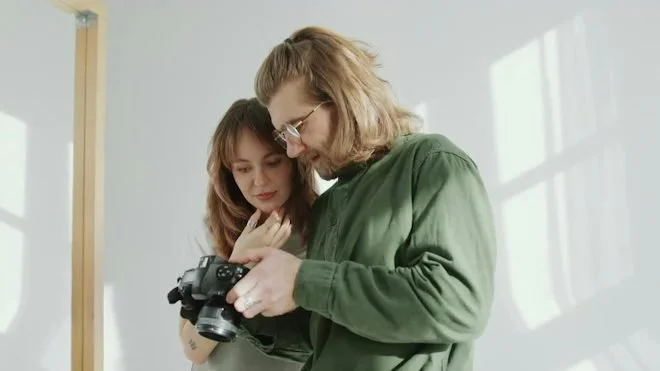
Proofs are lightly processed but not retouched. Exposure balanced, color corrected, cropped consistently, but no skin work, no blemish removal, no polish. Their purpose is selection, not presentation. You look through the proofs and pick your favorites, the frames you want finished.

How many proofs should you expect? It varies by photographer and package, but 30 to 80 proofs per session is the normal professional range. Fewer than that and the cull was too aggressive. Far more than that and the photographer did not really cull, they just dumped the card.

Here is a question clients ask constantly: do I get the proofs to keep? Policies differ. Some photographers treat proofs as a selection tool that expires. My approach is more generous. Raw images go out the next day, because I believe you should have access to the material from your session. But understand what raw means: unretouched, unfinished, not representative of the final work. They are yours to review and select from, not to publish as your professional image.

## Stage Three: The Finals


Finals are the finished photographs. Fully retouched, color graded, polished to portfolio standard, delivered as high-resolution files ready for print, LinkedIn, websites, and press. This is the product.

The number of finals depends on the package. A basic headshot package might include 2 to 3 retouched finals. A full session might include 5 to 10. My branding clients get 20 to 30 finished photos per look, because personal branding needs volume: different expressions, different crops, different moods for different platforms.

This is where the economics become clear. Each final represents real labor. Professional retouching is not a filter. It is careful, deliberate work guided by a philosophy. Mine is: "I leave the things that give people character. If it is a mole or something like that, it stays. If it is a blemish like a pimple, I take it out." That judgment, applied frame by frame, is hours of skilled work. When a package includes 5 retouched finals, you are buying 5 finished pieces of craft, not 5 files.

## Why Pros Don't Hand Over 400 Unedited Files


This is the part that frustrates some clients, so let me be direct about the reasons. None of them are about greed.

First, unedited files do not represent the photographer's work. Every professional has watched a client post an unretouched proof as their LinkedIn photo and felt their stomach drop. The image is flat, the color is ungraded, the temporary blemish is still there. Everyone who sees it assumes that is the photographer's standard. Handing over unfinished work is asking the photographer to put their name on something they did not finish.

Second, selection is the service. Anyone can press a shutter 400 times. The value is in knowing which four frames matter. When clients insist on reviewing everything, they drown in near duplicates and often pick worse images than the photographer would have chosen, because they are judging with emotion instead of craft. They pick the frame where they remember laughing, not the frame where the eyes were sharpest.

Third, the math does not work. Retouching 400 images to professional standard would take weeks and cost thousands. Nobody wants that bill. The package model, proofs for selection, finals for delivery, exists because it concentrates the expensive labor where it matters: on the images you will actually use.
## The Timeline: When Do You Get Everything

Speed of delivery is part of the professional standard. Here is what a normal timeline looks like.

Proofs typically arrive within 2 to 7 days of the session, depending on the photographer's schedule. I deliver raw images the next day, because waiting a week to see your own face is an unnecessary anxiety. Once you select your finals, retouching usually takes another 3 to 10 days. Rush delivery is often available for an additional fee if you have a deadline, a book launch, a premiere, a job application closing Friday.

My full process, from first inquiry through final gallery delivery, follows a structured nine-step workflow, and you can read the full portrait photography workflow from inquiry to final gallery to see exactly what happens between booking and delivery. Knowing the stages in advance is part of how to prepare for a headshot session like a professional client.

## What Format Do Finals Come In


Ask about this before you book, because it affects what you can do with the images. Professional finals should arrive as high-resolution JPEGs, suitable for print and web, in both color and sometimes black and white versions. Some photographers also provide web-optimized sizes for social media profiles. LinkedIn, for example, displays profile photos at a small size, and a file prepared for that context will look sharper than a massive print file squeezed into a tiny circle.

Also ask about licensing. For headshots of yourself, you generally receive full personal and commercial use of your own likeness. Editorial and advertising use beyond that can have separate terms. Get it in writing. It protects both of you.

## How to Choose Your Finals


When the proof gallery arrives, you will face the hardest part: choosing. Here is the method I give my clients.

First, eliminate ruthlessly. If a frame does not make you feel something in the first second, cut it. Ladders found in its 2018 eye-tracking study that recruiters spend an average of 7.4 seconds on their first look at a resume. Your photo gets a fraction of that. If it does not land instantly on you, it will not land on a stranger.

Second, check the eyes. "The eyes are definitely the most important. I just have to make sure their eyes are open, that there is a catch light, that there is a great expression in the eyes." Zoom in. Are the eyes sharp? Is there life in them? A perfect smile with dead eyes loses to a subtle expression with electric eyes every time.

Third, pick for the job, not for vanity. The frame where you look youngest is not always the frame where you look most hireable. Choose the image that looks like you on the day you want to be remembered.

Fourth, ask the photographer. I always give my opinion when clients ask, because I have watched thousands of faces and I know which frame does the work. You hired the expertise. Use it.

## The Bottom Line


Hundreds of frames become dozens of proofs become a handful of finals, and that funnel is the craft. Branding clients of mine walk away with 20 to 30 finished photos per look and raw images the next day. Every final is retouched with intention, character preserved, blemishes removed, eyes alive.

Do not measure a session by the number of files. Measure it by the number of images you are proud to put your name on. Three perfect headshots will do more for your career than 400 unedited frames ever could. That is not a sales pitch. It is 27 years of watching which photos actually change people's trajectories.

My headshot sessions start at $1,500 for two looks, with professional retouching included and a proof-to-final process built on the headshot photography techniques I have refined across thousands of sessions. You will leave with options, and you will know exactly which image belongs where.
 

Sigma FP2: The World's Smallest Full-Frame Camera, Explained for Working Photographers

**Short answer: Sigma announced the FP2 on October 23, 2026, billing it as the world's smallest full-frame mirrorless camera. It packs a 24.5MP partially stacked sensor, 6K video, and a tilting screen into a 460-gram box for $2,199 body-only, shipping November 11.** I have shot with a Leica M11 and a 50mm for years, so here is what this camera actually means for working photographers, beyond the launch-day spec sheet.

## What the Sigma FP2 is

Sigma announced the FP2 on October 23, 2026, as the second generation of its fp series. The original Sigma fp launched in 2019 with a radical idea: strip the camera down to a plain modular box, smaller than anything else with a full-frame sensor, and let the shooter build it up with accessories. The FP2 keeps that philosophy and fixes the original's weaknesses.

The headline changes: a new 24.5MP partially stacked full-frame sensor, a tilting rear screen (the original's fixed screen was its most criticized feature), 70GB of built-in memory, a larger battery, and continuous shooting up to 20 frames per second. Remarkably, Sigma fit all of it into a body even smaller than the original, measuring just 112.8 x 69.9 x 41.8mm and weighing 460 grams with battery and memory card.

Sigma is explicit about the positioning: this is a hybrid camera for stills and video, aimed at creators who want full-frame image quality in the smallest possible package. It uses the L-mount, which means it shares lenses with Leica, Panasonic, and Sigma's own glass. That last detail matters more than it might seem, and I will come back to it.

## The full spec sheet, translated

Launch announcements bury the useful numbers in marketing language. Here are the verified specifications, with what each one actually means in practice:

- **Sensor:** 24.5 megapixel partially stacked full-frame CMOS, 35.9 x 23.9mm, outputting 6016 x 4012 pixel files. Partially stacked means faster readout than a conventional sensor, which is what enables the 20fps shooting and the improved autofocus. For context, 24.5MP is the current sweet spot: enough for large prints and client delivery, without the storage punishment of 60MP files.

- **ISO range:** 100 to 102,400, expandable down to ISO 6, 12, 25, and 50. The expanded low ISOs are a video-shooter feature, letting you hold wide apertures in bright light without ND filters.

- **Continuous shooting:** up to 20fps, with 8, 5, and 3fps options. 49 autofocus points with improved subject tracking, per Sigma.

- **Video:** 6K open-gate at 60fps, 4K at 60fps uncropped, 4K at 120fps with a 1.5x crop, and Full HD at 120fps. Dynamic range rated at 14+ stops. Open-gate means the sensor records its full area, so you can reframe vertical crops from horizontal footage later, a genuinely useful feature for anyone delivering both stills-style verticals and horizontal video.

- **Screen:** 2.1-million-dot, 3.15-inch tilting LCD touchscreen. Tilts for waist-level and overhead shooting. This single change answers the biggest complaint about the original fp.

- **Storage:** 70GB of internal memory plus a UHS-II SD card slot, with USB-C SSD recording as a third option. The internal memory is unusual and practical: you can shoot without a card in an emergency.

- **Battery:** the new BP-91, which is identical to the Panasonic BLK-22 used across Lumix cameras. Rated at 370 shots or 130 minutes of video. Sharing a battery standard with Panasonic is a quiet pro move: spares are cheap and available everywhere.
- **Shutter:** 30 seconds to 1/25,600th. Evaluative and spot metering, exposure compensation to plus or minus 5EV.

- **Connectivity:** two USB-C ports, full-size HDMI output, 3.5mm stereo mic input.

- **Viewfinder:** none built in, which is how it stays so small. The optional EVF-21 electronic viewfinder offers a 5.76-million-dot panel with 0.88x magnification. There is also an LVF-21 LCD viewfinder that turns the rear screen into a large loupe-style finder, at the cost of much of the size advantage.

- **Accessories:** HG-11 handgrip, HU-21 hot-shoe unit (which shares its protocol with Panasonic and OM System, so existing flashes may work), and the viewfinders above.

## FP2 vs the original fp: every upgrade in one place


**Quotable summary: the FP2 keeps the original fp's box-shaped modular concept and upgrades nearly everything inside it, adding a tilting screen, a faster 24.5MP stacked sensor, 70GB of internal memory, and a bigger battery, all in a body smaller than the 2019 original.**


I compiled this from the launch coverage so you can see the generational jump at a glance:


- **Sensor:** original fp used a conventional 24.6MP full-frame sensor; the FP2 moves to a 24.5MP partially stacked sensor with faster readout, better autofocus, and subject tracking.

- **Rear screen:** fixed on the original, a constant source of complaints; tilting touchscreen on the FP2.

- **Continuous shooting:** the original topped out well below the FP2's 20fps.

- **Video:** the original fp shot 4K; the FP2 adds 6K 60p open-gate, 4K 120p, and 14+ stops of dynamic range.

- **Internal memory:** none on the original; 70GB on the FP2.

- **Battery:** the original's BP-51 was widely considered undersized; the FP2's BP-91 is larger and shared with Panasonic's BLK-22 standard.

- **Size:** the FP2 is smaller than the original in every dimension, at 112.8 x 69.9 x 41.8mm, despite the upgrades.

- **Hot shoe protocol:** the new HU-21 unit speaks the same language as Panasonic and OM System flashes, widening strobe compatibility.


The pattern is clear: Sigma listened to six years of fp user feedback and addressed it point by point, without abandoning the modular concept that made the camera interesting in the first place.


## The price math


The FP2 launches at **$2,199 / £1,899 body-only**, available from November 11. Two kits are offered: **$2,749 / £2,399 with the EVF-21 viewfinder**, and **$2,749 / £2,419 with the 50mm F2 DG lens**.


Do the arithmetic on the kits and something interesting appears. The EVF-21 kit costs $550 more than the body alone, which prices the viewfinder itself at $550. The 50mm F2 kit also costs $550 over body-only, pricing that lens at $550 when bundled. Buy both separately and you would pay $1,100 in accessories on top of the body; Sigma is effectively letting you pick one $550 accessory at its standalone price and calling it a kit. There is no bundle discount, just a convenient single-SKU purchase.


At $2,199 body-only, the FP2 sits in the serious enthusiast to working-pro bracket: more than an entry full-frame body, less than a flagship. The value proposition is not the price alone but the price per cubic centimeter. Nothing else with a full-frame sensor and 6K video fits in a jacket pocket, and that miniaturization is what the $2,199 buys.


## A working photographer's take: what I would actually use it for


I shoot a Leica M11 with a 50mm lens, in natural light, no strobes. That is my instrument, and I am not shopping for a replacement. But I have spent 27 years around working photographers, and I know exactly where a camera like the FP2 earns its keep.


First, as a second body. On red carpets and at events, the shot you miss is the one your main camera was not pointed at. A 460-gram full-frame body that slips into a jacket pocket is a second angle you will actually carry, which beats the better camera you left in the bag. The 20fps burst and the tilting screen both serve this role: grab the overhead crowd shot, the low-angle arrival shot, without breaking stride.


Second, for hybrid assignments. Clients increasingly ask for motion alongside stills, and the FP2's 6K open-gate recording means one tiny body covers both. The L-mount is the quiet advantage here: the same lenses work across Sigma, Panasonic, and Leica bodies, so an FP2 can slot into an existing L-mount kit as the video specialist without new glass.


Third, for travel and behind-the-scenes. The original fp developed a cult following among filmmakers precisely because it disappeared into a carry-on. The FP2 keeps that footprint and adds the tilting screen the original lacked for low-angle video work.


The honest caveats: there is no built-in viewfinder, and the $550 EVF-21 pushes the real-world price to $2,749 for anyone who shoots eye-level stills. Battery life at 370 shots is modest, so budget for spares (at least they are the common Panasonic BLK-22 type). And 49 AF points is a modest count by 2026 standards, though the stacked sensor's readout speed matters more than the point count for tracking performance. I have not shot the camera, and nobody outside the launch reviewers has; treat the autofocus claims as unverified until independent testing lands.

## Who should buy it, and who should skip it

**Buy it if:** you shoot hybrid stills and video and want the smallest full-frame body available; you already own L-mount glass; you need a pocketable second body for events; you shoot video and want 6K open-gate without a cinema-camera rig.

**Skip it if:** you need a built-in viewfinder and do not want to pay $550 for the add-on; you shoot long days on one battery; you want the highest-resolution stills (24.5MP is versatile, not maximal); you are invested in another mount system and do not want to start over. For more on the resolution question, see our film film vs digital portrait comparison, and for getting the most from any small body in low light, our night photography settings guide.

The FP2 is not trying to be the best camera. It is trying to be the smallest full-frame camera that does everything, and on the spec sheet, it succeeds. Whether the autofocus and the real-world handling live up to the claim is the question the next month of independent reviews will answer. For now, it is the most interesting camera announcement of the fall, and the one I will be watching.

## Frequently asked questions

### When is the Sigma FP2 available?

November 11, 2026, at $2,199 body-only, $2,749 with the EVF-21 viewfinder, or $2,749 with the 50mm F2 DG lens.

### Is the Sigma FP2 really the world's smallest full-frame mirrorless camera?

That is Sigma's claim, and the dimensions support it: 112.8 x 69.9 x 41.8mm at 460 grams with battery and card. No other full-frame interchangeable-lens camera is smaller.

### What mount does the Sigma FP2 use?

The L-mount, shared with Leica, Panasonic, and Sigma lenses. If you already shoot L-mount, your glass works on day one.

### Does the Sigma FP2 have a viewfinder?

Not built in. The optional EVF-21 ($550 in the kit) adds a 5.76-million-dot OLED finder with 0.88x magnification. The LVF-21 turns the rear LCD into a loupe-style finder.

### How is the FP2 different from the original Sigma fp?

New partially stacked 24.5MP sensor, tilting touchscreen, 20fps shooting, 6K video, 70GB internal memory, bigger battery, and a smaller body. See the full comparison above.

### Is 24.5MP enough for professional work?

For events, editorial, and most client delivery, yes. It prints large, crops reasonably, and keeps file sizes manageable. Specialists in fine-art reproduction or heavy cropping may want more, a tradeoff we explored in our piece on what actually matters in a portrait camera.

How Much Headshot Retouching Is Too Much? Pro Guide

# How Much Retouching Is Too Much in a Headshot?


It is a question I hear constantly. Clients sit down, look at their proofs, and ask some version of the same thing. Can you take ten years off? Can you make my skin perfect? And underneath it, the real fear: will I still look like me?

After 27 years photographing people for GQ, Vogue, InStyle, People, Teen, Men's Health, and Departures, I have a rule for this. It is short, it is absolute, and it has never failed a client. "I leave the things that give people character. If it is a mole or something like that, it stays. If it is a blemish like a pimple, I take it out."

That one sentence is the entire philosophy. Everything below is just the explanation of why it works.

## Retouching Has a Job, and the Job Is Narrow


A headshot is not a magazine cover. Nobody is asking your LinkedIn photo to sell perfume. The job of headshot retouching is to show you on your best day, under the best light, without the temporary stuff that the camera caught and your colleagues would never notice in person.

Think about what a camera actually does. A modern sensor resolves more detail than the human eye picks up across a conference table. It sees the pimple that appeared yesterday morning. It sees the stray hair, the bit of lint on your collar, the temporary redness from the cold walk to the studio. None of that is you. Removing it is not deception. It is translation, turning what the sensor recorded into what people actually see when they meet you.

The problem starts when retouching goes past translation and into reinvention.

## The Plastic Line: What Too Much Actually Looks Like


Everyone has seen the over-retouched headshot. The skin has the texture of a porcelain doll. The pores are gone, the laugh lines are gone, the jawline has been quietly redrawn, the eyes have been enlarged just enough to look almost human. You look at it and your brain does something strange. It registers the person as attractive, and then, a half second later, it registers them as fake. Trust drains out of the image.

This matters more than most people realize. Your headshot is often the first thing a recruiter, a client, or a casting director sees. LinkedIn's own data shows that profiles with a photo get up to 21 times more profile views and up to 36 times more messages than profiles without one. But that advantage belongs to a photo that looks like a real person. An eye-tracking study by LinkedIn found that viewers spend 19 percent of their time on a profile looking at the profile picture, more than any other element on the page. Nineteen percent of their attention is on your face. If that face reads as artificial, the attention turns into suspicion.

And suspicion is fast. Ladders ran an eye-tracking study in 2018 that found recruiters spend an average of just 7.4 seconds on their first look at a resume. Your photo gets a fraction of that. There is no time for the viewer's brain to resolve the uncanny feeling of over-retouched skin. It just files you under "not quite real" and moves on.

## My Rule: Character Stays, Blemishes Go


Here is how the rule works in practice, because the philosophy is only useful if it tells you what to do with a specific face.

Stays: moles, birthmarks, freckles, the gap between your teeth, the shape of your nose, scars with a story, the natural asymmetry of your face. These are the things that make you recognizable. They are the reason your friends can spot you across a room. A headshot that erases them is a headshot of a stranger who happens to share your haircut.

Goes: pimples, cold sores, temporary redness, razor burn, stray hairs, lint, flyaways, the dark circles from the red-eye flight you took the night before, shine on the forehead. These are visitors. They were not there last month and they will not be there next month. The camera is not obligated to memorialize them.

There is a gray zone, and I am honest with clients about it. Deep under-eye bags that you have had for years are character. Under-eye bags from one bad night are a blemish. Wrinkles from a lifetime of laughing are character. I will soften them, because harsh light exaggerates them, but I will not erase them. Erasing a 50-year-old's laugh lines does not make them look 35. It makes them look like a 35-year-old wearing a 50-year-old's suit, and everyone can tell.

## Frequency Separation vs Plastic Skin


The technique behind good retouching matters, because the wrong technique is what creates that plastic look in the first place. The two approaches professionals argue about are frequency separation and dodge and burn, and I have written a full breakdown of frequency separation vs dodge and burn if you want the technical deep dive.

The short version: bad retouching blurs the skin. Blurring destroys texture, and destroyed texture is what your brain reads as fake. Good retouching separates the work into layers. Color and tone get evened out on one layer while the actual skin texture, the pores, the fine detail, is preserved on another. The result is skin that looks clean but still looks like skin. It takes longer. It requires a trained eye. It is the difference between a $25 rush job and professional work.

When you are evaluating a photographer's portfolio, zoom into the skin. If you can see pores, you are looking at a retoucher who knows what they are doing. If the skin looks like it was airbrushed by a paint program from 2004, keep looking.

## The Eyes Must Stay Alive


There is one rule that sits above all the others, and it is about the eyes. "The eyes are definitely the most important. I just have to make sure their eyes are open, that there is a catch light, that there is a great expression in the eyes."

Retouching should never touch the life in the eyes. Do not enlarge them. Do not change their color. Do not whiten them until they glow. The catch light, that small reflection of the light source in the pupil, is what makes eyes look alive in a photograph. Some retouchers clone it out or paint over it while cleaning up the eye area. That is a crime against the portrait. A headshot with dead eyes is a failed headshot no matter how perfect the skin is.

I have seen AI retouching tools do exactly this. They "enhance" the eyes into something symmetrical and luminous and completely lifeless. There is nothing wrong with AI headshot apps except they are not real, and the eyes are where the unreality is easiest to spot.

## What to Ask Your Photographer Before You Book


You do not need to learn retouching. You need to know how to interview the person doing it. These are the questions that separate the professionals from the filter-pushers.

First, ask to see before and after examples. Not just finished portfolio images. A real professional can show you the raw frame and the final retouch side by side, and the difference should look like a better version of the same person, not a different person.

Second, ask who does the retouching. Some photographers outsource to bulk retouching services overseas. There is nothing automatically wrong with that, but you want to know whether the person who directed your session, who saw your face in three dimensions, is the one finishing the files. The photographer who watched your expressions knows what your real smile looks like. A stranger with a preset does not.

Third, ask about their philosophy in one sentence. If they cannot answer, or if the answer is "we make everyone look amazing," be cautious. You want to hear something specific about preserving character. My one-sentence version is the mole rule. Every good retoucher has their own version.

Fourth, ask how many rounds of revisions are included. Taste differs. You might want the laugh lines softened more than I would by default, or less. A professional includes at least one round of adjustments because the final image has to be something you are proud to put your name on.

Fifth, ask what is not included. Teeth whitening, background cleanup, and stray hair removal are sometimes separate line items. You want no surprises on the invoice.

## The Bottom Line


Retouching is too much the moment the photo stops looking like you on your best day and starts looking like someone you wish you were. Moles stay. Pimples go. Texture stays. Blur goes. Eyes stay alive, always.

Get this right and your headshot does its real job. It makes the 7.4-second glance turn into a second look. It makes the recruiter, the client, or the casting director feel like they have already met you, and liked you. That is not vanity. That is the entire point of the photograph.

My headshot sessions start at $1,500 for two looks, and professional retouching is part of every session, guided by the philosophy above. If you are preparing for a shoot, review what to wear for your headshot and my headshot photography techniques so you walk in knowing exactly what to expect. You bring the face. I will make sure the camera tells the truth about it, kindly.
 

What Should Be in a Corporate Event Photography Contract?

Nobody hires a photographer because they love contracts. You hire a photographer because you want great photos of your event. But the contract is what guarantees the great photos actually arrive, on time, with the rights you need, at the price you agreed to. I have been on the professional side of event photography contracts for 27 years, and I can tell you exactly which clauses matter and which ones are just paper.

One important note before we start. I am a photographer, not a lawyer. This is plain English guidance from someone who has signed and issued hundreds of event contracts, not legal advice. If your legal team wants to review the contract, let them. A good photographer will not flinch at that.

## Scope and Hours: What Exactly Are You Buying


The first clause that matters is scope. The contract should state, in specific terms, what the photographer is covering. The event name, the venue address, the date, the start time, and the end time. Not "evening coverage." Start time and end time, written down.

It should also name the number of photographers. One shooter or two? If your event has a keynote on stage and a cocktail reception in the next room at the same time, one photographer cannot be in both places. Get the headcount in writing.

Overtime needs a rate. Events run long. Award ceremonies run very long. The contract should say what happens when you ask the photographer to stay an extra hour, and what that hour costs. Agreeing on this in advance, when everyone is calm, beats negotiating it at 11 PM when the CEO is still on stage.

## Deliverables and Delivery Timeline: What You Get and When


This is the clause clients skip and regret skipping. The contract should spell out exactly what you receive.

How many edited images? I deliver 200 to 300 for a standard event day, and I put the range in writing. How are they delivered? Online gallery, download link, USB drive. What does "edited" mean? For me it means color corrected, exposure balanced, cropped, every frame touched by a human. It does not mean heavy retouching on 300 candids, and your contract should be honest about that distinction.

Then the timeline. When do the images arrive? My standard is next day delivery, and it is in my contract, because "it is just easier for the clients." If your event has press value or a Monday morning all hands, a delivery date in writing is not a luxury, it is the whole point. If you need same night selects for social media, that is a rush service, and rush carries a rush charge. Get that in writing too, before the event, not after.

Ask about resolution and format as well. Full resolution JPEGs suitable for print and web should be standard. If the contract only promises "web sized" images, your marketing team will hit a wall the first time they need a photo for a trade show banner.

## Licensing and Usage Rights: Who Can Use the Photos and How


This is the clause that causes the most confusion, so let me make it simple.

In almost every professional photography contract, the photographer retains the copyright. That is standard across the industry. What you are buying is a license: the right to use the images for specified purposes. The contract should list those purposes clearly. Marketing, website, social media, press, internal communications, annual reports. If your company might use the photos in paid advertising, say so now, because commercial advertising use is sometimes licensed separately.

Also check the photographer's usage rights. Most pros reserve the right to use the images in their portfolio. That is normal and you should expect it. If your event involves anything confidential, unreleased products, or attendees who cannot be photographed, that needs to be in the contract as a restriction, agreed before the shoot, not complained about after.

The key question to ask: is there any use of these photos I am planning that this contract does not cover? If yes, get it added. Licensing fights happen when someone assumes.

## Payment Schedule: When Money Changes Hands


Here is my payment structure, and I put it in every contract because it protects both sides. Half to book, half due on shoot day. The deposit is non refundable, but the date is reschedulable.

The logic is simple. The deposit commits the photographer to your date and takes them off the market for every other client who wants that day. That is a real cost. Making it non refundable is what makes the commitment real. Making the date reschedulable is what makes it fair. If your event moves, you do not lose your money, you move your date.

I have written separately about paying your photographer before the event and why the photographers who ask for payment up front are usually the ones you can trust. The short version: a photographer who does not need a deposit is a photographer who is not turning down other work for you, and that should worry you more than the invoice.

Your contract should also state the payment method, when the final balance is due, and whether there is a late fee. Corporate clients with net 30 accounting departments should flag this early. Nothing sours a relationship like a photographer chasing an invoice for three months.

## Cancellation and Rescheduling: The Clause You Hope Never Matters


Events get canceled. Venues flood. Keynotes get sick. Companies restructure. The contract needs to say what happens.

A fair structure looks like this. The deposit is non refundable, because the date was held. Rescheduling to a new date the photographer is available costs nothing extra beyond the deposit already paid. Full cancellation close to the event may trigger a cancellation fee, often a percentage that rises as the date approaches, because a canceled December date cannot be rebooked in December.

Read this clause before you sign, not when you need it. And if the contract has no cancellation clause at all, that is one of the red flags when hiring a photographer. A professional has thought about what happens when things go wrong. An amateur has not.

## Backup Provisions: What If the Photographer Cannot Make It


This is the clause that separates the pros from everyone else. Ask it directly: what happens if you get sick on the morning of my event?

A professional answer sounds like this. I have a network of shooters at my level I can call. I carry backup camera bodies and lenses to every event. Your images are backed up to two locations before I leave the venue. There is a plan, and it is boring, because good contingency plans are boring.

If the answer is a shrug, walk away. Your event happens once. There is no reshoot for a keynote. The backup clause is not pessimism. It is the reason you are hiring a professional instead of someone's nephew with a nice camera.

## The Clauses You Can Stop Worrying About


A few things clients ask about that matter less than they think. Model releases for crowd shots at a corporate event: your photographer will shoot editorial style coverage, and individual releases for every attendee are not standard for event candids. If your company has specific privacy requirements, put them in the contract as a shooting restriction instead.

Exclusivity clauses are rarely needed for corporate events. You are not buying the only photos ever taken. You are buying coverage of your event with the usage rights you need.

And the contract length itself: a good event photography contract is two to three pages. If someone hands you twelve pages of dense legalese for a four hour holiday party, the contract is telling you something about what it is like to work with them.

## Before You Sign: The Questions That Matter


The contract is only as good as the conversation behind it. Before you sign anything, run through the questions to ask before booking a photographer. Ask about delivery timelines, backup gear, and what happens when the event runs long. The answers should match the contract. If the photographer says one thing on the call and the contract says another, the contract wins, so make them match.

A contract is not a sign of distrust. It is the opposite. It is two professionals agreeing, in writing, on exactly what great looks like. Sign it, file it, and then forget about it and enjoy your event. That is what it is for.

I shoot corporate events across Los Angeles with clear two page contracts: scope, hours, deliverables, next day delivery, licensing, and backup provisions, all in plain English. Half to book, half on shoot day, deposit non refundable with the date reschedulable. If you want event coverage with zero surprises, let us talk.
 

Should Your Headshot Be Black and White or Color?

For almost everyone booking a headshot in 2026, the answer is color. Casting directors, recruiters, and agents expect color, and color tells the truth about your skin, your eyes, and how you actually look walking through a door. Black and white is a powerful exception for theatrical actors and certain brands, but it should never be the default.

I have spent 27 years behind the camera photographing people the world pays attention to. Lady Gaga. The Kardashians. Richard Branson. Ella Beatty. My work has run in GQ, Vogue, InStyle, People, and Men's Health. In all that time, I have never delivered a headshot in black and white as the primary file, and I have never had a client regret getting color. That is not a fashion opinion. It is a practical one, and it comes from watching what actually gets people called back.

Why Do Almost All Headshot Photographers Deliver in Color?

Because the headshot has one job, and that job is recognition. A casting director opens your thumbnail on Actors Access or Casting Networks and decides in two seconds whether you look like the person described in the breakdown. An agent glances at your submission email. A recruiter checks your LinkedIn. Every one of those people wants to see you as you will appear when you walk into the room, and you do not walk into rooms in black and white.

Color carries information that black and white throws away. Your eye color, your skin tone, the warmth or coolness of your hair, the way light actually falls on your face at noon in Los Angeles. None of that is decoration. It is data the viewer uses, consciously or not, to decide whether you match the role, the brand, or the team. Every platform that matters in 2026 is built for color: LinkedIn, company bio pages, press kits, casting databases, speaker directories. A black and white headshot on a page of color ones does not look distinguished. It looks like an old file, or an affectation.

When Does Black and White Actually Work Better?

There are real exceptions, and I want to name them honestly rather than pretend color wins every round.

The strongest case is the theatrical actor. If you are submitting for stage work, dramatic film roles, or Shakespeare, a black and white headshot can strip away color distractions and put the entire emphasis on your eyes, your bone structure, and the emotion in your face. Theatrical casting has a longer tradition of monochrome, and a dramatic black and white look reads as intentional there rather than odd. If you are an actor who needs both commercial and theatrical looks from one session, this is the one scenario where I tell people to plan for a black and white version of their dramatic setup from the start.

The second case is brand. Musicians, fine artists, fashion creatives, and certain editorial personalities use black and white as a deliberate identity. When the whole brand is monochrome, the headshot should match.

The third case is practical. Some print contexts still reproduce in black and white: theater programs, certain newspaper placements, festival catalogs. If you know your headshot will be printed without color, having a version that was converted properly matters.

The fourth case is the one nobody says out loud. Black and white is forgiving. It evens out redness and blends uneven skin tone. But proper retouching does the same thing in color, without throwing away everything else. My standing rule in my own studio is that character stays and blemishes go. Moles stay. Pimples go. You do not need monochrome to get clean, natural skin. You need a photographer who retouches like a professional instead of a filter.

And the honest caveat for corporate clients: on LinkedIn and company pages, black and white often reads as cold, distant, or dated. Business is about trust and approachability, and color photographs warmer. I have never once advised an executive to lead with black and white.

Can You Shoot in Color and Convert to Black and White Later?

Yes, and this is the workflow I recommend to everyone. Always capture in color. Always. If you need black and white, convert in post production. Never shoot with the camera locked to a black and white JPEG and throw away the color data, because you can always remove color later and you can never put it back.

But there is a technical point most people miss. A good black and white conversion is not the desaturate button. Turning the saturation to zero gives you a flat, gray, lifeless image because every color becomes the same middle gray. A real monochrome conversion mixes the color channels deliberately: darkening a blue shirt to add contrast against skin, brightening reds so lips do not go muddy, shaping the tonal curve so the eyes carry the image. It is a separate creative decision.

This is also why the decision does not have to happen at the shoot. I shoot on a Leica M11 with a 50mm lens, in natural light, no strobes, and every frame starts as a full color file. The color session is the session. If a client later needs a black and white version for a theatrical print, a program book, or a brand placement, I produce a proper monochrome conversion from the same selects. Book the color session. Decide the treatment per use. Color is the master file, and black and white is a version you make from it when a specific use calls for it.

What I Found When I Audited 10 Los Angeles Headshot Photographers on Black and White

I wanted real numbers instead of opinions, so I went through the public package, rate, and FAQ pages of ten working Los Angeles area headshot photographers and checked two things: do they list black and white as a deliverable option, and does it cost extra. Here is what each page actually says, in their own terms.

Karen Vaisman Photography in Agoura Hills lists its Glamour Headshot Digital Session and Glamour Full Body Print Session as "available in color and black & white." No surcharge is stated anywhere on the page. Black and white is simply one of the two finishes included.

Mark Maryanovich, a Los Angeles portrait photographer, answers the question directly on his FAQ page: "Do you shoot / provide images in black and white? Absolutely!" His page states that all images are delivered in color, "with the option for black and white versions created during postproduction, at no additional charge."

Ken Weingart's Hollywood headshots page states that all images are digital "and can therefore be converted to either color or black and white usage." No fee is mentioned for the conversion.

The Light Committee in Glendale, with actor and corporate sessions from $165 to $345, makes no mention of black and white anywhere on its rate pages. Color is the assumed product.

Cameron Radice Photography in Van Nuys, with by the look sessions from $499 to $699, lists no black and white option on its rates page.

Jose Lara Photography in Camarillo, with a $249 actor headshot session, lists no black and white option on its actor headshots page.

Afonso Salcedo, based in West Hollywood with portrait sessions starting at $525, makes no mention of black and white in his portrait session FAQ.

Samantha Tokita in Downtown LA, with packages at $550 and $650, lists no black and white option on her packages page.

Rogne Photo in Downtown LA, with sessions starting at $325 for the first look, makes no mention of black and white on its pricing report page.

LA Corporate Photo, with an $800 Executive Express session and a $2,000 team rate, lists no black and white option on its headshot packages page.

The pattern is clear. Three of the ten studios mention black and white as a deliverable, and every one of those three includes it at no extra charge. Zero charge a surcharge. The other seven do not discuss it at all, which tells you how settled the default is: they shoot color, they deliver color, and black and white never comes up because clients are not asking for it.

I audited 10 Los Angeles headshot photographers' public package pages: three list black-and-white as a deliverable, every one of them includes it free, and none of the ten charges a surcharge for it.

For extra context, the same pattern holds outside Los Angeles. GoodEye, a Bay Area commercial headshot studio, tells clients in its prep guide that a purchased file includes "any and all versions" at "no extra cost," specifically naming black and white versions. Sean Tucker, a London portrait photographer, delivers each of his five included retouches in both colour and black and white versions. The one outlier I found anywhere was Dan Harris PhotoArt in Jacksonville, whose rate sheet lists black and white as included for in studio sessions but as an additional charge for on location work.

What Should You Ask Your Photographer About Black and White?

If you think you might want a black and white version, do not leave it to chance. Ask before you book, while you are still running through the questions to ask a headshot photographer before booking. Four questions cover it.

One, do you deliver black and white versions, or only color? Most photographers will say yes if you ask, but get it stated before money changes hands.

Two, is there an extra charge? Based on my audit, the answer in Los Angeles is almost certainly no, but a photographer who treats it as a separate product should publish the price up front.

Three, do you do a proper monochrome conversion, or do you just desaturate? If the photographer cannot explain the difference, assume the latter.

Four, can I see examples of your black and white work? A portfolio that shows only color tells you where the photographer's eye actually lives. If you need a strong theatrical monochrome look, hire someone whose portfolio proves they can make one.

How Do You Decide: Black and White or Color?

Here is the decision framework I give people who ask me in person. It has never steered anyone wrong.

If you are an actor submitting for commercials, television, or film, go color. Casting wants to see the person who will walk through the door, and that person has a skin tone and an eye color.

If you are an actor building a theatrical book, get your dramatic looks in color at the session, then have your photographer produce black and white versions of the strongest one or two. You keep the color masters and you get the theatrical versions as a deliberate choice.

If you are an executive, founder, attorney, physician, or anyone whose headshot lives on LinkedIn and company pages, go color. Warmth and approachability win business, and color photographs warmer.

If you are a musician, artist, or creative whose entire brand is monochrome, go black and white, but make it a brand decision across all your materials, not a one off experiment on one platform.

If you know the headshot will be printed in black and white, get a proper conversion done by your photographer rather than letting a printer do it for you.

And the universal rule underneath all of it: shoot color, decide later. The color file is the master. Every black and white version you will ever need can be made from it. The reverse is not true.

If you are still choosing who shoots it, start with finding the right headshot photographer in Los Angeles. My own sessions run from $1,500 for two looks to $2,500 for five looks, half due to book and half due on shoot day, and every frame is delivered in color unless you ask for the monochrome version. That is the workflow the entire industry settled on, and the audit above shows I am in good company. If the numbers surprise you, the honest breakdown of why headshots cost so much will put them in context before you compare quotes.

Black and White vs Color Headshot: Frequently Asked Questions

Do casting directors accept black and white headshots?

Sometimes, but color is the safer bet. Theatrical casting has a longer tradition of accepting monochrome, especially for dramatic roles. For commercial, television, and film casting, color is the expected standard. When in doubt, submit color.

Should my LinkedIn photo be black and white?

No. LinkedIn, company bio pages, and professional directories are color platforms, and color photographs warmer and more approachable. A black and white LinkedIn photo tends to read as dated or distant.

Can I convert my color headshot to black and white myself?

Technically yes. Any editing app can remove the color. But a proper monochrome conversion done by the photographer involves channel mixing and contrast decisions tuned for black and white, and it looks visibly better than simple desaturation. Ask your photographer for the conversion. In Los Angeles, my audit found that every studio offering it includes it free.

Does black and white cost extra?

Based on my audit of ten Los Angeles headshot photographers, no. Three studios list black and white as a deliverable and all three include it at no additional charge. The other seven shoot and deliver color by default.

Is black and white more flattering than color?

It can be, in narrow ways. Monochrome evens out redness and emphasizes eyes and bone structure. But modern professional retouching achieves the same flattering result in color without discarding information. My rule is that character stays and blemishes go, and that works in either treatment.

If I can only afford one look, should it be black and white or color?

Color. One look means one chance to be recognized and called, and color gives the viewer the most information. A black and white version can later be converted from your color master at no extra cost.

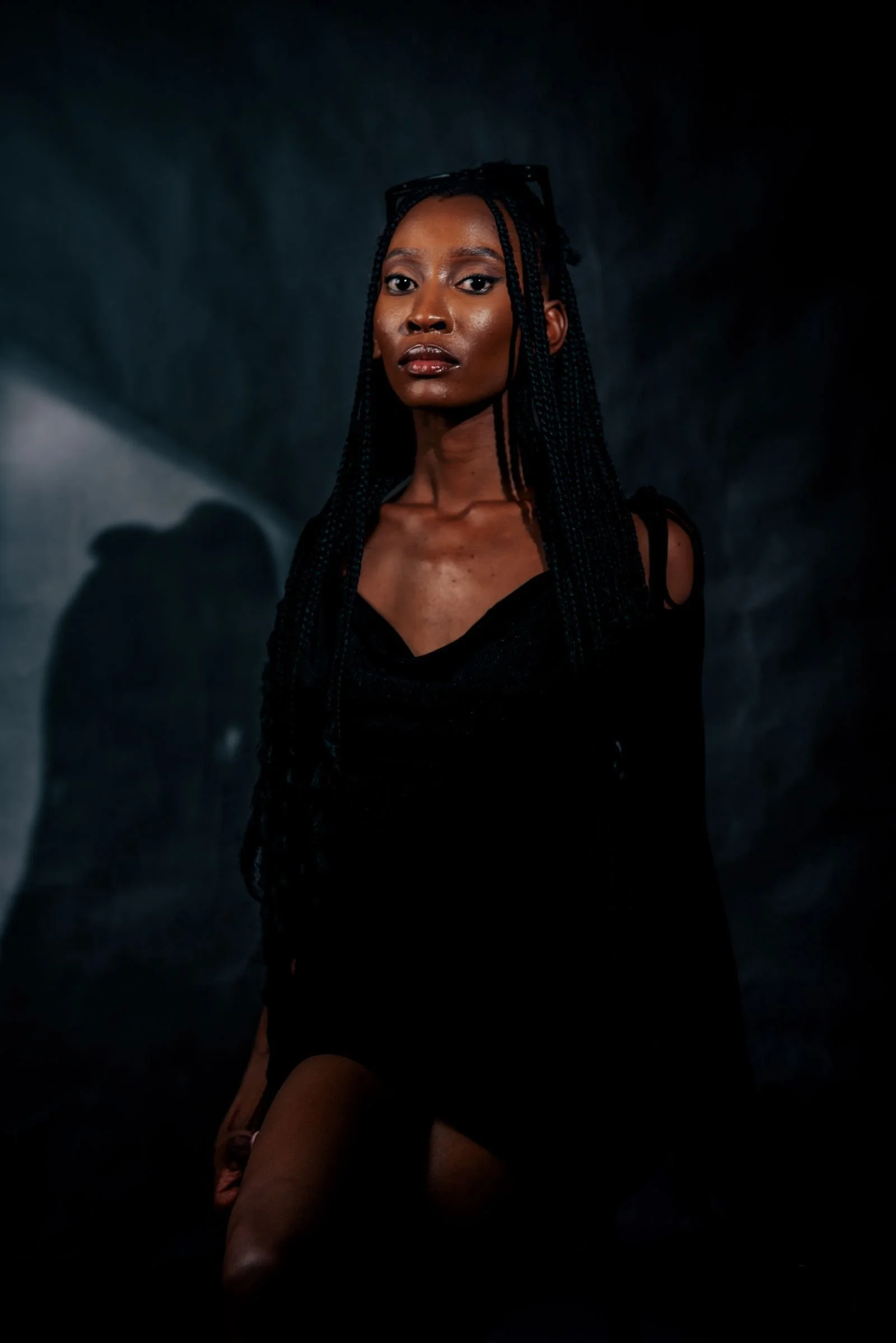
Dramatic color portrait of a woman with long braids photographed with directional studio lighting

Does Walgreens Do a Professional Headshot? The Honest Answer

No. Walgreens does not do professional headshots. The photo counter offers passport and ID photos for about $16.99: two prints, no appointment. What you get is a compliant ID photo, not a headshot. No session, no direction, no lighting design, no retouching. If you need a photo that makes someone want to hire you, that is a different product, and it is not sold at a drugstore.

I get asked this more than you would think. Someone Googles headshot options, sees the cheapest price, and wonders whether the expensive option is a scam. It is a fair question. I have spent 27 years shooting portraits, from Lady Gaga to first-time founders, and I can tell you exactly what the $16.99 buys and what it does not.

What does Walgreens actually offer at the photo counter?

Walgreens Photo is a print lab with a camera attached. At most of its 8,500-plus locations, you can walk in and get a U.S. passport photo taken: two 2x2 inch prints, usually in under ten minutes, for about $16.99. Several 2026 price trackers confirm the figure, and most stores take walk-ins with no appointment. They also do prints, enlargements, and photo gifts from your phone or a kiosk.

What they do not offer is a headshot session. There is no sitting fee option, no portrait package, no lighting setup, no backdrop selection, no direction, and no retouching. The person behind the counter is a retail employee running a passport preset, not a portrait photographer. One 2026 price comparison notes the blunt truth: Walgreens offers no compliance guarantee on the photo. If it fails government checks, you pay again.

That is the whole menu. A passport photo is a document. A headshot is an argument. They are not the same product, and the price difference is not a markup. It is a different job.

Why is a passport photo not a headshot?

A passport photo has one job: identify you to a machine. The rules say it for you. Plain background, neutral expression, face the camera, no smile worth mentioning. The photographer, if you can call the process that, is not making choices. The State Department made them.

A headshot has the opposite job. It has to make a stranger decide you are worth thirty minutes of their time. That happens fast. Research from Princeton found that first impressions from a face form in as little as one tenth of a second (Willis and Todorov, Psychological Science, 2006). Your LinkedIn photo gets less time than a blink to do its work.

Here is what a passport-style photo communicates on a professional profile: I did the minimum. Nobody will say it to your face, but everyone reads it. A pixelated, poorly lit photo tells a potential client you cut corners. MDG Advertising found that articles with relevant images get 94 percent more views on average than articles without them. Images do work. The question is whether yours is working for you or against you.

Think of it this way. A passport photo proves you exist. A headshot proves you are worth meeting. Walgreens sells the first one. Nobody sells the second one for $16.99, because the second one takes an hour of a skilled human's time.

Professional headshot photographed by David Christopher Lee in Los Angeles

What does a professional headshot session actually include?

Let me show you what the money buys, because the difference is not the camera. It is everything around the camera.

A real session starts before anyone picks up a camera. We talk about what the photo is for. An actor needs something different from a founder, and a founder needs something different from a lawyer. The wardrobe, the background, the expression, all of it follows the purpose. At a drugstore counter, there is no purpose. There is a preset.

Then there is the light. I shoot headshots with a Leica M11 and a 50mm lens, natural light only, no strobes. That is a deliberate choice, not a budget one. The 50mm sees the world the way the human eye does, and natural light is flattering in a way a flash never is. The point is not the gear list. The point is that every choice in a pro session is made for your face specifically. The drugstore makes the same choice for everyone, which is to say it makes no choice at all.

Then there is the direction, and this is the part people underestimate. Most people are not models. They walk in stiff, they give the camera their driver's license face, and they have no idea what their best angle is. My job is to talk, to watch, to notice the half second when the guard drops and the real person shows up, and to shoot there. I coach people into that expression and keep them there. You cannot get that from a kiosk. A kiosk cannot tell that your real smile lives on the left side of your face.
Then there is the edit. A professional session includes real retouching: temporary blemishes gone, character kept. I keep what gives a face character. Moles stay. Pimples go. That judgment takes a trained eye, and it is the difference between a photo that looks like you on your best day and a photo that looks like a filter ate you.

My sessions run $1,500 for two looks, $1,900 for three, $2,300 for four, $2,500 for five. A look is a full wardrobe and styling change. That is the price of an hour or more of a specialist's time, a directed session, and hand retouching. If you want the full breakdown of what professional headshots actually cost in Los Angeles, I wrote it out.

When is the $16.99 option good enough?

Honesty requires me to say this: sometimes the drugstore is fine. If you need a photo for a building badge, a conference lanyard, or an internal directory nobody looks at, go to Walgreens. It is fast, it is cheap, and the stakes are zero.

The stakes are not zero when the photo represents you to people who have never met you. Your LinkedIn profile. Your company bio page. Your speaker page. Your dating profile. Your book jacket. Anywhere a stranger decides something about you from the image alone. That is where the $16.99 photo costs you real money, in the form of the opportunities it quietly kills.

Here is my rule. If the photo will be seen by someone whose business you want, hire a photographer. If the photo will be seen by a security guard, go to the drugstore. The cost of the session is less than the cost of one lost client, one lost job, one lost first impression you never knew you lost.
And if you are a company putting headshots on a team page, the math gets even simpler. A professional headshot session gives every person the same quality of light, the same standard of retouching, and a consistent look across the whole page. Seventeen drugstore photos on one team page look like seventeen different companies. I have seen it. It is not a good look.
How do you know your headshot is hurting you?

Quick audit. Pull up your current profile photo and ask five questions.

One, is it older than three years? If you would not recognize yourself in a coffee shop, it is not a headshot. It is a memory.

Two, was it cropped out of a group photo? Everyone can tell. The resolution, the angle, the other person's shoulder. It reads as an afterthought.

Three, is the lighting doing you favors or just existing? Harsh overhead light, a car selfie, a webcam grab. If the photo looks like evidence rather than a portrait, it is hurting you.

Four, does your expression look like you on a good day, or you at the DMV? Neutral is fine for a passport. For a headshot, neutral reads as bored.

Five, would you hire the person in the photo? Answer honestly. That is the only test that matters.

If you failed two or more, the $16.99 option is not saving you money. It is spending your credibility in small amounts, every day, to everyone who looks you up. A corporate photographer who does this for a living will tell you the same thing, because we have all watched the same tragedy play out: a talented person, invisible behind a bad photo.

Professional studio headshot photographed by David Christopher Lee in Los Angeles

The bottom line

Does Walgreens do a professional headshot? No. They do a perfectly good $16.99 passport photo, and for a passport, that is exactly what you need. But a headshot is not a document. It is the first thirty milliseconds of every professional relationship you will ever start online.

You would not wear a drugstore suit to close a deal. Do not wear a drugstore photo to start one.

About the author: David Christopher Lee is a Los Angeles headshot and corporate photographer with 27 years of experience. He has shot celebrities, executives, and founders, and his headshot sessions run $1,500 to $2,500 depending on looks. Call or text +1 (510) 326-4934.

Before They Were Famous: Lady Gaga

Before They Were Famous: Lady Gaga

In 2007, a Universal Music publicist told me an unknown artist was going to be the next Madonna. I believed her enough to go meet the girl at a nightclub in West Hollywood. A year later, the whole planet knew her name.

This is the story of shooting Lady Gaga before she was famous.

The tip

In 2007 I was running TDINK, my online magazine, when a Universal Music publicist contacted me about an artist nobody had heard of. Her pitch was blunt: this girl is going to be the next Madonna. She told me to meet her at Area Nightclub in West Hollywood.

I went, and interviewed her for about ten minutes before we shot. I asked what kind of music she did. Pop, she said. I asked if it was pop like Britney Spears. She said she did her own version of pop, blended with a lot of European techno.

Her name came from the Queen song "Radio Gaga." Her producer Rob Fusari thought she was so theatrical that the name stuck. She called herself the do-it-yourself pop artist. She wrote the music, she designed the clothing, she designed the stage. "Its completely 150 thousand percent my vision," she told me. Her influences ran from David Bowie and Madonna to Talking Heads and the Beatles. Her first single, "Just Dance," was about to come out.

I opened the interview in TDINK by telling readers: you might not know her yet, but you definitely will.

Just the two of us

After the interview we shot, just the two of us, alone in the club. Not even a publicist was there. Nobody took a picture of us together, so I have no photograph from that night with both of us in it.

I told her to sit on the couch, knees together, feet apart. I told her to put her sunglasses on to contrast with her blonde hair. She wore a black Stella McCartney dress and a pink Chanel scarf. That was the whole direction, and that was the whole crew.

Then she was famous

"Just Dance" came out in April 2008. The Fame followed that August. By 2009 she was the biggest pop star on earth, and the publicist's "next Madonna" line stopped sounding like hype.

Twelve years later

In 2018 my friend Vaja took me to the Grammys. Gaga won three Grammys that night, and Vaja got a call from Dawn Miller inviting us to the Valley for Gaga and Mark Ronson's party at Oil Can Harry's, a dive bar. Adele was dancing, the crowd was electric, and Gaga was onstage dancing up a storm. I went up and reintroduced myself, telling her I had done one of her first photoshoots at Area Nightclub. She was sweet about it and asked when. I said 2007. She said, "Wow."

I showed her the portrait on my phone and congratulated her. I told her she inspired me. Then we danced together onstage for a good ten minutes. Nobody was taking pictures, just like Area all those years before. It was a time before social media. All these years later, I still don't have a picture with her. I have the memories, and this portrait.

The takeaway for photographers

Take the small editorial shoots. TDINK was my own online magazine. There was no budget, no crew, and no publicist in the room. But that night built an asset no paying client could have given me: one of the first portraits ever taken of Lady Gaga.

Unknowns become somebodies, and archives compound. When a publicist tells you an artist is going to be the next Madonna, you go to the nightclub and shoot the unknown like she is already famous. The frame you make in an empty club tonight can become the frame the world wants tomorrow. Twelve years later, I was showing her that portrait on my phone at her own afterparty. No assignment would have put me in that room.

That is how I still run my work as a fashion photographer in Los Angeles. The portfolio is not just the famous names, it is the unknowns you believed in first. Most celebrity photographers in Los Angeles will show you their covers. Ask what they shot before the cover existed.

Frequently asked questions

When did David Christopher Lee photograph Lady Gaga? In 2007, at Area Nightclub in West Hollywood, for his online magazine TDINK, arranged by a Universal Music publicist who told him she would be the next Madonna.

Was Lady Gaga famous when he photographed her? No. Her first single, "Just Dance," was about to come out when I shot her. It released in April 2008, The Fame followed that August, and by 2009 she was a global star.

How do I book a shoot with David Christopher Lee? Get in touch here. I have spent 27 years as a celebrity photographer in Los Angeles and New York, shooting everyone from unknowns who became icons to the icons themselves, and every session gets the same standard.


About the author: David Christopher Lee is a Los Angeles celebrity photographer with 27 years of experience, shooting for GQ, Vogue, InStyle, People, and brands around the world.

Book a Shoot: Book your shoot. If you need a photographer who saw the next Madonna in an empty nightclub, that is what I do.

Before They Were Famous: April Wilkner

She was the first celebrity I ever photographed. Not the most famous. The first.

April Wilkner had just finished as the second runner-up on Cycle 2 of America's Next Top Model, back when that show was appointment television. And I was a kid with an online magazine and maybe ten shoots under my belt. This is the story of that shoot: the gown, the atelier, and the lesson.

The meeting

I met April at San Francisco Fashion Week. She had just come off Cycle 2 as the second runner-up, in the season that made America's Next Top Model a phenomenon. That show was everywhere at the time.

I walked up and asked if she wanted to be on the cover of TDink, my online magazine. I was nobody. She said yes anyway, gave me her number, and we set up the shoot.

Think about that for a second. She had just been on national television. I had shot, by my own count, about ten sessions total. She said yes because I asked, and because I had a magazine with her name on the cover.

The atelier

April Wilkner in a white Colleen Quen couture gown, photographed by David Christopher Lee at Colleen Quen's atelier in San Francisco

We shot at the atelier of my friend Colleen Quen, in the Mission District of San Francisco. Colleen is a couture designer. She makes gowns for the debutantes and heiresses who attend the San Francisco Opera.

We dressed April in a long white fitted Colleen Quen gown with a cascading white couture jacket. White on white, in a couture atelier, on a girl America had just watched on television for weeks. It was a fashion shoot, not a reality TV shoot, and that was the point. I wanted her to look like the cover of a magazine, not a still from a TV episode.

She was the first person I had ever photographed who had been on television. This was the first shoot with a name attached to it.

Before she was famous

The timeline is what makes this a before-they-were-famous story, even though she had already been on TV. When I shot April, she was the second runner-up of Cycle 2, famous for a moment, in the way reality TV made people famous for a moment back then. The show was at its peak cultural power. What came next was unwritten. I caught her in the window between the finale and whatever followed, when the whole thing was still new and electric.

And on my side of the camera, I was nobody. About ten shoots in. That asymmetry is the whole story. She trusted a kid with a camera because he had a magazine.

The takeaway for photographers

Here is the lesson April Wilkner taught me, and it is the most practical one in this whole series: build your own platform.

Nobody gave me TDink.com. I started it. And because I had started it, I could walk up to a girl from America's Next Top Model at San Francisco Fashion Week and offer her a cover. The magazine was the credential. Without it, I am a random kid with a camera asking for a favor. With it, I am an editor offering an opportunity.

You do not need permission to start the thing that gives you permission. A blog, a zine, a self-published editorial series. It does not have to be big. It has to exist, so that when you meet your April Wilkner, you have somewhere to put her.

I still work that way. A fashion photographer in Los Angeles who brings their own platform to the table is not waiting for the industry to notice.

If you are hiring a celebrity photographer in Los Angeles, ask what they built themselves, not just who hired them. The ones who built their own stage will build one for you too.

Frequently asked questions

When did David Christopher Lee photograph April Wilkner? After her run on America's Next Top Model Cycle 2, where she finished as second runner-up. They shot the TDink cover at Colleen Quen's atelier in San Francisco's Mission District.

Was April Wilkner famous when he photographed her? She had just been on national television. Cycle 2 was the season that made America's Next Top Model a phenomenon. But she was at the very start of her public career, and David was at the very start of his: it was about the tenth shoot he had ever done, and the first with someone who had been on TV.

Who is Colleen Quen? A San Francisco couture designer and David's friend, whose gowns are worn by debutantes and heiresses at the San Francisco Opera. Her Mission District atelier was the location, and her long white fitted gown with a cascading white couture jacket was the look.

How do I book a shoot? Get in touch here. I have spent 27 years as a celebrity photographer in Los Angeles and New York, and every session gets the same standard.


About the author: David Christopher Lee is a Los Angeles celebrity photographer with 27 years of experience, shooting for GQ, Vogue, InStyle, People, and brands around the world.

Book a Shoot: Book your shoot. If you need a photographer who builds his own stage, that is what I do.

Engagement Photo Session Price in Los Angeles: What It Costs in 2026

How much does an engagement photo session cost in Los Angeles? If you book a standalone session with an experienced photographer, expect to pay between $750 and $1,100 for one to two hours of shooting. If you bundle it with your wedding photography, the same session usually drops to $400 to $500 as an add-on. That gap is the single most important thing to understand about engagement photo session price in this city, and most couples learn it too late.

I have been photographing couples in Los Angeles for 27 years. The engagement session is the shoot I watch couples underestimate most. It sounds simple, two people, a nice spot, golden hour. But the price you pay depends on decisions most couples never realize they are making. Here is how the pricing actually works.

## The short answer on engagement photo session price

In Los Angeles in 2026, real numbers from working photographers look like this. As a standalone session, a two-hour engagement shoot with an established LA photographer runs about $950. Kelly Williams charges $950 for a two-hour engagement session in Los Angeles. Lulan Studio charges $747 for the first hour standalone. Fatima Elreda starts engagement sessions at $1,100. Mary Claire Roman starts at $950. Sam Turchin lists $800 standalone. So the going range for a quality standalone session is $750 to $1,100.

Bundled with a wedding package, the numbers drop sharply. Lulan Studio charges $497 for the first hour when it is added to a wedding collection. Sam Turchin drops the engagement session to $400 with a wedding booking. Annie Austin lists it at $450 as an add-on. The 2026 averages from WithJoy put engagement sessions at $300 to $800 as a wedding add-on nationally, and Los Angeles sits at the top of that range.

That is the real story of engagement photo session price. The session itself does not change much between a standalone booking and a bundled one. What changes is the economics of the photographer's day.

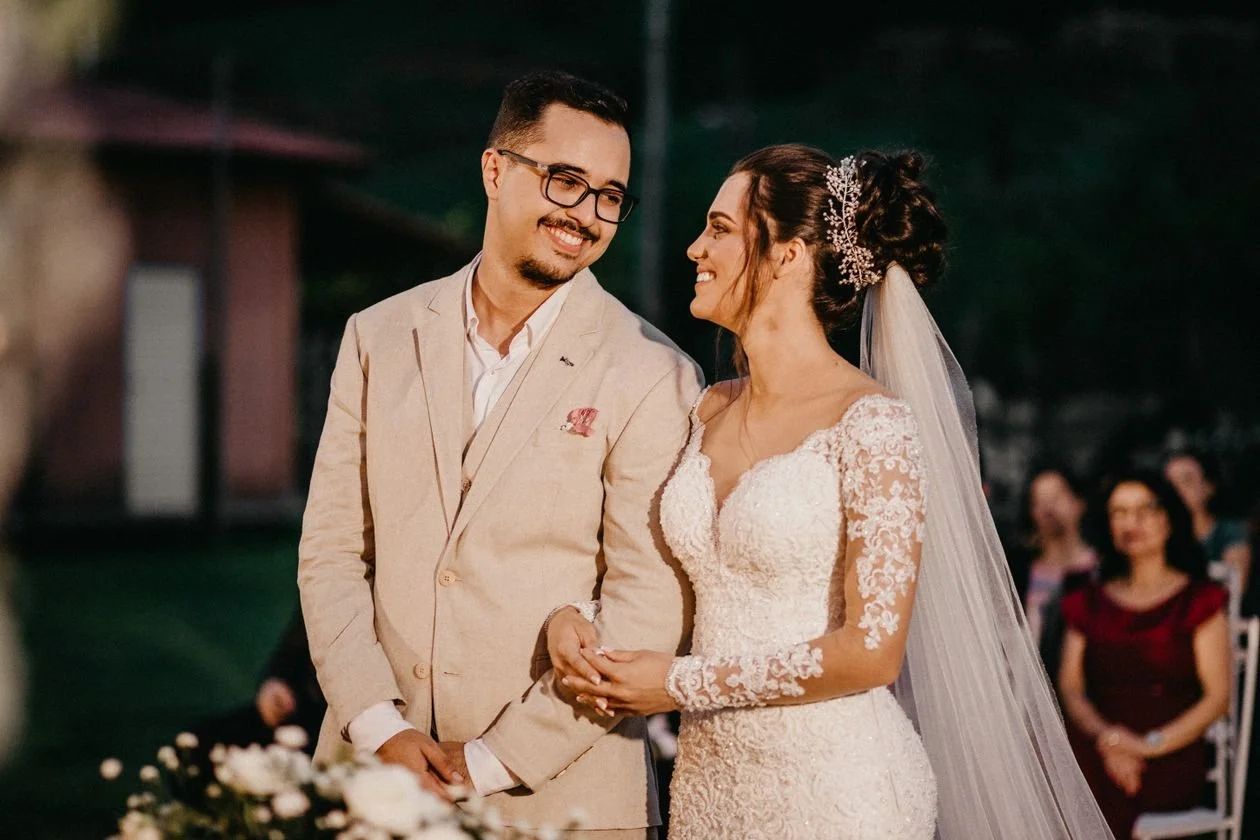
Smiling bride in a white gown and veil holding white roses beside a groom in a black tuxedo, the classic portrait every Los Angeles engagement photo session builds toward

## Bundled vs. standalone: which is the better deal

If you have already hired a wedding photographer, book the engagement session with them. The $400 to $500 add-on is the best value in all of wedding photography, and it is not close.

Here is why. A standalone engagement session is a half-day commitment for the photographer. There is the consultation, the location planning, the shoot itself, the culling, the editing, the gallery delivery. When it is bundled into a wedding, the photographer absorbs that cost into a larger booking, and you get the same shoot for roughly half the price.

There is a second reason that has nothing to do with money. The engagement session is a rehearsal. Your photographer learns how you are in front of the camera, what angles work, how long you can hold a pose before you both start laughing. On the wedding day, that familiarity is worth more than any single photo from the session. I always tell couples that the engagement session is where we figure out how to work together, so the wedding day feels easy.

The one case for booking standalone: you are not sure about your wedding photographer yet. A standalone engagement session is a low-stakes way to test-drive a photographer before committing to a full wedding package. Some couples also want a completely different style for the engagement shoot than for the wedding, a city session versus a formal wedding, for example. If either of those sounds like you, the standalone price is worth paying.

Bride and groom holding hands at an outdoor Los Angeles ceremony, why bundling the engagement session with the wedding photographer pays off

## What is actually included in an engagement photo session

Most Los Angeles engagement sessions include one to two hours of shooting, one or two locations, 50 to 100 or more edited images, an online gallery, and a print release so you can make your own prints and save-the-dates. Sneak peeks usually arrive within a few days. The full gallery typically takes two to four weeks.

What varies is the detail. Some photographers include a second location at no charge. Some include an outfit change. Some include a roll of film. None of that is standard, so ask. The biggest quality difference I see between a $500 session and a $1,100 session is rarely the number of photos. It is the culling. A good photographer shows you 80 strong images. A careless one shows you 300 and makes you do the editing work of deciding which ones are good.

Also ask about the gallery hosting window. Some galleries expire after 90 days. Some stay up for a year. Download your images the week you receive them either way. I have watched too many couples lose their engagement photos to an expired gallery link.

## What moves the price up or down

Experience is the main driver. A photographer with 27 years of shooting in Los Angeles charges more than someone who started two years ago, because the expensive mistakes have already been made on someone else's dime. Demand matters too. Saturday afternoons in spring are the most expensive slot on the calendar. A Tuesday morning costs less, if your photographer offers it.

Session length and location count come next. One location for one hour is the floor. Two locations over two hours costs more, partly because of the travel time between spots. In Los Angeles, location permits are a real line item. Many of the most photogenic spots, certain beaches, gardens, and overlooks, require photography permits that run $100 to $400. Ask who pays for the permit. Most photographers pass it through to the client.

Add-ons move the needle as well. A roll of 35mm film, professional hair and makeup, a second shooter, rush delivery of the full gallery. None of these are necessary. All of them are nice. Budget for the ones that matter to you and skip the rest. And check the wedding photographer cost in Los Angeles guide if you are comparing this against a full wedding booking, since the add-on math is usually better than it first looks.

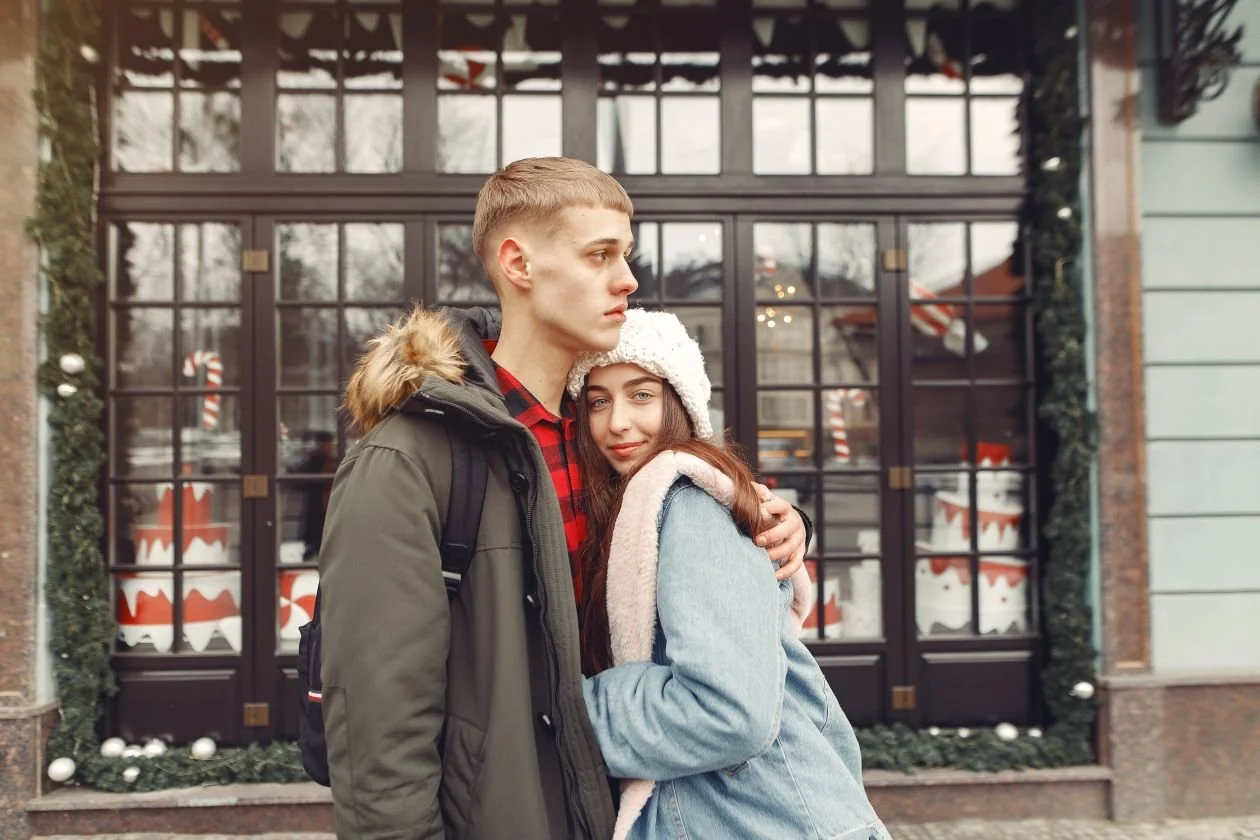
Young couple embracing in front of a decorated storefront during a casual Los Angeles engagement photo session

## Five questions to ask before you book

First, how many edited images do I get, and how long does the gallery stay online? Get both numbers in writing. Second, how many locations are included, and who handles permits and permit fees? Third, what is the turnaround time for sneak peeks and for the full gallery? Fourth, do I get a print release, and is it full resolution? Fifth, what happens if it rains or we need to reschedule, and is there a fee?

One more that couples forget: who is actually shooting my session? Some studios send an associate photographer for engagement sessions while the principal shoots weddings. That is not a problem if the associate is good, but you should know before you book.

## How I shoot engagement sessions

After 27 years, my approach is simple. Treat it like a date, not a production. The best engagement photos look like two people enjoying an hour together, because that is what they are. I do not pose couples heavily. I give direction when it helps and step back when it does not, and I shoot in the light that is actually there.

Golden hour is still the best light in Los Angeles, and it is free. Griffith Park, the Arts District, the beach at sunset, your own neighborhood, the spot matters less than most couples think. What matters is that you are comfortable there. Bring one outfit change if you want variety. Wear something you would actually wear, not something you think you should wear. And plan the session for the time of day when the light is soft, not the time that is convenient.

Use the photos for your save-the-dates. That is what they are for. A good engagement session gives you the announcement, the wedding website photos, and the prints for the parents, all in one shoot.

Couple holding hands walking on cobblestone street, the candid in-between moments an engagement photo session is built on

## Frequently asked questions

**How much does an engagement photo session cost in Los Angeles?**

A standalone session with an experienced LA photographer costs $750 to $1,100 for one to two hours. Bundled with a wedding photography package, the same session typically costs $400 to $500 as an add-on.

**Is the engagement session included in wedding photography packages?**

Often, yes, in mid-range packages and up. Many photographers include a complimentary or discounted engagement session in wedding collections starting around $4,000 to $5,000. Always ask, because some photographers list it as an add-on even in premium packages.

**How long does an engagement photo session last?**

Most run one to two hours. One hour is enough for a single location and one outfit. Two hours allows two locations and an outfit change, and it gives the session room to relax into something natural.

**How many photos do you get from an engagement session?**

Expect 50 to 100 or more edited, high-resolution images from a one to two hour session. Ask for the exact number before you book, and ask whether the gallery includes a print release.

**What is the difference between an engagement session and a proposal shoot?**

A proposal shoot captures the actual question, often shot discreetly while one partner is surprised. An engagement session is a planned portrait session that happens after, usually in nicer clothes and at a chosen location. If you are planning the question itself, talk to a proposal photographer first, then book the engagement session for the portraits.

Man presenting an engagement ring to a smiling woman by a window, the moment an engagement photo session usually follows

## The bottom line

The engagement photo session price in Los Angeles is $750 to $1,100 standalone or $400 to $500 bundled with a wedding package. The session is worth more than the photos. It is the rehearsal that makes your wedding day photographs better. Book it with your wedding photographer if you can, test-drive a new photographer with it if you need to, and treat it like a date either way.

To talk through locations, timing, or pricing for your own session, get in touch through my contact page. I shoot engagement sessions all over Los Angeles, and I would rather you ask me the awkward pricing questions now than wish you had later.

50mm vs 85mm for Portraits: Why I Shoot 50mm

Ask a room of portrait photographers to name the king of portrait lenses and most of them will say 85mm before you finish the question. Fstoppers ran the debate again this week around the Canon RF 85mm f/1.2L, and the arguments are the ones I have heard for decades. I respect the lens. I just do not shoot portraits with one.

I shoot a Leica M11 with a 50mm. That has been my setup through 27 years as a celebrity photographer in Los Angeles, photographing Lady Gaga, the Kardashians, Richard Branson and Ella Beatty, with work in GQ, Vogue, InStyle, People, Teen, Men's Health and Departures. This is not theory. It is what survived contact with real clients, real rooms and real deadlines.

Outdoor portrait of a man in sunglasses shot at 50mm, the focal length at the center of the 50mm vs 85mm portraits debate

Photo by Parimal Jain on Pexels

The case for 85mm, stated fairly

The 85mm earns its reputation honestly. The longer focal length compresses perspective, so a nose does not push toward the camera and ears do not shrink away. Faces look calm and proportioned. At wide apertures the background melts into nothing, which flatters the subject and hides a messy location. The working distance is comfortable too. You stand back, the sitter does not feel crowded, and nobody has a lens in their face.

If your priority is a clean, isolated head against a soft blur, the 85mm does that job with very little effort. I understand why studios default to it. It is the safe answer, and safe answers are popular for a reason.

Tight close portrait of a man in a suit, the compressed framing photographers expect in 50mm vs 85mm portraits comparisons

Photo by Andrea Piacquadio on Pexels

Why I shoot a 50mm

My reason is simple, and it has not changed. The 50mm is the same view as the human eye. I just prefer it. When I look at a person across a table, that is the perspective I see. A 50mm records the scene the way I experienced it, instead of flattening it into something more polished and less true.

The Leica glass matters too. Best glass, best colors, very flattering. Skin tones come out honest, and the rendering has a softness to it that does not need help in post. My retouching philosophy follows the same logic: I keep what gives character, so moles stay, and I remove what is temporary, so pimples go. A lens that flatters without lying fits that philosophy. An 85mm portrait can look like a better version of a person. A 50mm portrait looks like the person.

Context is part of the portrait

An 85mm at f/1.2 deletes the room. Sometimes that is the point. But the room is often the story. Where a person works, what they keep around them, the light in their own space, all of that says something a blurred background cannot.

At 50mm I can step half a step back and hold the person and their world in the same frame. The portrait stops being a floating head and becomes a record of a life. Clients feel the difference even when they cannot name it. They say the picture feels like them. That reaction is worth more to me than compression.

Environmental portrait in a sunlit field with the setting kept in frame, an argument for the 50mm side of 50mm vs 85mm portraits

Photo by Andrea Piacquadio on Pexels

Closer changes the conversation

Working distance is the argument nobody prices in. At 85mm you direct from across the room. Your voice gets louder, your direction gets more formal, and the session starts to feel like a performance. At 50mm I am close enough to talk at a normal volume. The session feels like a conversation that happens to have a camera in it.

That closeness changes expressions. People drop the pose they rehearsed in the mirror faster when the photographer is near and relaxed. The guardedness that ruins first frames melts sooner. I would rather manage the small distortion risk of a closer lens, by watching my distance and angles, than manage a sitter who never fully settles because the camera stayed far away and clinical.

Natural light is the discipline

I shoot natural light only. No strobes. That choice interacts with focal length more than most photographers admit. Window light rewards the photographer who can move. At 50mm I can work in smaller rooms, closer to the window, and still hold context in the frame. In a tight office or a small studio, an 85mm backs you into a wall, sometimes literally.

Natural light also keeps me honest about what is in front of me. There is no flash setup to hide behind. If the light is wrong, I move the person or I move myself. Twenty seven years of that discipline teaches you to see light before you raise the camera, and a 50mm sees the scene roughly the way your eye found it.

When I would still reach for an 85mm

I am not dogmatic about this. There are jobs where a longer lens is the right tool, and pretending otherwise would be dishonest.

If a sitter is genuinely anxious and needs physical space before they can relax, distance helps, and an 85mm gives it without cropping. If the brief demands a tight beauty frame with the background erased completely, the longer lens does it in one step. If I am shooting an event where I cannot get close, a longer focal length is not a preference, it is the only option. And for a sitter whose features the camera exaggerates at close range, stepping back with an 85mm is the kinder choice.

The point is not that 85mm is wrong. The point is that it should be a choice made for a reason, not a default copied from consensus.

Editorial portrait of women in red veils shot at 50mm, showing the context a 50mm keeps in 50mm vs 85mm portraits

Photo by cottonbro studio on Pexels

What this means in a headshot session

Headshots are where this debate stops being abstract. In my sessions the closer working distance of the 50mm does real work. Most headshot clients are not models. They arrive tense, worried about their chin, their hair, their smile. Standing nearer, talking normally, I can coach an expression in the moment instead of calling instructions across a studio. Shoulders drop. The smile stops being held. That is the frame we keep.

My sessions run on looks, and I shoot wardrobe options both ways when it matters. With a tie and without a tie, for example, so the client keeps the option instead of deciding under pressure. Current rates are 2 looks for $1,500, 3 looks for $1,900, 4 looks for $2,300 and 5 looks for $2,500. If you are booking, read how to prepare for a headshot session before you arrive, and my corporate headshots in Los Angeles page shows the work itself.

One last thing, because clients ask about it now. On AI headshots, my position is short: nothing wrong with them except they are not real. A generated headshot has no session, no conversation, no moment where the person actually relaxed and became themselves in front of a lens. A real portrait made at conversational distance, on a lens that sees the way an eye sees, is the record of an actual person. That is what I sell, and the 50mm is how I make it.

So, 50mm vs 85mm for portraits? If you want isolation and polish, take the 85mm and enjoy it. If you want context, connection and a portrait that looks the way the moment felt, pick up a 50mm and get closer. I made that choice a long time ago. I have never regretted it.

FAQ

Is a 50mm or 85mm better for portraits? Neither is better in the abstract. An 85mm compresses perspective and melts backgrounds, which suits tight, isolated heads. A 50mm matches the view of the human eye, keeps context in frame and lets you work closer to the sitter. I shoot portraits on a 50mm because connection and context matter more to my clients than blur.

Does a 50mm distort faces in portraits? It can if you shoot too close and fill the frame carelessly. At a sensible working distance, with attention to angles, a 50mm renders faces naturally. The distortion people fear comes from distance, not from the lens itself.

Why do I shoot portraits on a Leica M11 with a 50mm? Because the 50mm shows the same view as the human eye, and I prefer it. The Leica glass gives me the best colors and a very flattering rendering, and I work in natural light only, no strobes. That combination has carried 27 years of celebrity and editorial work.

What do my headshot sessions cost? Sessions are priced by looks: 2 looks for $1,500, 3 looks for $1,900, 4 looks for $2,300 and 5 looks for $2,500. A look is a full wardrobe and styling change, shot and directed by me.

Best Family Photographer Los Angeles: How to Hire One (2026 Guide)

Hiring a family photographer in Los Angeles sounds easy until you are the parent trying to get three kids to smile at the same time while the sun drops behind the hills. The difference between a photographer who has done this a thousand times and one who has done it twelve times shows up in every frame. One gets you the photo that goes on the wall for twenty years. The other gets you a gallery of almosts.

I have been photographing people in Los Angeles for 27 years. Family sessions are some of the most honest work there is, because kids do not fake anything and parents cannot be coached the way executives can. Here is how I would hire a family photographer if I were on your side of the table.

Best family photographer Los Angeles: family portrait session at golden hour in a Los Angeles park

## How much does a family photographer in Los Angeles cost?

Let us talk numbers first, because this is where most families either overpay or underhire.

In the LA market, a solid family portrait session from an experienced professional typically runs **$300 to $500**. That usually buys you a one-hour outdoor session, a full gallery of edited images, and personal printing rights. Established family photographers with strong portfolios and waitlists charge **$750 to $1,450 and up**, especially for extended-family sessions that run two to three hours.

Holiday card season changes the math. From late October through December, many LA family photographers offer 30-minute mini sessions in the **$250 range** for returning clients, booked back to back at one location. Minis are efficient and affordable, but you get one spot, one look, and a shorter gallery. If your kids need time to warm up, a full session is the better buy.

What drives the price up: extended family (more people means more time and more editing), multiple locations, wardrobe styling guidance, albums and wall prints, and rush delivery before a holiday deadline. What should make you suspicious: anyone charging under $150 for a full family session in Los Angeles. That is not a professional rate, and the editing is usually where it shows.

## Look for full galleries, not highlight reels

Every family photographer has ten great images on their homepage. What you are buying is the fortieth image in a gallery from a real session with real kids on a real day.

Ask to see a **complete delivery** from a recent family session. Then look at three things.

First, the hard moments. Did the photographer get genuine expressions out of a toddler, or is every frame a forced smile? Kids get bored, siblings fight, babies melt down. A working family photographer has a system for all of it and the gallery proves it.

Second, consistency across people. In a family of five, every person should look good in the hero frames, not just the photogenic one. Watch for galleries where one family member is sharp and the rest are afterthoughts.

Third, light discipline. Most LA family sessions happen outdoors at golden hour, which sounds forgiving until the photographer shoots straight into the sun with no fill and half the faces go dark. Look for clean skin tones and detail in both highlights and shadows.

## Kid-direction skills matter more than camera gear

Here is the thing nobody tells you: family photography is 70 percent child management and 30 percent photography. The camera is the easy part.

A great family photographer reads kids fast. They know which child needs five minutes to warm up and which one will sprint into the frame immediately. They bring the energy up without turning the session into chaos. They can redirect a melting-down four-year-old without the parents having to intervene, which keeps the mood of the whole session intact.

On the first call, ask: "How do you handle it when a kid shuts down mid-session?" A pro has a real answer with examples. Someone who has never been tested will say "oh, that never happens" or "we just take a break." Both are tells.

Experience compounds here. A photographer with five or more years of family work has seen every version of the bad day and still delivered the gallery. That is what you are paying for.

Los Angeles family photographer capturing a candid moment with parents lifting their child

## Where the session happens matters in Los Angeles

LA gives family photographers an unfair advantage: golden-hour light almost year-round, beaches, parks, and backdrops that look expensive without trying. But location choice is still a decision with real consequences.

**Parks** are the workhorse. Open space for kids to move, trees for shade, paths for walking shots. Just know that many LA County and City parks require a photography permit, and popular spots on weekends are crowded. Ask your photographer whether they handle permits or expect you to.

**Beaches** photograph beautifully and exhaust small children fast. Wind, sand, cold water, and a long walk back to the car. Great for families with kids over seven. Risky for toddlers unless the session is short and the photographer knows the specific beach.

**Your own backyard or home** is underrated. Kids relax instantly in their own space, and the photos feel like your family instead of a location shoot. A photographer who can light and compose in an ordinary backyard is showing you real skill.

**Studios** work best for newborns and formal extended-family portraits, where controlled light and a calm environment beat scenery.

Ask where they like to shoot and why. A photographer with three go-to locations they know cold will outperform one who lets you pick a spot they have never scouted.

## Timing and wardrobe: the two things parents control

You control two variables that make or break the session. Both are free.

**Timing.** Book around your kids, not around the photographer's calendar. A session at 5 PM golden hour is useless if your toddler naps at 4:30 and wakes up furious. Morning sessions work for young kids. Late afternoon light is better but the kids are worse. Tell the photographer your kids' schedule and let them solve it.

**Wardrobe.** Coordinate, do not match. Matching white shirts and khakis date the photo instantly. Pick a palette of three or four colors that sit well together, vary textures, and avoid logos, neon, and tiny busy patterns that moiré on camera. Lay everything out on the bed the night before and photograph it with your phone. If it looks good small, it will look good big.

A good family photographer will give you a wardrobe guide before the session. If they do not mention wardrobe at all, ask. It is that important.

## Extended family sessions are a different job

Once grandparents, aunts, uncles, and cousins enter the picture, the session changes completely. You are no longer directing three kids. You are managing twelve to twenty people with opinions, schedules, and varying mobility.

Book more time than you think. A group of fifteen needs at least ninety minutes, often two hours. The photographer has to shoot the big group, every subgroup combination, the grandparents alone, and the individual families, all before the light changes or the toddlers expire.

Logistics matter: confirm the exact shot list in advance (which combinations, in what order), arrive early, and designate one family member as the wrangler who is not being photographed in every frame. The photographer shoots. The wrangler gathers. That division of labor is what keeps a big session on schedule.

Expect to pay more. Extended sessions typically start around $750 and climb with headcount, because the editing load scales with the number of people in every frame.

Multigenerational family portrait by a Los Angeles family photographer

## 7 questions to ask before you book

Ask these on the first call. The answers tell you everything:

1. **"Can I see a full gallery from one recent family session?"** Not highlights. A complete delivery.

2. **"How many years have you been shooting families specifically?"** Five or more is the comfort zone.

3. **"What happens when a kid melts down mid-session?"** Listen for a system, not a shrug.

4. **"How many edited images do we get, and when?"** Get a number and a date. A one-hour family session should yield 40 to 80 edited images, delivered in one to three weeks.

5. **"Do you help with location and wardrobe?"** The answer should be yes to both, with specifics.

6. **"What is your reschedule policy if a kid gets sick?"** Kids get sick. A professional has a clear, fair policy and does not make you feel bad about it.

7. **"Will you be the one shooting?"** Some studios send associates. If you are hiring based on a portfolio, make sure that photographer shows up.

## Red flags when hiring a family photographer

Walk away if you see any of these: no contract, no backup equipment, "unlimited photos" promises (professionals deliver a defined number of edited images), a portfolio with only styled shoots and no real families, full payment demanded upfront (a retainer of 25 to 50 percent is standard), or no plan for bad weather. LA weather is mild, but marine layer mornings and Santa Ana winds are real, and a pro has a backup plan.

## Book holiday sessions now, not in December

If you want family photos for holiday cards, the booking window is **right now**. The best family photographers in Los Angeles fill their October and November weekends by mid-October, and December is nearly impossible to book with anyone good.

Mini sessions are the move for cards: 30 minutes, one location, a tight gallery, delivered in time to order prints. Book the mini by early November at the latest. If you want a full session with prints in hand before the holidays, you needed to book in September, but a good photographer can still turn a late-October session around in time if you ask about rush delivery on the first call.

Do not wait until Thanksgiving week. Every year, families call me then, and every year I have to tell them the calendar is gone.

Holiday family photo session in Los Angeles with Christmas card styling

## FAQ

**How much does a family photographer cost in Los Angeles?**

A quality family session from an experienced LA photographer typically runs $300 to $500 for a one-hour outdoor session. Established specialists charge $750 to $1,450 and up, especially for extended family. Holiday mini sessions run around $250 for 30 minutes.

**How long does a family photo session take?**

One hour is standard for a single family at one location. Extended family sessions need 90 minutes to two hours. Newborn-inclusive sessions often run longer with feeding breaks built in.

**What is the best time of day for family photos in Los Angeles?**

Golden hour, the hour before sunset, gives the most flattering light. Morning sessions work better for young kids' moods even though the light is harsher. Tell your photographer your kids' schedule and let them solve the tradeoff.

**What should my family wear for photos?**

Coordinate in a palette of three to four colors rather than matching exactly. Vary textures, avoid logos, neon, and tiny busy patterns. Lay outfits out the night before and photograph them with your phone as a check.

**Do I need a permit for family photos at an LA park?**

Many LA County and City parks require photography permits, especially for professional sessions. Ask your photographer whether they handle permits or if you need to arrange one.

**How far in advance should I book a family photographer?**

For holiday card photos, book by early October. For general family sessions, four to six weeks out is usually fine outside the holiday rush. The best photographers book up fastest, so earlier is always better.

Coordinated family outfits during an outdoor Los Angeles family photoshoot

## The bottom line

The best family photographer in Los Angeles is not the one with the prettiest Instagram grid. It is the one who can get your actual kids, on an actual day, to look like themselves at their best, and hand you a gallery where every person in every frame looks right.

Vet the full galleries. Ask about the hard days. Book around your kids' schedule, not the calendar. And if you want holiday cards this year, book the session this week, not next month.

I have spent 27 years photographing people in this city, from celebrities to first-time parents who have never sat for a portrait. The families who get the best photos are not the ones with the best-looking kids. They are the ones who hired the photographer with a system and then trusted it. Portrait sessions work the same way, and if you are planning any kind of photoshoot in LA, the same vetting rules apply. Families with teenagers should also look at senior portraits, which are a different session with their own playbook. Ready to talk? Get in touch and tell me about your family.

What Is a Still in Photography? (And What a Stills Photographer Actually Does)

Ask five people what a "still" is in photography and you will get at least three different answers. Some are thinking of still life, the painted and photographed tradition of arranged objects. Some are thinking of a frame grabbed from a video. And some are thinking of the photographs taken on a film set, the ones that end up on the poster. All three uses exist, which is exactly why the term confuses people. Let me sort it out properly, because one of those meanings is an entire profession, and it is a profession more people rely on than realize.

The Basic Definition

At its simplest, a still is a single, static photographic image, as opposed to a moving image. Film and video are built from motion; a still is one fixed frame, whether it was captured as its own photograph or extracted from footage. When a streaming service shows you a thumbnail, when a magazine illustrates a story with one image, when a camera store sells a "stills camera" as distinct from a cinema camera, this is the meaning in play. A camera's stills mode shoots individual photographs. Its video mode records motion. That is the root sense of the word, and every other use grows from it.

A Still Is Not Still Life

This is the most common confusion, and it is worth clearing up directly. Still life is a genre: the deliberate arrangement and photography of inanimate objects, such as food, products, flowers, or tableware. It descends from painting, where the French term is nature morte. A still is a format, any single static image of anything at all. A still life photograph is a still, but most stills are not still life. A portrait is a still. A landscape is a still. A production photograph from a film set is a still. If someone says "stills" and means arranged objects on a table, they are talking about still life, and if they say "stills" on a production, they mean something else entirely, which brings us to the working definition.

Stills on a Film or Television Set

In production, stills are the photographs taken during filming by a dedicated photographer, formally called the unit stills photographer or unit photographer. These are not screenshots and they are not frames pulled from the movie camera. The stills photographer shoots with their own still camera, from positions near the main camera, capturing the actors in character, in costume, in the actual scene lighting, at moments that represent the story of the production.

The purpose is publicity. Before a film or series is released, the studio needs images: for the poster and key art, for press kits, for magazine features, for streaming thumbnails, for social campaigns, and for the historical record of the production. Almost every iconic image you have seen from a famous film, the one on the poster, the one in the anniversary article, was a still made by a unit photographer during the shoot, not a frame from the film itself. Film frames are lower in resolution and were composed for motion; stills are composed as photographs, sharp and printable at poster size.

What a Unit Stills Photographer Actually Does All Day

The job breaks down into a few distinct kinds of work.

Scene coverage. During takes, the photographer shoots the key moments of each scene from beside or behind the main camera, matching the framing and light of the scene so the stills feel like the film. This is done silently, in sync with the action, without distracting the actors.

Portraits and gallery shoots. On many productions there are dedicated sessions, sometimes called gallery shoots, where cast members pose in character against a plain background for poster and key art work. These are closer to a studio portrait session, run on the production's schedule and costumes.

Specials and documentation. The photographer also documents the production itself: the sets before they are struck, props and costumes for continuity and archives, and visiting press or dignitaries on set. Some of this is publicity, some of it is the production's own memory.

Delivery. Stills are typically delivered in curated selects to the studio's publicity department, often daily or per block of shooting, so marketing can begin long before post production finishes.

The Skills the Job Demands

Unit stills work is a specialist craft, and the skills are specific.

Silent shooting. Production cameras and modern mirrorless cameras can shoot in complete silence, and stills photographers historically used a sound blimp, a housing that muffles the shutter, so their exposures never land on the recorded dialogue. Silence is not a courtesy. It is the condition of being allowed on the set at all.

Matching scene light. The photographer does not light the scene; the cinematographer does. Stills have to honor that light: the same direction, the same mood, the same exposure values the film is being shot at, so the publicity images look like the finished work and not like a different, brighter movie.

Working around the crew. The stills photographer has no right of way. The positions that matter belong to the camera, sound, and lighting departments. The craft is finding the angle that tells the story from the space that is left, anticipating the moment, and never once slowing the production down or crossing an eyeline during a take.

Speed and judgment. A scene may only be shot from one setup, and the decisive expression may happen once. The photographer has to be ready before the take, choose moments with an editor's eye, and produce a selection the same day that a publicist can use without apology.

Stills Photography Versus Behind-the-Scenes Photography

These two jobs are constantly confused, and they are genuinely different. Behind-the-scenes photography documents the making of the production: the crew at work, the director between setups, the equipment, the atmosphere. Its subject is the process. Unit stills photograph the world of the story: actors in character inside the scene, with no crew visible. Its subject is the film itself. A behind-the-scenes image of a camera operator at work would be unusable as a poster; a unit still of the lead actor in character, lit by the scene, is exactly what a poster is built from. Some productions hire one photographer to do both, but the deliverables, the clients, and the way the images are used are distinct.

Why It Matters Beyond the Set

Stills outlive productions. They are how films are remembered, marketed in new territories, reissued in retrospectives, and written about decades later. Long after the moving image has been re-edited, color timed, and reformatted, the stills remain the fixed visual record, which is why studios treat the unit photographer as part of the core publicity apparatus rather than an optional extra.

The Short Version

A still is any single static photograph, distinct from moving images and distinct from still life, which is a genre of arranged objects. On a production, stills are the publicity photographs made by the unit stills photographer: silent, fast, matched to the film's own light, and made to carry the story of the production to everyone who has not seen it yet.

Work With a Photographer Who Knows the Set

My portrait and editorial work has run in GQ, Vogue, InStyle, People, and Men's Health, and it is built on the same discipline the set demands: reading light fast, directing people who have somewhere else to be, and delivering images that carry a story in a single frame. If you need portraits, key art, or publicity photography, call +1 (510) 326-4934 or get in touch through the contact page.

How to Choose a Corporate Photographer: A Practical Guide

Choosing a corporate photographer looks simple from the outside. You search, you scroll a few portfolios, you pick the one whose work looks clean. Then the shoot day arrives, forty employees are lined up outside a conference room, half of them hate being photographed, the light in your office is doing nothing for anyone, and the difference between a professional and a person with a camera becomes very clear very fast.

I have spent 27 years photographing people for magazines, campaigns, and companies, from Lady Gaga to first-time founders who have never sat for a portrait. Corporate work is its own discipline. The images have to flatter the person, match the brand, and hold up across a website, a pitch deck, and a press release. Here is how to choose the photographer who can actually deliver that.

Start With Portfolio Consistency, Not Highlights

Every photographer has ten great images. What you are looking for is whether the fortieth headshot in their gallery is as strong as the first. Corporate photography is a volume game played at a quality standard. Scroll deep into the portfolio and check three things.

First, consistency of style. Do the backgrounds, lighting, and crops feel like one body of work, or does every shoot look like a different photographer? A company needs a unified library, because new hires will be added to that library for years.

Second, range of people. Look for portraits of people who are not models. Most of your team is not camera trained, and a photographer who only shows beautiful twenty-somethings has not proven they can make a nervous CFO look natural.

Third, relevance. If you need environmental portraits in your actual office, a portfolio of pure studio work on gray seamless is not proof they can do it. Ask to see full galleries from single corporate jobs, not just a greatest hits page.

Lighting on Location Is the Real Skill Test

Studios are controlled. Offices are not. Corporate photographers work in glass conference rooms with mixed fluorescent and window light, dark wood paneling, low ceilings, and whatever the building gives them. A professional brings their own lighting and shapes the space around it. Ask directly: do you bring your own lights, or do you shoot with available light only? Neither answer is automatically wrong, but a photographer who can explain their lighting approach in plain language is one who has solved these problems before. This is also where experience shows in the final images. Good corporate portraits look effortless because the light was built, not found.

Directing Non-Models Is Half the Job

Most employees would rather be anywhere than in front of a camera. The photographer's job is to get a genuine, confident expression out of someone who sat down thirty seconds ago convinced they are unphotogenic. That takes direction: where to stand, how to angle the shoulders, what to do with their hands, a small adjustment to the chin, and honest feedback while shooting tethered to a screen so the subject can see progress. Ask how long a typical headshot session runs per person. A pro has a real answer and a system. Ten to fifteen minutes per person with direction and selection is normal for quality work. Thirty seconds per person in a hallway is a cattle call, and the results look like it.

Turnaround and Delivery, in Writing

Ask when you will see proofs, how retouching is handled, and what the final files look like. Professionals deliver edited, retouched, high resolution files plus web sized versions, in a gallery your team can actually navigate. Get the timeline in writing before the shoot, including what happens if your CEO needs one image the same day for a press announcement. Reasonable photographers will quote a standard turnaround, often a few business days for a corporate set, and can flag a rush option for selects. Vague answers about delivery are a red flag, because they usually mean there is no process.

Licensing and Usage Terms

This is where inexperienced buyers get surprised. When you hire a photographer, you are generally licensing images for agreed uses, not buying the copyright outright. For most corporate work, the license should cover your website, social channels, press, and internal use without friction. What you want is clarity: what uses are included, for how long, and what it costs to extend them later. A professional raises this early and puts it in the agreement. A photographer who has never thought about licensing may be fine for a party and risky for a brand. Also confirm who owns the raw files and whether retouched finals are archived, so a lost hard drive at your company does not mean reshooting the executive team.

Backup Gear, Backup Files, and Insurance

Professionals plan for failure. Two camera bodies on set, so a dead camera never ends the day. Dual card recording or immediate backup, so images exist in two places before anyone leaves the room. A tethered workflow with an assistant watching focus and exposure. And liability insurance, which many office buildings and corporate clients require before a vendor is allowed on site. Ask for a certificate of insurance if your building needs one. A working pro will send it without blinking, because they get asked every month.

Working With Brand Guidelines

If your company has a brand book, send it before the shoot and watch what happens. A professional will study it, match backgrounds and color treatment to your existing library, and flag conflicts, for example a guideline that specifies bright white backgrounds while your office has none available. They will also shoot with your layout needs in mind: horizontal crops for web heroes, vertical for mobile, negative space for text overlays if your designers ask for it. Photography that ignores how marketing will use it creates work for everyone downstream.

Questions to Ask Before You Book

  • Can I see a full gallery from one corporate job, not just highlights?
  • Do you bring your own lighting for on-site work?
  • How do you direct people who are nervous in front of the camera?
  • What is your turnaround for proofs and final retouched files?
  • What usage is included in the license, and for how long?
  • Do you carry liability insurance, and can you provide a certificate?
  • What is your backup plan for gear failure and file storage?
  • Who does the retouching, and how many retouched images are included per person?
  • What do you need from us on the day: space, power, schedule, a staff coordinator?

Red Flags

  • A portfolio of only models, weddings, or unrelated work presented as corporate experience.
  • No written agreement, or an agreement with no licensing terms.
  • "We just use natural light" offered as a philosophy for an interior office shoot.
  • One camera, one card, no assistant, no insurance, and no concern about any of it.
  • Pricing far below everyone else with no explanation of what is excluded. The exclusions always surface later, usually as per-image fees.
  • No questions about your brand, your space, or how the images will be used. Curiosity is a professional trait.

How an On-Site Session Runs for a Mid-Sized Company

For a company of thirty to one hundred people, the standard format is a dedicated shoot day, or two half days, in a conference room or open area converted into a temporary studio. The photographer arrives early, builds the lighting setup once, and photographs everyone against the same setup so the library looks unified. A coordinator from your team manages the schedule in blocks, people rotate through in short individual sessions, each person reviews and selects their image on screen, and final selects go into retouching. Executive portraits usually get a second setup, often an environmental one in their office or a signature space in the building, with more time per person. The best sessions feel boring in the best way: a steady line, no chaos, and a gallery delivered on the date promised.

How Pricing Is Usually Structured

Corporate photography pricing is typically built from a few components rather than one magic number. There is usually a session or day rate for the photographer's time and crew, a per-person or per-image component tied to how many people are photographed and how many retouched finals each person receives, and licensing, which scales with how broadly the images will be used. Travel, additional setups, rush delivery, and extensive retouching are commonly separate line items. What matters is not which structure a photographer uses, but that every component is itemized before the shoot, so the invoice matches the quote. Be wary of any quote that cannot explain itself.

The Bottom Line

Choose the photographer whose full galleries look consistent, who talks about lighting and direction in specifics, who puts turnaround and licensing in writing, and who carries insurance and backup gear without being asked twice. Your company's portraits will sit on your website and in the press for years, attached to the names of everyone you employ. They are worth hiring properly.

Book a Corporate Session

I photograph executive teams and full companies on site in Los Angeles and on location wherever the work requires, with directed sessions for every person, a unified look matched to your brand, and retouched finals delivered on a written timeline. If you are planning headshots or a full company refresh, call +1 (510) 326-4934 or reach out through the contact page for a quote tailored to your headcount and usage needs.

How Much Does a Photographer Cost in Los Angeles? (2026 Guide)

Here is the short answer first, because most pricing pages bury it. In Los Angeles in 2026, a professional headshot session runs from about $350 for a basic sitting to $2,000 or more at the premium end. Corporate team headshots are typically priced per person, roughly $140 to $260 each for groups, with minimum bookings in the $2,800 to $6,000 range. Fashion and commercial photographers in this city charge day rates from about $3,000 to $10,000 or more, before licensing. Wedding photography averages around $5,000, with most couples paying between $3,000 and $6,500. Documentary work is usually billed by the assignment day, anywhere from a few hundred dollars for institutional work to several thousand for commissioned projects.

I am David Christopher Lee, a Los Angeles photographer with 27 years behind the camera and credits in GQ, Vogue, InStyle, People, Teen, Men's Health and Departures. This guide explains what each kind of photography actually costs here, what moves the number up or down, and how to read a quote before you sign it.

Headshots: actors, executives and professionals

Headshots are the most searched and the most misunderstood category, because the word covers everything from a fifteen minute LinkedIn update to a full casting portfolio.

A standard Los Angeles headshot session, meaning 30 to 60 minutes in a studio with one to three outfits and a few retouched images, typically costs $350 to $800. Premium sessions with an established photographer, more looks and more finished images run $1,000 to $2,000. You can find cheaper. At the lowest prices you are usually paying for camera time only, with minimal direction, minimal retouching and images that look like everyone else's.

My own sessions are priced by the look. A look is a complete wardrobe and styling change, and it matters because casting directors, agents and clients read each look as a different version of you.

  • 2 looks: $1,500
  • 3 looks: $1,900
  • 4 looks: $2,300
  • 5 looks: $2,500

Every session is directed. You are not left to guess at angles or expressions, and the retouching is finished to publication standard, because that is the standard my editorial work is held to.

Corporate headshots and team sessions

Companies usually buy headshots differently. Instead of one person booking a session, a photographer brings a studio setup to the office and photographs the whole team in a consistent style.

For groups of 20 to 40 people, the Los Angeles market rate is roughly $140 to $260 per person, and most established photographers carry a minimum booking between $2,800 and $6,000 for coming to you. Smaller leadership groups cost more per person and less in total. A single executive portrait session in studio starts lower, but the per person economics only appear at volume.

What you are paying for in a team booking is consistency. Same light, same background, same finish across every face, so a leadership page or a sales team looks like one company instead of forty separate purchases. When you compare corporate quotes, check whether retouching is included for every person or only for a select few. That line item is where cheap quotes quietly fall apart.

Fashion and editorial photography

Editorial and fashion work splits into two very different markets, and confusing them causes most of the sticker shock in this category.

Magazine editorial assignments pay the least per day. Editorial day rates commonly fall between $250 and $800, because the publication offers prestige, the usage is limited to one outlet, and the images run once. Photographers take these assignments for the portfolio and the credit, myself included. My work has appeared in GQ, Vogue, InStyle, People, Teen, Men's Health and Departures, and those pages came from this side of the market.

Fashion work for brands is commercial work, and it is priced like it. An established fashion photographer in Los Angeles charges a day rate of roughly $3,000 to $8,000, and named photographers with major campaign credits go to $10,000 and beyond. On top of the day rate sit production costs: hair and makeup, styling, studio or location fees, assistants and casting. A single look beauty session with a few retouched images sits at the low end of fashion pricing. A multi look campaign day with a full crew is a five figure production before licensing is even discussed.

Documentary photography

Documentary photographers are hired by publications, nonprofits, institutions and brands that need real life documented rather than staged. The pricing unit is the assignment day.

Institutional rates are published by some large organizations. UNICEF, for example, lists an assignment day rate of $550 for documentary photographers, with travel and per diem covered separately. Editorial documentary assignments for magazines and outlets generally land in the $250 to $800 per day range, similar to other editorial work. Commissioned documentary projects for companies, foundations and annual reports pay more, commonly $800 to $3,000 per day for an experienced photographer, because the images carry the institution's credibility and are used for years.

Long form documentary projects are rarely priced by the day at all. They are quoted per project, based on the number of shooting days, travel, deliverables and how the work will be published. If a documentary quote looks dramatically cheaper than the ranges above, ask what got removed. It is usually the editing, the captions or the delivery standard.

Weddings

Los Angeles is one of the most expensive wedding markets in the country, and photography follows the market. The average Los Angeles couple spends about $5,000 on a wedding photographer. Most full day coverage falls between $3,000 and $6,500. Basic coverage and elopements can start around $1,500, while established photographers with strong portfolios charge $4,000 to $8,000 and up, and the luxury tier runs $10,000 to $15,000 or more.

The variables are coverage hours, a second photographer, albums and how far the venue is from the city. My advice on weddings is simple. Photographs are the only purchase from the day that appreciates. Flowers, food and rentals are gone by Monday. Spend accordingly, and hire the photographer whose full galleries, not just highlights, you would be happy to own.

Commercial campaigns

Campaign photography is priced in two parts, and understanding the split explains nearly every large quote you will ever receive.

The first part is the creative fee, usually a day rate. In Los Angeles, an experienced commercial photographer charges $800 to $5,000 or more per day at the broad market level, and established names working on national campaigns charge $3,000 to $10,000 or more per day. The second part is licensing, the fee for how the images will be used. Licensing can run from a few hundred dollars for a small local use to $10,000 or more for national, multi year, exclusive campaigns. Production costs, crew, studio, casting, wardrobe, props and post production, are billed on top of both.

This is the category where I have spent much of my career, photographing people the world is watching, including Lady Gaga, the Kardashians, Richard Branson and Ella Beatty. A campaign quote that contains only one number, with no usage terms attached, is not a complete quote. More on that below.

What actually drives the price

Five things move a photography quote more than anything else.

Looks and outfits. Each look is a reset of wardrobe, styling and often light. More looks means more range in the final portfolio and more time on set. This is why my headshot pricing is structured by looks rather than by the clock.

Usage rights. A portrait for your LinkedIn and the same portrait on a billboard are different products. The wider the audience, the longer the term and the more exclusive the use, the higher the licensing fee. Personal use is the cheapest usage there is. Commercial use is priced on the value the image creates for the business.

Crew. A solo portrait needs one photographer. A campaign needs assistants, a digital tech, hair and makeup, a stylist and sometimes a producer. Every professional on set is a day rate, and good crew is the difference between a smooth production and an expensive improvisation.

Retouching. Professional retouching is skilled hand work, not a filter. Quotes differ wildly in how many finished images they include and to what standard. Always ask how many retouched finals you receive and what additional retouches cost.

Turnaround. Standard delivery for finished work is usually one to two weeks. Rush delivery in 24 to 72 hours costs more everywhere in this industry, because your job jumps the queue in the edit suite. If a deadline matters, say so before booking, not after the shoot.

Experience sits underneath all five. Los Angeles has thousands of people with cameras. It has far fewer photographers whose work has carried national magazines and global brands for 27 years. The rate buys judgment: knowing the light, the angle and the moment before they happen.

What to watch for in a quote

  • No usage terms. If a quote does not say where and how long you can use the images, you do not know what you bought.
  • Unclear retouching counts. "Edited images" can mean a color pass on hundreds of frames or finished retouching on ten. Get the number of retouched finals in writing.
  • Too good to be true day rates. A campaign day rate far below market usually means licensing, crew or post production will appear later as surprises.
  • Full payment with no contract. A deposit to hold a date is normal. A professional quote comes with written terms covering cancellation, delivery and rights.
  • Rights grabs in the fine print. Some contracts quietly claim ownership of your images. Photographers normally retain copyright and license usage to you. That is the standard arrangement, and it protects both sides.
  • No full galleries to review. Highlights prove a photographer had ten good days. Full galleries prove consistency.

Quick answers

How much do headshots cost in Los Angeles? A standard session runs $350 to $800. Premium sessions with an established photographer run $1,000 to $2,000. My sessions start at $1,500 for 2 looks.

How much does a fashion photographer charge? Editorial assignments pay $250 to $800 per day. Fashion and brand work is commercial, with established Los Angeles day rates around $3,000 to $8,000, plus production and licensing.

How much does a documentary photographer charge? Institutional day rates start around $550. Commissioned documentary work for companies and foundations commonly runs $800 to $3,000 per day, and long form projects are quoted per project.

How much does a wedding photographer cost in Los Angeles? Most couples pay $3,000 to $6,500, and the city average is about $5,000. Luxury coverage runs $10,000 to $15,000 or more.

What does it cost to hire a photographer for a campaign? Expect a day rate of $3,000 to $10,000 or more for an established Los Angeles campaign photographer, plus licensing based on usage, plus production costs.

Book a session

If you need headshots that work as hard as you do, book a session. Sessions begin at $1,500 for 2 looks, and every additional look adds range that casting directors and clients actually use. For corporate teams, fashion, documentary and campaign work, I quote per project after a short conversation about scope and usage.

Call +1 (510) 326-4934 or book through dclee.net. Tell me what the images are for, and I will tell you exactly what they should cost.

Photoshoot Los Angeles: How to Book the Right Photographer for Yours (2026 Guide)

Booking a photoshoot in Los Angeles should be exciting. You have a vision, a milestone, a brand, a look you want captured, and you are in one of the most photographed cities on earth. Then you start contacting photographers and the questions pile up: what should this cost, what does the price actually include, studio or location, and how do you tell a real professional from someone with a nice Instagram grid?

I have been shooting in Los Angeles for 27 years. Portraits, headshots, fashion, events, red carpets. Here is how I would book a photoshoot in LA if I were hiring one for myself.

Los Angeles photoshoot in progress: photographer capturing a model under studio lighting

What a "photoshoot" actually means in Los Angeles

The word covers a dozen different jobs, and they price and plan very differently:

  • Portrait sessions: individuals, couples, families, maternity. Usually 1-2 hours, outdoor or studio.
  • Headshots: actors, executives, creatives. Controlled lighting, short sessions, retouching included.
  • Fashion and beauty shoots: models, designers, brands. Multiple looks, hair and makeup, retouching.
  • Branding and content shoots: entrepreneurs, influencers, small businesses. A library of images for web and social.
  • Couples and engagement: golden hour sessions at iconic LA locations.

Define yours before you contact anyone. A photographer who specializes in polished headshots is not automatically the right choice for a windswept beach couples session, and a wedding photographer may not be the best fit for a studio beauty shoot.

How much does a photoshoot cost in Los Angeles?

Let us talk numbers, because this is where most people overpay or get burned.

Nationally, professional photographers charge somewhere between $100 and $300 per hour, with the average landing around $164 per hour according to marketplace pricing data. Los Angeles sits at the upper end of that range. It is one of the most competitive and higher-priced markets in the country.

Here is what the LA market actually looks like:

Budget tier ($100-$150): Short experience-style sessions. The Airbnb experiences market is instructive: a 30-minute express photoshoot runs about $100, a standard 1-hour session about $150, and a 2-hour elite session about $250. These are real working photographers offering streamlined packages, and for simple portraits they can be excellent value.

Mid tier ($250-$600): The sweet spot for most personal photoshoots. One to two hours with an experienced photographer, a defined number of edited images, and basic retouching. A 30-minute downtown session with posing guidance and high-quality images delivered afterward can run around $120, while a fuller 1-2 hour session with an established LA photographer lands in the $300-$500 range.

Production tier ($1,000+): Fashion, beauty, and brand shoots with hair and makeup, multiple looks, studio rental, and commercial retouching. A professional beauty or fashion photoshoot in LA usually runs from around $300 for a simple single-look session to a few thousand dollars for a full production with multiple looks, retouching, and commercial usage rights.

What drives the price up in LA specifically: studio space runs from about $50 an hour for a basic room to $200 or more for a large, fully equipped space, and premium studios can exceed $1,500 a day. Experienced hair and makeup adds roughly $150 to $300. Those are real inputs, not markups.

What you are really paying for is not the hour with the camera. It is the planning, the lighting, the editing, and the rights to use the images.

Creative fashion photoshoot in a Los Angeles studio with a digital camera

Studio or location? How to decide

This is the first real decision, and it shapes everything else.

Choose a studio when: you want controlled, polished results. Headshots, beauty, fashion, branding. No weather risk, no permits, no crowds in the background. Studios also make wardrobe changes easy and keep the schedule tight.

Choose a location when: you want atmosphere and story. Couples, families, portraits with personality. Los Angeles gives you more location options than almost any city: beaches, deserts, mountains, and downtown skylines, all within an hour.

Know the tradeoffs. Location shoots depend on light and weather. The golden hour window is short, about 45-60 minutes, and popular spots get crowded on weekends. Studios cost more in rental fees but remove every variable.

My rule: if the photos need to look flawless and consistent, book the studio. If the photos need to feel like a moment in your life, go on location.

Where to shoot in Los Angeles

You do not need my permission to pick a location, but after 27 years here is my honest read on the classics:

  • Griffith Observatory and Griffith Park: the city view at dusk is unbeatable, but go on a weekday morning to avoid crowds.
  • El Matador and the Malibu beaches: dramatic rock formations, best at low tide. Check the tide charts before you commit.
  • Downtown LA: the Walt Disney Concert Hall, the Arts District, rooftop views. Urban and modern.
  • Venice and Santa Monica: beach energy, street art, the canals. Great for lifestyle and couples.
  • The Hollywood Hills and Runyon Canyon: skyline views, but heavily trafficked. Early morning only.

One practical note: some LA locations require photography permits, especially for commercial shoots with crews. A professional photographer will know which spots need permits and handle it. If your photographer has never heard of a film permit, that tells you something.

Photographer reviewing camera settings during a photoshoot setup in Los Angeles

How to vet a photoshoot photographer

A photographer's website is their resume. Read it like one.

Look for your shoot, not their best work. If you are booking a family session, look at full family galleries, not one perfect frame. Ask to see a complete delivery from a recent similar shoot.

Check the hard stuff. Anyone can nail one golden-hour portrait. Look at skin tones across different lighting, sharpness on moving subjects, and how they handle harsh midday sun. LA light is brutal at noon. The portfolio should prove they can handle it.

Read the reviews, but read them right. Look for mentions of direction and comfort, not just "great photos." Most people are nervous in front of a camera. A photographer who makes people comfortable is worth more than one with slightly better gear.

Confirm they are actually in Los Angeles. Plenty of photographers market LA sessions but fly in for them. That is fine if disclosed, but you want to know who is actually shooting your session and what happens if they get sick.

7 questions to ask before you book

Ask these on the first call. The answers will tell you everything:

  1. "What is included in the price?" Get specifics: hours, locations, number of edited images, retouching level, delivery timeline. Vague answers mean vague deliverables.
  2. "Can I see a full gallery from a recent shoot like mine?" Not the highlights. The whole delivery. This is the single most revealing thing you can ask.
  3. "How many edited images do I get, and when?" Standard delivery is 1-3 weeks for portraits. Same-week rush usually costs extra. Get the number in writing.
  4. "What happens if it rains?" For location shoots, know the reschedule policy before you need it. Professionals have one. Amateurs improvise.
  5. "Do you help with posing and direction?" Unless you model for a living, you need direction. The answer should be an enthusiastic yes with specifics.
  6. "Who owns the photos and how can I use them?" Most portrait photographers license images for personal use and retain copyright. If you need commercial usage, say so now. It changes the price.
  7. "What is your backup plan?" Backup camera bodies, backup storage, a plan for illness. The answer must exist. Gear fails. People get sick.
Photographer and model reviewing shots during a golden-hour outdoor photoshoot in Los Angeles

Red flags when booking a photoshoot

Walk away if you see any of these: no contract, no full galleries to show, "unlimited photos" promises (professionals deliver a defined number of edited images, and "unlimited" usually means unedited dumps), stock photos in the portfolio, or full payment demanded upfront. A deposit of 25-50% is standard. One hundred percent upfront is not.

Be wary of prices that seem too good to be true. In Los Angeles, a $50 "professional" photoshoot is someone practicing on you. There is nothing wrong with that if you know what you are getting, but do not expect $500 results.

Also watch for photographers who will not discuss usage rights. If a photographer gets evasive when you ask what you can do with your own photos, keep looking.

Behind the scenes of a professional photoshoot in a modern Los Angeles studio

What to wear and how to prepare

Clothes make or break a photoshoot more than the camera does.

Bring options. Two to three outfits for a 1-hour session, four to five for two hours. Solid colors and simple patterns photograph best. Avoid neon, tiny stripes, and large logos.

Coordinate, do not match. For couples and families, pick a color palette, not identical outfits. Three complementary tones beat five people in the same white shirt.

Hair and makeup matter more than you think. Camera-ready is not the same as daily-ready. If the package does not include hair and makeup, budget $150-$300 for a professional in LA, or at minimum do a trial run yourself before shoot day.

Rest and hydrate. Tired eyes and dehydrated skin show up on camera no matter how good the retouching is. Treat the night before like you are preparing for something important, because you are.

When to book your Los Angeles photoshoot

For most portrait and personal shoots, 2-4 weeks out is comfortable. The best LA photographers book further ahead, especially in spring and fall when the light is kindest and demand peaks.

Golden hour sessions are the first slots to go. If you want that warm evening light on a Saturday, book earlier than you think you need to.

For production shoots with hair, makeup, and studio rental, give yourself 4-6 weeks. Coordinating a team takes time, and rushing it shows in the results.

The bottom line

A great photoshoot in Los Angeles comes down to three things: a photographer whose full galleries prove they can do your kind of shoot, a clear written agreement on price and deliverables, and enough preparation that you show up relaxed. Get those three right and the photos take care of themselves.


Frequently asked questions

How much does a photoshoot cost in Los Angeles? Most personal photoshoots in LA run $100-$600 depending on length and experience level. A 30-minute session starts around $100-$150, a full 1-2 hour session with an established photographer runs $300-$500, and production shoots with hair, makeup, and studio rental start around $1,000.

How long does a photoshoot take? Most portrait sessions run 1-2 hours. Headshots can be done in 30-60 minutes. Fashion and branding shoots with multiple looks typically run 2-4 hours or a full day.

Where are the best places for a photoshoot in Los Angeles? Griffith Observatory, El Matador Beach, Downtown LA, Venice Beach, and the Hollywood Hills are the classics. The best choice depends on your shoot type: studios for polished headshots and beauty, beaches and parks for couples and families.

What should I wear to a photoshoot? Bring 2-3 outfit options with solid colors and simple patterns. Coordinate colors with anyone else in the shoot rather than matching exactly. Avoid neon, tiny stripes, and large logos.

Do I need a permit for a photoshoot in Los Angeles? It depends on the location and the size of your crew. Small personal sessions at public beaches and parks usually do not need permits, but commercial shoots with crews often do. A professional photographer will know the rules for your chosen location.

The 2026 Leica Oskar Barnack Award Went to Patience, Not Gear

The 2026 Leica Oskar Barnack Award Went to Patience, Not Gear

The 2026 Leica Oskar Barnack Award went to Damir Faizulin for "Preserving Nature as Preserving Ourselves," a long-term documentary series on the mountains of Dagestan in the North Caucasus. The win rewards what awards should reward: years inside one place, available light, and the patience to let complexity stay complex. I shoot a Leica M11 with a 50mm, natural light only, and I have opinions about why this particular win matters.

Who Won the 2026 Leica Oskar Barnack Award?

Three photographers took home honors at the Celebration of Photography on October 8, 2026, at the World of Leica in Wetzlar, Germany. Russian photographer Damir Faizulin won the main prize: 40,000 euros in cash plus a Leica camera kit worth 10,000 euros. American photographer Laila AnnMarie Stevens won the Newcomer Award, which carries 10,000 euros and a Leica Q3. Italian photographer Valentina Sinis became the first recipient of the newly created LOBA Women Grant, worth 10,000 euros plus a Leica Q3 and professional support to complete her ongoing series, "The Last Butterflies."

This was the 46th edition of the award, which has been given since 1980 and is named for Oskar Barnack, the man who built the first Leica. More than 400 entries were submitted this year. The jury included Jane'a Johnson of the Museum of Modern Art in New York, Celina Lunsford of the Fotografie Forum Frankfurt, photographer Paolo Pellegrin, and Gu Zheng of Fudan University in Shanghai. The winning work, along with the nine other shortlisted series, is on view at the Ernst Leitz Museum in Wetzlar through February 4, 2027.

What Does "Preserving Nature as Preserving Ourselves" Actually Show?

Faizulin's series documents the mountains of Dagestan, in the North Caucasus of southern Russia, and the delicate balance between the people who live there and the land they live on. He photographs the emerging tourism industry, modern architecture rising next to neglected traditional structures, and a culture visibly changing in real time. At the same time, the work celebrates the region's beauty. It refuses to pick one story.

The backstory is the part working photographers should pay attention to. Faizulin first visited Dagestan as a tourist in 2020 and felt an immediate connection to the place. He had a strong feeling the region was about to change fast, and he wanted to document it. So in 2021, he moved there. Not a two-week assignment. He relocated his life to go deeper. His own words on the work: it is important to him that a photograph does not simplify reality, but helps us recognize its complexity.

That sentence is the whole award, as far as I am concerned.

Why Does This Win Matter to a Working Photographer?

Because it went to time, not equipment. After 27 years behind the camera, shooting celebrities and campaigns across 40 countries, I have learned that the gear conversation is mostly theater. I thought early on it was all about the equipment. It is not. A lot of photographers use a ton of equipment for show, not out of necessity. It makes the behind-the-scenes footage more interesting, and that is about it.

Faizulin won with years, not strobes. He won by being there when the light did whatever it did, and by staying long enough that the place trusted him. That is the oldest lesson in photography and the one every new piece of gear promises to let you skip. You cannot skip it. The award jury, which included one of the great working documentary photographers in Paolo Pellegrin, clearly agreed.

There is a second lesson here about what makes a portrait or a documentary frame last. Flash freezes a moment; sustained attention earns one. When I think about what makes a portrait iconic, it is never the lighting rig. It is the sense that the photographer was actually present for something real.

What Can You Steal From It? Available Light Is a Decision

I shoot natural light only. No strobes, ever. That is not a limitation I work around; it is the decision that shapes everything. The Leica M11 has the best glass and the best colors I have ever used, very flattering, and it rewards you for reading light instead of manufacturing it.

Available light forces a discipline most photographers never develop: you have to move. I once walked up to Snoop Dogg at Quincy Jones's cement ceremony at the TCL Chinese Theatre, Leica M10-P in hand, and asked him to step a few feet into better light. His manager shut it down on the spot. The frame I got instead was the one the real light allowed, and that constraint is the job. You do not bend the light to your will. You find where the light is already telling the truth and you put your subject there.

Faizulin's Dagestan work is that discipline stretched across years. Mountain light is brutal and gorgeous and completely indifferent to your schedule. You shoot what the day gives you, and the series coheres because his eye stayed consistent, not because the light did. If you want to practice this, start with shooting in available light at night, where every choice is visible in the frame.

The 50mm Discipline and the Rangefinder's Slowness

The 50mm is the same view as the human eye. I just prefer it. It is also a constraint: you cannot hide behind a long lens or fake intimacy with a wide one. You stand where a person would stand, and you see what a person would see. The rangefinder slows you down, and that is the point.

Faizulin's method, moving to Dagestan in 2021 to document change he sensed coming, is the 50mm discipline applied to a career. Get close, stay at human distance, and let the complexity stay complex. His quote about not simplifying reality is a working method, not a philosophy. Simplification is fast. Complexity takes years. The award noticed.

For my work as a still photographer, the same rule applies on a compressed timeline. A celebrity sitting takes twenty minutes, not two years, but the job is identical: be present, read the light, and do not simplify the person into a pose. Twenty-seven years of that teaches you that the camera is the least interesting part of the equation.

Where to See the Winning Work

The 46th LOBA exhibition is open at the Ernst Leitz Museum in Wetzlar, Germany, through February 4, 2027. It features Faizulin's winning series, Stevens's Newcomer work, and the nine other shortlisted projects. If you are anywhere near Germany before February, go stand in front of the prints. Screens flatten exactly the qualities this work is about: tonal patience, available light, and time.

And if you take one thing from this year's winners, make it Faizulin's: move toward the story before it changes, bring less gear than you think you need, and let the photograph stay complicated.

Beverly Hills Courthouse Wedding Photography: The 2026 Guide

Beverly Hills Courthouse Wedding Photography: The 2026 Guide

Getting married at the Beverly Hills Courthouse is one of the smartest moves a Los Angeles couple can make. Fifteen minutes, $35, and you walk out legally married in the most glamorous zip code in America. But the courthouse wedding has a learning curve, and most of it has nothing to do with romance. Two different governments run the two buildings you will use, the appointment rules are strict, and the photography permit for those Beverly Hills City Hall photos is a separate process most couples discover too late.

I have spent 27 years photographing people across Los Angeles, and the courthouse wedding is one of my favorite assignments in the city. Here is everything you need to know, including the fees, the booking windows, the permit, and how to hire the right photographer for it.

Bride and groom sharing a tender moment on courthouse steps, Beverly Hills courthouse wedding photography

First, the building confusion: the courthouse is not City Hall

This is the single most misunderstood fact about a Beverly Hills courthouse wedding, so let us settle it first.

The Beverly Hills Courthouse is property of Los Angeles County. It sits at 9355 Burton Way, fourth floor, and it is where the marriage license office and the civil ceremony room live. The Beverly Hills City Hall is property of the City of Beverly Hills, about a five minute walk away, and it is where the palm trees, the Spanish Colonial Revival architecture, and the Old Hollywood backdrops live.

Two jurisdictions. Two sets of rules. You get married in one and take most of your photos at the other. Every logistical mistake couples make here comes from treating them as the same place. They are not.

How to get married at the Beverly Hills Courthouse

The process runs through the Los Angeles County Registrar-Recorder/County Clerk, and it has a specific order. Do it in this sequence.

Get the marriage license first. A public license costs $91; a confidential license costs $85. You can apply online or in person at any of the seven county clerk offices. A witness is required for a public license ceremony, but not for a confidential marriage.

Book the ceremony second. After the license is purchased, you schedule the civil ceremony for an additional $35. Here is the catch that trips people up: unlike the other county offices, Beverly Hills does not accept walk-ins. Appointments are required. Ceremonies run Wednesdays, Thursdays, and Fridays between 9:00 AM and 3:00 PM, each lasting about 15 minutes, with up to 20 guests allowed in the ceremony room.

There is also an Express Marriage option, available Monday through Friday from 9:00 AM to 3:00 PM. That one happens at the clerk's window, takes a few minutes, and guests are not allowed inside. They wait outside.

Booking windows are tight. Appointments open no more than three weeks in advance, and slots for a given month open at the beginning of that month. The whole process, license to ceremony, takes about three to four weeks. If the county must provide your witness, that is another $20. Your photographer can also serve as your witness with a government issued photo ID, which is a nice two-for-one if you plan it in advance.

What a Beverly Hills courthouse wedding costs

The county side of the ledger is refreshingly simple. These are the published fees:

  • Public marriage license: $91
  • Confidential marriage license: $85
  • Civil ceremony: $35
  • County-provided witness (if needed): $20

So the basic license and ceremony runs $126 with a public license or $120 with a confidential one. That is the cheapest legal wedding in Los Angeles, full stop.

The city side is where the money goes. If you want the Beverly Hills City Hall photos, and you should, the photography permit is the real budget line. More on that next.

The photography permit: what you actually need for City Hall photos

Here is the part almost nobody plans for. A Wedding and/or Group Photography Permit is required for wedding photos at the Beverly Hills City Hall exterior, Boat Court, Palm Court, Beverly Gardens Park, Rodeo Drive, and the sidewalk adjacent to the courthouse. This comes straight from the City of Beverly Hills, and the rules are specific:

  • $86 per hour, two hours maximum, booked in whole hours
  • Apply at least seven business days ahead or late fees apply
  • A certificate of insurance with $2 million in general liability coverage, naming the City of Beverly Hills as additional insured
  • All fees are non-refundable

Miss the seven day window and it gets expensive fast. Applications submitted three to six business days before the shoot date trigger a $308 delayed application fee. Within two business days, you add a late permit fee on top of that. Applications submitted less than two business days out may not be accepted at all.

One more critical detail: ceremonies are prohibited on city property and in city parks. The permit authorizes photography, not a ceremony. You get married at the courthouse, then you walk to City Hall for photos. Keep the two straight and you will have no problems.

Wedding couple in elegant attire on city hall steps, Beverly Hills courthouse wedding photography

Where the best photos actually happen

The ceremony room itself is functional, not photogenic. Plan on it accordingly. The photography happens after, and this is where the day gets good.

Beverly Hills City Hall exterior. The headliner. Palm-lined walkways, the tower, the archways, that unmistakable 1930s civic glamour. This is the backdrop people picture when they say Beverly Hills wedding, and it photographs beautifully in morning light before the crowds build.

Beverly Gardens Park. Home of the Beverly Hills sign, two blocks of cactus gardens, fountains, and rose beds. It is covered by the same photography permit, and the sign shot is the one your out-of-town family will ask for by name.

Rodeo Drive. If you want the fashion editorial version of your wedding day, a ten minute stroll down Rodeo with your photographer delivers it. Same permit covers it.

The courthouse steps. Do not skip the building where it actually happened. The steps at 9355 Burton Way make a clean, architectural portrait setting, and the photo of the two of you walking out married is the one that belongs in the frame.

If it rains, bring clear umbrellas. There is essentially no covered area at City Hall, and clear umbrellas let the light through while keeping everyone dry. A photographer who has shot here before will tell you this without being asked.

Romantic wedding portrait outside an elegant historic building in Beverly Hills

How much does a courthouse wedding photographer cost?

Courthouse coverage is sold differently than full wedding days. Nobody needs eight hours. What you are buying is a one to three hour booking: the ceremony, the family portraits, and the City Hall session.

For market context, Local Lens publishes 60-minute Los Angeles shoots starting at $365, with 90 minutes at $450 and two hours at $595. Established LA wedding photographers typically charge around $650 an hour and up. So for a one to two hour courthouse booking, expect roughly $400 to $1,300 depending on the photographer. Portrait shooters doing quick sessions sit near the low end; established wedding photographers with full galleries and insurance sit near the high end.

What moves the price: whether the photographer carries the $2 million COI the city requires (not everyone does, and getting one takes time), how much planning help you want, and whether you need the gallery fast. Book three to four weeks out for a standard date. Saturday courthouse weddings do not exist, since ceremonies are weekdays only, which actually makes scheduling easier.

How to hire the right Beverly Hills courthouse wedding photographer

Ask these on the first call. The answers separate the photographers who have done this from the ones winging it.

"Have you shot at the Beverly Hills Courthouse and City Hall before?" Venue familiarity is everything here. The photographer should know the permit process, the walk between the buildings, the light at City Hall by hour, and where to stand when the ceremony room doors open.

"Do you carry the insurance the city requires?" The $2 million certificate of insurance naming the City of Beverly Hills is non-negotiable for the permit. If the photographer does not have one, you are either paying rush fees or shooting without a permit. Neither is good.

"Walk me through the day's timeline." A good answer accounts for the 15-minute ceremony, the walk to City Hall, the permit's two-hour window, and the light. If they have not thought about the order of operations, they have not done this before.

"Can I see a full courthouse gallery?" Not highlights. A complete delivery from a recent courthouse wedding: the ceremony room, the family groupings, the City Hall portraits. Consistency across a full gallery is what you are buying.

"Will you act as our witness?" If you are using a public license and keeping the guest list tiny, having the photographer serve as witness saves the $20 county fee and one more moving part. Confirm they will bring government photo ID.

Red flags

No permit knowledge. If the photographer has never heard of the Wedding and/or Group Photography Permit, they have never shot a real Beverly Hills City Hall session. Move on.

No contract. Deposits, delivery timelines, image rights, cancellation terms. A courthouse wedding is small, not informal. Get it in writing.

They want to shoot the ceremony at City Hall. Ceremonies are prohibited on city property. A photographer who suggests it does not know the rules, and the rules are the whole game here.

No backup plan for the booking window. The three-week ceremony window and the seven-day permit window have to line up. A professional builds the timeline backwards from both deadlines. An amateur books the photographer first and discovers the permit problem later.

The bottom line

A Beverly Hills courthouse wedding is the best value in Los Angeles weddings: $126 in county fees, a 15-minute ceremony, and some of the most photogenic civic architecture in California a five minute walk away. The entire thing works if you respect the two timelines that govern it. Book the ceremony inside the three-week window, file the photography permit seven business days out, hire a photographer who has done this exact day before, and you get a wedding day that looks like a million dollars for a fraction of one.

If you are still in the planning phase, it helps to know what wedding photography costs in Los Angeles across the full market, since courthouse packages sit at the accessible end of a wide range. And if the proposal is the part you are planning now, a Los Angeles proposal photographer covers the secret shoot that starts the whole story. After the paperwork is signed, most couples want proper portraits from the day, the kind that go on the wall, which is where a portrait photographer in Los Angeles who knows how to direct people earns the fee.

Getting married at the courthouse and want it documented properly? Get in touch and tell me the date. The permit paperwork is the boring part. The photos are the fun part.

Bride and groom in formal attire on grand outdoor steps at their Beverly Hills courthouse wedding

FAQ

How much does it cost to get married at the Beverly Hills Courthouse? The county fees are $91 for a public marriage license (or $85 for confidential) plus $35 for the civil ceremony, so $126 total with a public license. A county-provided witness is another $20 if you need one. Photography permits for City Hall are separate: $86 per hour with a two-hour maximum.

Do I need an appointment at the Beverly Hills Courthouse? Yes. Unlike other Los Angeles County offices, Beverly Hills does not accept walk-ins. Ceremonies are by appointment only, held Wednesdays, Thursdays, and Fridays between 9:00 AM and 3:00 PM. Appointments open no more than three weeks in advance.

Can I have my wedding ceremony at Beverly Hills City Hall? No. Ceremonies are prohibited on City of Beverly Hills property and in city parks. The ceremony happens at the county courthouse; City Hall is for photography only, with the required permit.

Do I need a photography permit for wedding photos at Beverly Hills City Hall? Yes. The city's Wedding and/or Group Photography Permit is required for the City Hall exterior, Boat Court, Palm Court, Beverly Gardens Park, Rodeo Drive, and the sidewalk by the courthouse. It costs $86 per hour (two-hour maximum), must be secured at least seven business days ahead, and requires a $2 million certificate of insurance naming the city.

How much does a courthouse wedding photographer cost in Los Angeles? Most photographers sell courthouse coverage as a one to three hour package. Expect roughly $400 to $1,300 for one to two hours depending on the photographer's experience, with portrait shooters near the low end and established wedding photographers near the high end.

Where is the Beverly Hills Courthouse? 9355 Burton Way, fourth floor, Beverly Hills, CA 90210. It is a Los Angeles County facility, a different building from Beverly Hills City Hall, about a five minute walk away.

Elegant wedding couple posing in front of a historic Beverly Hills building after their courthouse ceremony